You’re relaxing on the couch, half-watching TV, when your cat pads over with a little stuffed mouse dangling from their mouth, drops it squarely at your feet, and stares at you like you owe them something. Sound familiar? It’s one of those small, oddly touching moments that make cat ownership so wonderfully confusing.
Most people laugh it off or just toss the toy back. But honestly, there’s a lot more going on beneath that fluffy surface. Your cat’s behavior is layered with ancient instinct, emotional communication, and genuine social bonding. Be surprised by just how rich and fascinating the real meaning behind it all turns out to be.
Your Cat Is Tapping Into Deep Hunting Instincts
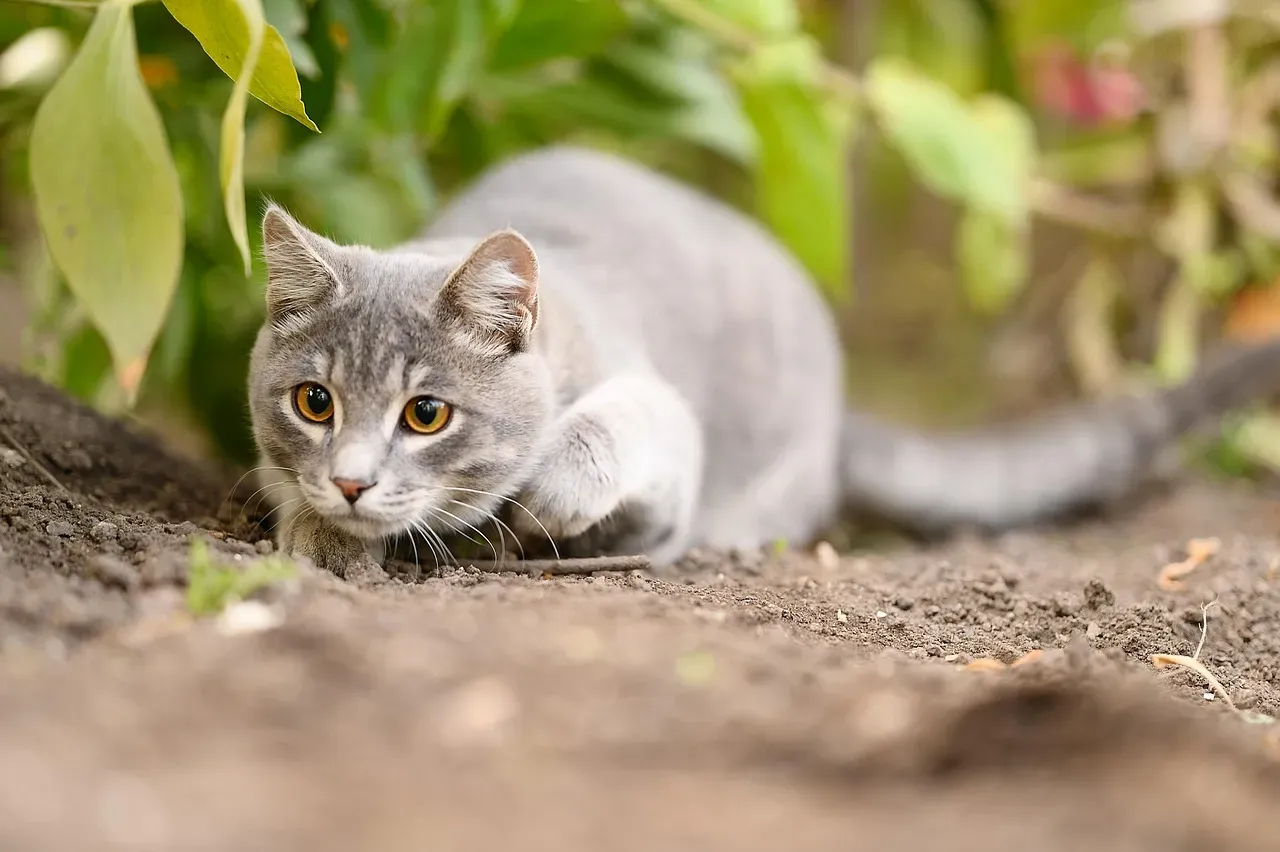
Cats are natural-born hunters. Even domesticated felines retain the instincts of their wild ancestors, which include stalking, pouncing, and capturing prey. Think about that for a moment. Your spoiled, treat-eating indoor cat still carries thousands of years of predatory programming in their DNA.
Even though house cats no longer need to hunt for dinner, many still carry the genetic memory of those wild days. When your cat picks up a toy and brings it to you, they may be reenacting the ancient hunting ritual: catch, capture, deliver. By treating that toy as “prey” and presenting it to you, your cat could be offering a symbolic trophy, a sign of success and skill, shared as a gift to someone they trust.
Every cat, from the sleekest Siamese to the fluffiest Maine Coon, carries the DNA of a skilled predator. When your cat pounces, stalks, or chases a toy, they are reenacting the ancient hunting sequence: the thrill of the chase, the strategic ambush, and the satisfying capture of their prey. Bringing you a toy is often an extension of this powerful prey drive.
It Is a Genuine Expression of Love and Trust
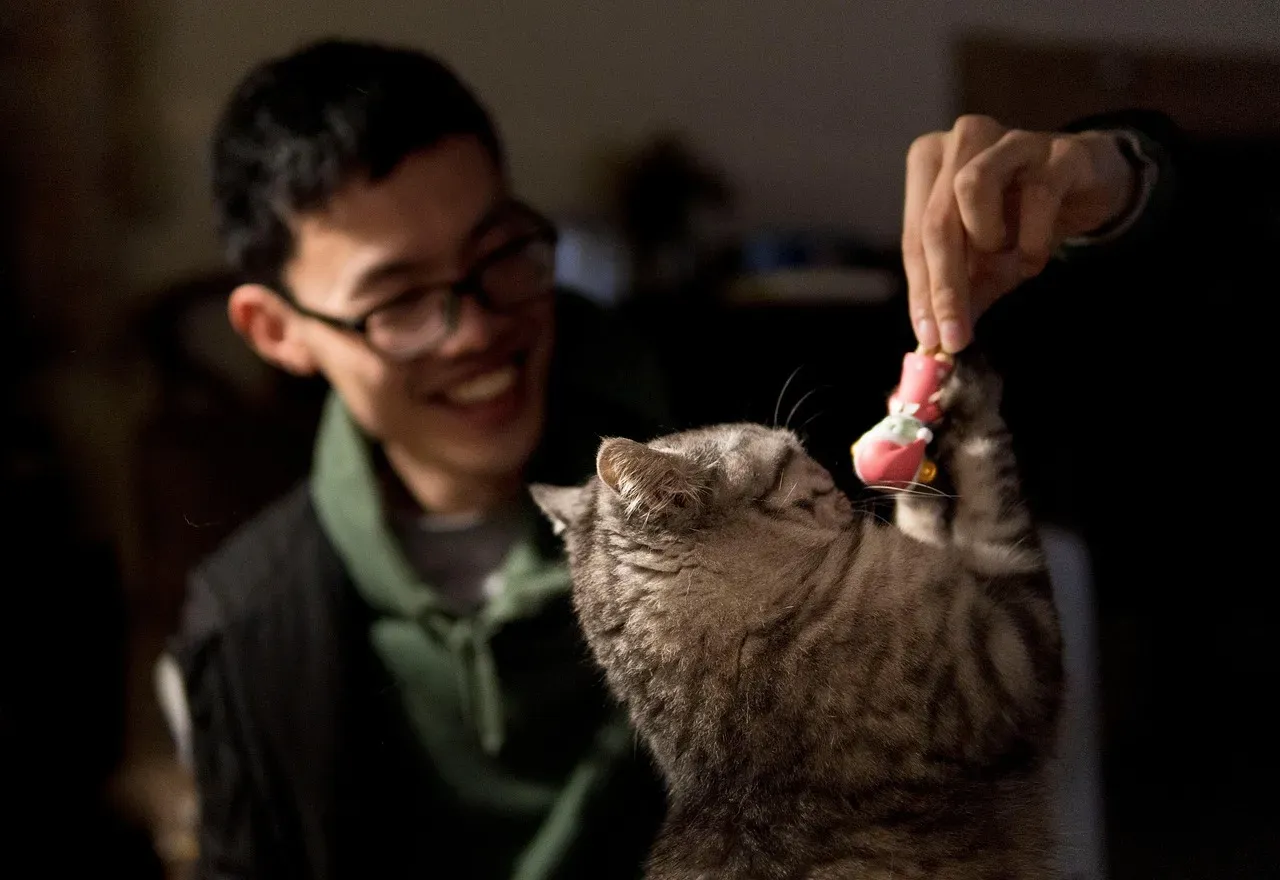
With a reputation for being aloof to uphold, cats can’t always make it obvious how much they adore their human family members. Instead, they’ll find subtle ways to show their affection. While they know precisely what they mean to say, their meaning isn’t always the most understandable to us. Dropping their favorite toy in your lap might be your cat’s way of showing their trust in you, their faith that you’ll keep them safe, and their gratefulness that you care so much.
In human terms, giving gifts often reflects love, gratitude, or appreciation. For cats, presenting a toy to you may have similar meaning. They’re showing: you’re part of my family; I trust you; I feel safe with you. By offering a prized possession, their toy seen as valuable, they’re saying you matter. I think that’s genuinely one of the sweetest things a cat can do, even if it’s wrapped in fur and a little bit of drool.
Your Cat Sees You as a Member of Their Social Circle
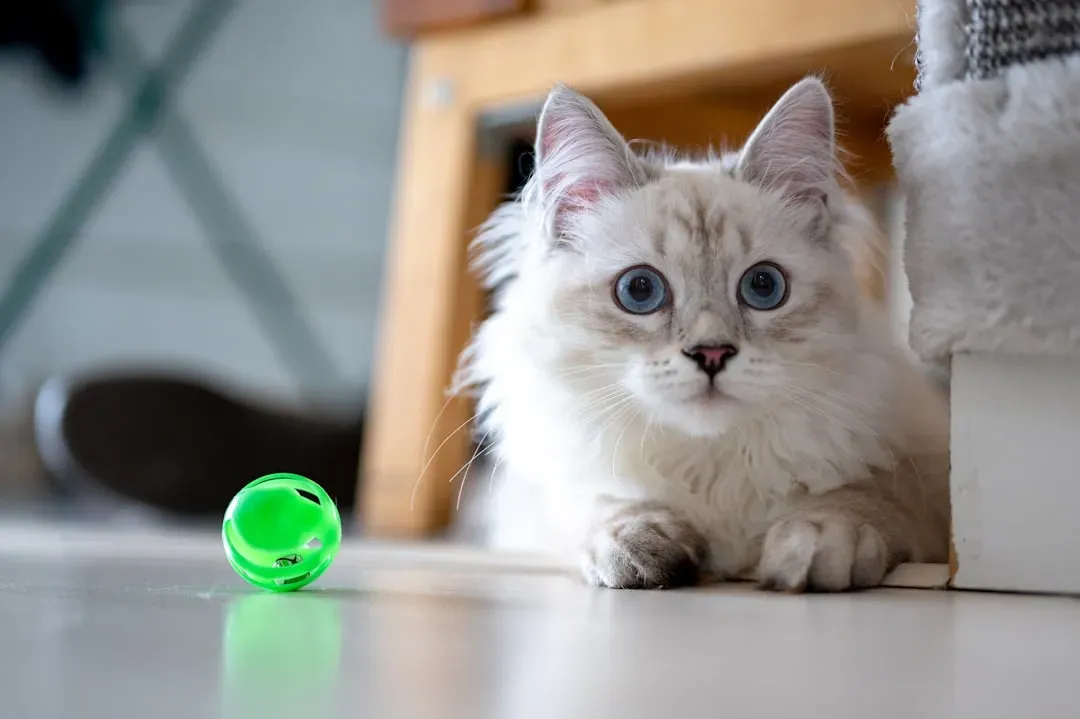
When your cat brings you a toy, it’s a manifestation of their hunting prowess. They see you as a member of their “pride” and are essentially sharing their hunting successes with you. It’s kind of like a colleague forwarding you their best work email, except fluffier and considerably more endearing.
In the wild, cats often share their catches with other members of their group, especially with kittens or less successful hunters. Bringing you a toy is a way for your cat to share their “spoils” with you. It’s a generous gesture, even if the “prey” is just a stuffed mouse or a feathered toy. Cats are social animals and have a hierarchy within their social group. In a household with multiple cats, one cat may bring toys to another as a way of showing submission or respect. In a single-cat household, the cat may bring toys to their owner as a way of bonding and establishing a social connection.
They Are Asking You to Play – Right Now
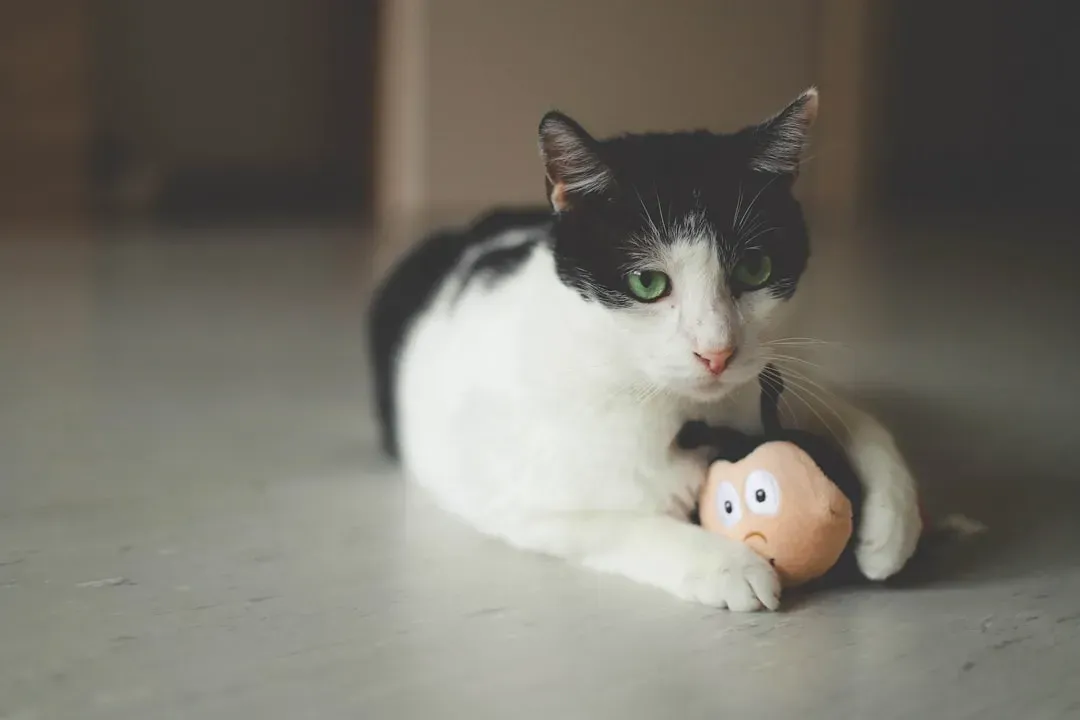
One of the most common and delightful reasons your cat might bring you a toy is a simple, clear invitation to play. Cats thrive on interaction, and when they’re feeling energetic or a bit bored, they’ll often try to engage their favorite human. It’s practically a written invitation, minus the stationery.
When your cat brings you a toy, it’s an invitation to play and engage with them. They see you as their playmate, and this is their way of initiating a game. Responding to their invitation not only strengthens your bond but also provides mental and physical stimulation for your feline friend. Playing with your cat benefits both of you. It encourages your house cat to move around and helps strengthen the bond between you. Your cat’s antics as you play are also amusing and a great way to unwind.
Your Cat Might Be Trying to Teach You How to Hunt
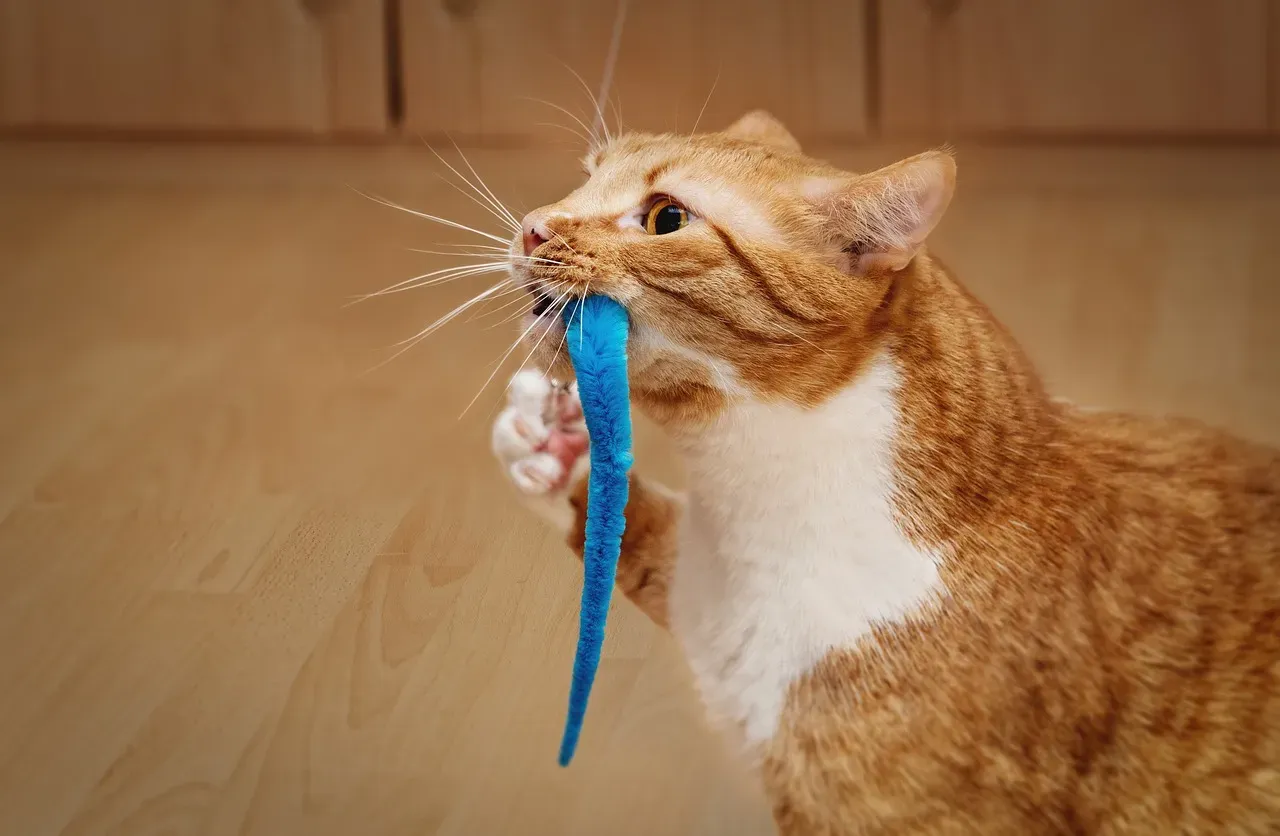
Here’s the thing – your cat may actually think you’re terrible at surviving. Let’s be real, from their perspective, you probably are. It’s now thought that cats are actually trying to help their owners out. They think we’re poor hunters and want to teach us. Experts came up with this idea because it’s what mother cats do for their kittens. They bring live prey back to the kittens for practice.
Another reason why cats bring toys to their owners is to teach them hunting skills. In the wild, mother cats teach their kittens how to hunt by bringing them prey. Domestic cats may bring toys to their owners as a way of teaching them how to hunt. By bringing toys to their owners, cats may be trying to encourage their owners to play and hunt with them. Think of it as your cat enrolling you in a very adorable survival course you never signed up for.
Boredom Is a Real and Serious Trigger
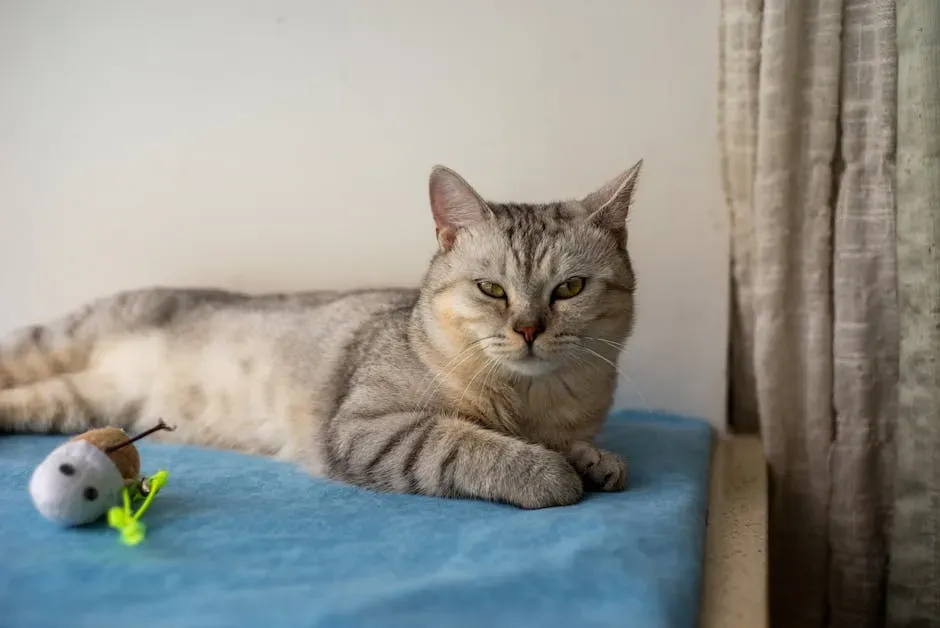
Cats are natural predators even when living indoors, and without a wild environment to roam and hunt, their energy and instincts still seek an outlet. If a cat doesn’t get enough stimulation, it might bring you toys to express restlessness or boredom. They’re not being cheeky, they’re trying to meet a psychological need.
Cats, much like children, can get bored if there’s a lack of stimulating activity and attention. If your cat brings you a toy and then stares intently, or nudges it towards you, it’s a clear signal that they’re seeking an interactive play session. Responding to this invitation is not just about entertainment; it’s vital for their physical and mental health. Daily playtime helps expend excess energy, reduces stress, and provides crucial mental stimulation.
The Toy Might Actually Need Your Help
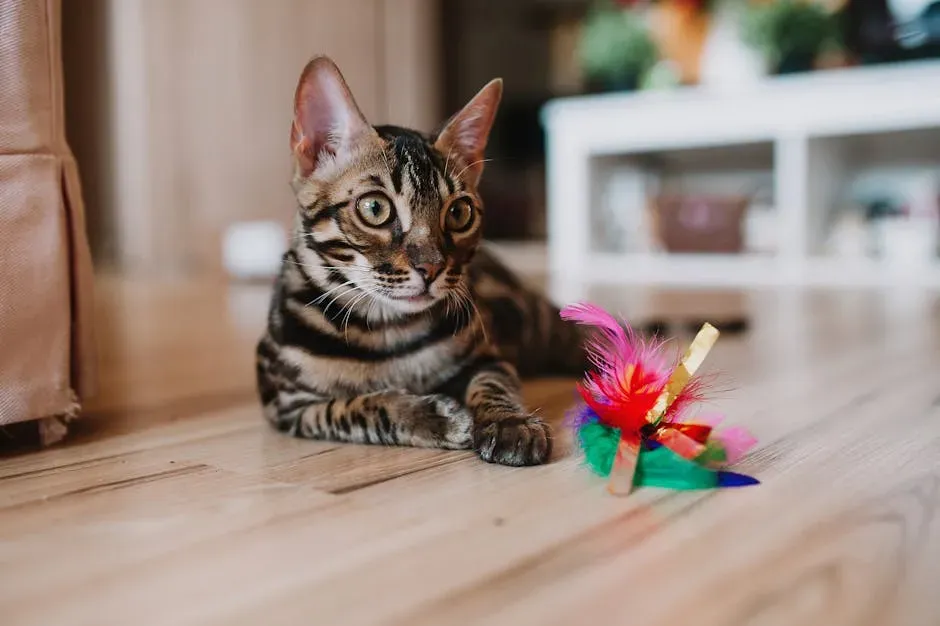
All toys break eventually, and there comes the point when the seams of your cat’s stuffed mouse can’t take the strain anymore, or the catnip scent has worn off. Cats can be particular about their possessions, and if something suddenly changes about their favorite toy, they’ll often turn to you for assistance. It might be challenging to see why your cat has brought you their toy, but by paying attention, you’ll likely find the problem. Your cat might have brought it to you because the stuffing’s falling out or the battery making it light up is no longer working.
Sometimes, your cat might bring you a toy not to play, but for a different, equally important reason: inspection. Cats are meticulous creatures, very sensitive to changes in their environment, and this extends to their possessions. If a favorite toy looks or smells different, or if they perceive something amiss, they might present it to you for a closer look. A bonded cat will look to you to solve problems. If their toy is broken or they can’t figure out how to work it, they might bring it to you for help.
Nighttime Toy Deliveries Have Their Own Special Meaning
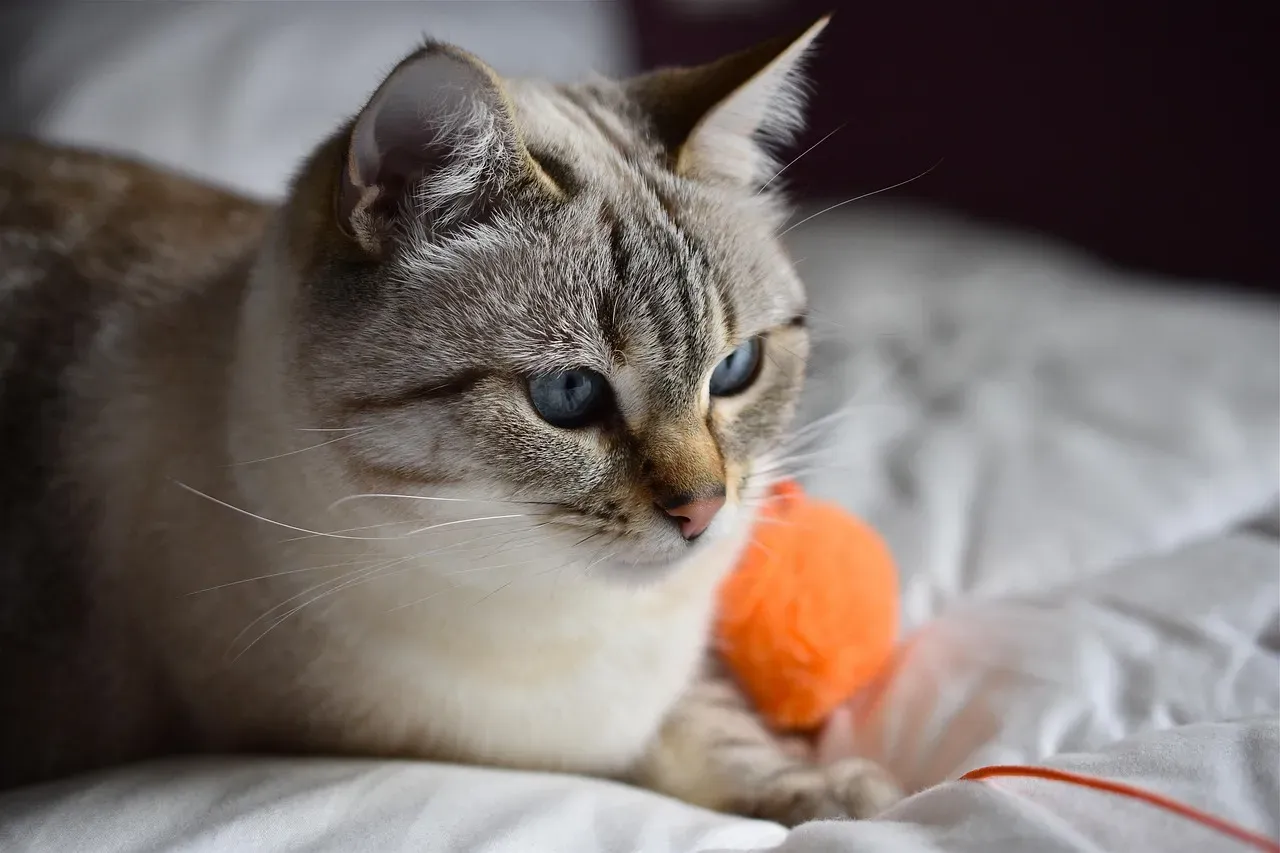
Does your cat bring toys to your bed at night? Cats are crepuscular, which means they are most likely to hunt at dawn and dusk. That explains why you wake up at 3 a.m. to find a toy mouse balanced on your pillow with unsettling precision.
If your cat drops their favorite toy in bed at night and meows at you, you might pet your cat, set them aside, or even toss the toy. All these actions are positive reinforcement, signaling to your cat that they’ll be rewarded with attention for bringing a toy to bed. When cats hunt in the wild, their instincts are to move their catch to a safe place away from predators and competition. They might not eat their catch right away and instead leave it in a safe spot to eat later. Cats see their pet parents as safe and trustworthy, so they give you their toy to look after.
How You Should Respond to Make the Most of This Moment
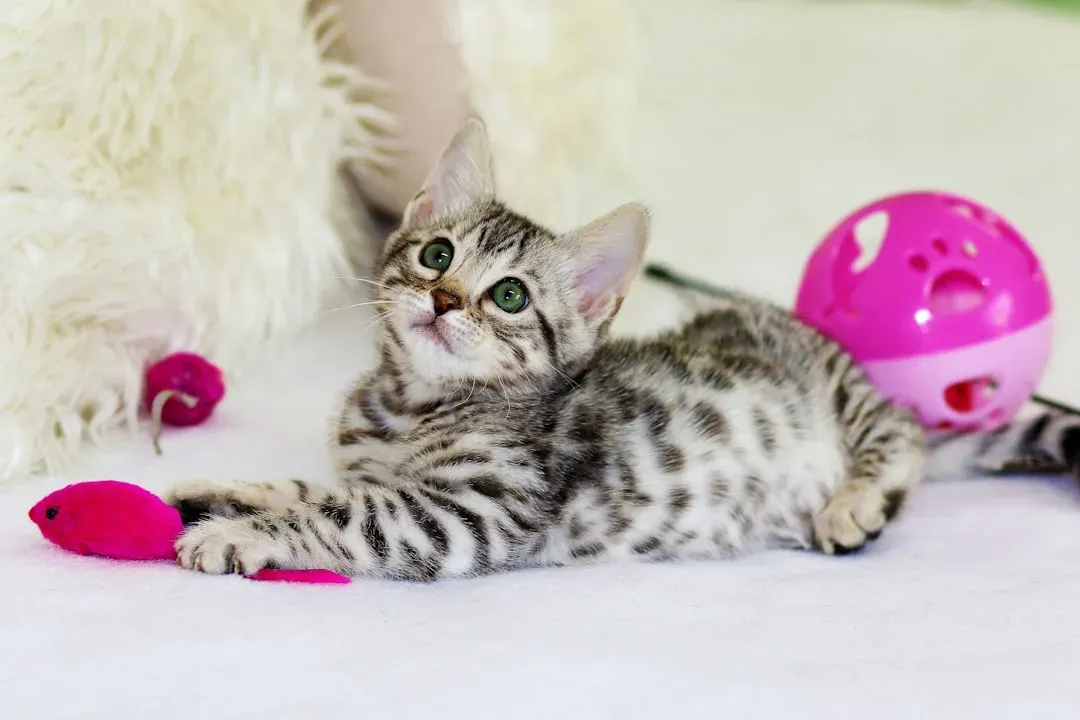
This gift-giving behavior is as instinctual for cats as scratching their scratching posts, grooming their fur, kneading, and other classic feline activities, and it’s actually a positive indicator of how they feel about you. Honestly, ignoring it entirely is a missed opportunity for real bonding.
When your cat brings you a toy and meows, try responding with gentle praise, a few loving pets, or a short play session. That simple recognition can reinforce your human-feline bond and honor your cat’s intentions, whether it’s affection, hunger for play, or a need for connection. It’s also smart to offer a variety of toys, such as feather wands, soft stuffed mice, crinkle balls, and interactive pieces, to help fulfill your cat’s hunting instincts and prevent boredom. Rotating toys now and then keeps things fresh and mentally stimulating. If you notice increased toy-carrying or more intense meowing, it may be your cat’s way of signaling they need more attention, playtime, or environmental enrichment.
Conclusion
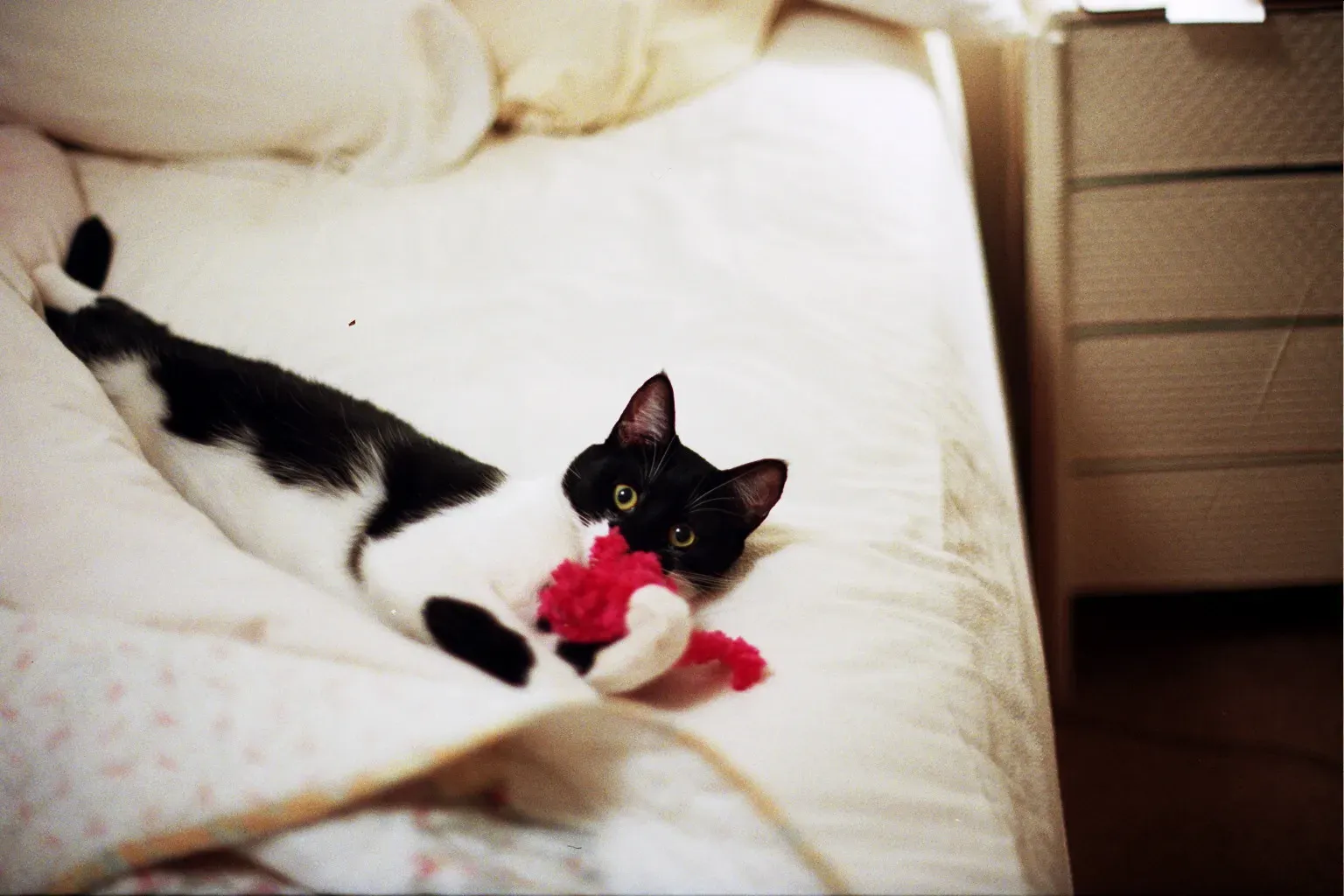
Uploaded by JohnnyMrNinja, CC BY-SA 2.0)
The next time your cat drops a soggy toy mouse at your feet and stares at you with those wide, expectant eyes, take a beat before brushing it aside. That small gesture carries an enormous amount of meaning: trust, affection, instinct, and a genuine desire to connect with you on their own terms.
Cats are not the emotionally distant creatures they’re often made out to be. They simply speak a different language, and toy-gifting is one of their most eloquent sentences. When your beloved cat presents you with a toy, they are doing so much more than simply dropping an object at your feet. This charming and often vocal behavior is a complex tapestry woven from ancient hunting instincts, profound affection, an earnest invitation to play, and a deep-seated trust in your role as their protector and provider. It’s a powerful form of communication, a unique way your feline friend expresses their love, their needs, and their inclusion of you in their innermost circle.
So the real question isn’t why your cat brings you their favorite toy – it’s whether you’ve been paying close enough attention all along. What does your cat’s toy-gifting habit look like? Tell us about it in the comments!