Most cat owners believe they’ve got the litter box situation figured out. You scoop occasionally, toss in some fresh litter, and that’s that, right? Well, here’s the thing – your cat might be silently disagreeing with everything you’re doing down there.
The litter box is far more than a plastic tray in the corner. To your cat, it’s a sanctuary, a stress barometer, and honestly, one of the most important places in your home. Get it wrong, and you won’t just deal with bad smells – you could be risking your cat’s health, happiness, and trust. So let’s get into the seven mistakes you might not even know you’re making.
Mistake #1: Not Cleaning the Litter Box Often Enough
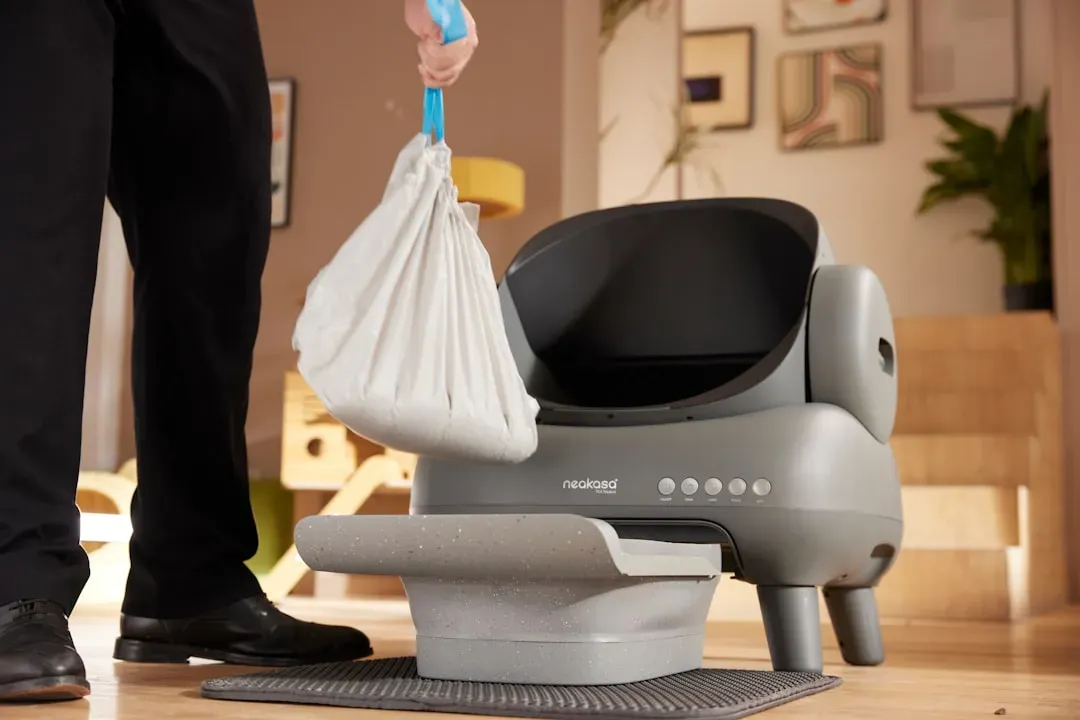
Let’s be real – this is the number one offense, and it’s shockingly common. A dirty litter box is the most common reason cats don’t use their litter box. Think of it like this: would you willingly step into a gas station bathroom that hasn’t been cleaned in three days? Your cat wouldn’t either.
Having a dirty litter box not only causes odors that you can smell, but also poses health risks to your cat – when the litter boxes are too soiled to use, it forces cats to hold their waste, which can lead to life-threatening conditions. That’s not an exaggeration. That’s biology.
Your litter box should be scooped at least twice a day. On top of that, at least once a week, throw out all the litter, scrub the box completely with an effective but non-perfumed cleaner, and fill it with fresh litter. Yes, that means weekly. Every single week.
Plastic litter boxes should also be replaced once a year, because the scratches they tend to get during regular use can hold odor and debris. So even if you’re diligent about cleaning, an old, scratched-up box is still a problem waiting to happen.
Mistake #2: Using a Litter Box That’s Too Small
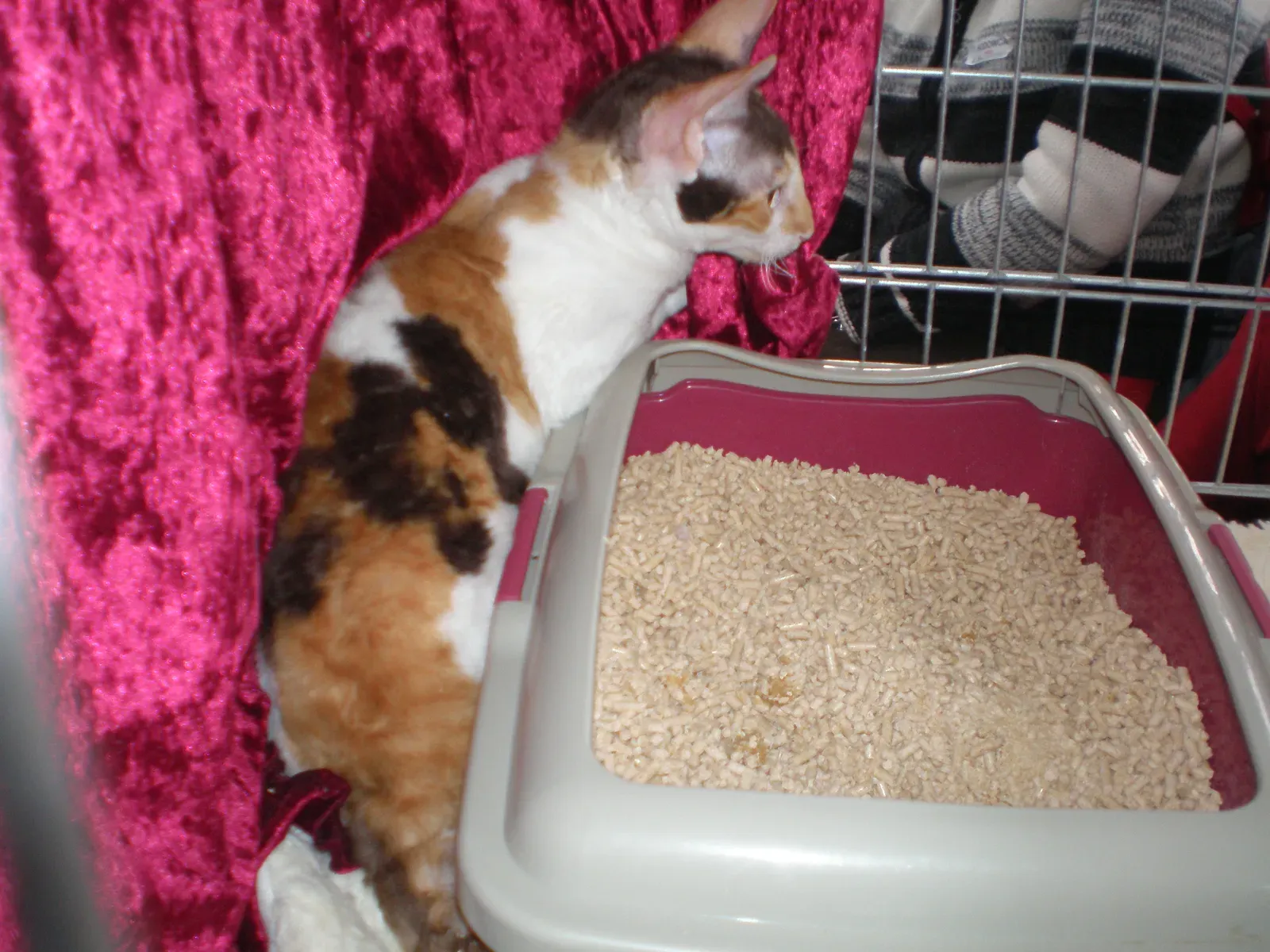
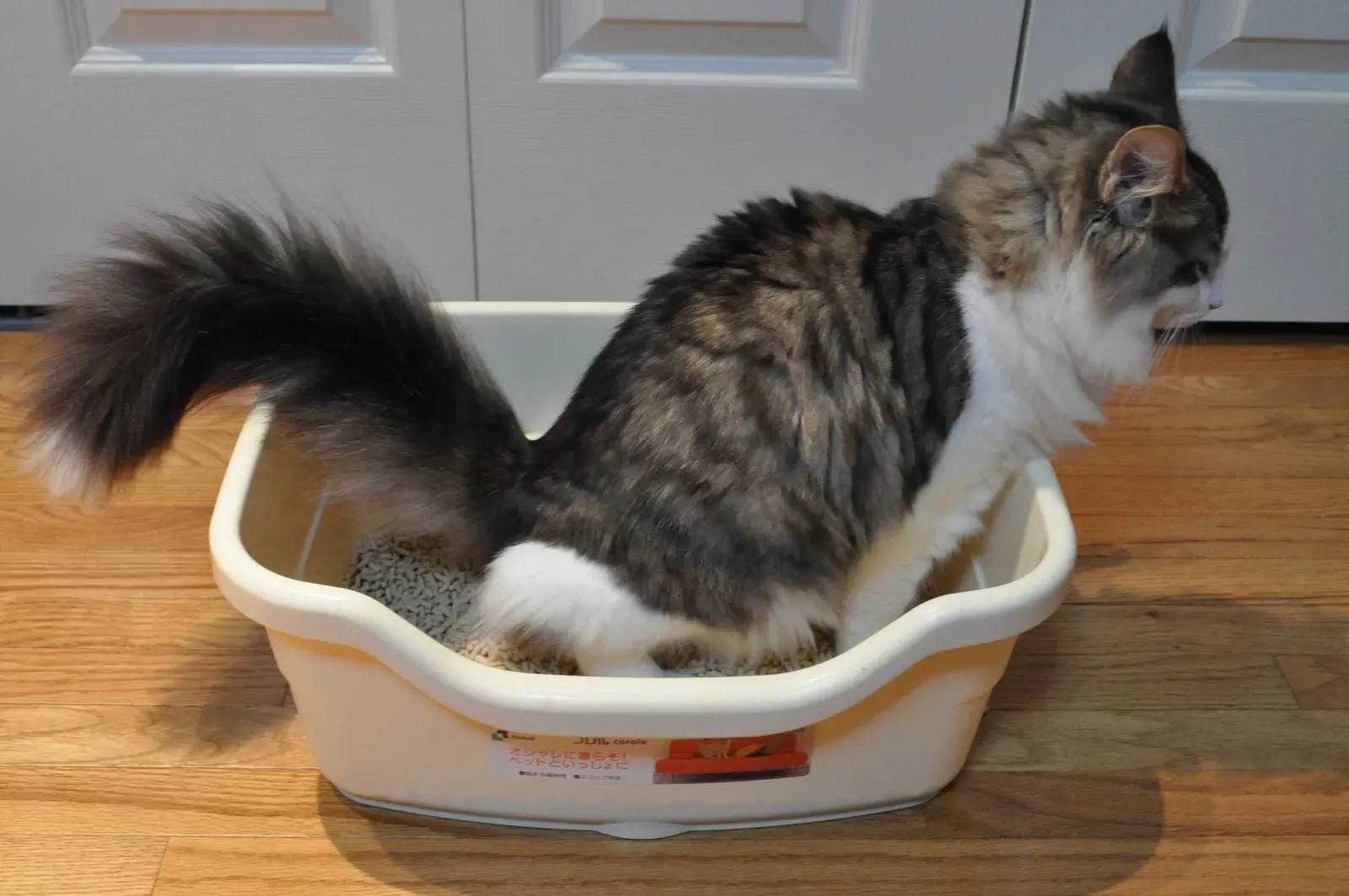
Here’s something that surprises a lot of people: the size of the litter box matters enormously. Most widely available litter boxes are too small for the average cat, let alone multi-cat homes or larger breeds. Your cat needs space to turn, dig, and choose a clean area, just as they would outdoors when covering their waste. A box should ideally be about one and a half times the length of the cat’s body, so they do not feel cramped or risk overshooting the box.
Honestly, I think most people just grab the first box they see on the shelf without giving much thought to whether it actually fits their cat. If given the choice, the majority of cats prefer a large box to a smaller one. It’s a simple upgrade that makes a massive difference.
The height of the litter box walls can be a concern for senior cats with mobility issues such as arthritis or other painful conditions. These cats will likely appreciate a box with lower sides to make entering and exiting easier. So if your older cat has started avoiding the box, the wall height might literally be the barrier.
You must be flexible if your feline friend is a kitten. As your little one grows, their litter box must grow with them. Think of it like children’s shoes – what fits today won’t fit next year.
Mistake #3: Not Having Enough Litter Boxes
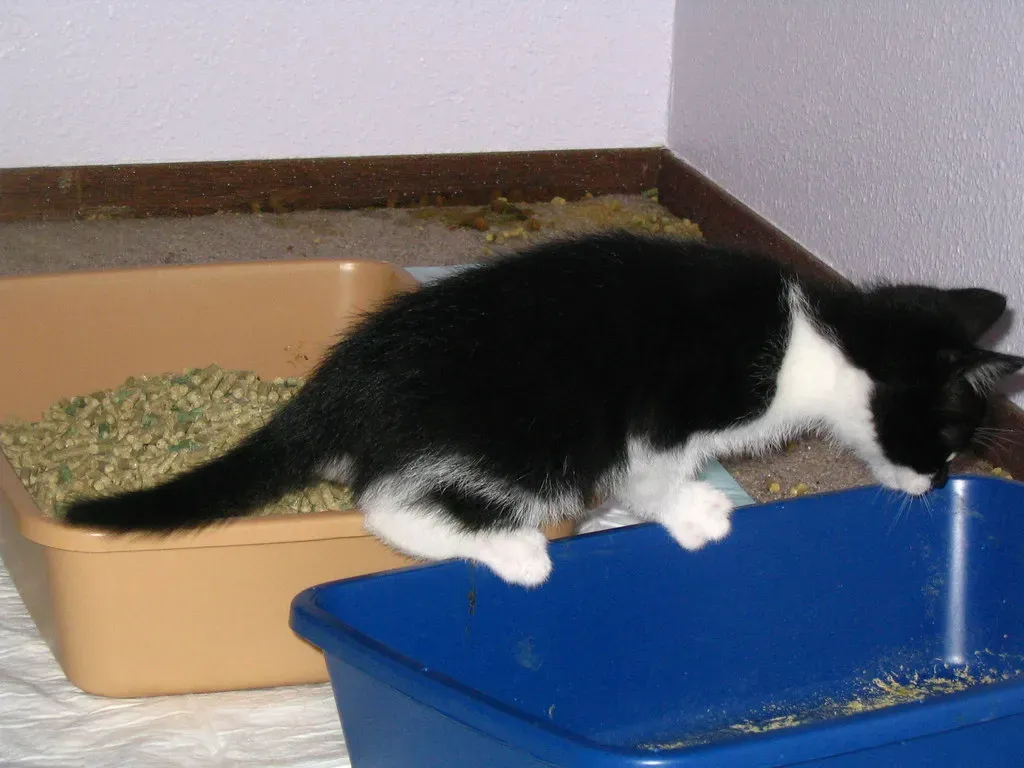
You haven’t provided enough litter boxes for your household. Be sure to have a litter box for each of your cats, as well as one extra. This is a rule that gets repeated by every vet and cat behaviorist out there, yet it’s one of the most commonly ignored pieces of advice. Two cats and one litter box? That’s a recipe for disaster.
Many cats do not like to share a litter box. Some cats even prefer to pee in one box and poop in another. When you stop to think about it, that makes total sense. Cats are naturally private and territorial creatures – sharing a toilet isn’t exactly on their wishlist.
The litter boxes should be scattered throughout the home so one cat doesn’t have to pass through another cat’s preferred area. One of the ways to keep peace in a multi-cat home is to not force cats to compete for resources. Competition over a litter box is a major source of feline stress, and stress in cats tends to show up in all the wrong places – like your carpet.
A cat shouldn’t have to travel too far to find a place to pee or poop. There should be litter box availability on each floor of your home. If your litter box is tucked away in the basement and your cat spends most of its time on the second floor, that’s an accident waiting to happen – literally.
Mistake #4: Putting the Litter Box in the Wrong Location
Placing the litter box in a noisy, high-traffic area can make your cat reluctant to use it. Cats value their privacy and prefer a quiet, private place where they can do their business undisturbed. Think about how unsettling it would be for you to try to use the bathroom in the middle of a busy hallway. Your cat feels the same way.
Place your cat’s box in a quiet location, away from noisy washing machines or dryers that could frighten your cat while in the box. The box should also be in a location where your cat can use it undisturbed. This may mean placing the litter box in an area where young children and dogs are not allowed.
There’s another location mistake that often gets overlooked. The first rule is to never place the litter box near the feeding station because no one likes to eat next to the toilet. For cats, the separation of the feeding station and elimination location is also based in survival. Cats eliminate away from where they live to avoid attracting predators. It’s an instinct hardwired over thousands of years of evolution.
In small apartments, it might be tempting to place the litter box near your cat’s food and water bowls, but cats dislike this arrangement. Think about it: would you want your kitchen and bathroom in the same space? To make your cat more comfortable, keep the litter box in a separate location. Even just a few feet of separation can make a big difference.
Mistake #5: Choosing the Wrong Type of Litter
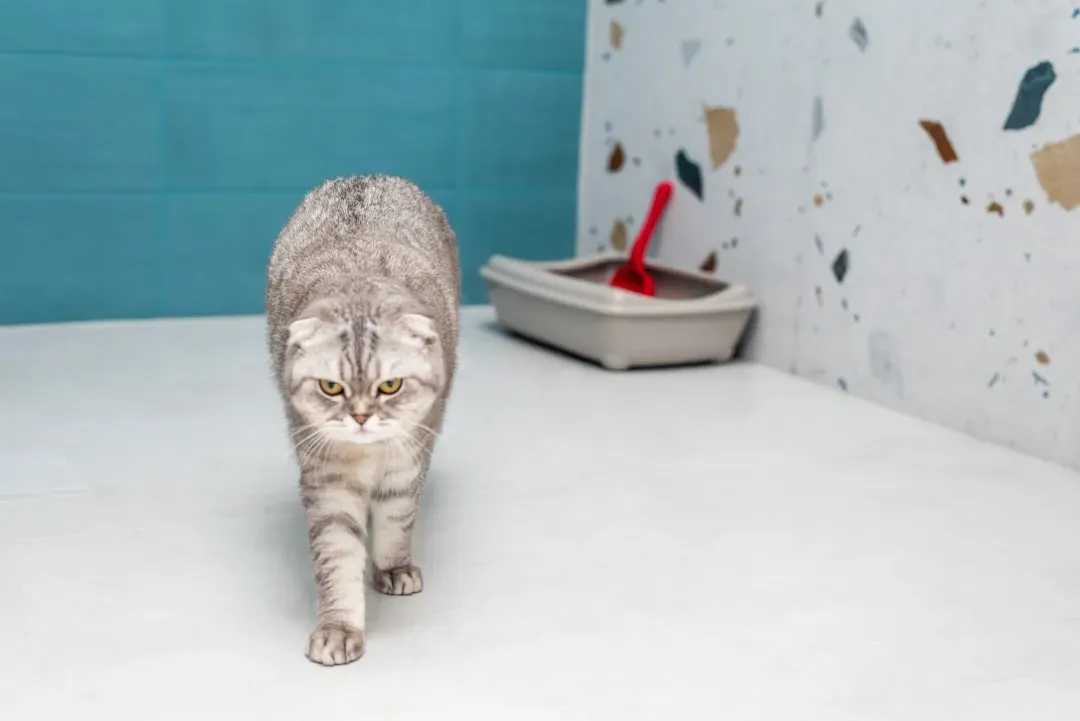
The litter used in the box is a critical choice, and many cats are quite particular about the type of litter they prefer. Ideally, a litter without a strong scent is best, as cats are very sensitive to odors. This might shock you if you’ve been reaching for the pleasantly “spring breeze” scented variety, but you’re essentially buying it for yourself – not your cat.
While scented litter might smell pleasant to us, it can be overwhelming for cats, whose sense of smell is much more sensitive. Additionally, the scent can mask the natural odors that make cats feel secure. Stick to unscented litter to keep your cat comfortable.
In general, cats prefer a soft, sandy texture, and that’s where most of the scoopable litters are ideal. If you’re completely unsure what your cat actually prefers, set out a litter box buffet with a different brand in each box. Your cat will let you know which one is the winner. It sounds like a science experiment, but it genuinely works.
If you decide to try a new type of litter, mix it slowly with the old litter (about a half and half mix) to get your cat used to it. Some cats will stop using the box if the litter is changed abruptly. Cats are creatures of habit, and sudden changes rarely go over well.
Mistake #6: Using a Covered Litter Box
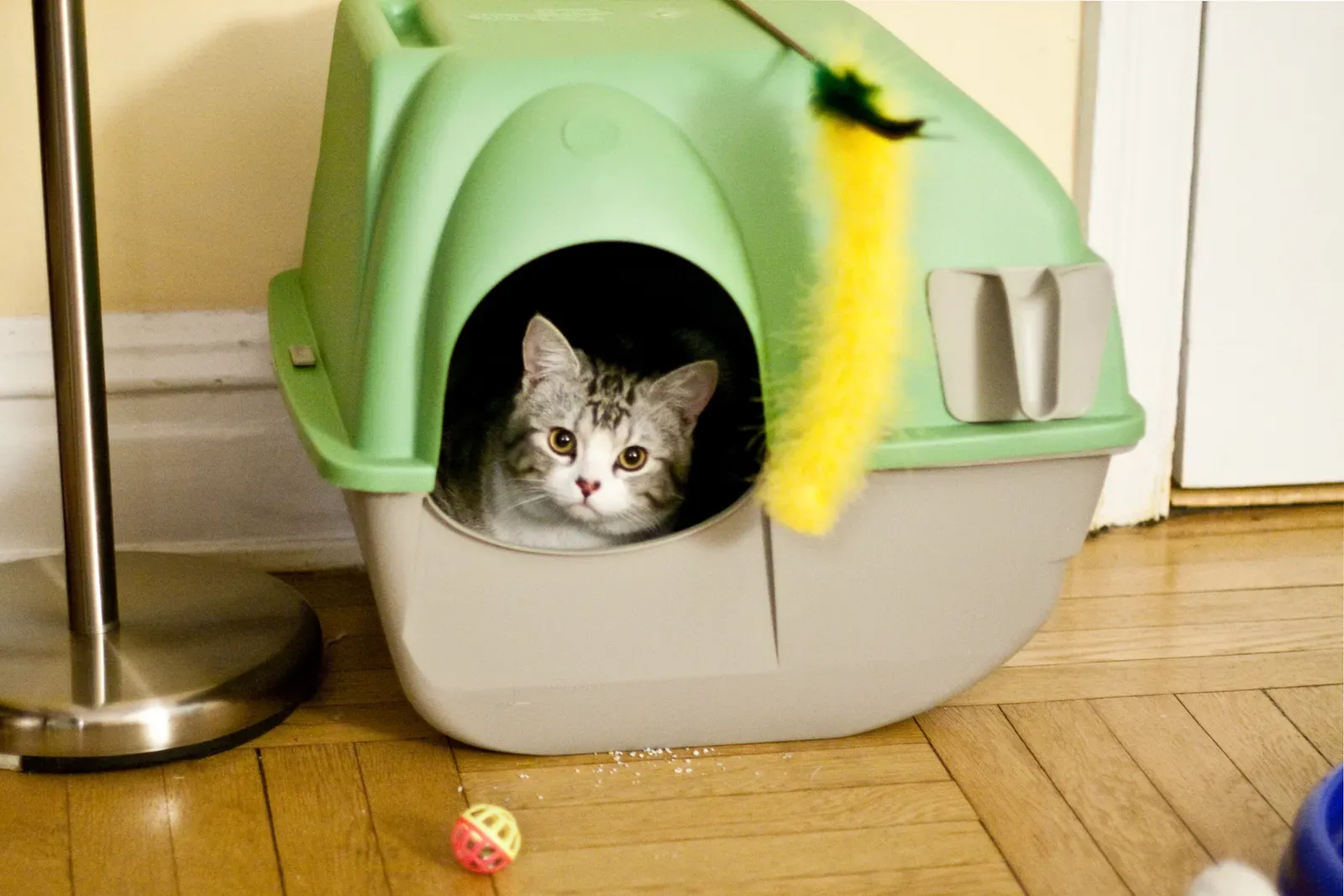
Covered litter boxes look neat and tidy. They hide the mess. They contain the smell. They appeal to every human instinct for tidiness. The problem? Litter box hoods are problematic for many cats. Though hoods do offer privacy, they also create a dark environment with only one way in or out. Because cats are not only hunters but also prey animals, they need to be able to see what’s happening around them.
Most cats prefer a box without a cover. Unlike us, they’re not thinking about modesty. They’re thinking about not being ambushed, and they want a spot that lets them see what’s going on around them. It’s a survival instinct, pure and simple. A covered box feels like a trap, not a sanctuary.
In addition, hoods tend to trap odors and dust that your cat might find objectionable. So that covered box you thought was solving the smell problem? It’s actually concentrating it right where your cat has to breathe. A hooded litter box may simply be an invitation for your cat to find a different and perhaps undesirable place to pee and poop.
Keep litter boxes uncovered. Cats often prefer uncovered boxes, and leaving the litter box open makes it easier for owners to keep them clean. It’s a win for everyone involved – especially your nostrils, because you’ll actually notice when the box needs attention.
Mistake #7: Ignoring Changes in Your Cat’s Litter Box Habits
Ignoring your cat’s elimination habits can be a big mistake. Changes in litter box habits can be a sign of health issues. If your cat starts urinating outside the box or shows other unusual behaviors, it could indicate a medical problem such as a urinary tract infection or kidney disease. Your cat literally cannot come to you and say “something’s wrong.” The litter box is their only way of communicating a health crisis.
Scooping litter pans can become a habit that we hardly even think about. However, it is important to pay attention to what’s inside the box. You want to take notice of the size, shape, and color of any contents in the litter pan – both stool and urine. Think of each scooping session as a five-second health check.
Some cats will “hold it” and urinate as infrequently as possible to avoid stepping into a dirty, filthy, full litter box. Instead of urinating two to three times a day, your cat will tighten up and only go once a day. This makes urine get more concentrated and could cause crystals and urine debris to plug up and cause a life-threatening feline urethral obstruction. That is genuinely terrifying, and it all starts with a neglected litter box.
Regularly monitor your cat’s habits and consult a veterinarian if you notice any changes. Early detection of health issues can prevent more serious problems down the line and ensure your cat stays healthy and happy. It’s hard to say for sure whether any single change means something serious, but trusting your gut – and calling your vet – is always the right move.
Conclusion: Small Changes, Happy Cat
Here’s the honest truth: none of these seven mistakes are difficult to fix. You don’t need expensive gadgets, fancy automated boxes, or a complete home renovation. You just need to pay closer attention to one of the most overlooked corners of your home.
Your cat depends on you to get this right. A well-maintained litter box means a less stressed cat, fewer accidents around the house, and – most importantly – a healthier, longer life for your feline companion. The litter box truly is a window into your cat’s wellbeing, and once you start treating it that way, everything changes.
Take a moment today to review your setup. Is the box big enough? Is it clean enough? Is it in the right spot? Sometimes the smallest adjustments make the biggest difference in a cat’s life. After all, your cat would do anything for you – the least you can do is scoop more often. What change will you make first?