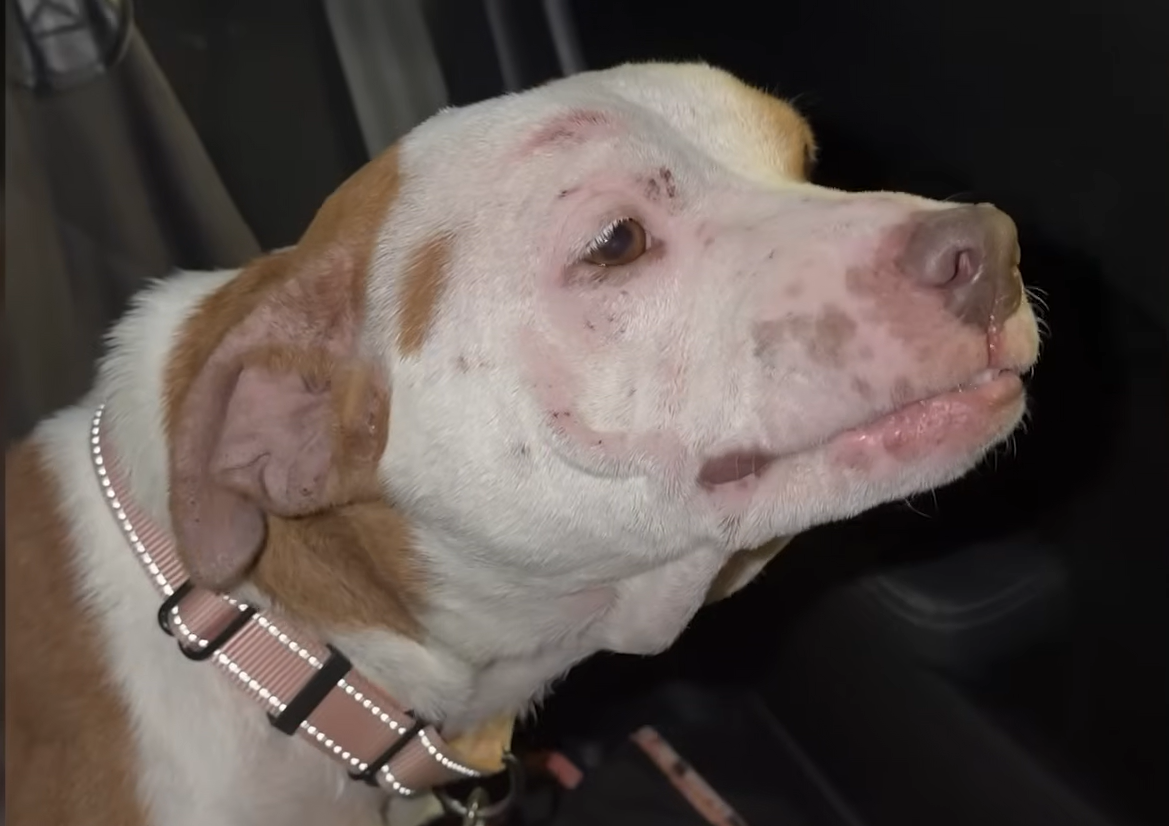
A pit bull named Paladin, her body etched with scars from a life of hardship, has captured the nation’s attention with her quiet road to recovery. Foster mom McKenzie stepped in at a critical moment, racing to provide the safety this dog so desperately needed. Now, simple joys like sunlight mark her progress, proving that compassion can rewrite even the darkest stories. Here’s how one dog’s journey is challenging stereotypes and inspiring change.
Paladin’s Rocky Start in Foster Care
Paladin arrived fragile and fearful, her scars a stark reminder of neglect or worse. McKenzie wasted no time, prioritizing veterinary checks and a calm space to help her adjust. Early days involved gentle coaxing with treats and short outdoor ventures, as the pit bull shied away from both people and the outdoors. Patience paid off in tiny wins, like a tentative tail wag or accepting play. These steps rebuilt her shattered confidence, one careful interaction at a time. Today, that foundation supports her growing ease.
The Turning Point: Embracing Sunlight and Smiles
Something shifted when Paladin finally relaxed enough to lounge in the warm sun, her face softening into what McKenzie calls a sweet smile. This wasn’t mere lounging; it signaled emotional breakthroughs after months of trauma work. She now seeks out sunny patches on her own, a complete reversal from her initial terror. Such moments show how low-stress activities like sunbathing lower stress hormones in rescues. Experts see this as a key indicator of readiness for deeper bonds. Paladin’s change underscores trauma-informed care’s real impact.
McKenzie’s Hands-On Rescue Strategy
McKenzie’s approach blended urgency with empathy from day one. She rushed Paladin for medical vetting, addressing wounds while building daily routines around toys and soft petting. Years of fostering taught her to layer socialization slowly, avoiding overwhelm. Every hour counted in those first weeks, staving off further psychological damage. Her story urges more people to try short-term fostering, as it bridges shelters to homes effectively. Public awareness like this amplifies those calls.
Pit Bulls’ Uphill Battle Against Bias
Pit bulls face outsized challenges, making up only about six percent of U.S. dogs yet over 20 percent of shelter intakes. Many arrive scarred from fighting rings or abandonment, fueling high euthanasia rates around 40 percent of shelter deaths. Fostering flips that script, boosting adoptions by highlighting their loyalty once healed. Paladin embodies this potential, countering myths with visible affection. Stricter cruelty laws and education campaigns gain traction through tales like hers. Her progress spotlights the breed’s untapped capacity for love.
Recovery Science Behind the Smiles
Vets and behaviorists link scars to deeper issues akin to PTSD in dogs, requiring phased healing. Medical care pairs with enrichment like play and positive reinforcement to rebuild trust. Sun exposure and relaxed “smiling” jaws signal dropping cortisol, per welfare studies. Fostered pit bulls show 70 percent better long-term outcomes post-adoption. McKenzie’s methods align perfectly with ASPCA guidelines. Paladin’s case offers a model for shelters nationwide.
Paladin’s sunny smiles remind us that every scarred pup deserves a fair shot at happiness. Fosters like McKenzie prove one person’s effort sparks ripples of change. What simple act could you take to support pit bull rescues?
Source: Original YouTube Video