You probably think of it as an inconvenience. Your cat hops up uninvited, circles twice, kneads your thighs like bread dough, and parks itself right where you were about to set your laptop. Honestly, most of us just sigh and accept it. But here’s the thing – what if that furry interruption is actually one of the best things happening to your body and mind all day?
Science has been quietly catching up with what cat lovers have known instinctively for centuries. There is real, measurable stuff going on when a purring cat settles into your lap. Some of it will genuinely surprise you. Let’s dive in.
Your Stress Melts Away Faster Than You Think
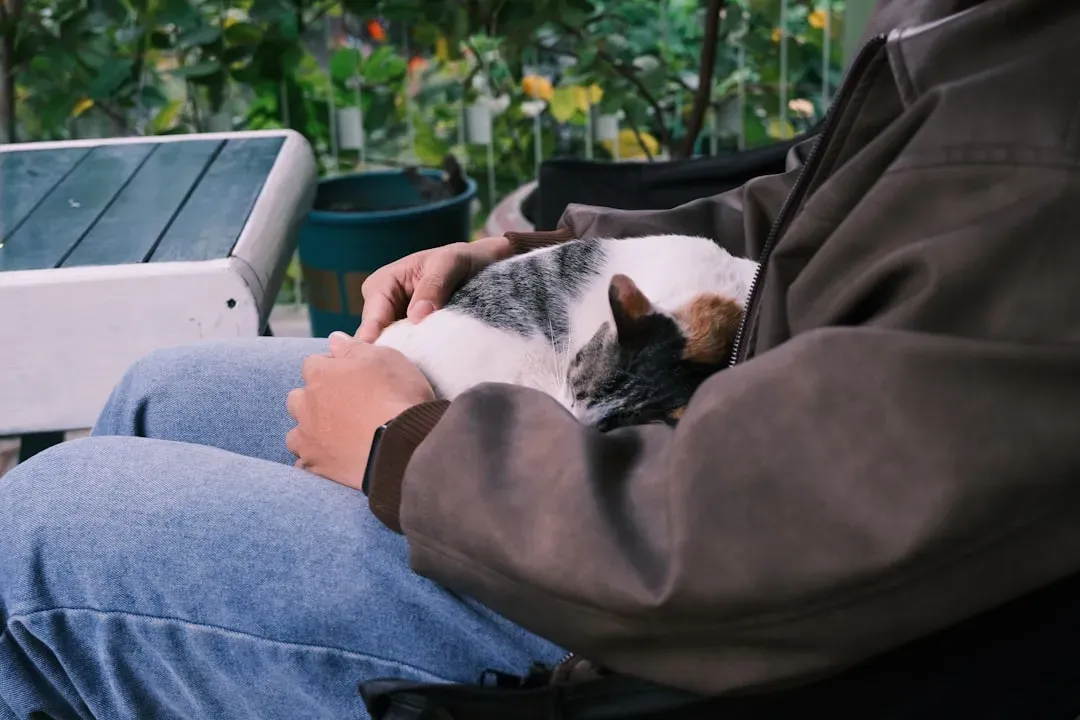
Research from Washington State University demonstrated that just ten minutes of petting a cat can significantly reduce cortisol levels, a major stress hormone. This physiological response translates directly to feelings of calm and relaxation. Think of it like a built-in pressure valve – soft, purring, and entirely on your lap without you having to book an appointment.
When you engage in activities like petting or simply sitting with your cat, levels of oxytocin surge, helping to reduce stress and anxiety. Research has found that people who interact with animals regularly exhibit lower cortisol levels and higher serotonin levels, a neurotransmitter linked to mood regulation. In other words, your cat is chemically rewiring your brain – in the best possible way.
Your Heart Gets a Quiet, Unexpected Workout
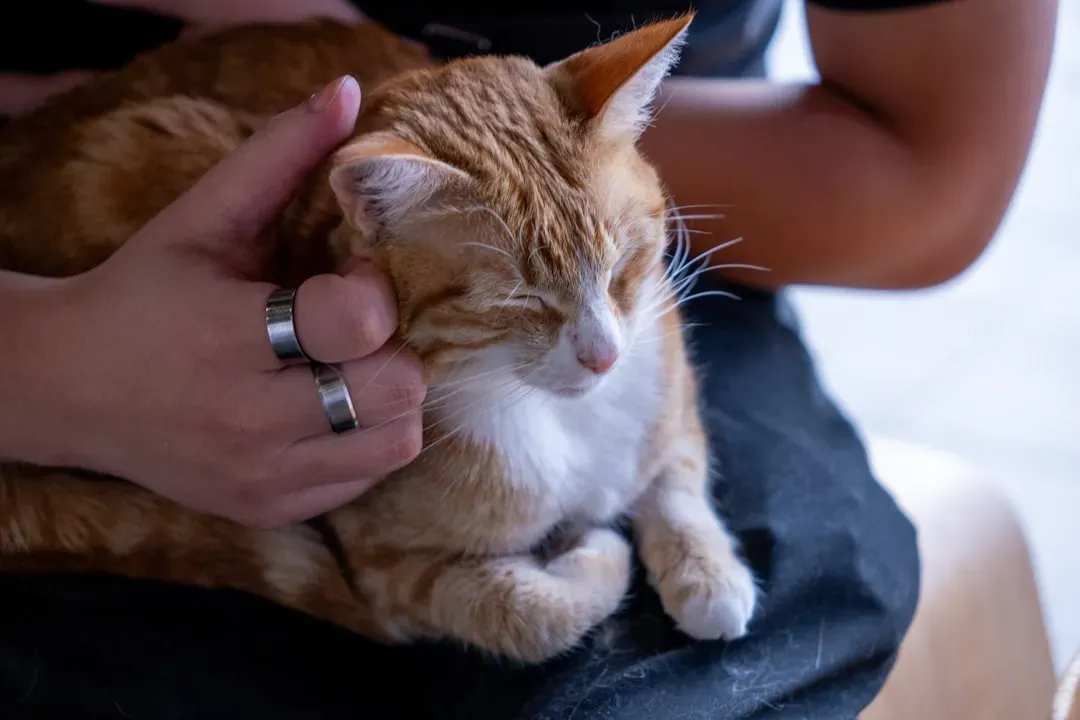
Many people who spend time with cats experience a decrease in heart rate and blood pressure, which reduces strain on the cardiovascular system and supports overall health. It sounds almost too simple, doesn’t it? A warm furball on your lap doing more for your arteries than you’d expect.
One ten-year study showed a roughly thirty percent lower risk of death from a heart attack for cat owners versus people who don’t own cats. A reduction in stress, blood pressure, and heart rate can reduce your risk of stroke and heart attack, as well as support your general cardiovascular health. That’s a pretty staggering return on investment for doing absolutely nothing but sitting still.
The Purring Is Actually Healing Your Body
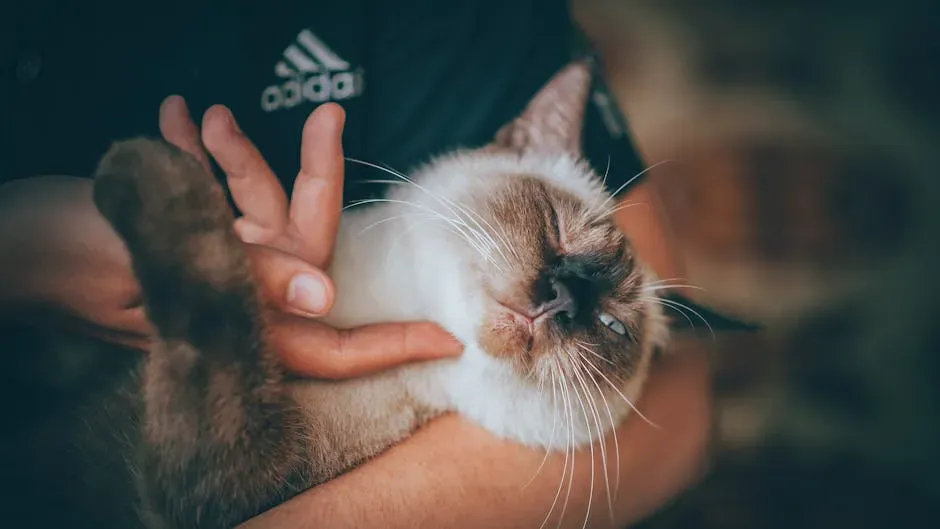
Research suggests that the frequency of a cat’s purring, typically between 25 and 150 hertz, could have therapeutic effects on the body and mind. Studies have shown that sounds with a frequency in the range of 18 to 35 hertz can have a healing effect on joint mobility in humans after an injury. Since a cat’s purring can cause vibrations sometimes as low as 20 hertz, it’s very possible that your cat purring on your lap can help humans when it comes to both mental and physical health.
These vibrations can help reduce inflammation, improve circulation, and stimulate the healing of damaged tissues. They’ve also been shown to promote the regeneration of bone cells and increase bone density, making them valuable for treating bone fractures and joint issues. I know it sounds crazy, but your cat may be quietly performing a form of vibration therapy on you every single evening while you watch TV. Who needs an expensive massage chair?
Your Brain Floods With Feel-Good Chemicals
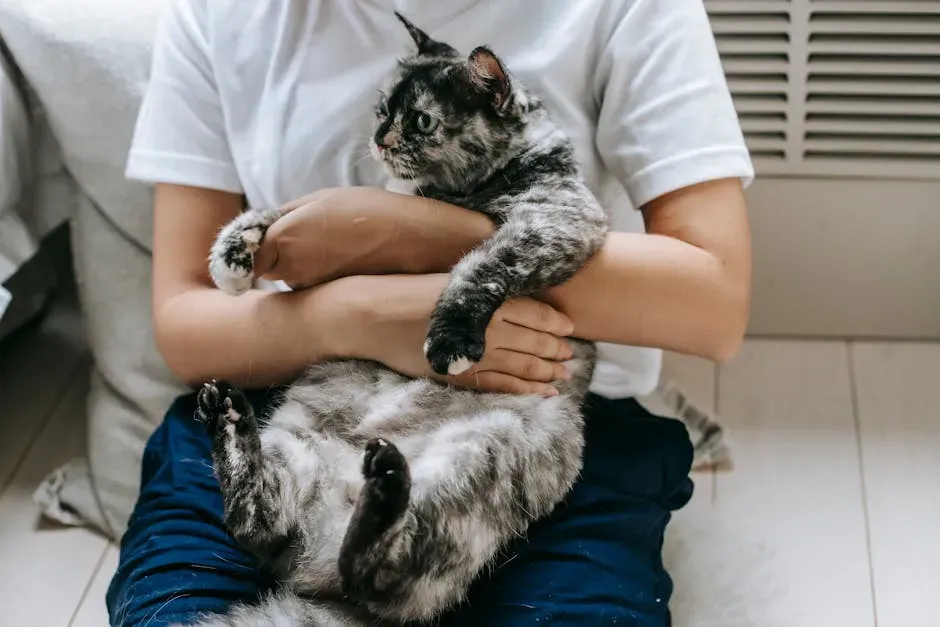
Next time your cat climbs on to your lap for a purr-filled cuddle, know that something invisible is happening too: oxytocin is rising in both your brains, deepening the trust and soothing the stress of daily life. The main chemical involved is oxytocin, often called the love hormone. It’s the same neurochemical that surges when a mother cradles her baby or when friends hug, fostering trust and affection. Studies are now showing oxytocin is important for cat-human bonding too.
Petting your cat can increase serotonin and oxytocin, hormones that make you feel happy and calm. Hearing your cat purr also produces those hormones, which can help to lower your stress levels. So, when your cat purrs as you’re petting them, you’re getting a double dose of feel-good chemicals. It’s basically a two-for-one neurochemical deal, and all you had to give up was your lap space.
Your Loneliness Quietly Fades
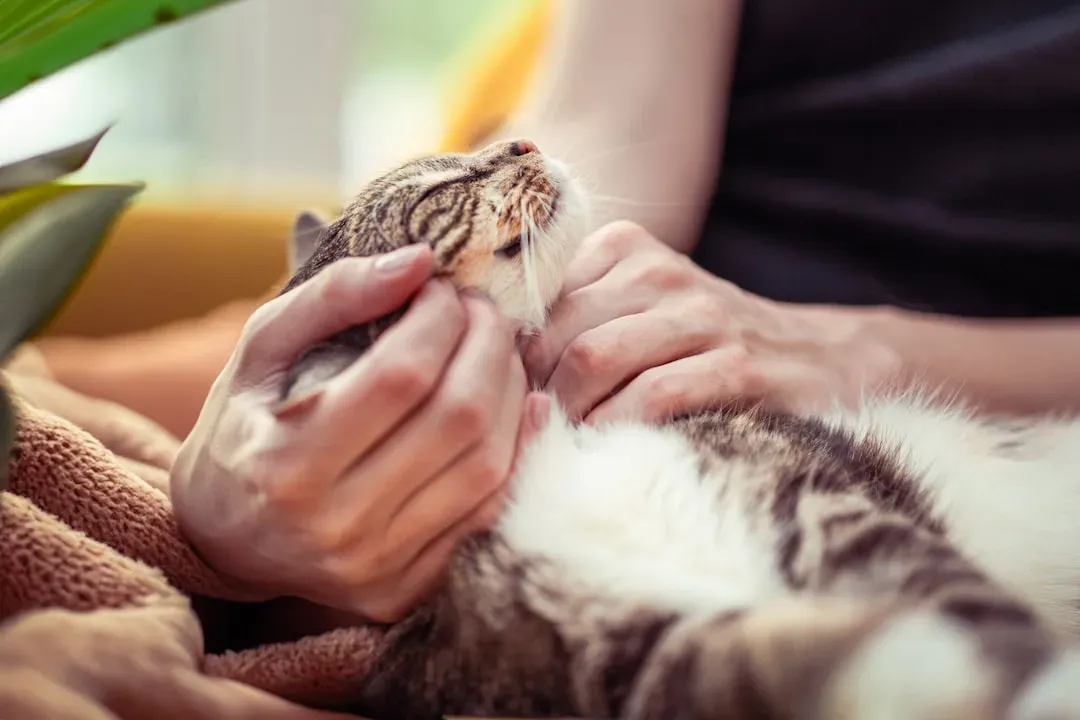
Lap sitting can serve as a form of therapy for cat owners. The unconditional love and affection that cats provide can help alleviate symptoms of depression, loneliness, and anxiety. The presence of a lap-loving cat can create a soothing and positive environment, promoting emotional well-being and improving the overall quality of life. For people who live alone, that distinction matters enormously.
Having a cat nearby can provide a sense of comfort and security, which can be particularly beneficial for those who live alone or suffer from depression. Loneliness is a real problem for many people. In a post-COVID world, many people have found themselves feeling lonelier than they did before the pandemic began, and some people turned to adopting a pet to help with these unpleasant feelings. The presence of a pet reduces overall feelings of loneliness. Your cat sitting in your lap is not just comfort – it is genuine company.
Your Bond With Your Cat Grows Deeper Every Session
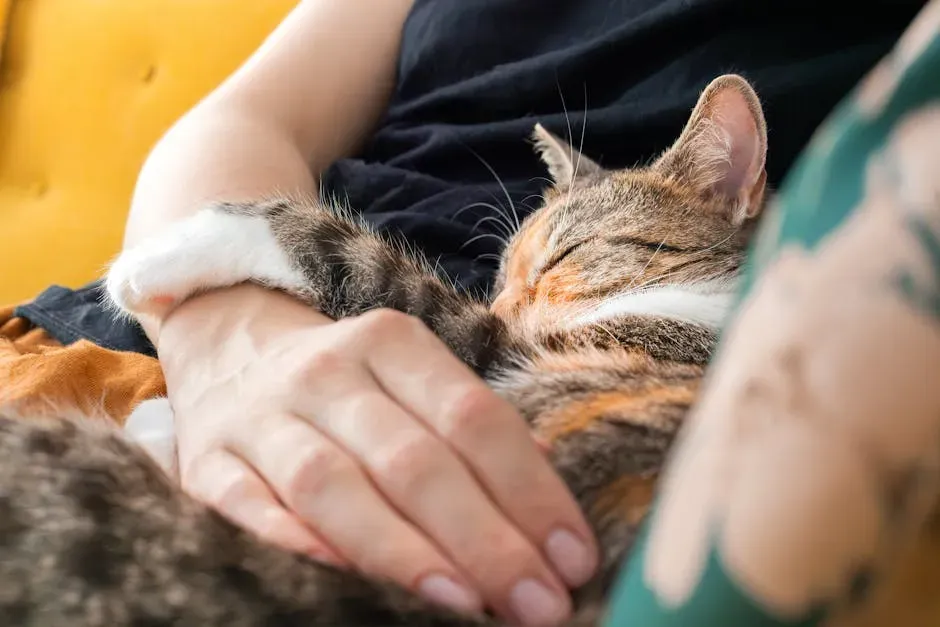
Researchers monitored oxytocin in cats during fifteen minutes of play and cuddling at home with their owner. Securely attached cats who initiated contact such as lap-sitting showed an oxytocin surge. The more time they spent close to their humans, the greater the boost. So this relationship is genuinely mutual. Your cat isn’t just tolerating you – they’re growing more attached to you in real, measurable, hormonal ways.
Lap sitting is an opportunity for bonding and attachment between you and your feline companion. Regular interaction like this can lead to increased trust and affection, which in turn strengthens the bond between cat and owner. Research has found that cat owners are more socially sensitive, trust other people more, and like other people more than people who don’t own pets. Honestly, your cat might be making you a better human being – one lap nap at a time.
Your Mind Finds a Rare Moment of Stillness
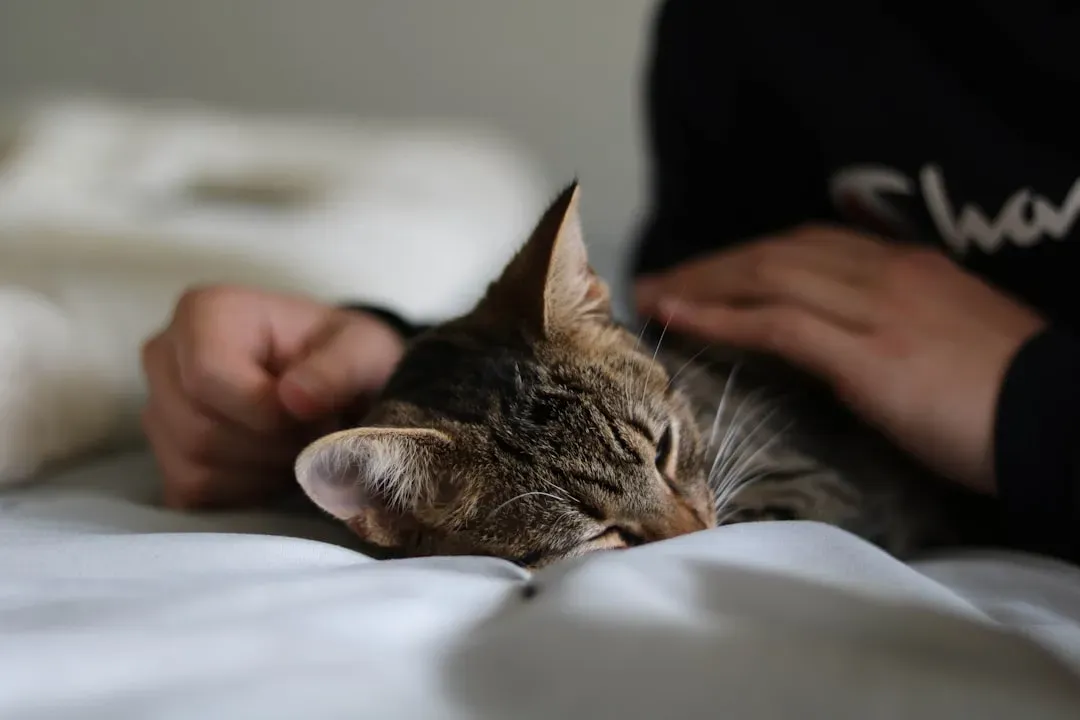
One of the most immediate effects of a cat purring is its ability to reduce stress and anxiety. The soothing sound and vibration of a purr have been compared to the calming effects of meditation. Studies suggest that the frequency of a cat’s purr, typically between 25 and 150 hertz, has a relaxing effect on the human nervous system. In a world where your phone buzzes every ninety seconds, that matters more than most people realize.
Listening to that rhythmic vibration activates the parasympathetic nervous system, helping the body relax and recover from stress. Combined with the soothing act of petting, it can reduce anxiety, loneliness, and symptoms of depression, creating a sense of peace. The repetitive sound of a cat’s purring has a calming, meditative quality that can reduce anxiety and promote mindfulness. Petting a cat or simply spending time with them often triggers the body’s relaxation response, helping people feel more grounded and at ease. Think of it as meditation you didn’t have to sign up for. Your cat provides the soundtrack, and your nervous system does the rest.
Conclusion

Let’s be real – most of us never stopped to question why we felt so inexplicably better after a long evening with a purring cat curled in our laps. Now you know it isn’t just sentiment. The effects of cat purring go far beyond simple enjoyment. Science continues to uncover new ways that purring influences both mental and physical health. From lowering stress levels to promoting healing and deepening emotional bonds, the benefits of a purring cat are truly remarkable.
Your cat is not just napping. Your cat is lowering your blood pressure, flooding your brain with bonding hormones, vibrating your joints toward recovery, and gently holding loneliness at bay. All of this, without charging you a single consultation fee. So the next time your cat plants itself firmly in your lap and refuses to move, maybe don’t reach for that “get off” nudge quite so fast. Perhaps the inconvenience is actually the medicine.
What would you have guessed was your cat’s most powerful hidden benefit? Tell us in the comments below – the answer might just surprise you.