Let’s be honest. You’ve caught that look. The one where your cat is sitting perfectly upright, eyes slightly narrowed, staring at you with the quiet intensity of a very patient judge who has seen enough. Maybe you were eating cereal at 11pm. Maybe you tripped over nothing. Maybe you just made a noise that offended every feline sensibility in the room. Either way, your cat clocked it.
Here’s the thing about cats: they are watching you far more carefully than you’d ever imagine. When a cat stares at a person, they often use that same instinctive focus to gather information. They may look like they’re simply watching, but they are actually reading your movements, tone, and behavior. So yes, your cat has opinions about you. Warm, fuzzy, deeply affectionate opinions. Let’s dive into exactly what they’re quietly judging you for.
1. Your Completely Unreasonable Sleep Schedule
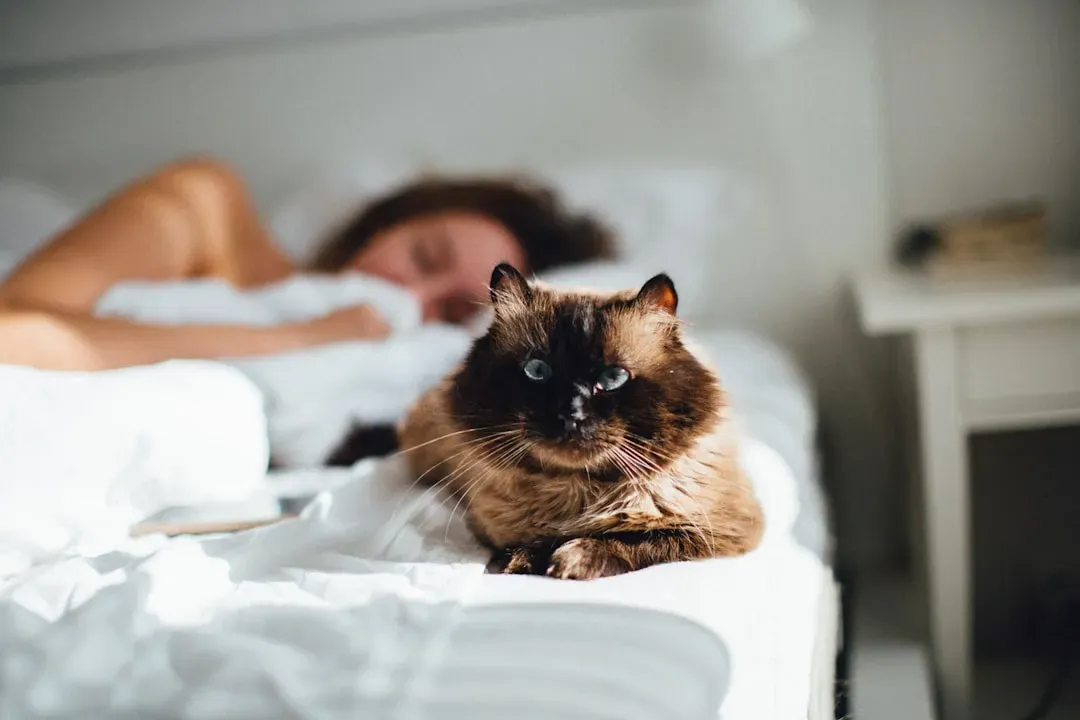
Your cat was up at 4am. You were not. This is a fundamental incompatibility that your cat has noticed, catalogued, and filed away under “confusing human mysteries.” Cats are most naturally active during hunting and exploration at dusk and dawn, known as crepuscular behavior. So when you’re deep in a dreamless sleep at 5am and your cat is practically vibrating with energy, that’s not your cat being difficult. That’s your cat being a cat.
The thing is, your cat genuinely can’t figure out why you’re sleeping through perfectly good hunting hours. Cats prefer consistent routines because it gives them a sense of security and control over their environment, and this preference is rooted in their evolutionary history as hunters who relied on predictable patterns for survival. The judging, honestly, is loving. Your cat wants you to be more efficient. More like them. Consider it an aspirational critique.
2. Your Excessive Phone Gazing
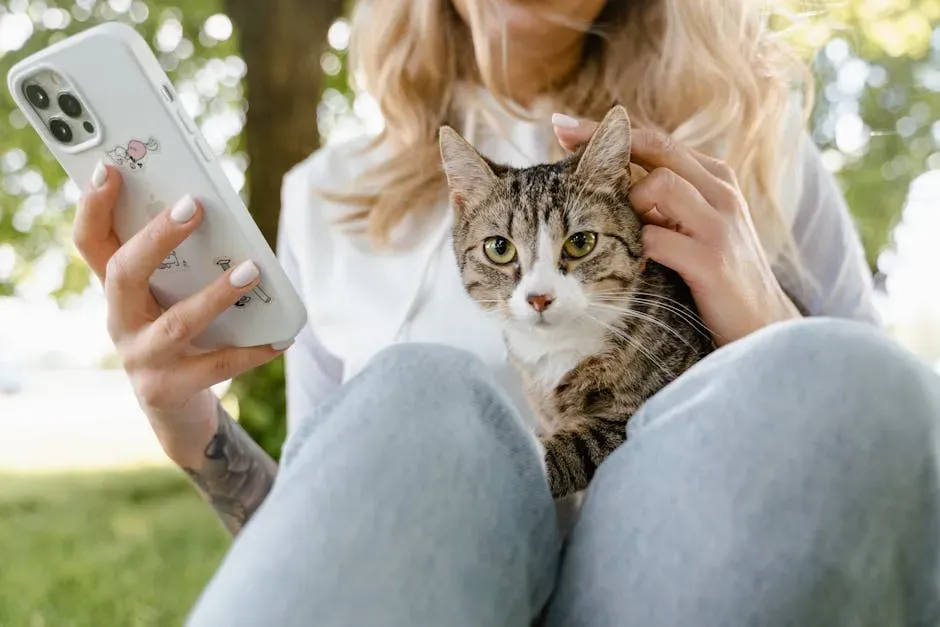
You came home, sat down, and then immediately picked up your phone instead of giving your cat the greeting they so clearly deserved. Your cat noticed. Believe me, they noticed. Cats are much smarter than we give them credit for: they learn what works with what person. They know if someone is prone to get up at 4am and give them treats. They absolutely also know when you’re distracted and giving them less attention than usual.
The steady gaze you’re receiving right now while you scroll? That’s not just curiosity. A direct, unblinking stare may be your cat’s way of asking for something like food, playtime, or attention. Translation: put the phone down. Your cat has been waiting all day, and the glowing rectangle is not more interesting than they are. At least, that’s their professional assessment of the situation.
3. The Way You Ignore Their Very Clear Signals
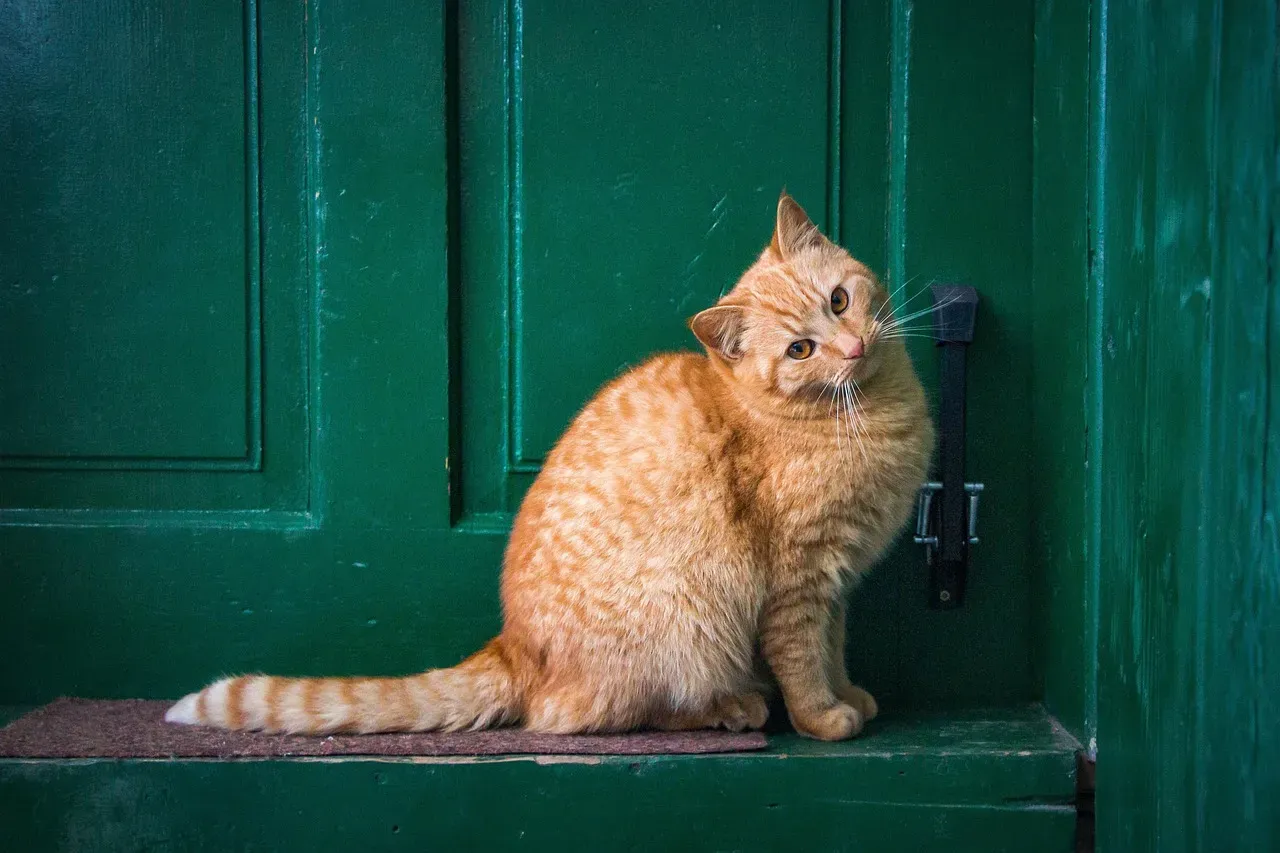
Your cat gave you a tail flick. Then a slightly flattened ear. Then a subtle shift in posture. You missed all of it and went in for another pet anyway. This is the feline equivalent of someone yelling “no thank you” and being completely ignored. A cat’s tail serves as a means of communication, conveying a wide range of emotions. A relaxed, gently swaying tail indicates contentment and relaxation, while an upright, puffed-up tail signifies aggression or fear. The signals are there. They are constant. You just need to tune in.
Reading a cat is actually a learnable skill, and your cat would very much appreciate if you worked on it. Cats subjectively rated as being less predictable in their behavior are significantly more often rated high on aggressiveness toward their owners. If an owner is not good at identifying the cat’s emotional and motivational state, they are predicted to suffer more bites and scratches during interactions. Your cat isn’t being dramatic. They’re being perfectly clear. The judgment here is gentle, but it is real.
4. Your Noisy, Chaotic Emotional Outbursts
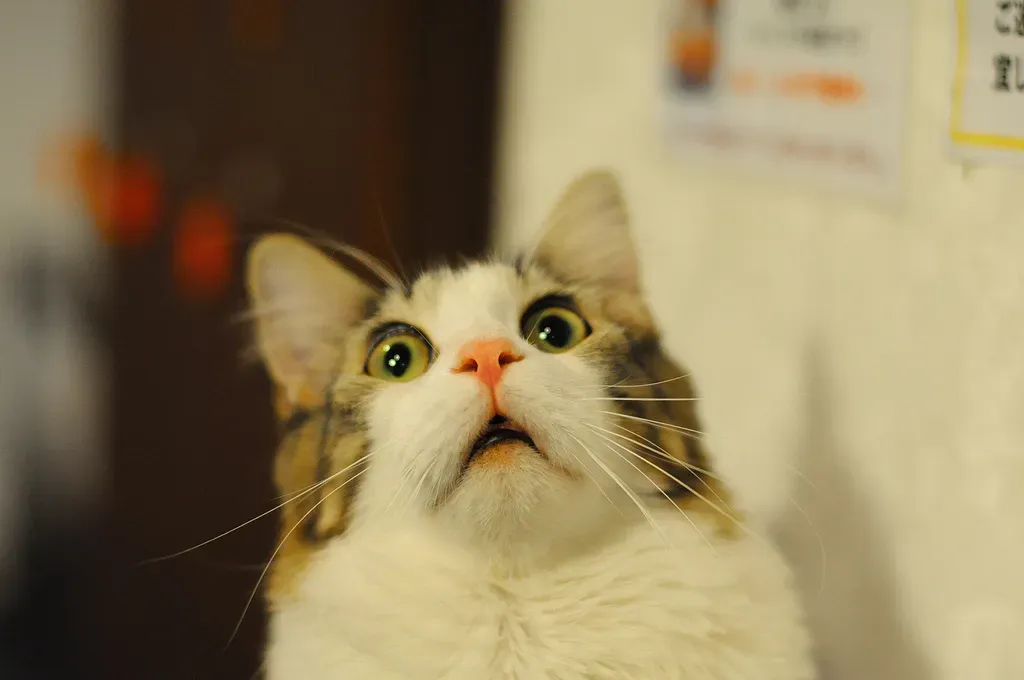
You dropped something in the kitchen and yelped. You had a loud phone call. You laughed in a sudden, explosive way that sent your cat three feet into the air from a dead sleep. Loud noises, unfamiliar people, changes in the environment, or previous traumatic experiences can trigger fear and anxiety in cats. This can manifest as hissing, swatting, or hiding. Your cat does not dislike you for being emotional. They just feel you could manage your volume a little better.
What’s genuinely remarkable, though, is how closely your cat is monitoring your emotional state even during the calmer moments. Recent research suggests that cats may be more attuned to human emotions than previously thought. Studies show that cats react to their owners’ visual and vocal signals and adjust their behavior based on human emotions. Your cat is processing every mood shift you go through. The judgment is really just them keeping tabs on the household emotional weather report.
5. Your Questionable Petting Technique
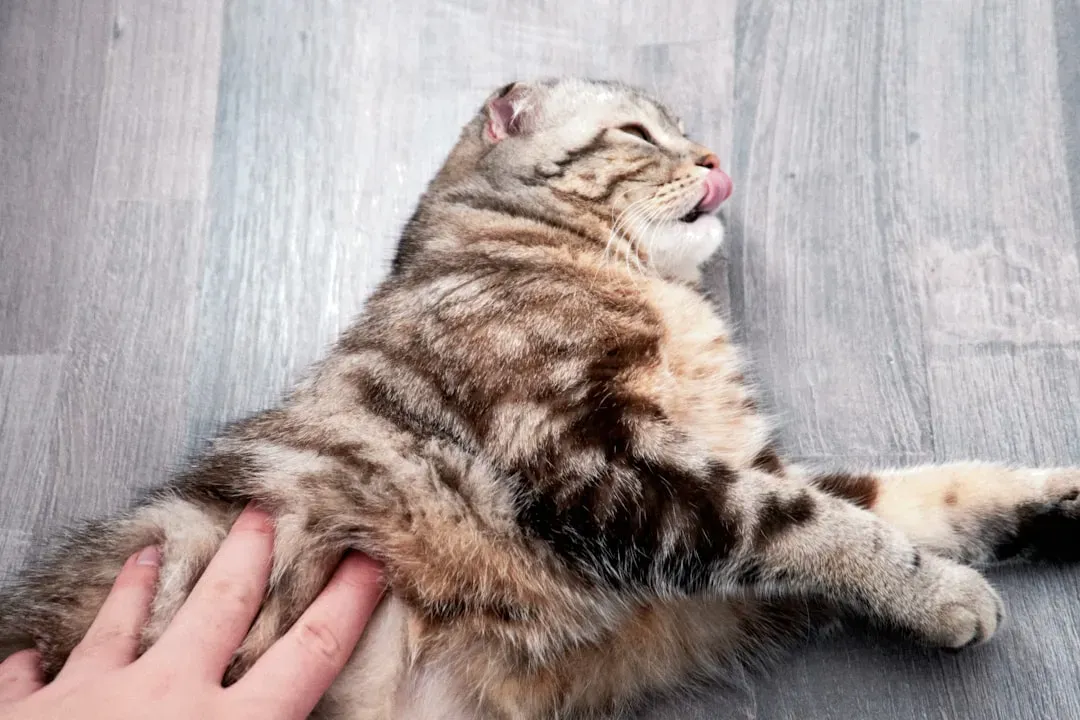
The belly. You went for the belly. Your cat showed it to you, which felt like an invitation, and then the whole thing went sideways in about half a second. Here’s what you missed: when cats expose their bellies to humans, they are saying they trust them. But trust does not automatically equal a touching invitation. It’s closer to showing you their most vulnerable side as a declaration of affection, not a request to be rubbed there.
Different cats have different petting preferences, and part of what your cat silently judges you for is your failure to have figured out theirs yet. The initiation and the initiator of social interactions between cats and humans have been shown to influence both the duration of the interaction bout and total interaction time in the relationship. Compliance with the interactional preferences of the partner is positively correlated between cats and humans. In other words, let your cat lead. They know what they like. They just wish you’d catch up.
6. That You Sometimes Smell Absolutely Fascinating and Wrong
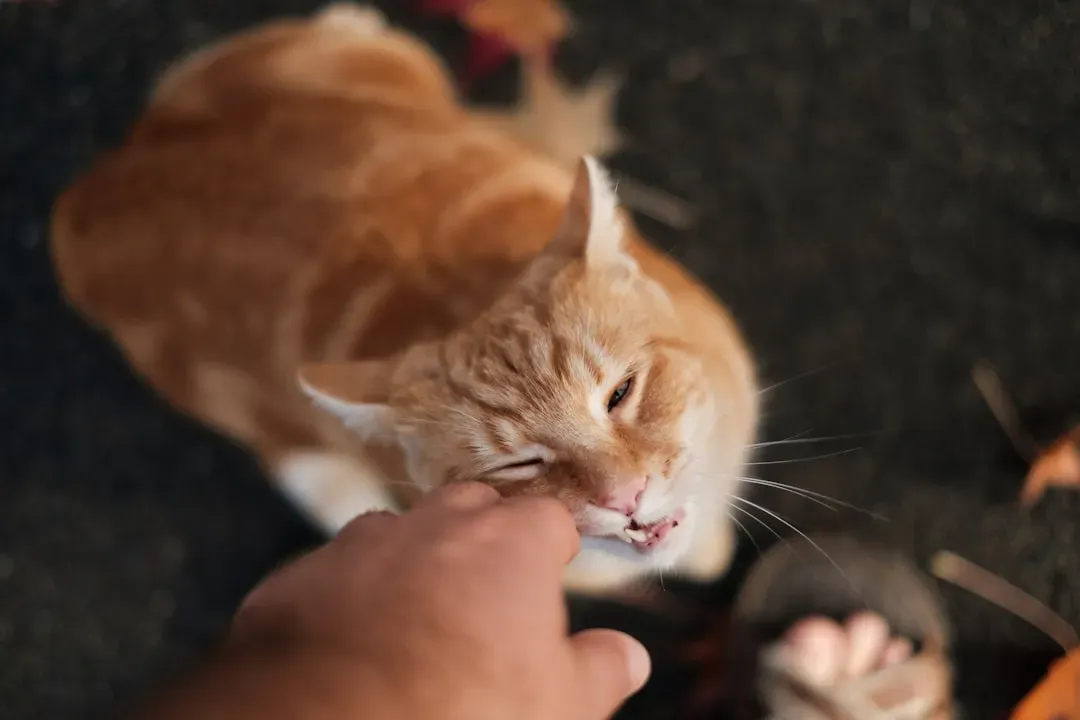
You came home smelling like someone else’s dog. Or a different cat. Or a place that clearly had other animals in it. Your cat walked straight up to you, took one deliberate sniff, and then looked at you with an expression that can only be described as diplomatic disappointment. Olfaction is one of the most important sensory abilities in cats, yet its role in recognizing humans remains unclear. What is clear is that smell matters enormously to them in ways humans simply can’t fully appreciate.
When your cat rubs against you after one of these suspicious-smelling arrivals, they’re not just saying hello. Scratching and scent marking are natural behaviors that help them mark their territory. When a cat scratches, it leaves both a visible mark and a scent from the glands in its paws. Similarly, when they head-butt you and rub their cheeks on you, they’re essentially re-labeling you as theirs. The judgment dissolves the moment you smell sufficiently like home again.
7. How Terrible You Are at Maintaining Consistent Feeding Times
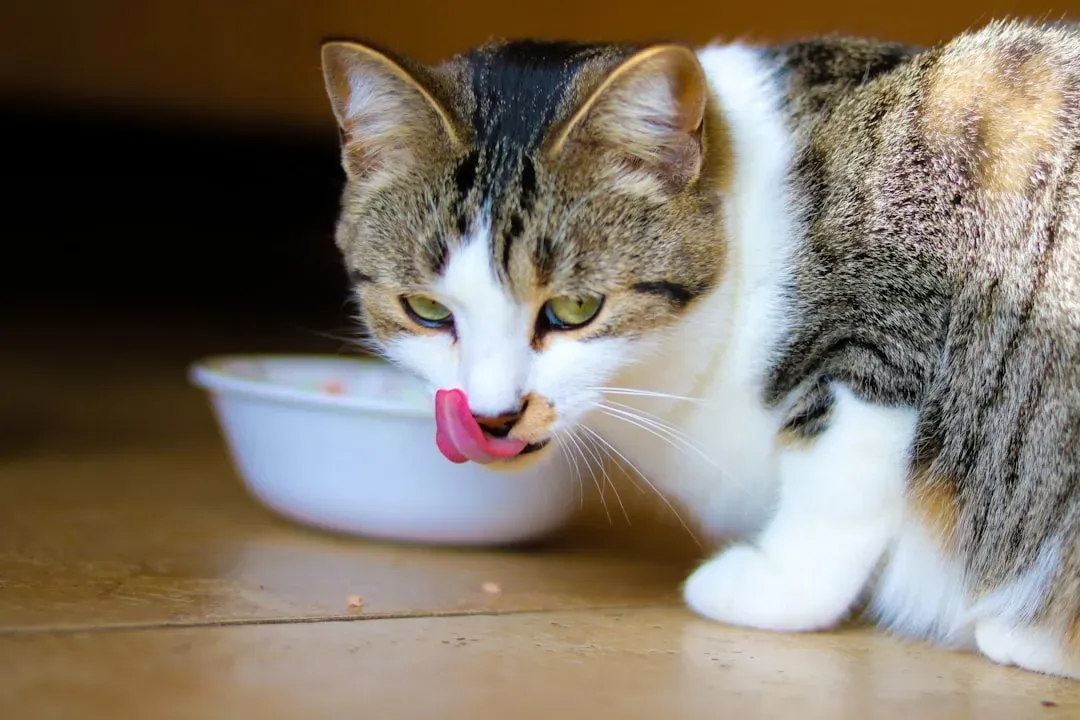
Dinner was supposed to be at 6pm. It is now 6:14pm. Your cat has already done three slow, pointed walks past the food bowl, and is now sitting directly in your path staring at you with the focused calm of someone who has been deeply, personally wronged. Research shows that cats don’t perceive time through clocks like humans do, but rather through episodic memory and environmental cues. These cues help them anticipate and prepare for important daily events, such as feeding times or play sessions. They know the routine. They feel every deviation from it in their bones.
Honestly, the consistency matters more than you might think. A consistent routine provides cats with a sense of security and control over their environment. When cats can predict what happens next, they experience less stress and anxiety, leading to better overall health and behavior. Your cat isn’t just hungry. They’re recalibrating their entire sense of safety and predictability based on whether you showed up on time with the good food. No pressure, though. It’s fine. They’re fine. The stare is fine.
8. Your Total Indifference to Their Knocking Things Off Surfaces

Your cat knocked your favorite mug to the edge of the table. You looked up. They made eye contact. They pushed it further. This is not random chaos. Cats knock objects over out of curiosity or playfulness. It’s also a way for them to explore their environment and sometimes get your attention. Essentially, your cat has developed a highly effective system for demanding engagement, and they’re quietly judging you for how long it takes you to respond to it.
What your cat is actually doing in these moments is testing your attention and, honestly, your reaction time. Think of it like a feline fire drill. Cats learn specifically how their owners react when they make particular noises. They’re also learning how you react to physical provocations. If you leap up immediately, your cat has successfully trained you. If you ignore it, they will escalate. The judgment here is practical: you could be more responsive. It would benefit everyone.
9. The Way You Act When You’re Upset
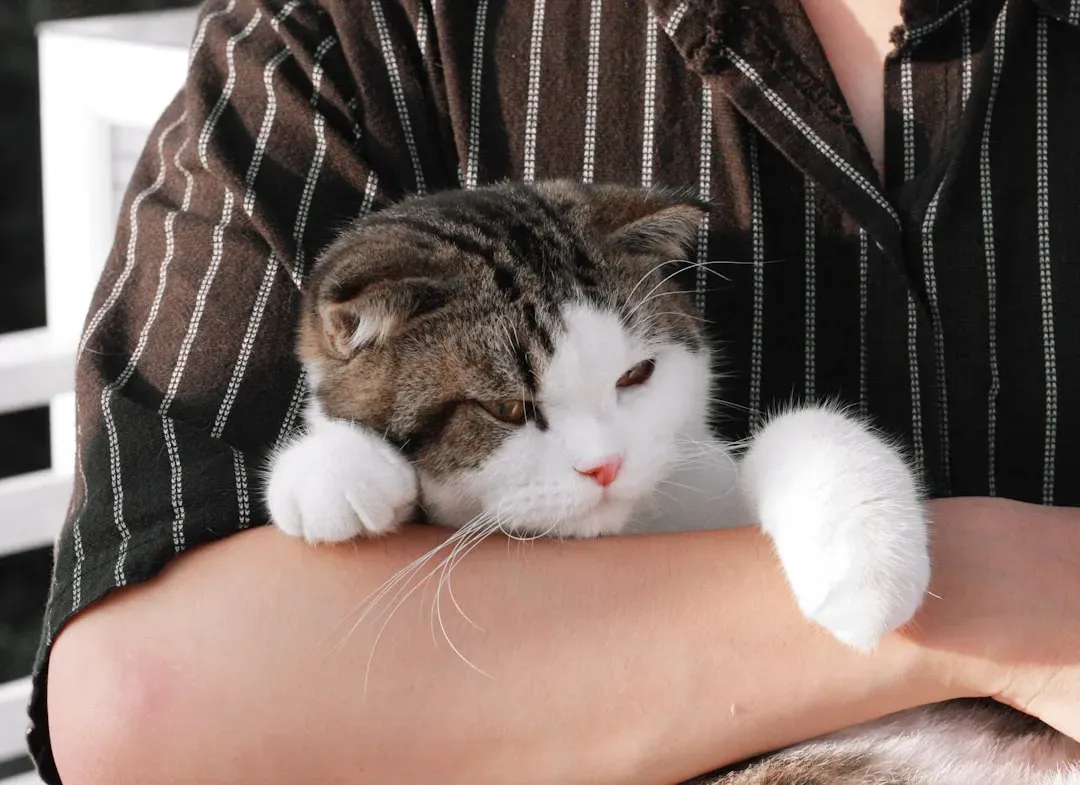
When you’re sad, something interesting happens: your cat comes closer. Maybe they drape themselves across your lap without being asked. Maybe they sit at the foot of your bed and just stay there, quietly keeping you company. This isn’t accidental. While cats may not understand the complex nuances of human emotions, they can detect changes in their owner’s behavior and vocal expressions. This is especially true when their owner is crying. Cats can recognize behavioral shifts that accompany mood changes and will often respond by getting closer to their owner or acting more affectionately.
Your cat is quietly judging how long it takes you to accept comfort, in the most loving possible way. When a cat detects sadness or crying, they may demonstrate an increased level of attention and engagement. Some cats might try to make eye contact or tilt their heads in a curious manner, seemingly trying to understand or offer empathy to their crying owner. They see you. They sense exactly what kind of emotional weather is happening inside you. And their version of judging you for it is simply: sitting closer, purring louder, and waiting for you to feel better.
10. The Furniture You Think Is Yours
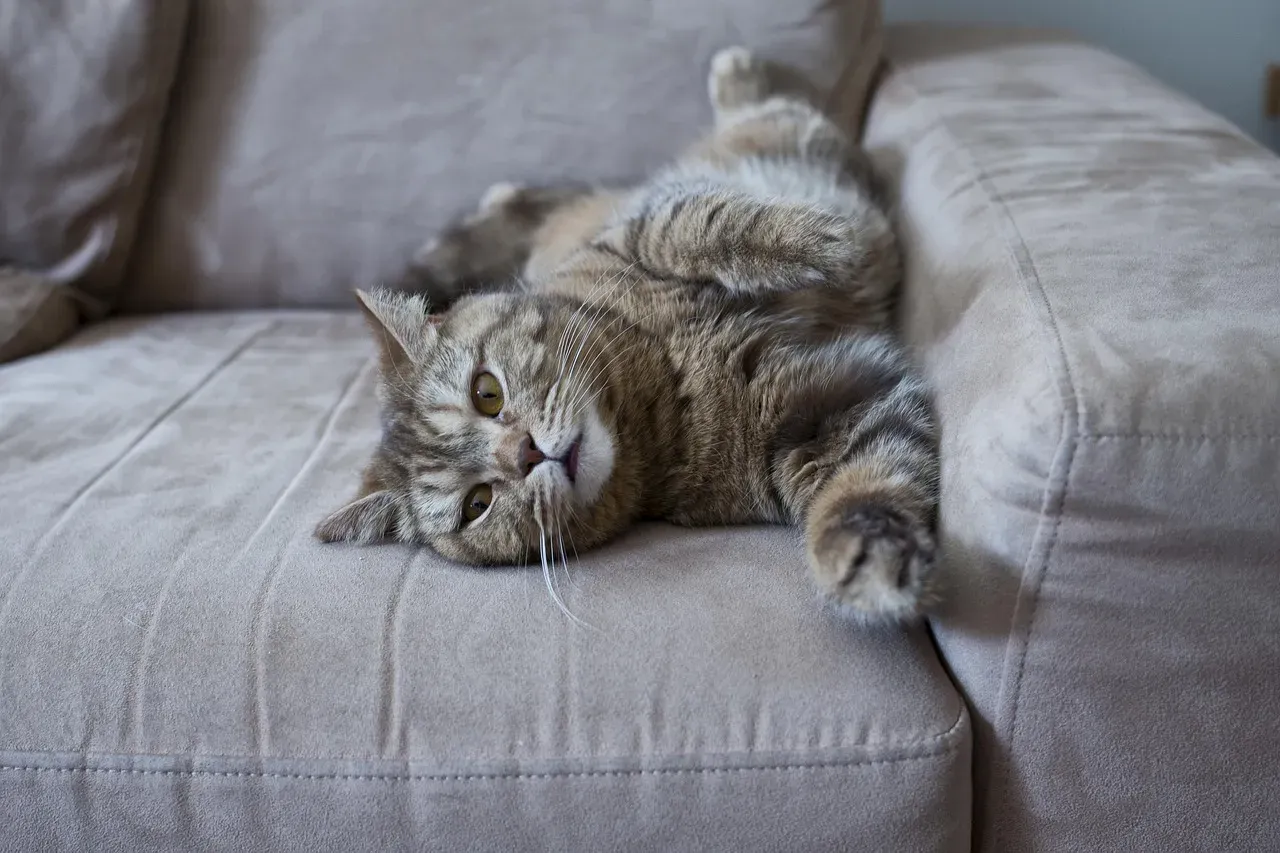
You bought that couch. You chose it. You assembled it over a very frustrating Saturday afternoon. Your cat has since decided it belongs to them, and any time you reclaim your spot, they produce a look of calm, practiced outrage. Cats don’t scratch your couch just to annoy you. Scratching is a natural behavior that helps them maintain their claws, stretch their muscles, and, most importantly, mark their territory. Every scratch is your cat essentially signing a lease that you didn’t know was being negotiated.
The head-rubs on the furniture, the scent marking, the casual ownership of your best chair? All deeply intentional. Scent marking serves as a complex form of communication in the feline world, and it reflects a cat’s emotions and territory claims. Your cat isn’t judging your taste in furniture, necessarily. They’re just clarifying the ownership arrangement. The furniture is theirs. You are also theirs. This is all fine. Everyone is happy.
11. Your Persistent Failure to Understand the Slow Blink
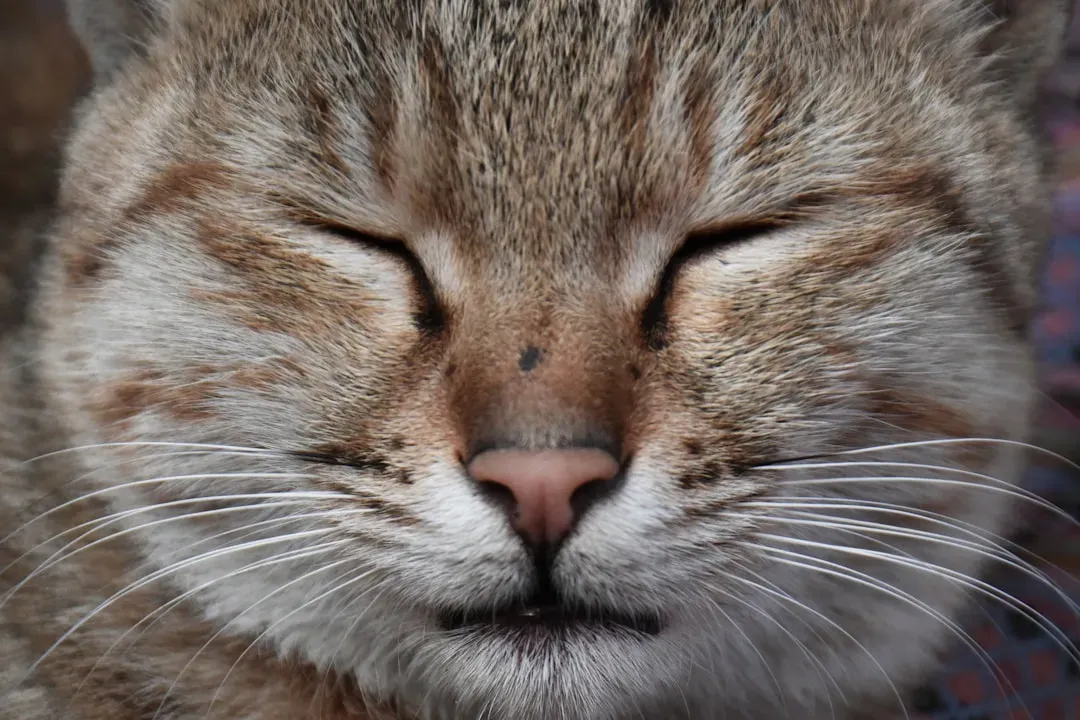
Your cat has been giving you slow blinks for years. Beautiful, deliberate, gentle slow blinks. The feline equivalent of saying “I love you” in the most sincere and dignified language they have. And you’ve been responding with… confused rapid blinking. Or no blinking at all. Just a neutral human stare that reads, to a cat, like mild aggression. Cats can display affection by making eye contact with you and performing soft blinks. The very act of making eye contact and voluntarily blinking indicates the cat’s feeling for you. You make them feel safe and comfortable enough for them to close their eyes in your presence.
The good news is this is entirely fixable, and doing so will genuinely deepen your bond. Some cats use eye contact as a form of bonding. Slow blinks often accompany these moments. When you return a slow blink, you participate in a gentle social exchange that reinforces comfort. So the next time your cat offers you that long, sleepy, deliberate blink, slow blink right back. Your cat will understand immediately. And that subtle nod of feline satisfaction you’ll see? That’s the judgment officially turning into approval.
A Final Thought From the Jury
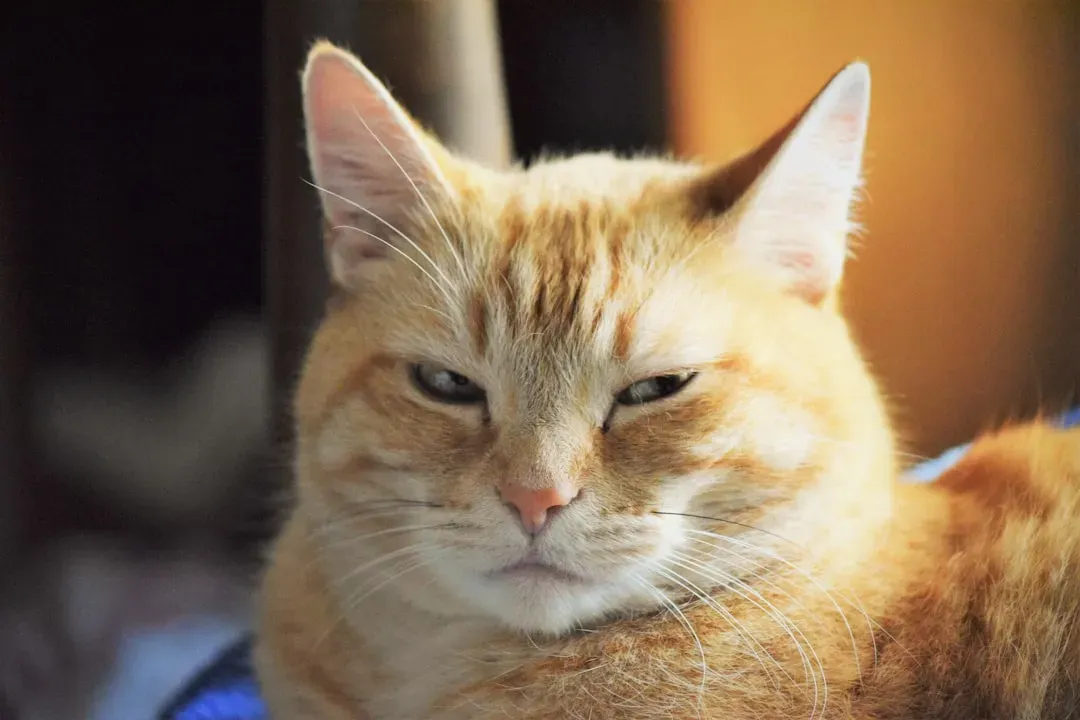
Here’s what all 11 of these things have in common: your cat pays attention to everything you do. Understanding these patterns is essential not only for comprehending cat behavior but also for promoting healthier and more harmonious human-feline interactions. The judgment is never cold or mean-spirited. It’s the judgment of a creature that is deeply invested in you, watching you constantly, and genuinely hoping you’ll figure out the slow blink thing already.
Cats are far more emotionally sophisticated than they’re given credit for. These findings challenge the stereotype of cats as indifferent to human emotions. While they may not express their attachment in the same overt ways as dogs, cats are clearly tuned into the emotional states of their humans. Every sideways glance, every slow walk past your face at 3am, every judgy little blink is, at its heart, an act of love from an animal who has chosen you and is simply hoping you’ll eventually rise to their very reasonable standards.
So, which one of these did you recognize the most? Your cat already knows. And honestly, they’re rooting for you to figure it out too.
Kristina is a young writer from India. An arts graduate and an avid content creator, Kristina is passionate about animals and wildlife. She enjoys exploring topics related to pet care, animal behavior, conservation, and nature, combining thorough research with engaging storytelling.