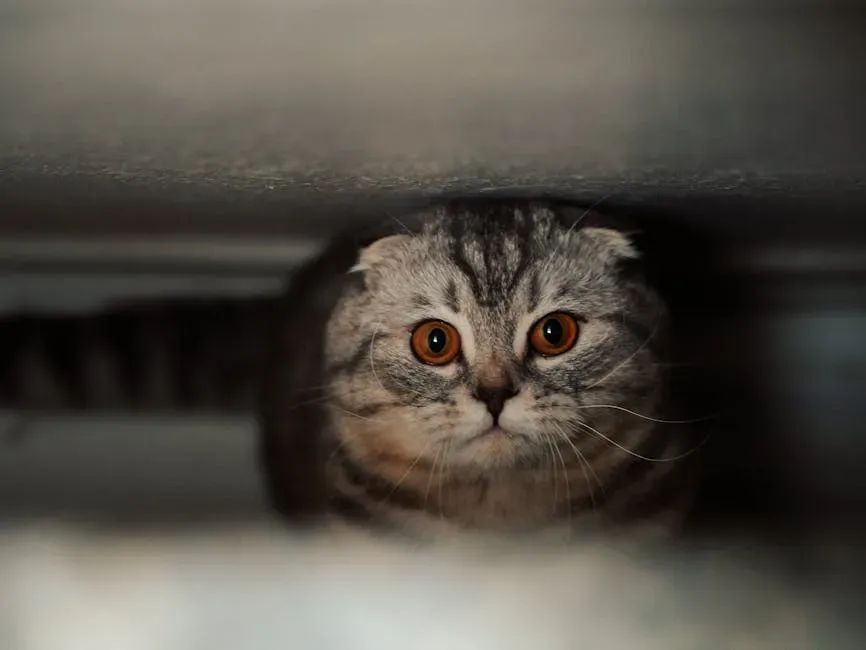
You share your home with a creature that can hear a mouse scurrying behind a wall from across the room. A creature that looks completely unbothered lounging in the sunlight, as if nothing in the world could shake it. Yet the moment you flick on the vacuum cleaner or a fire alarm goes off, that same majestic beast is a blur of fur and panic, diving under the bed like its life depends on it.
The truth is, your cat’s world of sound is radically different from yours. What feels like ordinary background noise to you can feel absolutely overwhelming to a sensitive set of feline ears. Understanding exactly what terrifies your cat, and why, is one of the most loving things you can do as a cat owner. Let’s dive in.
1. The Vacuum Cleaner: Public Enemy Number One

Honestly, if there is one sound universally despised by cats across the planet, this is it. For most cats, nothing triggers a panicked retreat quite like the roar of a vacuum cleaner. It’s the combination of loud, unpredictable noise and jarring vibrations that makes it so overwhelming. Think about it like this: imagine a growling, giant creature that appears out of nowhere, charges at you, and makes a deafening sound you cannot escape. That is essentially what your cat experiences every cleaning day.
Vacuums hit many frequencies that cats find deeply unpleasant and are often wheeled directly toward areas cats consider safe, as owners try to clean up their fur. To your kitty, this noisy intruder is both too loud and too close for comfort. The size alone adds to the terror. The size of most vacuums is intimidating for cats. After all, compared to a cat, they’re often huge and probably seem like a threat in your cat’s mind. With their survival instinct kicking in, they head for the nearest exit.
2. Thunderstorms: When the Sky Goes to War
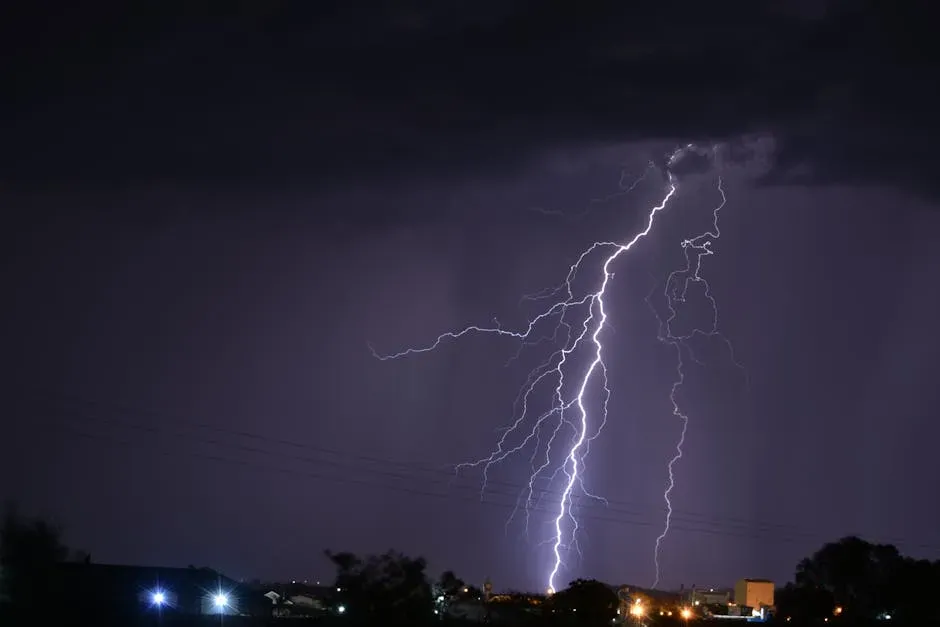
Thunderstorms are a common source of loud noises that can scare cats. The combination of thunder, lightning, and heavy rain can create a series of loud, unexpected sounds that can startle cats. The loud, booming noise of thunder can be particularly frightening for them. Here’s the thing though, it’s not just the sound. Like many other animals, cats can sense changes in atmospheric pressure from thunderstorms, sometimes causing a seemingly premature flight response. So your cat may actually start getting stressed before you even hear the first rumble.
A cat’s hearing is much better than that of humans, allowing them to hear both lower and much higher frequencies. This means that to them, thunder might sound even scarier than it does to you. Add to that the visual chaos of lightning flashes and the drumming of heavy rain on windows and rooftops, and you have the perfect storm, quite literally, of sensory overload for your feline. Sudden flashes of lightning, combined with loud thunder and the noise of hail, can be frightening for cats. To help reduce their stress, close the curtains or blinds to block out the light from outside.
3. Fireworks: A Celebration Your Cat Did Not Consent To
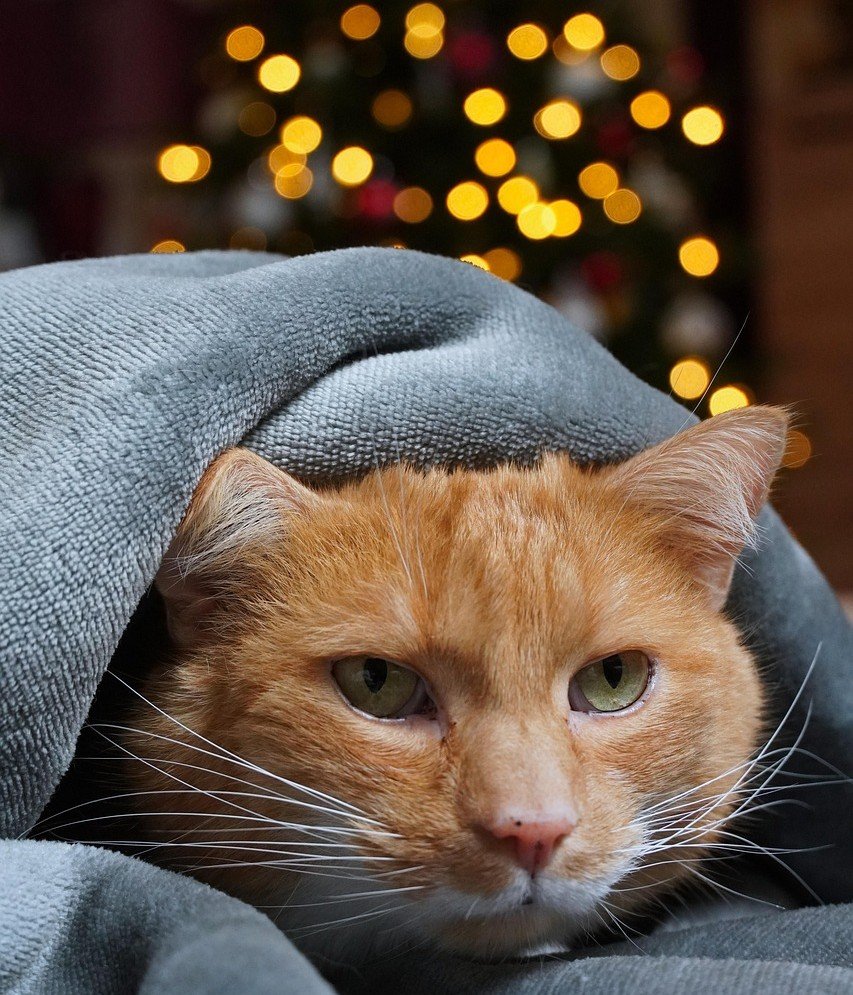
The loud booms, sharp crackles, and bright flashes of fireworks can be overwhelming for cats. Because the noises are sudden and irregular, they may mimic the unpredictability of natural dangers, such as falling rocks or cracking ice. For many felines, their instinct is to run and hide somewhere they feel safe. New Year’s Eve and the Fourth of July are exciting for you. For your cat, those same nights can be some of the most terrifying experiences of their entire year.
Fireworks are a major source of fear for cats. The sudden loud bangs and pops of fireworks can be alarming to cats, especially since they cannot predict when the next noise will occur. This unpredictability can cause a lot of stress and anxiety. Some cats may become significantly stressed or anxious while the fireworks are happening and may take a long time to settle afterward. Most healthy cats recover quickly once the noise stops, but if your cat shows persistent behavior changes, it’s a good idea to talk to a veterinarian.
4. Aerosol Cans and Hissing Sounds: A Warning Signal in Disguise
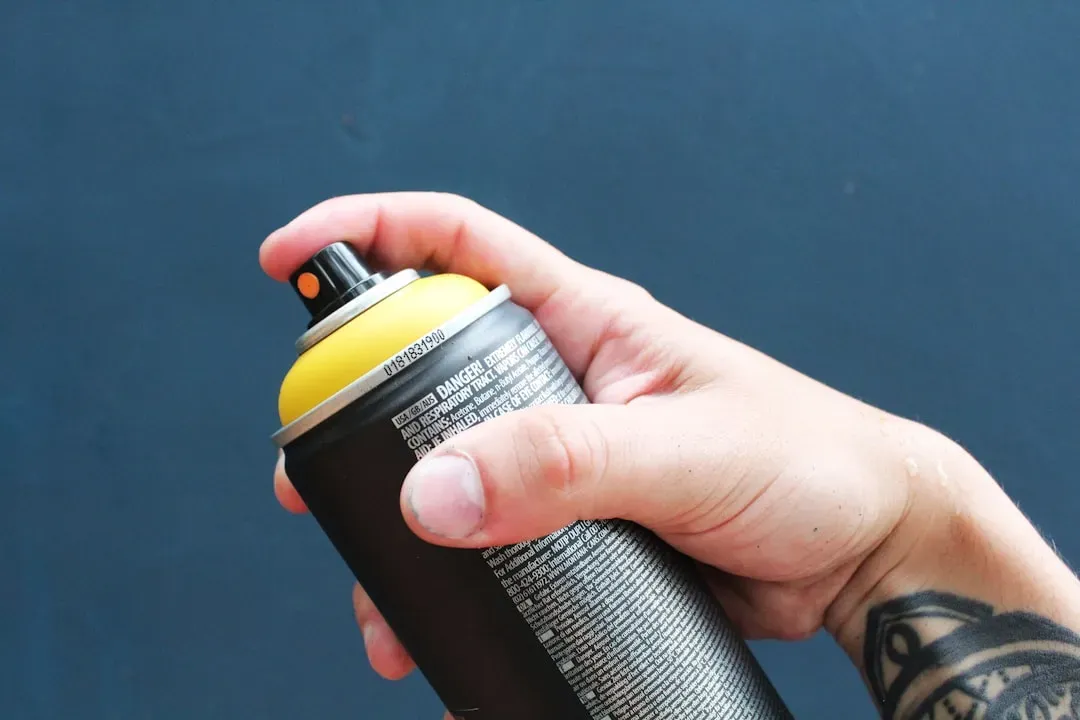
A hiss is the universal animal signal for “back off.” Cats themselves hiss when threatened, so the sharp spray of an aerosol can, the hiss of a snake, or even a radiator’s steam valve triggers an instinctive reaction. In the feline brain, these sounds are hardwired to mean danger. So that innocent spray of your deodorant or household cleaner? Your cat’s brain is processing it as a potential threat, every single time.
Spray cans, aerosol bottles, or the hiss of a radiator can trigger fear in felines. Cats may hate this sound because it is similar to a cat’s hiss, which is a universal feline warning signal. To your cat, this may register as an angry cat sound, even if there are no other felines nearby. When they hear it, they may instinctively interpret it as a threat. It’s a survival reflex baked deep into their DNA, and no amount of reassurance from you will fully override it in the moment.
5. Loud Music and Booming Bass: Not Exactly Their Playlist
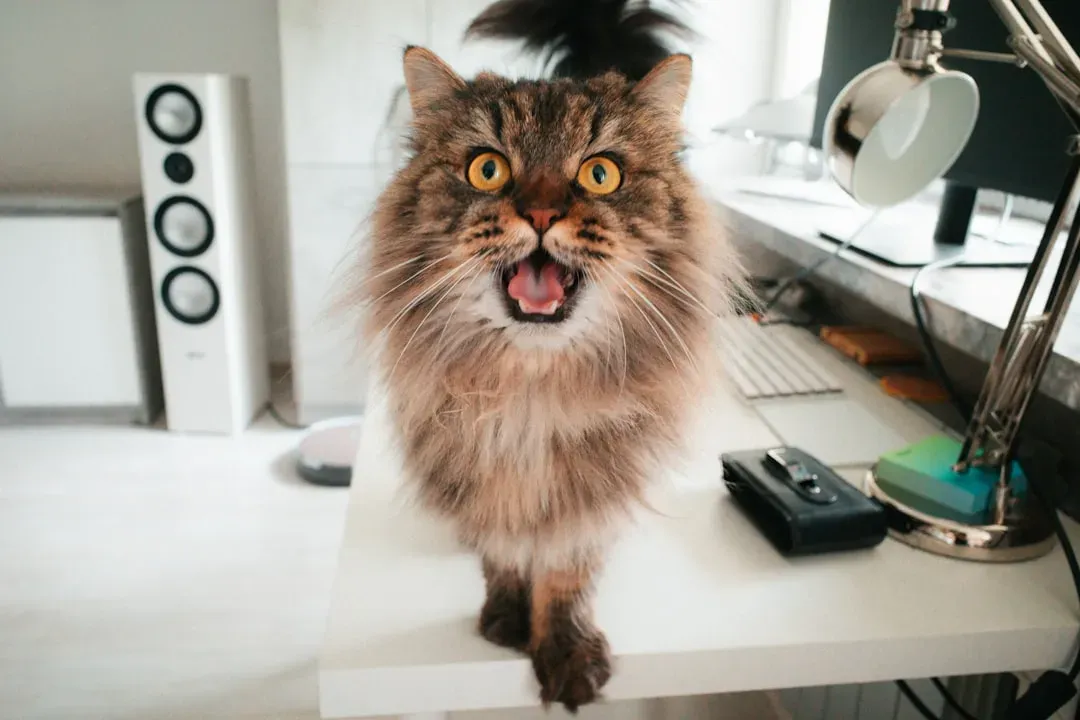
Higher pitches in loud music can sound like distress calls. Some cats will happily nap through soft classical or gentle jazz, but pounding bass or shrieking guitars are another story. The higher pitches overlap with distress calls cats use among themselves, while the thumping vibrations unsettle them. So while you might be happily blasting your favorite playlist on a Friday night, your cat is essentially listening to what sounds like an emergency broadcast.
If cats loathe the sounds of video games and loud TVs, they won’t be fans of stereos either. It’s not just about volume. The erratic, unpredictable nature of music, with its sudden drops and crescendos, keeps a cat’s nervous system on high alert. Exposure to high-frequency sounds can cause irritability and annoyance in cats, so try to switch off electronic devices when they are not in use. Lots of different types of noise can contribute to something called “acoustic stress” for your cat.
6. Shouting and Raised Voices: When Human Chaos Feels Dangerous
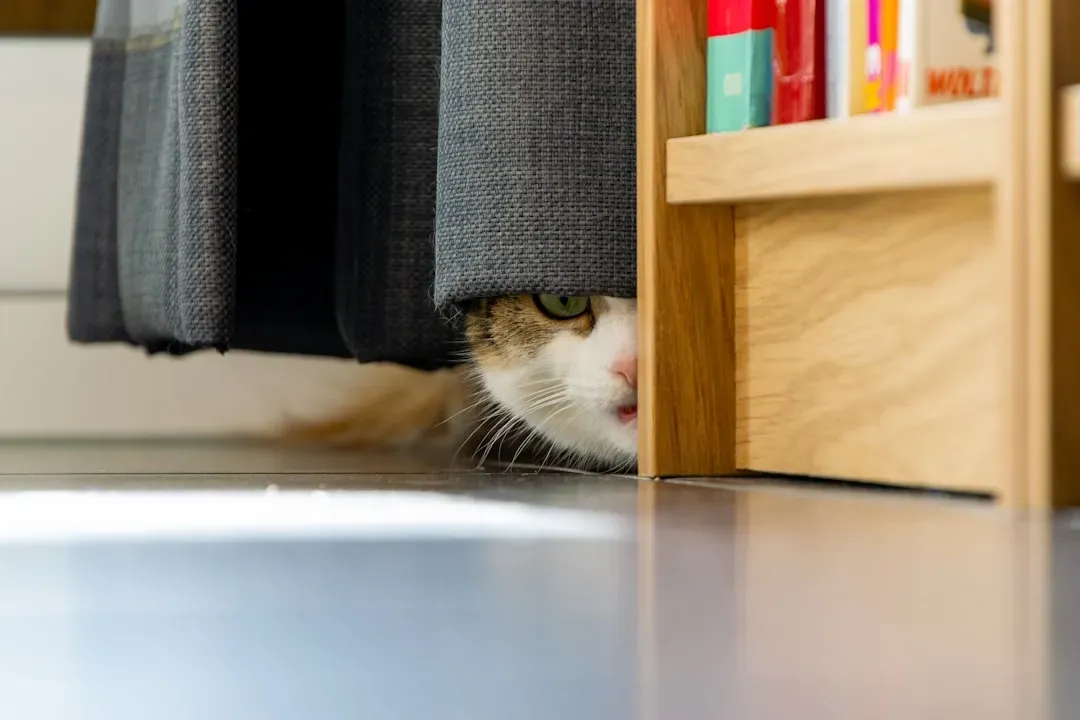
Raised voices, whether from arguments, cheering, or booming movie soundtracks, can unsettle cats quickly. Unlike dogs, which have been bred to respond confidently to loud human commands, cats are more solitary by nature. To them, sudden shouting feels like chaos, and chaos means risk. You might just be cheering loudly at a sports game, but your cat has no way of knowing the difference between excitement and genuine danger.
Cats are very attuned to shifts in human tone of voice. Shouting or raised voices can signal danger or conflict, which may cause stress, hiding, or changes in your pet’s behavior. I think this is one of the most underestimated triggers in a typical household. People raise their voices all the time, in laughter, in argument, in excitement, and it rarely crosses their mind that the cat in the corner is silently panicking. When startling sounds occur, remain calm. Your cat can sense your emotions, so when you’re upset, your feline friend can become more unsettled.
7. Barking Dogs: A Threat That Hits a Primal Nerve

Barking dogs can trigger fear in cats for two reasons. Cats may be genetically predisposed to view barking as a sign of a potential predator. Fear of barking can also be learned. If your cat has had a stressful encounter with a dog, they may associate all barking with potential danger. Even a small, yappy dog barking on television can send a cat sprinting out of the room. It doesn’t matter that the dog is not actually there.
The reaction is deeply instinctive, rooted in thousands of years of cats and wild canines occupying the same ecosystems as predators and prey. Cats are very attuned to vocalizations, and aggressive sounds like hissing or growling from other animals or even humans can scare them. These sounds are often associated with anger or territorial behavior, so hearing them from another source can trigger fear and stress responses. If you live in a neighborhood where dogs are frequently barking outside, it’s worth considering whether your cat’s hiding habits are a direct stress response to that constant background noise.
8. Electronic Beeps and High-Frequency Appliances: The Invisible Terror
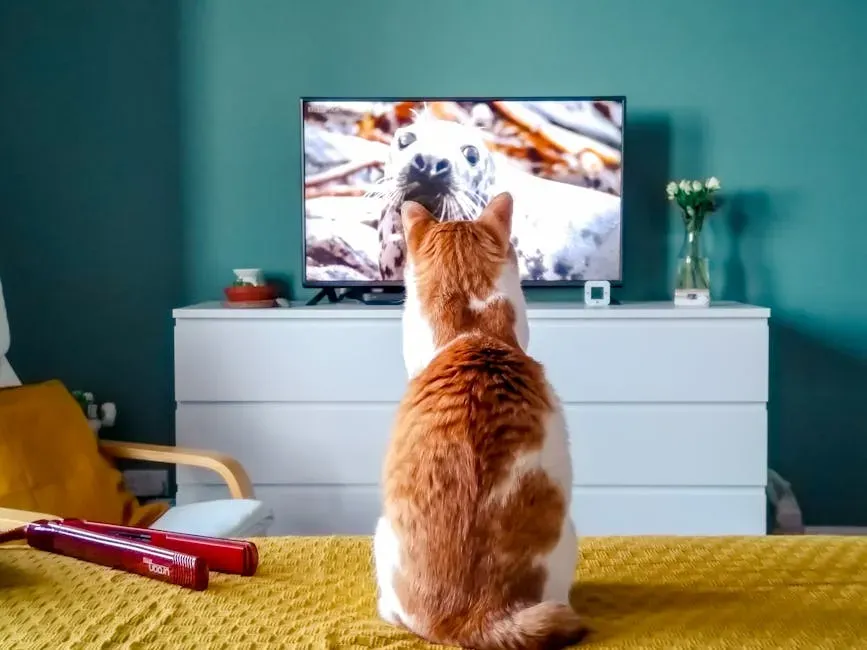
What do microwave timers, smoke detectors, and phone alarms have in common? They all produce sharp, repetitive beeps that are prime examples of high-frequency sounds cats hate. While these noises are loud for humans, the piercing beeps can feel overwhelming to a cat’s sensitive ears. You hear a quick microwave ding and think nothing of it. Your cat, meanwhile, has essentially just heard a piercing alarm go off directly beside them.
Many really irritating noises that are actually inaudible to humans are crystal clear for cats. You may be surprised to learn that many electronic devices such as computer screens and even televisions and their remote controls all emit high-frequency sounds that can be intensely annoying for your cat. Cats can hear up to 84,000 Hz, which is inaudible to the human ear. Continual exposure to sounds of this frequency can cause irritability and annoyance. It’s a kind of silent suffering that most cat owners never even realize is happening right in front of them.
9. Slamming Doors and Sudden Banging: The Shock Factor
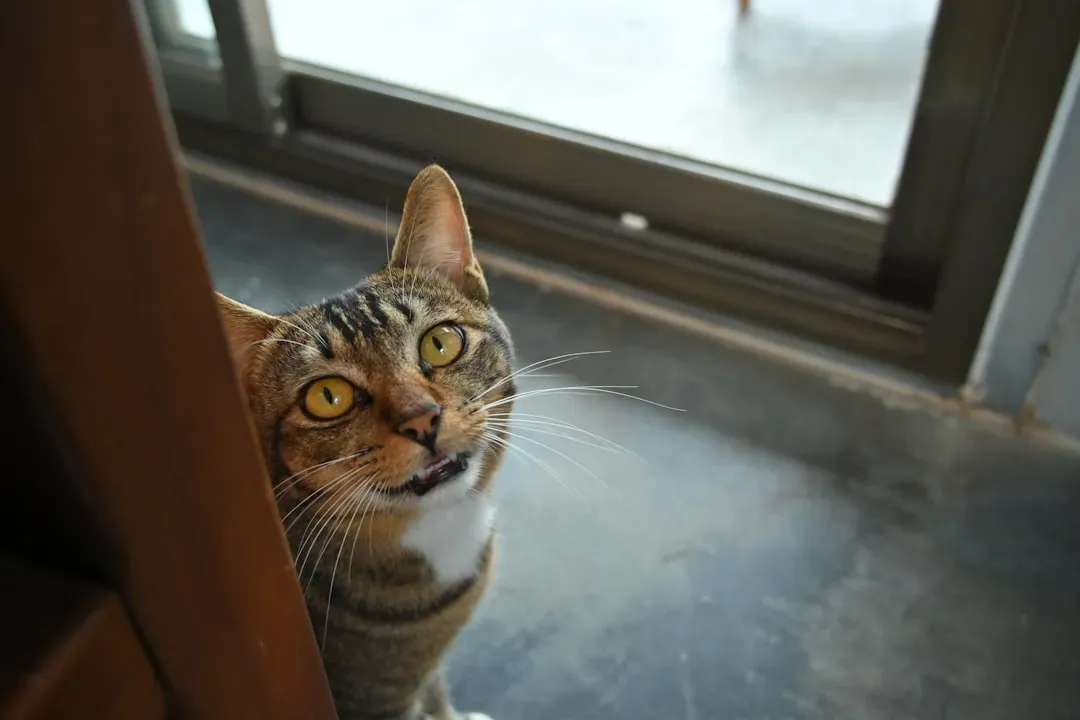
Things like pots and pans banging, kitchen blenders, heavy objects being dropped, and doors slamming are classic cat terror triggers. Another thing to consider with loud banging sounds is that there are often vibrations that your cat can also feel, something they also find deeply stressful. The sudden, unpredictable nature of these sounds is what makes them so particularly disturbing. A consistent hum is one thing. A random crash from another room is something else entirely.
Beyond just the loudness of certain noises, unpredictability plays a big role in a cat’s stress response. Even a relatively quiet but sudden sound, like a dropped utensil, can startle them more than a consistent background noise. Cats are creatures of routine and control. Cats prefer a predictable routine. The occasional introduction of a sudden, loud disturbance can be very stressful for them. Think of it like someone randomly popping a balloon next to your ear while you’re trying to relax. Not great, right?
10. Sirens and Emergency Vehicle Sounds: The Wail That Won’t Stop
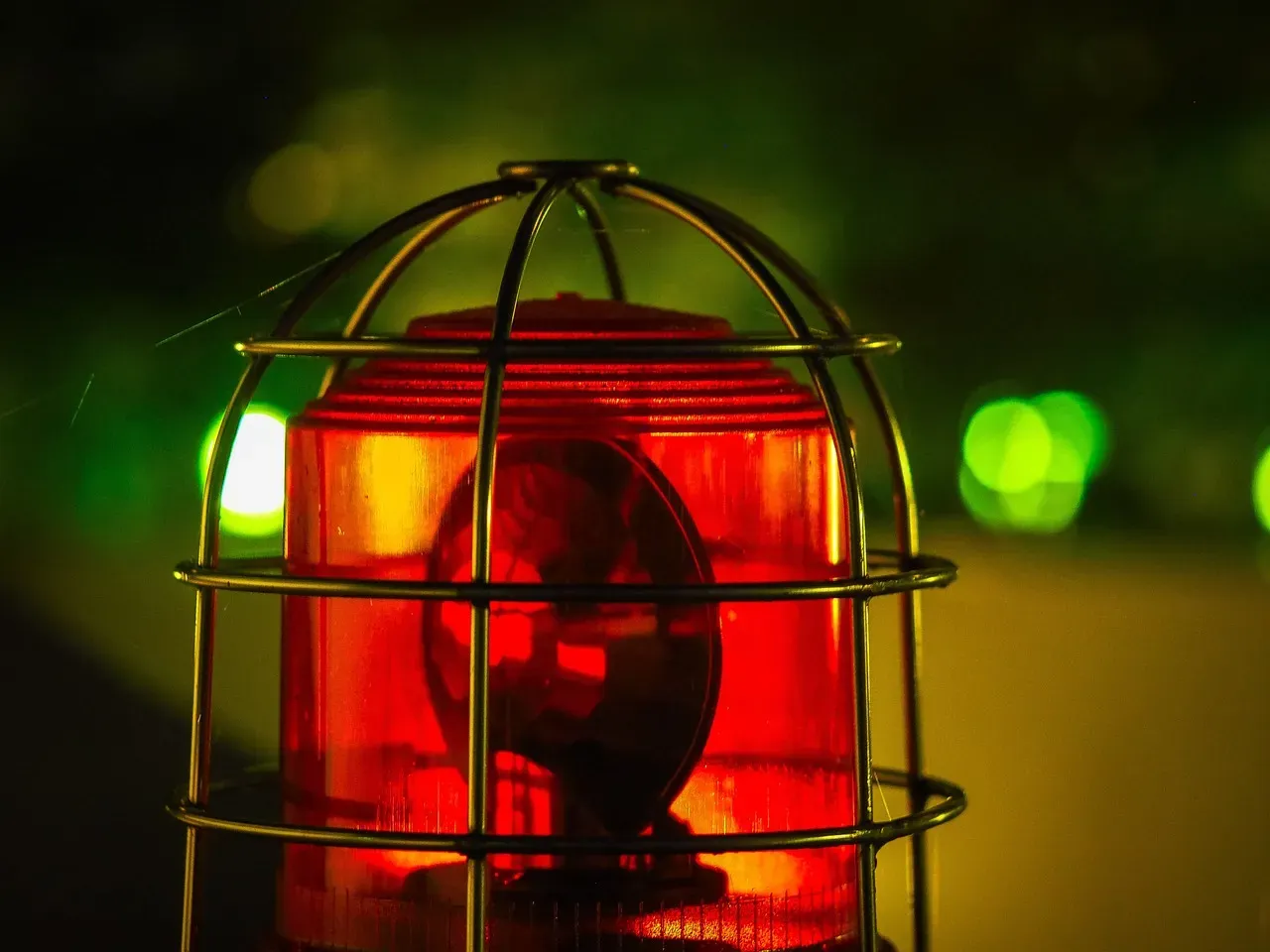
The piercing wail of a siren, whether from an ambulance, police car, or fire vehicle, can be incredibly upsetting to cats. These sounds are not only exceptionally loud but also carry a high frequency that can be alarming to your feline friend. Sirens have a particularly cruel quality from a cat’s perspective: they start, get louder, and then seem to chase you as they pass by. For an animal hardwired to flee from danger, a rising wail mimics a closing predator almost perfectly.
When cats are exposed to loud, unpredictable noises over and over, it can cause long-term anxiety. Their bodies release stress hormones that keep them on high alert, leading to changes in appetite, sleep, and behavior. If you live in an urban area with frequent emergency traffic, this stress can quietly compound over time. Besides common household noise, there is also the outside noise of ongoing traffic and sirens. The level of this noise will depend on your location and insulation, with urban cats being exposed to it daily. Many cats will get used to it with time, as long as they have been exposed to it since an early age and given plenty of safe indoor hiding places.
What You Can Actually Do to Help Your Fearful Cat
Now that you know what is sending your cat into full panic mode, the good news is that you are not powerless. You can use behavior modification techniques called desensitization and counter-conditioning to help your cat slowly build tolerance to their biggest triggers. It takes patience, but it genuinely works. As they hear distressing sounds more and more frequently at low levels, they slowly come to realize that nothing bad happens to them after they hear it. This is a process known as desensitization.
When you vacuum, put your cat in a safe room and use a blanket to seal out sound from under the door. Adjust the volume of your phone if your cat is disturbed by shrill ringing. Small tweaks like these make a surprisingly big difference to your cat’s daily comfort levels. Protecting cats from noise isn’t simply about preventing a dash under the couch. It’s about safeguarding their overall health and well-being.
Conclusion
Your cat might carry itself like the most self-assured creature in the room, but beneath that cool exterior lives a sensory system that is simply built differently from yours. Cats’ hearing is vastly more sensitive than humans’. Their ears can rotate like little satellite dishes, zeroing in on faint noises, and their hearing range extends far beyond ours, up to 85,000 Hz compared to a human’s 20,000 Hz. That extraordinary ability to hear is both a superpower and a vulnerability all at once.
The sounds on this list are not rare, dramatic events. They are Tuesday afternoons, lazy Sundays, and regular evenings in your home. Understanding the invisible stress your cat carries is the first step toward building a calmer, safer space for them. Long-term exposure to noisy environments can cause a feline to suffer from chronic stress, and that is something no loving cat owner wants. So next time your cat bolts under the bed, skip the laughter and ask yourself: what did they just hear that you completely missed? The answer might genuinely surprise you.