Cats have been carrying a reputation for centuries. Cool, mysterious, unmoved by your emotions, and perfectly happy to live their best solo lives while you barely register as more than a food source. It’s a narrative that has somehow stuck around despite most cat owners laughing at it every time their cat follows them to the bathroom or howls at the front door when they leave.
Here’s the thing: that image of the lone, detached feline is not just a stereotype, it is increasingly being dismantled by serious behavioral science. Researchers from universities around the world have been quietly, sometimes dramatically, overturning what we thought we knew about cats. What they’re finding is surprising, sometimes shocking, and honestly a little bit humbling. So let’s dive in.
Myth 1: Cats Are Solitary Animals Who Prefer Being Alone
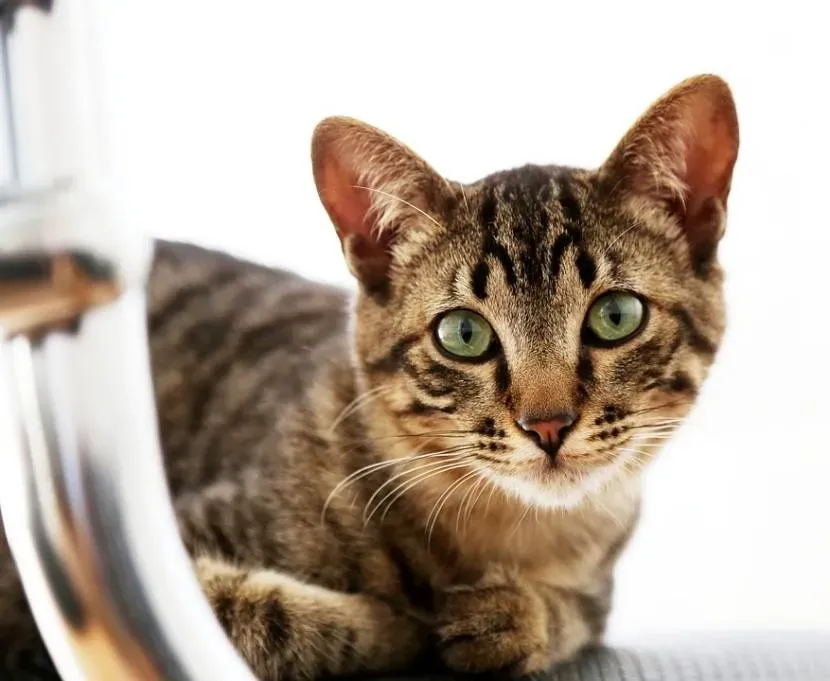
This might be the granddaddy of all cat myths, and it is stubbornly persistent. The idea that cats are loners by nature, hardwired to live and hunt in isolation, feels intuitive. After all, they are not exactly rushing to greet you at the door like a golden retriever. But that image is far more cultural than it is scientific.
One of the most pervasive myths about cats is that they are solitary animals, uninterested in social interactions. While cats are indeed more independent than dogs, research shows they are not the lone wolves many believe them to be. Think of it like this: introverts still need human connection. They just engage differently. Cats operate the same way.
Studies conducted on feral cat colonies reveal that cats can form complex social structures and establish genuine bonds with both humans and other animals. Indoor cats, too, often exhibit affectionate behavior, seeking companionship and playtime with their human counterparts. That feral colony behind the grocery store? It is actually a tightly bonded social network, not a collection of rogue individuals.
Curiously, although cats originate from a mainly solitary ancestor, they became considerably social, engaging in positive interactions not only with humans, but also with their conspecifics. Evolution, it turns out, had other plans for the domestic cat.
Myth 2: Cats Do Not Form Emotional Bonds With Their Owners
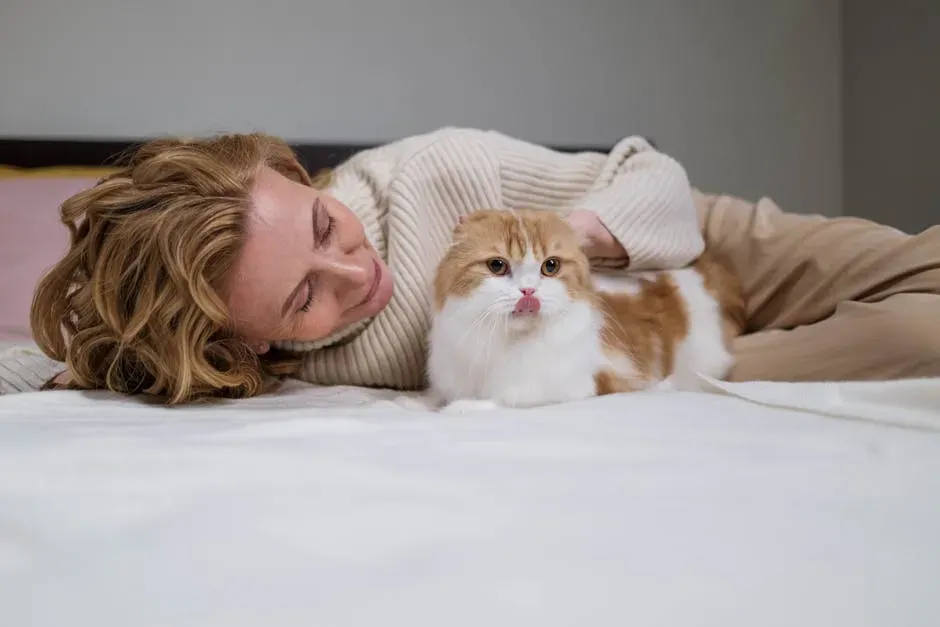
If you have ever watched your cat sprint across the house just to sit near you, you already sensed something was off about this myth. Science has now confirmed your suspicion in a fairly spectacular way. Cats do form deep, genuine emotional attachments to their caregivers, and researchers have the data to prove it.
Because cats, like most domesticated animals, retain several juvenile traits into maturity and remain dependent on humans for care, researchers predicted that attachment behavior toward a primary caretaker would be present in adulthood. To evaluate this, 38 cats over one year of age participated in a secure base test. Distinct attachment styles were evident in adult cats, with a distribution showing roughly two thirds of cats classified as securely attached.
Cats express affection differently than dogs, often in subtler ways, such as purring, kneading, or gently head-bumping. Research indicates that cats can form strong emotional bonds with their owners, similar to the attachment children have to their caregivers. Honestly, once you know what you are looking for, the signals are everywhere.
Oxytocin release during free owner-cat interaction varied in cats of different attachment styles. An increase in oxytocin was observed in securely attached cats. That is the same bonding hormone that surges in humans during close social contact. Your cat literally experiences a biochemical rush when interacting with you.
Myth 3: Cats Do Not Experience Separation Anxiety
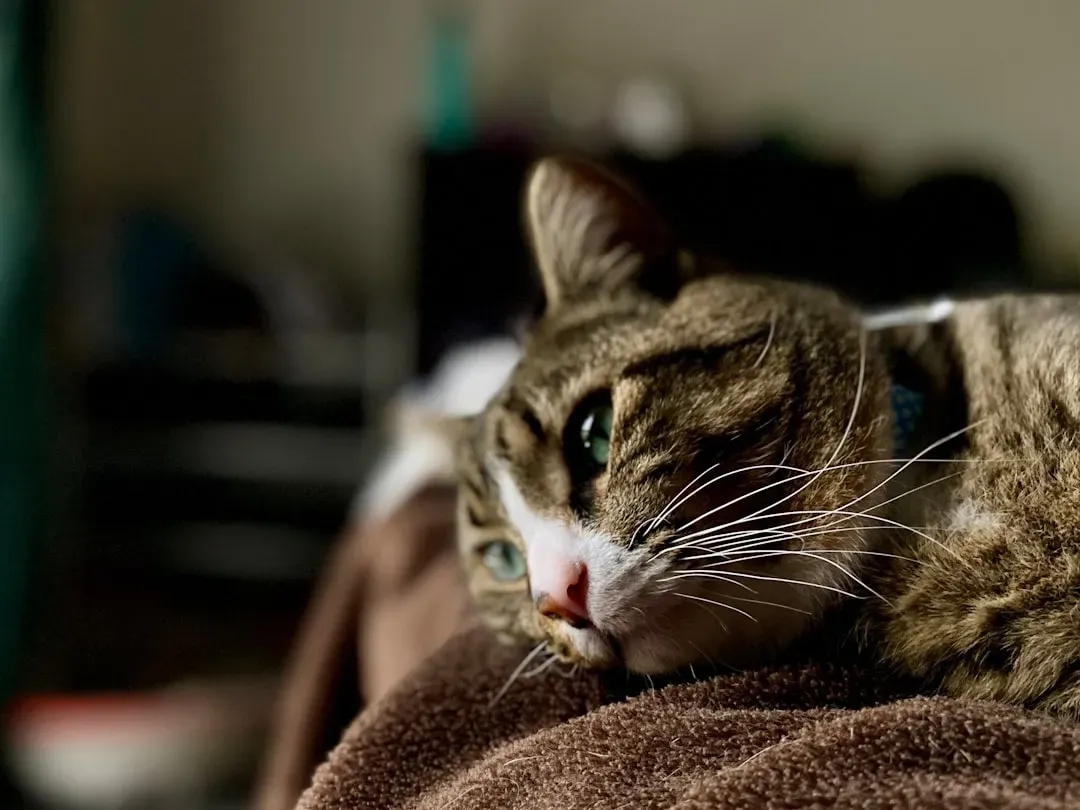
This one surprises people the most. Separation anxiety? In a cat? Most people associate that condition exclusively with dogs, picturing the classic scene of a Labrador dismantling the living room the moment the front door closes. But the science tells a very different story about cats, and it is one that every cat owner should know.
Separation anxiety is much less likely to be diagnosed in cats than in dogs, even though there is evidence to suggest that cats can suffer from this condition. In attachment tests, cats show almost identical search patterns, vocalizations, and other signs of separation distress to dogs upon an owner’s departure. The distress is there. It is just quieter, and far too easy to miss.
Cats can also experience distress when their social needs in relationships with humans are not met. For example, cats with fewer interactions with people and longer periods of time left alone displayed higher numbers of problematic behaviors such as inter-cat aggression and were perceived to have higher anxiety levels. So that mysterious scratching on the door or litter box issue when you return from a vacation? It might not be attitude. It might be grief.
A study by researchers at Oregon State University and Monmouth University found that when cats were given a choice between food, human companionship, scent and toys, roughly half of them chose human companionship and only 37 percent chose food. Let that sink in. Your cat, given the option, would choose you over dinner.
Myth 4: Cats Are Impossible to Train
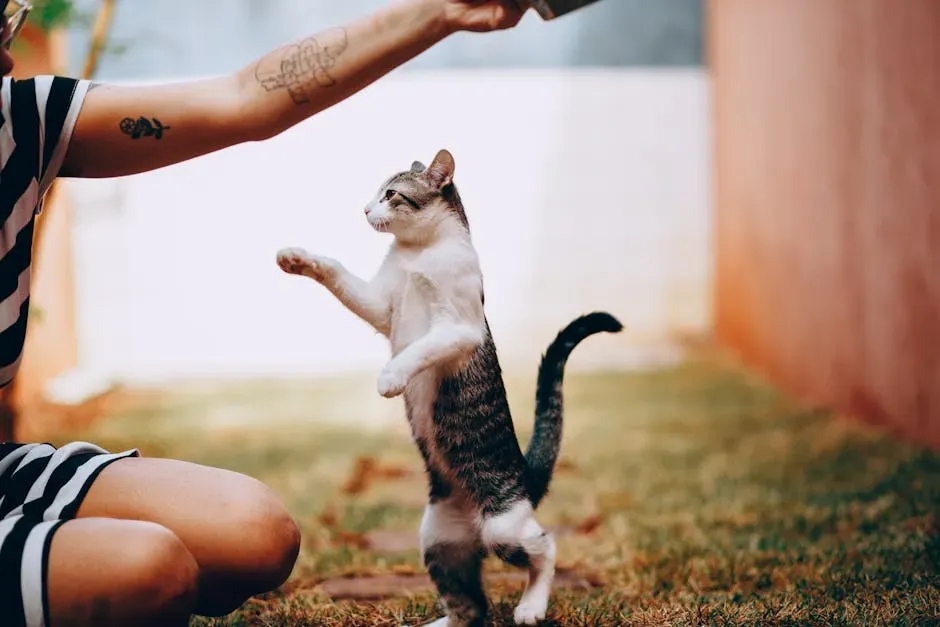
Let’s be real: this myth has probably caused more behavioral problems in cats than almost any other. When people believe a cat is untrainable, they simply stop trying, and the relationship suffers for it. The assumption is rooted in comparison with dogs, which is an unfair measuring stick to begin with.
This myth stems from a misunderstanding of feline motivation and learning styles. The reality is that cats are highly trainable, but they respond to different techniques than dogs. While dogs often aim to please their owners, cats are more motivated by what benefits them directly. It is less obedience, more negotiation. And honestly, that tracks.
Cats learn best through positive reinforcement. Favorite rewards for cats include delicious treats, catnip, interactive play, and petting or grooming. Structure the reward correctly and your cat will learn quickly. The timing matters too. Rewards must be given immediately, within three seconds, so that you do not inadvertently reward other behavior that may happen after the desired one.
In reality, cats have demonstrated robust learning and problem-solving abilities. Research shows cats can follow human gaze and pointing gestures, use social referencing to solicit help, and understand object permanence. That is not the cognitive profile of an animal that simply cannot be taught. That is a highly intelligent creature waiting for the right approach.
Myth 5: Cats Are Indifferent to Human Emotion
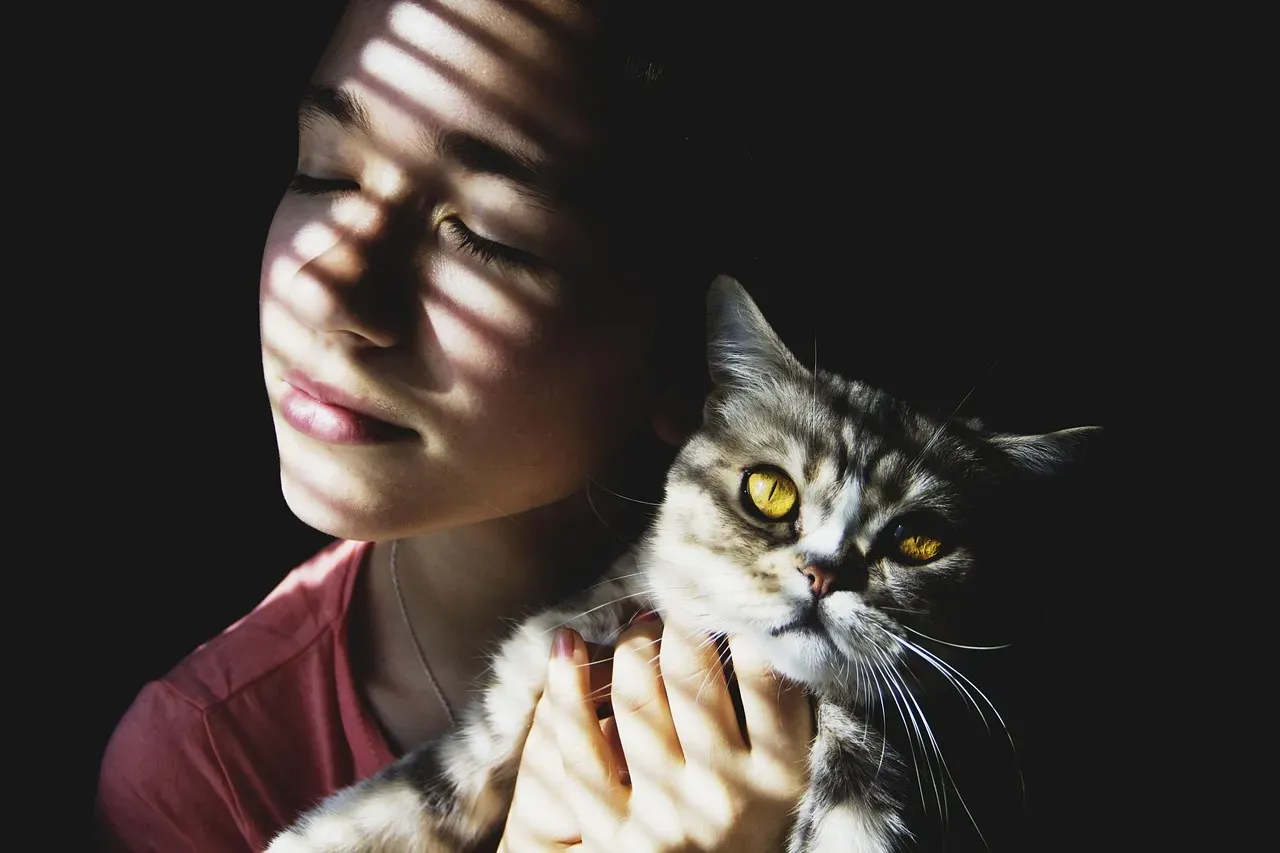
Picture this: you’ve had a genuinely terrible day, you slump onto the couch, and within minutes your cat materializes out of nowhere and parks itself right beside you. Coincidence? According to science, probably not. Cats are far more emotionally perceptive than we give them credit for.
The depressive owner initiates fewer interactions with the cat, but when the cat approaches that person, they accept the intent of the cat to interact, which affects the human’s mood. The cat also changes its behavior in response to depressiveness of the human when close to the person, vocalizing more frequently with the person and head and flank-rubbing more often on that person. Your cat is reading you. Quietly, carefully, and with genuine responsiveness.
Research demonstrated that cats were indeed able to read and follow human gaze for referential information. A separate study found that cats were only modestly sensitive to emotions as indicated by human postural and vocal cues, but particularly when displayed by their owner. There is a meaningful distinction there. Your cat responds to your emotional signals more acutely than to those of a stranger.
Recent research has shown that cats are more socially intelligent than previously thought. They can understand human emotions and cues, and even recognize their owners’ voices. The cat staring at you from across the room? It is not spacing out. It is paying close attention to you.
Myth 6: Cats Have No Social Needs and Require No Companionship
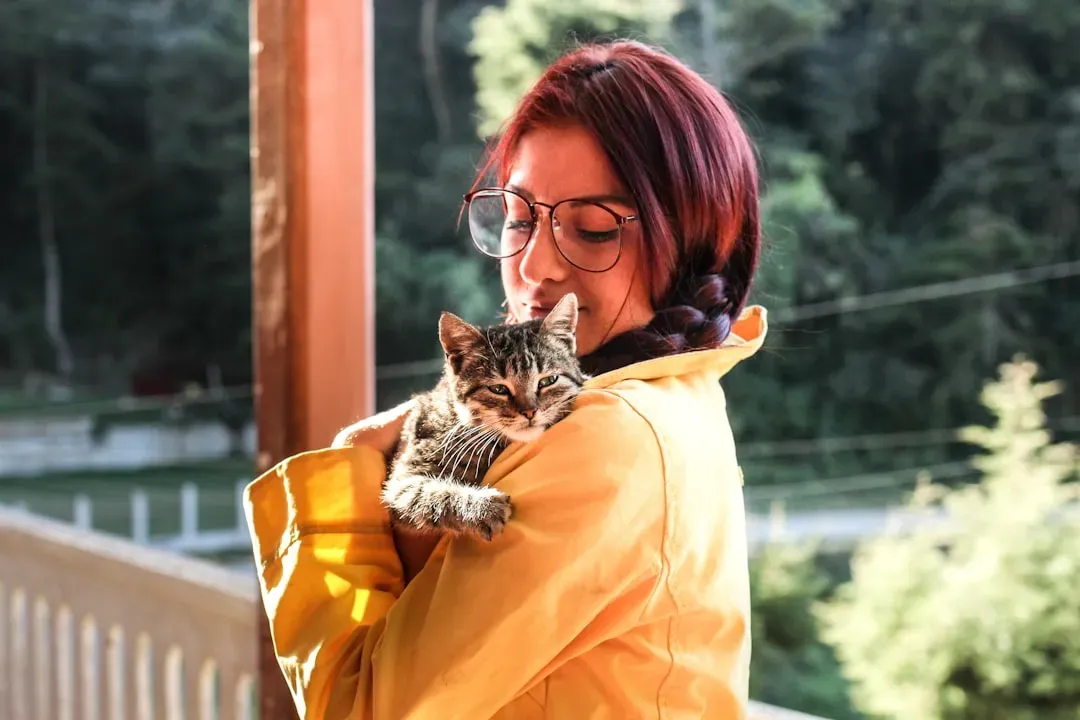
Here is a myth that has real and tangible consequences for cat welfare. When people genuinely believe cats have zero social needs, they stop providing enrichment, interaction, or stimulation. The cat ends up in an environment that is effectively a social desert, and behavioral problems follow. Science has now drawn a clear line on this.
While comparing cat owners’ and veterinarians’ perceptions of cat behavior, researchers found that owners were inclined toward agreement that cats are independent and have less social needs than other animals. Beliefs such as these are not supported by the scientific data on cat social behavior and may result in failure to meet cats’ individual social or environmental needs. The gap between belief and evidence here is genuinely significant.
While cats do not require constant attention like some dogs, they still need social interaction, mental stimulation, and affection from their owners. Neglecting a cat’s need for companionship can lead to stress, anxiety, and behavioral issues. Many cats form deep bonds with their humans and seek affection in their own unique ways, whether through cuddles, head bumps, or simply sitting nearby.
Owner education about cat sociality and its relationship to their quality of life is essential, given that cat behavioral problems, which are often rooted in fear, anxiety, and social stress, are regularly cited as reasons for their abandonment, relinquishment, and euthanasia. That is not a minor footnote. That is a welfare crisis rooted in a myth.
Myth 7: Cats Are Purely Self-Serving and Feel No Genuine Affection
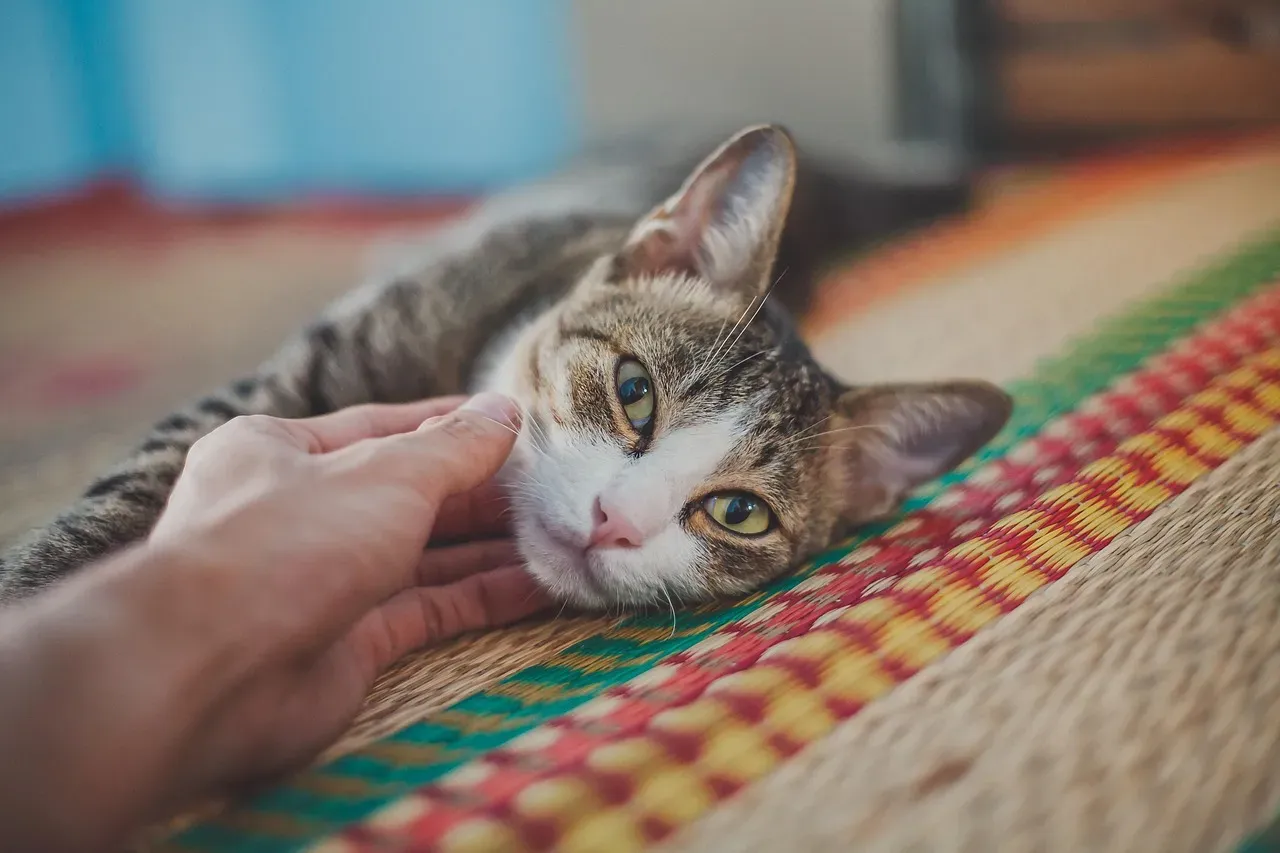
This is the most philosophically loaded myth on this list, and perhaps the one most deeply ingrained in popular culture. The idea that your cat only tolerates you because you control the food bowl. That the whole relationship is transactional. A warm body in exchange for kibble. It is a cynical view, and it crumbles under scientific scrutiny.
While cats certainly appreciate having their basic needs met, their attachment to humans goes much deeper. They seek companionship, security, and affection, building bonds that transcend mere sustenance. The food bowl theory, it turns out, vastly underestimates what is actually happening between a cat and its person.
Securely attached cats not only engaged more positively with their owners but also exhibited fewer problematic behaviors. In addition, the amount of time a cat spent near its owner was positively linked to the rise in oxytocin levels during the interaction. In other words, the more a cat chose to stay close to its owner, the more likely it was to experience a boost in the hormone that supports relaxation and bonding.
When given a choice among food, toys, scent, and social interaction, more than half of cats preferred engagement with a familiar human over any other option, including their preferred food. That is not transactional behavior. That is preference, warmth, and something that looks very much like love, expressed in a feline way.
Conclusion: It Is Time to Rethink What You Know About Your Cat
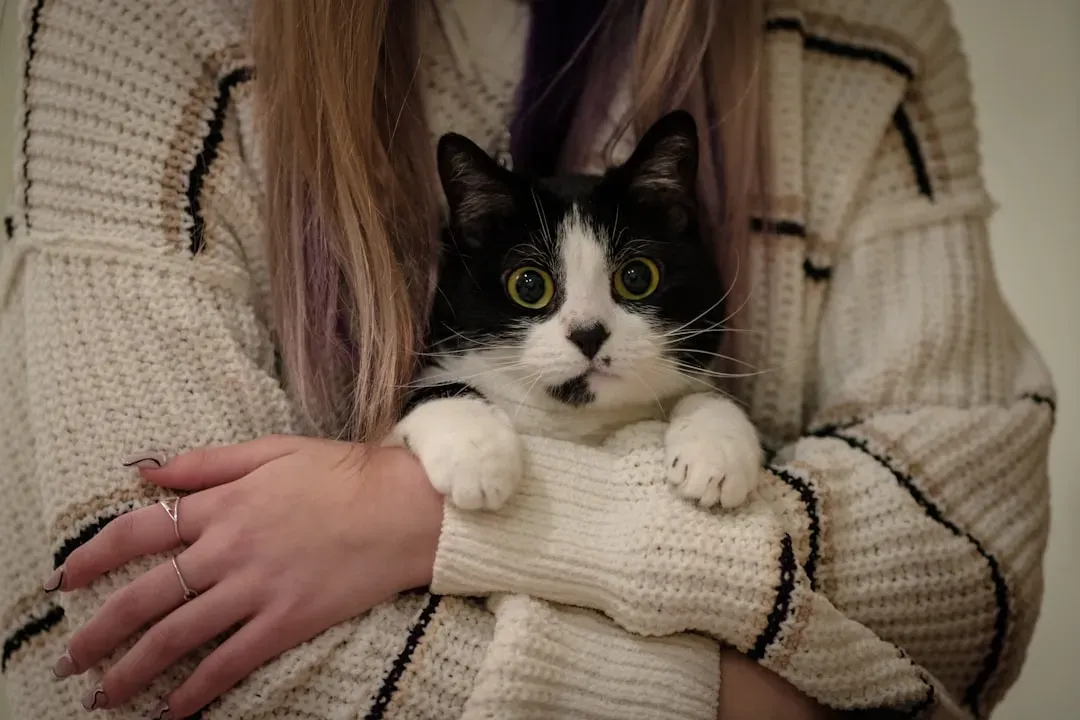
The science is clear, even if popular culture has been slow to catch up. Your cat is not an emotionally hollow creature tolerating your existence from a safe distance. It forms real attachments, reads your emotions, suffers when you leave for too long, prefers your company over food, and is far more trainable than anyone ever gave it credit for.
Owner education about cat sociality and its relationship to their quality of life is essential, and veterinarians may be able to further support cat welfare by educating owners about the relationships between the cat’s social environment, stress, and health. Every myth on this list has a real cost when left unchallenged. Cats are surrendered to shelters, their stress goes unnoticed, and their needs go unmet, all because the cultural story of the aloof, independent cat refuses to die.
The good news is that you can change all of that, starting today, simply by seeing your cat more clearly. Watch how it responds to your moods. Notice when it seeks you out. Understand that its quieter expressions of affection are no less real than a dog’s exuberant greeting. Modern science has done the heavy lifting. All you have to do is pay attention.
Which of these myths surprised you the most? Share your thoughts in the comments below.
Kristina is a young writer from India. An arts graduate and an avid content creator, Kristina is passionate about animals and wildlife. She enjoys exploring topics related to pet care, animal behavior, conservation, and nature, combining thorough research with engaging storytelling.