You’ve probably been staring at your cat, completely convinced that they’re ignoring you, only to realize moments later that they’ve been communicating with you this whole time. Cats have a reputation for being aloof and mysterious, and honestly, that reputation isn’t entirely unfair. Still, underneath all that cool independence is a creature packed with remarkably clever ways of getting your attention.
The truth is, cats are incredibly sophisticated communicators. They use a layered system of sounds, body language, touch, and even scent to tell you exactly what they need. You just have to know what to look for. So let’s dive in, because what you’re about to discover might completely change the way you see your cat.
The Meow Is Meant Entirely for You
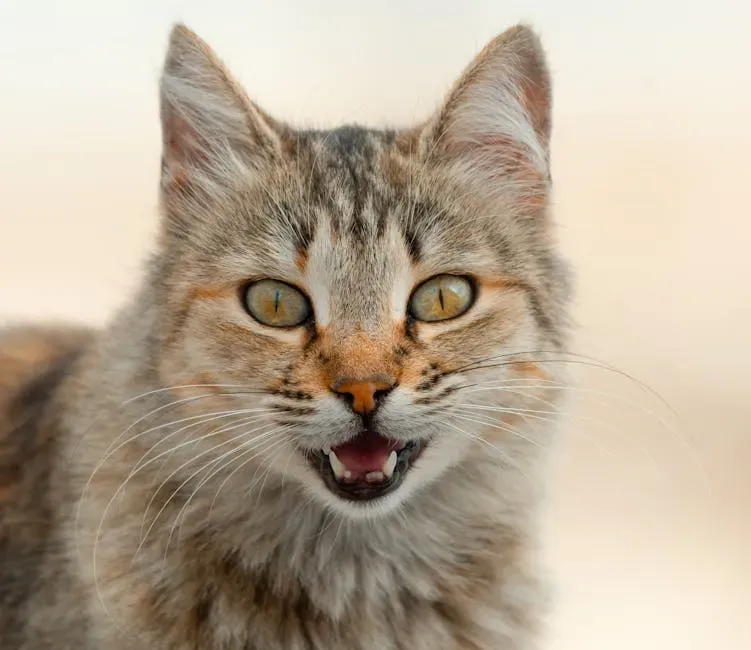
Here’s something that might genuinely blow your mind. Adult cats rarely meow to each other, and so adult meowing to human beings is likely to be a post-domestication extension of mewing by kittens. That’s right. Your cat’s meow is a specially developed tool aimed directly at you, not at other cats.
Meowing sounds can differ between cats, as they develop specific sounds to indicate specific things with the people in their lives. One cat’s greeting sound may be very different from another’s, even if they are living together. Think of it like your cat essentially learning your personal language over time. That’s not just biology; that’s a relationship.
A meow can be assertive, plaintive, friendly, bold, welcoming, attention-soliciting, demanding, or complaining. So when you hear your cat call out to you from across the room, pay attention to the tone. It’s almost never random. Listening carefully to sounds can help you identify whether they are asking for attention, hoping for food, or have something they think is important for you to see.
The Head Butt Is a Love Letter in Disguise
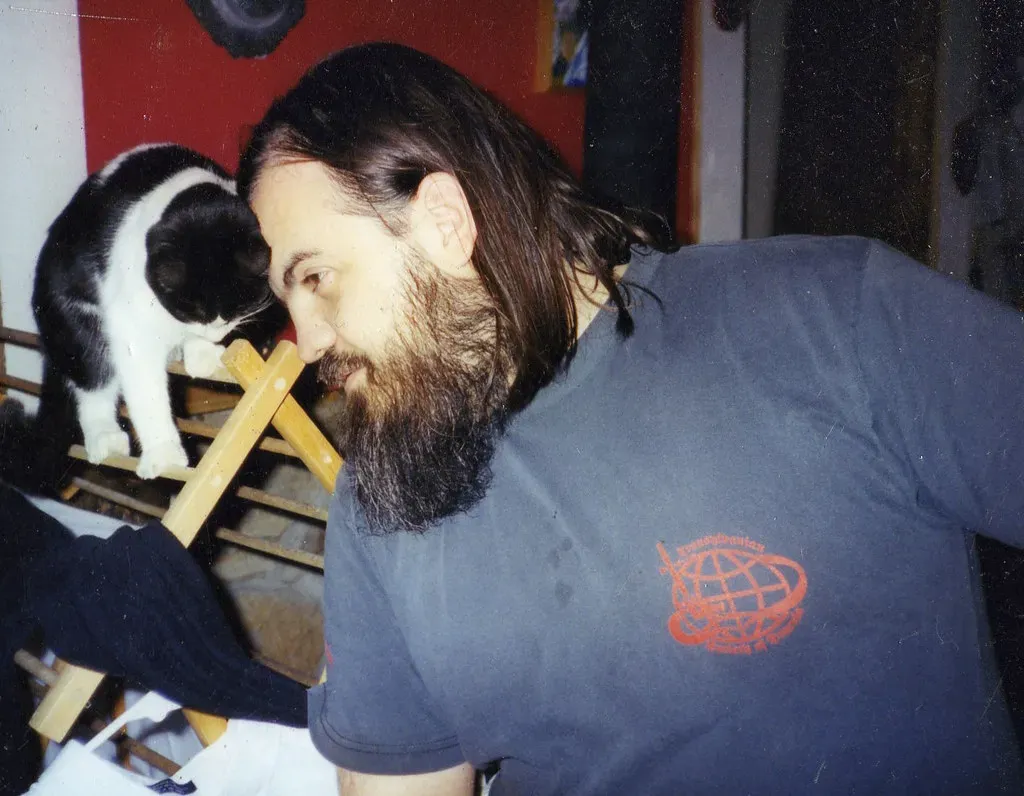
If your cat has ever walked up to you and firmly pressed their head against your face, congratulations. You’ve just been claimed. Cats sometimes “head-bump” humans or other cats with the front part of the head, a action referred to as “bunting.” This communication might have an olfactory component as there are scent glands in this area of the body, and is possibly for seeking attention when the cat turns its head down or to the side.
Head bunting releases pheromones that mark you as part of your cat’s social group. It’s essentially your cat claiming you as family. This also works as an attention-getter. I think that’s one of the most tender things in the animal kingdom, honestly. Your cat isn’t just greeting you. They’re folding you into their world.
If the cat gives your hand a head butt, they are asking for more interaction. So the next time your cat bumps your hand away from your keyboard, take note. They’re not being dramatic. They’re making a very clear, very deliberate request for your time and presence.
The Slow Blink: A Secret Signal You Can Return
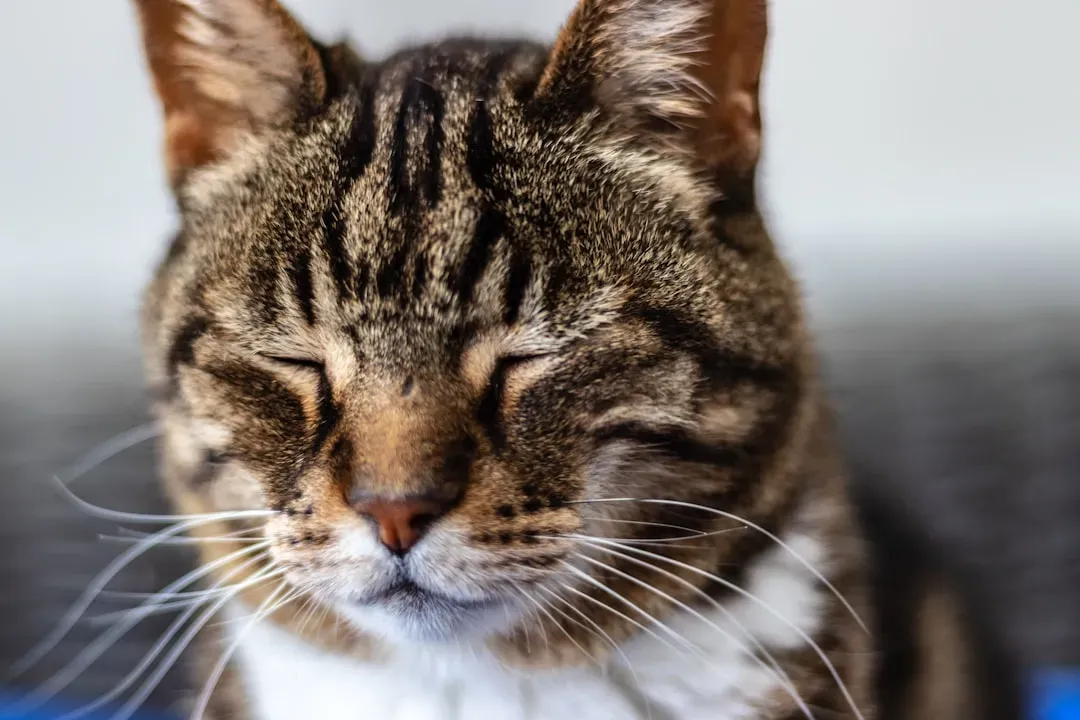
You may have caught your cat staring at you across the room, and then slowly closing their eyes, almost dreamily. That is not accidental. When cats greet another cat or a human they trust, they can do a slow, languid, long blink to communicate affection. One way to communicate love back to a cat is to say its name, get its attention, look it in the eyes, and then slowly blink at it to emulate trust and love.
A particularly important facial expression to watch for is the slow blink. It is a signal of trust and affection. Some people call the slow blink a “kitty kiss,” and this behavior can be given by a human to a cat as well, either before or in response to a cat doing it. This is genuinely one of the most underrated forms of communication between cats and their humans.
When a familiar human slow-blinks towards a cat, the cat tends to approach the human more frequently than if the human has a neutral expression that avoids eye contact. So if your cat is seeking your attention and you want to respond without saying a word, try a slow blink. It works. I know it sounds a little crazy, but cats actually respond to it.
The Tail Tells You Everything
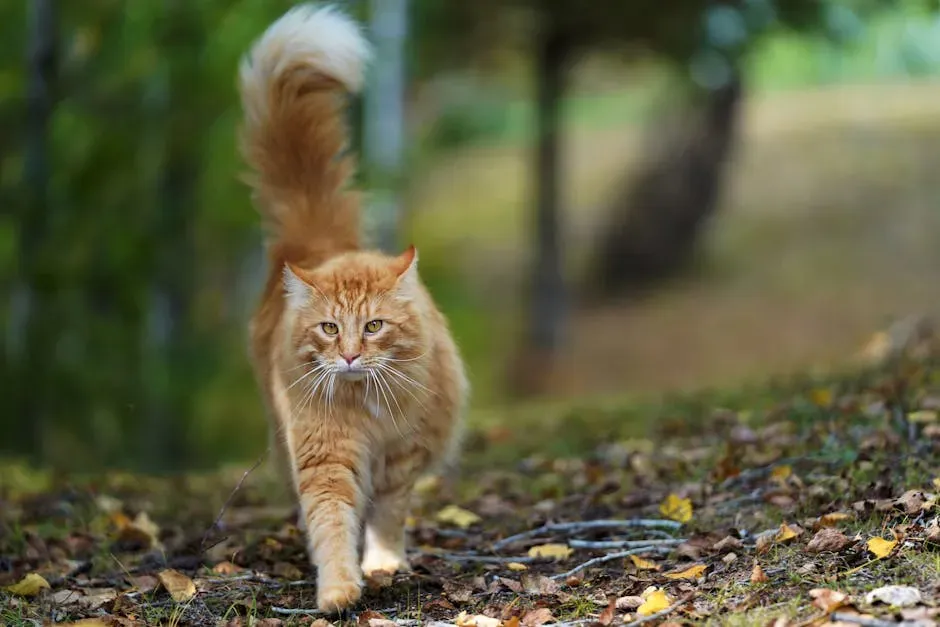
A cat’s tail is one of the most expressive parts of its body. An upright tail means your cat is feeling social and confident, approaching you in a friendly way. If the tail curls at the end like a question mark, that’s even better: your cat is happy and inviting you to interact. That little upward curl is basically a cat saying “Hey, I’m in a great mood and I want you to notice.”
The tail position is a well-known way that cats communicate visually. Generally, the “tail up” position signals friendly intent when a cat approaches another cat, animal, or person. So a raised tail isn’t just body language. It’s a social announcement, a clear flag that your cat is approaching you with good intentions and wants engagement.
On the flip side, not all tail messages are warm invitations. A flicking or twitching tail is a sign of agitation. The cat is on high alert or is upset, and is not receptive to interaction. Reading tail position correctly can save you from a misread moment and deepen your understanding of what your cat actually needs from you at any given time.
Pawing, Kneading, and “Making Biscuits”
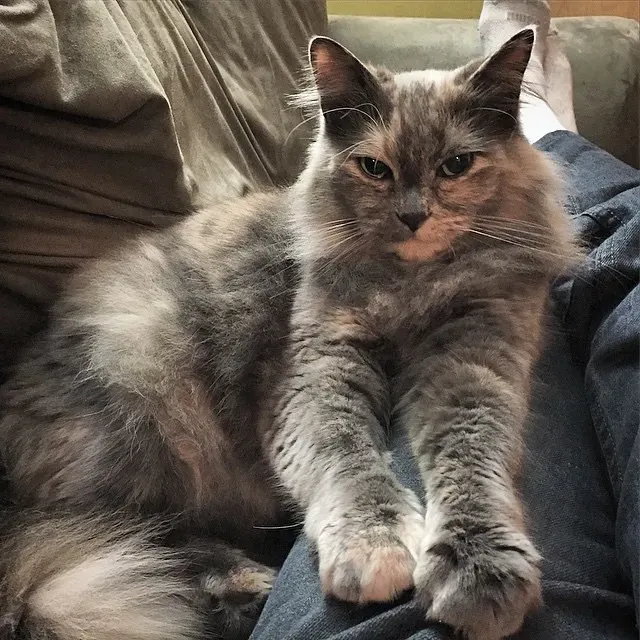
Let’s be real: there are few things more endearing than a cat rhythmically pressing their paws into your thigh like you’re pizza dough. This is sometimes called “making biscuits,” because the cat works their paws on a soft surface as if they’re kneading bread dough. It’s a leftover behavior from nursing, when they massaged their mother’s teats to make milk flow. Your cat does this when they’re really happy.
Cats knead with their paws to show contentment, often stemming from kittenhood when they kneaded their mother’s belly to stimulate milk flow. When your cat kneads you specifically, it means they associate you with that same deep, instinctive sense of comfort and safety. You are essentially their safe place. That is remarkable.
Pawing at you more generally, without kneading, is a different kind of signal. If your cat is trying to get your attention, they’ll employ non-verbal communication, such as pawing at your leg, knocking your coffee cup off the kitchen table, or scratching the couch. Yes, even the chaos is communication. Your cat knocking things off the table isn’t just mischief. It’s a very pointed, very effective way of saying: pay attention to me, right now.
Trilling, Chirping, and Those Little Sounds You Can’t Quite Name
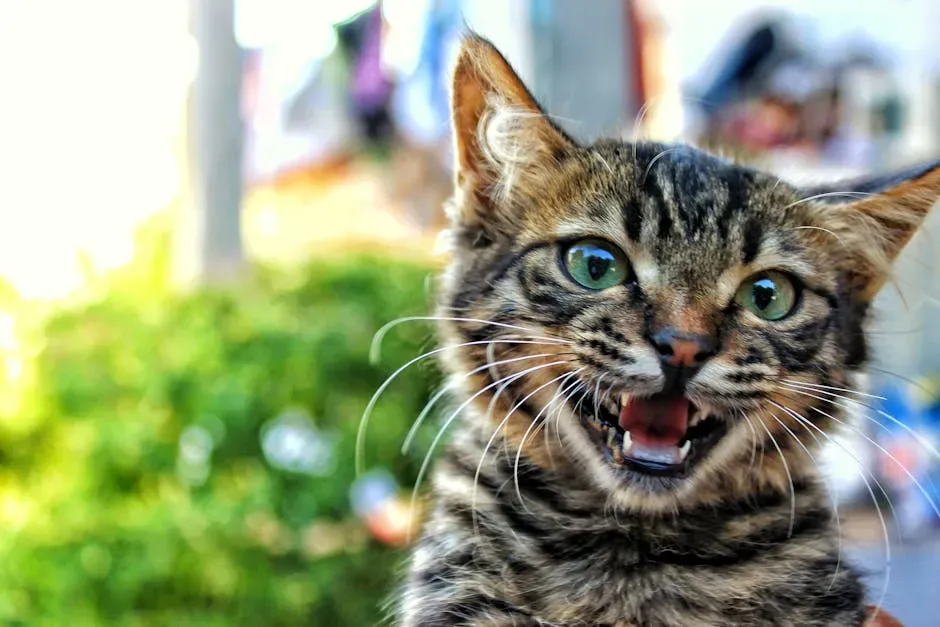
Trills and chirps are easier to read. These short, rolling sounds are reliably positive. They signal excitement, affection, or an invitation to follow. Think of a trill as an enthusiastic greeting, your cat’s version of “Hey, come see this.” If your cat trills at you when you walk through the door, that’s one of the warmest welcomes you can receive from a feline.
Chirps and trills are how a mother cat tells her kittens to follow her. When aimed at you, it probably means your cat wants you to follow them, usually to their food bowl. Though honestly, sometimes they just want you to come sit in the same room. Cats can be surprisingly social when they trust you.
In general, three basic forms of vocal communication are heard in cats, and some tend to be formed with the mouth closed and are generally sounds used for greeting, attention, acknowledgement, and approval. This includes purring, which is used in a wide variety of contexts and a variety of forms. The variety of sounds your cat makes is not random noise. Each one carries a distinct intention, and once you start distinguishing between them, you’ll feel like you finally cracked a code that’s been right in front of you all along.
Staring, Rubbing, and the Art of Scent Marking You
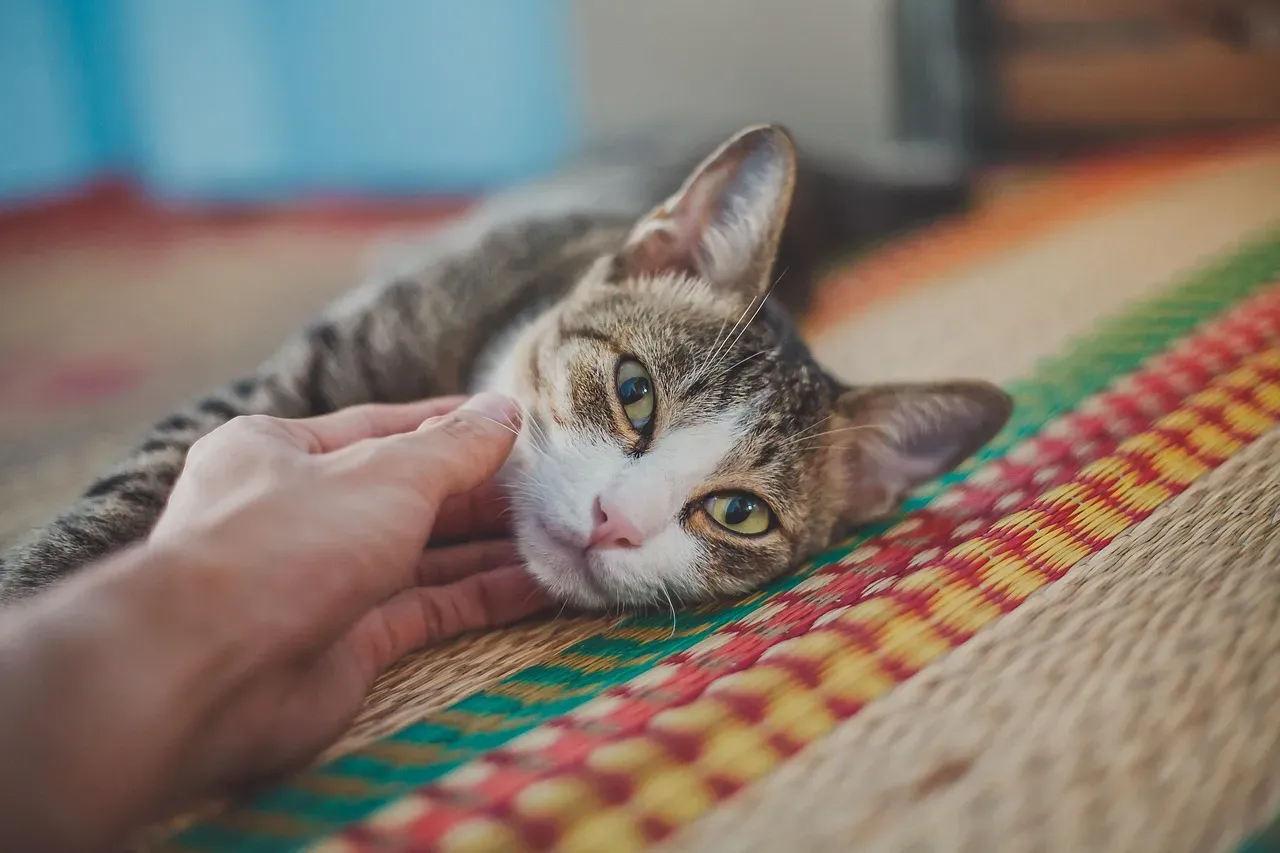
Cats sometimes make eye contact with humans as a care-seeking behavior. If it’s dinner time, they may stare at you to get your attention. But it goes beyond feeding time. That fixed, intense gaze your cat gives you from across the room is often their way of initiating contact before they’ve even moved a muscle. It’s the opening move in a conversation.
Rubbing against you or other objects is a way for them to mark their “territory” with their scent. If you are included in this “marking” territory, your cat is essentially marking you as their own and is letting you know they are quite fond of you. Think of it less like possessiveness and more like your cat writing their name on you with invisible ink. You belong to their inner circle.
Headbutting and rubbing are forms of cat communication that allow cats to mark their territory by transferring scent from glands located around their cheeks and jaw. These behaviors signal comfort, affection, and familiarity. So the next time your cat weaves around your ankles or rubs their cheek against your hand, understand that you’re being told something deeply meaningful: you are safe, you are loved, and you are theirs.
Conclusion: Your Cat Has Been Talking to You All Along
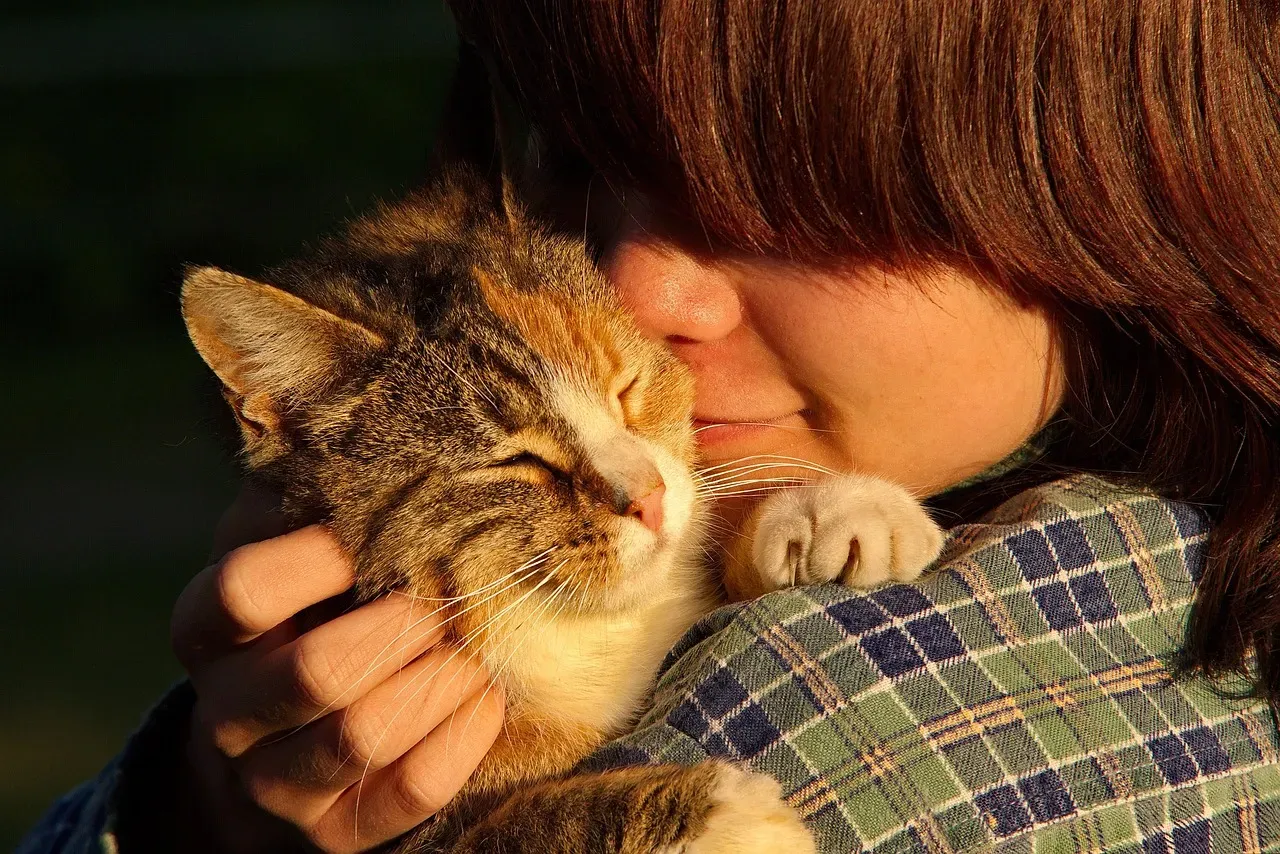
Cats are not indifferent. They are not cold. They are remarkably nuanced communicators who have, over thousands of years of living alongside humans, developed an entire vocabulary specifically designed to reach you. Cats can use a range of communication methods, including vocal, visual, tactile, and olfactory communication. Every blink, tail flick, trill, and head butt is part of a rich, layered language that most of us only barely scratch the surface of.
You can better understand your furry friend by paying attention to their vocalizations, body postures, and daily routines. In time, you may become so attuned to your cat’s personality and habits that you’re able to detect subtle changes in their mood and even recognize health problems before physical signs of illness appear. That alone makes learning their language one of the most rewarding things you can do as a cat owner.
The more you tune in, the more you’ll realize that your cat has never really been silent at all. They’ve just been waiting for you to listen. So the next time your cat stares at you, bumps their head against your hand, or trills softly from the doorway, ask yourself: what are they trying to tell me? Chances are, the answer will surprise you.