You’ve heard it a thousand times. You’re sitting on the couch after a long day, your cat curls into a warm ball on your lap, and that deep, rhythmic rumble fills the room. It feels like the most peaceful sound in the world. Honestly, I think a lot of us just assume it means one thing: pure, uncomplicated happiness.
Here’s the thing, though. Your cat is far more complicated than that. Often associated with a state of blissful contentment, this gentle, rhythmic rumble is far more complex than a simple expression of happiness. It is a multifaceted vocalization, a sophisticated tool that serves a variety of purposes, from communication and bonding to self-soothing and even physiological healing. If you’ve ever wondered what your cat is actually saying when it purrs, you’re not alone, and the answers are genuinely surprising. Let’s dive in.
The Science Behind How Cats Actually Purr
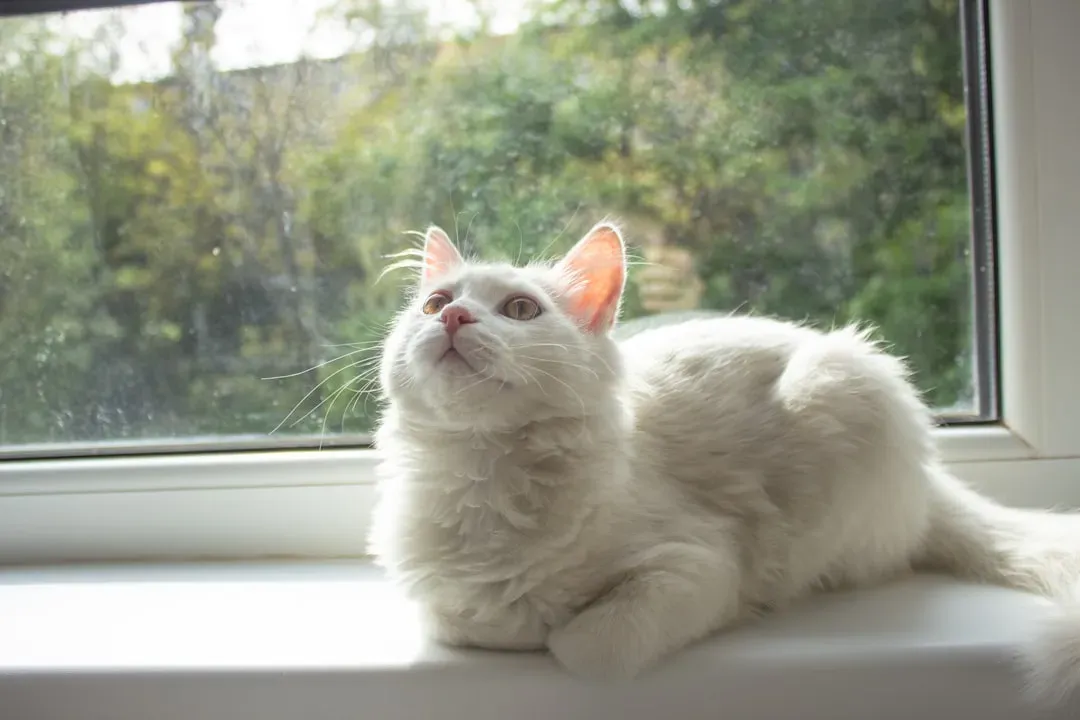
Before you can decode the message, it helps to understand the machinery. Think of it like learning how a radio works before you try to tune into the right station. Unlike other feline vocalizations that are produced on an exhale, the purr is a continuous sound created during both inhalation and exhalation. That unbroken quality is what makes it so uniquely cat.
Domestic cats possess “pads” embedded within their vocal cords, which add an extra layer of fatty tissue that allows them to vibrate at low frequencies. For decades scientists argued about whether active muscle contractions drove the purr, but recent research has turned that idea on its head. Without any active neural control, all eight larynges in one key study produced self-sustaining oscillations at frequencies between 25 and 30 Hz, suggesting purring doesn’t necessarily require active muscle contractions. Nature found a remarkably elegant shortcut.
What “Happy Purring” Actually Looks Like
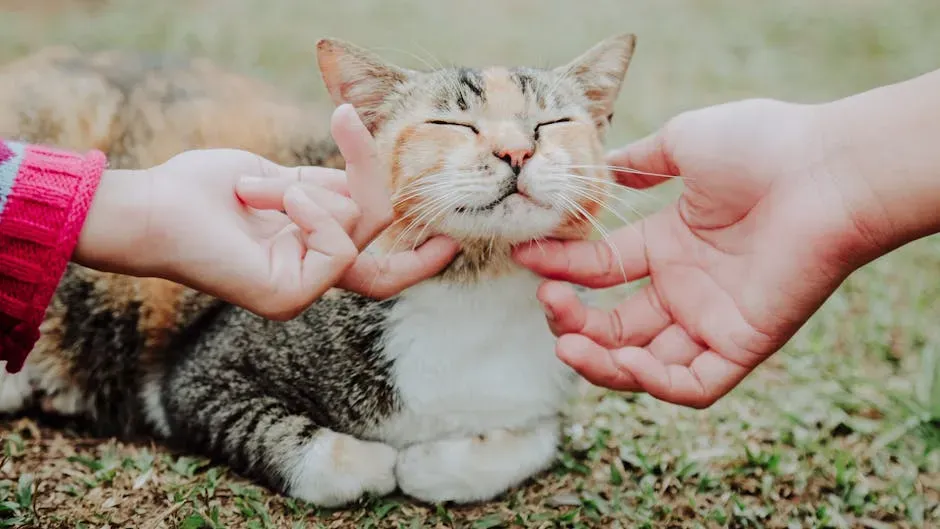
One of the most common contexts for purring is when a cat is experiencing pleasure and contentment. A cat curled up on a warm lap, receiving gentle strokes, or anticipating a favorite meal will often purr loudly. This is the purr that humans most readily recognize and appreciate, a clear indication of a happy and relaxed feline. But how do you know for sure? Context is everything.
When a cat is purring with content, they have a relaxed facial expression and body language. You’ll also notice other telltale signals layered alongside the sound. Many cats knead at the same time when they’re feeling particularly content, which allows them to leave their pheromones behind to mark you as taken. So if your cat is purring, kneading, and giving you slow blinks all at once, congratulations. You are officially claimed.
The Purr That Means Something Entirely Different
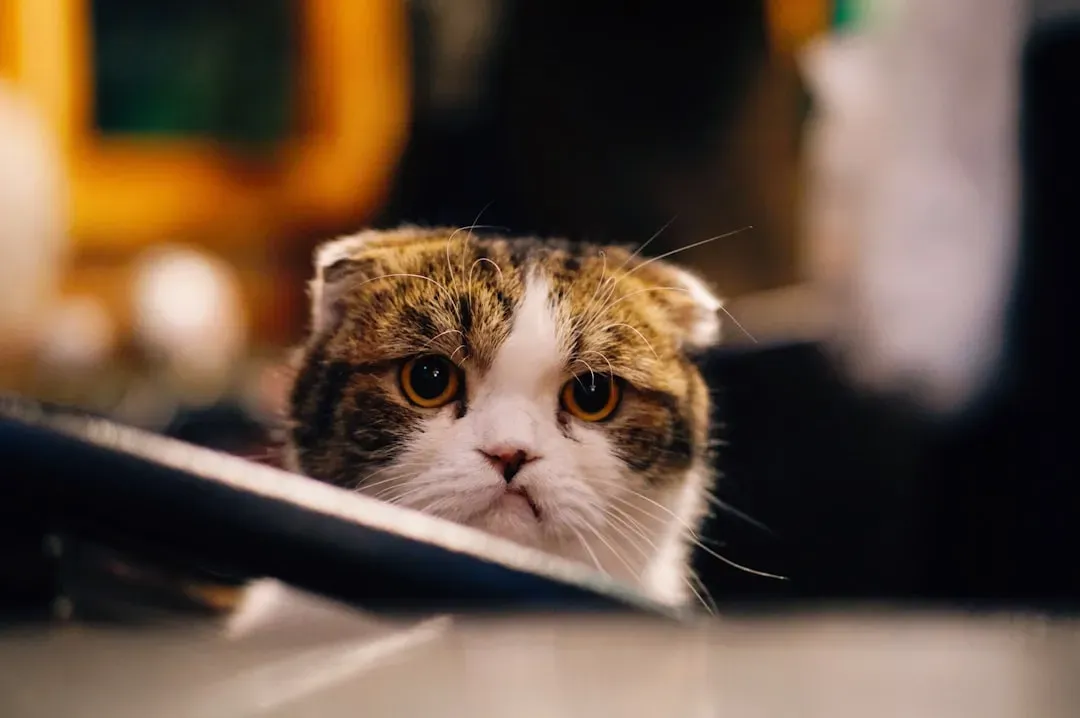
Let’s be real, this is the part that surprises most cat owners. Cats purr when they’re comfortable and feeling affectionate, but they also purr in other situations, such as when they are anxious, in pain, or even during childbirth. It’s a bit like how a person might hum to themselves when nervous. The sound is the same, but the meaning is worlds apart.
Cats regard purring as a comforting sound, so it only makes sense that they might use it to comfort themselves in times of trouble. For example, if you hold a cat that doesn’t like to be held, the resulting purr may be its attempt to soothe its own anxiety or nervousness, not a display of happiness. The key is reading the whole picture. If the cat’s ears are back, their pupils are dilated, they’re tense or hunched up, or they’re acting differently than normal, then purring may indicate that the cat is uncomfortable or unhappy.
The Solicitation Purr: Your Cat’s Secret Manipulation Tool
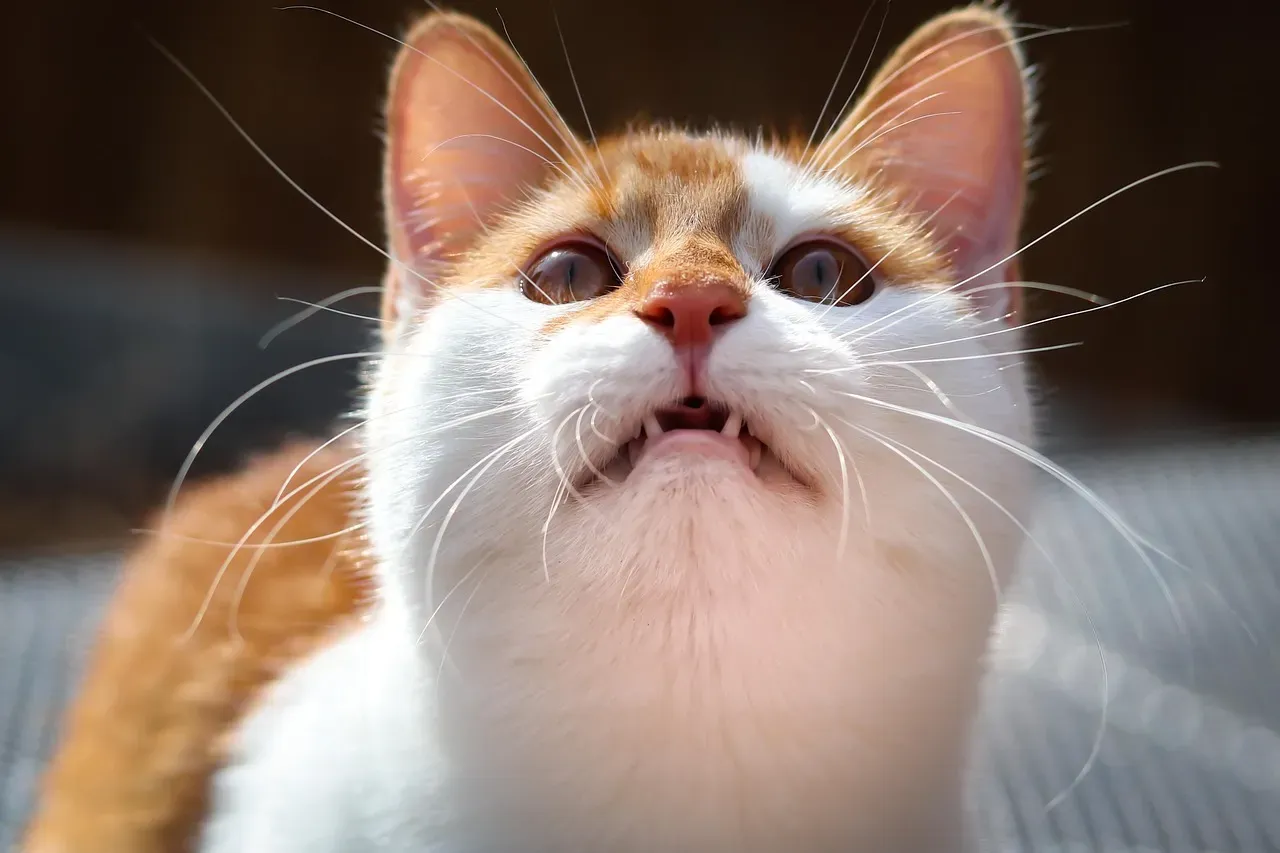
This one, I’ll admit, is equal parts impressive and slightly unsettling. In 2009, Dr. Karen McComb at the University of Sussex identified a specific type of purr used for solicitation. Embedded within the low-frequency purr is a high-frequency cry, somewhat similar in range to a human infant’s cry. This “solicitation purr” is more urgent and less pleasant, making it difficult for humans to ignore. Your cat has essentially figured out your biological weak spots.
Researchers discovered that cat owners find this “solicitation” purr irresistible because a high-frequency element embedded within it, similar to a cry or meow, subtly triggers a sense of urgency. By employing such an embedded “cry,” cats appear to be exploiting innate tendencies that humans have for nurturing offspring. However, in this case the felines subtly bury their “feed me” messages in an otherwise pleasant purr. The next time you drag yourself out of bed at 6 a.m. to fill the food bowl, know that your cat planned that. Expertly.
Purring as a Mother-Kitten Language
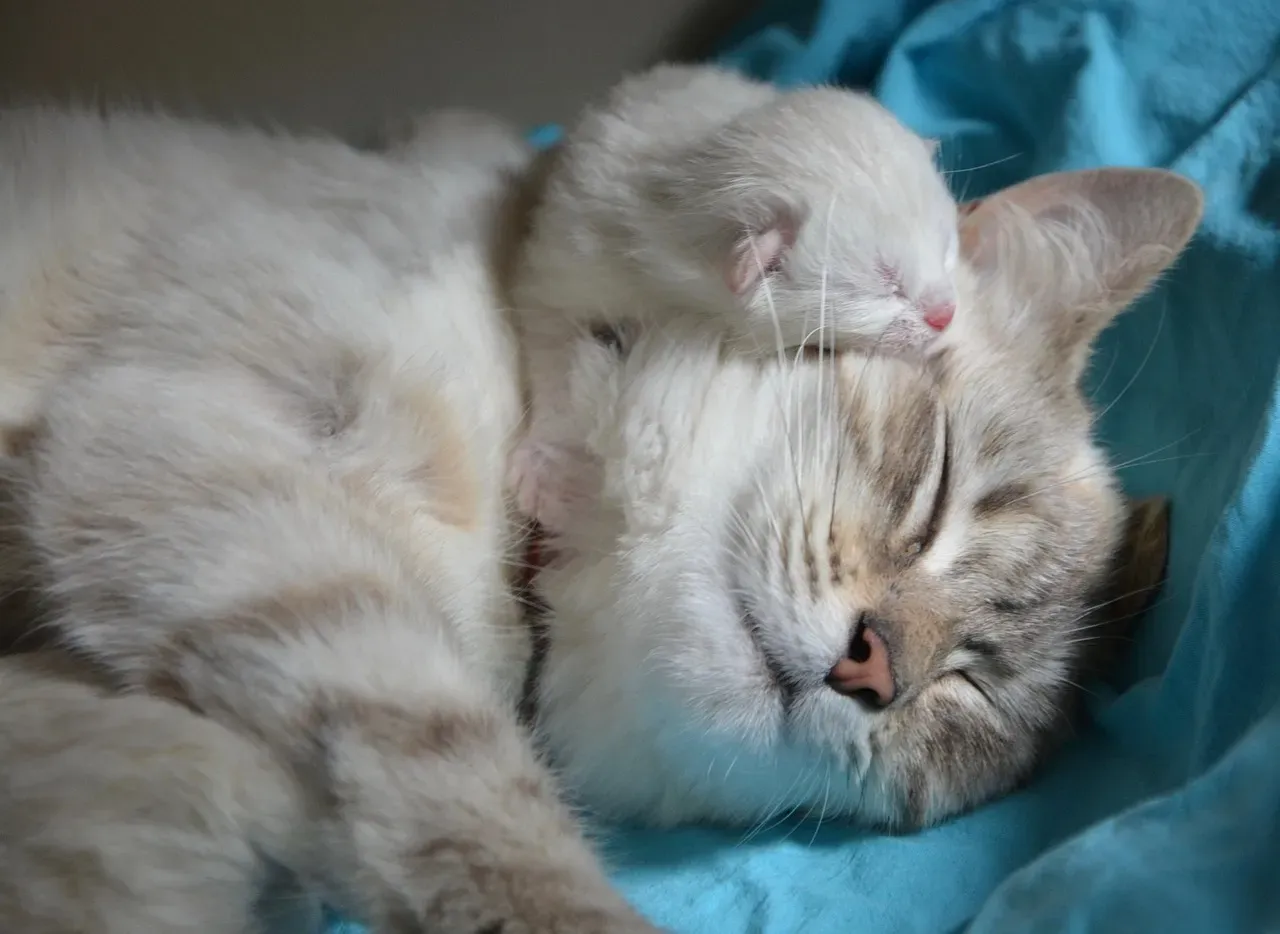
Cats start purring shortly after birth, and both mothers and kittens often purr while locating each other and during nursing. It’s one of the most ancient uses of the vocalization, a kind of primal whisper between parent and child. Think of it as the feline version of a lullaby and a GPS signal rolled into one.
Cats and their kittens typically purr to each other. This form of communication can help a blind newborn kitten locate its mother, while the same purr from the newborn kitten can help its mother locate it more easily. Kittens can purr as young as 2 days of age. They purr when they are nursing from their mother and only stop long enough to swallow. That’s a tiny creature already fluent in the language of purr. It’s hard not to find that completely remarkable.
The Purr as a Self-Healing Mechanism
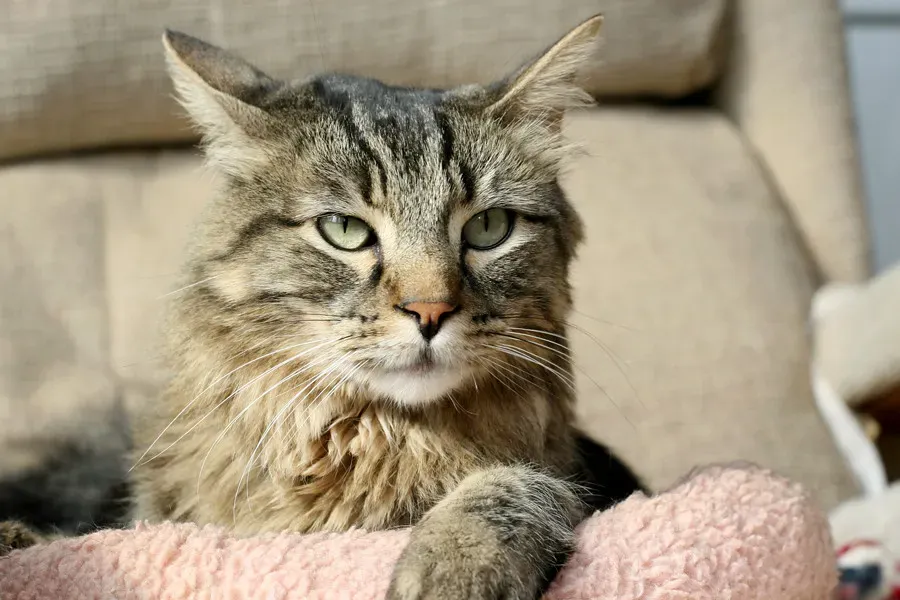
Here’s where things get genuinely fascinating, and also where it pays to be a little skeptical. The vibrations produced by a cat’s purr are within a frequency range of 25 to 150 Hertz that can promote healing in bones and tissues. Studies have shown that exposure to sound frequencies in this range can increase bone density and promote tissue regeneration. The idea that your cat might be running its own internal physiotherapy session is a wild thought.
A purring cat may be trying to heal itself or relieve the symptoms of a painful illness or injury. Researchers have found that the vibrations produced when purring can actually help speed healing of broken bones, strained tendons or muscles, and facilitate breathing and wound repair. The same vibrations may also reduce pain and swelling. It’s worth noting that some scientists remain cautious about overstating these claims, so think of this as a promising area of ongoing research rather than a settled conclusion. Still, the concept is remarkable enough to take seriously.
How Purring Benefits You, the Human
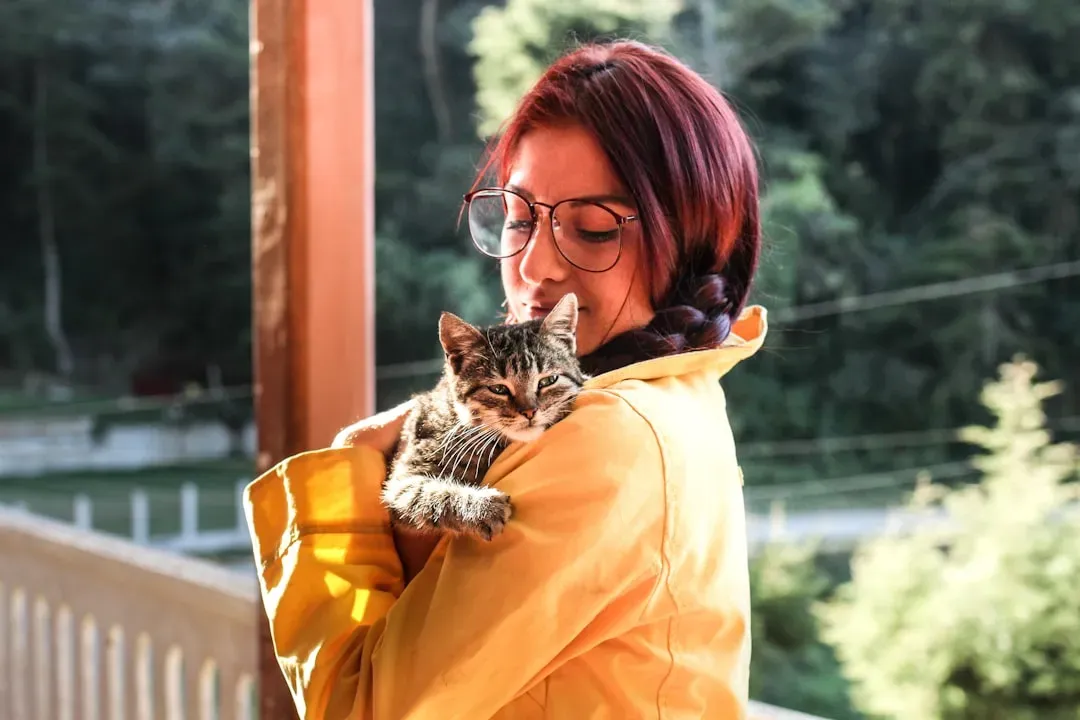
You didn’t just adopt a companion. You may have also adopted a wellness device. The soothing vibrations of a cat’s purr can help regulate the autonomic nervous system, which controls involuntary bodily functions like heart rate and breathing. By lowering stress and triggering the body’s relaxation response, purring promotes a sense of calm, balance and emotional well-being. That feeling is not just in your head, it’s in your nervous system.
Studies have shown that cat owners are less likely to suffer from heart disease compared to those without cats. The soothing effects of purring help reduce blood pressure, which can lower the risk of heart attacks and strokes. The calming presence of a cat, combined with the rhythmic vibrations of its purr, contributes to a healthier cardiovascular system. A purring cat provides companionship, which can help combat feelings of loneliness and depression. It turns out that the cat on your lap is doing more than just napping.
Reading the Purr Alongside Body Language
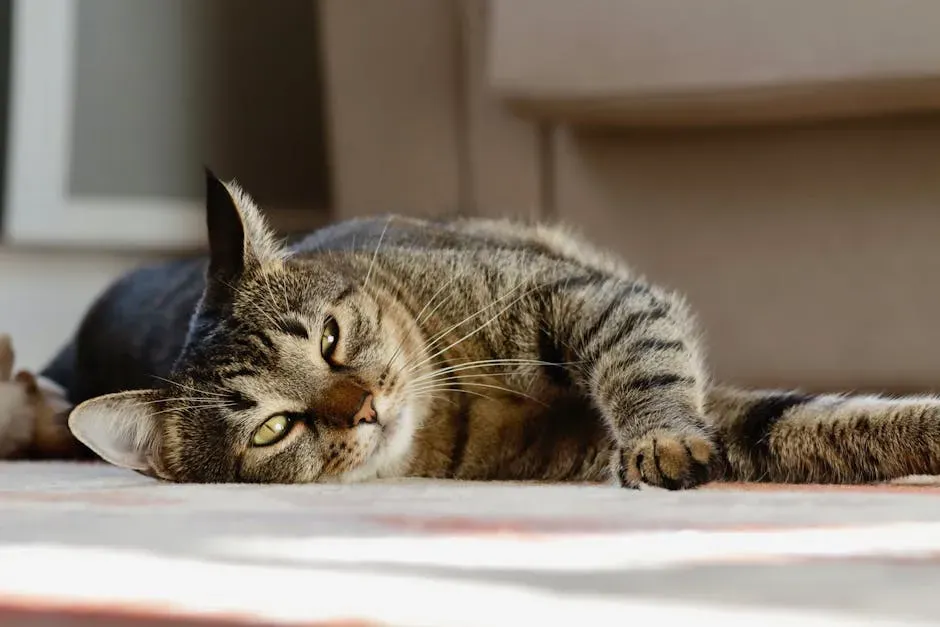
Purring is never a standalone message. It’s always part of a larger conversation your cat is having with you, using its entire body as the vocabulary. The context is everything when figuring out what a cat’s purr means. Cats that are sitting on their favorite person’s lap while kneading and purring away are almost guaranteed to be happy. Cats purring in shelters or during trips to stressful places like the veterinarian’s office are likely doing so as a way to calm and soothe themselves.
The key to distinguishing a “worry purr” is observing body posture: if the cat’s ears are flattened back and their body is tense, it suggests distress. A relaxed, slow-blinking cat sprawled in a sunbeam tells a very different story than a hunched, wide-eyed cat purring in the corner. A contentment purr is accompanied by a relaxed posture, slow blinks, and perhaps kneading with their paws. A solicitation purr is often louder, more insistent, and paired with behaviors like rubbing against you or leading you toward their food bowl. A pain or distress purr may occur with a tense, hunched posture, flattened ears, or hiding. Learn to read the combo, not just the sound.
When a Purr Is a Warning Sign You Should Not Ignore
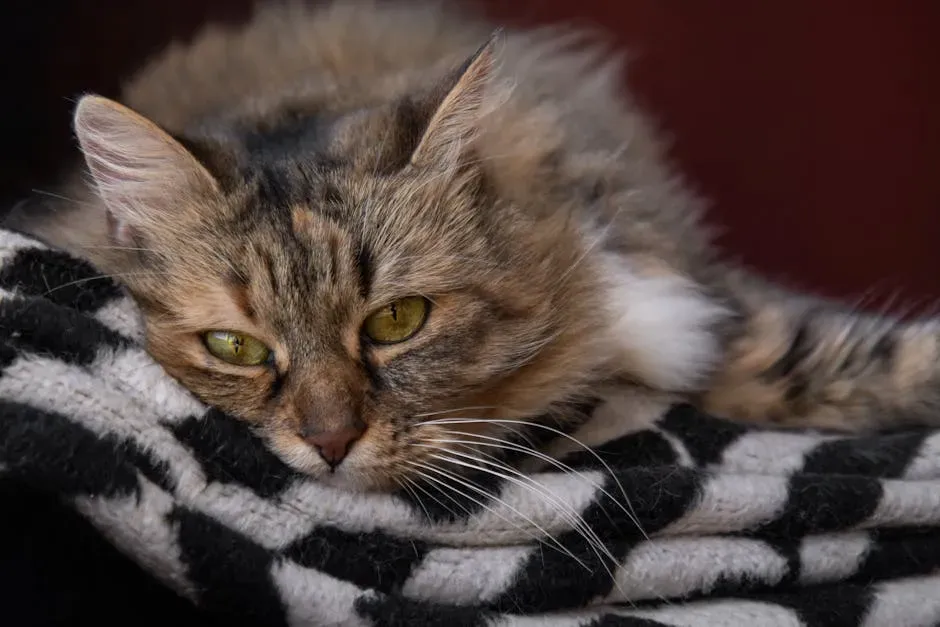
Cats can purr when they are healthy and feeling good, but cats can also purr when they are sick or in pain. By purring, the cat may be asking for care. This is probably one of the most important things you can understand as a cat owner, because a purring cat can look deceptively fine. That’s where the risk lies.
Although purring is typically a good sign, it’s important to look at the full context. If your cat is purring but also hiding, refusing to eat, or showing other unusual behaviors, it might be trying to comfort itself during discomfort. In these cases, the purr can be misleading. As a general rule of thumb, any change in a cat’s vocalizations, including changes in frequency, intensity, duration, or pitch, should be seen by a veterinarian. This helps rule out underlying issues like pain, disease, anxiety, or cognitive decline. When in doubt, it’s always smarter to check.
Conclusion
Your cat’s purr is one of nature’s most quietly extraordinary sounds. It is not a single-note signal. It is a whole symphony, layered with contentment, communication, self-repair, emotional need, and yes, even a little clever manipulation. From the earliest bonding moments between a mother and her kittens, to expressions of sheer contentment, to mechanisms for self-soothing and even physical healing, the purr is a cornerstone of what makes a cat a cat.
The more you pay attention to the full picture, the tone, the body language, the context, the better you’ll understand the remarkable creature sharing your home. Your cat has been talking to you all along. Now you finally know how to listen. What does your cat’s purr sound like right now, and are you sure you know what it’s saying?