You live with a master of surveillance. A creature that memorizes your routine, maps every inch of your home, and notices when something is even slightly out of place. You probably thought you just had a pet. Honestly, you might have a tiny, four-legged private investigator lounging on your couch.
Cats have fascinated us for thousands of years, and it is not just because of their mysterious personalities. There is something undeniably calculated about the way they move through the world. Every stare, every disappearing act, every obsessive sniff of your shopping bag is part of a bigger picture. Let’s dive in and find out just how close your cat is to cracking the next big case.
1. You Catch Them Running Silent, Invisible Surveillance on You
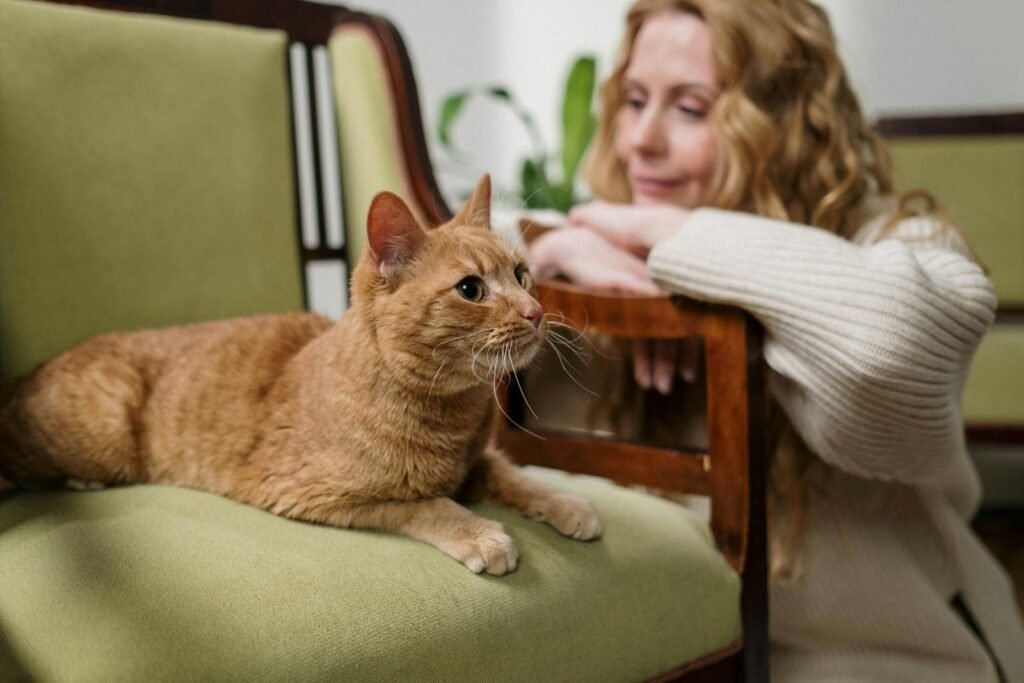
You may notice your cat observing you as you do things around the house, or following you when you leave the room. It feels casual. It is not. Think of it like your cat is the kind of private eye who never lets you out of sight, but always pretends they are just napping.
A cat’s gaze is a tool for learning and processing their surroundings. By watching you, they are assessing your actions, body language, and routines to predict what might happen next. Basically, your cat is profiling you. Every single day.
2. They Conduct a Full Investigation of Every New Object
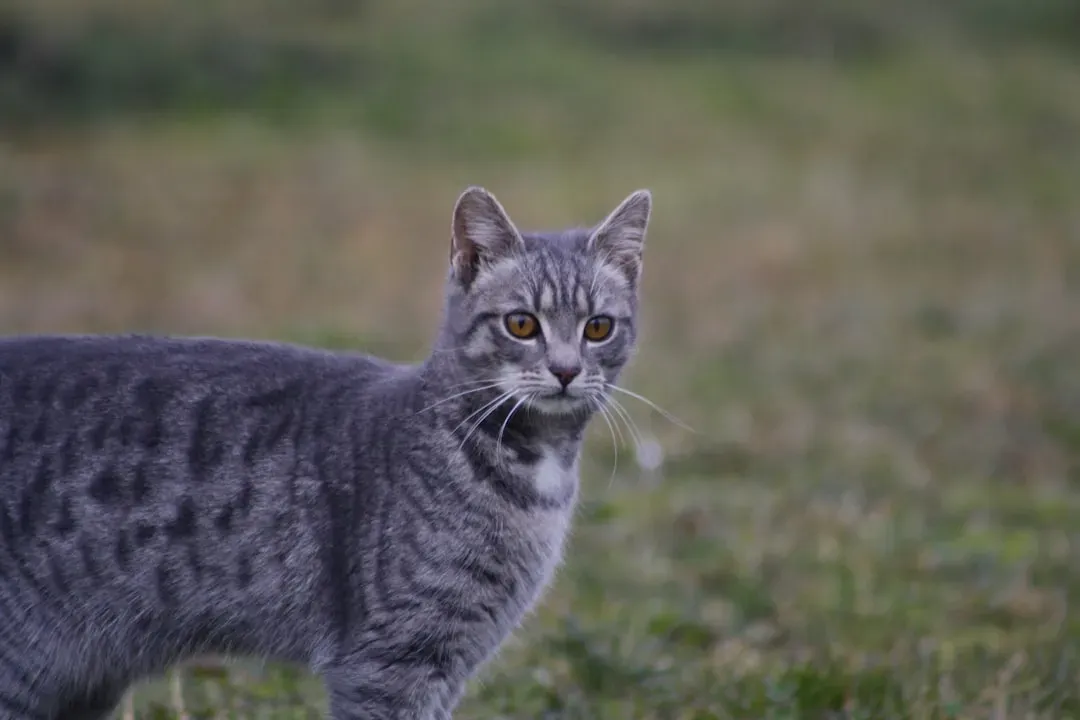
From peering under furniture to staring intently at closed doors, feline companions can be surprisingly skilled at snooping. Each mysterious object becomes a new lead in their ongoing “case.” They’ll sniff, paw, and circle it as if collecting vital information. New shoes? Investigated. A grocery bag? Fully processed. A stranger’s jacket? Do not even ask.
Cats are naturally curious animals that cautiously explore new environments or objects. What might appear as sneaky behavior is often methodical investigation – cats prefer to approach new situations carefully, using all their senses to gather information before fully committing to interaction. That, my friend, is a classic detective move.
3. They Claim the Highest Vantage Point in Any Room
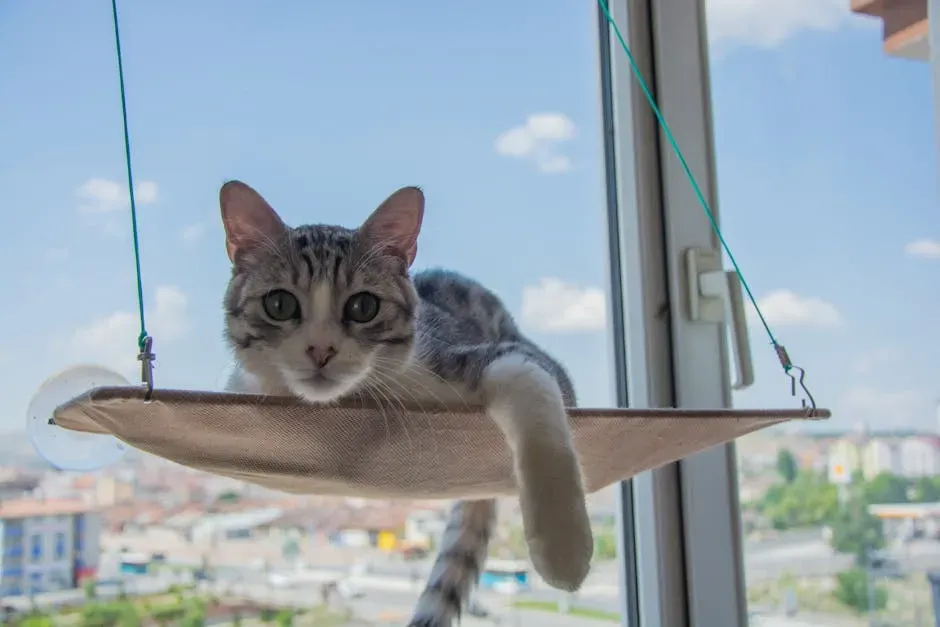
Cats love securing the highest possible vantage points, think tops of bookshelves or the refrigerator. From these perches, they can observe every move you make like seasoned private investigators. No squeak, rustle, or unguarded snack passes their watchful gaze. It is not a coincidence. It is strategy.
To survey their environment, most cats enjoy climbing and perching in high places. Climbing is about finding an elevated cozy spot that also provides them with a sense of security since they can see everything around them. Your cat is not being dramatic up on that bookshelf. They are working.
4. Their Ears Work Like High-Tech Audio Receivers
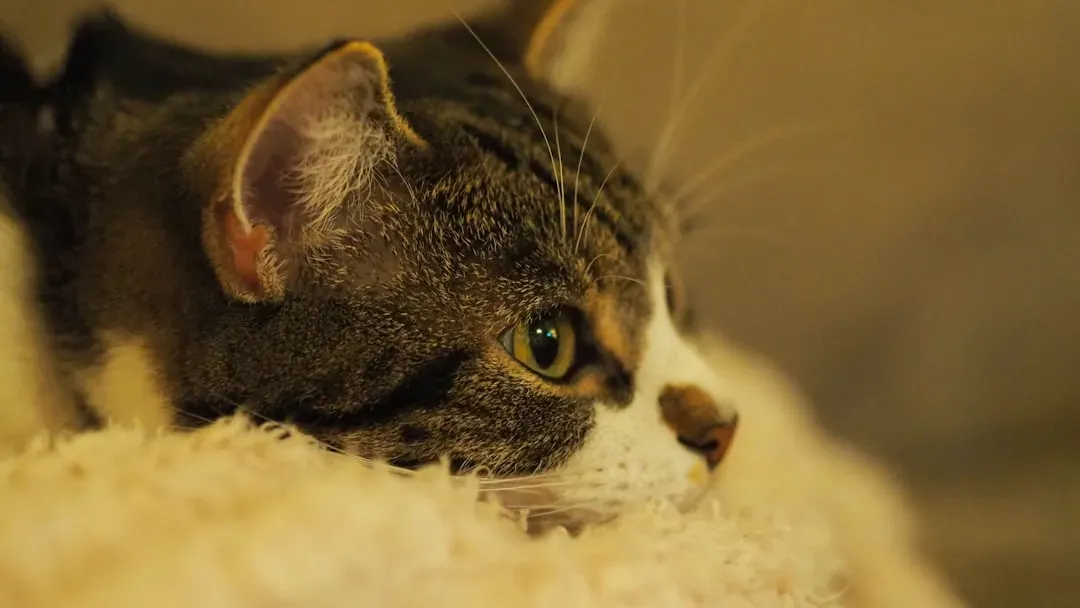
Cats have incredibly sharp hearing, and they use it to their advantage during detective duty. The moment they sense a rustle or soft thud, their ears perk up like mini satellite dishes. With their hearing locked onto the target, they will move in for further investigation. If a single crinkle of a chip bag happens three rooms away, your cat already knows about it.
Their hearing is impressive, with the ability to detect frequencies up to 64,000 Hz – nearly triple what humans can hear. This means your cat might be focusing on sounds from within your walls, such as mice or insects, that are completely imperceptible to human ears. Let that sink in. While you hear nothing, your cat is processing an entire audio feed you do not have access to.
5. They Stare at “Nothing” – Because They Are Actually Seeing Everything
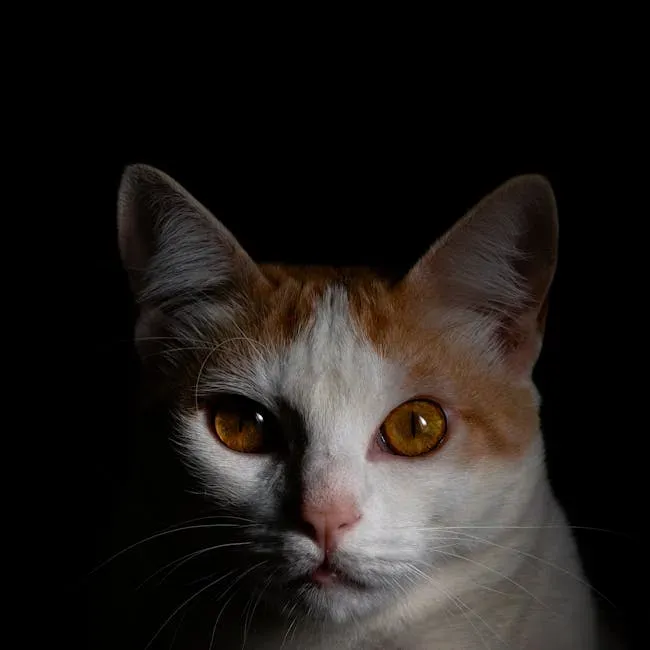
Cats have far more rod cells in their eyes than humans, making them exceptional at detecting movement in dim conditions. A reflective layer behind the retina called the tapetum lucidum amplifies available light, allowing cats to see in conditions six times darker than what humans need. When your cat stares at the corner of the ceiling at 2 AM, they are not seeing ghosts. They are running surveillance you cannot participate in.
Cats can see ultraviolet wavelengths invisible to the human eye. Certain fabrics, cleaning residues, and surface coatings reflect UV light in patterns we cannot perceive, making a blank wall or floor visually interesting to your cat. So that “empty” wall your cat fixates on? It is anything but empty to them.
6. They Perform Undercover Disappearing Acts
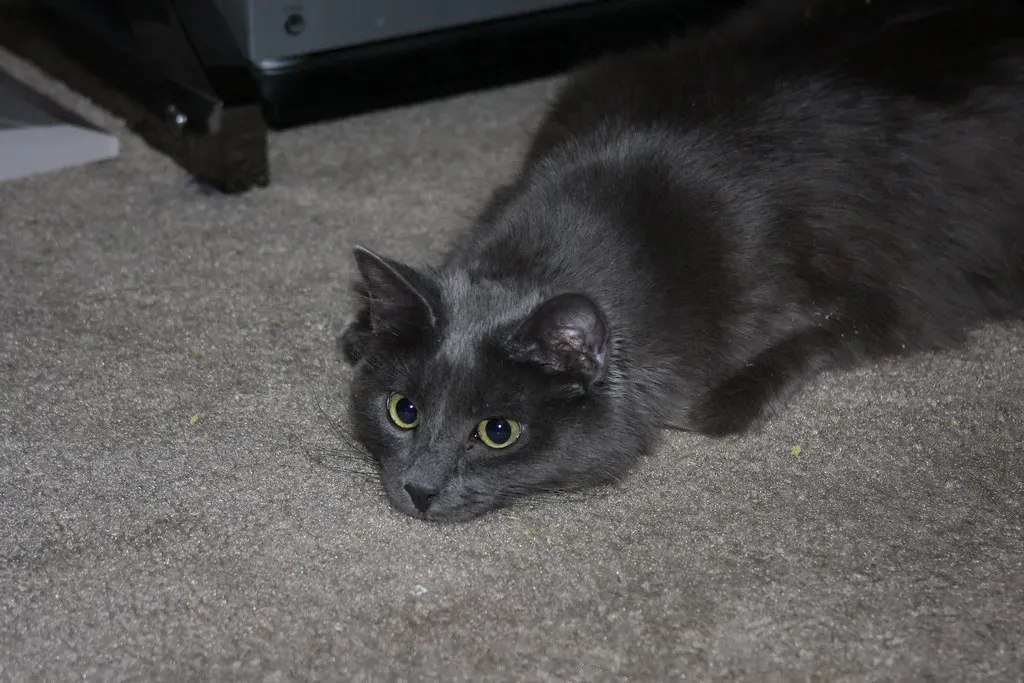
Cats are masters of stealth, disappearing without a trace when they sense something worth exploring. One minute they are right behind you, and the next, they have slipped into a hidden hideout. This vanish-and-reappear routine is all part of their undercover work. It leaves everyone else none the wiser about what your cat just discovered. No note left behind. No explanation offered. Just gone.
Cats possess remarkable physical adaptations that enable their sneaky behavior. Their padded paws naturally muffle footsteps, allowing them to move virtually silently across various surfaces. Additionally, their flexible spines enable fluid, graceful movement that appears almost supernatural to human observers. It is basically nature’s best stealth suit.
7. They Set Up Long, Patient Stakeouts

Your cat may wait for ages in one spot, eyes fixed on a closed cupboard or a suspicious shoelace, waiting for something to happen. They will not budge until they are satisfied they have gathered every bit of “evidence.” I think this is the behavior that really separates a casual observer from a true investigator. Your cat does not rush a stakeout. Ever.
Felines have a natural instinct to ambush. By hiding in small, tiny spaces they are able to watch and observe their surroundings from a distance. Patience, precision, and a complete refusal to be hurried. Honestly, most human detectives could learn something here.
8. They Sniff-Test Everything Like a Forensic Expert
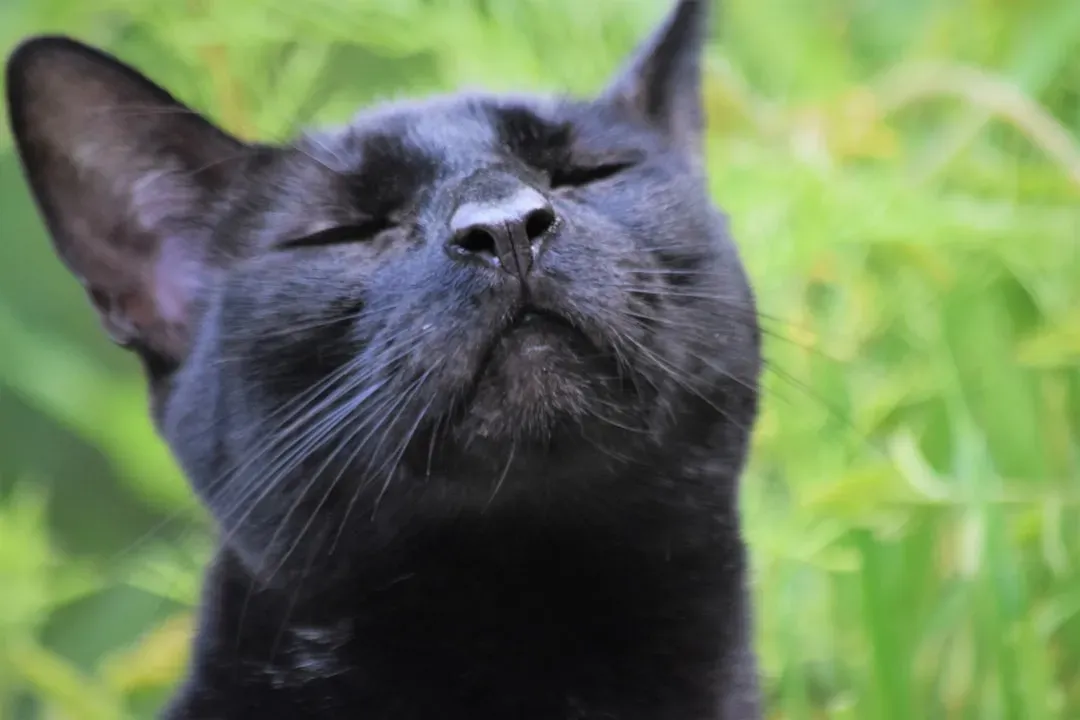
Cats mark their territory through several behaviors, including sniffing, patrolling, rubbing, scratching, and sometimes urine marking. Each action serves as a form of communication. When your cat sniffs your shoes, rubs against shopping bags, or inspects new furniture, they are not just curious – they are gathering information and reinforcing their sense of ownership. Every smell is a data point. Your cat is building a case file one sniff at a time.
With scent glands located on their cheeks, paws, and the base of their tail, cats leave behind subtle chemical “signatures” that help them feel secure and in control. Think of it as leaving little forensic markers around the house. Your cat knows exactly where they have been and who has been there with them.
9. They Monitor Your Routine With Unsettling Precision
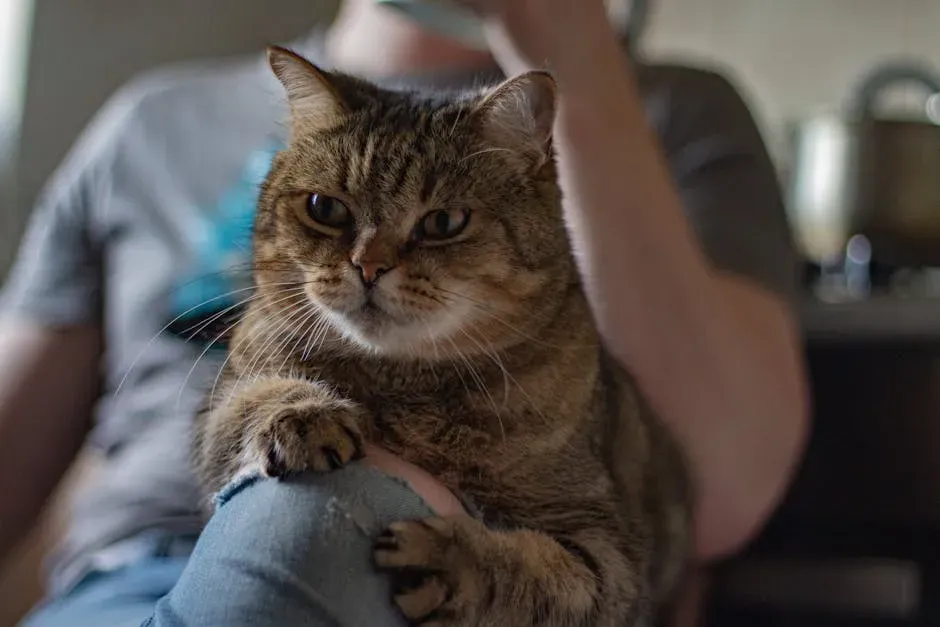
Beyond object permanence, cats also demonstrate memory, learning, and reasoning skills. They can recognize patterns, remember feeding times, and even associate sounds or actions with specific outcomes. Some studies suggest cats can recall past experiences for years, particularly those involving comfort, danger, or routine. Your cat does not just know when dinner is coming. They know your entire schedule.
Cats often find comfort in routine. If staring becomes routine behavior at a certain time of day – like right before bedtime or feeding – it is likely a predictable gesture, integrated into their day-to-day rhythm at home. They have memorized your patterns so well that you have essentially become the subject of an ongoing behavioral study. Congratulations.
10. They Use Their Tail as a Real-Time Evidence Tracker
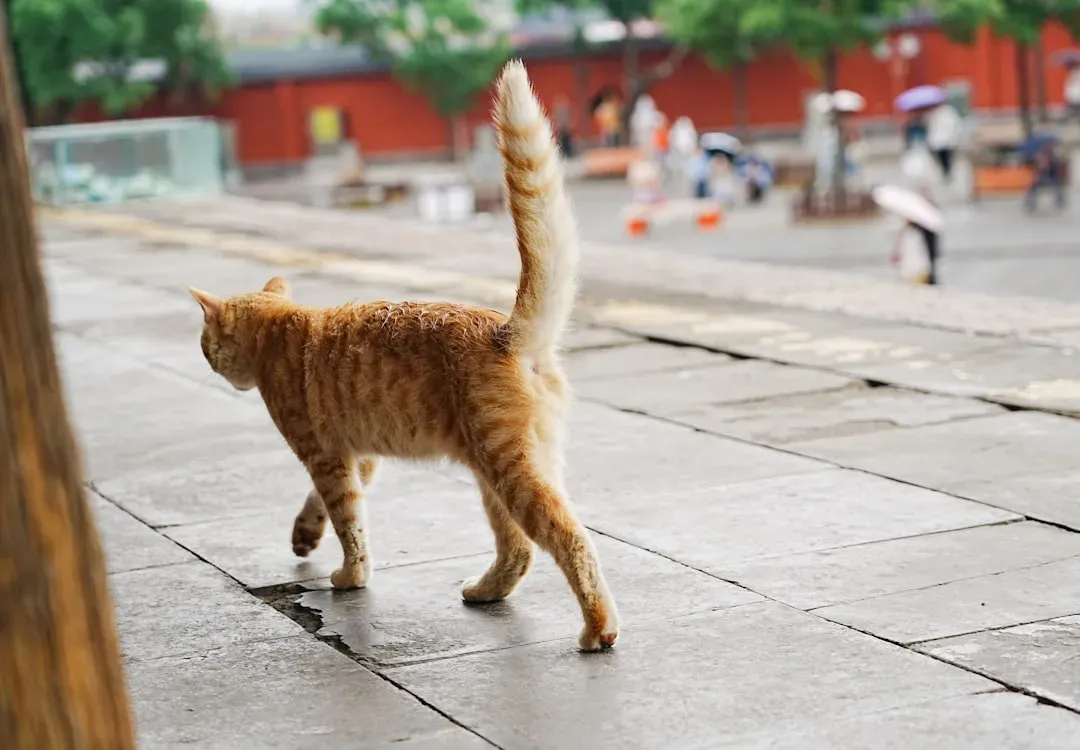
One of the most telltale signs that your cat is in detective mode is the flick of their tail. Each sharp movement says they have picked up on a suspicious noise or hint of an unusual scent. Their tail becomes a signal – almost like a radar dish that points them toward their next clue. It is subtle, it is constant, and it is way more purposeful than it looks.
When a cat wags its tail, it is not the same joyful response you get with a happy dog wag. In fact, it may mean the opposite. A cat tail wag can be more of a warning. The tail wag is a sign of heightened excitement, annoyance, or frustration. So the next time that tail starts twitching, just know: your cat has spotted something. Something they have not told you about yet.
11. They Leave “Evidence Reports” on Your Doorstep
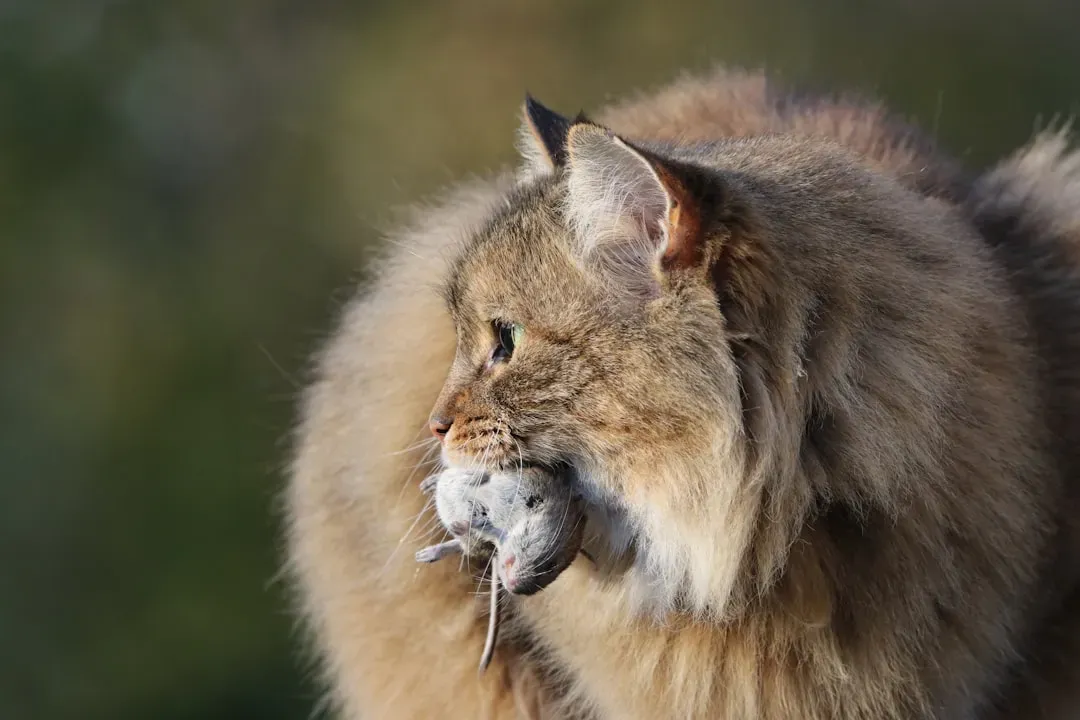
Behaviorists have a few theories on why your cat is persistent in their pursuit of leaving you their kills. Even though this habit may be perceived as a gross one, your kitty is acknowledging you as a member of their group and is sharing their hunting success with you. Here’s the thing – your cat is not being morbid. They are filing a case report. They caught the suspect, and they want you to see the evidence.
While a dead bird left at the foot of your bed might not seem like a gift to you, for many cats, sharing is caring. They may bring their prey to you like a mother cat would bring it to her kittens. It is oddly touching, once you get past the initial horror of it all.
12. Their Curiosity Is Literally Wired for Intelligence
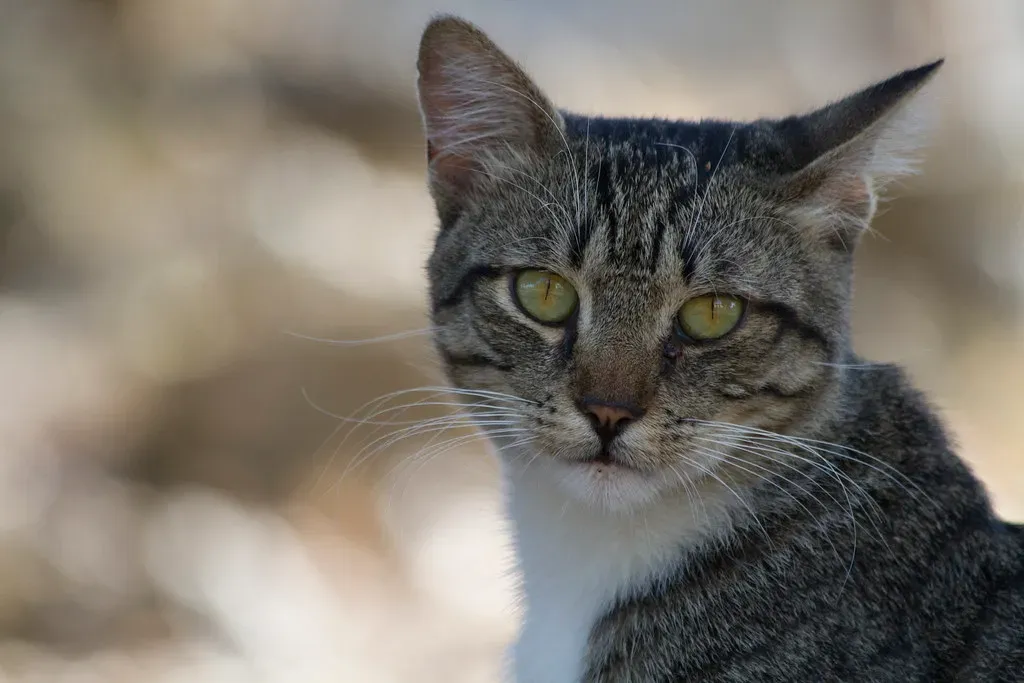
Curiosity and intelligence are directly linked. Cats are smart. So they are curious, and because they are curious, they are always learning. Let’s be real: a bored, incurious cat is not the same animal you are living with. The nosiness is not a flaw. It is proof of a sharp, active mind constantly searching for the next puzzle to solve.
Curiosity did not kill the cat – it helped them survive and thrive. Cats are naturally inquisitive creatures who love exploring and analyzing their surroundings. Their curiosity is rooted in evolution, serving as a tool for learning, survival, and social connection. Your cat is not just being nosy. They are being brilliant. There is a difference, and it matters.
Conclusion: The Case Is Closed
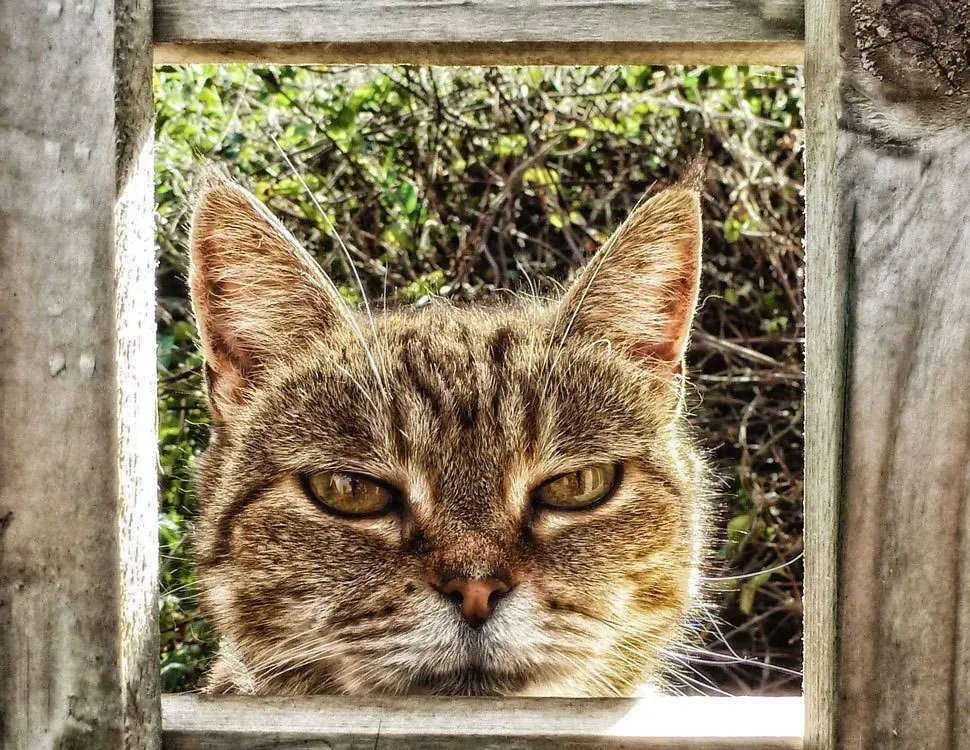
So there you have it. That small, sleepy creature curled up in the corner of your couch is running an active investigation at all hours. Every chirp, stare, stealthy exit, and late-night patrol is part of a deeply evolved behavioral toolkit that has been millions of years in the making. Your cat is not weird. Your cat is exceptional.
The most surprising part is not any single behavior on this list. It is the realization that all of them work together, seamlessly, as one highly coordinated system of curiosity, intelligence, and instinct. Your home is not just a home. It is a crime scene your cat is perpetually, lovingly investigating.
Next time your cat locks eyes with you from across the room and slowly blinks, maybe blink back. It is the least you can do for your resident detective. What sign surprised you the most? Tell us in the comments!
Kristina is a young writer from India. An arts graduate and an avid content creator, Kristina is passionate about animals and wildlife. She enjoys exploring topics related to pet care, animal behavior, conservation, and nature, combining thorough research with engaging storytelling.