You’ve probably caught your cat staring at you from across the room and thought nothing of it. Maybe you assumed they were just bored, or doing that classic cat thing where they sit and judge you in silence. Here’s the thing though – they’re doing something far more deliberate than you realize. Your cat is reading you. Studying you. Cataloguing your habits with a level of quiet attention that honestly puts most humans to shame.
Science is increasingly backing up what cat owners have suspected for years. Recent research suggests that cats may be more attuned to human emotions than previously thought, with studies showing that cats react to their owners’ visual and vocal signals and adjust their behavior based on human emotions. The independent, aloof creature reputation? It’s more like a carefully maintained cover story. Let’s dive in.
Your Body Language Is an Open Book to Your Cat
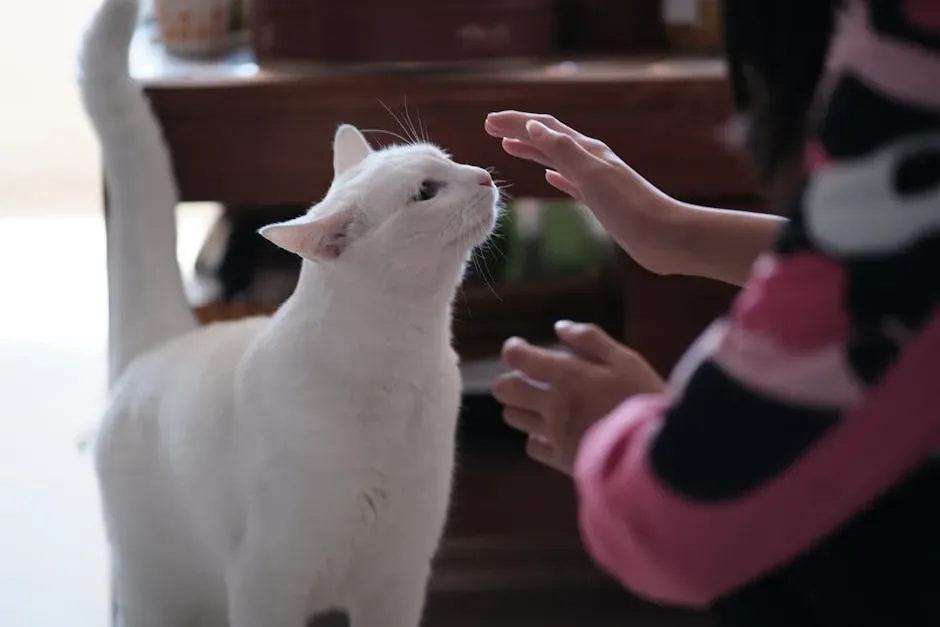
While you may not think much about how you stand or sit around your cat, they constantly observe and interpret your body language. A person standing tall might seem intimidating to a cat, while one sitting or lying on the ground is less threatening. Your posture can make your cat feel safe or put them on edge. Think about it like this – your cat is basically reading your physical presence the way a skilled poker player reads a table. Every shift, every lean, every slumped shoulder tells them something.
Eye contact plays a crucial role in how cats understand humans. A direct, prolonged gaze is seen as a threat by cats. However, a slow blink from you to your cat is a sign of trust and affection, often interpreted as a human’s “cat kiss.” So when your cat slow-blinks back at you, that’s not laziness. That’s a language you’ve been speaking together without even knowing it.
They Know the Sound of Your Voice From Anyone Else’s
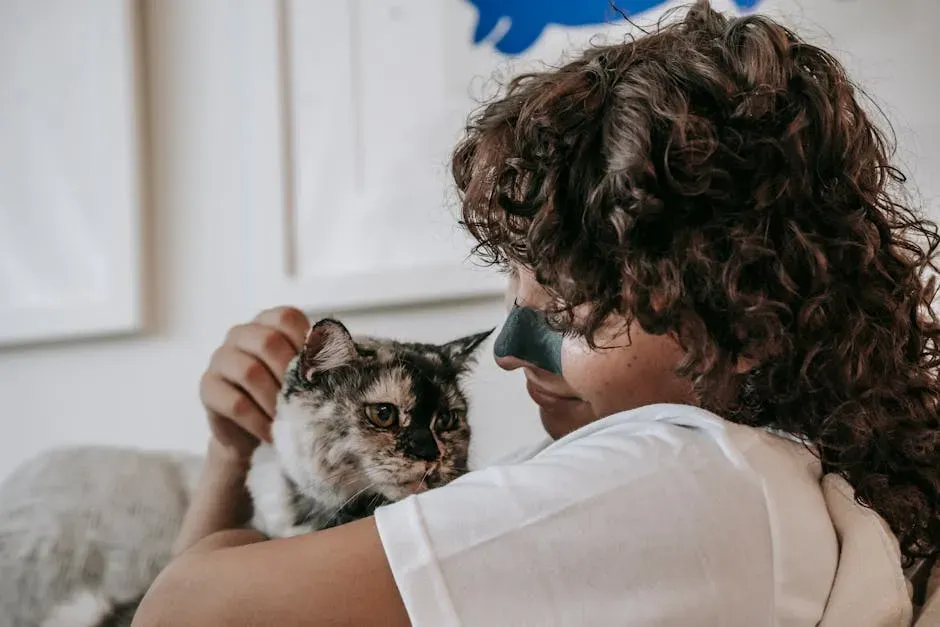
Cats respond to calling mainly by orienting behavior such as moving the head and ears. It was also demonstrated that cats distinguished their owner’s voice from strangers’ voices. The present study scientifically confirms the long-held image of the “aloof cat,” but reveals that socio-cognitive ability lies behind this image. In other words, when your cat ignores you while you’re yelling their name, they absolutely heard you. They chose this.
Ten of the sixteen cats tested decreased their behavior intensity when they heard audio clips of a stranger calling them by name. Once they heard their owner’s voice, the cats turned their ears to the speakers and moved around the room more – and their pupils dilated. The researchers concluded that the cats recognized the voices of people they knew. Honestly, the pupil dilation detail is what gets me. That’s not indifference. That’s genuine recognition.
Your Daily Routine Is Memorized Down to the Minute

Cats can pick up on routines and habits. For example, if you consistently go to bed at a specific time, it won’t be long before your cat starts to anticipate bedtime as well. It’s like living with a tiny, furry timekeeper who takes their responsibilities extremely seriously. You may have noticed your cat appearing at the kitchen door right before dinner. That’s not coincidence. That’s pattern recognition.
Before you even put your key in the door, your cat is likely already waiting. They are masters of time and habit. They recognize the specific sound of your car engine or the cadence of your footsteps in the hallway. If the wind is right, they can smell you coming before they even hear you. Let that sink in. Your cat has constructed a multi-sensory profile of your arrival that rivals a home security system.
Cats Can Detect Your Emotional State Through Scent Alone
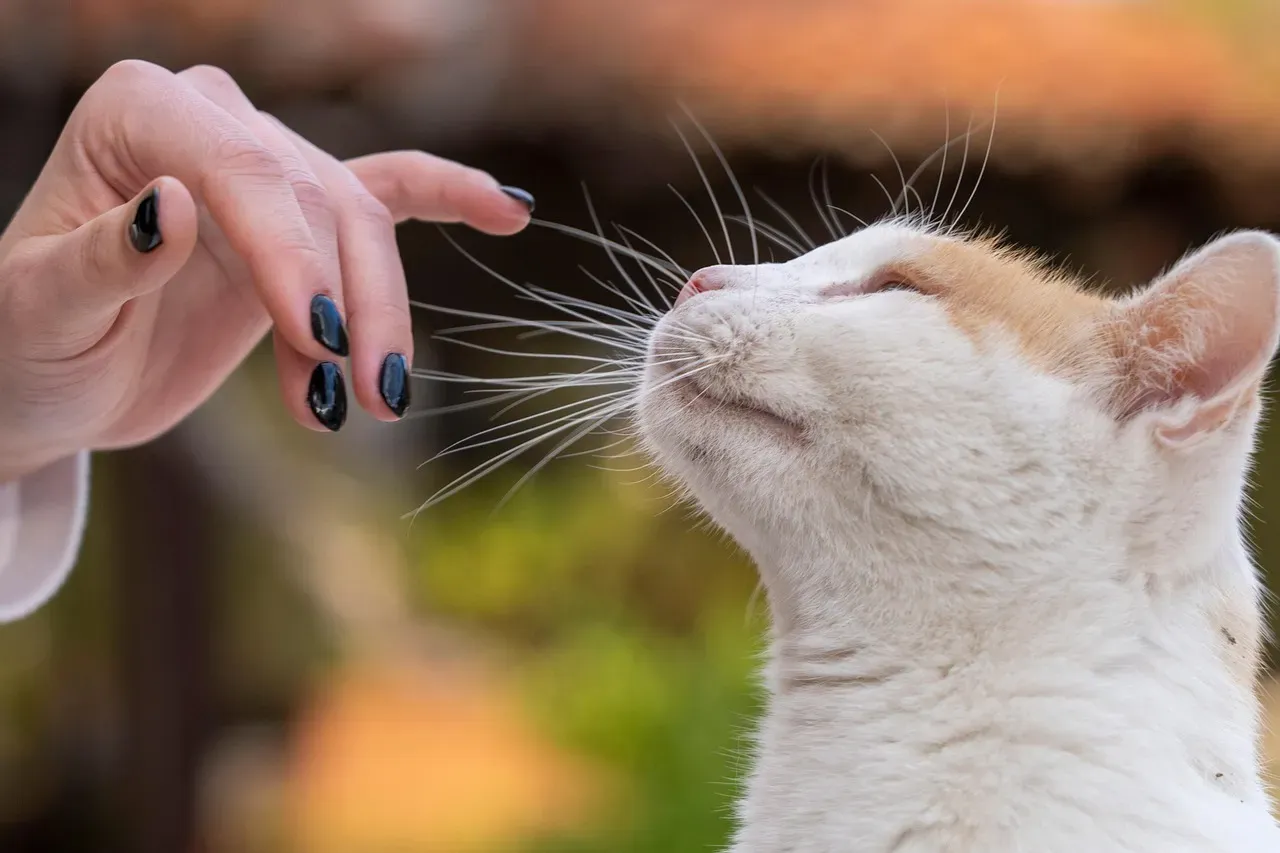
In a study where cats were presented with human odors collected in different emotional contexts, including fear, happiness, physical stress, and neutral, researchers found that “fear” odors elicited higher stress levels than “physical stress” and “neutral,” suggesting that cats perceived the valence of the information conveyed by “fear” olfactory signals and regulated their behavior accordingly. This is remarkable when you stop and think about it. Your cat can smell your anxiety before you’ve even said a word.
Cats used both nostrils equally often but relied on their right nostril more when displaying severe stress behaviors while smelling fear and physical stress odors. Since the right nostril connects to the right hemisphere of the brain, responsible for processing arousal and intense emotions, this suggests that these odors trigger a higher emotional response in cats. Conversely, cats used their left nostril more frequently when displaying relaxed behaviors, activating the left hemisphere, which regulates positive and pro-social behaviors. The brain chemistry involved here is genuinely fascinating and far more sophisticated than most people give cats credit for.
They Follow Your Gaze and Understand Where You’re Looking
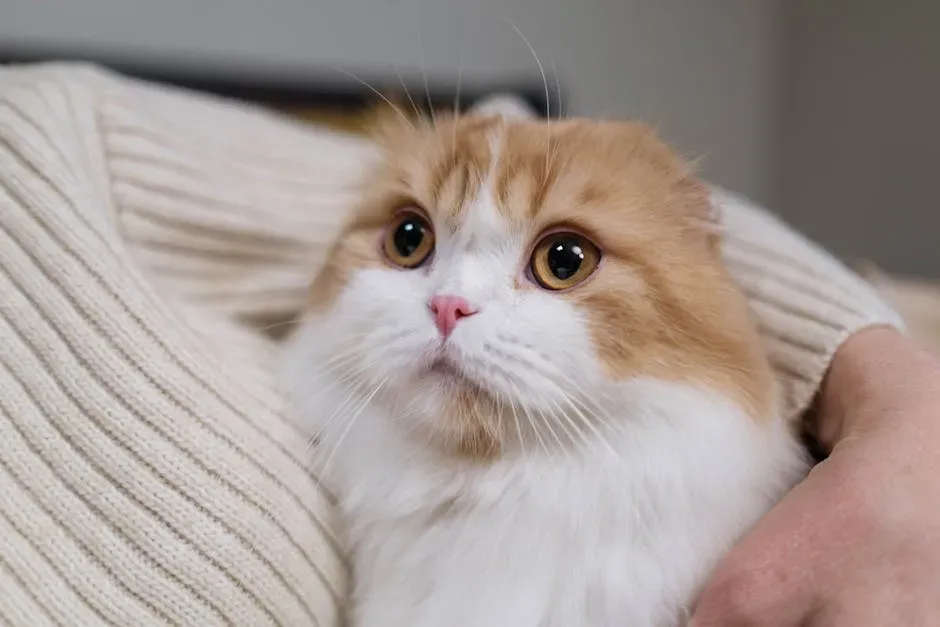
Research results are the first that prove cats’ ability to follow human gaze, which is considered to be one of the more difficult visual referential signals given during human-animal interactions. Although ostension did not affect the success rate of cats, ostensive human signals proved to be a more effective attention elicitor compared to non-ostensive vocalizations. The study provided the first insight to the existence of sensitivity to human ostension in another non-human species besides dogs. So when you glance toward the window, your cat is quietly noting exactly where you looked.
Based on a relatively large sample of privately owned companion cats, an experiment showed that cats can find a hidden treat with success rates significantly above chance level by following human gazing in a two-way object choice situation. Cats were equally successful regardless of the type of gazing, whether momentary or dynamic, and whether the experimenter called the cats’ attention with ostensive or non-ostensive acoustic signals before gazing. That’s a meaningful social-cognitive skill. Your cat is processing your gaze as intentional, directional information – much like a toddler does.
Your Mood Shapes Their Behavior in Real Time
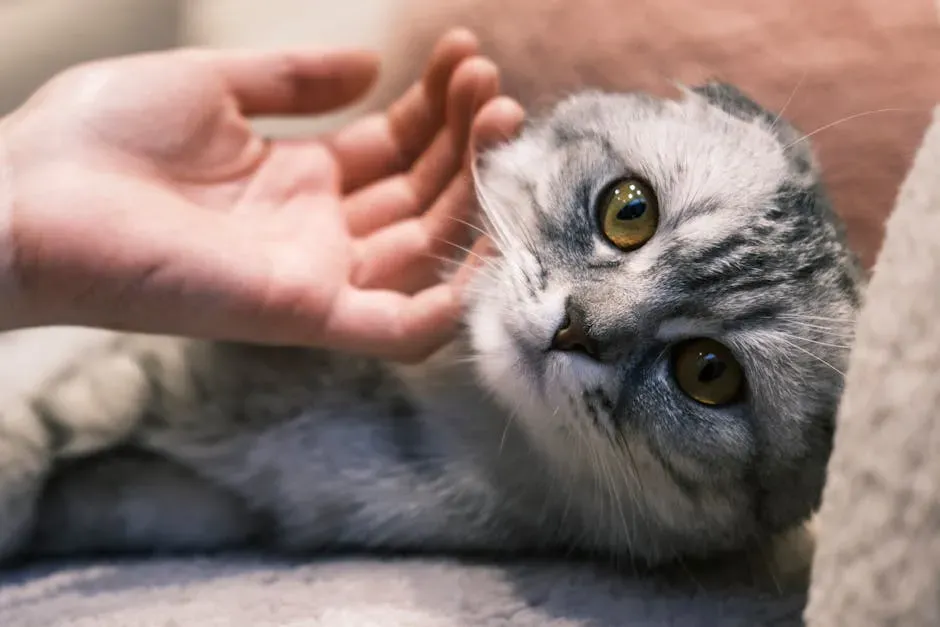
It was demonstrated that cats are able to recognize both conspecific and human emotions through auditory and visual observations. They may perceive things from a different angle. Cats are able to sense sadness in a way that they associate the visual and auditory signals of human sadness – such as frowning and a listless voice – with how they are addressed or treated whenever their human is in a sad state. It’s a bit like having a housemate who never says anything directly but always seems to know when something is off.
The cat also changes its behavior in response to depressiveness of the human when close to the person, vocalizing more frequently with the person and head- and flank-rubbing more often on that person. Some cats even purr and rub themselves more once they sense that their human is depressed, but it also depends as cats have different personalities too and may have their own ways to adjust their behavior. So that cat who curls up on your lap when you’re having a terrible day isn’t being random. They’ve read the room.
They’re Watching Whether You’re Actually Paying Attention to Them
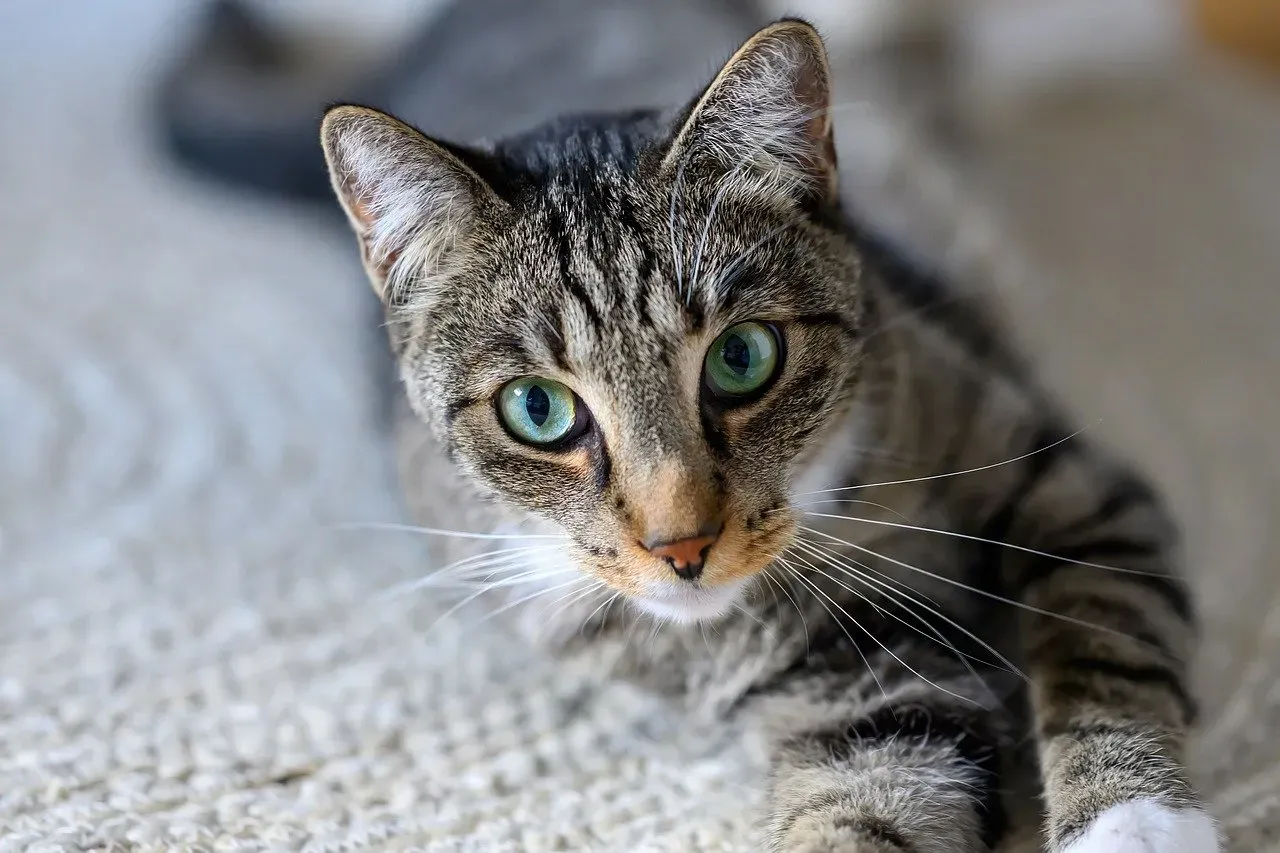
When cats were faced with an unsolvable task, they expressed more gaze alternation, but less interaction with the caregiver. When in the presence of an attentive caregiver, cats initiated first gaze at the caregiver faster, gazed at the caregiver for longer, and approached the treat more frequently, compared to when the caregiver was inattentive. In plain language – your cat checks if you’re watching before making their next move. That’s a level of social awareness that’s hard to dismiss.
Research results suggest that gaze alternation is a behavior reliably indicating social referencing in cats and that cats’ social communication with humans is affected by the person’s availability for visual interaction. Think of it like a child glancing at a parent before jumping off something high. Your cat is actively monitoring your attentiveness, and they adjust their entire communication strategy depending on whether you’re engaged or not. It’s genuinely clever behavior.
Cats Use Social Referencing to Gauge Your Reactions to the Unknown
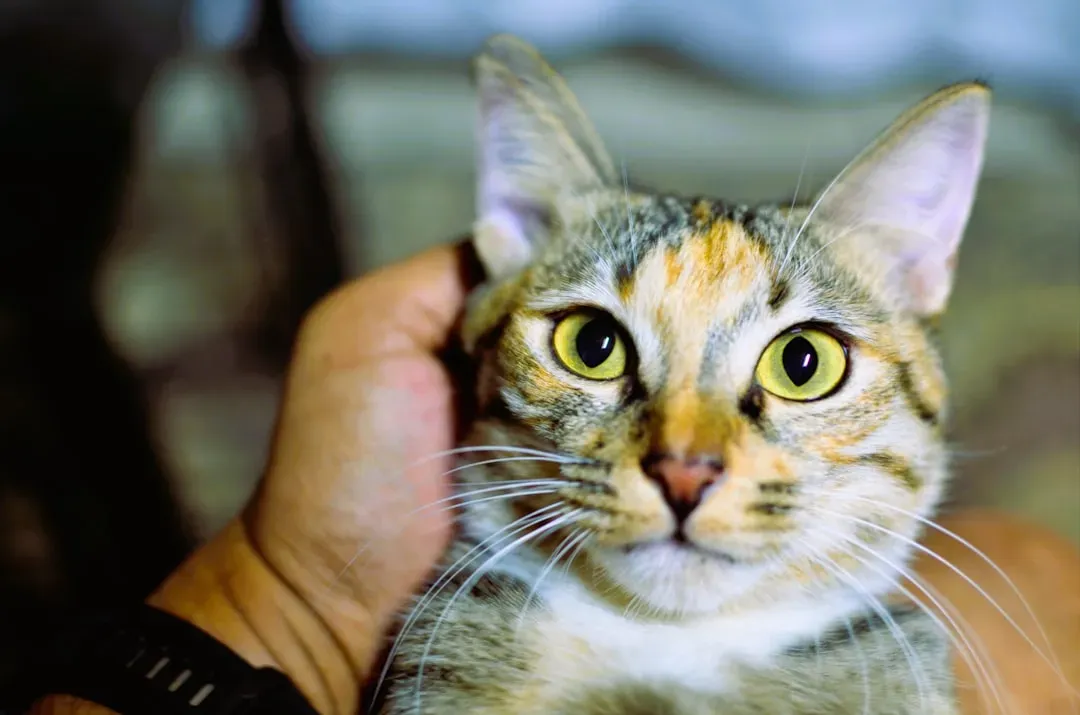
The aim of research in this area was to evaluate whether cats use the emotional information provided by their owners about a novel or unfamiliar object to guide their own behavior toward it. Researchers assessed referential looking toward the owner, behavioral regulation based on the owner’s emotional message, vocal and facial, and observational conditioning following the owner’s actions toward the object. Most cats – roughly nearly four in five – exhibited referential looking between the owner and the object, and also to some extent changed their behavior in line with the emotional message given by the owner.
Imagine walking into a room with a strange contraption running loudly in the corner. What would you do? You’d probably glance at a trusted person nearby to read their reaction before deciding whether to be afraid. Cats do exactly this. Research by Animal Cognition showed that cats are looking at their owners for signals, a behavior known as “social referencing.” Your emotional response to an unfamiliar situation quite literally shapes how your cat will respond to it too. Your cat trusts your assessment of the world.
Scientific Evidence Suggests Cats Can Even Imitate What You Do
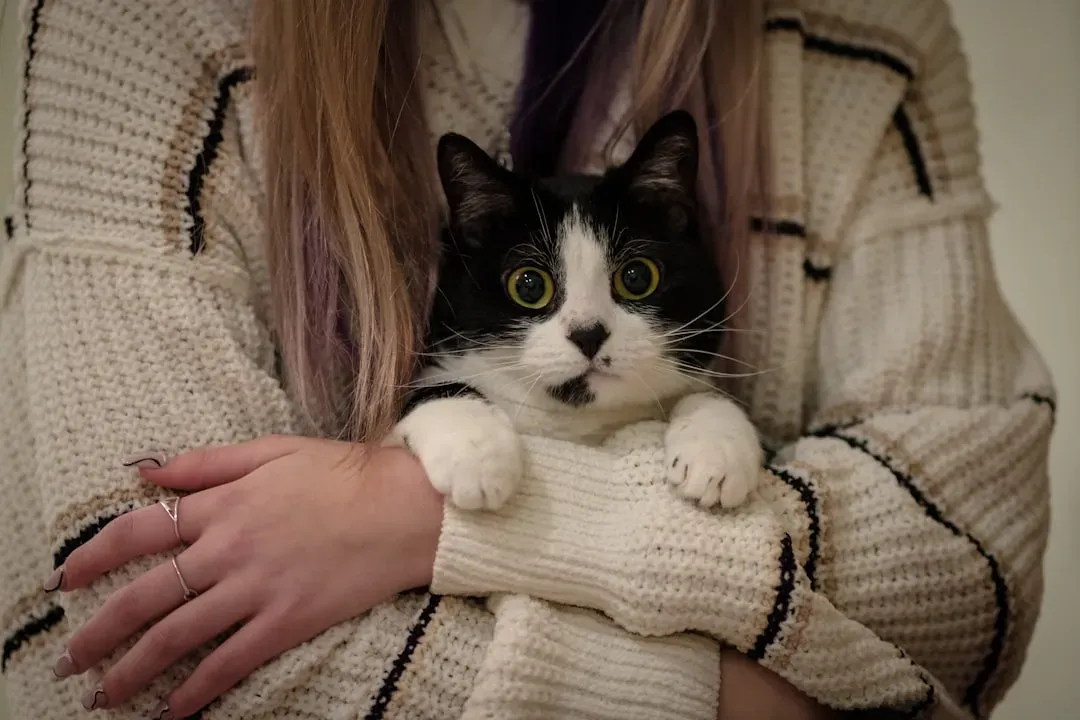
Researchers have shown that a Japanese feline named Ebisu could imitate the actions of her owner under controlled scientific conditions. The ability has only been seen in a handful of creatures, and the find could suggest imitation arose relatively early in mammal evolution. In sixteen subsequent trials, Ebisu accurately copied her owner more than roughly four out of five times. The fact that the cat used her paw and face to touch the box when her owner used her hand and face respectively indicates she was able to “map” her owner’s body parts onto her own anatomy.
While cats are celebrated for their independence, research suggests that they are incredibly observant and adaptable creatures. Cats might not mimic humans in the precise manner that parrots mimic speech, but they certainly learn from us through observation. The research reinforces, for example, that cats – unlike dogs – are likely to show their true abilities only if their owner is present. So every time you do something around your cat, there’s a real possibility they’re quietly filing it away for later.
Conclusion: Your Cat Sees Far More Than You Think
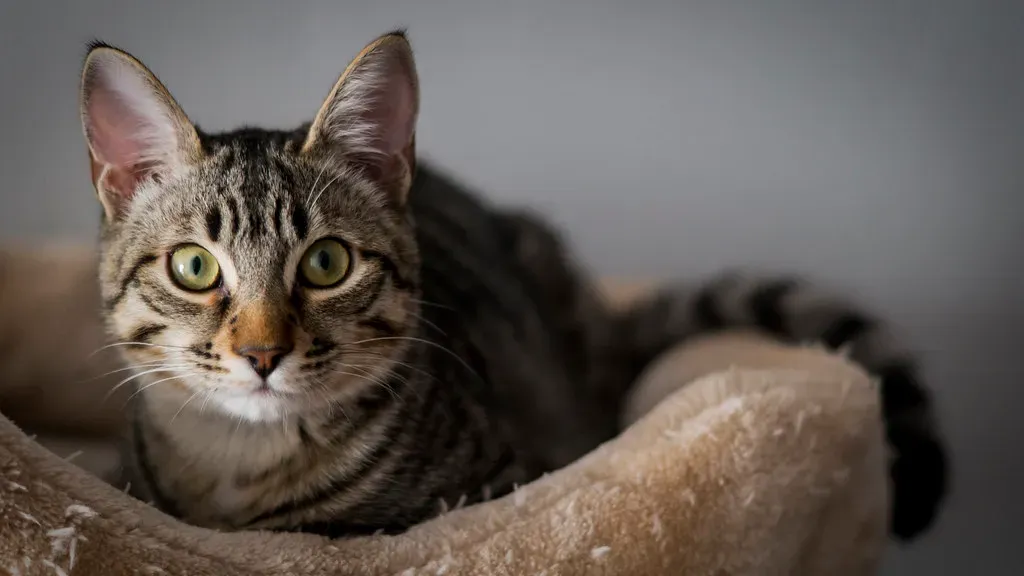
Let’s be real – the stereotype of the detached, uncaring cat is starting to look pretty thin in the face of all this evidence. Your cat knows your voice from a stranger’s in another room. They track your gaze, read your posture, smell your fear, and watch your face to decide how to react to an unfamiliar world. That silent, lounging creature across the room isn’t zoning out. They’re gathering data.
These findings challenge the stereotype of cats as indifferent to human emotions. While they may not express their attachment in the same overt ways as dogs, cats are clearly tuned into the emotional states of their humans. They not only recognize human emotions but may also respond to them in ways that reflect their own emotional states. The relationship you have with your cat runs deeper than most people realize – it’s just expressed in a quieter, more watchful language. All you have to do is start paying the same level of attention back.
So the next time your cat holds your gaze a little longer than expected, ask yourself: who’s really the one being observed here? Tell us what you think in the comments – have you ever caught your cat picking up on something you thought they’d miss?
Kristina is a young writer from India. An arts graduate and an avid content creator, Kristina is passionate about animals and wildlife. She enjoys exploring topics related to pet care, animal behavior, conservation, and nature, combining thorough research with engaging storytelling.