You’re almost asleep. The house is quiet, the lights are off, and then – out of nowhere – something that sounds like a small horse sprinting laps around your living room. Your cat has launched into full zoomie mode at 2 a.m., and you’re left staring at the ceiling wondering what on earth is wrong with them. Here’s the thing: nothing is wrong. Not even close.
Your cat is not broken, chaotic, or plotting your sleep deprivation. There’s a surprisingly elegant science behind those wild midnight dashes, and once you understand it, you might find yourself less annoyed and more genuinely fascinated. Let’s dive in.
What Exactly Are the “Zoomies” – And Why Do They Have a Scientific Name?
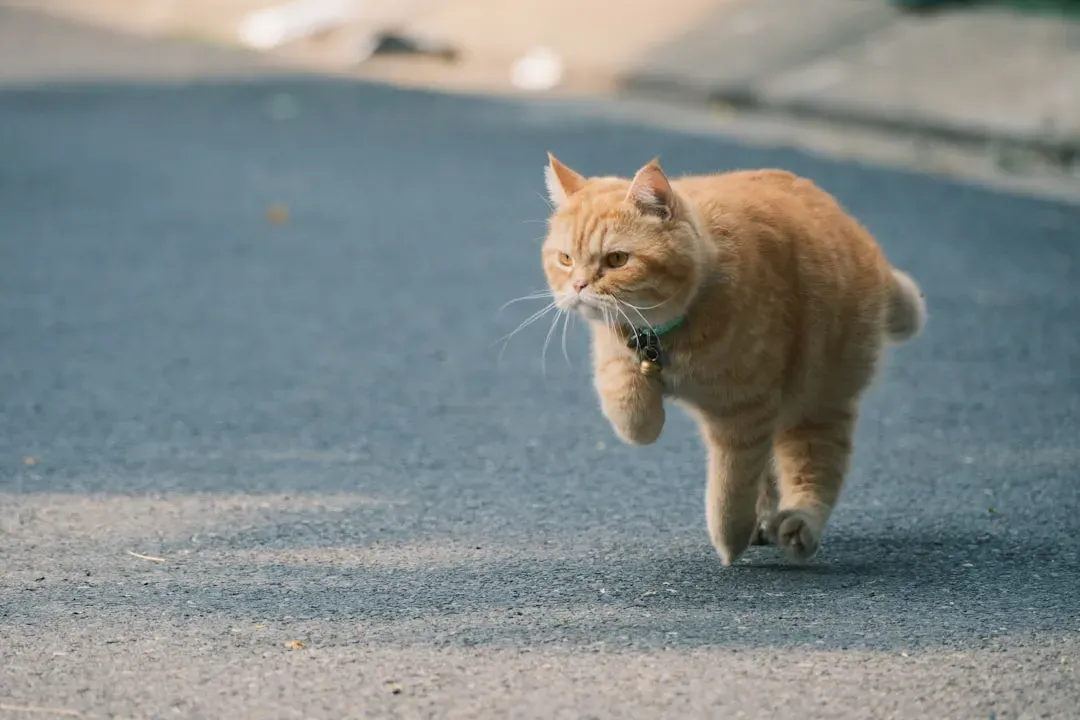
Those moments when your cat takes off running seemingly out of nowhere actually have a scientific name: frenetic random activity periods, or FRAPs. It sounds like something a researcher made up after being startled awake by their own cat at midnight, but the term is very real and very well-documented in feline behavioral science. Honestly, knowing your cat has a clinically named phenomenon going on somehow makes the 3 a.m. chaos feel more forgivable.
The term “zoomies” describes those sudden bursts of energy seen in cats. This energy manifests as running, jumping, or pouncing at high speed, usually for no apparent reason. In reality, zoomies are a form of instinctual play behavior that serves as an outlet for pent-up energy and satisfies your cat’s predatory instincts. Think of it like a pressure valve. Your cat spends the day in a sort of controlled stillness, and when that valve finally opens, the whole room becomes a racetrack.
Your Cat Is Not Nocturnal – They’re Something Even More Interesting
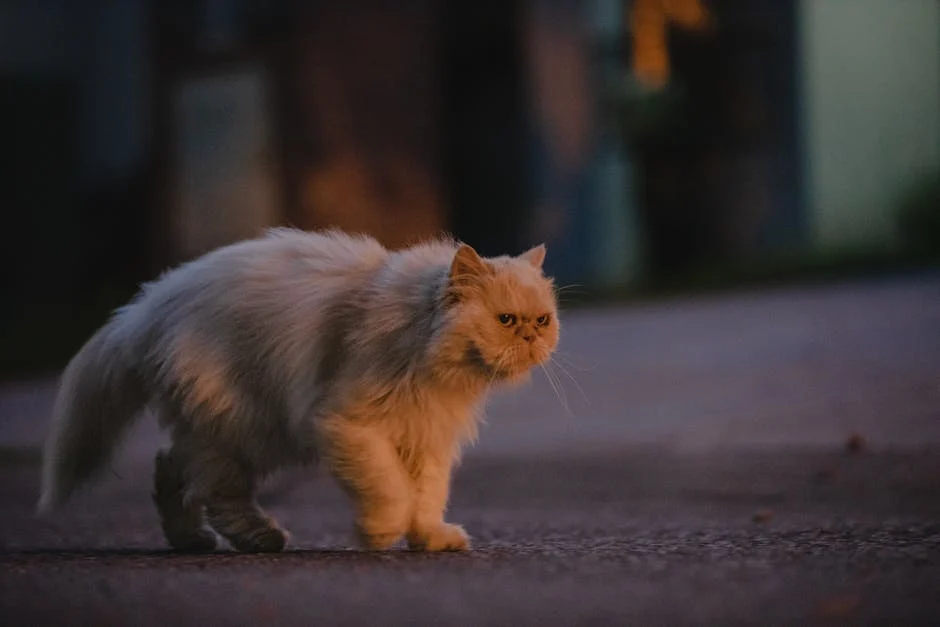
Most people assume cats are nocturnal creatures, which is why the midnight sprinting seems to make a twisted kind of sense. The truth is actually more nuanced and, I think, far more interesting. This behavior is not because they’re nocturnal, but rather because they’re crepuscular, meaning they’re active during the cooler twilight times of day. Dawn and dusk are their sweet spots – not the dead of night.
Cats are crepuscular animals, meaning they are most active during dawn and dusk. This behavior can be traced back to their wild ancestors, who hunted during these times to take advantage of cooler temperatures and the movement of prey. While domestic cats no longer need to hunt for their meals, they’ve retained these instinctual patterns of activity. Your cat isn’t being rebellious. They’re just living on a schedule that predates your apartment by several thousand years.
The Hidden Energy Clock Ticking Inside Your Cat
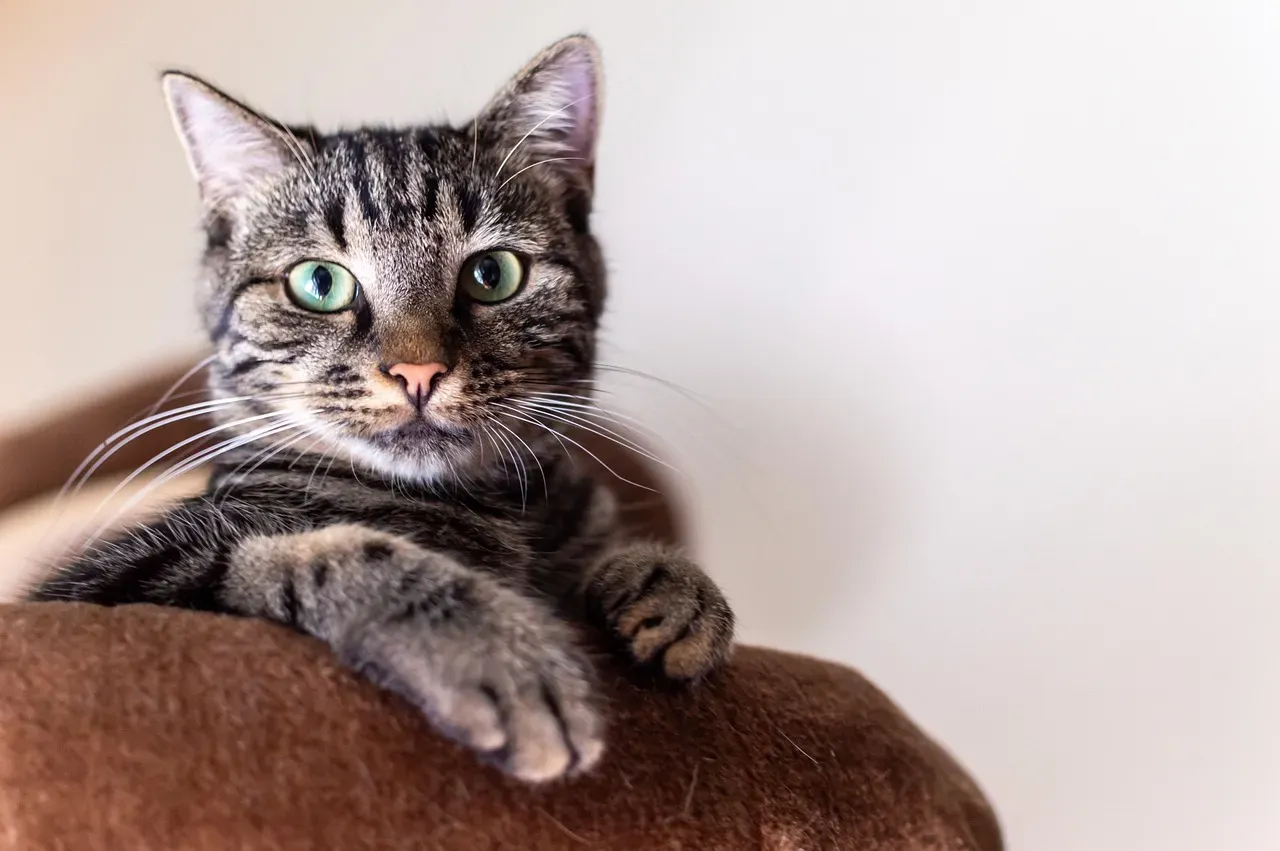
The natural circadian rhythms of cats align with this crepuscular behavior. Cats are designed to be alert and active during the early hours of the morning and evening. As a result, your cat may feel the need to release built-up energy after spending the day resting or napping. It’s not random. There is a literal internal clock driving this, and it’s remarkably consistent if you pay attention to when the chaos tends to erupt.
Although people tend to think of cats as nocturnal creatures, cats are actually crepuscular, meaning they’re most active at dusk and dawn because that’s typically when their prey would be active. The catch for indoor cats is that when their owner is at work all day, they nap heavily, and their schedule drifts later into the night. So in a way, your work schedule might be contributing to the problem more than your cat’s biology is.
The Predator in Your Living Room: Hunting Instincts That Never Switched Off
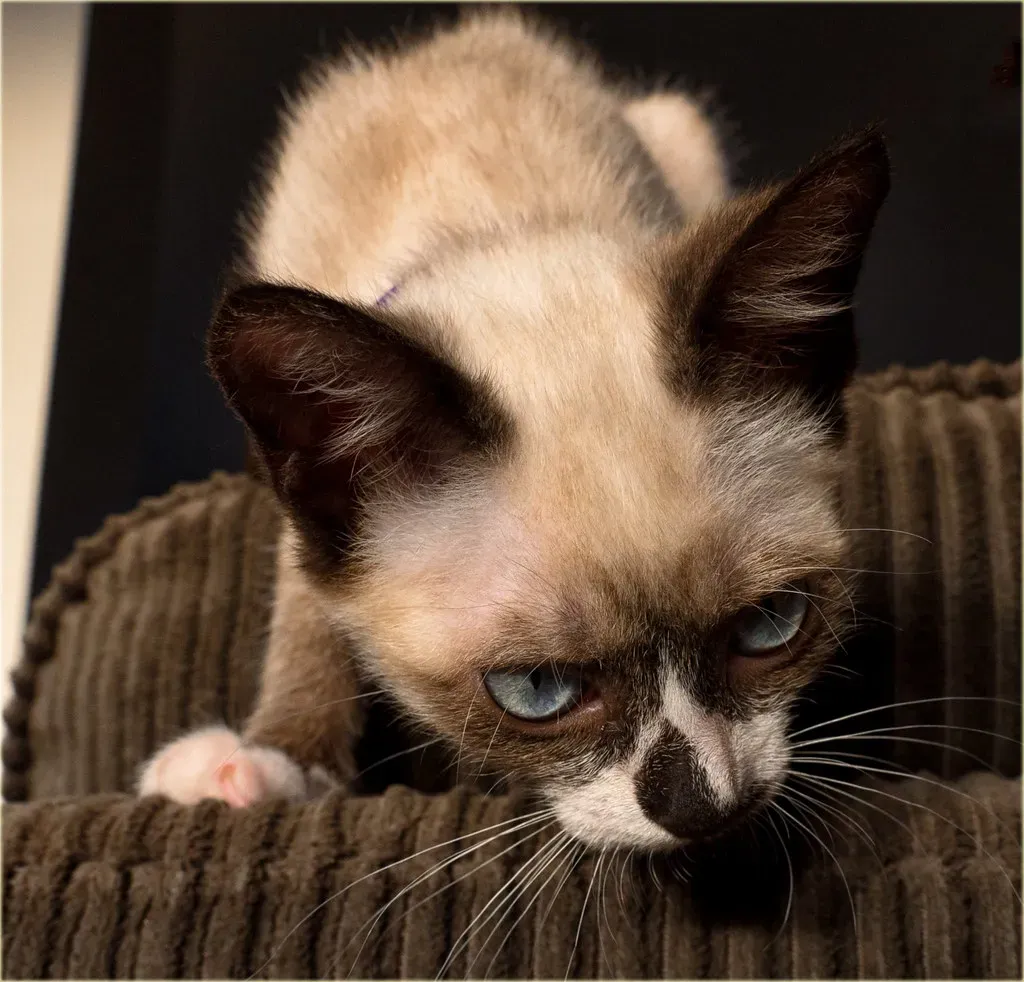
Even though house cats live comfortable lives, they’re still wired like hunters. Cats are crepuscular animals, which means their bodies are most active at dawn and dusk. If zoomies happen during these hours, it may be because of their instincts. Your well-fed, sofa-lounging cat still carries the full biological blueprint of a wild predator – and that blueprint doesn’t care that dinner comes from a can.
Zoomies may harken back to the way cats hunt in the wild. Cats are ambush predators – they hide and lie in wait for their prey, and they’re storing up energy to be ready to pounce. Indoor cats build up the same kind of energy as they sleep during the day, and if they don’t get enough ways to release it, they can get the zoomies. The zoomie sprint, in this light, is basically a simulated hunt. Your hallway is the Serengeti, and your ankles are the wildebeest.
The Post-Litter Box Sprint – Weird, But Completely Explainable
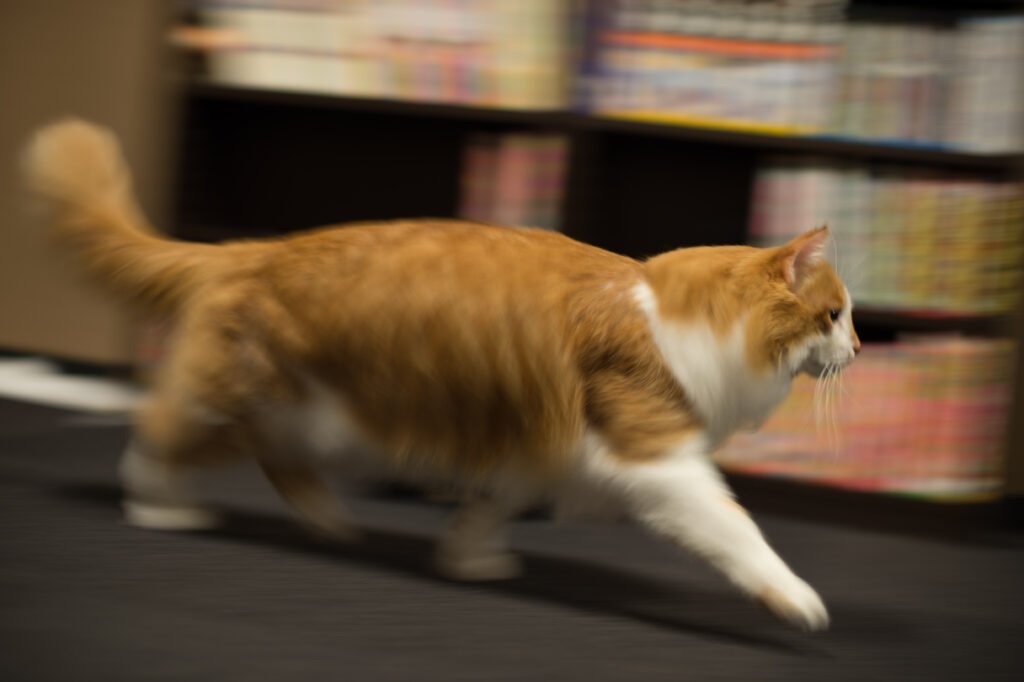
If you’ve ever watched your cat bolt out of the litter box like they just robbed a bank, you’re not alone. This specific variety of the zoomies genuinely baffles cat owners more than almost any other behavior. If you’ve noticed your kitty racing around right after using the litter box, you’re not imagining it. Some cats experience a quick adrenaline rush after a successful bathroom break – it’s their way of celebrating.
Post-litter box zoomies are a common quirk for many cats. Possible reasons include the sudden feeling of relief, which might be invigorating, or a marking impulse – after leaving their scent in the litter box, they might zoom to “reclaim” the rest of the house. If your cat always zooms after using the box and seems to strain or act agitated, it could be a sign of discomfort or even a medical issue like constipation. So most of the time it’s just a quirky little victory lap. Still worth keeping an eye on the pattern, though.
Pent-Up Energy and the Indoor Cat Dilemma
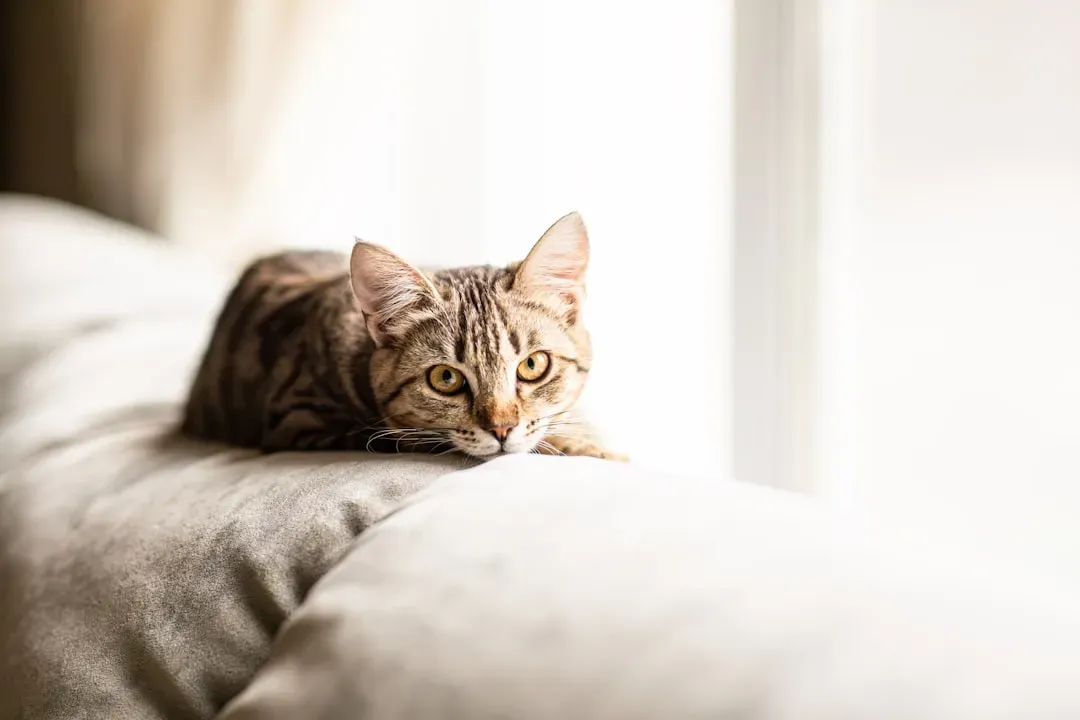
Zoomies are a natural outlet for your cat’s energy and instinctive behaviors. Indoor cats have fewer opportunities to chase, climb, and pounce the way their ancestors did. Those pent-up urges to hunt and play often explode into short, energetic sprints. It’s a bit like keeping a marathon runner locked inside all day and then wondering why they sprint in circles the moment the front door opens.
Cats sleep for an average of 13 to 14 hours a day. That leaves plenty of stored energy for when they’re awake. If they haven’t expended enough energy during the day, they may have zoomies at night. The math is pretty simple, honestly. Roughly half of a cat’s entire 24-hour day is spent in some state of rest – so the energy that accumulates has to go somewhere. At some point, it goes everywhere, all at once.
Age Matters: Kittens, Adults, and Senior Cats Each Zoom Differently
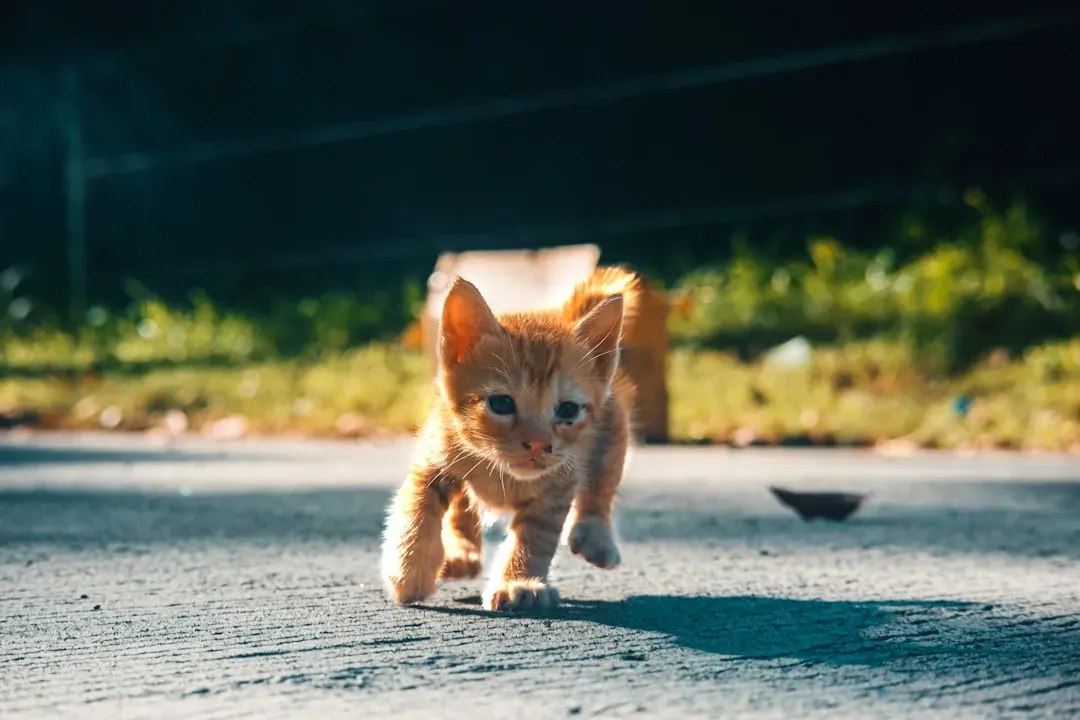
Young cats, especially kittens, tend to have frequent and intense zoomies due to their high energy levels and rapid growth. These bursts of activity help practice essential skills like agility, coordination, and motor control. Even as cats enter their senior years, they may still experience zoomies, though typically less often due to age-related changes like decreased muscle mass and arthritis. Think of kittens as having the volume permanently cranked up to eleven – everything is a sprint, every shadow is prey.
Even older cats can get the zoomies, though it’s less common. In seniors, sudden bursts of activity can sometimes be a sign of discomfort, such as joint pain or hyperthyroidism, rather than just playfulness. If your senior cat’s zoomies are new or unusually frequent, it’s worth having them evaluated. So while a kitten zooming is basically just Tuesday, an older cat suddenly going full racecar mode at age twelve deserves a vet conversation.
When Zoomies Signal Something More Than Playfulness
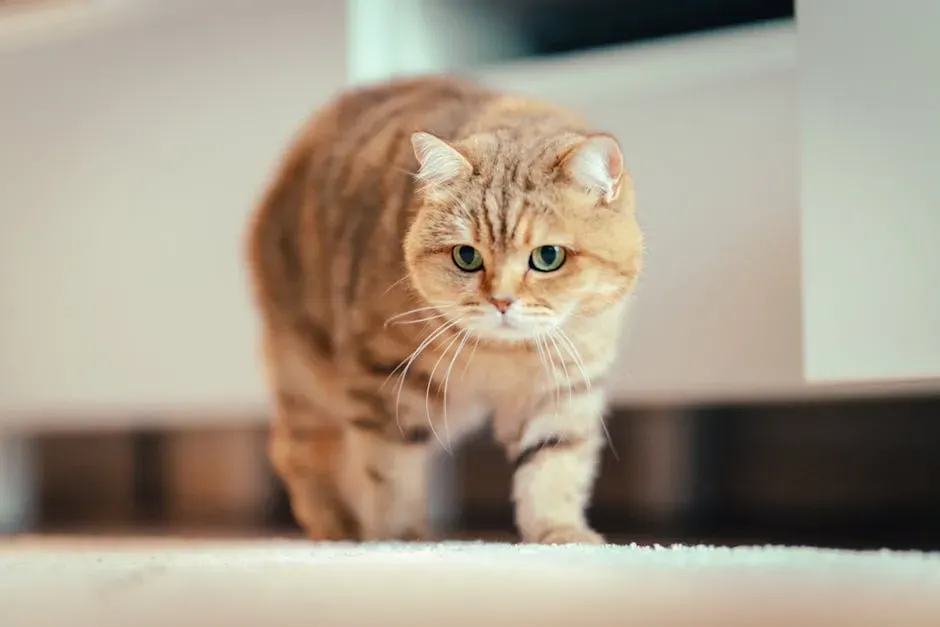
While zoomies are often normal and healthy, they can sometimes be triggered by stress or anxiety. Signs your cat’s zoomies might be stress-related include excessive meowing or yowling, appearing more skittish or easily startled, and episodes that occur after a sudden loud noise or a change in routine. It’s hard to say for sure from the outside whether a sprint is joyful or anxious, but the surrounding context usually tells you a lot if you pay attention.
Anxiety or distress can trigger zoomie-like behavior, though these episodes typically look different from playful ones. Anxious cats often appear uncoordinated or frantic during these moments. Anything from vet visits to unfamiliar people or pets in your house can cause fear-induced zooming. The key distinction is body language. A playful zoom looks almost joyful. An anxious zoom looks panicked. Learning to read the difference is genuinely one of the most useful things you can do as a cat owner.
The Good News: Zoomies Are Actually Healthy – And You Can Work With Them
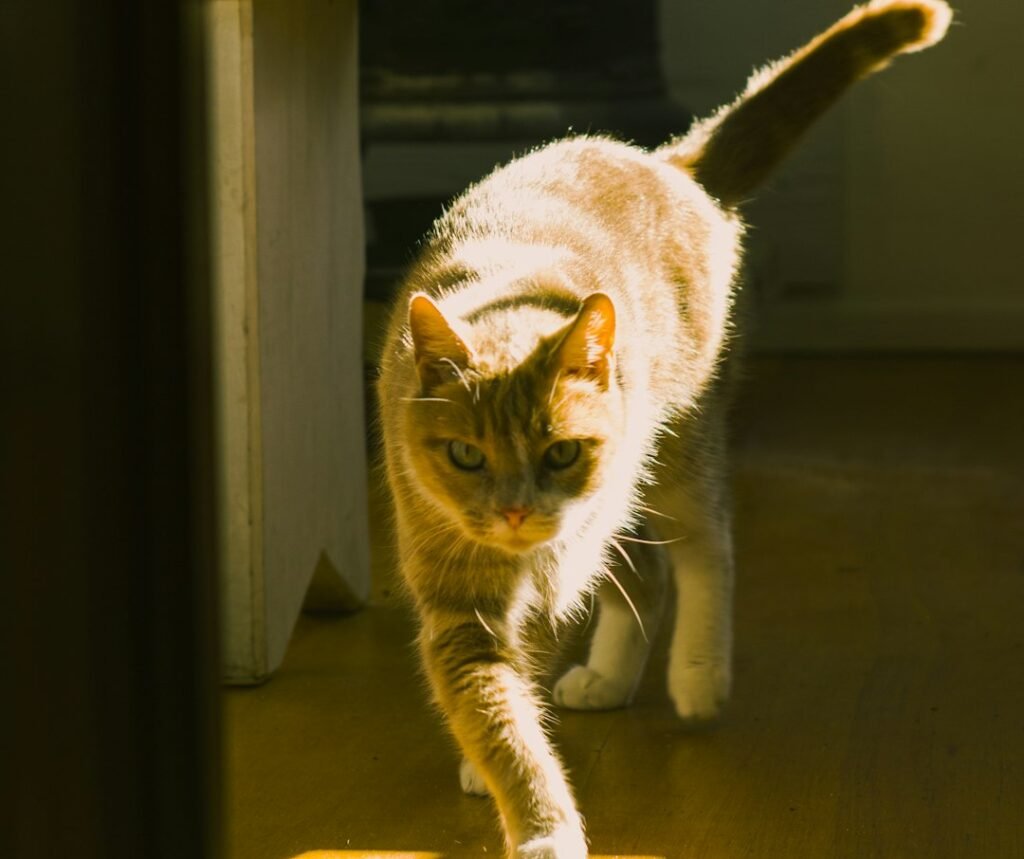
Cats can reach speeds of up to 30 miles per hour during zoomie sprints – faster than Usain Bolt over short distances. Even older cats enjoy bursts of play, which keep joints limber and muscles toned. Zoomies release endorphins that improve your cat’s mood and reduce stress. Your feline companion isn’t just burning energy – they’re keeping both their body and mind healthy. So the next time your cat goes nuclear at sunset, remember: they’re essentially doing cardio.
One of the most effective ways to prevent disruptive zoomies is to tire your cat out before bedtime. Spend 15 to 20 minutes playing with interactive toys, such as laser pointers or feather wands, or anything that lets them mimic hunting behavior. This allows them to release built-up energy, reducing the chance of cats running around at night. Cats thrive on routine. By keeping a predictable schedule for feeding, playtime, and rest, you can help regulate their energy levels and reduce the likelihood of disruptive zoomies when you’re trying to wind down.
Conclusion
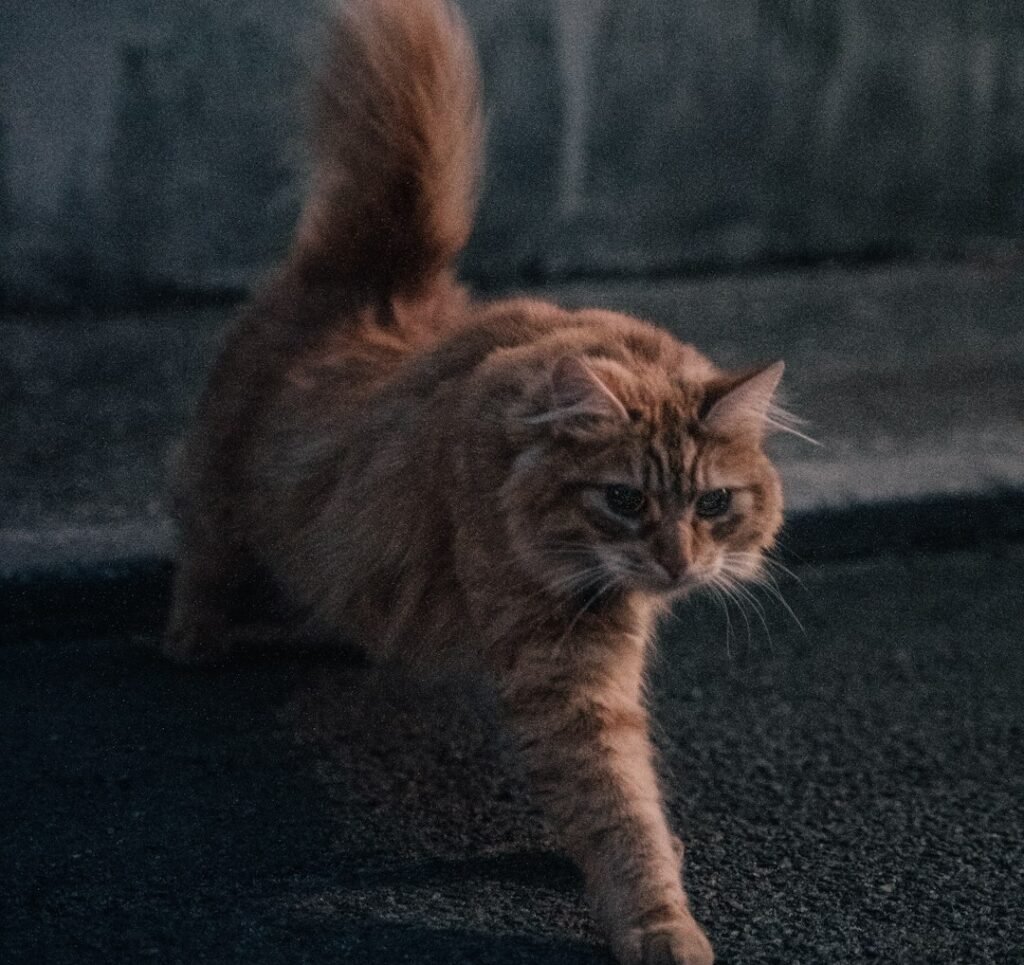
Your cat’s zoomies were never random. They were always scheduled – just on a timetable written deep in ancient feline DNA, long before alarm clocks or bedtime routines existed. Understanding that your cat is a crepuscular predator operating on instinct rather than inconvenience changes everything about how you respond to the behavior.
The zoomies are a sign of health, stored energy, and a mind that is very much alive and engaged. Rather than fighting the schedule, work with it. Play before bed, feed closer to your sleep time, and give your cat a world rich enough to explore during the day. Do that consistently, and you might just find the midnight marathons start happening a lot less often.
Your cat isn’t misbehaving. They’re just being exactly what evolution made them. The real question is: now that you know, what are you going to do with that information? Drop your thoughts in the comments – especially if your cat has a particularly dramatic zoomie routine worth sharing.
Kristina is a young writer from India. An arts graduate and an avid content creator, Kristina is passionate about animals and wildlife. She enjoys exploring topics related to pet care, animal behavior, conservation, and nature, combining thorough research with engaging storytelling.