Cats are mysterious by nature. They’ve spent thousands of years perfecting the art of looking completely fine even when they aren’t. It’s maddening, honestly, because the very trait that makes them so fascinating also makes them genuinely dangerous to monitor from a health perspective. You can be sharing a couch with a sick cat for weeks and have absolutely no idea.
Paying attention to behavioral changes is crucial precisely because cats instinctively conceal signs of pain or illness to avoid appearing vulnerable. By the time obvious symptoms show up, a condition may already be quite advanced. That’s the uncomfortable truth most cat owners don’t hear often enough. The good news? You don’t need a veterinary degree to notice that something is off. You just need to know what to look for. So let’s dive in.
Sudden Withdrawal and Hiding More Than Usual
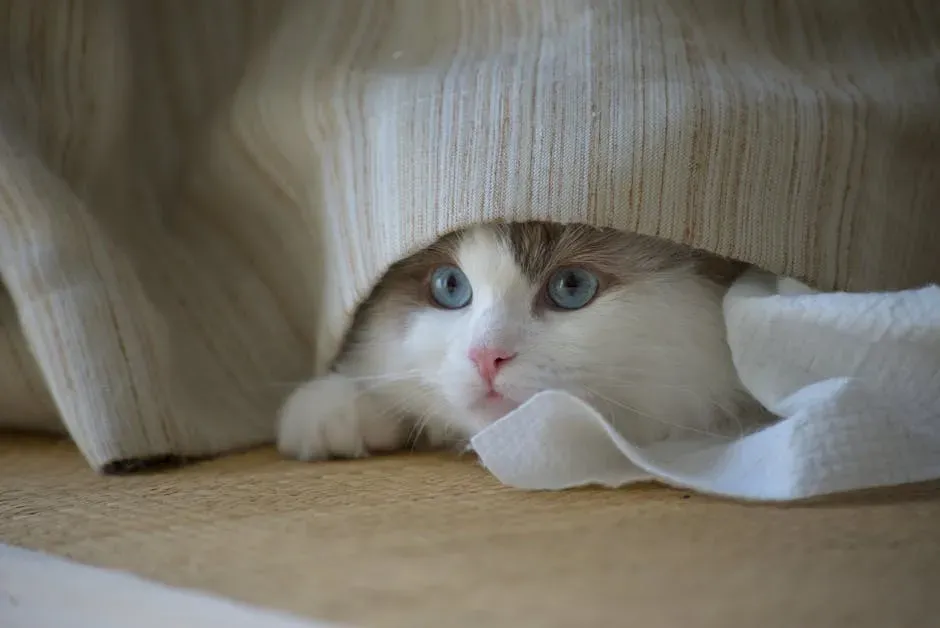
There’s a difference between a cat enjoying a quiet afternoon nap in a sunbeam and a cat who has completely disappeared. If your social cat suddenly disappears under the bed or spends hours inside closets, cats isolate themselves when they feel vulnerable or uncomfortable, making hiding one of the earliest signs of sickness. Think of it like a soldier going quiet on the radio. That silence is itself the signal.
Hiding all day suddenly ranks among the most serious warning signs, because sick cats instinctively seek dark, quiet places. If your social butterfly won’t come out from under furniture, it’s time to schedule a vet visit. What makes this particularly tricky is that a naturally shy cat might already hide often, so you’re really watching for a shift from your individual cat’s baseline, not some universal standard.
Unexplained Changes in Appetite or Thirst
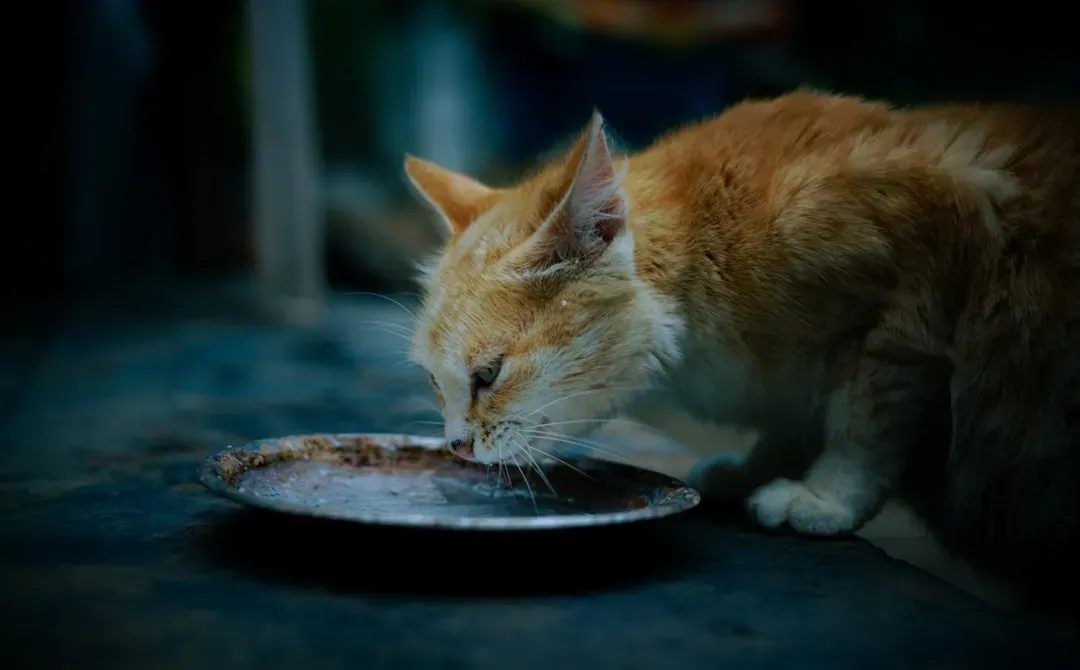
When a food-motivated cat suddenly turns their nose up at dinner, something’s definitely wrong. Appetite loss can indicate everything from dental pain to kidney failure, digestive issues, or cancer. It sounds dramatic because it is. Even a single skipped meal in a cat that normally attacks the food bowl deserves your attention.
Conversely, if your cat suddenly becomes ravenous despite losing weight, this could signal hyperthyroidism, diabetes, or intestinal parasites, which are particularly common in senior cats. Watch for your cat drinking excessive amounts of water, as this often accompanies increased appetite and can indicate serious underlying health issues. Keeping a mental note of how much water you’re refilling every day is one of the simplest and smartest things you can do as a cat owner.
Shifts in Litter Box Habits
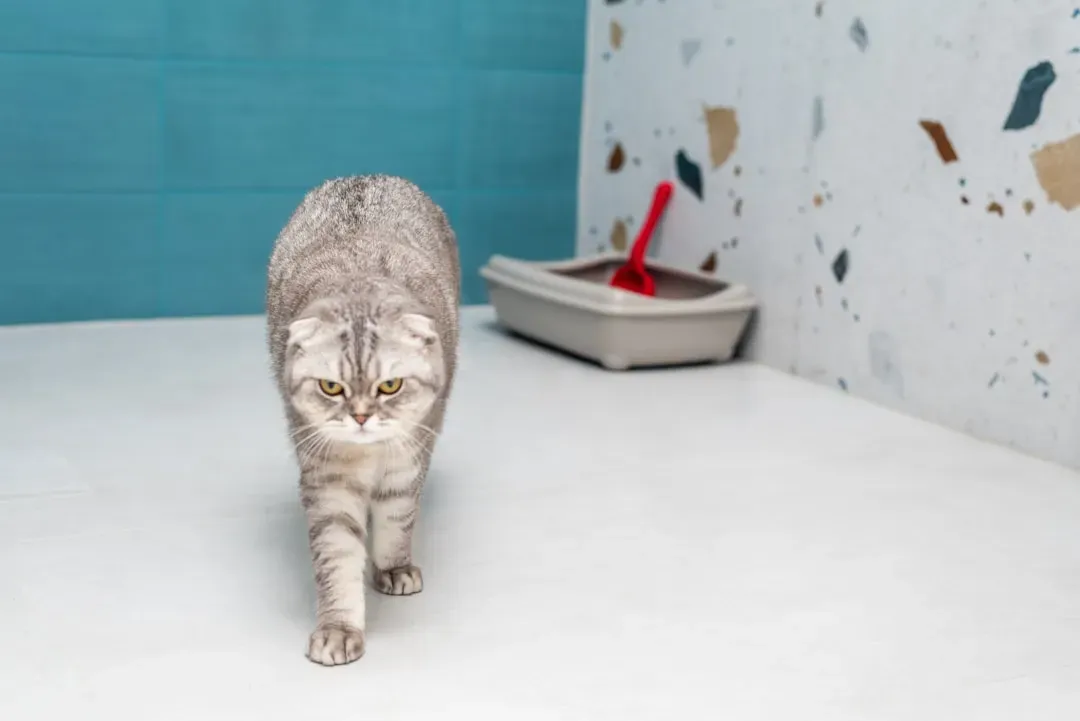
Missing the litter box suddenly isn’t your cat being spiteful. It often signals urinary tract infections, kidney disease, or arthritis making it painful to climb into the box. Cats with diabetes may urinate more frequently or in larger amounts. The litter box is basically a daily health report that most people throw away without reading.
Frequent litter box visits, straining, or crying during urination require immediate attention. Urinary blockages can become life-threatening quickly, especially in male cats. This is one of those areas where you truly cannot afford a “wait and see” approach. Because cats hide pain so well, conditions like urinary tract infections or dental abscesses can escalate rapidly without treatment, and what starts as a minor issue can become life-threatening in a matter of days.
Grooming Changes: Too Much or Too Little
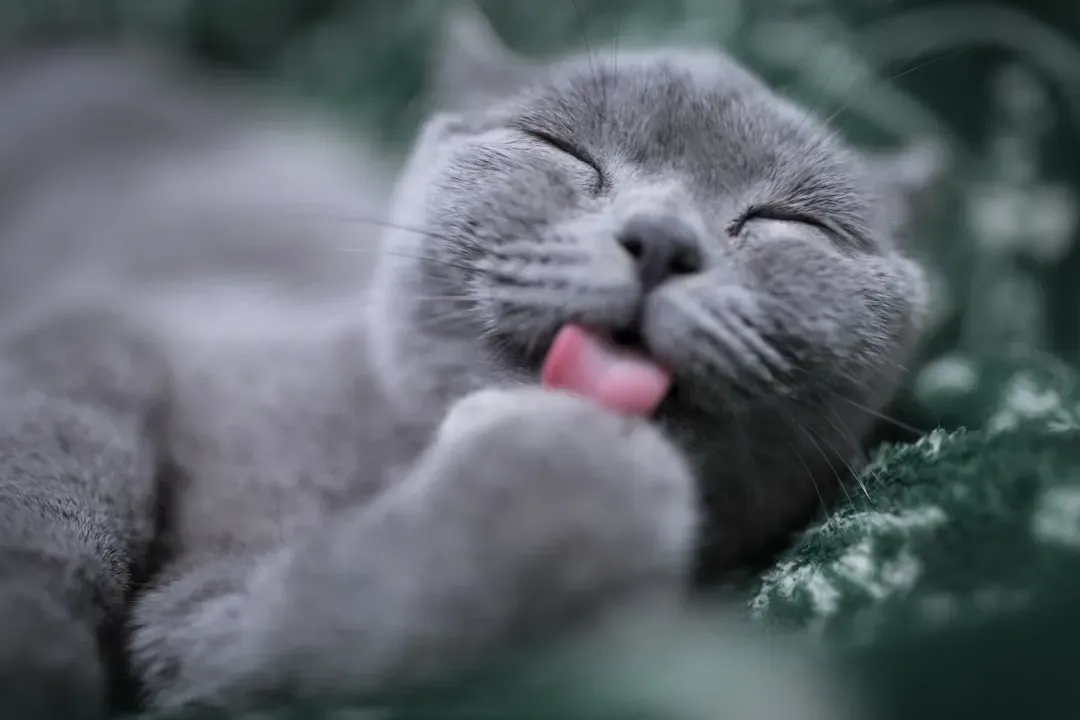
Cats are instinctively clean creatures who start grooming themselves during kittenhood, which is why it’s concerning when they stop this normal behavior. While pet anxiety may be the cause, it’s important to bring up the issue with your veterinarian. A dull, greasy, or matted coat on a cat that was once immaculate is a red flag you shouldn’t brush off.
Overgrooming until bald spots appear suggests allergies, parasites, or anxiety in cats. Under-grooming and matted fur often mean arthritis makes grooming too painful. So whether your cat is obsessively licking the same patch of fur raw or simply looks like they haven’t bathed in weeks, both extremes deserve a phone call to your vet. It’s really two sides of the same alarm bell.
Unexplained Aggression or Sudden Irritability
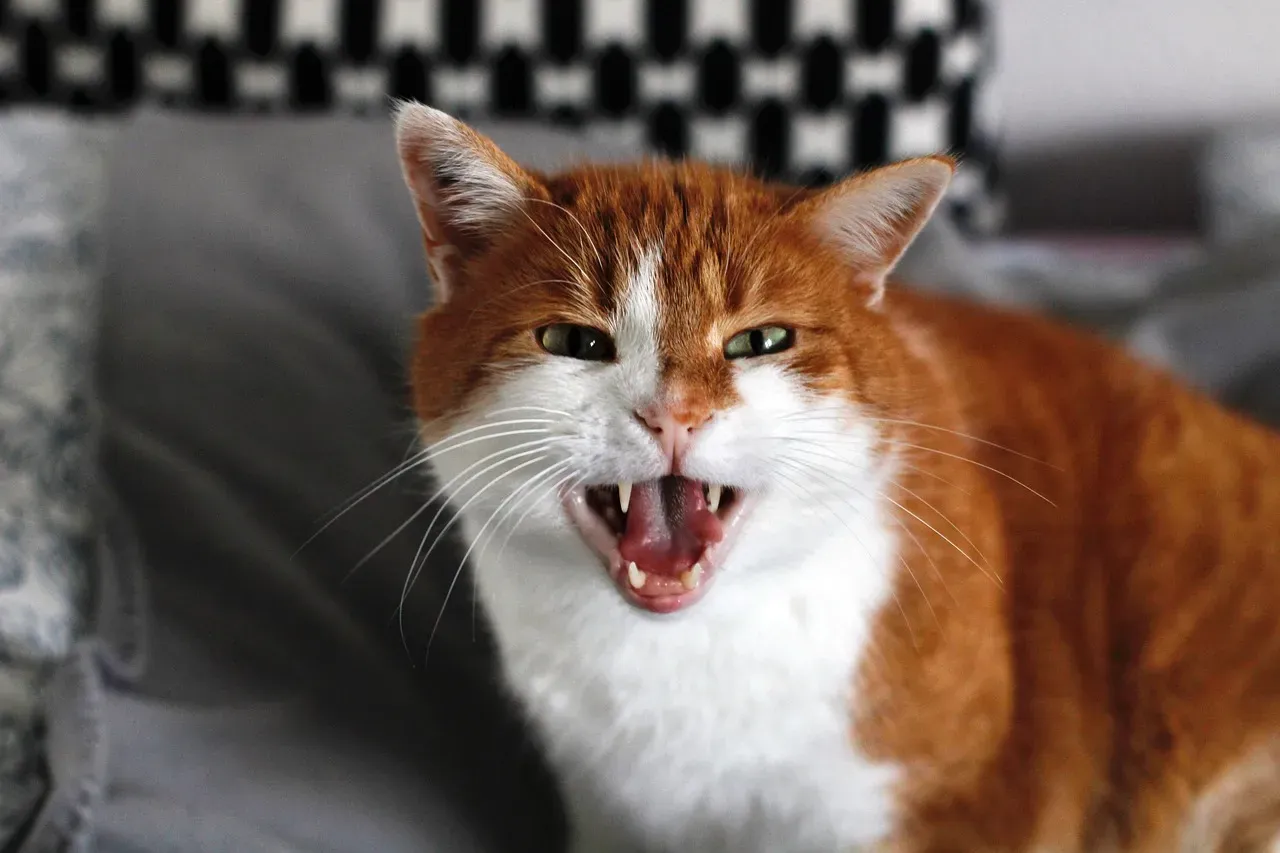
When your normally friendly feline starts swatting or hissing unexpectedly, pain is often the culprit. Cats instinctively hide weakness, so aggression becomes their defense mechanism when feeling vulnerable. Imagine someone poking you in a bruise every time they reach out to pet your arm. You’d snap too. Your cat’s sudden grumpiness might be exactly that kind of response.
A cat suddenly aggressive when touched near her hip may have arthritis. One who bites during petting could have dental disease making jaw movement painful. Here’s the thing: people often misread this as behavioral stubbornness or a “bad mood.” Underlying health conditions that could be related include hyperthyroidism, seizures, toxins, or even cancer, so don’t dismiss sudden personality shifts as attitude. They’re worth investigating.
Changes in Vocalization Patterns
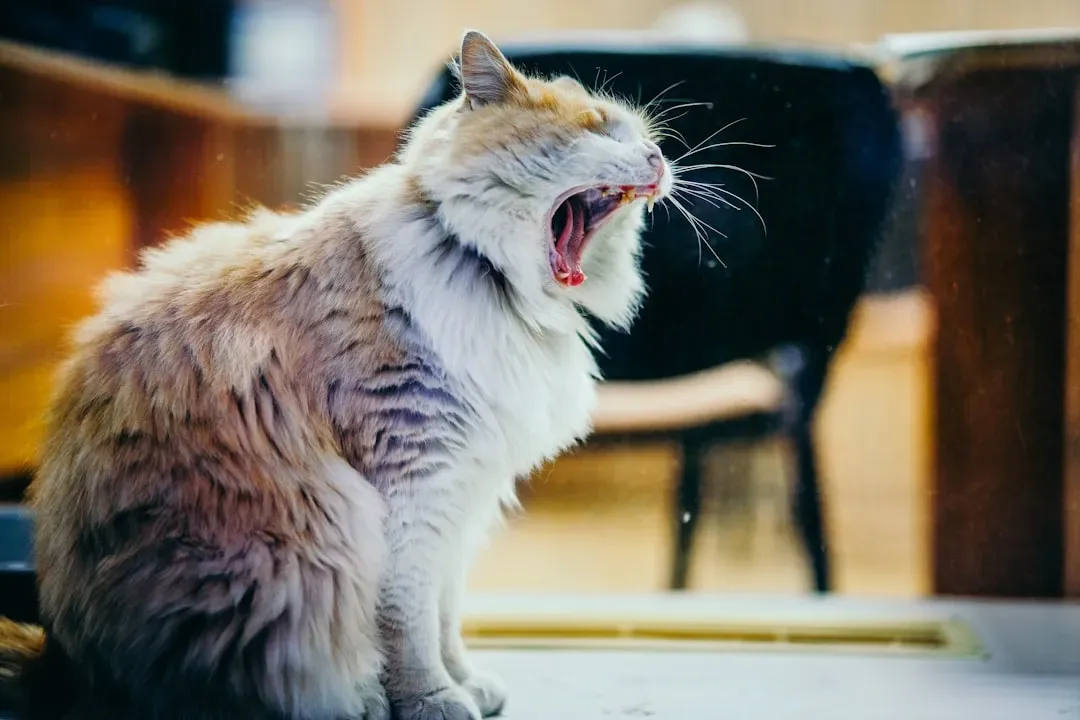
When observing signs your cat is sick, changes in vocalization are often telling. A typically vocal cat that suddenly goes silent or a quiet cat that starts yowling could indicate illness. Your cat has a voice pattern that is uniquely theirs. When that pattern breaks, you notice it the same way you’d notice a friend suddenly going dead silent in the middle of a lively conversation.
A cat vocalizing at night could have cognitive dysfunction, pain, hyperthyroidism, hypertension, anxiety, or sensory loss. Cats may also purr more when they’re in pain, as purring can be a self-soothing behavior rather than just an expression of contentment. So that loud, constant purring session that seems sweet might actually be your cat trying to comfort themselves through discomfort. It’s a humbling and sobering thought.
Reluctance to Jump or Move Freely
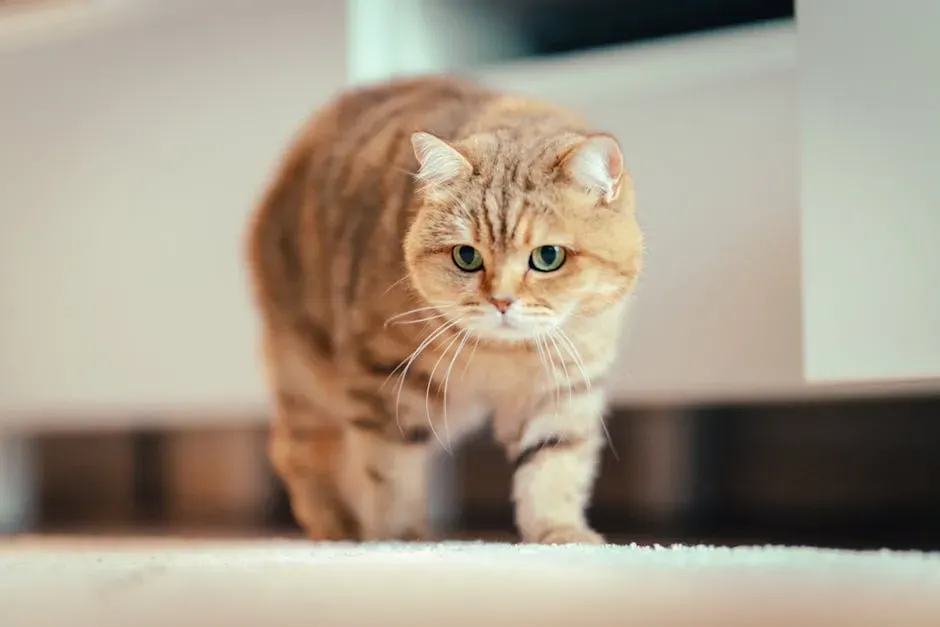
Hesitation before jumping onto favorite perches often precedes obvious limping. Many owners miss this early arthritis sign, attributing it to “just getting older” rather than pain. Watch for subtle changes like using stairs instead of jumping directly onto counters, or sleeping on the floor instead of climbing to preferred high spots. It’s the feline equivalent of an athlete suddenly choosing to take the elevator instead of the stairs. Worth noticing.
Mobility problems including limping, stiffness, reluctance to jump, or changes in how your cat moves around are all signs that something physical may be developing beneath the surface. While aging does cause some changes, sudden shifts in behavior or activity warrant veterinary evaluation, because many conditions that seem like “normal aging” are actually treatable health issues that can significantly improve your pet’s quality of life. Don’t just chalk it up to age and move on.
Altered Social Behavior Toward You
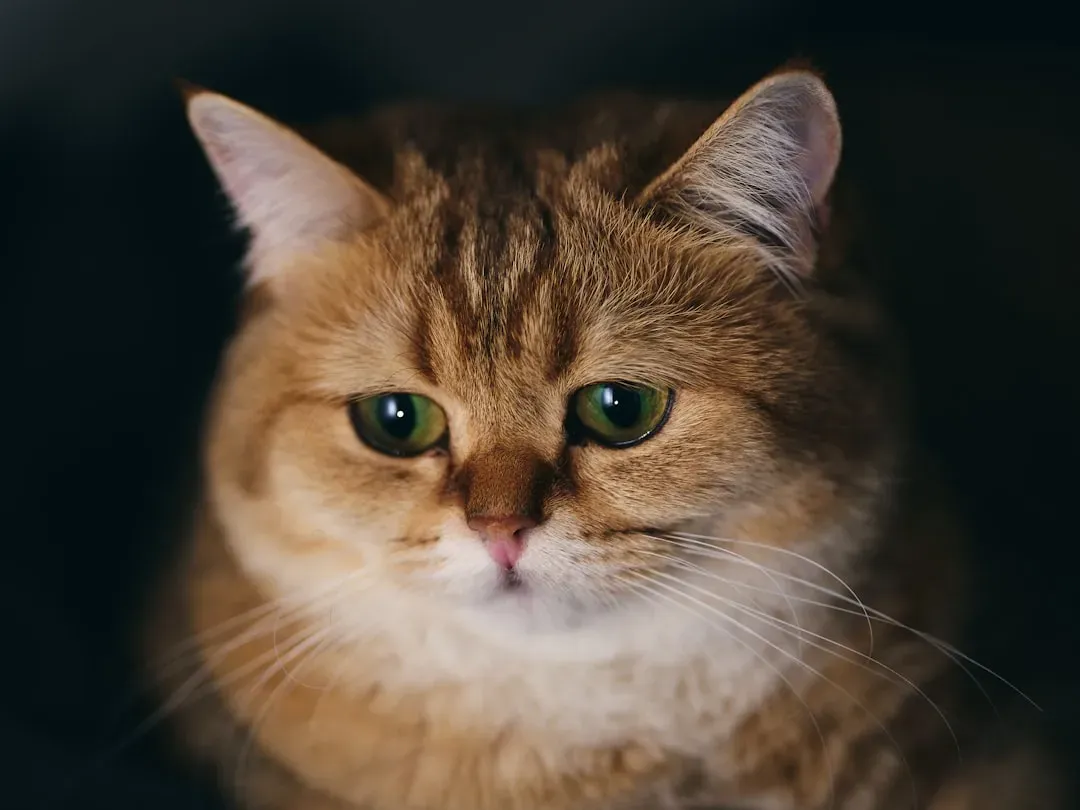
Changes in a cat’s sociability can be a significant indicator of health issues. Normally sociable cats that suddenly withdraw may be experiencing discomfort or pain. Conversely, cats that are typically reserved but become clingy or seek constant attention might also be signaling distress. It’s counterintuitive, isn’t it? You might think a super cuddly cat is just being sweet, when in reality they’re scared and seeking reassurance.
Any sudden or dramatic shift in your cat’s normal routine warrants veterinary evaluation. If your social cat becomes withdrawn, your quiet cat becomes vocal, or your active cat becomes lethargic, these represent significant behavior changes that indicate sickness. You know your cat. Trust that instinct when something about their relationship with you shifts in a way that feels off. Your gut is data too.
Noticeable Weight Loss or Visible Physical Changes
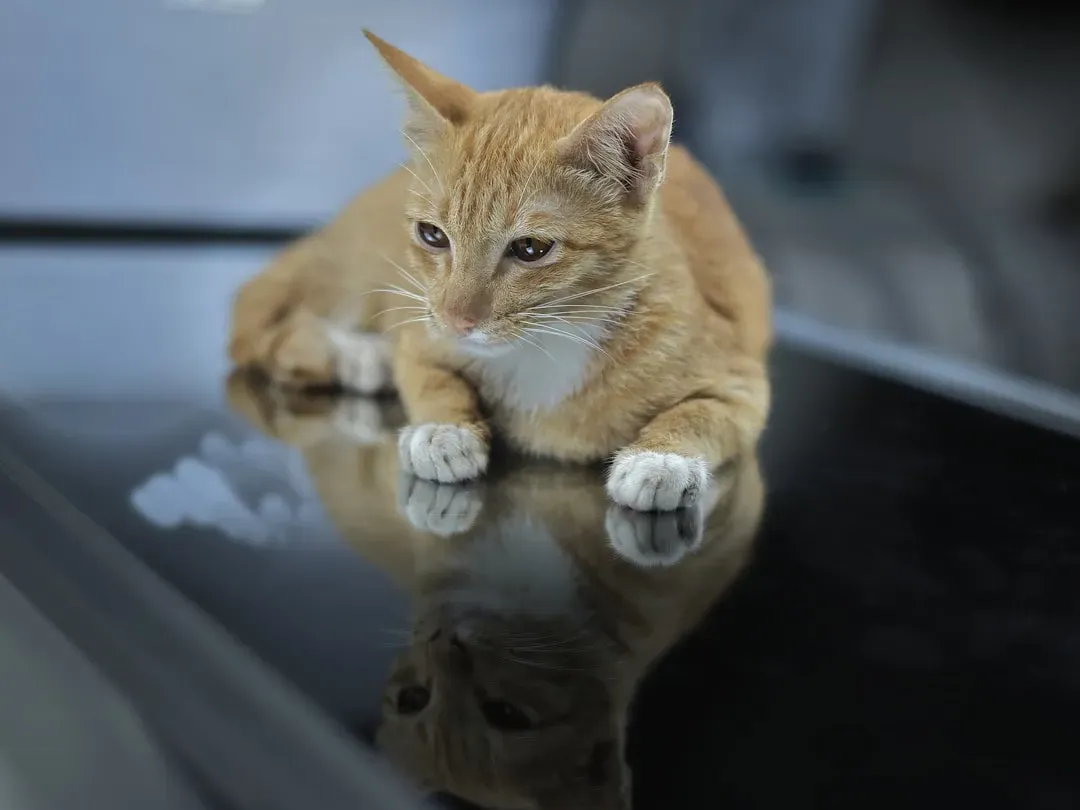
Gradual weight loss despite normal eating habits raises major red flags for vets. Hyperthyroidism, diabetes, intestinal parasites, and cancer all cause weight loss even when appetite seems fine. Conversely, rapid weight gain without increased food intake could signal fluid retention from heart or kidney disease. The tricky thing about gradual weight loss in cats is that their fluffy coats can hide it for a surprisingly long time.
Weight loss can be the earliest warning sign of chronic disease, which is exactly why regular weighing helps catch these changes early, with monthly weight checks recommended. Arthritis, dental disease, hyperthyroidism, kidney disease, high blood pressure, neurologic disease, urinary problems, sensory decline, and cognitive dysfunction in older cats can all show up as behavior changes before owners notice obvious physical signs. In other words, your eyes and your bathroom scale are among your most powerful veterinary tools.
Conclusion
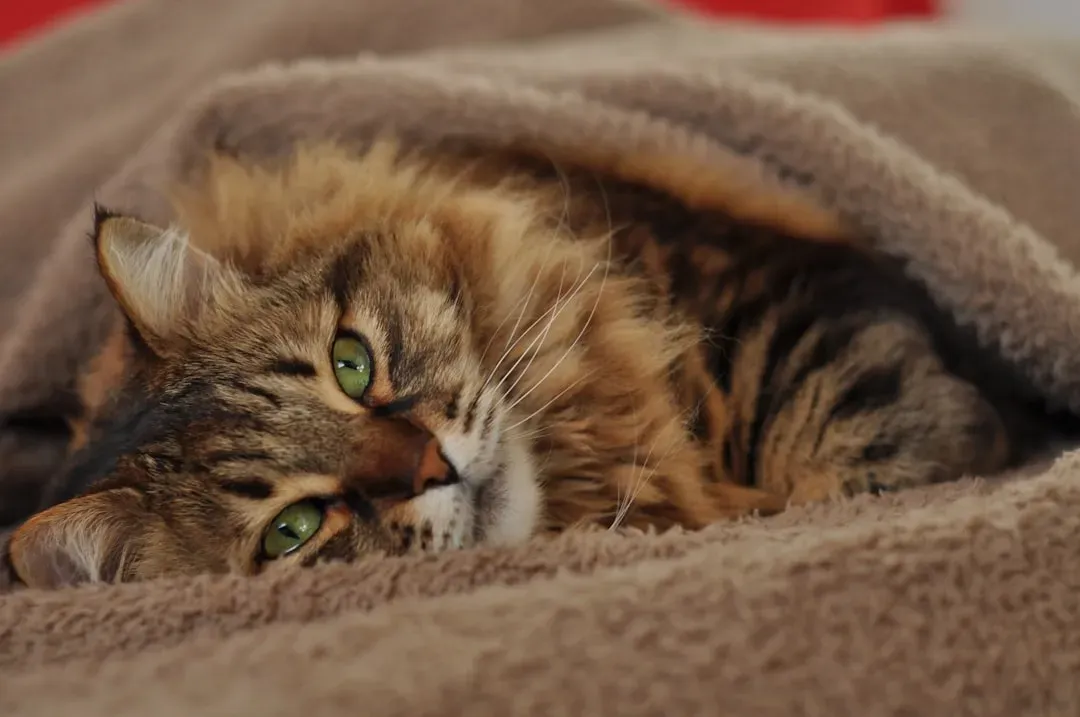
Cats are genuinely incredible communicators. The irony is that they communicate illness in the quietest, most subtle way imaginable. These shifts aren’t random, they’re messages your cat can’t speak in words. Learning to decode those messages is one of the most meaningful things you can do for an animal that depends entirely on you to be their voice.
Because cats are so good at hiding illness, regular checkups are one of the best ways to protect their health, and annual exams allow veterinarians to detect subtle changes you might not see at home. Combined with your own daily observations, that partnership can genuinely be lifesaving. Behavior is one of the clearest windows into your cat’s health. Small changes can sometimes be nothing more than quirks, but they can also be early warning signs of medical or emotional issues. By paying close attention to your cat’s normal routines and acting quickly when something seems off, you can help ensure they stay healthy and comfortable for years to come.
Your cat can’t say “I don’t feel well today.” These nine behavioral shifts are the closest thing to it. Have you noticed any of these signs in your own feline companion? Share your experience in the comments below – other cat owners might be grateful you did.