You’ve probably heard it hundreds of times. That warm, rhythmic rumble rolling through your cat’s chest as they curl up in your lap feels like the simplest thing in the world – pure happiness, nothing more. Honestly, that’s what most of us assume. A content cat purrs. Simple.
Except it’s really not that simple at all. Science, it turns out, has been quietly pulling back the curtain on the cat’s purr for decades, and what researchers are finding is nothing short of astonishing. This familiar sound is layered with biological complexity, emotional nuance, and communicative intelligence that most cat owners never even suspect. Get ready to hear that purr very differently from now on. Let’s dive in.
The Mechanics Behind the Purr: More Mysterious Than You Think
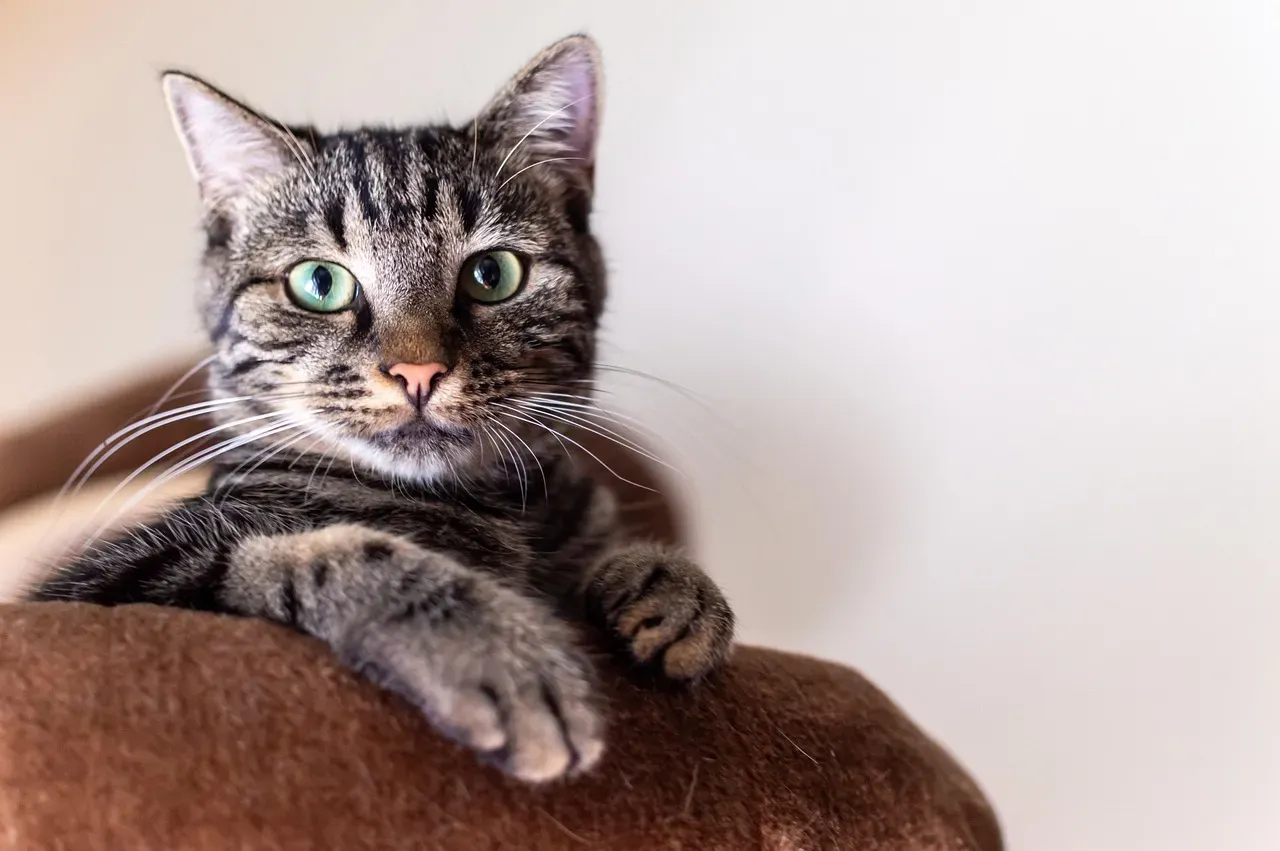
Most people assume purring works like a simple hum, but the reality is far more intricate. Purring originates in the larynx, and the brain sends repetitive signals to the muscles there. Those laryngeal muscles twitch at a rate of 25 to 150 vibrations per second, causing the vocal cords to separate. Think of it a bit like a tiny internal engine that never needs fuel – it just keeps cycling, breath after breath.
What makes the purr distinctive from other cat vocalizations is that it is produced during the entire respiratory cycle, both inhaling and exhaling. Other vocalizations like the meow are limited to the expiration of breath alone. That continuous sound, riding both in and out, is genuinely unique in the animal world. A recent study led by voice scientist Christian T. Herbst at the University of Vienna demonstrated that cyclic muscle contractions are not even needed to generate cat purrs, with data from controlled laboratory experiments showing that the domestic cat larynx can produce impressively low-pitched sounds at purring frequencies without any cyclical neural input or repetitive muscle contractions.
The Purr as a Vocal Fingerprint: Your Cat’s Unique Signature
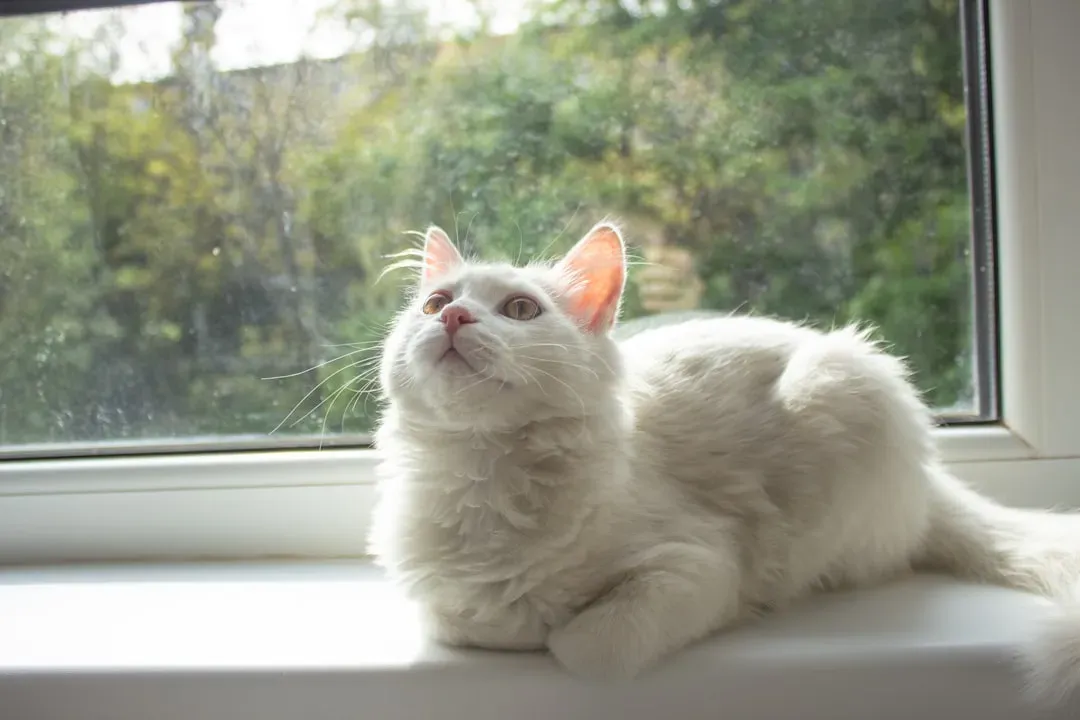
Here’s something that might genuinely stop you in your tracks. Your cat’s purr may say more about who they are than their meow ever could. Scientists discovered that purrs are stable and uniquely identifiable, while meows change dramatically depending on context. It’s almost like comparing a person’s fingerprint to their tone of voice. One stays constant forever; the other shifts with every mood.
Purring, often dismissed as a simple sign of contentment, turns out to be surprisingly rich with information. New research suggests that a cat’s purr is remarkably stable over time, less shaped by mood or situation and more by anatomy, making it something like a vocal fingerprint. That steadiness offers a rare glimpse into how domestication has reshaped feline communication. While meows evolved to flex and adapt in human homes, purring appears to preserve individuality, carrying subtle biological signatures that remain consistent across a cat’s life. Remarkable, right?
Purring When Happy: The Classic Signal You Already Know
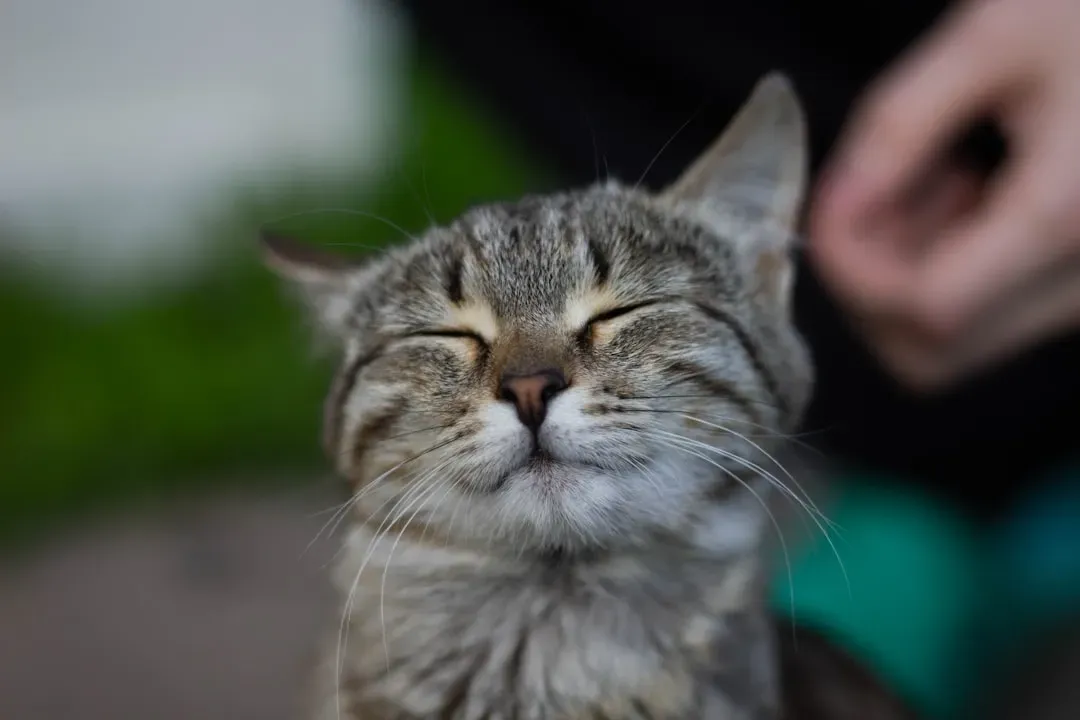
Let’s start with what you already know, because it is absolutely still true. When you hear your cat purring, it may well mean that your cat feels contentment. Cats will purr when they feel relaxed, comfortable, and content with the world. When your cat cuddles up against you and purrs, it’s simply enjoying its time with you. This is the purr most people picture, and it is as genuine as it feels.
When a cat purrs while you pet them, it’s an indication that they like that interaction and may also be a signal for you to continue petting. Think of it as a quiet green light. Cats will often purr when being stroked as a way to show contentment and pleasure, and the act of being petted can stimulate the release of endorphins, making the cat feel happy and relaxed. So yes, the happy purr is very real. It just isn’t the whole story.
When Cats Purr in Pain: The Counterintuitive Truth
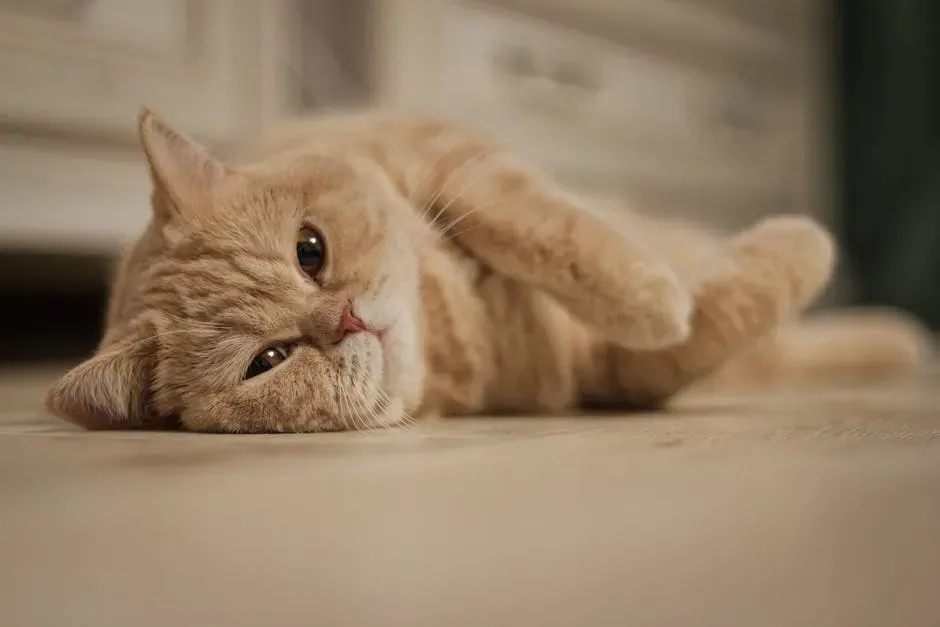
This one surprises almost everyone. You find your cat curled in a tight ball, clearly unwell, and yet – there it is. That soft purr. It feels wrong, almost eerie. Many suggest a cat purrs from contentment and pleasure, but a cat also purrs when it is injured and in pain. Far from being a contradiction, this is actually one of the most sophisticated things your cat’s body does.
Sometimes cats will purr when they’re injured or in some kind of pain. Mother cats often purr while in labor, and it’s believed to be a form of self-medication. Purring evens out and regulates the breathing, and it also produces a low-frequency vibration, which is believed to stimulate healing. It’s a bit like how humans instinctively rock themselves when hurting. Cats may also purr when they are in pain or discomfort, which seems counterintuitive, but purring in such situations is believed to serve several purposes, and the act of purring may help soothe the cat and alleviate pain, similar to people in distress finding comfort in moaning or rocking back and forth.
The Solicitation Purr: How Your Cat Literally Manipulates You
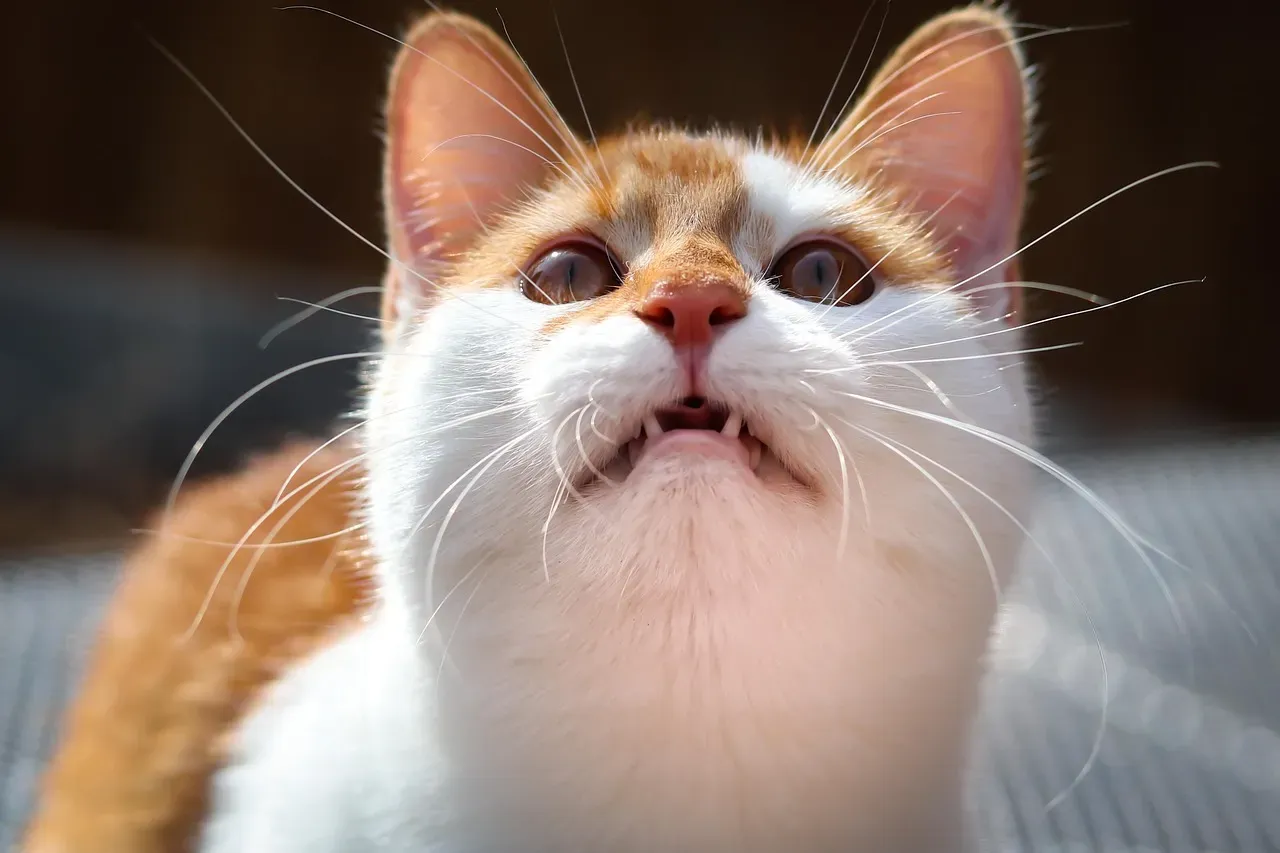
Let’s be real – every cat owner has experienced that very specific, impossible-to-ignore purr at six in the morning. You know the one. Turns out, your cat is doing something far more calculated than you ever imagined. Domestic cats make subtle use of one of their most characteristic vocalizations to solicit food from their human hosts, apparently exploiting sensory biases that humans have for providing care. When humans were played purrs recorded while cats were actively seeking food at equal amplitude to purrs in non-solicitation contexts, even individuals with no experience of owning cats judged the solicitation purrs to be more urgent and less pleasant. Embedded within the naturally low-pitched purr, researchers found a high-frequency voiced component, reminiscent of a cry or meow, that was crucial in determining urgency and pleasantness ratings.
At a frequency of around 380 Hz, this extra sound stood out from the typical low frequencies of a purr and is more like a cry or a meow. The frequency is actually very similar to that of a crying infant, so small wonder that it tugs on the human heartstrings. Your cat, in other words, has essentially hacked your parental instincts. By employing such an embedded cry, cats appear to be exploiting innate tendencies that humans have for nurturing offspring, but the felines subtly bury their “feed me” messages in an otherwise pleasant purr. Sneaky? Absolutely. Genius? Without question.
The First Language: How Kittens and Mothers Use the Purr
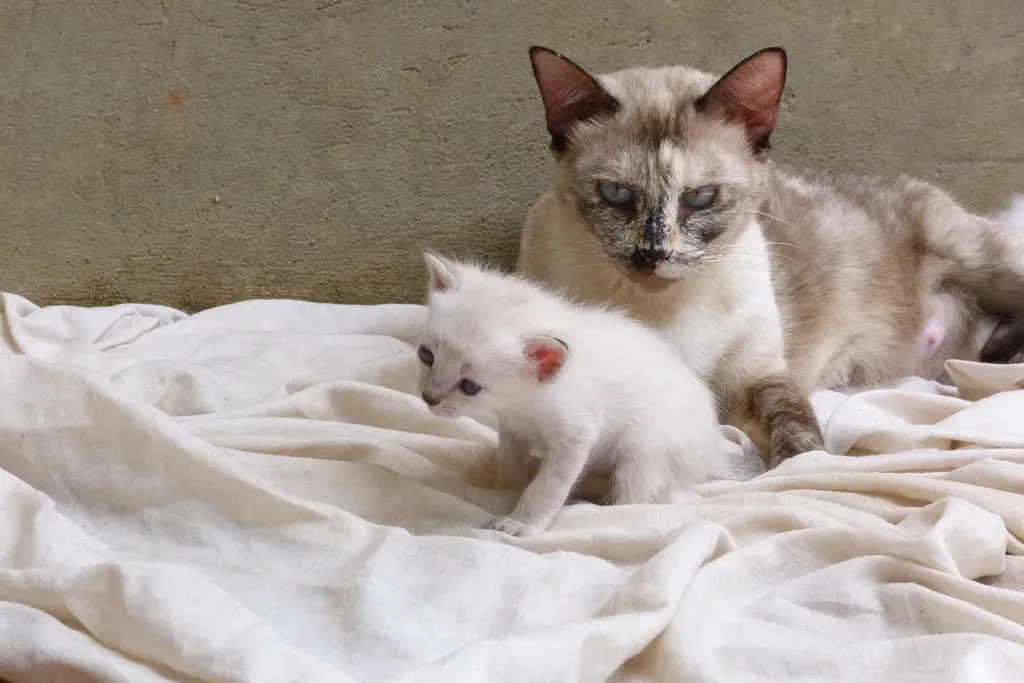
Long before a kitten ever figures out how to meow, the purr is already doing serious communicative work. Kittens learn how to purr when they are a couple of days old. Veterinarians suggest that this purring tells “Mom” that “I am okay” and that “I am here,” and it also indicates a bonding mechanism between kitten and mother. In those first fragile days of life, it is truly a lifeline signal.
Newborn kittens are born blind and deaf but are able to feel vibrations. The mother’s purring creates vibrations that the kittens can sense, which helps them locate their mother and feel her presence. This tactile form of communication is essential for the kittens’ survival and comfort. It’s almost like sonar. Kittens can purr at only a few days old as a way to let their mothers know where they are or that they’re okay, and the mother’s purring also helps soothe both kittens and mother while being thought to help stimulate the mother’s milk production and assist in other forms of subtle shared communication.
The Purr as a Stress Response: Self-Soothing in Action
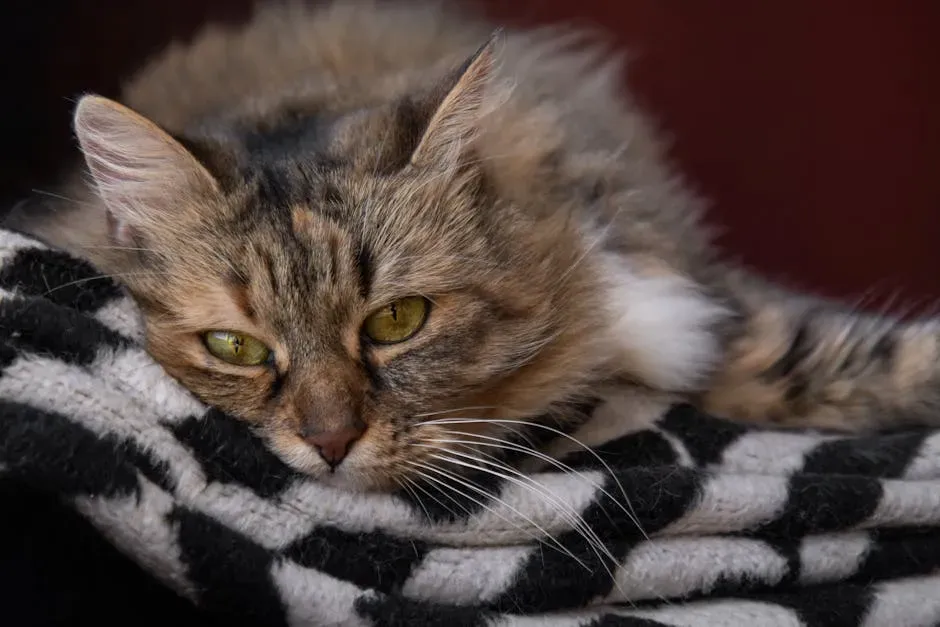
If your cat purrs at the vet despite looking absolutely terrified, you’re not imagining things. While it isn’t as common as happy purring, cats do purr when they are nervous or stressed. This is actually one of the most beautifully adaptive uses of the purr. When cats are purring out of happiness, the purr tends to be lower-pitched, while a stressed-out cat might have a higher-pitched purr. It’s thought that when cats purr because they are anxious, it is done intentionally, whereas when cats purr out of contentment, it seems to be an almost automatic response.
Purring is also a way for cats to self-soothe and calm themselves down. If your cat is feeling anxious or stressed, they may start to purr as a way to calm themselves down. Think of it like the feline equivalent of deep breathing – a built-in coping mechanism that requires zero therapy. Previous scientific research has shown that cats don’t just purr when they’re happy, but also when they’re distressed or afraid. There is also a theory that purring is a defence mechanism and a way for cats to keep calm in stressful situations, as the vibrations produced can help to keep cats relaxed.
The Healing Frequency: Why Your Cat’s Purr Is Therapeutic for You Too
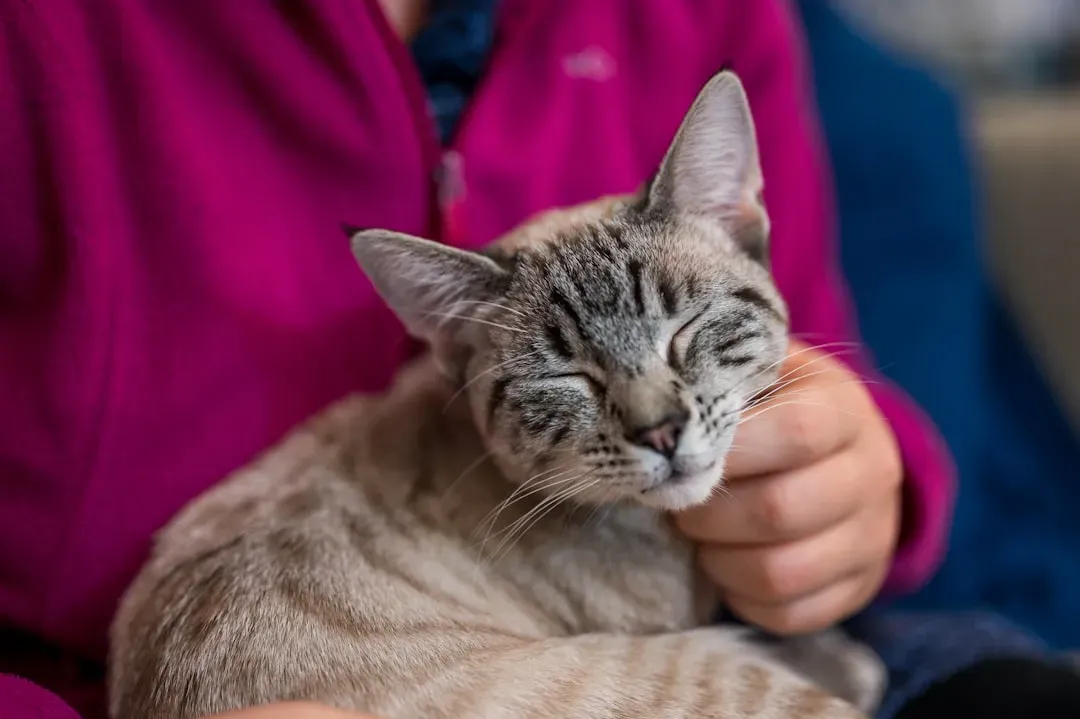
Here’s where things get genuinely fascinating, and honestly, a little mind-blowing. Research suggests that the frequency of a cat’s purring, typically between 25 and 150 hertz, could have therapeutic effects on the body and mind. That’s not wishful thinking from devoted cat lovers. That’s acoustics and biology colliding in a rather extraordinary way. Purr frequencies correspond to vibrational and electrical frequencies used in treatment for bone growth, fractures, pain, edema, muscle growth, joint flexibility, and wounds.
The soothing vibrations of a cat’s purr can help regulate the autonomic nervous system, which controls involuntary bodily functions like heart rate and breathing. By lowering stress and triggering the body’s relaxation response, purring promotes a sense of calm, balance, and emotional well-being. There’s also a cardiovascular angle worth knowing: petting a cat or listening to their purring triggers the release of oxytocin, a hormone that promotes happiness and reduces stress. This calming effect lowers cortisol levels, and many people who spend time with cats experience a decrease in heart rate and blood pressure, which reduces strain on the cardiovascular system.
Reading Your Cat’s Purr: What You Should Actually Pay Attention To
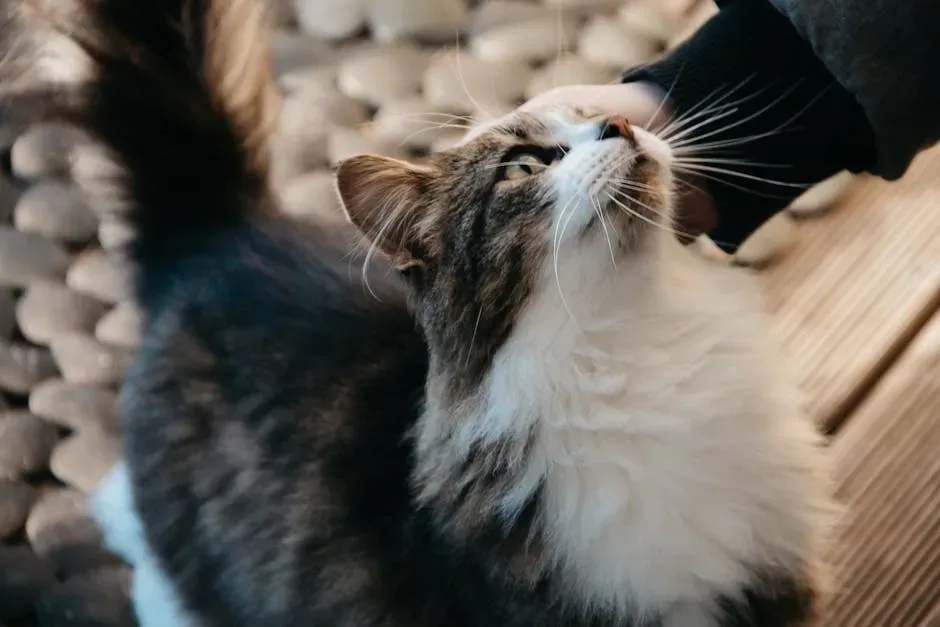
Now that you know just how layered the purr really is, reading it correctly becomes something genuinely worth practicing. When a cat is purring, look at their body language and the situation to determine why. A purring cat that approaches you with their tail held up may be greeting you and soliciting attention. If the cat is crouched down with their ears pulled slightly to the side while purring, they may not be feeling well. Context, always, is everything.
Another crucial aspect of feline communication is the ability to detect health issues through a cat’s purr. Research has shown that cats with certain medical conditions may produce abnormal or irregular purrs. By paying attention to changes in a cat’s purring pattern, owners can identify potential health problems early on. Think of yourself as learning a new dialect. Domestic cats have advanced far beyond their wild ancestors in the capacity to develop new forms of social organization and communication, and by studying the various signals that make up the cat’s language, you will find that you better understand the messages your cat is trying to convey, which will aid in deepening the bonds of friendship with your feline companion.
Conclusion: There’s a Whole Conversation Happening in That Purr
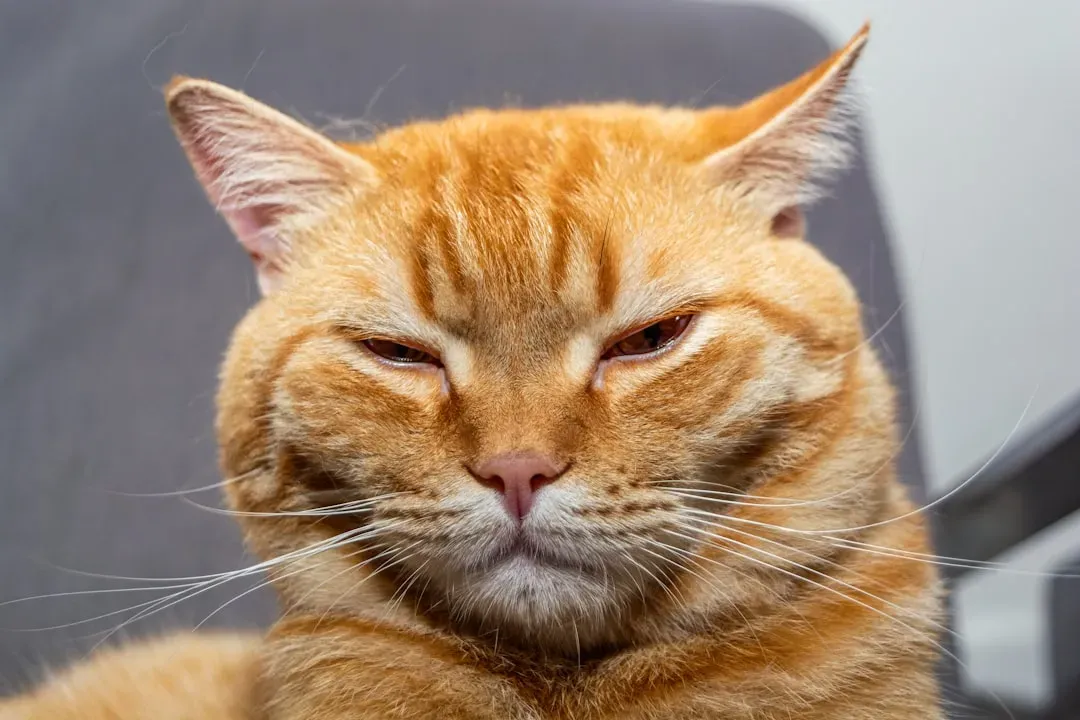
The humble purr that you’ve been falling asleep to, that you’ve been taking for granted, that you assumed was just a cat being a cat? It is, in fact, an extraordinarily sophisticated communication system. It carries identity, emotion, need, pain, relief, and even biological healing frequencies – all wrapped in a sound that sounds deceptively simple.
You now know that your cat may be manipulating your parental instincts at breakfast, self-healing during a difficult moment, or leaving a vocal fingerprint that no other cat on earth shares. The more you tune in, the more you realize just how much your cat has been saying all along. The question is – how much of it have you been missing?
What does your cat’s purr usually mean? Pause, listen differently next time, and see what you pick up. You might be surprised by what you hear.