You call your cat’s name, and nothing. You walk into the room, and they stare right through you like you’re made of glass. You’ve probably wondered – more than once – whether your cat actually likes you at all. You’re definitely not alone in feeling that way.
Research shows that roughly half of all cat owners believe their pet ignores them, with independence and a preference for doing their own thing being the top reason given. A notable share have even spent significant time researching ways to make their cat love them. Honestly, that sounds both a little heartbreaking and incredibly relatable. The good news? The truth behind the silence is far more interesting than you’d expect. Let’s dive in.
Your Cat Hears You – They’re Just Choosing Not to Answer
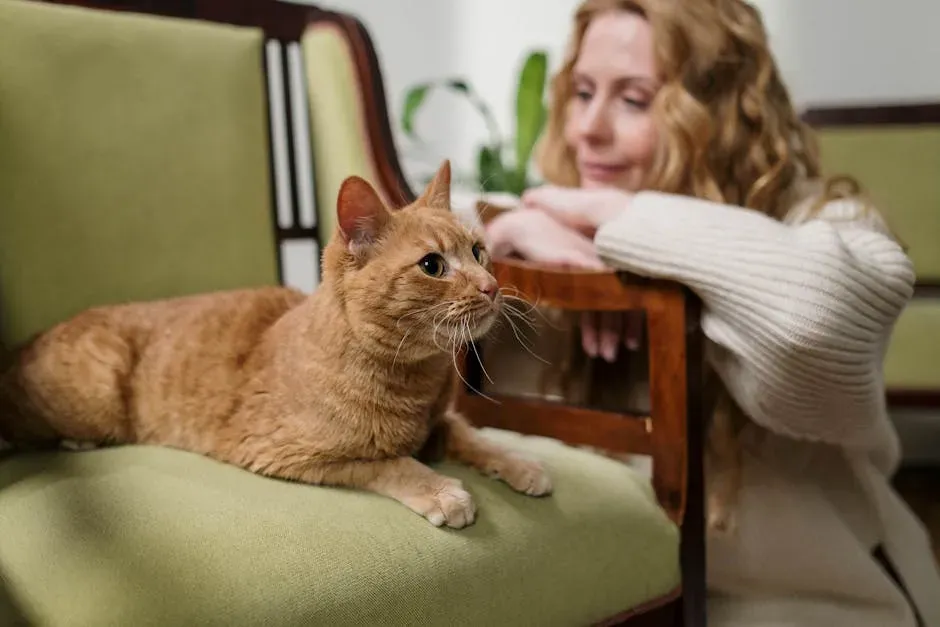
Here’s the thing that might sting a little: your cat isn’t ignoring you because they can’t hear you. They hear you perfectly. Research has shown that cats know their own name and can distinguish it from similar-sounding nouns, and even the names of other cats in the household – which means your cat understands when you’re calling them. They’re simply choosing not to respond.
A study by Japanese researchers confirmed that while cats can recognize their owners’ voices, they often choose to ignore them. The research played recorded voices of owners speaking in a cat-talk tone, as well as recordings of three strangers, while researchers observed physical reactions like head and ear movements, paw twitches, tail motions, and pupil dilation. The results showed that cats responded more noticeably when their owners called their names compared to strangers – yet despite recognizing the voice, the cats typically did not bother to get up or take further action. So yes, they know. They just don’t feel like it right now.
The Real Reason Goes Back Thousands of Years
Cats likely started hanging around farming communities in the Fertile Crescent about 8,000 years ago, where they settled into a mutually beneficial relationship as humans’ rodent patrol. Unlike dogs, nobody sat down with a cat and said “now listen, here’s the deal.” The cat showed up. On its own terms. It’s not that humans took some cats and put them inside cages – instead, people more or less allowed cats to domesticate themselves.
Cats, frankly, do not take instruction well. Such attributes suggest that whereas other domesticates were recruited from the wild by humans who bred them for specific tasks, cats most likely chose to live among humans because of opportunities they found for themselves. Think about that for a second. The dog was recruited. The cat applied for the job when nobody was looking, set its own hours, and never really changed its work style. That independence is baked in at a genetic level and it explains a lot about your living room standoff.
They Haven’t Evolved to Obey – And That’s Not a Bug, It’s a Feature
A leading theory points to the difference in how dogs and cats became human companions. While dogs were domesticated and specially bred over thousands of years to be loyal and obedient companions, cats more or less domesticated themselves, moving into cities and hunting mice and rats around grain stores by their own choice. Consequently, your cat doesn’t have a strong drive to listen and obey, and may ignore you if they’d rather be doing something else.
One reason, according to research, that cats are this way – in contrast to dogs who are highly responsive to human interaction – could be that cats never evolved a domesticated relationship like dogs did with their humans, because felines actually domesticated themselves. In other words, when your cat ignores your command to get off the counter, it’s not stubbornness. It’s a ten-thousand-year-old evolutionary trait reminding you that nobody asked for this arrangement – the cat signed up voluntarily, and they reserve the right to renegotiate at any time.
Your Cat Is Actually Paying Attention – Just Quietly
Recent studies have revealed that cats possess remarkable cognitive abilities when it comes to human interaction. Research from Paris Nanterre University has shown that cats can not only recognize their owner’s voice, but can also distinguish it from strangers’ voices. They’re particularly attuned to the “cat-directed speech” many owners use – that higher-pitched, melodic tone often adopted when speaking to pets. Even more fascinating, cats can identify their own names among similar-sounding words, demonstrating their capacity for subtle audio discrimination.
Cats are incredibly perceptive to routines and emotional states. If you’re anxious or stressed, your cat might either cling closer for mutual comfort or give you space, depending on their personality. They’re reading you constantly, like a quiet observer in the corner of the room. Cats are remarkably perceptive creatures with sophisticated social intelligence, and research confirms they can tell when their owners are ignoring them – though their reactions might surprise you. So while you’re wondering if they care, they’ve already clocked your mood, assessed the room, and made a decision. They’re just not telling you what it is.
The Slow Blink Is Your Cat Saying “I Love You”
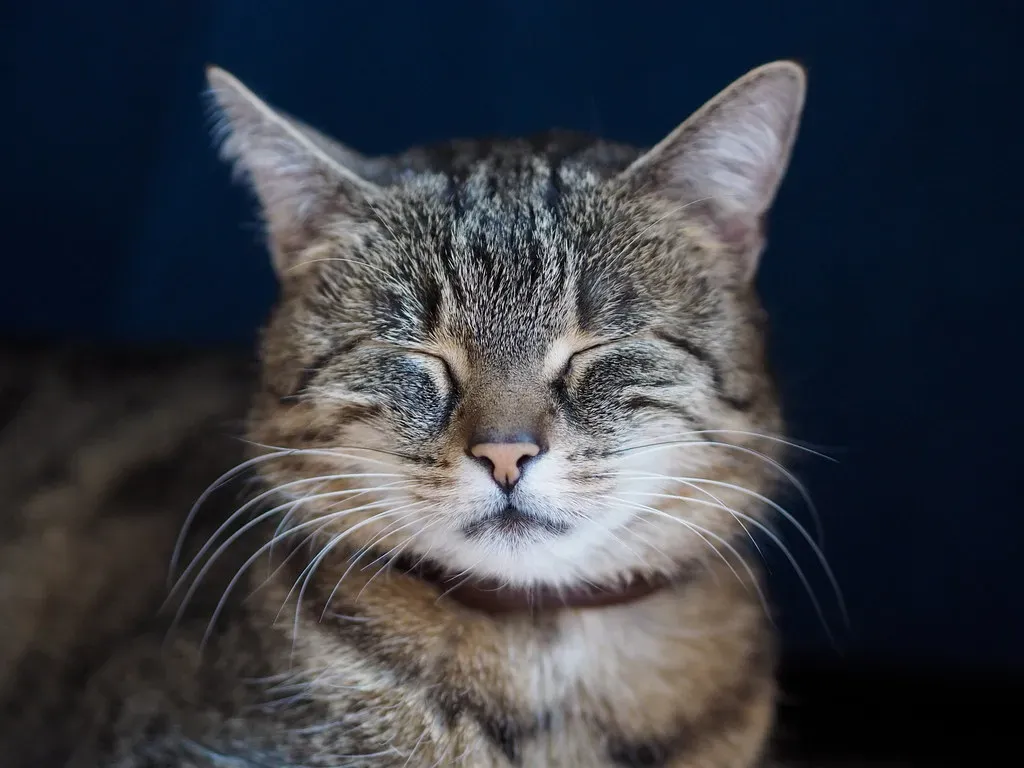
You’ve probably been missing the most important messages your cat sends you every single day. By slow blinking at you, your cat is demonstrating their trust and signaling that they feel safe and relaxed in your company. It seems almost too simple, but in the world of feline communication, closing your eyes in someone’s presence is a big deal. In the feline world, closing their eyes in the presence of another creature makes them vulnerable, as they are unable to detect potential threats.
In a 2020 study published in the journal Scientific Reports, animal behaviorists demonstrated that cats reciprocate slow blinking and show significantly more approach behaviors toward humans who slow blink at them. When cats blink slowly at you, it’s often referred to as the “cat kiss” – a sign of trust, affection, and relaxation. So the next time your cat sits three feet away and lazily narrows their eyes at you, don’t feel ignored. You just received the feline equivalent of a warm embrace.
They Do Form Deep Emotional Bonds – Just Not the Way You’d Expect
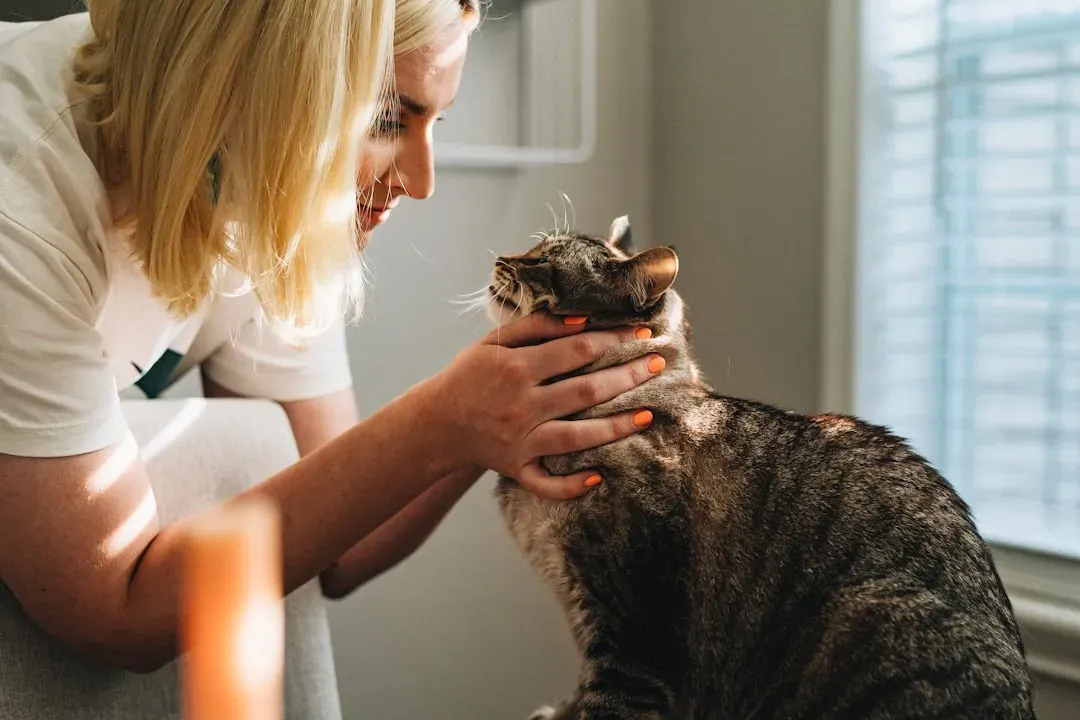
Research challenges the old stereotype of cats as aloof loners. Studies now show that many cats form secure attachments to their owners, similar to dogs and human infants. They use their humans as a source of security and comfort, which explains why some cats follow you from room to room. They’re not being needy – they’re treating you as their safe base in an unpredictable world.
A 2026 study from Oregon State University found that cats form attachment bonds to humans comparable to those seen in dogs and even infants. When reunited with their owners after short separations, more than two thirds of cats showed “secure attachment” behavior – relaxed posture, slow blinks, and tail-up greetings. In truth, cats do form deep emotional bonds with their humans, but they show affection in subtler ways – rubbing against legs, slow blinking, grooming, or simply choosing to nap nearby. These behaviors demonstrate trust and comfort, even if they don’t look like the overt displays of devotion we might expect. Their love language is just quieter than a dog’s. A lot quieter.
Their Body Language Is Talking – You Just Haven’t Learned to Listen
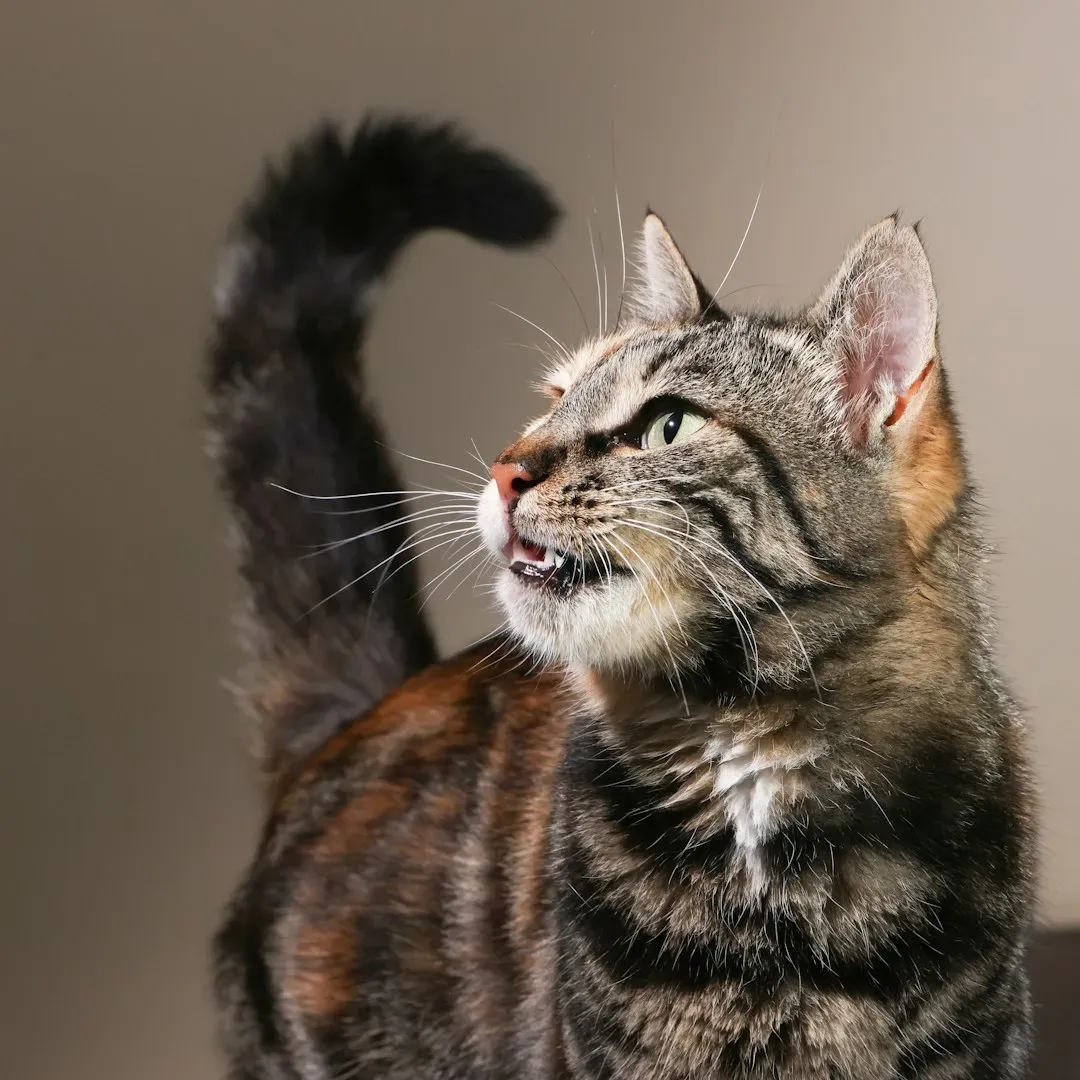
A cat’s tail is an emotional barometer. While a tail held high with a slight curl at the tip is a sign of a happy, confident cat, a tail that is rapidly twitching or flicking back and forth is a clear indicator of overstimulation or irritation – often the precursor to a swat or a bite, signaling “I’ve had enough petting, please stop.” Body language, such as slow blinks or tail flicks, provides clues to their true feelings.
When a cat rolls over and exposes its belly, many people assume it’s an invitation for a belly rub. While it is a sign of trust, for most cats, it is not a request for petting. The belly is a cat’s most vulnerable area, and touching it can trigger a defensive reaction – the so-called “kitty trap.” They are showing you they trust you, not asking you to test that trust. Learning to read these signals is like learning a new language. It takes time, but once you get it, the whole relationship clicks into focus.
Your Cat’s “Ignoring” May Actually Be Overstimulation
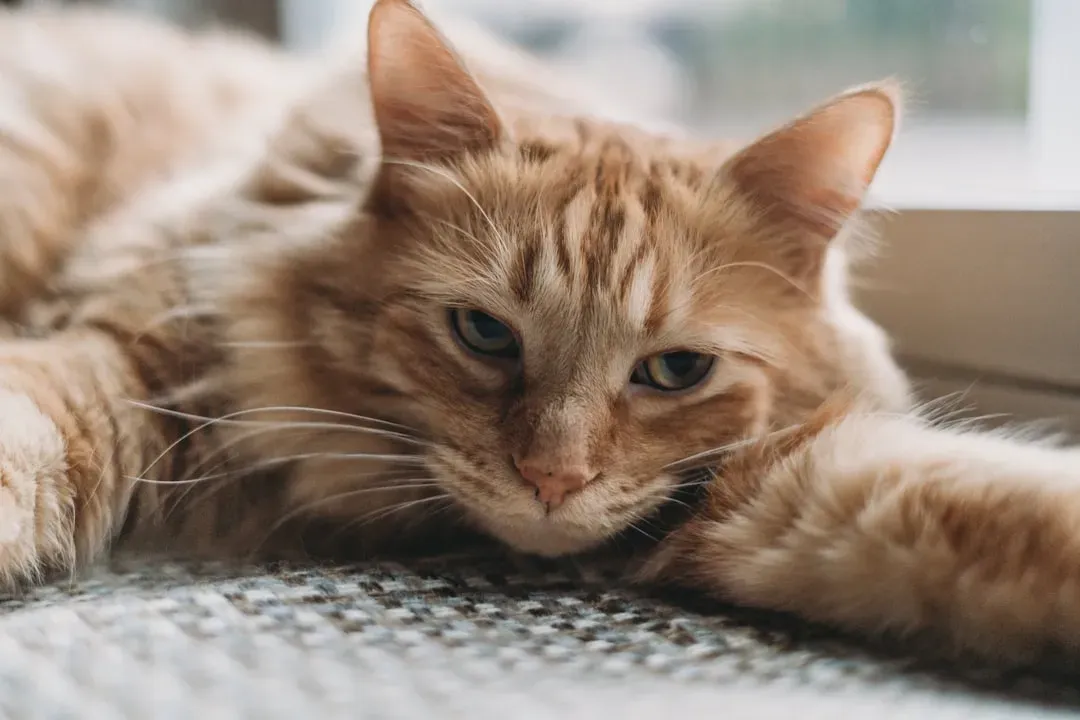
Affection has limits in the feline world. A cat may enjoy petting or cuddling but suddenly retreat once it reaches its tolerance threshold. Overstimulation can make them turn away, flick their tail, or even leave the room. Understanding these cues helps prevent negative associations with interaction. It’s not personal. Think of it like someone who loves hugs but eventually needs their space. Cats just hit that wall faster than most humans do.
While you might long for lots of cuddle time with your feline, it’s important to note that not all cats feel the same way. Cats like quite brief, low-intensity but frequent interactions – when cats that get along greet each other, it tends to be a brief head rub. Unfortunately, humans are the opposite: our interactions are generally less frequent, but when we have them, they are generally of high intensity and prolonged. Essentially, you might be loving your cat in the wrong language. Shorter and more frequent moments of connection will almost always land better than one long session of forced snuggles.
How to Build a Better Bond Without Forcing It
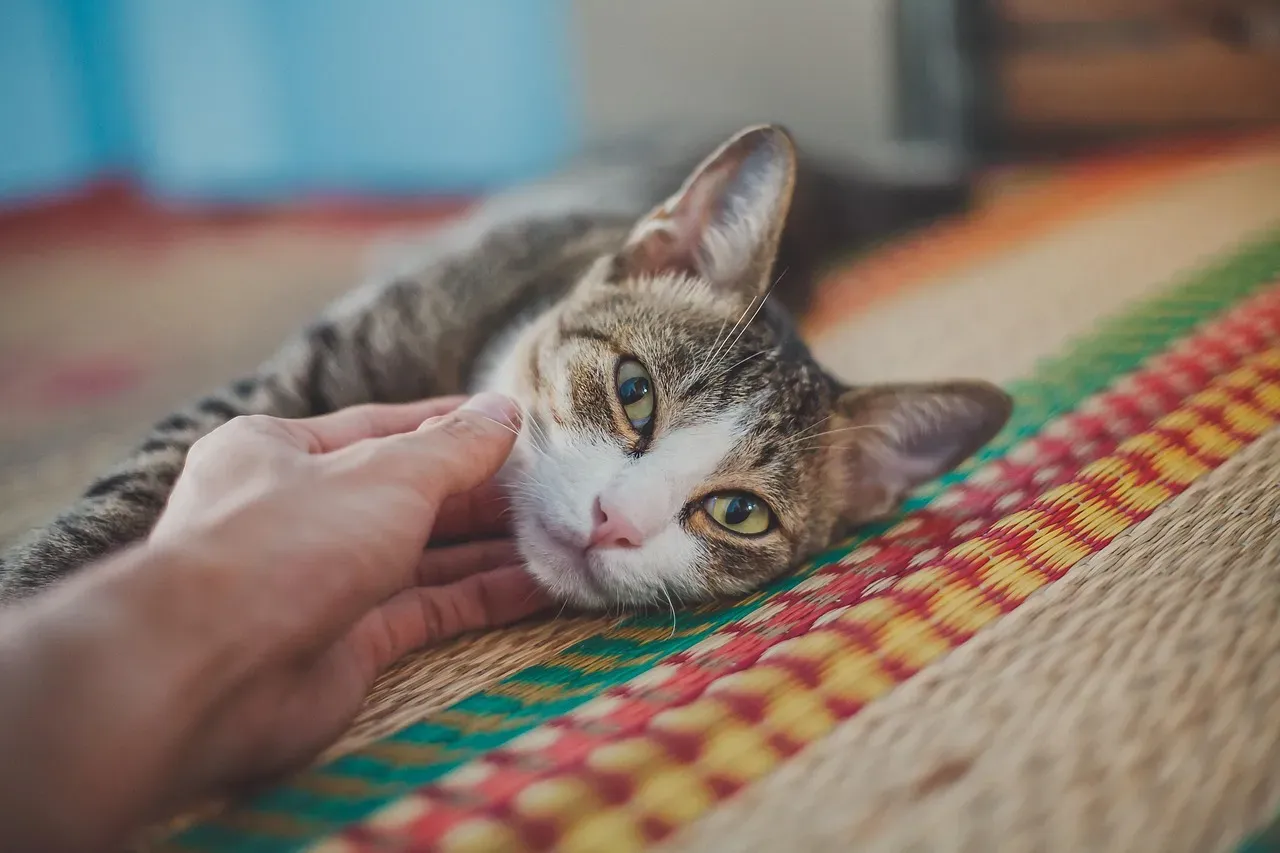
The key to a stronger relationship is consistency. Cats thrive on predictable patterns, so whatever level of interaction you establish, try to maintain it. Mixed signals confuse them just as much as they confuse us in human relationships. Kittens who are handled frequently and gently between two and seven weeks old typically grow up to be more social and affectionate. Those who miss this crucial socialization window often remain more aloof throughout their lives.
Just because cats are more independent and less eager to please than dogs, it doesn’t mean they can’t be trained. With patience, persistence, and lots of positive reinforcement, your cat can learn many behaviors. Training with positive reinforcement, consistent routines, and enriched environments can strengthen the bond between you and your cat. Let the cat set the pace. Show up consistently, respect their signals, and offer interaction without demanding it back. You might be amazed how quickly they come to find you on their own terms – which, honestly, feels even better.
Conclusion
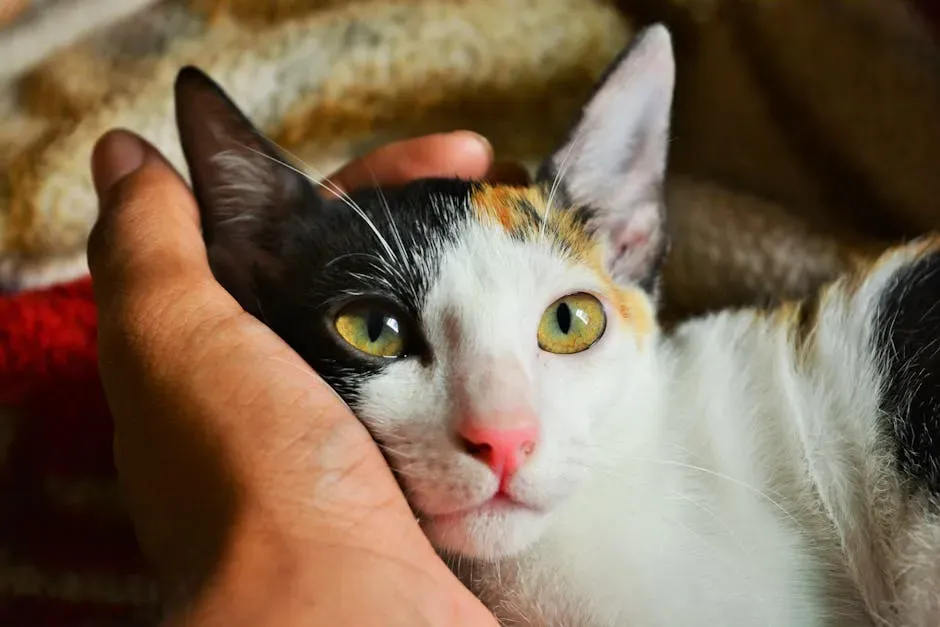
Your cat is not broken. They are not cold, indifferent, or secretly plotting against you (well, probably not that last one). What looks like “ignoring” is actually the result of thousands of years of evolutionary independence, a genuinely unique social style, and a communication system most owners simply haven’t been taught to decode.
Once you understand that your cat hears you, recognizes you, and yes, genuinely cares about you – just in a much more understated way than you might hope – everything starts to make sense. The slow blink from across the room means more than a dog bounding toward the door. The choice to nap three inches from your foot rather than on the other side of the house is a statement. It’s all there, if you know where to look.
So the next time your cat turns their back on you mid-conversation, take it as a compliment. They feel safe enough around you to not need to perform. What do you think – had you been reading your cat all wrong this whole time? Share your thoughts in the comments below.