There’s a long-running joke about cats that goes something like this: they don’t need you. They tolerate you. They’d replace you with a warmer lap given half the chance. It’s a funny image, and honestly, most cat owners have laughed along with it at some point. The problem? Science increasingly disagrees.
The truth is that your cat’s carefully constructed facade of indifference may be hiding something far more emotionally complex. Beneath all those slow blinks, dramatic naps, and sudden midnight zoomies lies a creature that is wired for connection in ways most people still haven’t fully understood. Let’s dive in.
The “Independent Cat” Myth Has Finally Been Challenged by Science
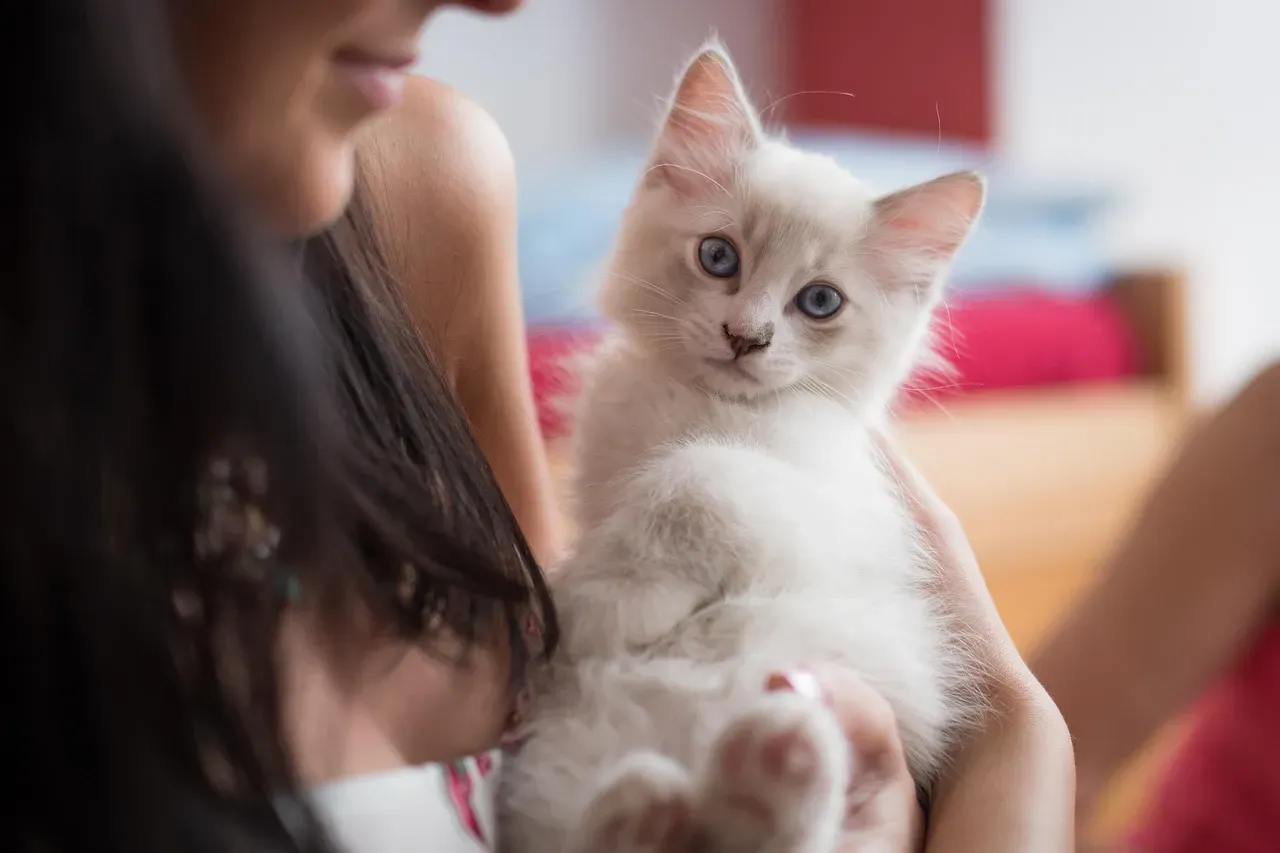
For decades, the dominant cultural story was simple: dogs love you, cats merely co-exist with you. It made for good memes. But it was never quite accurate. Despite fewer studies than those conducted on dogs, research suggests we may be underestimating cats’ socio-cognitive abilities, and evidence shows that cats display distinct attachment styles toward human caregivers. That’s a significant finding. It essentially repositions your cat from “aloof housemate” to something closer to a bonded companion.
Misunderstandings about the reasons for animal behavior can lead to negative welfare outcomes for the animal, and potentially distress for the owner, so it is important for owners to understand the latest science on animal behavior. In other words, what you believe about your cat’s independence literally shapes how you care for them. The myth isn’t just harmless. It has real consequences.
Your Cat Forms a Secure Bond With You, Much Like a Child With a Parent
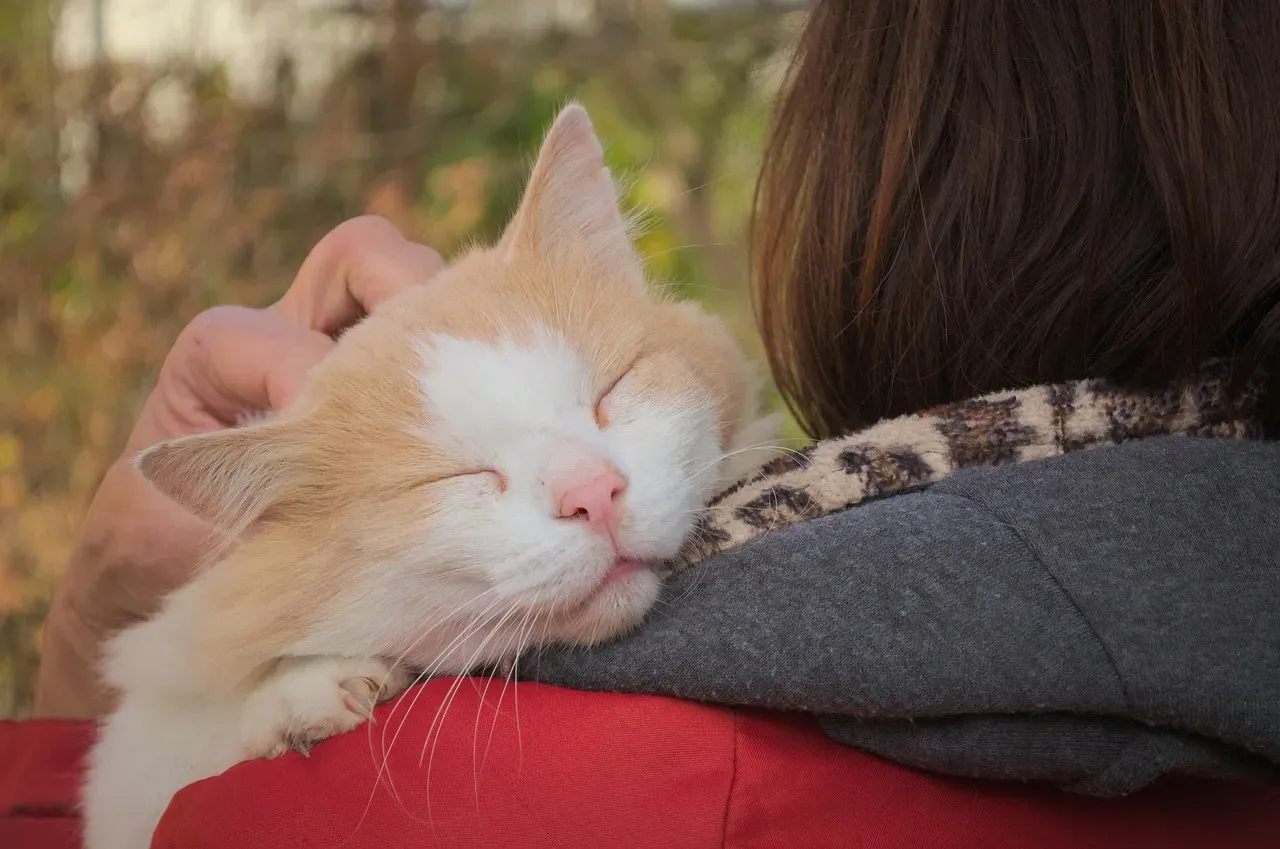
I know it sounds a little dramatic to compare your cat to a human infant, but the science actually goes there. A study of the way domestic cats respond to their caregivers suggests that their socio-cognitive abilities and the depth of their human attachments have been underestimated, showing that much like children and dogs, pet cats form secure and insecure bonds with their human caretakers. Think about that the next time you assume your cat doesn’t care whether you come home.
Pet cats form attachment bonds to human caretakers, forming secure attachments at roughly the same rate as has been observed in dog-human bonds and human infant-caregiver bonds. The parallel to parent-child bonding is not a loose metaphor. It is a measurable behavioral reality. That fluffy creature sitting across the room? They’re watching you, tracking you, and yes, caring about your presence more than you probably realize.
How Your Cat Actually Seeks Your Attention Every Single Day
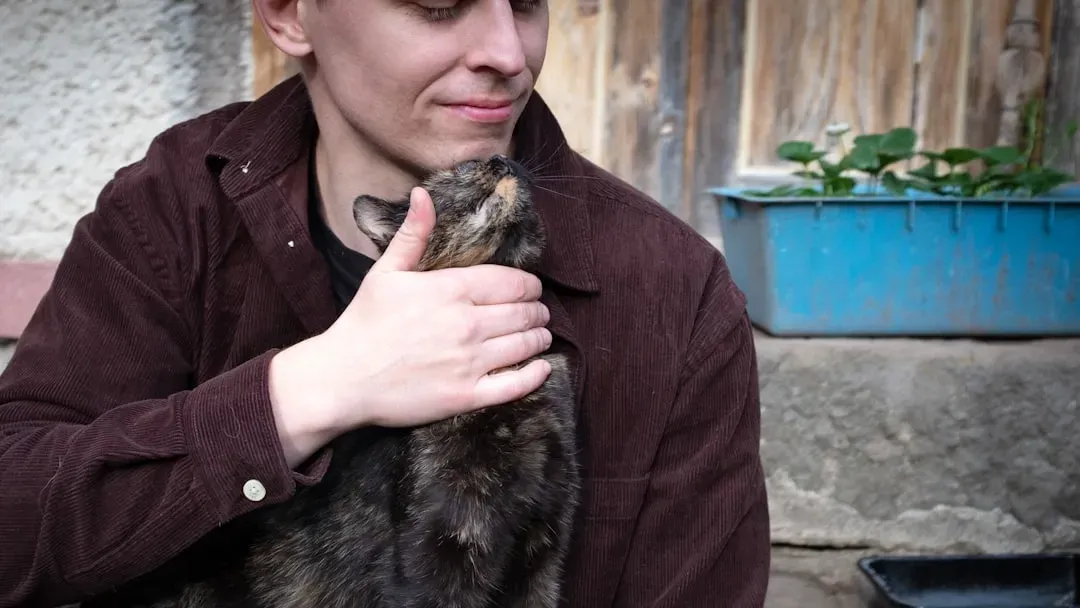
Cats are independent creatures, but do crave the love of their owners, and some are far more social than others. The way your cat expresses this craving, though, is often subtle enough to be easily missed. Your cat may start to get in the way and lay on whatever you’re working on. Some cats may enjoy the heat being emitted from a laptop, while others are positioning themselves in front of their owners to get some attention. Some cats may also start to follow you around when they want some attention.
That nudge with a cold nose against your elbow. The tail curling around your ankle as you stand in the kitchen. These aren’t random behaviors. Cats can express their affection or bond towards a human through body language and vocalizations, and common signs of affection include following a person around, grooming, meowing and purring, pawing and kneading. Your cat has a whole vocabulary for saying “I want you.” It just doesn’t sound like barking.
What Happens When Your Cat Doesn’t Get Enough Attention
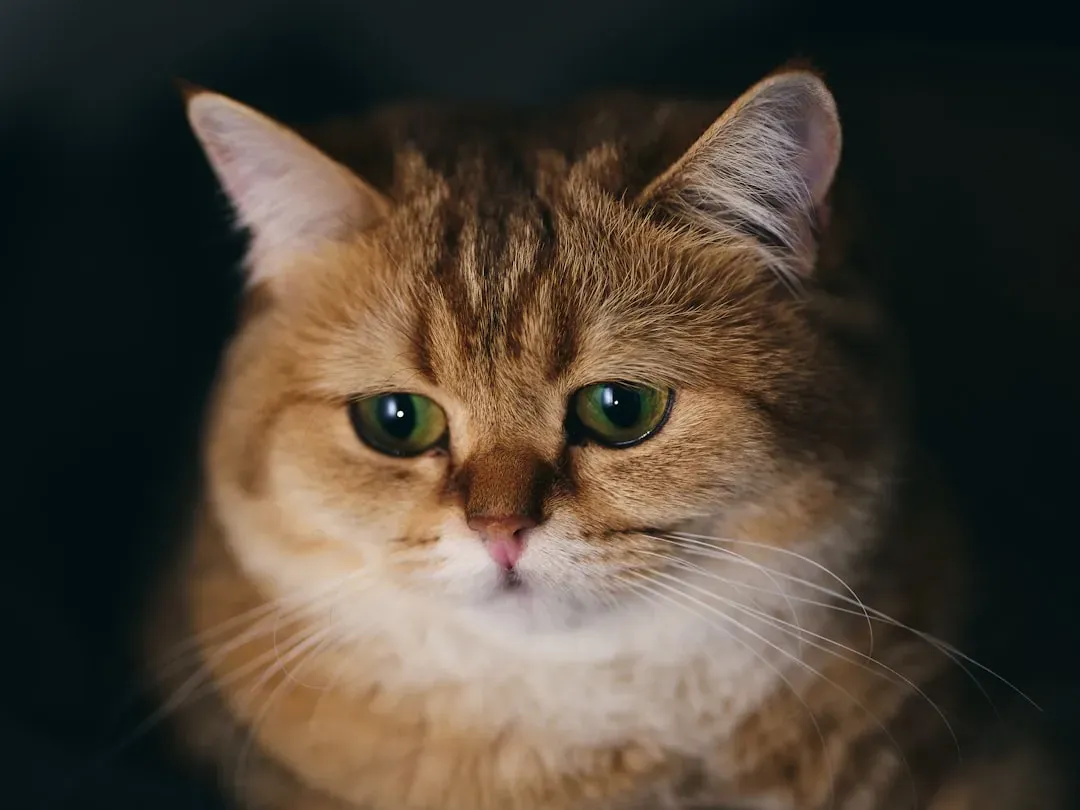
Here’s the thing that surprises most people. A lack of attention can lead to destructive behaviors, depression, and an overall lower quality of life. That scratched sofa you’ve been puzzling over? The knocked-over plant? The mysterious mess next to the litter box? These are not random acts of chaos. They are often distress signals.
In more severe cases, cats will start to engage in destructive behavior. Cats that aren’t receiving enough attention can have pent-up energy that they need to exert, and bored cats can start to destroy furniture or become more aggressive. Cats can start to overgroom themselves or engage in other repetitive behaviors, like scratching. Think of it like a pot of water left on a stove too long. The pressure has to go somewhere. If you’re not providing an outlet through attention and play, your cat will find one on their own terms.
Separation Anxiety Is Real in Cats, and You Might Be Missing the Signs
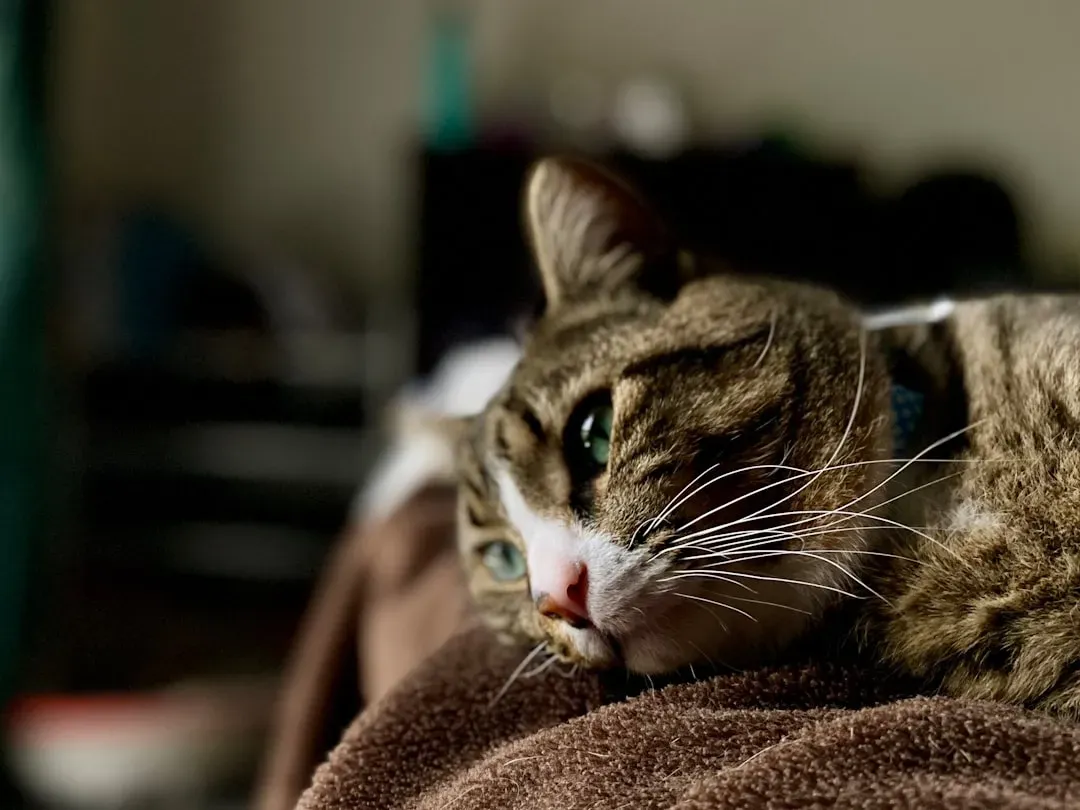
Most people think of separation anxiety as a dog problem. A very loud, very visible dog problem. But separation anxiety, a condition that occurs when symptoms of anxiety develop in a pet when they are separated from their owners or caregivers, is more commonly associated with dogs than cats, but this may be because signs of attachment and separation anxiety are more obvious in dogs. This condition does occur in cats, although symptoms of anxiety are often more subtle.
Cats who experience separation anxiety often show signs of stress such as vocalization or excessive meowing, inappropriate elimination, and excessive grooming. Separation anxiety is much less likely to be diagnosed in cats than in dogs, even though there is evidence to suggest that cats can suffer from this condition. In attachment tests, cats show almost identical search patterns, vocalizations, and other signs of separation distress to dogs upon an owner’s departure. That is not a small finding. Your cat’s quiet suffering simply doesn’t announce itself the way a howling Labrador’s does.
Science Reveals Your Cat Actually Tracks Where You Are in the House
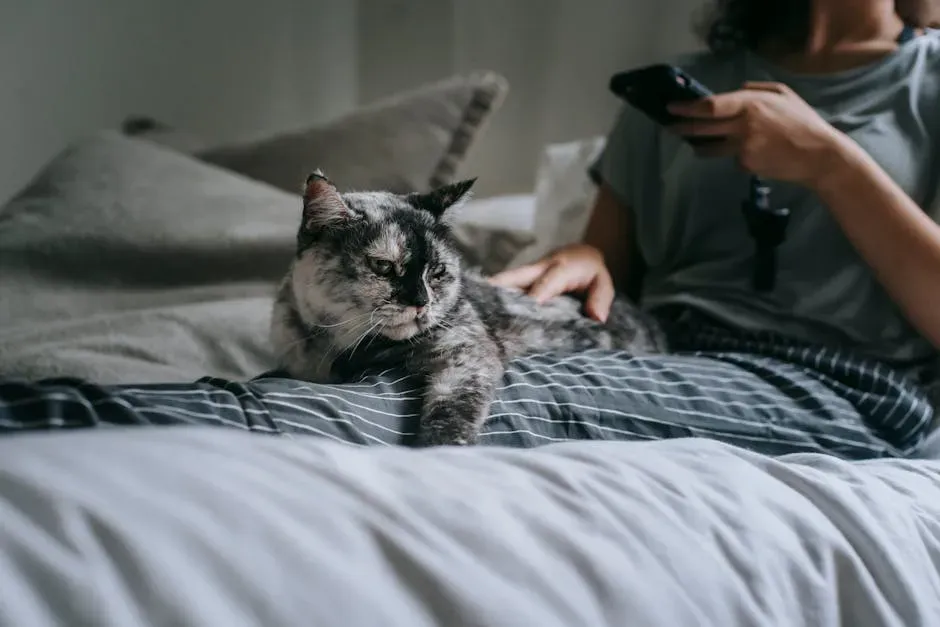
This one genuinely blew my mind when I first read about it. Recent research shows that cats regularly keep a mental tab on where their guardian is within the house. It’s a bit like having a silent roommate who is always quietly aware of your location. The difference is that your roommate can say “hey, where are you going?” Your cat simply acts on that awareness.
Research compared how much time cats sought proximity to an attentive human versus an inattentive human. Shelter and pet cats spent less than one fifth of the testing period interacting with an inattentive human, but on average spent over three-fifths of trial time seeking the proximity of the same human when the human was attentive. The implication is enormous: your engagement is not just welcomed, it’s actively sought out. Your cat isn’t passive about your attention. They are strategic about it.
Play Is Not Optional. It Is a Fundamental Welfare Need for Your Cat
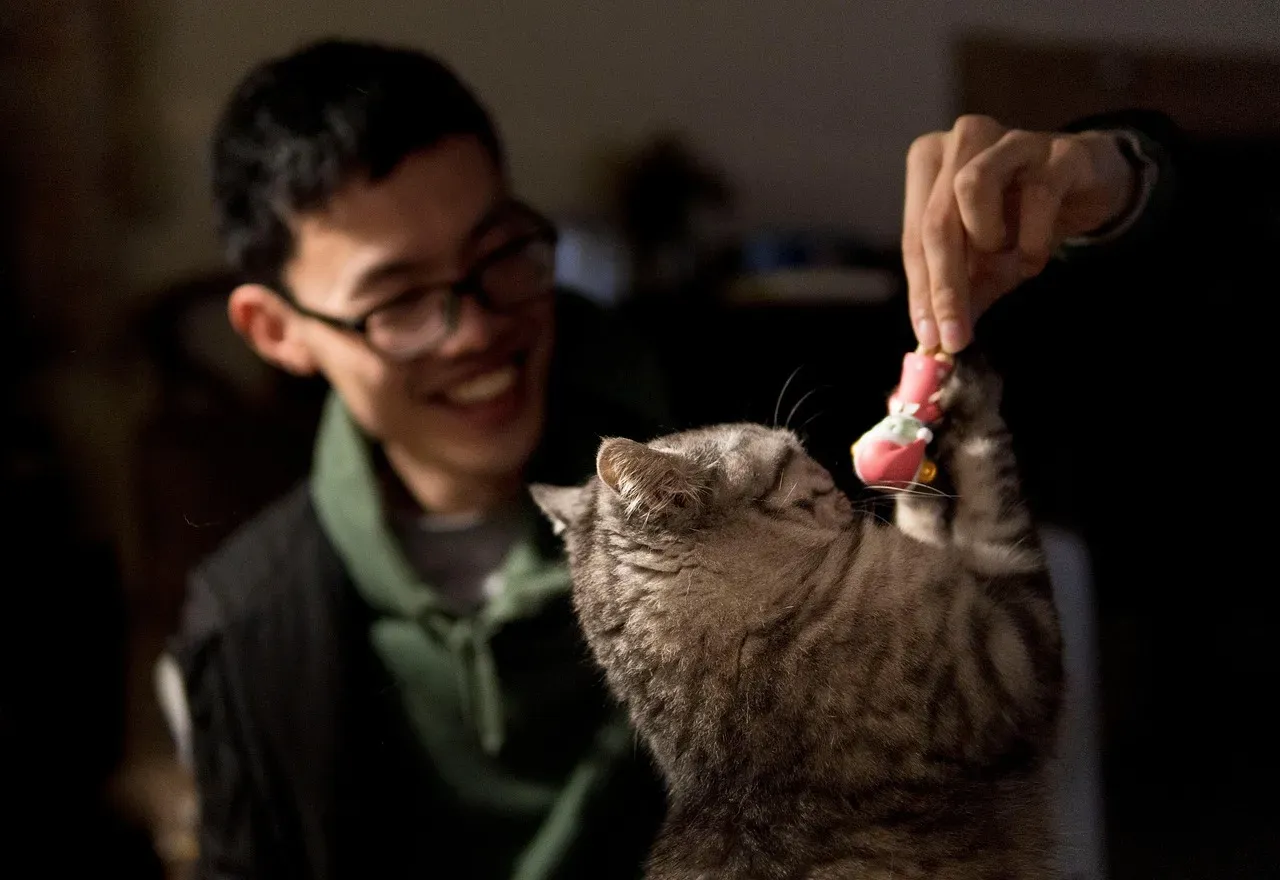
Although cats are popular pets and often viewed as family members, many cat owners fail to meet their welfare needs. This failure may occur due to several factors, including a lack of awareness and education, a lack of time or interest, and not prioritising the welfare needs of a companion animal due to competing motivations. Play is one of the most direct ways to close that gap. It’s not just cute or fun. It is essential.
Higher cat playfulness scores and a greater number of games played were significantly associated with higher cat quality of life scores, while longer amounts of daily play, greater number of games, and both cat and guardian initiating play were all significantly associated with higher cat-guardian relationship scores. The research is essentially telling you that the more you play with your cat, the better their life gets. Not marginally better. Measurably, significantly better. Aim for a couple of play sessions a day, lasting no more than 10 minutes, or alternatively, shorter and more frequent sessions.
The Chemistry of Bonding: Oxytocin, Purring, and What Your Cat Does to Your Brain
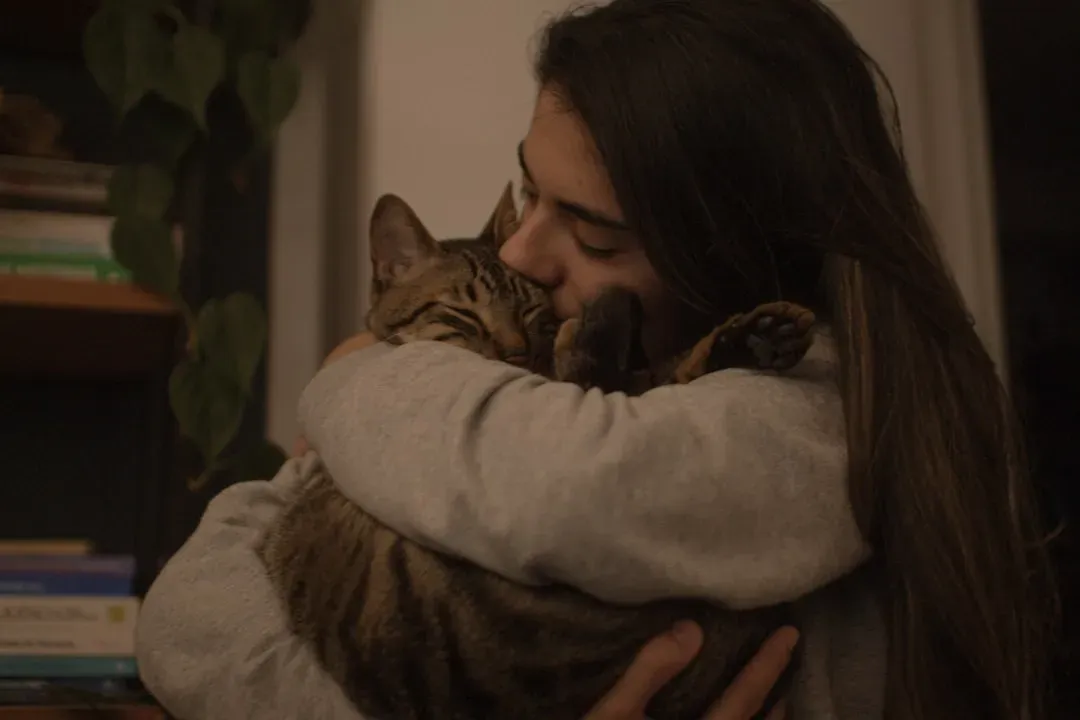
Let’s be real, the science of bonding chemicals sounds like something reserved for romantic relationships or new parenthood. But it turns out the human-cat connection triggers real neurochemical changes too. Researchers monitored oxytocin in cats during 15 minutes of play and cuddling at home with their owner. Securely attached cats who initiated contact such as lap-sitting or nudging showed an oxytocin surge, and the more time they spent close to their humans, the greater the boost.
The low-frequency rumble of a cat’s purr has been linked not only to healing in cats themselves, but also to calming effects in humans. Listening to purring can lower heart rate and blood pressure. The companionship of a cat, reinforced by all those little oxytocin boosts from daily interactions, can serve as a buffer against anxiety and depression. So the next time you feel calmer after a session on the sofa with your purring cat, that’s not imaginary. That is biology doing exactly what it was designed to do.
Practical Ways You Can Show Up for Your Cat Today
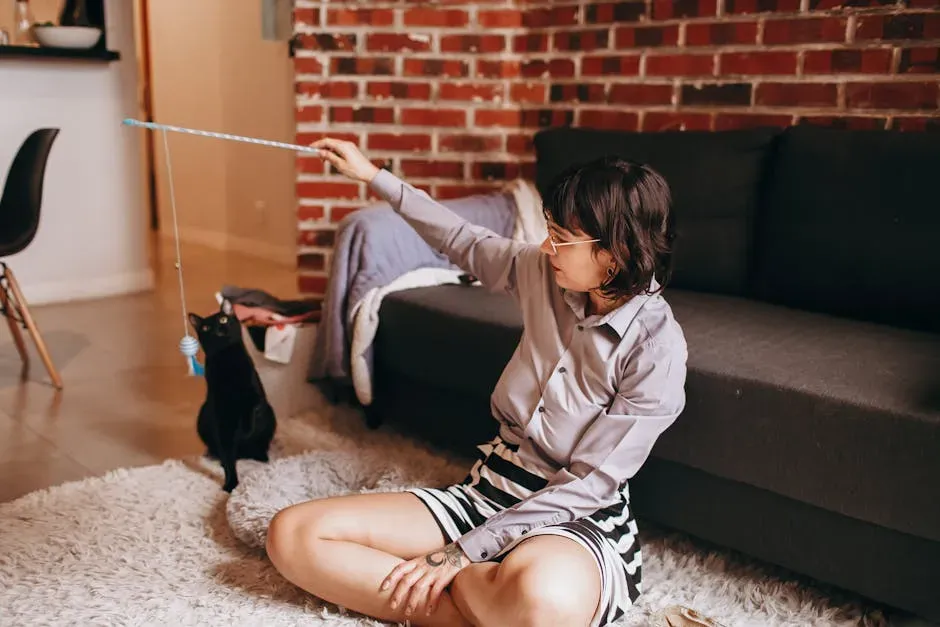
You don’t need to overhaul your life to give your cat more of what they need. Small, consistent actions build the strongest bonds. Setting aside 10 minutes at least twice a day to focus on playing and interacting with your cat will strengthen your bond. That’s it. Twenty minutes total. Most people spend that much time scrolling before breakfast.
The more you play with your cat, the more they’ll associate fun and excitement with you and look forward to time together. Aim for a few short play sessions each day, choosing toys that mimic the hunting experience, like cat teasers and wand toys. Rotate the toys frequently so your cat doesn’t become bored. Beyond play, even simple presence counts. If you work from home, it may be helpful to set up a cat bed or resting area near your workstation. You can place a blanket, pillow, and some toys in this area to keep your cat happy and entertained. These types of setups allow your cat to enjoy your company without getting in the way of your work.
Conclusion
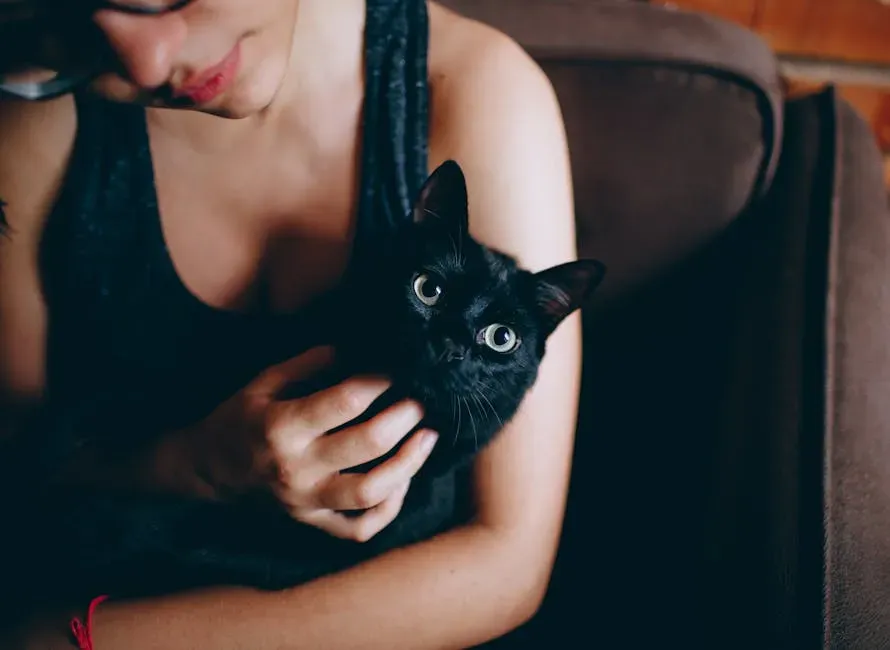
The idea that cats are loners who merely tolerate your presence is one of the most persistent and, honestly, most harmful misconceptions in the world of pet ownership. The science paints a very different picture, one of a deeply feeling, socially aware creature who forms real bonds, tracks your presence, and genuinely needs your attention to thrive. Spending time together will increase your bond, and you and your cat will share a mutual appreciation for each other as you give each other attention throughout the day.
Your cat isn’t asking you to change everything. They’re not asking for marathon cuddle sessions or constant baby talk. They’re asking for something far simpler: to be seen, engaged with, and not left to quietly struggle in the name of a myth about independence. The cat’s happiness and welfare depends on its human, and like any relationship, success takes work from both participants. The question is whether you’ll take that seriously, now that you know the truth. What kind of companion are you choosing to be?