You place a fresh bowl of food down, and your cat strolls over, takes one sniff, and walks away. No reaction. No apology. Just pure, dignified rejection. Sound familiar? If you’ve lived with a cat long enough, you’ve probably wondered whether your feline is genuinely “picky” or whether something deeper is going on.
Here’s the thing – calling a cat picky is almost too easy. It’s a label we slap on the behavior and then move on. The reality is far more fascinating, and honestly, more nuanced than you might expect. From evolutionary biology to early kittenhood memories, there are real, scientifically grounded reasons why your cat refuses certain foods. Let’s dive in.
Your Cat’s Nose Knows More Than You Think
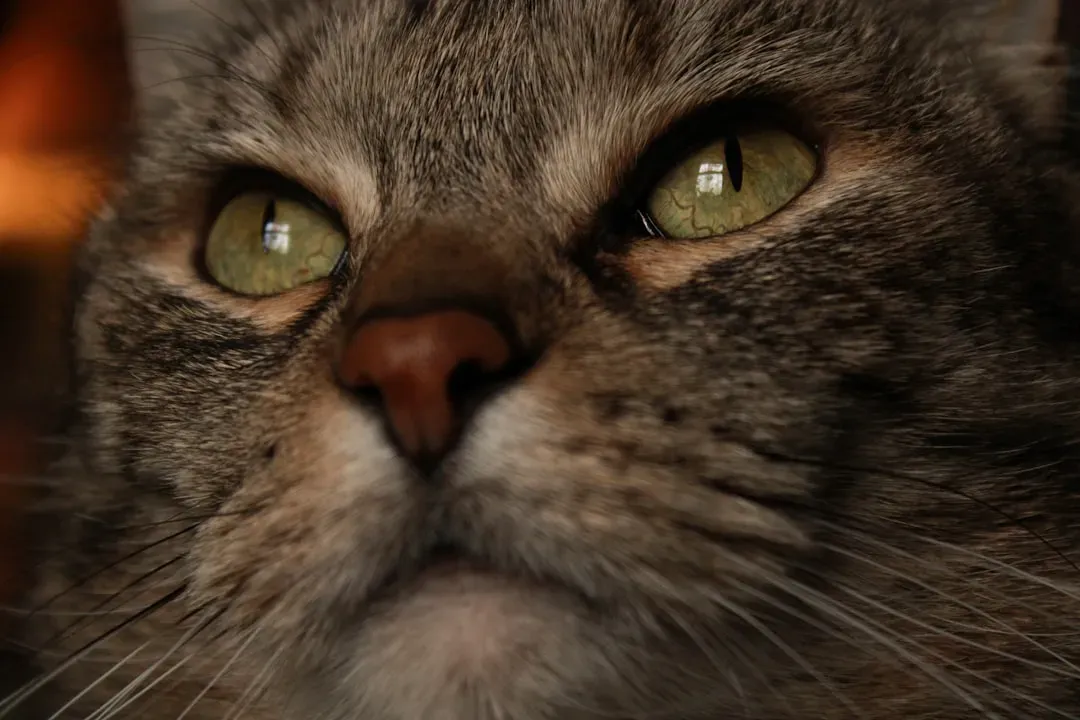
Before your cat ever takes a single bite, it smells the food. Thoroughly. Obsessively, even. Cats have a highly developed sense of smell, estimated to be about 14 times more sensitive than that of humans. That’s not a minor upgrade. That’s a completely different sensory reality. Think of it like this: when you smell a bowl of tuna, you notice it. When your cat smells it, they’re reading an entire story about freshness, protein content, and palatability.
Cats have about 200 million scent receptors in their noses, compared to roughly 5 million in humans. So when your cat turns down a perfectly good-looking bowl of food, it may have detected something the human nose would never catch. Cats have a strong sense of smell and can detect spoiled food that humans might miss. You think the food is fine. Your cat has already filed a complaint. Trust the nose.
The Biology Behind the Bowl: Cats Are Obligate Carnivores
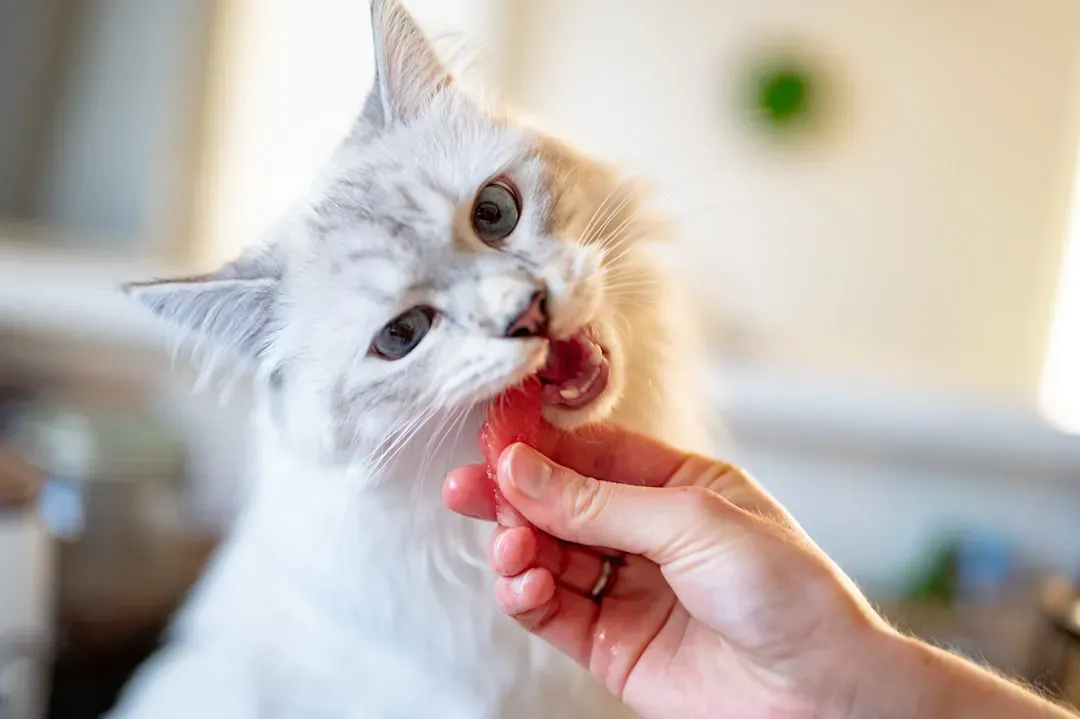
Whether wild or semi-domesticated, cats are high-protein eaters. Family cats are natural carnivores that have only adapted to being omnivores by eating the kibble they can readily cajole from humans. That biological baseline matters enormously when you’re trying to understand why your cat won’t touch certain foods. It’s not stubbornness. It’s deeply wired instinct.
Unlike many mammals that can taste sweet flavors, cats lack this ability. Their evolutionary path as obligate carnivores led to the loss of sweet taste sensitivity, focusing their palate on meat-related flavors instead. So when you try to impress your cat with a fruity treat or a carbohydrate-heavy snack, you’re essentially speaking a language they don’t have the hardware to understand. It’s not rudeness. It’s biology.
Texture Matters – More Than You’d Ever Guess
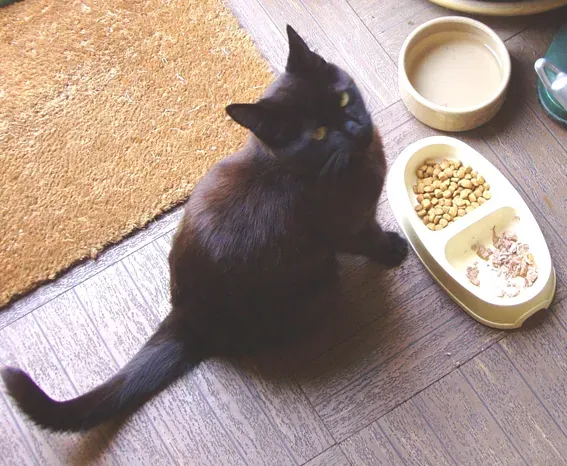
Here’s something most people overlook: cats don’t just taste food. They feel it in their mouths, and that experience matters just as much as flavor. It must smell and taste a certain way, the texture must feel right, and some will only eat their food either wet or dry. In addition to all this, the temperature of their food sometimes matters. Think of your cat as a food critic who reviews mouth-feel as seriously as taste.
Cats often prefer specific textures such as pate-like wet food mimicking fresh meat consistency over dry kibble with grain fillers. Temperature also influences palatability; many cats favor slightly warmed food resembling freshly caught prey warmth rather than cold canned options straight from refrigeration. Honestly, that’s not so unreasonable. Imagine being served cold, stiff leftovers every single day. You’d push the bowl away too.
The Imprinting Window: What Happened in Kittenhood Stays With Your Cat
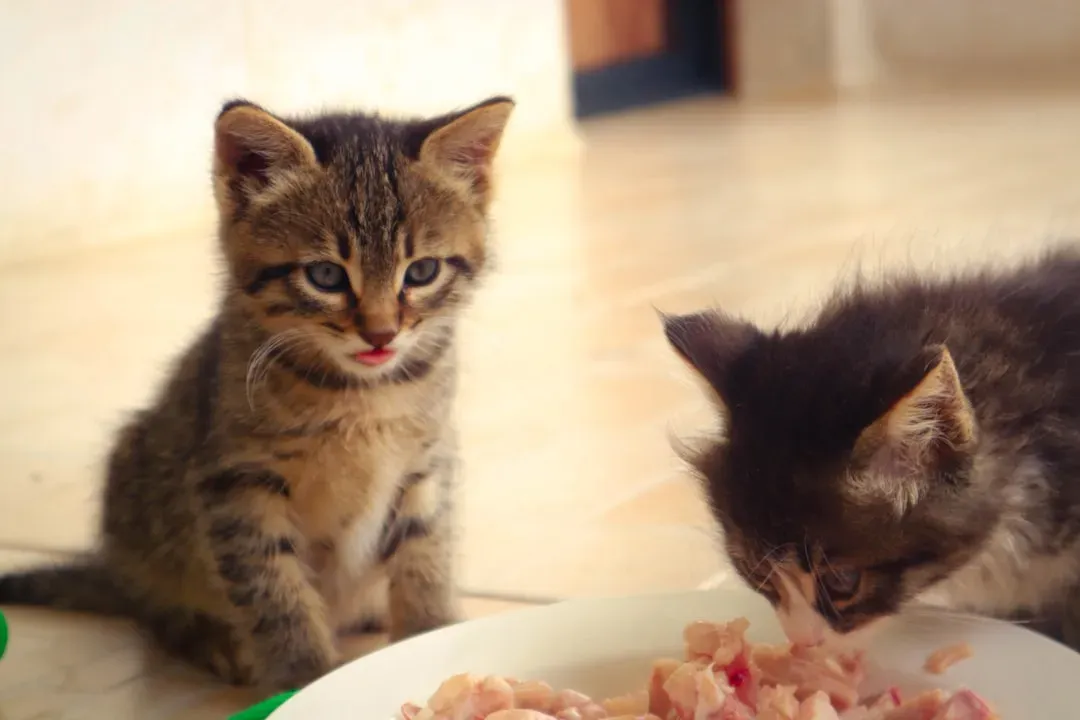
Like many other species, cats learn from their mother what is safe to eat at a very young age, and once they imprint on something, they develop a very strong preference for the taste, texture, and temperature of that food. This imprinting window is brief but powerful. This develops during weaning age, between 3 and 8 weeks old. What happened in those early weeks quietly shapes what your adult cat accepts or rejects for the rest of its life.
Kittens are imprint eaters during their early life, which means their early pet food experiences can shape their long-term eating habits. Offering a varied diet to expose kittens to different flavors and textures is crucial to preventing them from becoming picky. If your cat was exposed to a narrow range of foods during that window, you may now be living with the consequences. Kittens inherit much of their diet preferences from their mother, so the food their mother was eating during pregnancy and nursing will likely influence the type of food your kitten will eat. Nature gets there first, before you even bring them home.
Food Neophobia: When “New” Feels Dangerous
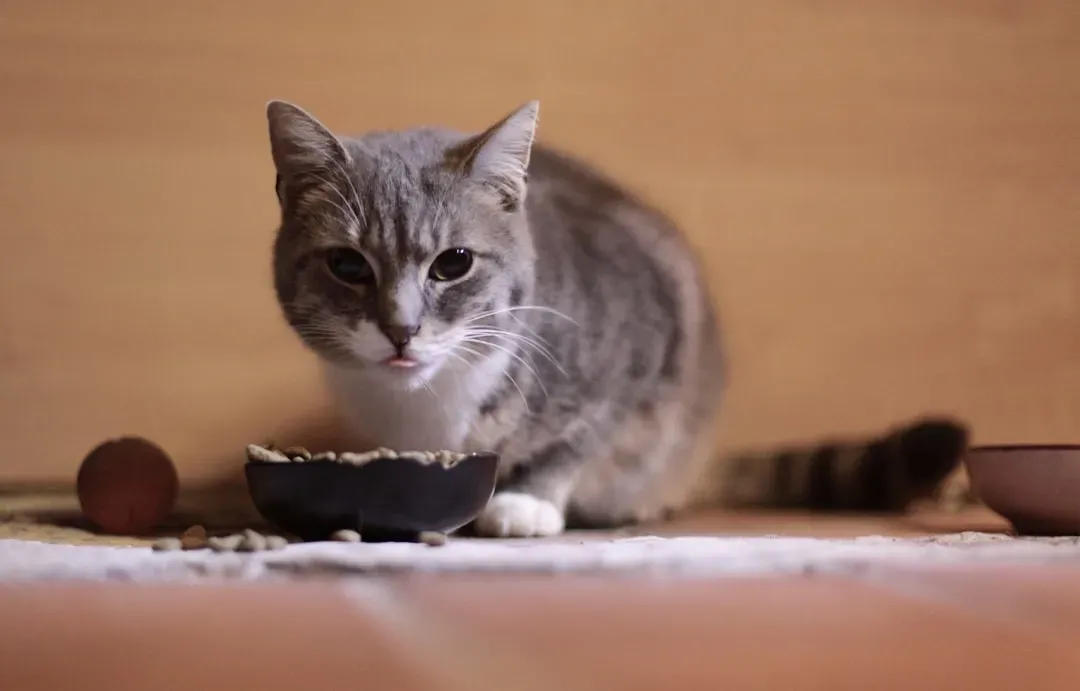
You’ve probably seen it. You introduce a shiny new brand of cat food, something your vet recommended or a flavor you thought sounded great. Your cat treats it like you’ve placed a threat in the bowl. Experts believe neophobia served an important purpose thousands of years ago, before cats became domesticated. In the wild, eating something new could be dangerous or even deadly for a cat. So that suspicious sniff and dramatic retreat? It’s ancient wisdom, not drama.
The majority of cats prefer to consume a variety of foods. Nevertheless, some cats will develop neophobic behavior, a dislike of unfamiliar things. Neophobic cats exhibit strong preferences likely influenced by early experiences and reinforced by owners feeding a continual diet. The more you feed your cat the same thing over and over, the stronger that preference locks in. This can cause problems if switching to a new diet is necessary, such as due to a long-term diet not being available or a need for a prescription diet. It’s a real challenge, especially when health issues demand a dietary change.
Food Aversion: When a Bad Memory Kills the Appetite
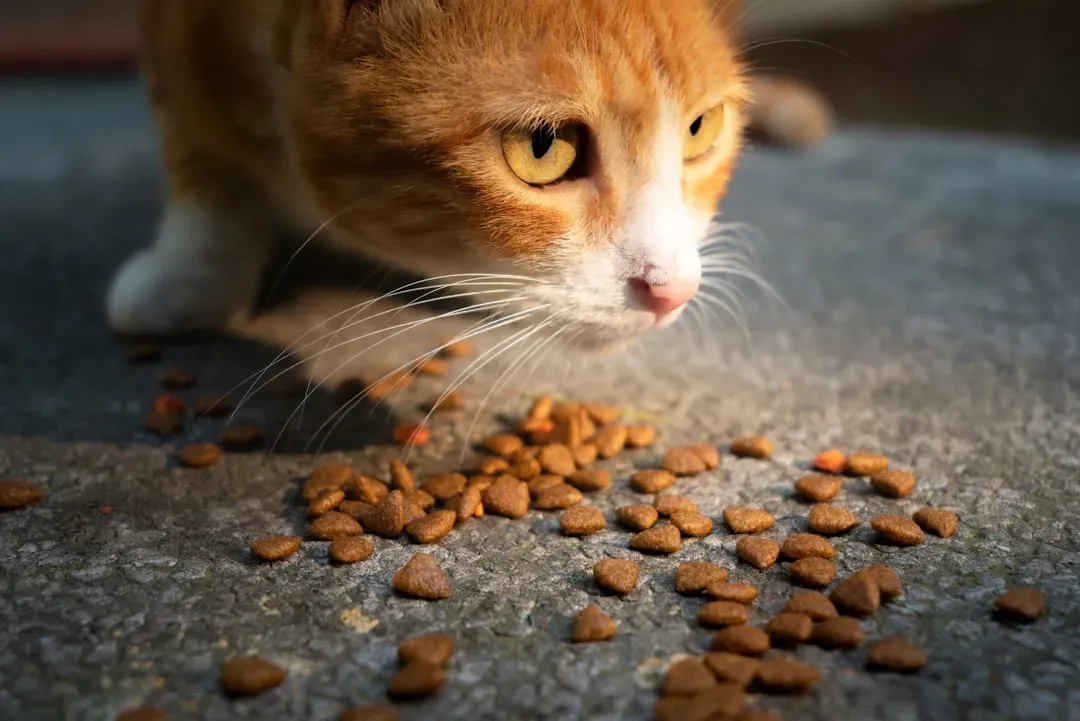
This one is particularly interesting, and I think it’s underappreciated by most cat owners. Food aversion is a situation in which cats develop a strong repulsion towards certain foods, usually associated with nausea, vomiting, gastrointestinal discomfort, or pain. Food aversion is a protective mechanism preventing a cat from eating spoiled food or eating the same diet in the future. So if your cat got sick once after eating a particular brand – even if the food wasn’t to blame – it may permanently associate that smell with feeling awful.
Even if the cat is not nauseous every day or if the nausea is treated with medication, the cat will still associate the food with nausea and refuse it until something new is offered. This is the main reason why cats with kidney disease have notoriously picky appetites. It’s a bit like associating a song with a breakup. Your brain ties the two together, and suddenly something that was once neutral becomes unbearable. Your cat’s food memory works the same way, just faster and more stubbornly.
Stress, Environment, and the Hidden Appetite Killer
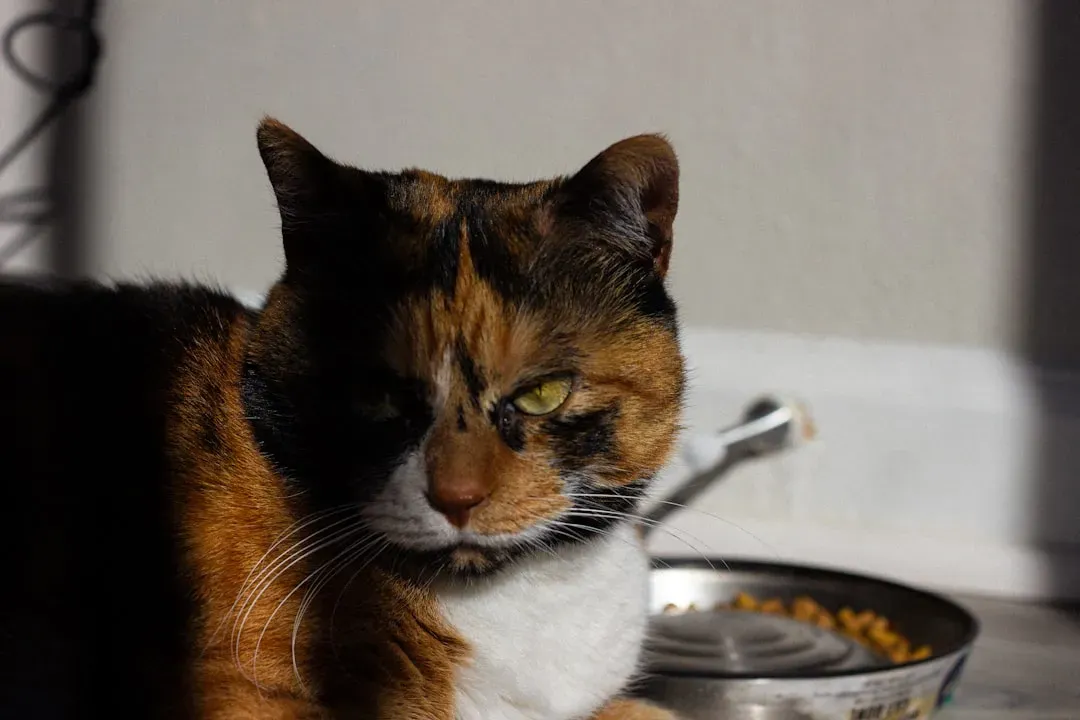
Your cat might not be rejecting the food at all. It might be rejecting the entire situation. Stress and anxiety can significantly impact a cat’s appetite. Changes in their environment, new pets, or even loud noises can trigger stress and lead to a loss of appetite. Think about where your cat’s food bowl lives. Is it near a loud refrigerator? Close to the litter box? In a high-traffic hallway?
Environmental stressors may make your cat unwilling to eat. These stressors include eating too close to other pets or in busy parts of the home. Stress, anxiety, and fear can alter a cat’s appetite, triggering either anorexia or sometimes overeating. So if you have a multi-cat household and one of your cats has been eating less, it might not be about the food at all. Eating near other cats can lead to anxiety accompanied by a range of behavioral consequences, including loss of appetite due to fear of proximity to an incompatible or unfamiliar cat. Location is everything.
The Whisker Fatigue Question: Fact, Fiction, or Somewhere In Between?
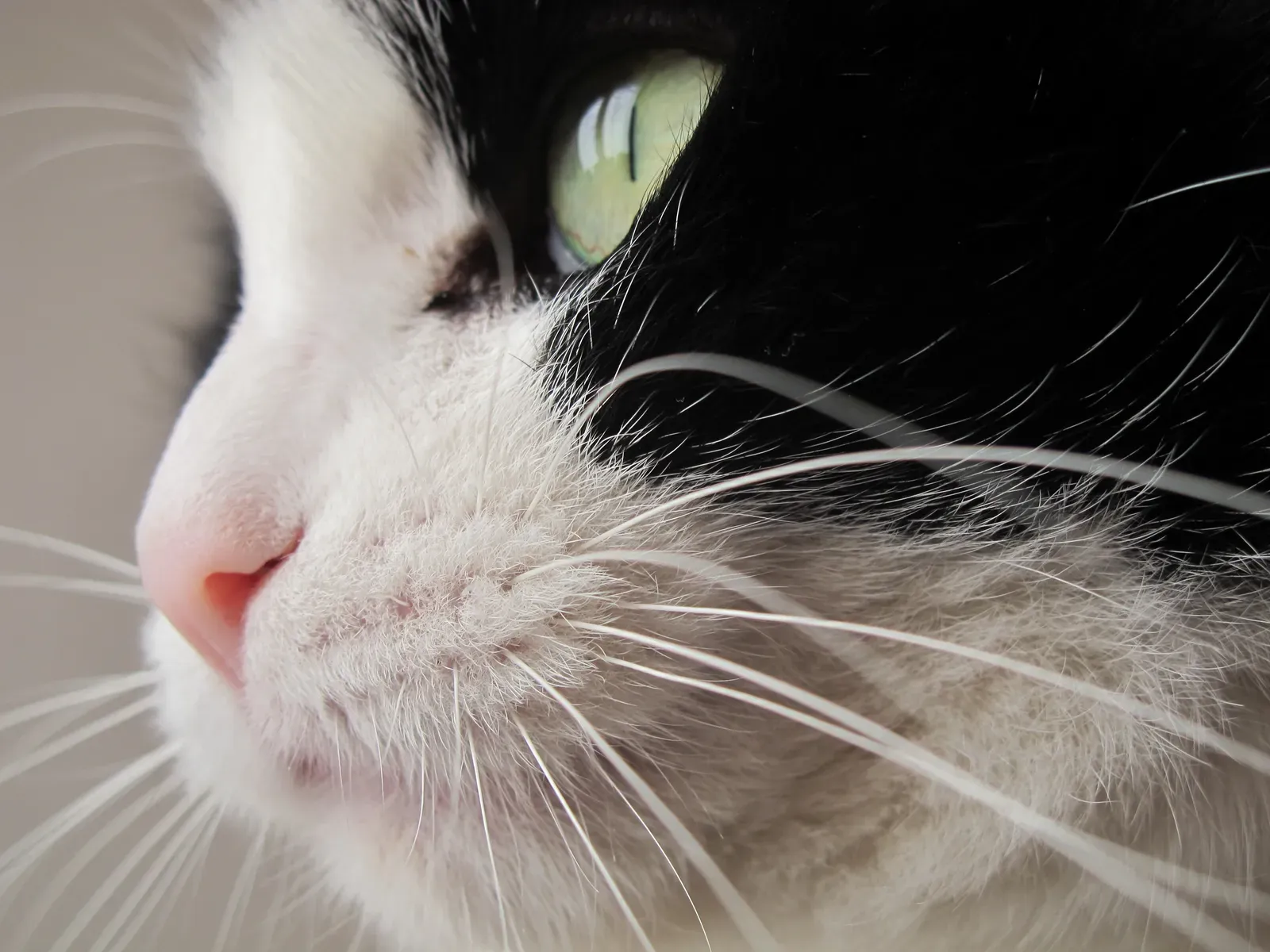
Let’s be real – this topic divides the cat-loving community. Whisker fatigue, also known as whisker stress, is a newly described phenomenon that refers to the overstimulation a cat experiences when their whiskers brush up against the sides of a narrow or deep bowl. Basically, it’s the feline equivalent of the sensory overload you may experience in a loud, crowded, chaotic environment. This unpleasant sensation can cause stress and discomfort, which can lead to cats not eating, or pawing at their food and spilling it onto the floor.
Most veterinarians doubt the existence of a syndrome known as “whisker fatigue,” but it is important that pet owners understand the structure and function of cat whiskers, and that they treat their cats’ whiskers with respect. And, yes, it is possible that some cats have particularly sensitive whiskers. The science is still catching up, but one thing is practical regardless of the debate: the solution for whisker fatigue is simple – replace your cat’s narrow, deep food and water bowls with something flat or wide and shallow so your cat’s whiskers don’t touch the sides of the dish. Low risk, potentially high reward. Worth trying.
When “Picky” Means Something Is Actually Wrong
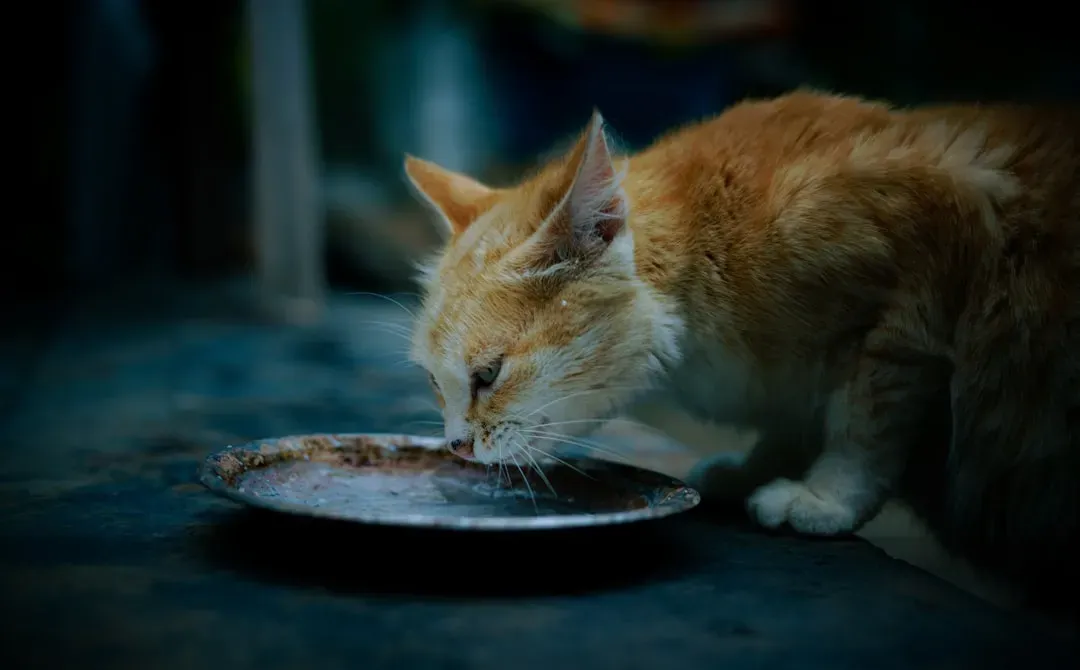
Sometimes, what looks like selective eating is your cat’s quiet way of telling you something is seriously off. Before your cat is deemed “picky” for their attitude towards food, an important first step is ruling out an underlying medical cause. Examples of medical conditions that may impact your cat’s appetite include dental disease. This condition can be painful and lead to a cat not wanting to eat. It’s hard to say for sure without a vet visit, but many cats with tooth pain start rejecting hard food or show hesitation before eating.
Cats cannot safely go without food for long periods. When they refuse food for more than 24 hours, they’re at risk of developing hepatic lipidosis, a dangerous liver condition. This is the part that deserves your attention most urgently. Elevations in kidney values, such as urea, can make your cat feel unwell and affect their appetite. So if your cat has gone from slightly fussy to refusing meals altogether, get them seen by a vet. Don’t wait it out and hope they’re just being dramatic. They may well need help.
Conclusion: Your Cat Is Communicating, Not Complaining
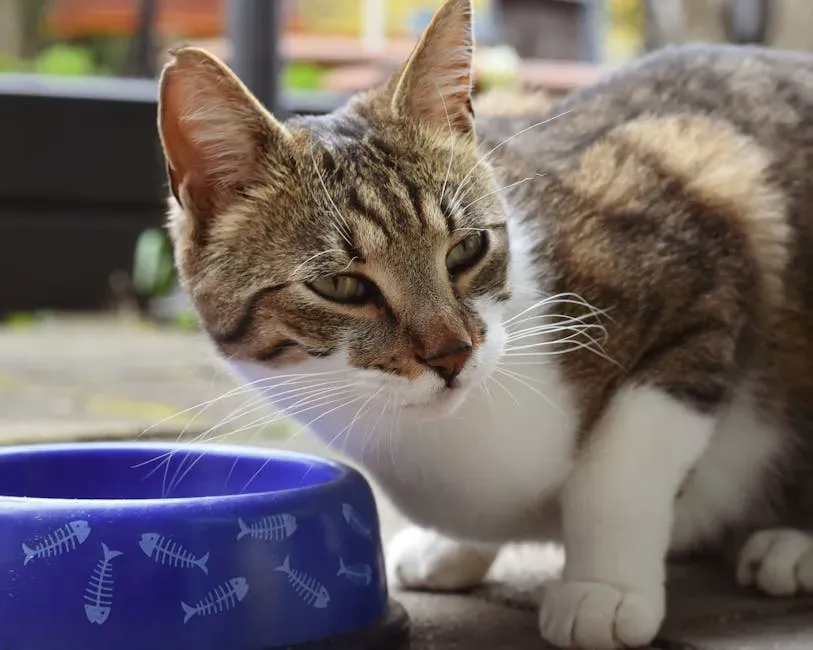
Every turned-up nose, every abandoned bowl, every dramatic walk-away from a meal you spent time preparing – these are all pieces of a language your cat is speaking. It’s not pickiness for the sake of it. It’s biology, memory, instinct, sensory sensitivity, and sometimes a sign that something deeper needs attention.
Understanding why your cat refuses certain foods doesn’t just make you a better pet owner. It deepens the relationship you have with an animal that is far more complex than its reputation suggests. The next time your cat rejects the food you’ve carefully chosen, resist the urge to label it as just being difficult. Ask instead: what is my cat actually trying to tell me?
What do you think about it? Have you cracked the code with your own feline? Share your experience in the comments.
Kristina is a young writer from India. An arts graduate and an avid content creator, Kristina is passionate about animals and wildlife. She enjoys exploring topics related to pet care, animal behavior, conservation, and nature, combining thorough research with engaging storytelling.