You lock eyes with your cat, and in that split second, they look away. Just like that. No drama, no explanation. You’re left wondering: did you do something wrong? Is your cat upset with you? Or are they simply… indifferent?
Here’s the twist. That little act of looking away might actually be one of the most meaningful things your cat does. Cats communicate in a language we’ve spent centuries trying to decode, and eye contact sits right at the heart of that mystery. What you think is rejection might actually be a deep, instinct-driven form of feline respect. Surprised? Let’s dive in.
It Goes Way Back: The Wild Instincts Behind the Avoidance
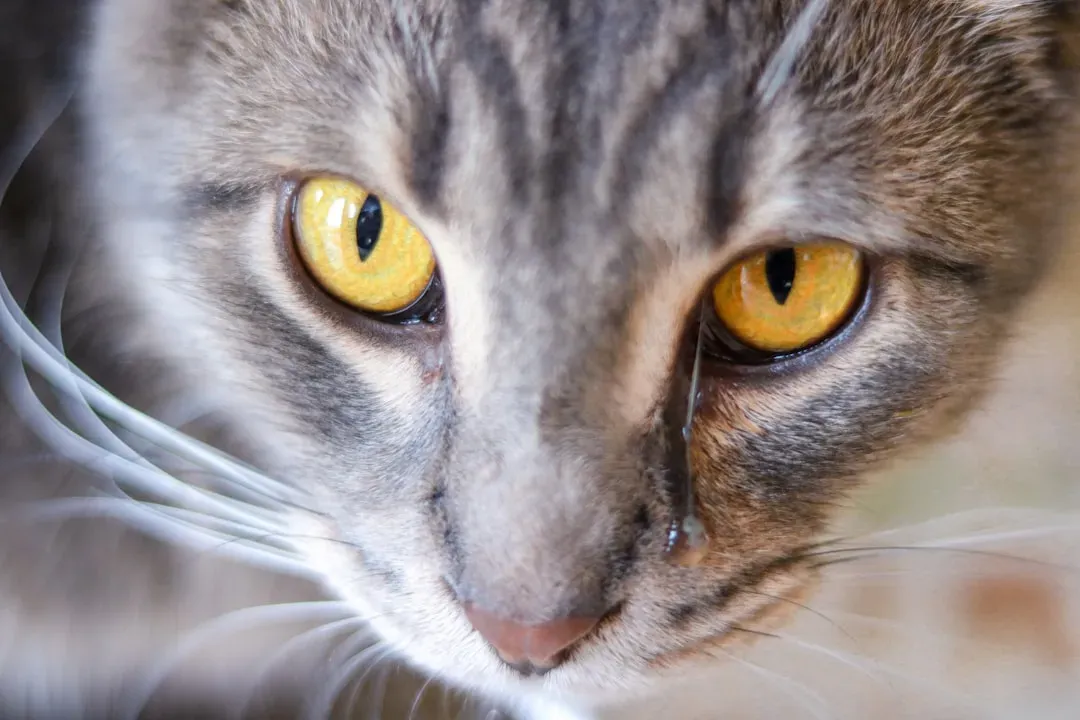
Cats are instinctively solitary hunters, and in the wild, direct eye contact can signify a challenge or a threat. Think of it like this: imagine you’re walking down a dark alley and a stranger locks eyes with you for just a little too long. Your guard goes up immediately. That’s almost exactly how your cat experiences a direct stare.
Cats’ eye contact behavior is rooted in their instinctual behavior as predators and prey. In the wild, direct eye contact can be dangerous for a predator, as it can alert their prey to their presence. Similarly, if a cat locks eyes with another cat, it can escalate into a fight or physical altercation. So cats have adapted to avoid direct eye contact to prevent conflict. It’s not personal. It’s survival, hardwired over thousands of years.
You’re Actually Being Given a Compliment
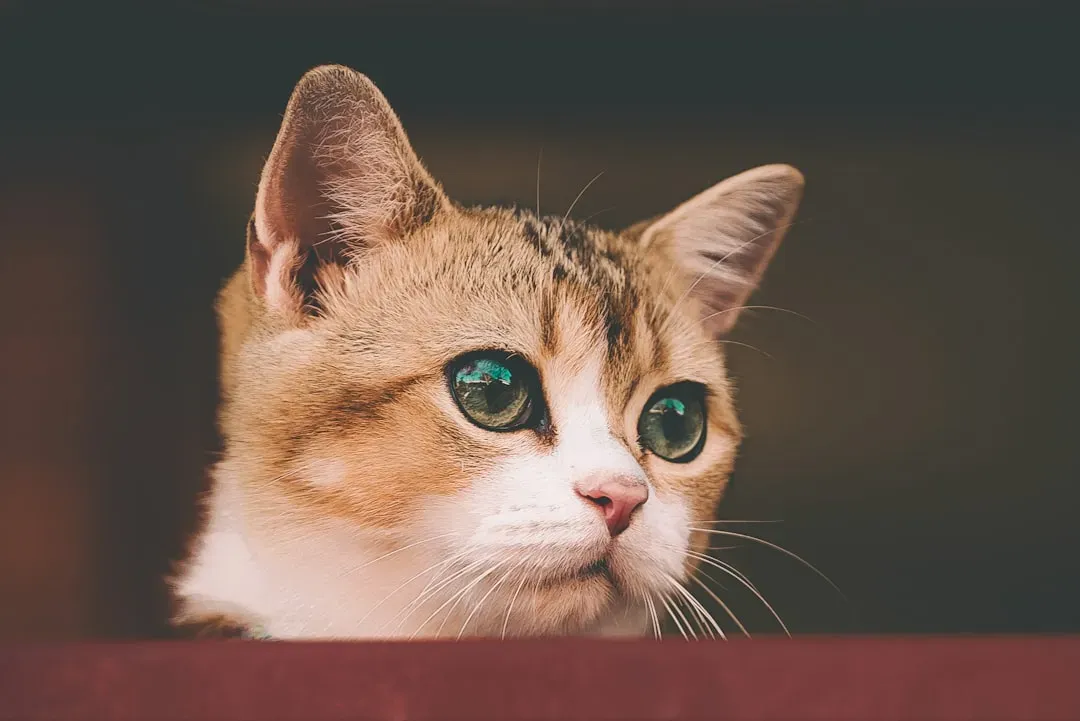
I know it sounds crazy, but when your cat looks away from you, they might be paying you the highest feline honor. While dogs might keep their gaze locked on you, cats often look away. This behavior isn’t rudeness; it’s a sign of trust and comfort. When your cat averts its eyes, it signals that they feel safe in your presence.
Cats often avoid eye contact as a natural behavior that can signal submission, trust, or an attempt to avoid perceived threats. So the next time your cat glances at you and then casually looks away, think of it as them saying, “You’re cool. I’m not worried about you.” That’s a bigger deal than most people realize.
Direct Eye Contact Reads as Aggression in Cat Language
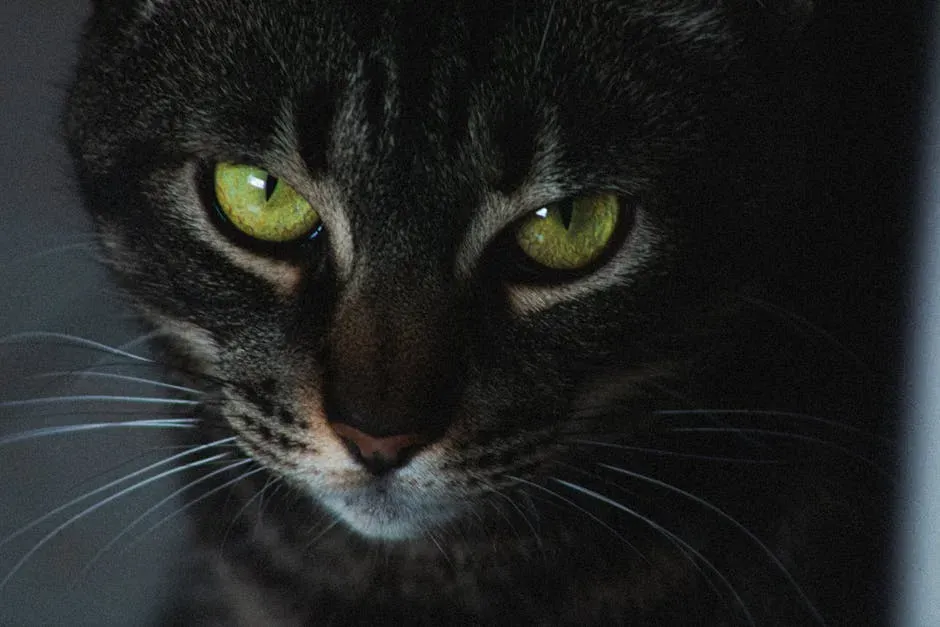
Here’s something that genuinely surprises most cat owners. Unlike humans, who may see direct eye gaze as a form of communication or connection, cats interpret such behavior differently. In the realm of feline interactions, direct eye contact is often seen as a sign of aggression or challenge. By avoiding eye contact, a cat is likely expressing its non-confrontational stance and also respecting the personal space of others.
A direct stare in feline parlance is threatening and confrontational. So when you lean forward, make eye contact, and try to “bond” with your cat, you might actually be doing the opposite of what you intend. You’re essentially speaking aggression in their language while you think you’re whispering affection. It’s a genuine communication gap between two very different species sharing a sofa.
Stress and Anxiety Can Shut Down Your Cat’s Gaze
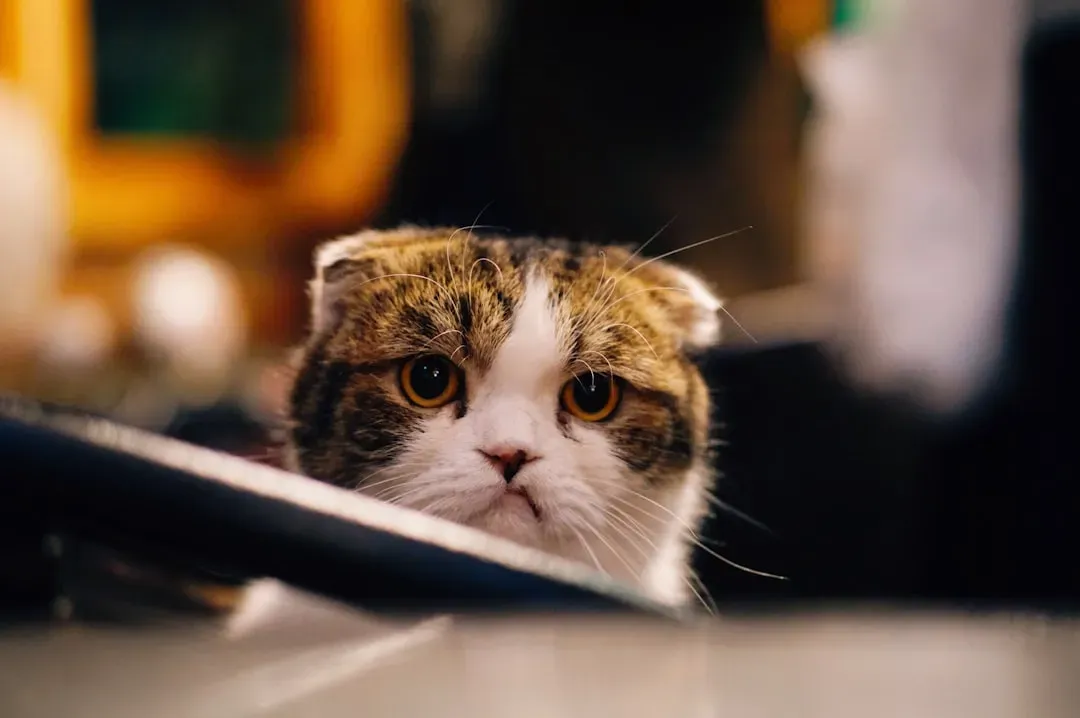
Another reason your cat may avoid eye contact is because they are feeling anxious or stressed. Cats are sensitive creatures, and they can easily become overwhelmed by too much stimulation or change in their environment. When a cat feels anxious, they may avoid eye contact as a way to cope with their emotions.
If this behavior accompanies other changes like hiding, reduced appetite, or changes in grooming, it might be worth monitoring more closely. In some cases, avoidance behavior could be due to stress, anxiety, or even pain. So it’s worth paying attention to the full picture. If your cat is suddenly looking away more than usual and also hiding under the bed or eating less, something deeper might be going on. Don’t just chalk it up to typical cat aloofness.
Your Cat Might Simply Be in Pain
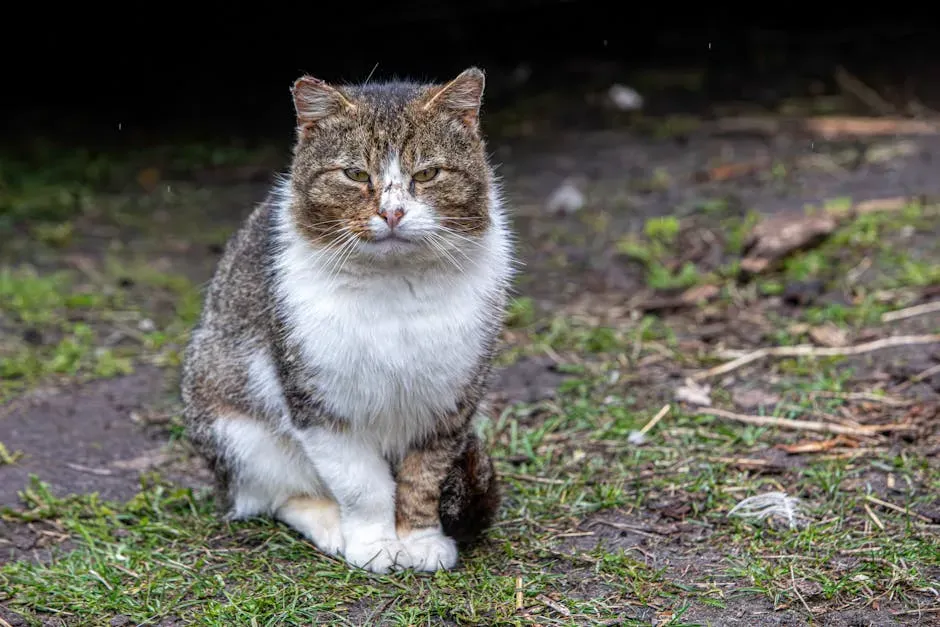
Some cats may also avoid eye contact because they are feeling unwell. Just like humans, cats can experience discomfort or pain that may make them less inclined to engage with others. If you notice that your cat is avoiding eye contact along with other symptoms like lethargy or decreased appetite, it’s important to take them to the vet for a check-up.
Cats wear a poker face when it comes to pain, but the eyes can be the tell for pain in the body or the eyes themselves. It’s honestly quite hard to spot pain in cats precisely because they’ve evolved to hide it. Predators in the wild who show weakness become targets. So your cat’s avoidance of eye contact, paired with subtle behavioral shifts, could be their quiet way of telling you something is wrong without ever making a sound.
The Slow Blink Is the Secret Language You Need to Learn
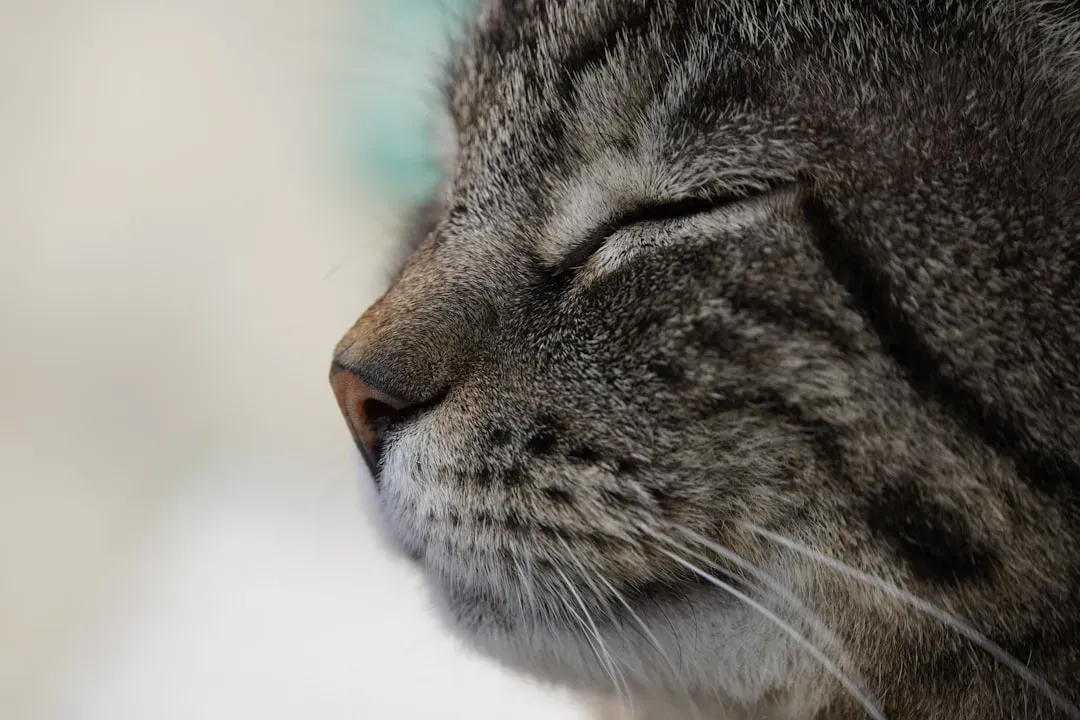
Slow blinking in a cat can indicate trust and affection. When a cat slowly closes its eyes in someone’s presence, it’s akin to a human smile, a sign they feel comfortable and safe. This action transforms eye contact from a potential threat into a moment of vulnerability and love.
Research published in Scientific Reports examines the communicatory significance of the slow blink sequence. Slow blink sequences typically involve a series of half-blinks followed by either a prolonged eye narrow or an eye closure. The study revealed that cat half-blinks and eye narrowing occurred more frequently in response to owners’ slow blink stimuli toward their cats. In other words, science has confirmed what cat lovers suspected all along. Try it tonight: sit near your cat, relax your face, and slowly close and open your eyes. You might just get a kitty kiss right back.
Personality Plays a Bigger Role Than You Think
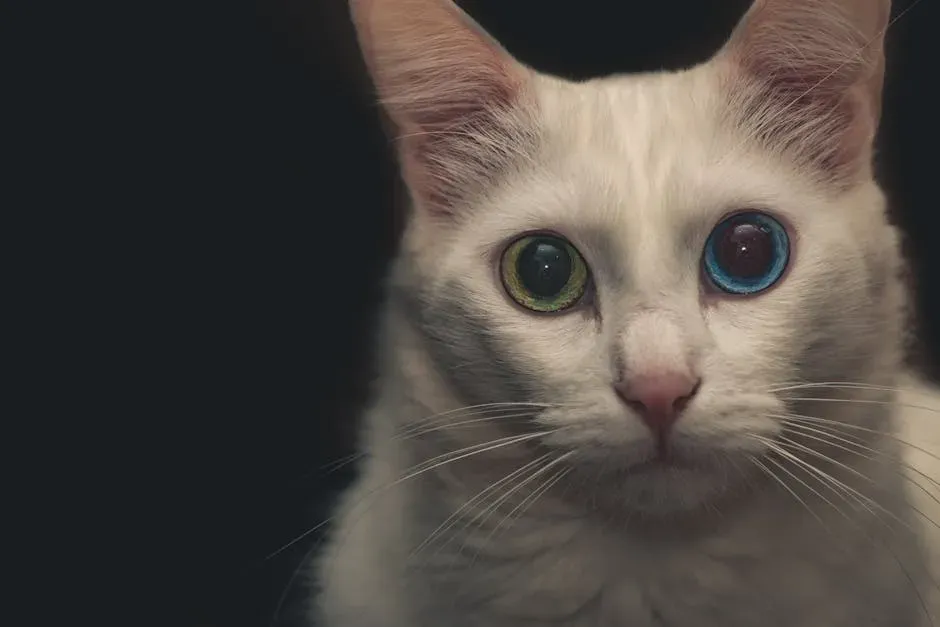
Let’s be real, not all cats are the same. Some cats don’t like any eye contact at all, while others don’t mind it, even from strangers. You’ve probably met that one extraordinarily bold cat who stares everyone down without a flicker of hesitation, and then there’s the shy tabby who won’t look anyone in the eye for months.
Interestingly, some cats may avoid eye contact simply because they are more independent or aloof in nature. While many cats are affectionate and enjoy human interaction, there are also cats who prefer to keep to themselves. Selective breeding has also influenced cat communication. Over time, humans have selectively bred cats for certain physical and behavioral traits. This has led to the development of different breeds with distinct personalities and communication styles. For example, the Siamese breed is known for being vocal and demanding, while the Persian breed is known for being more laid back and independent. Your cat’s breed, background, and individual temperament all shape how willing they are to hold your gaze.
Early Life Experiences Shape Your Cat’s Gaze for Life
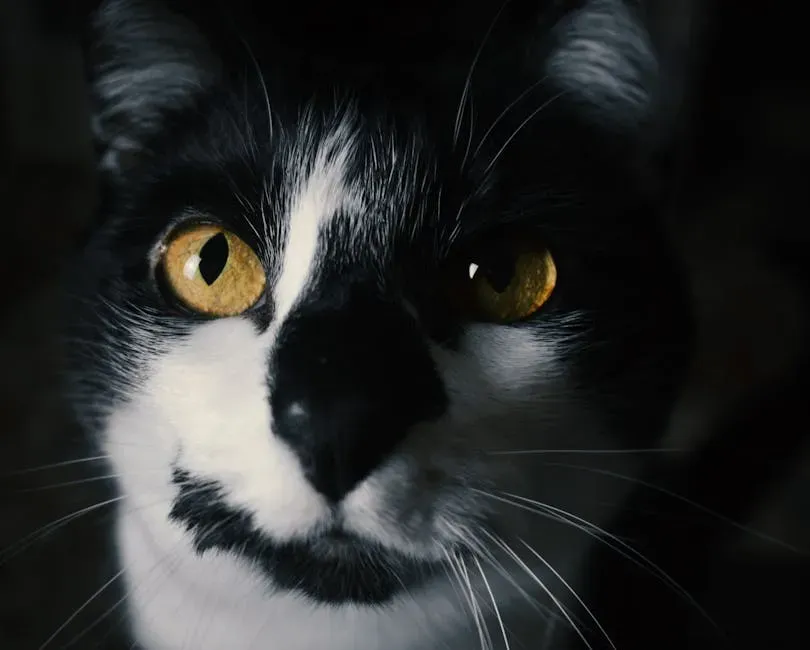
One important factor is the impact of early socialization on a cat’s behavior. Cats who were not properly socialized as kittens may struggle with making eye contact and trusting humans. Think of it like a child who grew up in a chaotic environment. The patterns formed in those earliest months become the default operating system for everything that follows.
Research has shown that cats may use eye contact as a way to communicate with humans differently than they do with other cats. A study published in Animal Cognition found that cats were more likely to use eye contact as a means of communication with their owners, particularly when they wanted food or attention. This suggests that cats may have adapted their eye contact behavior to better communicate with their human companions. Rescue cats or cats with difficult early histories may take significantly longer to feel comfortable enough to meet your eyes. Patience, not pressure, is the key.
Strangers Trigger the Avoidance Even More
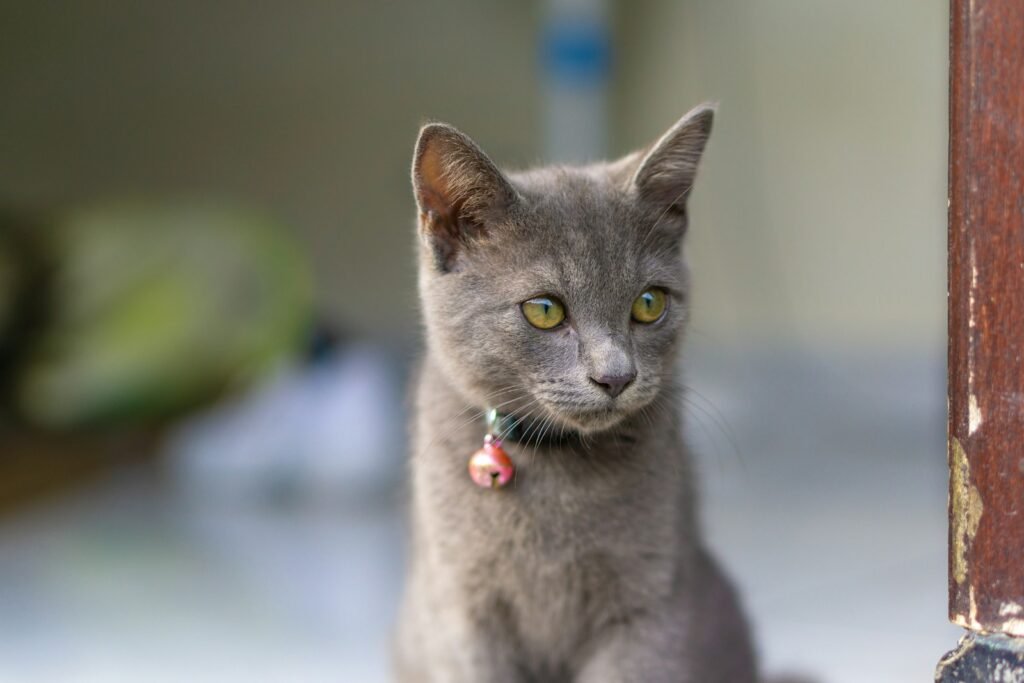
Ever noticed how your cat seems perfectly comfortable with you but bolts the moment company arrives? Many cats only make eye contact with one person, whomever they’re the closest to. If you have guests who try to look directly into your pet’s eyes, your cat will likely get up and run away.
Your cat’s behavior with people who stare provides one possible explanation for why cats often head toward the only person in the room who doesn’t like them, because that person is probably the only one who isn’t looking at the cat. This is one of the most delightfully ironic things about cats. The guest who crosses their arms and pointedly ignores the cat ends up with a furball on their lap. Meanwhile, the enthusiastic cat lover who leans in and makes eye contact gets completely ignored. Cats are predictably unpredictable.
How You Can Build Better Eye Contact with Your Cat
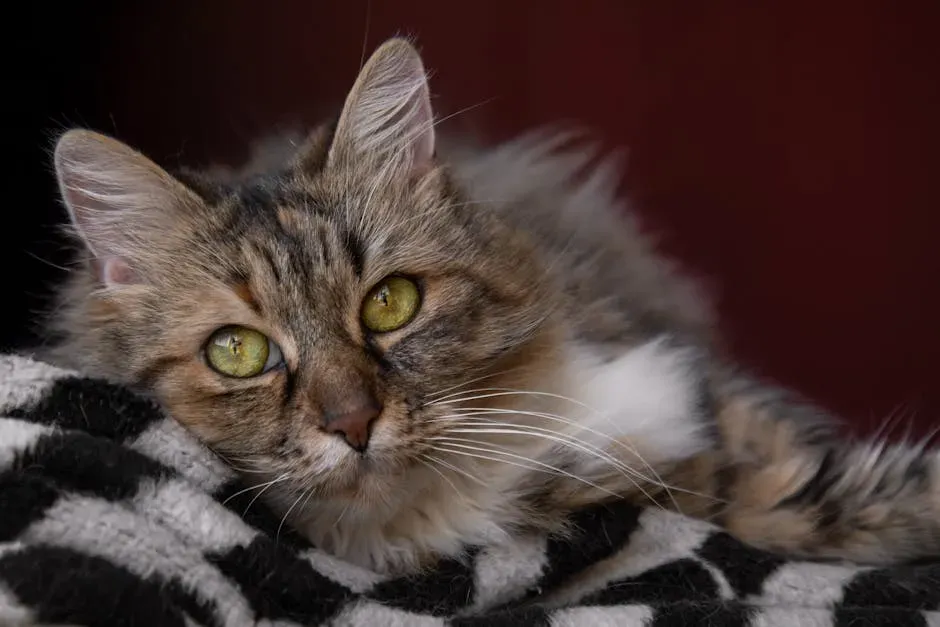
The good news is that you can absolutely improve your visual communication with your cat, it just takes a shift in approach. Instead of looking boldly at your cat, tap into feline body language to lock looks the way cats prefer: start unfocused, eyes half closed, and then blink slowly.
Respect your cat’s personal space and avoid forcing eye contact if they seem uncomfortable. Observe your cat’s body language and behavior to understand their emotional state better. Use positive reinforcement and rewards to encourage your cat to feel more confident and relaxed. You can help your cat feel more comfortable with eye contact by providing positive reinforcement, creating a calm environment, and respecting their personal space. Building trust and a strong bond with your cat can also help them feel more at ease. Small, consistent gestures of non-threatening communication accumulate into something real over time. Your cat is always watching, even when they pretend they’re not.
Conclusion
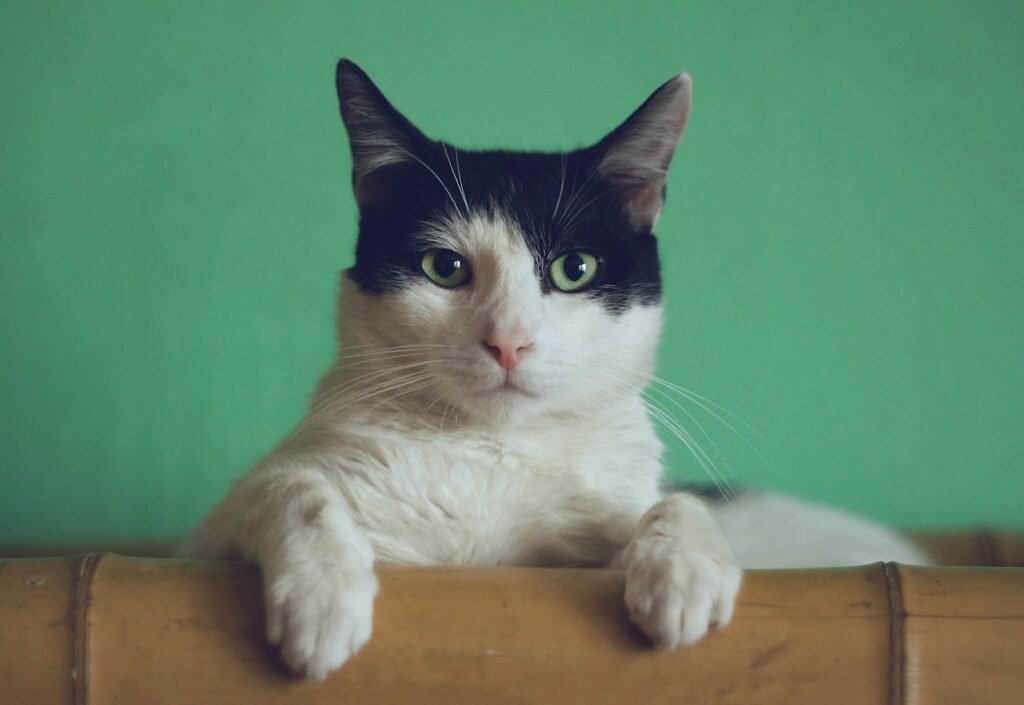
Your cat’s habit of looking away is one of the richest, most layered behaviors in the entire animal kingdom, and honestly, once you understand it, it changes everything. What looked like indifference turns out to be trust. What felt like rejection turns out to be peace. Cats rely heavily on body language to express their emotions and intentions. Subtle cues, such as the positioning of their ears, tail, and whiskers, play a significant role in how they communicate.
The next time your cat glances at you and quietly looks away, resist the urge to feel snubbed. Instead, try a slow blink. Soften your eyes. Let them lead. Because in the world of feline communication, the most loving thing you can do is simply stop staring. Understanding your cat’s gaze avoidance unveils a deeper bond between you and your feline friend. Recognizing their body language enhances your relationship and fosters trust, encouraging better interactions.
So here’s something to think about: how many of the signals your cat has been sending you every single day have you been misreading? What do you think? Share your experience in the comments below.
Kristina is a young writer from India. An arts graduate and an avid content creator, Kristina is passionate about animals and wildlife. She enjoys exploring topics related to pet care, animal behavior, conservation, and nature, combining thorough research with engaging storytelling.