You’re sitting on the couch, minding your own business, maybe watching something on TV, when your cat climbs onto your lap, locks eyes with you for a brief, deeply intense moment, and then starts rhythmically pressing their paws into your thighs like a tiny, furry bread maker. It’s equal parts adorable and slightly baffling. What on earth are they doing, and why does it happen so often?
Honestly, this behavior has puzzled cat owners for as long as people have kept cats. The good news is that science and animal behavior research have given us some genuinely fascinating answers. There’s a lot more going on behind those tiny, relentless paws than you might expect. Let’s dive in.
What Exactly Is Kneading, and What Does It Look Like?
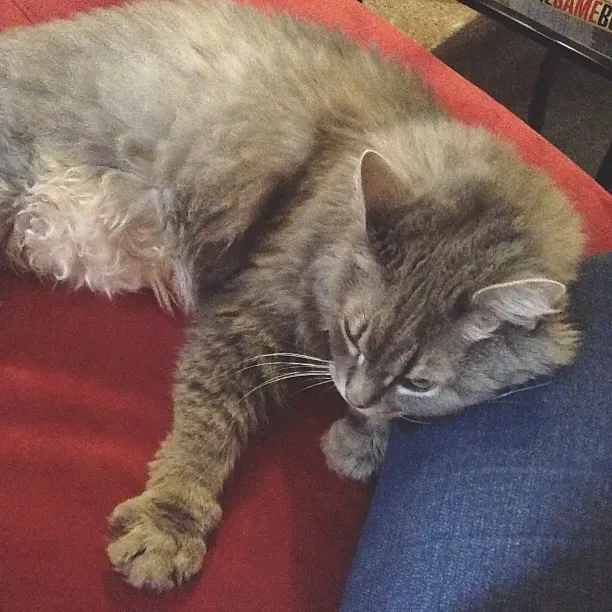
If you’ve ever watched your cat do it, you already have a vivid picture. Kneading, often referred to as “making biscuits,” is a behavior frequently observed in domestic cats where, when a cat feels at ease, it may push out and pull in its front paws against a surface such as furniture or carpet, or against another pet or human, often alternating between right and left limbs. It really does look exactly like someone kneading dough, which is why the nickname stuck so well.
Your cat exerts firm downward pressure with its paw, opening its toes to expose its claws, then closes its claws as it lifts its paw. This process takes place with alternate paws at intervals of one to two seconds. Some cats purr loudly throughout the whole thing. Others do it silently, with an almost zen-like focus. Some will purr really loudly, while others may do it quietly; some may do it with just their front paws, whereas some will put their all into it and use all four.
It All Starts in Kittenhood – And That’s the Key
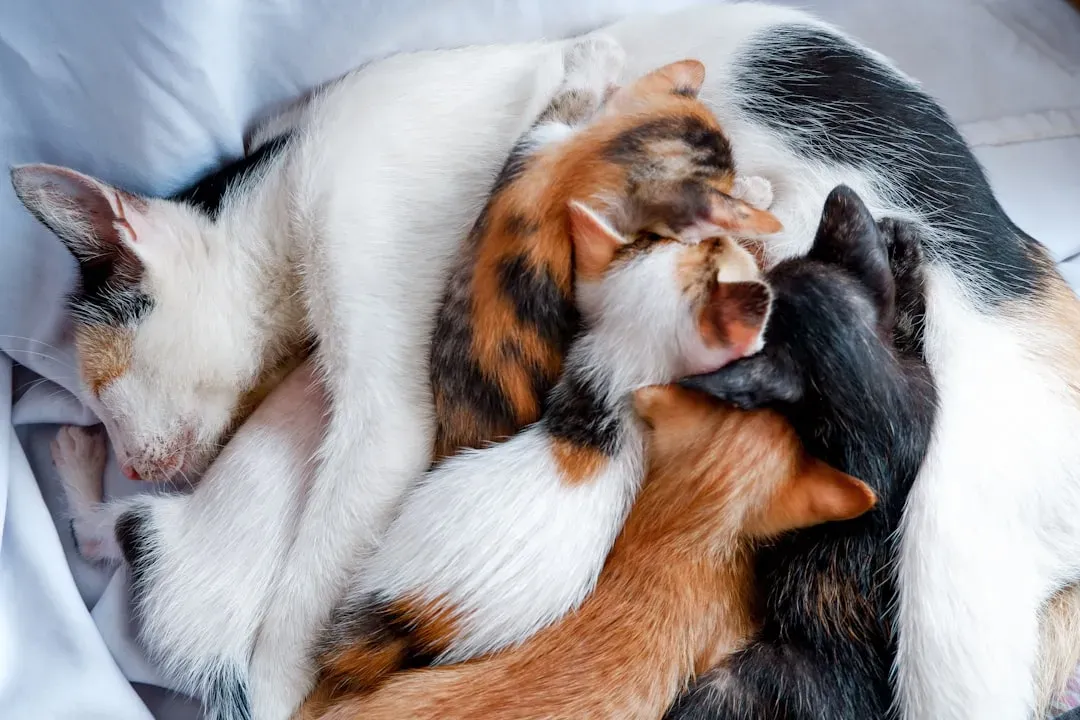
Here’s something that might genuinely surprise you. Kneading originates from kittenhood, when kittens press their paws against their mother’s belly to stimulate milk flow. This comforting behavior often persists into adulthood, associated with feelings of security and contentment. Think about that for a second. Your grown cat, possibly years old, is essentially reliving one of the first and most profound experiences of its life every time it presses those paws into your lap.
The kitten’s very first act of kneading is promptly rewarded with warmth, comfort, and life-giving milk. This creates a primal feedback loop that many cats carry with them into adulthood. It’s a bit like how certain smells can instantly take you back to your grandmother’s kitchen. For your cat, the motion itself carries the emotional memory of being completely safe, warm, and nourished.
Your Cat’s Brain Gets a Dopamine Hit Every Single Time
Let’s talk science for a moment, because this part is genuinely cool. Kneading in cats triggers the release of dopamine, a neurotransmitter associated with pleasure and reward. This behavior, often beginning in kittenhood, is instinctive and tied to the comfort of nursing. As kittens knead their mother’s belly, dopamine is released, enhancing feelings of contentment and security. So every time your cat kneads, their brain is essentially hitting a natural reward button.
This physiological response persists into adulthood, meaning that when adult cats knead, they are re-experiencing those early comforting sensations. Thus, kneading not only marks territory or stretches muscles but also psychologically reinforces feelings of safety and affection through dopamine release. In other words, your cat isn’t just doing this out of habit. It actually feels chemically, biologically good to them. No wonder they do it so often.
You Are Being Claimed – And That’s Actually a Compliment
Here’s something that might make you look at your cat a little differently. Some believe that kneading is actually one of the many ways felines mark spaces, furniture, and people as “theirs,” and the science backs this up. As it turns out, cats have scent glands tucked between their toes that are stimulated by kneading movements. So the next time your cat kneads you or the things around your home, they could just be saying, “this is all mine!”
Cats have scent glands located in the smooth pads of their paws, and by kneading, they release pheromones onto the surface they’re pressing against. These pheromones function as an aroma marker, letting other cats know that the area is claimed and helping create a sense of familiarity and security for the kneading cat. Think of it like your cat quietly stamping their personal signature on you. It’s territorial, sure, but it’s also oddly intimate. You’ve been chosen.
Kneading You Is a Sign of Deep Trust and Affection
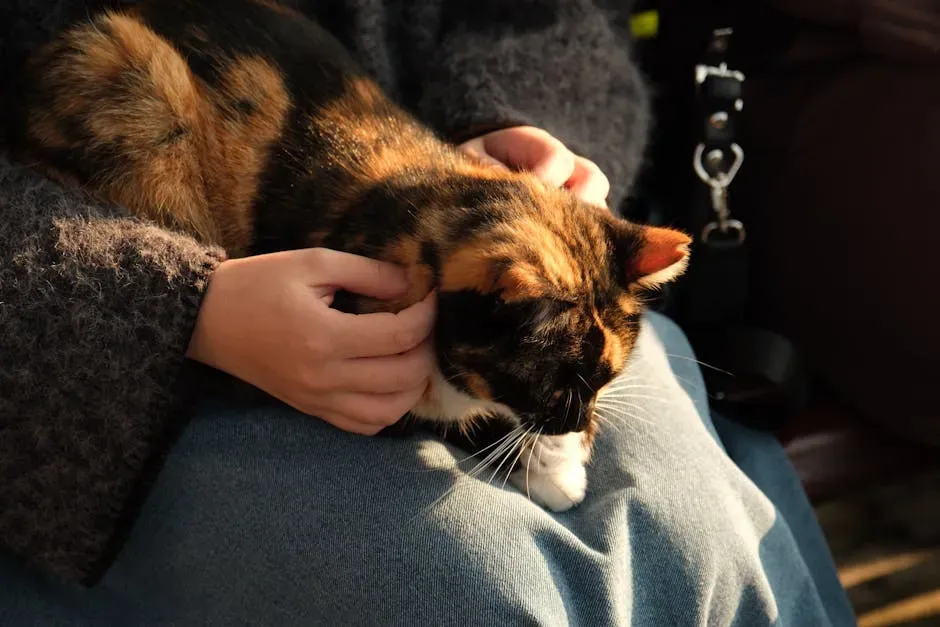
I think this is honestly the most touching explanation of them all. When a cat kneads their owner, it can be a sign of trust and affection. This behavior demonstrates that the cat feels safe and comfortable in the presence of their human companion. Your cat isn’t just kneading any random surface. They’re kneading you specifically, which carries real meaning in the world of feline communication.
It’s possible that some juvenile behaviors we see that used to be directed at the mother are now directed at the owner. Cats will knead on preferred people in the house or their favorite person, so kneading can also be that affiliative, social behavior that can help build a bond. Kneading usually means the cat feels happy, friendly and safe. If your cat seeks you out specifically when it wants to knead, you should take that as a real honor. You are their safe place.
Wild Ancestors Did It Too – For Very Different Reasons
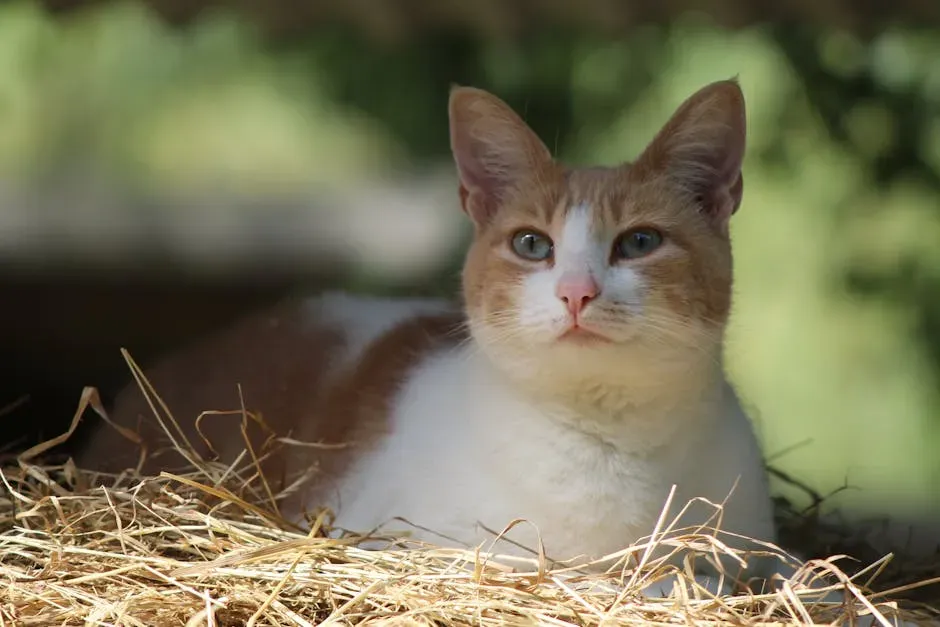
The kneading instinct goes back way further than your living room couch. Wild cats will paw at piles of leaves or tall grass to create a nest for themselves and their young to relax and sleep in. By doing this to the ground they’re not only creating a soft nest, similarly to how we fluff pillows, but they’re also checking for predators, prey, or dangerous things hidden in the foliage. So the original purpose was much more practical and survival-oriented.
In the wild, cats would create nests or sleeping areas by patting down foliage or grass. These recurring movements helped to soften the ground, making it more comfortable for resting or giving birth. Over time, this behavior became ingrained in their instincts, even in the absence of such practical needs. Your domestic cat, living their best pampered life on a memory foam cat bed, is still carrying out a behavior that once meant the difference between a safe night’s sleep and a dangerous one. There’s something poetic about that.
Sometimes Kneading Is Your Cat’s Way of Coping With Stress
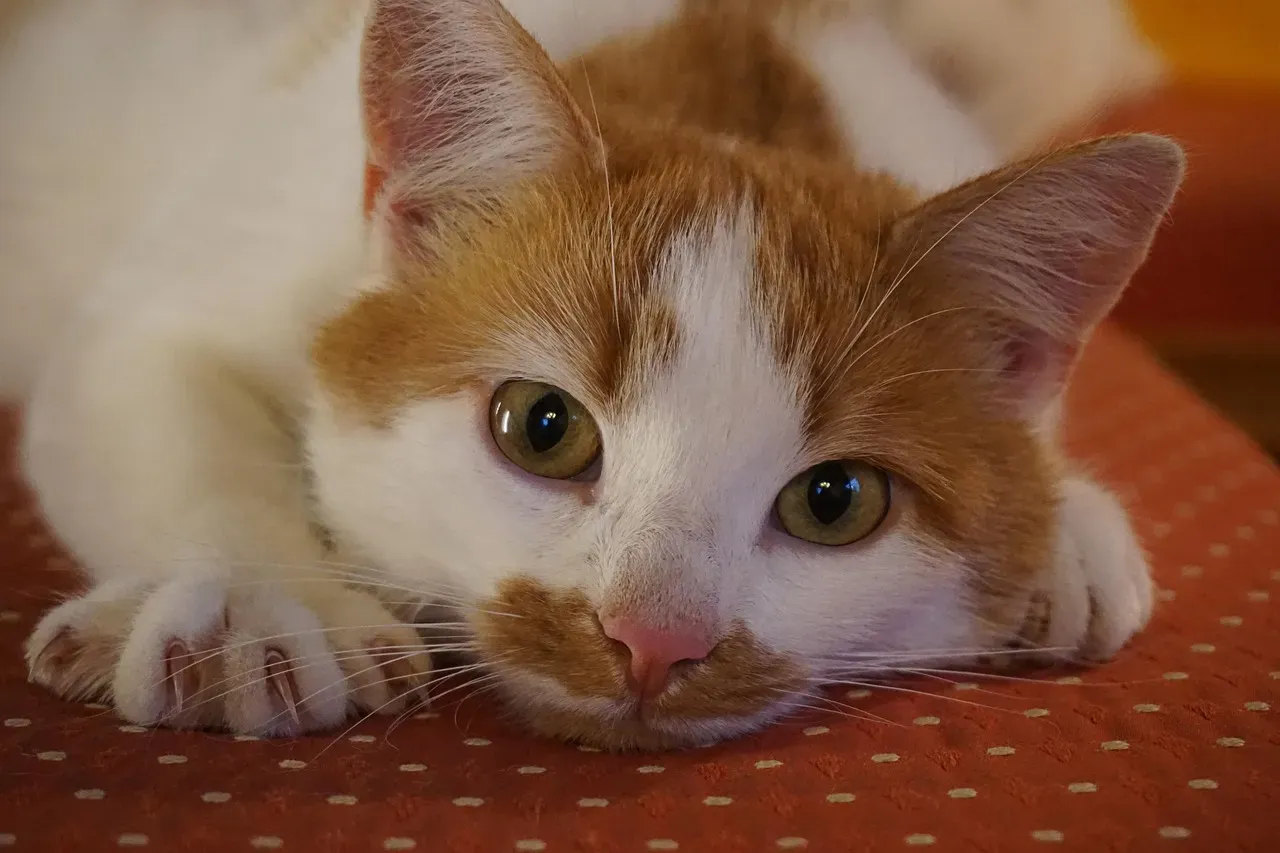
It’s not always about happiness and warmth. Sometimes kneading tells a more complicated story. Some cats knead when they’re anxious or seeking comfort. It’s the same instinct that soothed them as kittens during nursing. If your cat starts kneading during stressful times, like a move or a new household pet, it might be their version of a stress-relief technique. Think of it the way some people tap their foot or twirl their hair when they’re nervous. It’s a self-soothing mechanism with very old roots.
If your cat kneads excessively or suddenly kneads less than usual, it could mean that they don’t feel well. Because kneading is a comforting action, cats who feel stressed or are experiencing pain may knead to soothe themselves. If you notice a significant change in your feline friend’s behavior, schedule a visit with your veterinarian to rule out a medical or behavioral problem. The takeaway here is that a change in kneading habits is worth paying attention to. Your cat might be trying to tell you something.
Kneading Also Keeps Your Cat Physically Limber
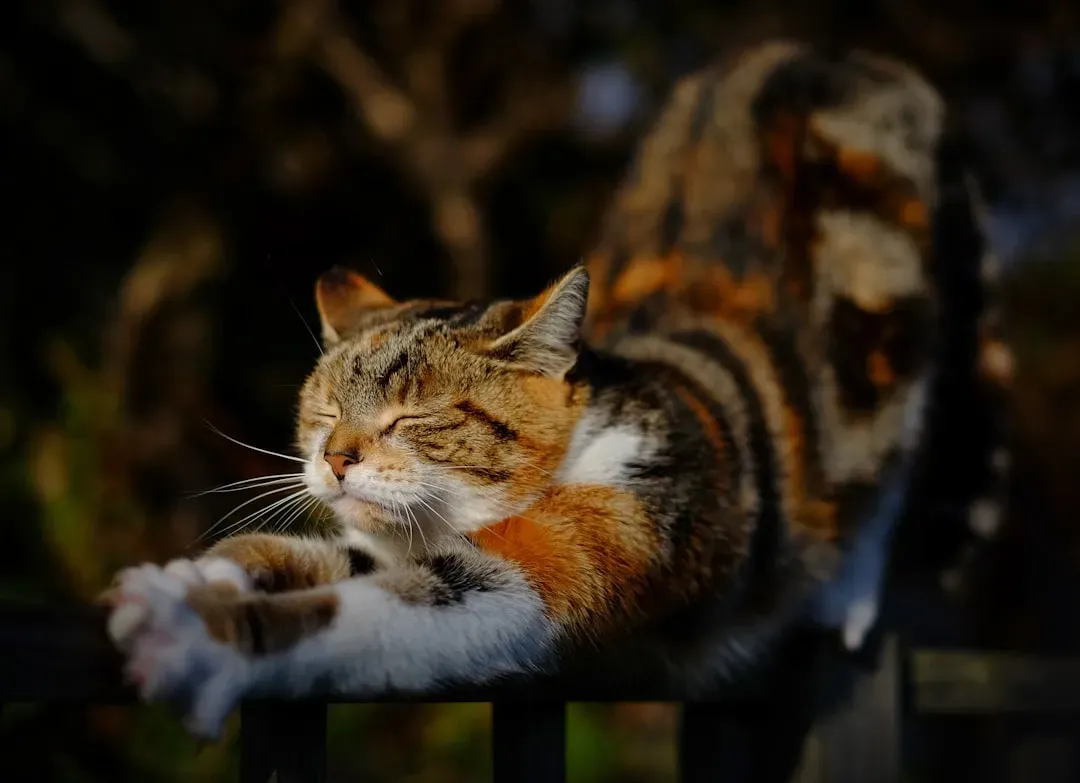
Here’s a reason that often gets overlooked in all the emotional and behavioral talk. Kneading also gives cats a chance to stretch their muscles and maintain agility. The rhythmic movement engages their shoulder, leg, and back muscles, encouraging good circulation and easing any stiffness. If you’ve ever watched a cat knead right after waking up from a nap, this makes a lot of sense. It’s almost like a miniature yoga session.
All of that sleeping can make a cat’s muscles stiff. When they wake up, you may see them kneading as a way to stretch out their muscles. This can be their way of keeping themselves limber until it’s time for the next nap. And when you consider that a cat can sleep well over half of the day, a little post-nap paw stretching actually makes a lot of biological sense. It’s maintenance, plain and simple.
How to Respond When Your Cat Kneads You
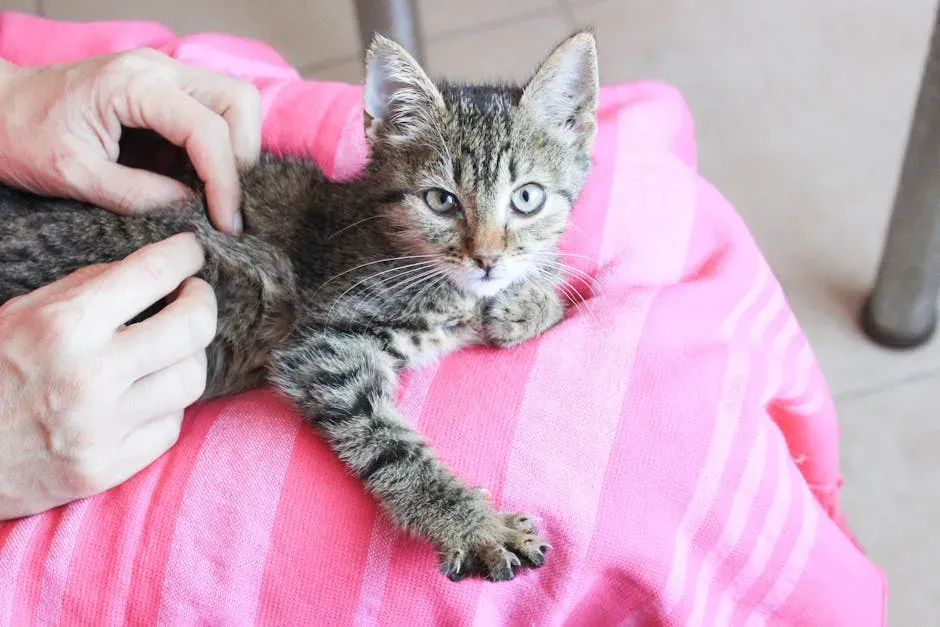
Let’s be real – even if it’s adorable, those tiny claws can feel like miniature needles after a while. Because of kneading’s positive associations and innate nature, experts say it’s important to avoid punishing the behavior, even if your cat’s claws are occasionally painful. Instead, you can strive to keep those claws trimmed and consider grabbing a plush blanket or pillow to protect yourself. Never scold your cat for kneading. It would be like punishing them for showing you love.
Some cats might want to be petted while they’re kneading on you; some cats might just want to be talked to; some cats might just want to knead and have no other interaction with you. Pay attention to what your individual cat seems to prefer in those moments. Petting or speaking gently to your cat while they knead can strengthen your bond. Respond to it like the quiet little love letter it is, and your relationship with your cat will only deepen for it.
Conclusion: Those Busy Paws Are Saying More Than You Think
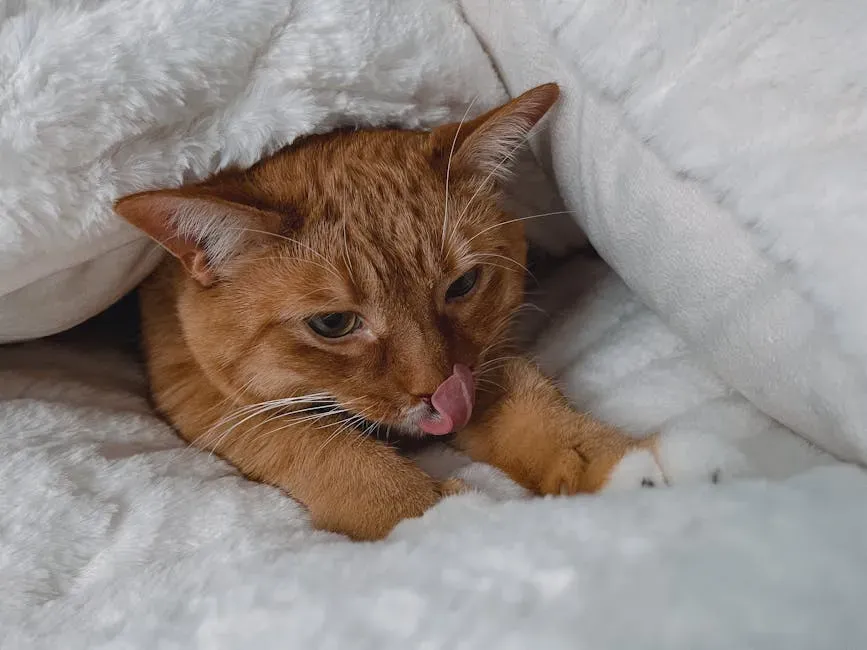
When your cat climbs onto your lap and starts their rhythmic paw-pressing ritual, something genuinely layered is happening. Cats knead because the behavior connects to comfort, instinct, communication, and emotional security. When your cat presses their paws rhythmically into a blanket, pillow, or your lap, they are expressing feelings rooted in kittenhood and reinforced through adulthood. It is not random. It is not weird. It is one of the most honest things your cat will ever do.
From the dopamine rush in the brain to the scent marking from glands between the toes, from ancient nesting instincts to a pure declaration of trust, kneading is a behavior with more depth than most people ever realize. It’s part ritual, part survival instinct, and part love note, all packed into the steady rhythm of their paws. At its heart, a cat’s kneading is usually a sign of deep contentment. So the next time those little paws start working on your lap, try to sit with it for a moment instead of shifting them away. You’re receiving one of the highest compliments your cat knows how to give.
What do you think, did you ever imagine something so small and simple could carry so much meaning? Share your thoughts in the comments below.
Kristina is a young writer from India. An arts graduate and an avid content creator, Kristina is passionate about animals and wildlife. She enjoys exploring topics related to pet care, animal behavior, conservation, and nature, combining thorough research with engaging storytelling.