Cats have a reputation for being mysterious, even a little aloof. You’ve probably had that moment where everything seemed fine, your cat was purring away on the sofa, and then, out of nowhere, a swat. What just happened? If you’ve ever felt lost in translation with your feline companion, you’re definitely not alone.
Here’s the thing: your cat is always talking. They’re constantly sending signals through their body, their voice, their eyes, their ears, their tail. The issue isn’t that they aren’t communicating – it’s that most of us haven’t learned the language yet. Get ready, because what you’re about to discover might completely change how you see your cat’s behavior. Let’s dive in.
The Tail Tells a Whole Story You’ve Been Missing
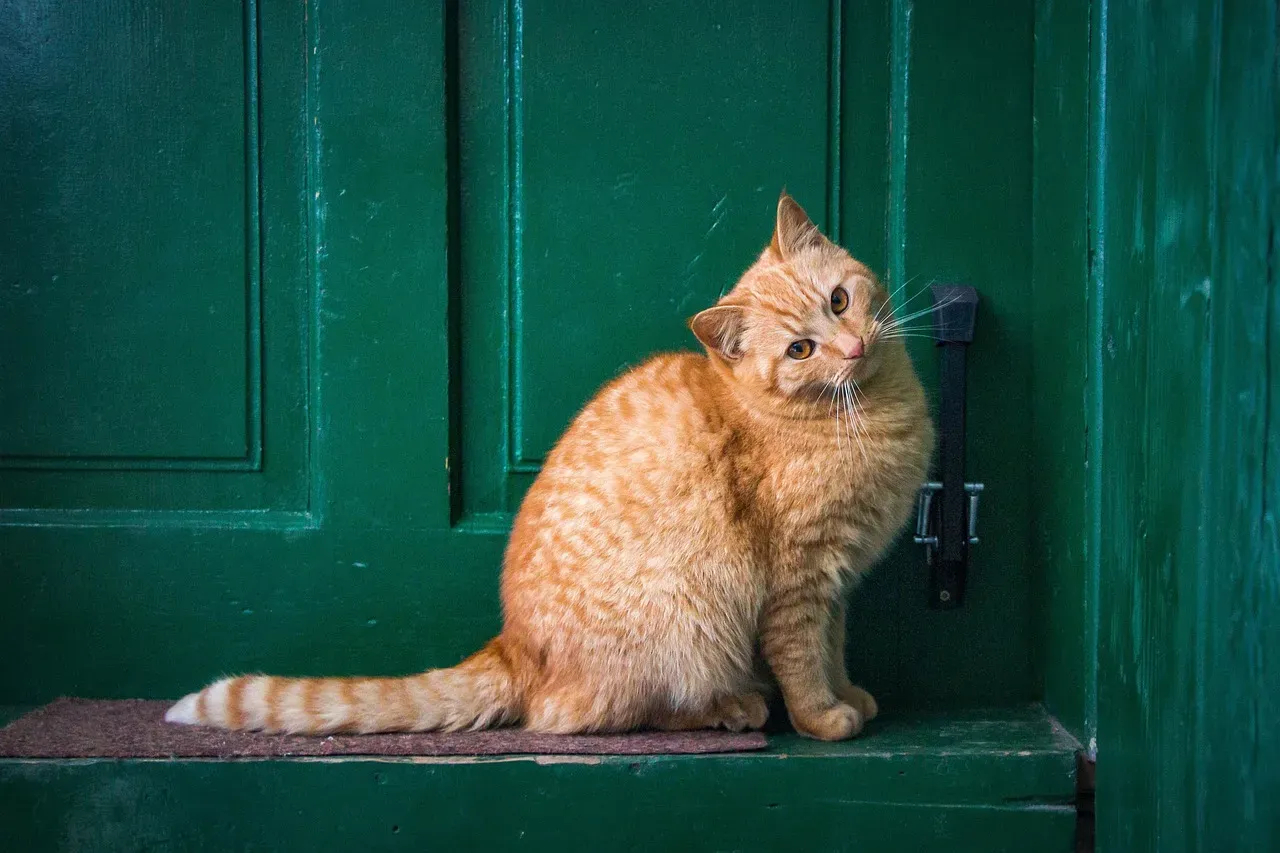
You might think a wagging tail means a happy cat – but that’s the dog playbook. In the feline world, when your cat thrashes their tail or is thumping it on the ground, they are irritated, annoyed, or angry, and this tells you that something is bothering them. Think of it like someone tapping their fingers loudly on a table. Irritated, but not yet exploding.
Whipping or lashing of the tail is a sign that a cat is angry and may take a sudden, strong action in the near future, meaning it’s time to take a step backwards and give them space – otherwise you risk being bitten or scratched. Honestly, that’s a pretty clear message once you know what to look for. Context matters too – cats may also twitch the tip of their tail if they are focusing on prey or preparing to pounce on a toy, so always interpret their tail position in accordance with the situation and other body language cues.
Those Flattened Ears Are Saying Back Off Right Now
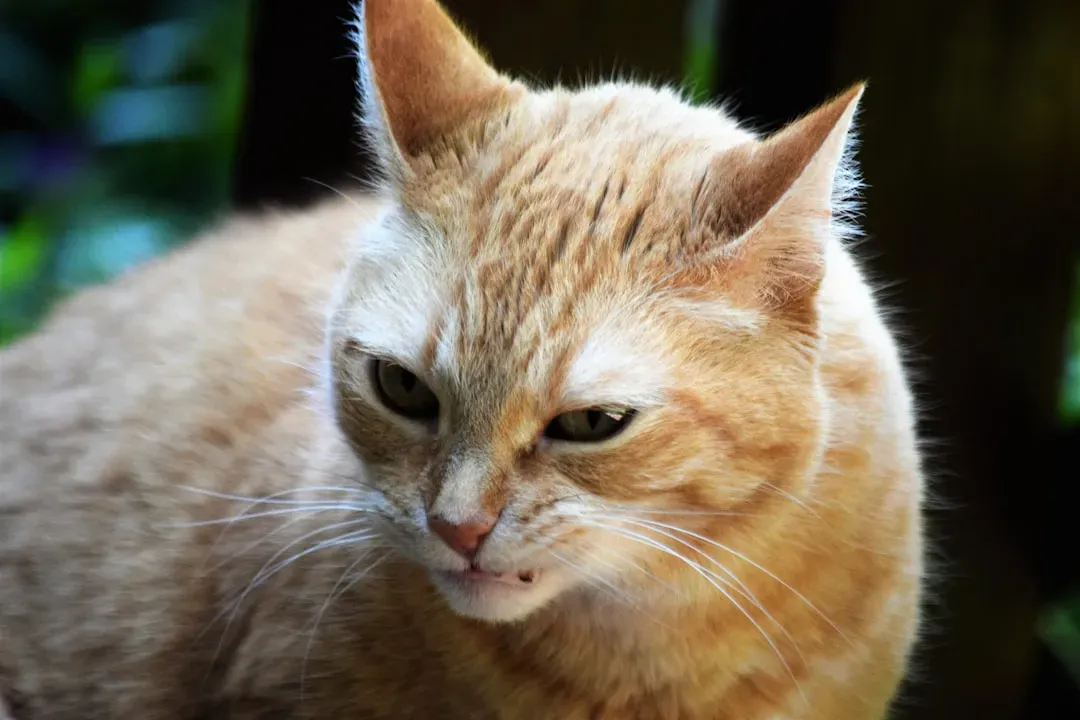
If your cat’s ears are flattened against their head in what some call “airplane mode,” it means they are frightened or nervous, and this could lead to aggressive behavior – when your cat’s ears are in this position, they are telling you they’re uncomfortable and need some space. It’s one of the most visually striking signals in the entire feline communication toolkit, and yet so many people miss it entirely.
Sometimes cats show flattened ears when annoyed but not necessarily aggressive – for example, during overstimulation from petting or playing too roughly, a cat might pull its ears back briefly as a warning to stop, and recognizing this subtle sign can prevent scratches and bites by giving you a chance to adjust your approach before the cat becomes fully defensive. Think of it as the feline equivalent of someone slowly putting up their hand and saying “please, enough.” Missing that signal almost always leads to a scratch.
Hissing Is Not Aggression, It’s a Desperate Plea for Space
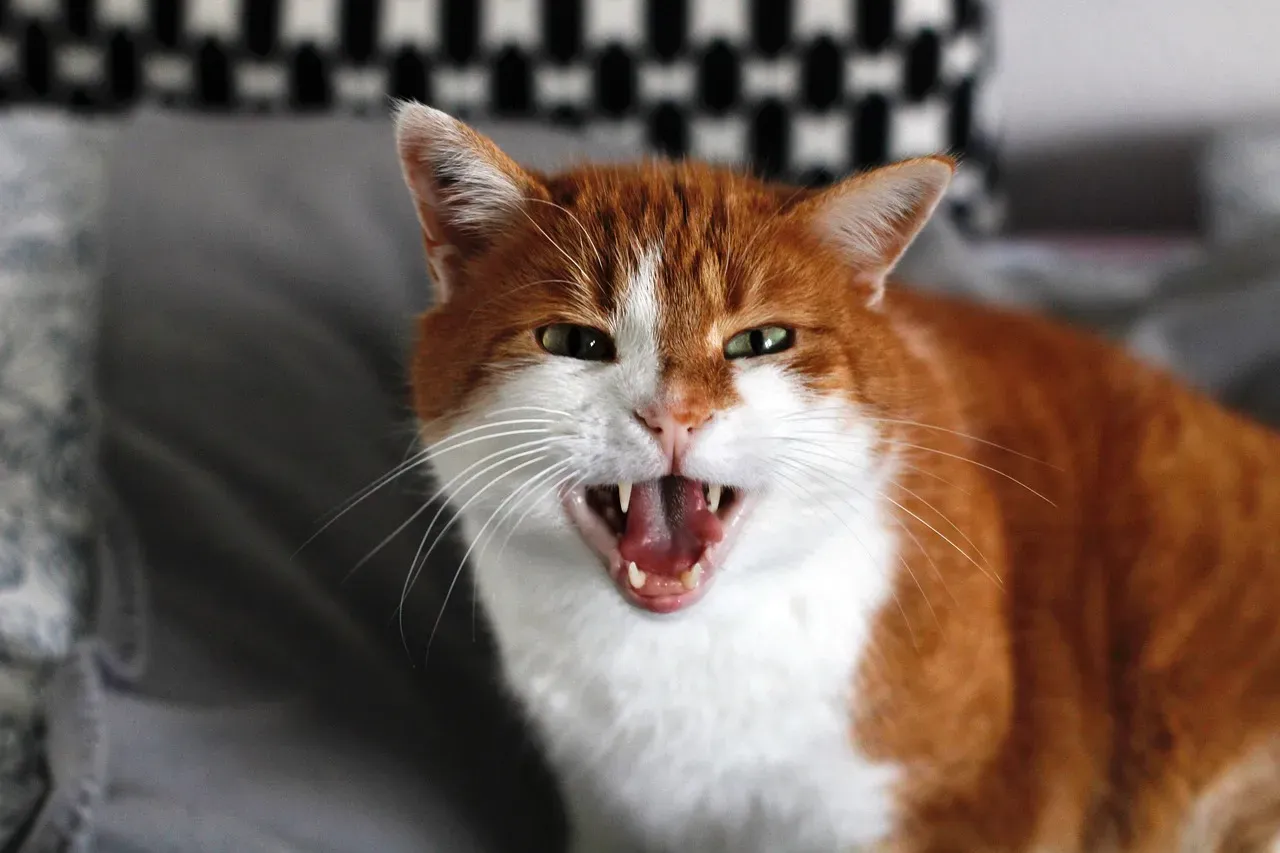
Most people hear a hiss and think their cat is being mean or nasty. That’s actually a common misconception. Hissing in cats is not an aggressive behavior, nor is it generally exhibited by an aggressive cat – hissing is a defensive gesture, almost always exhibited by a cat that feels victimized, antagonized, or threatened in some way. There’s a big difference between wanting to attack and wanting to be left alone.
When your cat hisses, they are saying they need space from whatever they are directing the hiss at – your cat might hiss at you because they’re annoyed with you, and may not want to be petted right then, or it may be because you’re trying to pick them up when they don’t want you to. I think this is one of the most important things cat owners can understand. A hiss is communication, not war. Respect it, and the relationship gets better. Ignore it, and things escalate fast.
Whisker Position Reveals What Your Cat Is Really Feeling
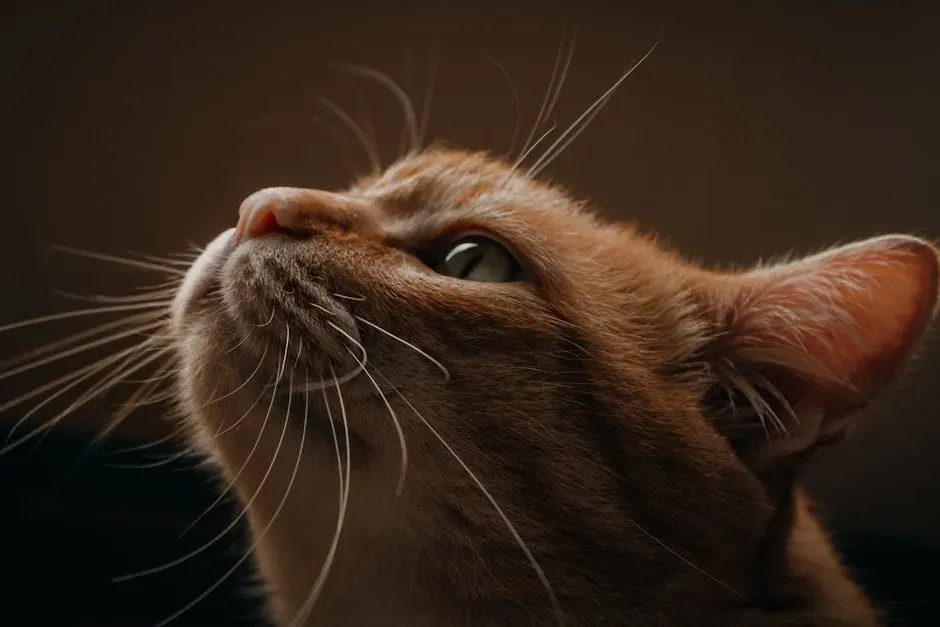
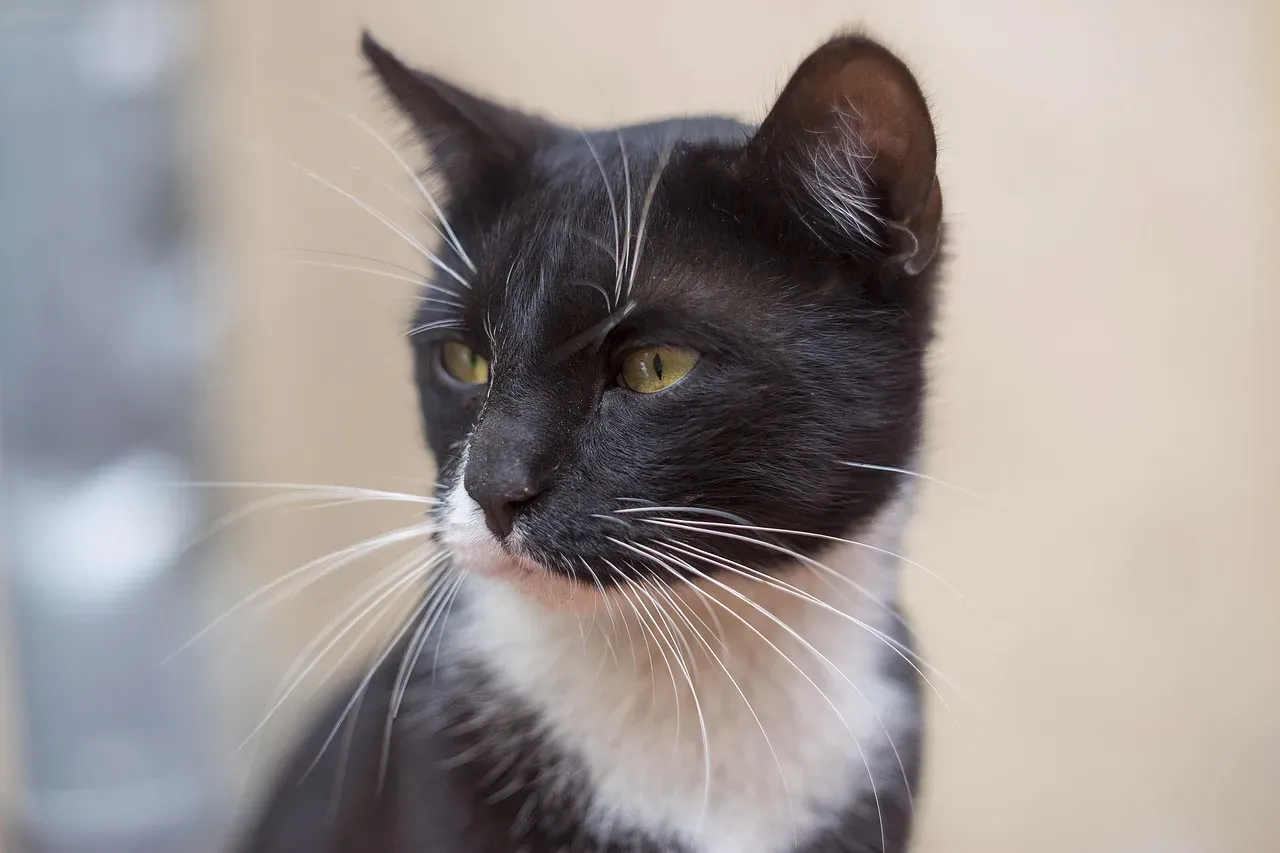
Whiskers not only act as a sensory aid for cats to find their way around in the dark, they also can tell you how a cat is feeling – if a cat’s whiskers are forward and fanned out, the cat is interested in something, while if the whiskers are pressed tight to their face, the cat is most likely afraid and attempting to make itself look smaller. It’s subtle, and easy to overlook, but once you start watching, you’ll notice it constantly.
When tense or highly alert, the whiskers will be fanned out and pointing forward in front of the face, while when relaxed, a cat’s whiskers point directly out and are less spread out – a frightened or nervous cat may flatten their whiskers against the side of their face and bunch them together. Try to think of it like reading a weather gauge. Fanned forward means curiosity or alertness. Pressed flat and back? Your cat is not having a good time, and you should give them breathing room.
The Way Your Cat Holds Their Body Speaks Volumes
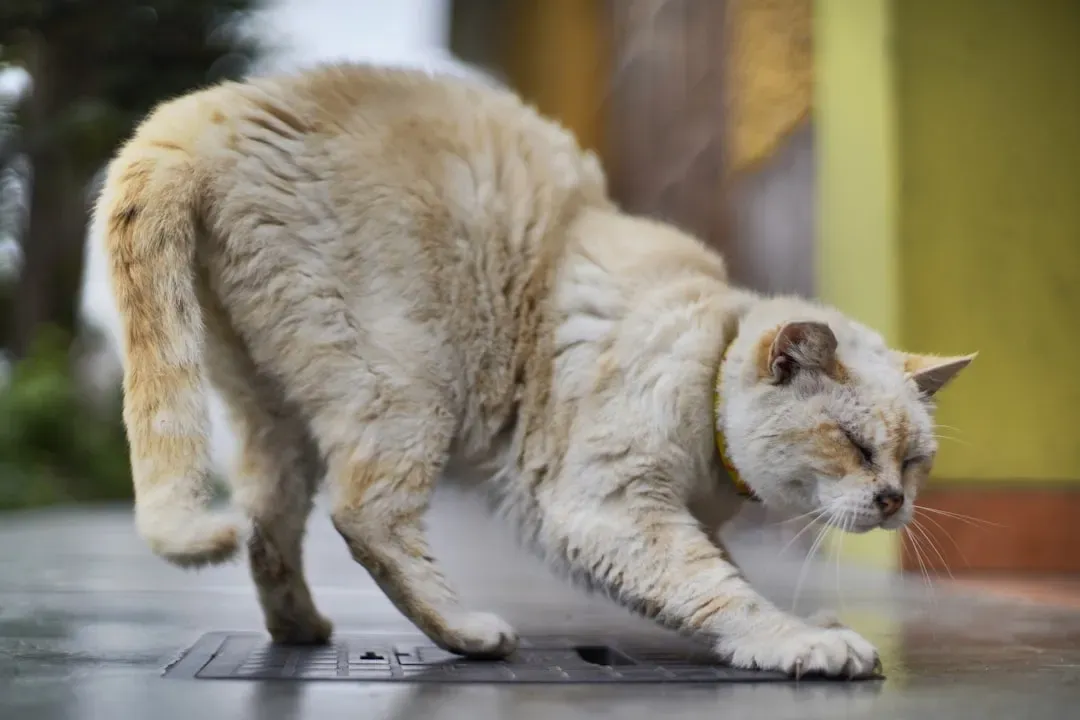
Posture is one of the most immediate and readable signals your cat offers up. Cats can say a lot with the shape and position of their body – crouching down to look small shows they’re anxious, while arching their back and puffing up their fur signals that they feel threatened. A cat making themselves seem as tiny as possible is a cat that is scared, not one that wants your attention.
There are various responses such as when cats arch their backs, erect their hairs and adopt a sideward posture to communicate fear or aggression. This is where the classic Halloween-cat pose comes from – it’s not a costume choice, it’s a warning. A cat that feels threatened or anxious will often display a more rigid posture, crouching low to the ground with ears flattened against their head and tail tucked close to their body, with eyes wide and dilated pupils, and a body that appears tense and ready to spring into action – this posture is your cue to give them space to feel safe.
Growling Is a Serious Signal You Should Never Dismiss
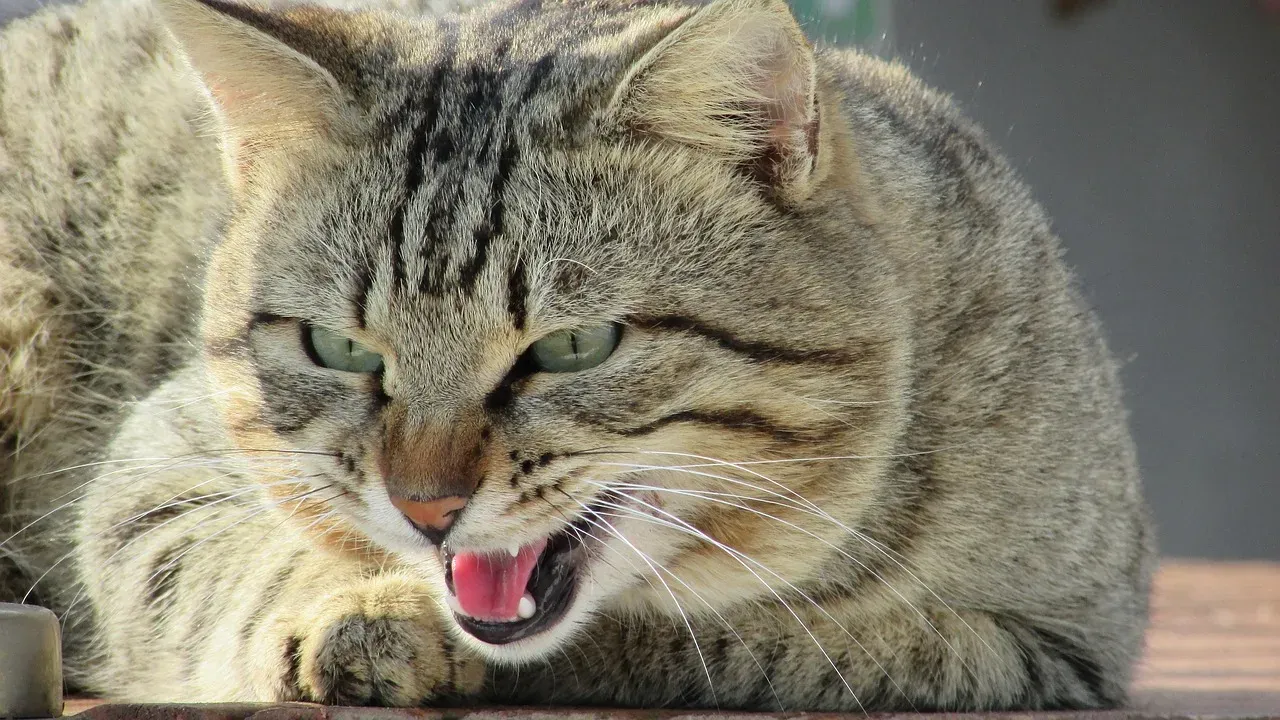
A growl coming from your cat is not something to shrug off. Unlike a snarling hiss, cats growl with their mouth closed or slightly ajar – it’s low-pitched, rumbling, and used to signal danger or scare the aggressor. If a hiss is a warning shot, a growl is the flare gun. Still defensive, but with a higher urgency.
In many cases, hissing or growling is communication used to avoid bigger conflict – that doesn’t mean you should never be concerned by it, because your cat is still giving signs that they don’t feel safe or happy, and that means something needs to change. Let’s be real – if you hear a growl and you keep doing what you’re doing, that’s on you. Your cat has gone well beyond a gentle hint at this point and is being remarkably patient in their own way.
Avoiding You or Hiding Is One of the Loudest Dislikes of All
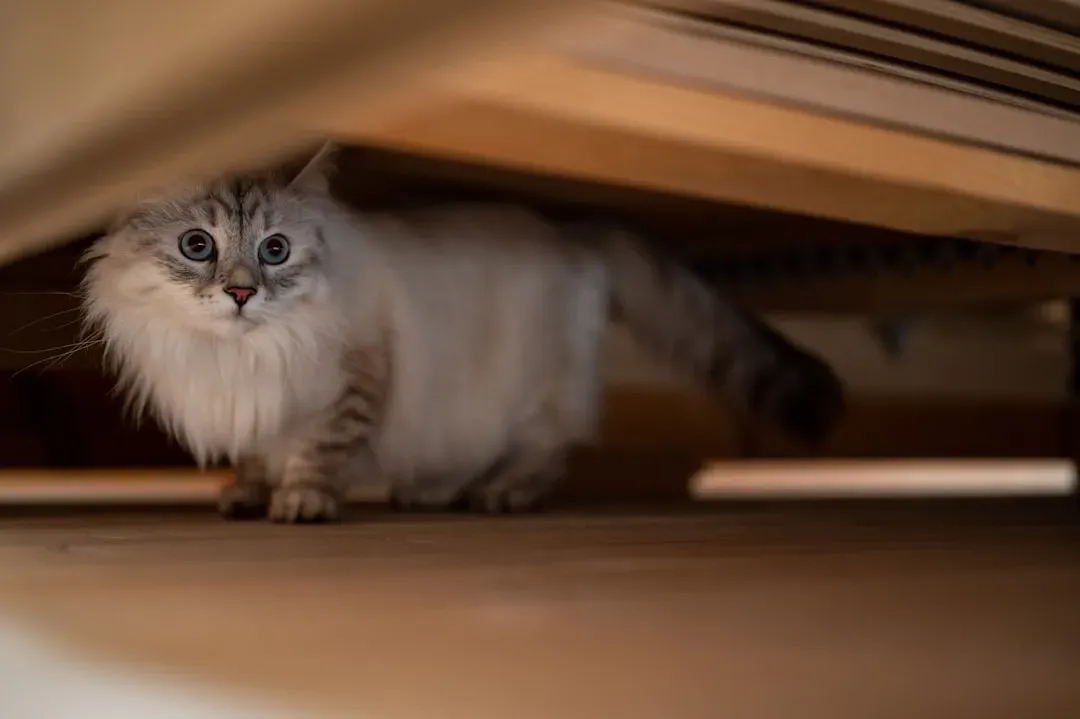
Sometimes cats don’t make a sound at all when they’re unhappy. They simply disappear. Some concerning cat behaviors are excessive grooming, hiding more than usual, not eating, and changing their litter box habits. Hiding is a big one. When your usually social cat suddenly vanishes under the bed for hours on end, something in their environment has become too much for them.
Changes in routine or environment can significantly contribute to your cat’s heightened state of unease – cats find comfort in familiar surroundings and routines, so disruptions like moving home, introducing a new pet, or changes in daily schedules can induce stress, and these changes may disrupt a cat’s sense of security and trigger anxiety. Hiding is your cat’s equivalent of walking out of a room and shutting the door. It’s dignified, it’s self-protective, and it deserves your respect. Give them their space, and let them emerge on their own terms.
Dilated Pupils and Intense Staring Aren’t Always a Love Gaze
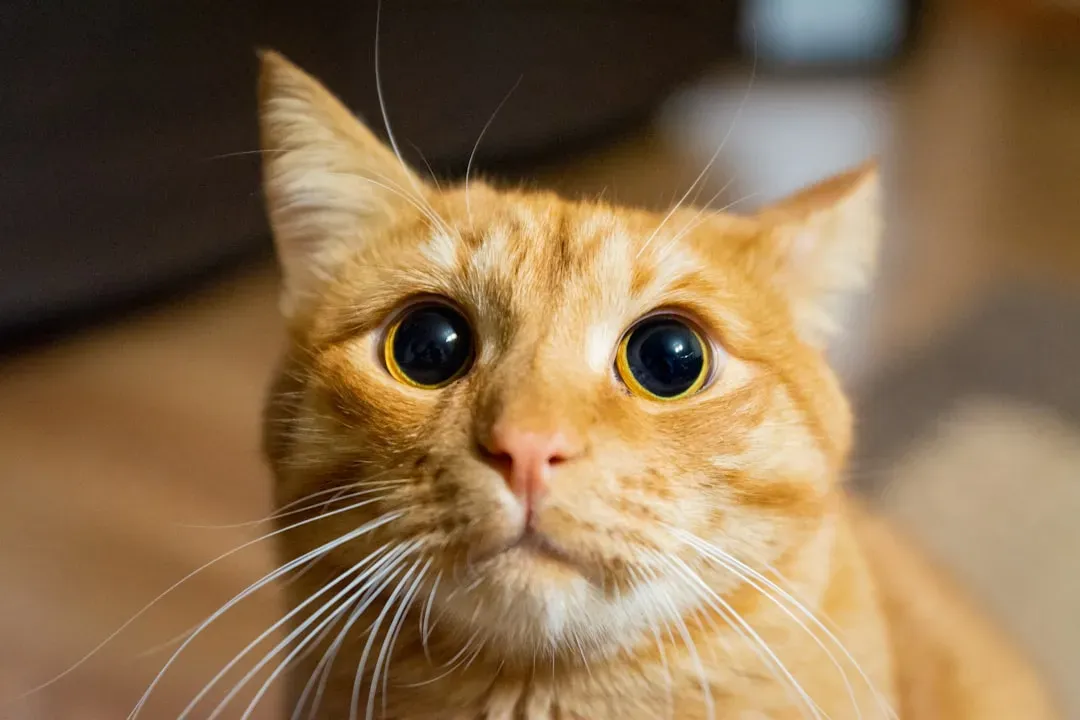
Many cat owners see wide, dilated eyes and assume their cat is simply being adorable or curious. Not always. Pupil size can vary depending on lighting conditions, but dilated pupils in a well-lit environment can indicate excitement, fear, or arousal. Wide eyes in a brightly lit room are worth a second look. The context around those eyes tells the real story.
Staring at other cats with wide eyes and little blinking occurs during antagonistic meetings but may also occur when they are fixated on a threat and attempting to gather more information. So when your cat locks onto something and stares without blinking, it might not be fondness at all. For cats, intense, prolonged eye contact could be interpreted as a challenge or a threat. It’s a fascinating inversion of the human experience, where eye contact is considered warm and connecting. In cat culture, it’s often quite the opposite.
Overstimulation Biting and Paw Swatting Are Real, and Often Misread

You’ve probably experienced it. You’re giving your cat the most wonderful petting session, they’re purring, life is good – and then, without apparent warning, they bite your hand and walk away. Every cat has a different petting threshold, meaning that some cats don’t mind being pet for a really long time while other cats only want a few minutes worth of petting before they are done. That threshold is real, and crossing it has consequences.
Cats often use subtle body language to communicate their discomfort, and ear positioning is often one of the first – if their ears start to swivel outward into airplane ears or flatten, that’s your cue to pause, because if you miss these signals, even a friendly cat may bite or scratch to end the interaction, a behavior experts call petting-induced aggression. The bite isn’t random, even if it feels that way. Your cat was almost certainly sending signals for a while before resorting to that move. Learning to spot the early warnings – the tail flick, the skin twitch, the shifting ears – can save you from a lot of surprise nips.
Conclusion: Your Cat Is Already Talking. The Key Is Learning to Listen.
Your cat is not mysterious out of spite. They are incredibly communicative creatures who rely on a rich, nuanced language of body, voice, and posture to tell you everything you need to know. Cats have earned a reputation for being hard to read, but it’s not their fault – they just communicate differently than humans, and with their posture, tails, ears, eyes, whiskers, and vocalizations, they will tell you whether they are comfortable or not. The work is yours to do, and honestly, it’s some of the most rewarding work a cat owner can take on.
Once you start reading the signs – the thrashing tail, the flattened ears, the retreating to shadows – you’ll find that your relationship with your cat shifts in a meaningful way. Cats are subtle and complicated in the way they communicate, but taking time to learn their body language can help to strengthen the relationship with your cat, and learning the signs that they are happy, or when they just want to be left alone, can be a big help to you both. Your cat has been speaking all along. Now that you know the language, what signals have you been missing without realizing it?
Kristina is a young writer from India. An arts graduate and an avid content creator, Kristina is passionate about animals and wildlife. She enjoys exploring topics related to pet care, animal behavior, conservation, and nature, combining thorough research with engaging storytelling.