You think you know your cat. You feed them, you clean the litter box, you let them steal your spot on the couch. Honestly, that part feels like enough most days. Yet the truth is, even the most devoted cat owners are quietly missing a handful of things that could make a world of difference to their cat’s happiness, health, and overall quality of life.
Cats are notoriously mysterious creatures. They rarely show you when something is wrong. They mask pain, hide discomfort, and keep going like little furry stoics. That means the gaps in their care often go unnoticed for a long, long time. So if you want to be the best possible cat parent, you’re going to want to read every single point here. Let’s dive in.
1. A Proper Hydration Setup That Works With Their Instincts
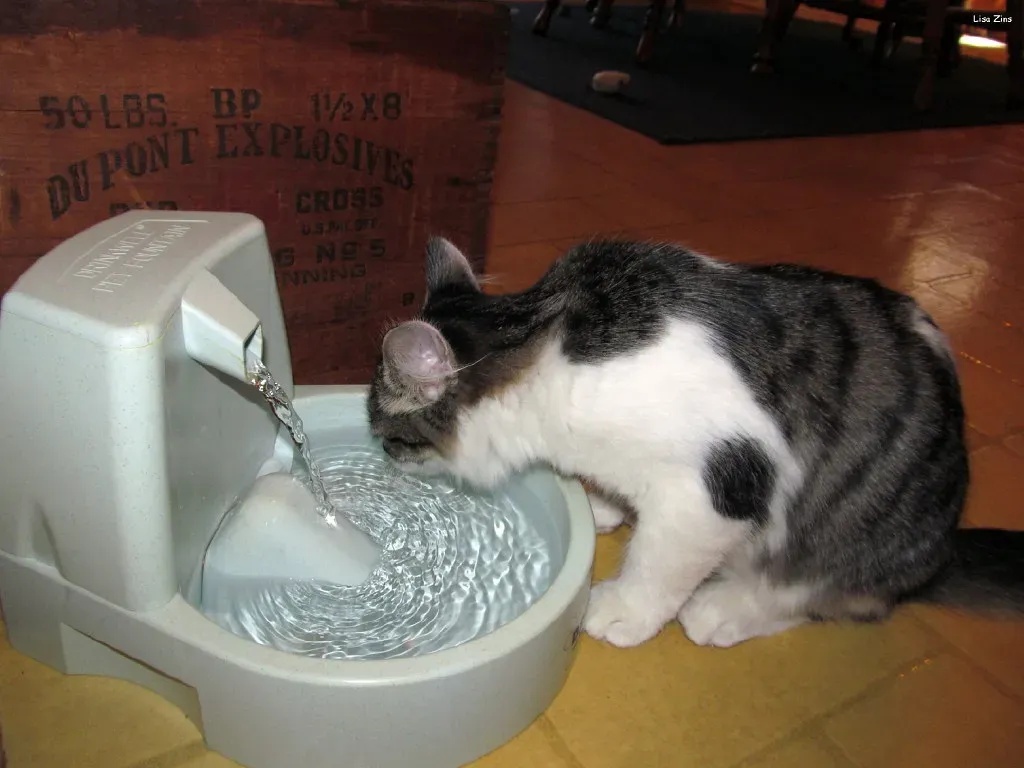
Here’s something that might surprise you. Cats are notorious for not drinking enough water. Their ancestors were desert dwellers, meaning they evolved to get much of their hydration from food rather than from a bowl. Modern cats, especially those fed primarily dry kibble, often fall genuinely short in water intake. That’s a silent problem sitting right in your kitchen every day.
This can lead to real trouble, including urinary tract infections, kidney issues, and other serious health concerns. The good news is there’s a simple fix most owners overlook. In the wild, cats rarely drink from still ponds. They naturally seek out moving water, which tends to be fresher and safer. A pet water fountain imitates this natural choice, offering your cat an environment that feels more instinctively right. Think of it as matching technology to biology.
2. Dedicated Daily Playtime That Mimics Real Hunting

A cat that roams from room to room, paces, or experiences frequent bursts of high-energy zoomies may need more opportunities to fulfill their natural hunting instincts. Cats are wired to observe, stalk, chase, and pounce. When that drive has nowhere to go, things tend to fall apart in ways you might not immediately connect.
Dedicating at least 15 minutes a day to interactive play keeps cats active and can help satisfy their hunting instinct. You don’t need fancy gadgets to get this right. The best type of play for keeping a cat happy is interactive, where you use a toy to mimic the behavior of a cat’s prey, whether birds or rodents. Wand toys are exceptionally good for this. You can even make the toy act like scared prey, darting away, hiding, and freezing in fear. Your cat will absolutely love you for it.
3. Vertical Space and Climbing Opportunities Throughout Your Home
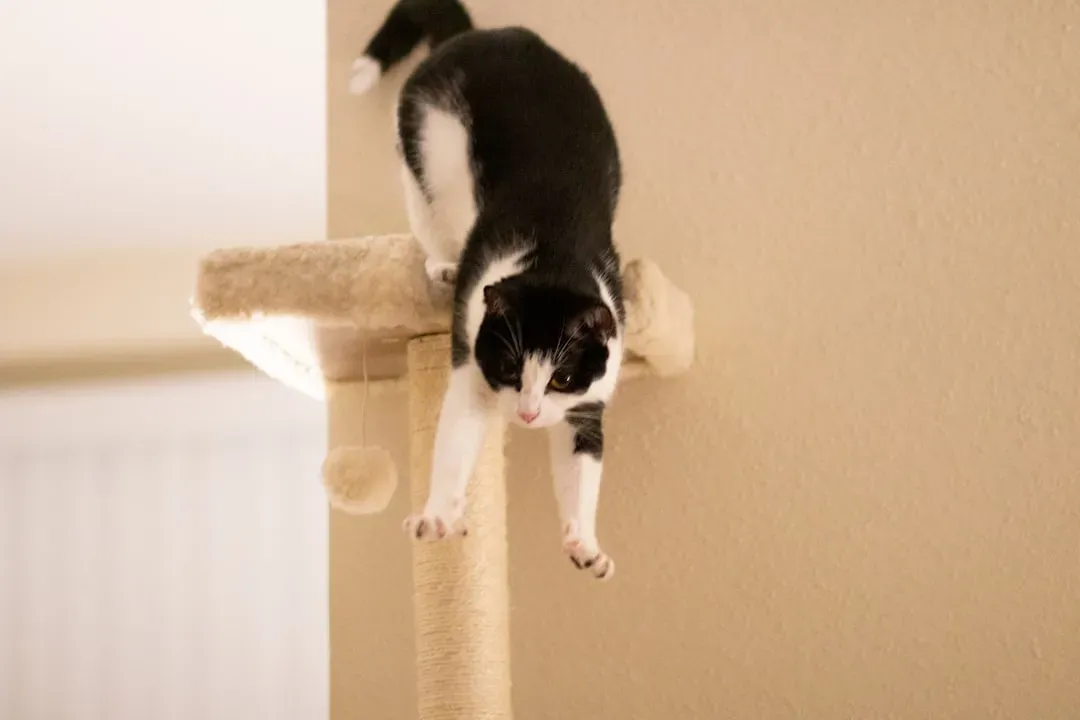
Being natural climbers, cats need encouragement to follow their instincts by finding a perfect perch. Cat trees provide a view from the top and exercise to get there, while cat shelves can be placed throughout the home in high places that only cats can reach. This isn’t about spoiling them. It’s about respecting what they genuinely are as animals.
Making your cat feel at home means providing a few places to sleep and perch. Cats like to sleep in high places because they enjoy the security of seeing everything happening below and around them. Think about it from their perspective. Being up high is safety. It’s comfort. A proper vertical scratching post should measure at least 30 inches high so your cat can stretch while standing on their hind legs, and all cat furniture needs to be stable with a broad base because there will be a lot of running and jumping.
4. Consistent Dental Care Before Problems Start

Let’s be real. Most cat owners have never once brushed their cat’s teeth. The unfortunate reality? Dental care is one of the most important but most overlooked aspects of cat care. Many cat owners underestimate how much a healthy mouth truly matters. Studies suggest that by the age of three, more than half of cats already show signs of dental disease. That statistic is genuinely shocking when you sit with it.
Dental disease affects much more than just the teeth. The bacteria that build up in the mouth can enter the bloodstream, affecting the heart, liver, and kidneys. Pain from inflamed gums or tooth resorption can make eating difficult, leading to weight loss and malnutrition. Cats may also become irritable or withdrawn when oral pain goes unnoticed. At-home care, including brushing your cat’s teeth with a veterinarian-approved toothpaste, or using dental wipes if brushing isn’t tolerated, along with dental-friendly diets or chews, can make a meaningful difference in preventing these conditions.
5. Mental Stimulation and Enrichment Activities Every Single Day

Without opportunities to engage their natural instincts, like hunting, exploring, problem-solving, and playing, pets can experience boredom, stress, and even serious behavioral issues. I think this is one of those things that gets swept under the rug because cats seem so self-sufficient. They’re not. Not fully.
Cats can become aggressive, destructive, overweight, or simply bored if they are not receiving enough enrichment. The fix doesn’t need to be expensive or complicated. You can put some of your cat’s kibble into a puzzle toy that they can work on throughout the day. It’s a lot of fun for a cat and can keep their mind occupied for a while, while also decreasing the calories consumed all at once. It’s like giving your cat a job. A fun one, with snacks as payment.
6. A Clean and Correctly Set Up Litter Box Situation

You probably have a litter box. But do you have the right setup? A litter box is a must for any cat owner, and experts actually recommend having two litter boxes for one cat to avoid problems with cats refusing to use the box. Most people don’t know this, and it matters more than you’d expect.
All indoor cats need a litter box, which should be placed in a quiet, accessible location. In a multi-level home, one box per floor is recommended. Avoid moving the box unless absolutely necessary, and keep in mind that cats won’t use a messy, smelly litter box, so scoop solid wastes out at least once a day. Cats typically prefer litter that is unscented, made with few or no chemicals, absorbent, soft to the touch, and rake-able. Getting these details right removes a huge source of hidden stress from your cat’s daily life.
7. Regular Grooming That Goes Beyond the Basics
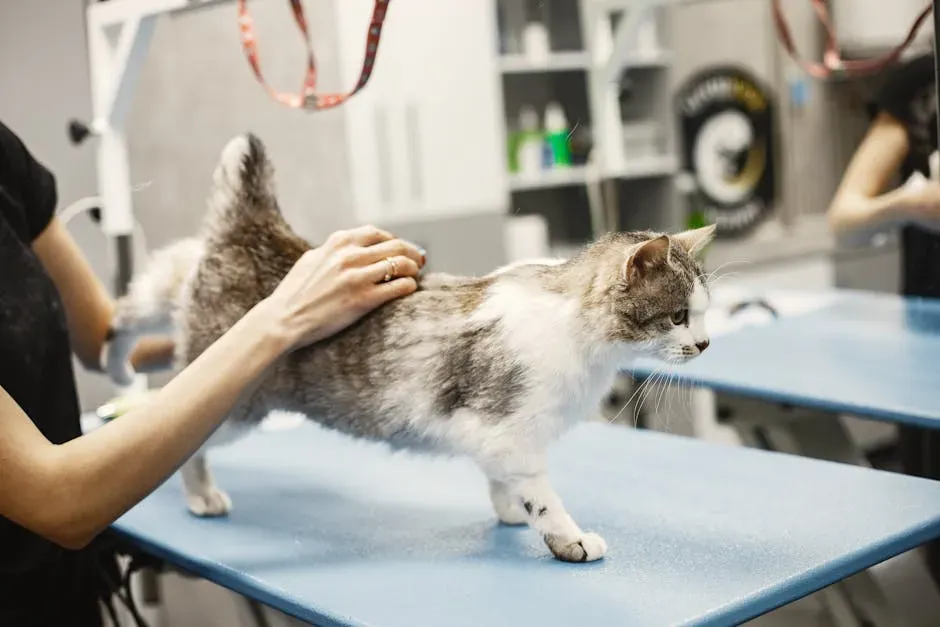
Your cat may look like they have grooming completely handled. A typical day for a cat includes about 16 hours of sleep and four to six hours of grooming, playing, hunting, eating, and exploring. Still, that self-grooming has limits, and your help matters a lot more than most owners realize.
Most cats stay relatively clean and rarely need a bath, but you should brush or comb your cat regularly. Frequent brushing helps keep your cat’s coat clean, reduces the amount of shedding, and cuts down on the incidence of hairballs. There’s a bonus hiding in that routine too. Regular grooming keeps your cat’s coat healthy and reduces shedding. Brushing also provides an opportunity to check for any skin issues or parasites. Paying attention to your cat’s teeth and ears, and consulting your vet for dental care advice, rounds out a truly complete grooming routine.
Conclusion: The Difference Between Good and Great Cat Care

Being a good cat owner is easy. Being a great one takes just a little more awareness. The seven things covered in this article are not luxuries. They are genuine needs that most cats go without, quietly and without complaint, for years. Hydration, play, climbing space, dental health, mental enrichment, a proper litter box setup, and consistent grooming, each one of these makes a real, measurable difference in your cat’s comfort and lifespan.
Your cat can’t tell you what they need. They’ll just slowly become more withdrawn, more lethargic, or develop health issues that cost more to fix than they ever would have cost to prevent. The great part? Every single item on this list is achievable, affordable, and entirely worth it.
So here’s the question worth sitting with: if your cat could talk, which of these would they have been quietly begging you for all along?
Kristina is a young writer from India. An arts graduate and an avid content creator, Kristina is passionate about animals and wildlife. She enjoys exploring topics related to pet care, animal behavior, conservation, and nature, combining thorough research with engaging storytelling.