You’ve probably looked into your cat’s eyes at some point and felt certain there was something deeply knowing behind that steady, unblinking gaze. Not just awareness, but real understanding. Judgment, even. Maybe you’ve caught your cat watching you argue on the phone, sitting there like a small furry judge with a front-row seat to your emotional breakdown. It’s not your imagination running wild.
Cats have long been painted as aloof, indifferent, and only marginally interested in the humans who share their homes. Science, however, is increasingly telling a very different story. The deeper researchers look into feline cognition, the more remarkable the picture becomes. So let’s dive in, because what your cat truly understands about you and your world might surprise you more than you’d expect.
The Feline Brain: Surprisingly Similar to Yours
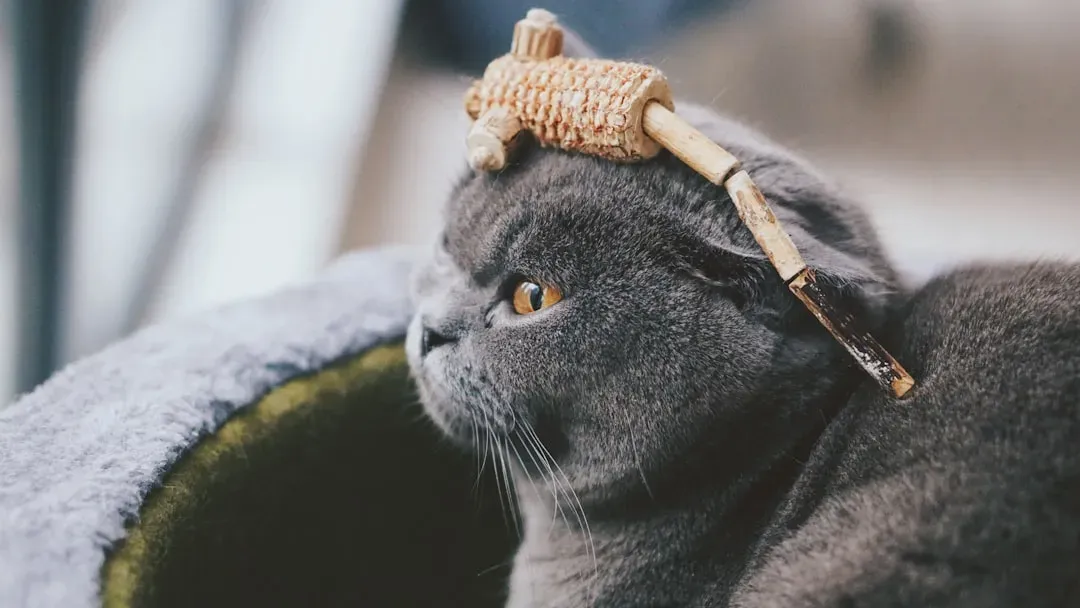
Here’s the thing most people never stop to consider: your cat’s brain is structurally not that different from yours. According to researchers at Tufts University School of Veterinary Medicine, the physical structure of the brains of humans and cats is very similar, with both humans and cats sharing similar lobes in their cerebral cortex. That’s not a small detail. That’s a foundational similarity that helps explain why cats behave in ways that often feel almost human.
Analyses of cat brains have shown they are divided into many areas with specialized tasks that are vastly interconnected and share sensory information in a kind of hub-and-spoke network, with a large number of specialized hubs and many alternative paths between them. Think of it like a complex city transport system rather than a single highway. A feline’s surface folding and brain structure are roughly ninety percent similar to that of the human brain, and much like the human brain, each part of the cat brain is compartmentalized, specialized, and connected to the other parts, giving cats an almost human-like ability to understand, respond to, and even manipulate their surroundings.
Object Permanence: Your Cat Knows You Exist When You Leave the Room
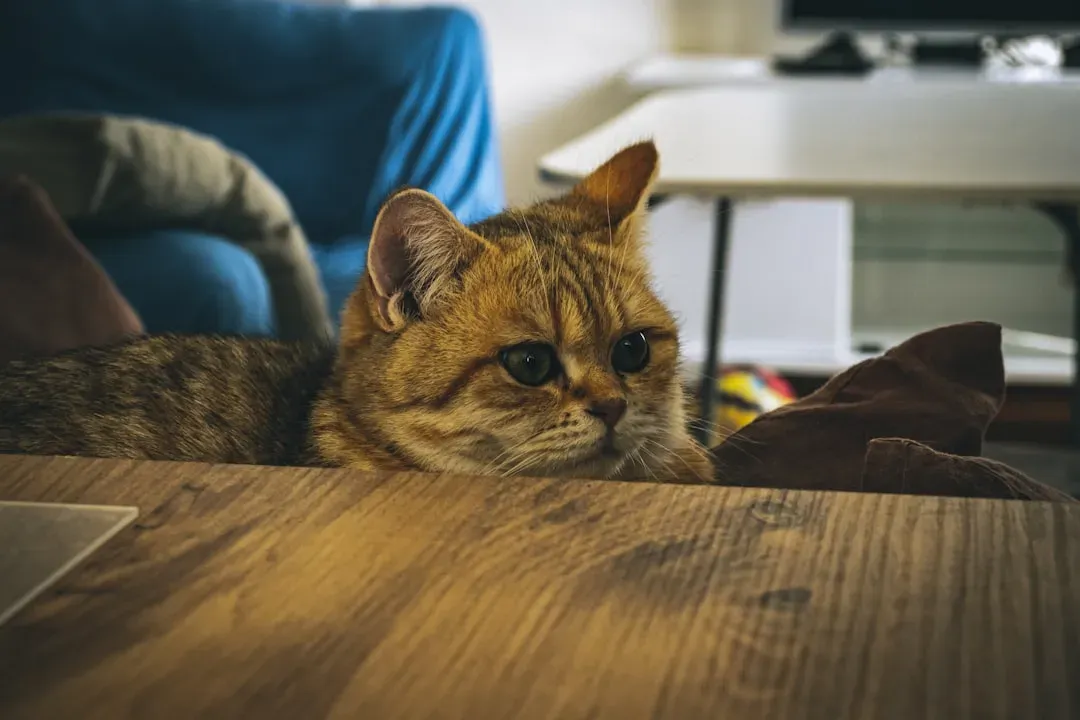
I know it sounds crazy, but your cat doesn’t think you simply vanish when you walk out of sight. Object permanence, which is the understanding that things continue to exist even when they’re no longer visible, is one of the key markers of cognitive development. In controlled experiments, cats demonstrated fully developed concepts of object permanence, indicating that their sensorimotor intelligence is complete. This is a milestone we typically celebrate when a human baby achieves it around eight to twelve months of age.
In visual displacement tests, an attractive object or food reward “disappears” behind an obstacle, such as when it is placed inside an opaque container. Cats “pass” the test if they search for the object where it was last seen, suggesting that they understand that the object still exists even when it is not visible. Research indicates that cats easily solve visible displacement tests, demonstrating an understanding of object permanence. So the next time your cat comes searching for you in another room, know that it’s not random wandering. It’s deliberate, cognitively driven behavior.
Emotional Radar: Reading Your Mood Better Than You Think
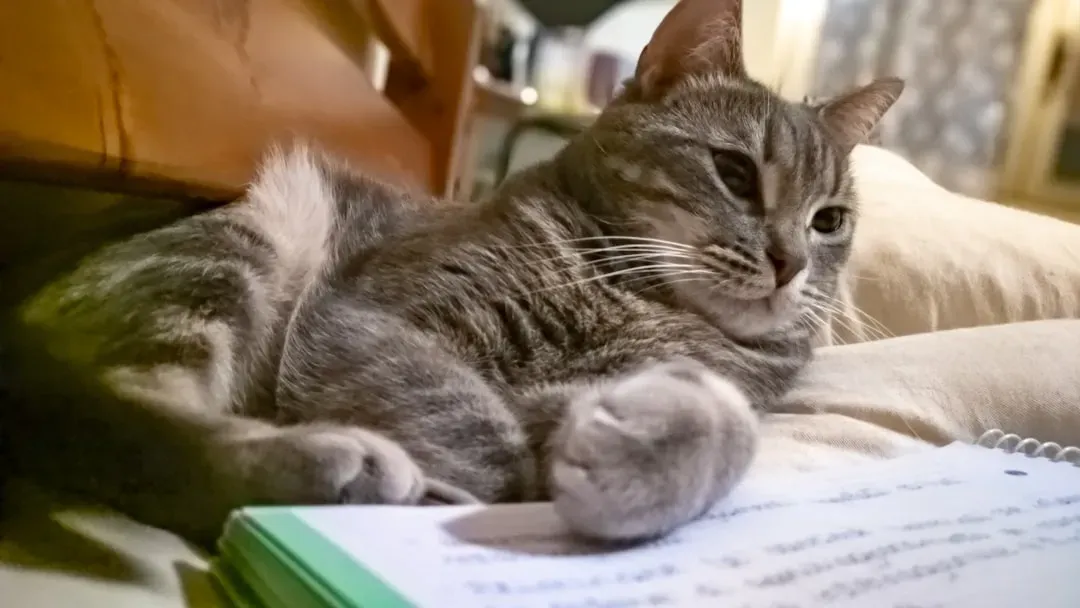
Your cat is watching you. More specifically, it is reading your face, your tone, and your body language with a level of accuracy that should give you pause. Research has been pivotal in highlighting that cats can indeed recognize human emotions. In a study, researchers in Italy found that cats could discern between happy and angry expressions in humans and other cats. This ability to understand humans also extends to their owners, with a 2015 study showing that cats react differently to their owners’ smiles and frowns.
The 2015 study revealed that cats react differently based on their owner’s facial expressions. When owners smiled, cats were more likely to exhibit affectionate behaviors like purring and rubbing against them. This isn’t just instinct. It’s sophisticated social reading. Cats can sense changes in their owner’s emotional state, so they may be able to tell when you’re sad by observing changes in your behavior and expressions. Honestly, your cat might be more emotionally attuned to you than half the people in your life.
They Know Your Voice and They Know Their Name
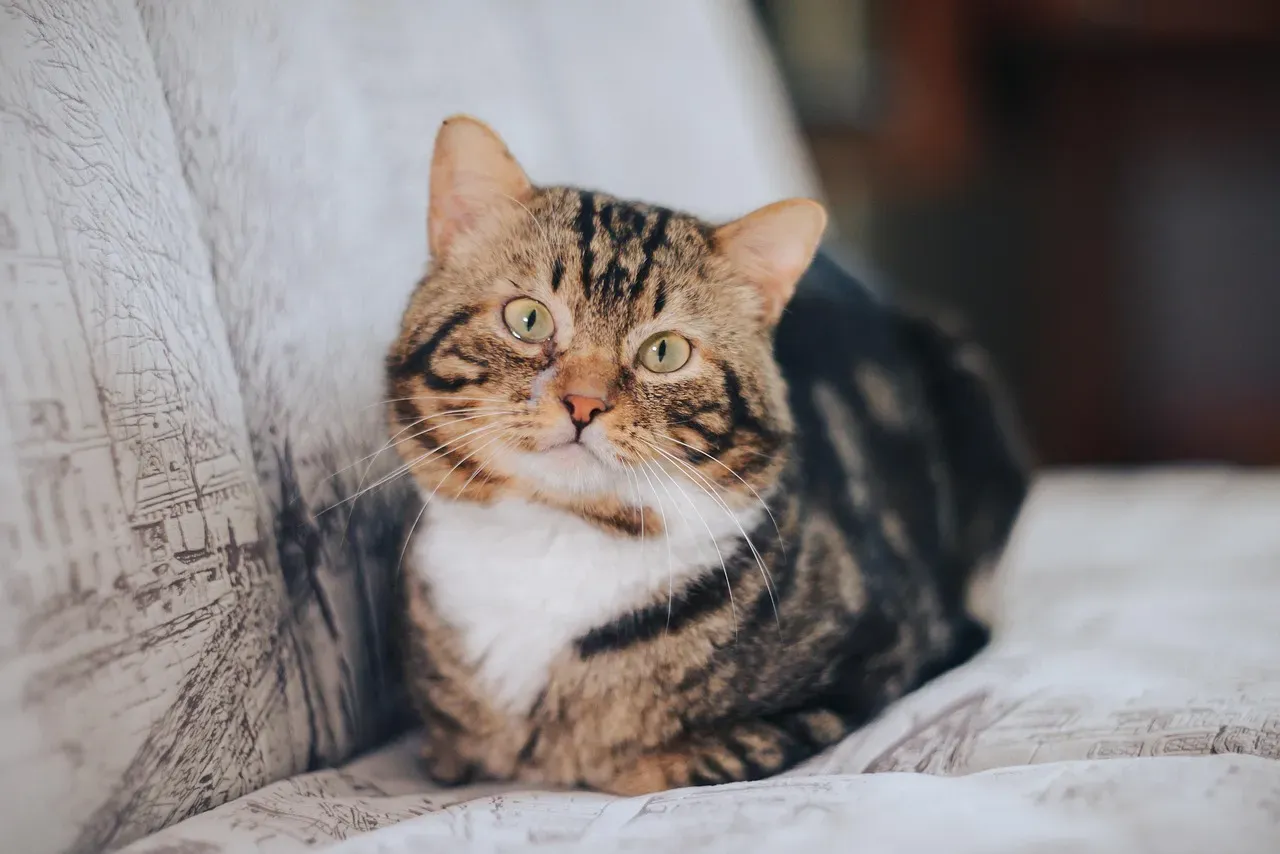
Let’s be real: when your cat ignores you calling its name from across the room, it isn’t because it didn’t hear you or doesn’t know you’re talking to it. Cats have very sensitive hearing. They can tell the difference between their owner’s voice and the voice of another person. They can also tell when we are talking specifically to them. A study in Animal Cognition has shown that cats can detect the subtle changes in their owner’s voice when they are talking to them, as opposed to having a conversation with another person.
Of the twenty cats studied, fifteen demonstrated a lower response magnitude to the third voice than to the first voice. These habituated cats showed a significant rebound in response to the subsequent presentation of their owners’ voices. This result indicates that cats are able to use vocal cues alone to distinguish between humans. Cats are able to recognise their own name and can even be trained to respond to it. Although cats can’t understand the meaning of words like we can, they do recognise the sound of specific words and their connection with particular scenarios. Your cat hears you. It simply decides whether it cares to respond. There’s a difference.
Social Memory: Cats Know Who You Are and Who Lives With Them
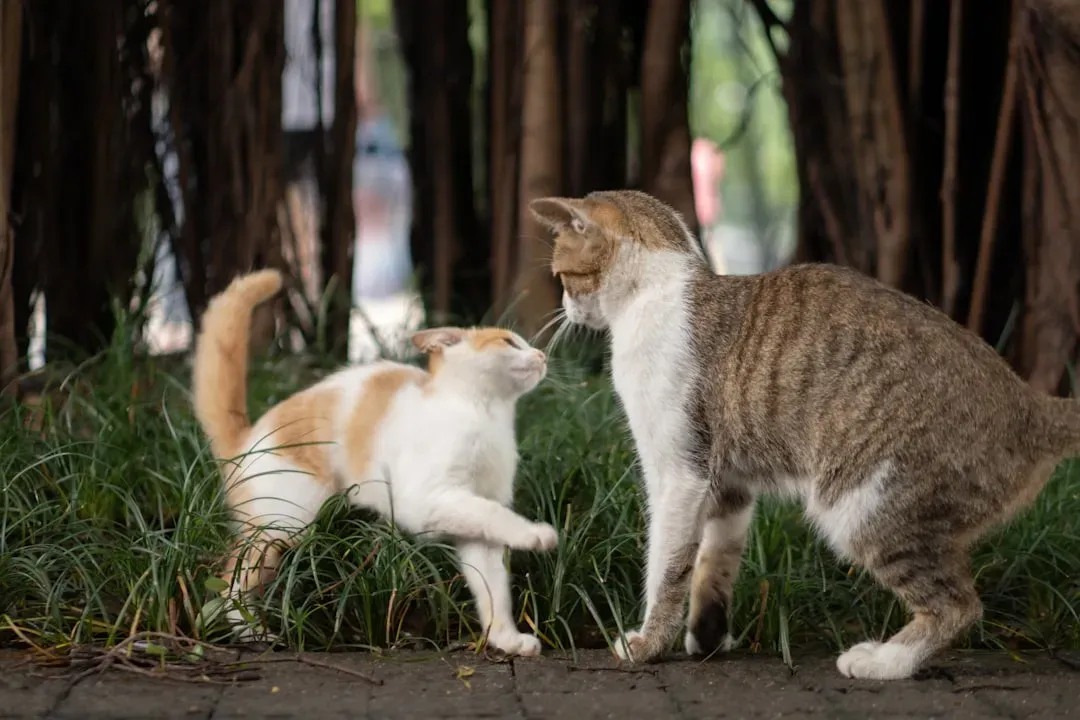
This one blew me away when I first came across the research. Cats can recognize their own names, an ability we mostly associate with dogs, and new research shows that this feline feat goes much further than we realized. Scientists discovered that in addition to knowing their own names, cats also appear to recognize the names of other cats they’re familiar with, and may also know the names of people who live in the same household. Yes, your cat might actually know your name as a specific sound associated with you specifically.
They can use human pointing cues and gaze cues to find food. They also discriminate between human facial expressions and attentional states, and identify their owner’s voice. Furthermore, they cross-modally match their owner’s voice and face when tested with their owner’s photo presented on a screen, and human emotional sounds and expressions. This does indeed suggest that cats show advanced social awareness, presumably learning through observing social interactions around them. As we explore these aspects of cognition in cats, we find that cats are much more sophisticated and complex in their relationships with humans than is often assumed.
The Power of Memory: Your Cat Won’t Forget You

Ever worried that your cat will forget you after a long vacation? Put your mind at ease. Cats excel at procedural and spatial memory and are known to retain their memories for ten years or more. What’s even more fascinating is that cats can associate individual memories of places or events with the emotions they experienced at that time. It’s not just rote recall, either. There’s an emotional dimension to feline memory that makes it feel almost human in nature.
Studies have shown that cats can recognise their owners, even after they’ve been apart from them for an extended period of time. Evidence suggests that cats have a working memory for hidden objects that lasts up to at least one minute and have a highly developed long-term memory. Think of a cat’s memory like a well-organized library rather than a simple filing cabinet. Emotional tags are attached to key people, places, and experiences, and those emotional associations can last for years.
Problem-Solving and Learning by Watching You
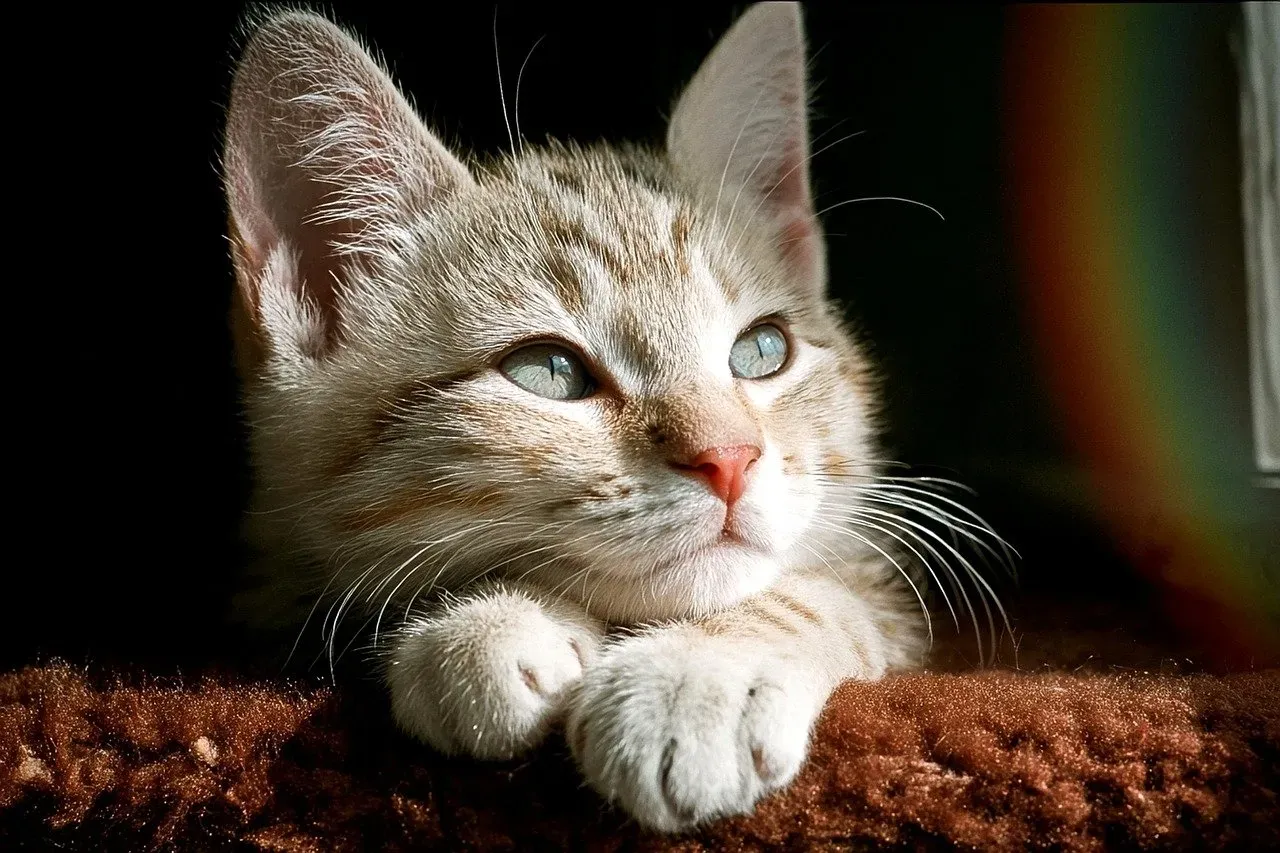
Here’s where feline intelligence gets particularly interesting. Cats are not just reactive creatures. They observe, they analyze, and they adapt. It is not uncommon for a cat to learn how to ring a bell, turn on a light switch, or even open a door simply by watching their human companions. That’s observational learning, a cognitive skill that requires attention, retention, and motor reproduction. Some toddlers struggle with that. Your cat does not.
Cats learn by trial and error, observation and imitation. Cat intelligence has been underrated in the past, probably because the cat is less oriented than the dog is to use his intelligence to please humans. Indeed, he is more likely to use it to get around human attempts to prevent him from doing something that he wants to do. In other words, your cat uses its intelligence strategically, often for its own benefit. It’s a bit like a highly capable employee who applies their skills selectively depending on what’s in it for them.
Cats Understand More About Human Attention Than You Realize
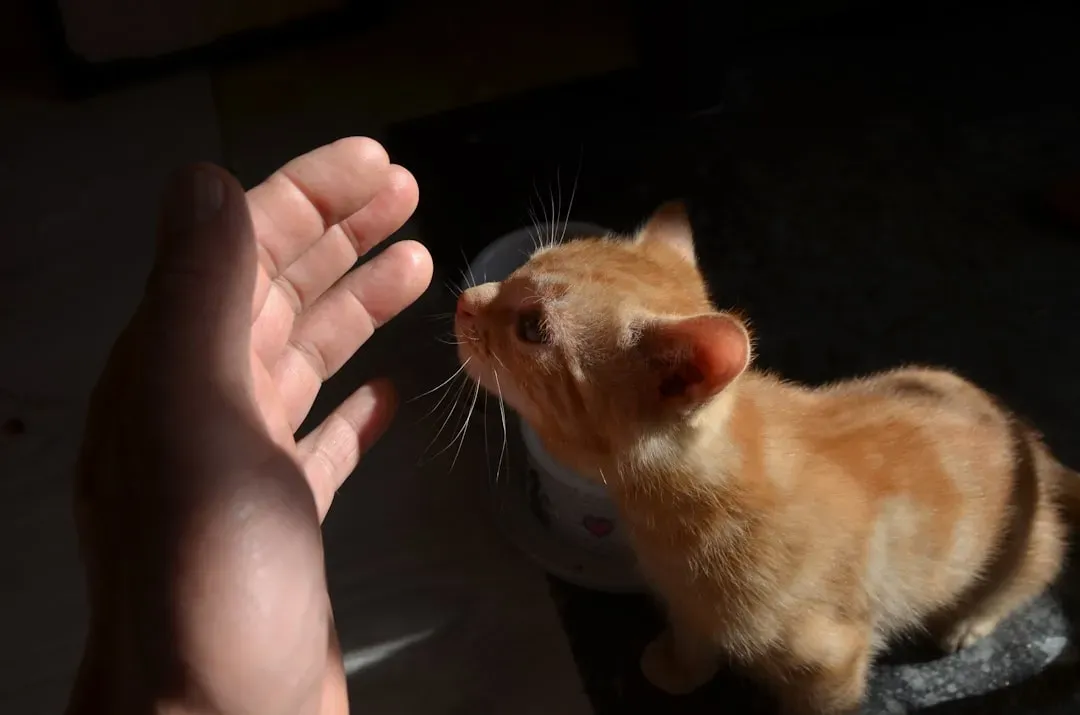
Your cat doesn’t just notice you. It actively tracks whether you are paying attention or not. Many domestic cats live with humans and show evidence of social cognitive operations concerning humans. They can use human pointing cues and gaze cues to find food. This responsiveness to human attentional signals is a relatively sophisticated social skill, one that was previously considered the domain of dogs and primates.
Early training can help cats stay attuned to human cues like finger-pointing. A study from cognitive ethologist Ádám Miklósi and colleagues found that, in general, cats can find cat food when a human points to it. A cat probably knows exactly what “Fluffy, quit scratching the couch!” means. It means that he must wait to continue scratching the couch until the human is distracted or absent. He has no idea, nor does he care, why things like that matter to humans, but he adapts to his circumstances in a way that he hopes will avoid conflict with humans. That is not mindless behavior. That is calculated social navigation.
The Intelligence Behind Every Meow: Communication Built for You

Here’s a truly wild fact: adult cats in the wild almost never meow at each other. Cats use various forms of communication to express their emotions. They have up to twenty-one different vocalizations and utilize body language, such as tail movements and eye contact, to convey feelings like relaxation, fear, and aggression. Understanding these subtle cues is critical to comprehending what cats think of humans and their environment. Meowing, it turns out, evolved largely as a communication tool aimed specifically at humans.
Has your cat trained you to feed her at a particular time, using meows or some other attention-getting behavior? If so, this indicates an understanding of cause and effect – meowing or another behavior causes you to put food in the bowl – and a grasp of the concept of time. That’s not accidental. Your cat has essentially reverse-engineered how to get what it wants from you, which takes observation, memory, and a very deliberate kind of social intelligence. They are, in a sense, fluent in a language they invented just for us.
Intelligence Compared: Smarter Than We Ever Gave Them Credit For

There is no good method for comparing feline intelligence to human intelligence, but performance on mental function tests suggests that cats are at least as smart as human toddlers. Still, that comparison only tells part of the story. Cat intelligence is of a rather different kind from dog intelligence. In nature, dogs are pack animals; cats are colony animals who can live alone if they must. Dogs hunt and feed in packs; cats hunt small rodents alone. Dogs find safety in numbers; cats in stealth. These differences mean that dogs and cats develop and use their intelligence in different ways.
Cats have evolved to demonstrate their intelligence in ways that may not seem immediately apparent to us humans. For this reason, it can be challenging to accurately and objectively assess a cat’s intelligence. The available evidence suggests, however, that cats are much smarter than many people give them credit for. While most cat species are solitary, domesticated cats can live in social groups, engage in complex social encounters, and form strong attachments to humans. It’s hard to say for sure exactly how far that intelligence extends, but it’s clearly far deeper than a casual glance at a napping cat might suggest.
Conclusion
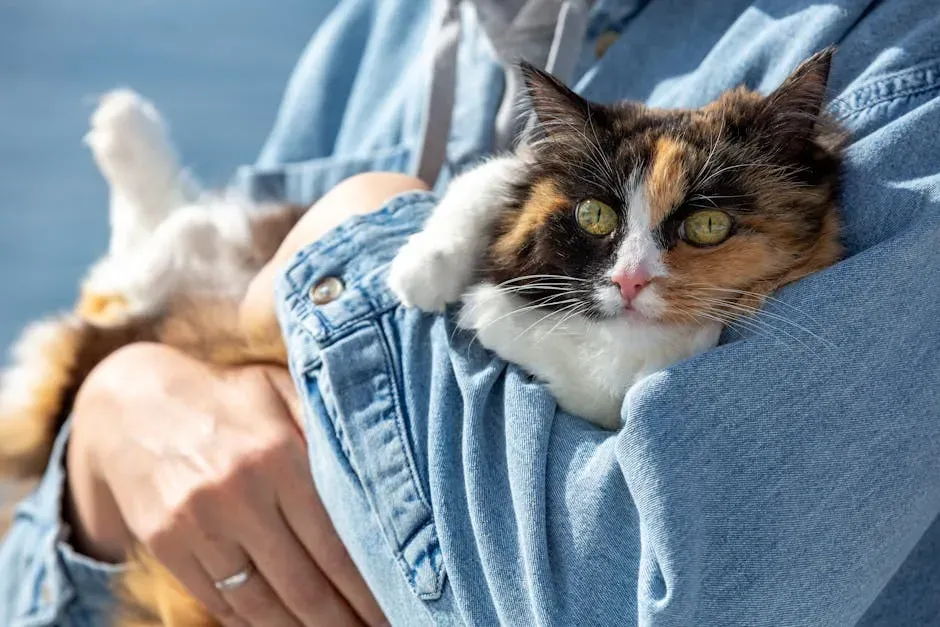
The more science peers into the inner world of cats, the more we realize we’ve spent centuries selling them dramatically short. Your cat knows your voice, reads your mood, maps the faces of everyone in your household, and has probably figured out your daily schedule better than you have. It learns by watching you. It remembers you for years. It even communicates with you in a language it invented specifically to get through to your species.
Cats are not indifferent. They are not unaware. They are quietly, carefully, brilliantly tuned in to the world around them, including you. The next time your cat blinks at you slowly from across the room or presses its forehead against yours, don’t dismiss it as random feline behavior. That’s intelligence expressing itself in its own, unmistakable way. The real question is: how much has your cat figured out about you that you haven’t yet figured out about yourself?
Kristina is a young writer from India. An arts graduate and an avid content creator, Kristina is passionate about animals and wildlife. She enjoys exploring topics related to pet care, animal behavior, conservation, and nature, combining thorough research with engaging storytelling.