You feed your cat every day. You’ve given them a cozy bed, maybe even a window perch. You watch them nap for hours and think, “Yep, my cat is happy.” But here is the uncomfortable truth most cat owners don’t want to hear: you might be getting it completely wrong. The science of feline happiness has moved on dramatically, and the gap between what you assume your cat needs and what they actually need is surprisingly wide.
Cats are one of the most popular pets in the world, yet they remain deeply misunderstood. You might be doing things every day that you believe are signs of good care, but are actually falling short of what truly keeps a cat content. Let’s get into the details, and be prepared to be surprised.
Your Cat Is Not Actually Low-Maintenance – and Science Proves It
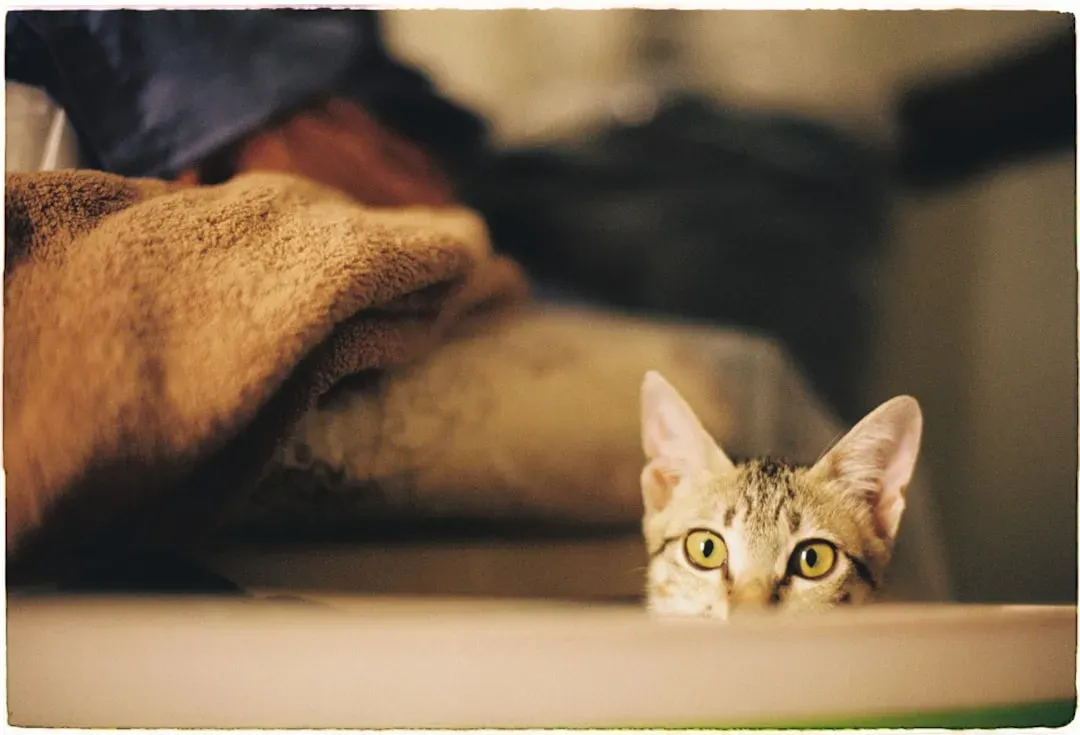
Let’s be real: the idea that cats are the “easy” pet has done an enormous amount of damage. You probably chose a cat over a dog partly because you figured the workload would be lighter. The main scientific message from feline behavior experts is that pet cats need more from us than we think. Everyone assumes cats have it easy, but the biggest welfare issue for pet cats is actually behavior problems caused by home environments that simply aren’t right for them. Think of it this way – a human can survive in a bare apartment, but they won’t thrive.
A 2019 systematic review concluded that the impact of an indoor lifestyle on feline welfare is under-recognized, and that many behavior disorders stem directly from environmental deficits. Without sufficient enrichment, indoor cats may develop distress, which can show up as aggression, inappropriate urination, overgrooming, or withdrawal. So those mystery “behavior problems” you’ve been puzzling over? They may be a cry for help you didn’t know how to hear.
Purring Does Not Always Mean Your Cat Is Happy
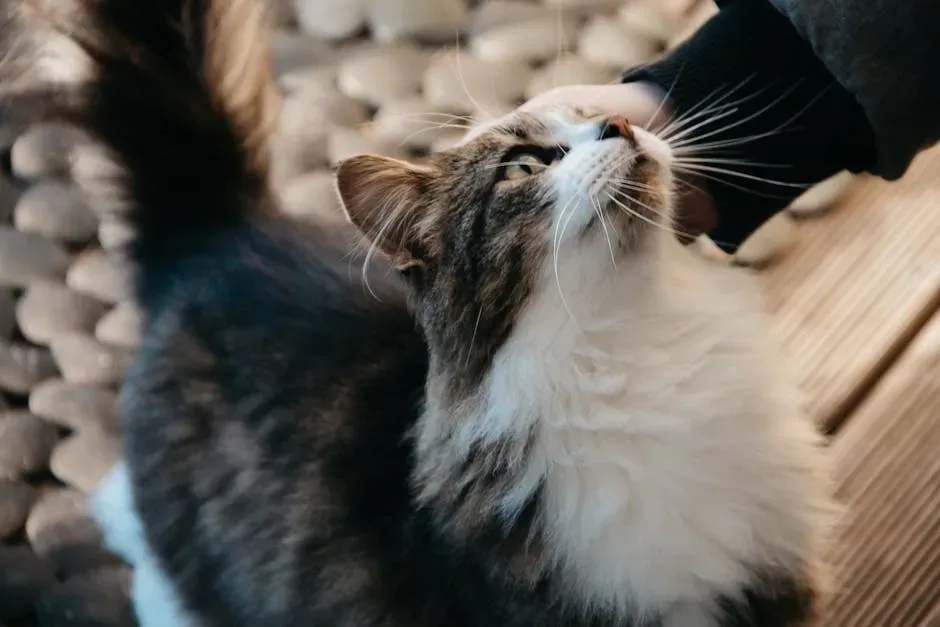
You hear that soft rumble and automatically think everything is fine. It feels like the universal cat signal for contentment. Honestly, it’s one of the most widely misunderstood feline behaviors out there. Purring doesn’t always indicate your cat is happy. It can signal happiness, but it can also indicate stress or pain, and research has shown that cat purrs actually happen at frequencies that support healing and stress relief.
Sick or injured cats, or cats that are in pain for another reason, such as during labor, will purr. If your cat only purrs when sitting in your lap getting head scratches, they are likely purring from happiness. Still, it’s important to keep a close eye on your cat’s purring habits and note any changes or unusual purring instances. Context is everything. A steady, relaxed purr paired with open body language is a good sign. A tense, repetitive purr during a vet visit tells a very different story.
Your Cat’s Hiding Habit Is a Need, Not a Quirk
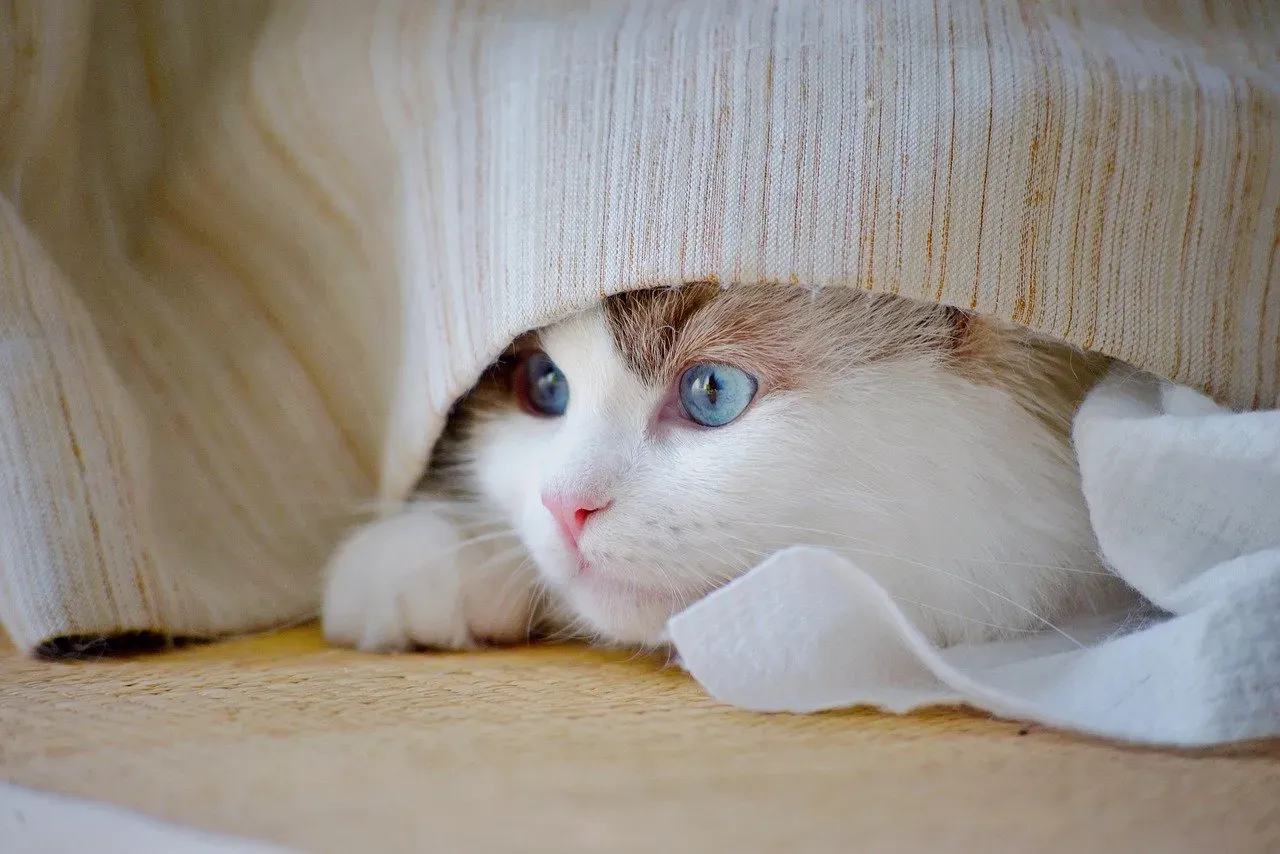
When your cat disappears under the bed or squeezes inside a cardboard box, you probably smile and move on. Maybe you see it as an endearing quirk, or just your cat being mysterious. Here is the thing though – that hiding behavior is not just cute. It is biologically essential. Having easy access to a safe space to retreat and hide is vital for cats to feel secure in their home, and research indicates that having a safe space to hide is more than a luxury. It is a basic, vital need.
Research suggests that these snug hideouts also help cats manage stress. A study published in Applied Animal Behaviour Science found that shelter cats provided with boxes to hide in adapted more quickly and showed fewer signs of stress compared to those without. So that cardboard box your cat has claimed as a throne? Don’t throw it away. It could genuinely be the most important piece of furniture in your home from your cat’s perspective.
Your Indoor Cat Is Secretly Bored Out of Their Mind
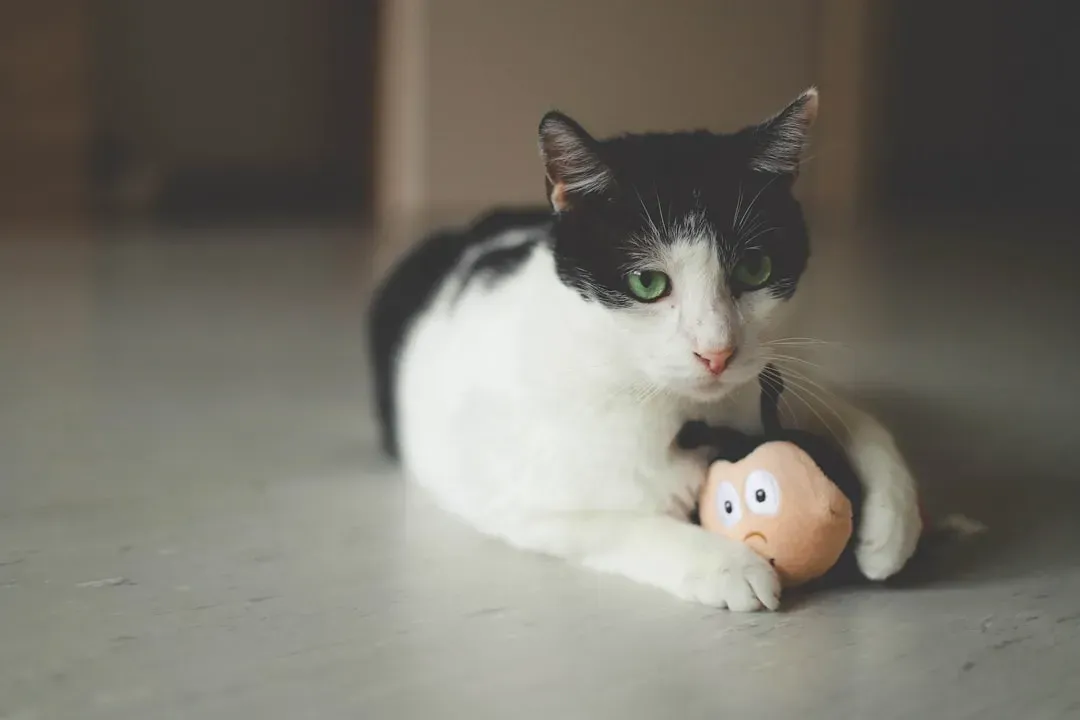
You keep your cat indoors and you feel good about it. They are safe from cars, predators, and disease. That is genuinely responsible. But there is a trade-off most owners fail to account for. Multiple scientific guidelines and reviews converge on one critical point: play and predatory behavior are mandatory, not optional, for indoor cats. Without that outlet, your cat is like a marathon runner forced to sit in an office chair all day.
Without opportunities to stalk, chase, pounce, and capture, energy is redirected into aggression, furniture destruction, or self-injury. Structured play sessions with human-led wand toys and interactive games, ideally five to ten minutes once or twice daily, combined with passive enrichment like toys, scratching posts, and puzzle feeders available throughout the day, are what indoor cats genuinely require. Think of interactive playtime as not just fun, but as genuine medicine for your cat’s mental health.
The Slow Blink Is More Important Than You Think
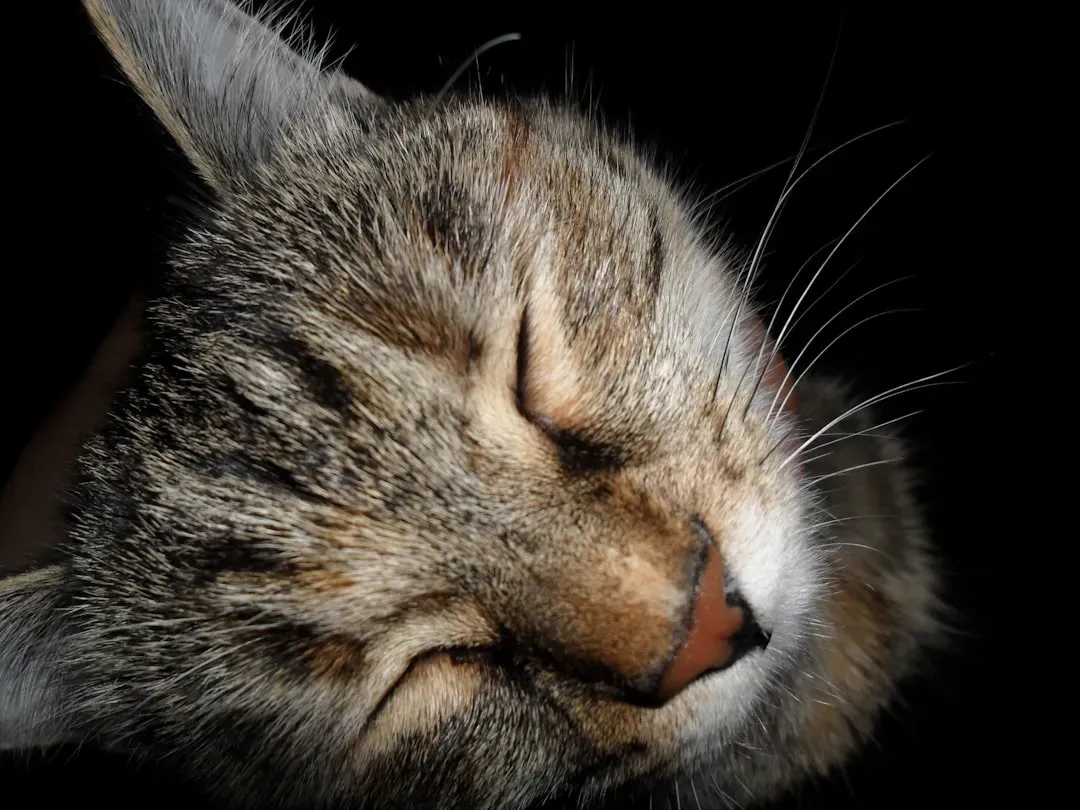
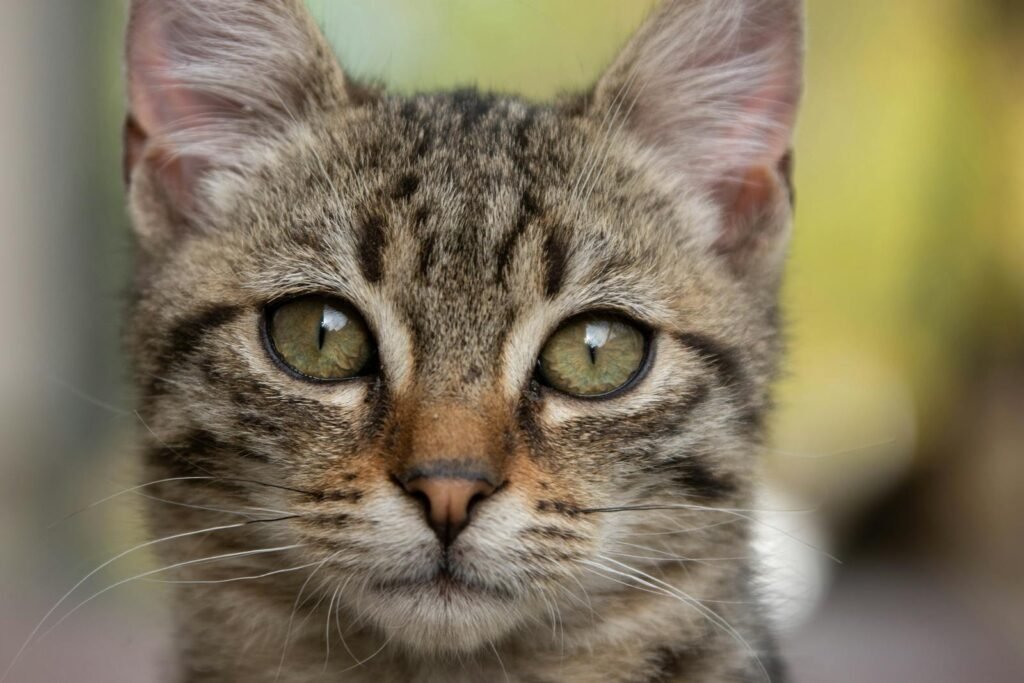
You may have heard about the slow blink in passing, but few owners truly understand just how significant this tiny behavior actually is. It is your cat’s version of a warm smile and a handshake rolled into one. A slow blink is a sign of a relaxed cat, and it is actually a good idea to slow blink back. A rapid blink with scrunched-up eyes, by contrast, is a sign of fear. That small detail about speed matters enormously.
The slow blink is usually a series of half-blinks followed by the cat narrowing or even closing their eyes for a longer period, and it is thought to signal relaxation. Research has shown that cats will return slow-blinks to their human parents and perceive the action in a positive way. You can try sending a series of slow-blinks to your cat and see how they respond. It is a small thing, but learning to speak this part of your cat’s language can transform your relationship with them in surprisingly deep ways.
Your Cat Does Not Need Another Cat – and Getting One Could Backfire Badly
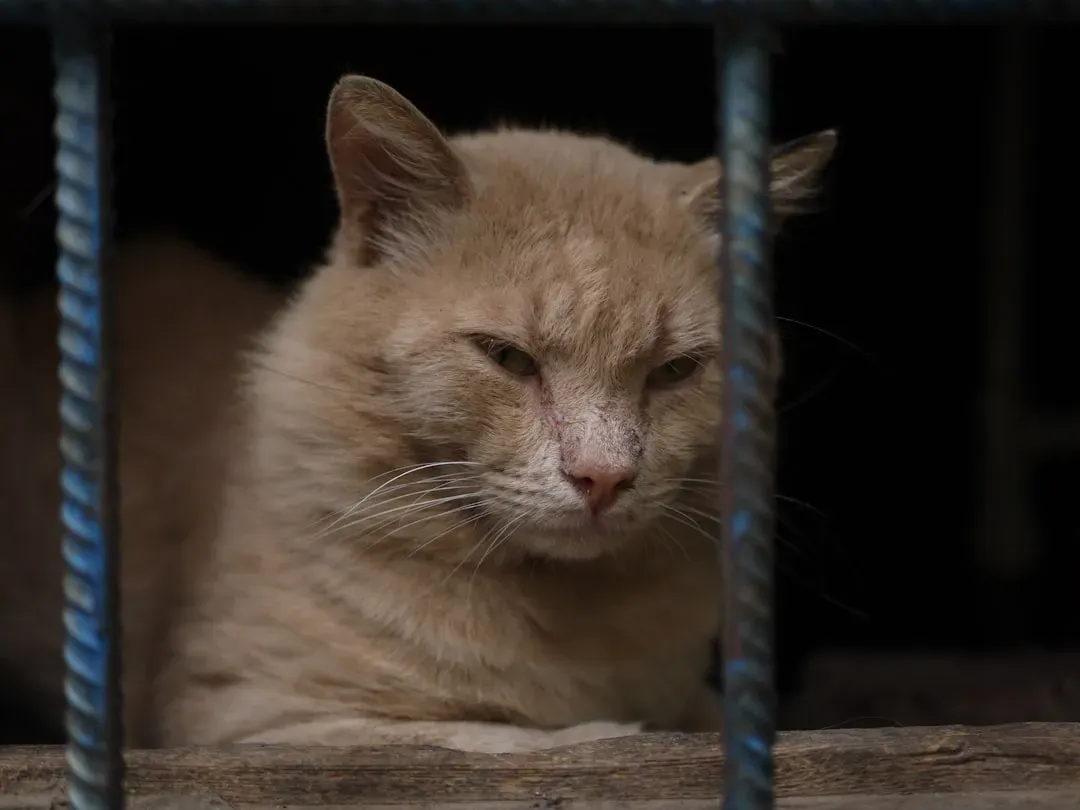
Many people assume that getting a second cat is the kind thing to do, especially if their cat seems bored or lonely. The logic sounds sweet in theory. In practice, it can cause real suffering. Cats are inherently territorial and independent animals. Many are much happier in a one-cat household, where they can bond deeply with their human and live without feline competition. This is not selfish thinking on your cat’s part. It is simply their nature.
When you introduce a second cat, the first cat will often see the newcomer as an intruder in their territory. Cats mark and define their territory through scent and routine, so a new cat can trigger territorial threat and competition for resources, expressing itself through aggression like hissing and growling, as well as anxiety-related behaviors like increased hiding and reduced eating. If you do want to add a second cat to your home, slow and careful introductions over weeks or even months are non-negotiable. While some cats become friends within days, others may need weeks or even months to fully accept their new family member.
Vertical Space Is Not a Luxury – It Is a Stress Reducer
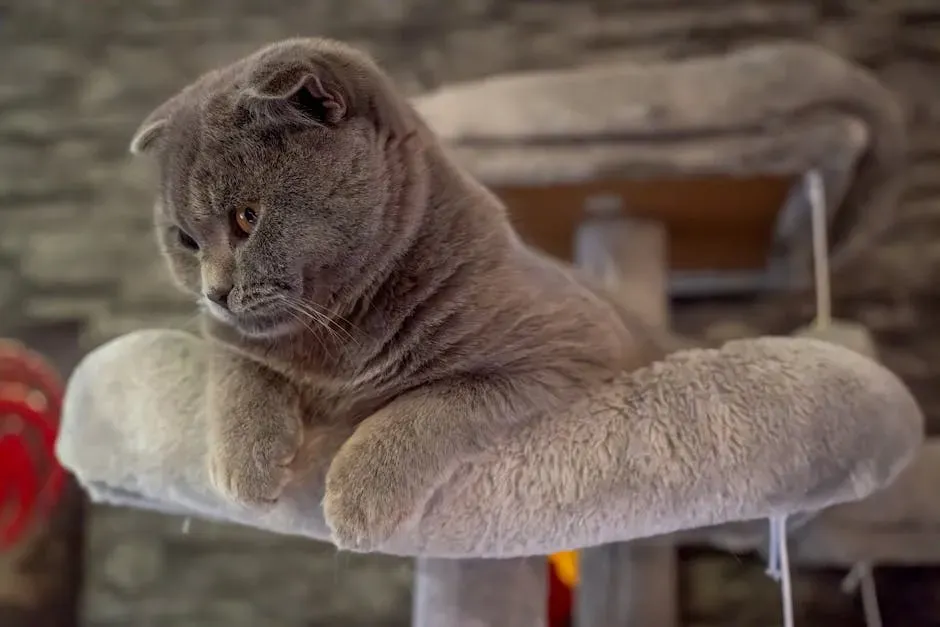
I think most people view cat trees as optional extras, something nice to have if you have the budget. The research, however, tells a more urgent story. Cats need perching options throughout the home that offer vantage points safe from people and other animals. Because of their heritage as both predator and prey species, domestic cats naturally climb for observation and safety. You might think of a cat tree as furniture. Your cat thinks of it as a watchtower and a sanctuary.
A 2024 study in Applied Animal Behaviour Science found that cats with access to vertical spaces had lower cortisol levels, indicating measurably reduced stress. Cats live in a world of vertical territory. For some cats, a high vertical location provides a good view of things happening outdoors. For others, it provides a visual advantage to see if something or someone threatening enters the area. Height, in other words, is directly linked to your cat’s sense of security. It is far more than a place to lounge.
Your Cat’s Routine Matters Far More Than Toys or Treats
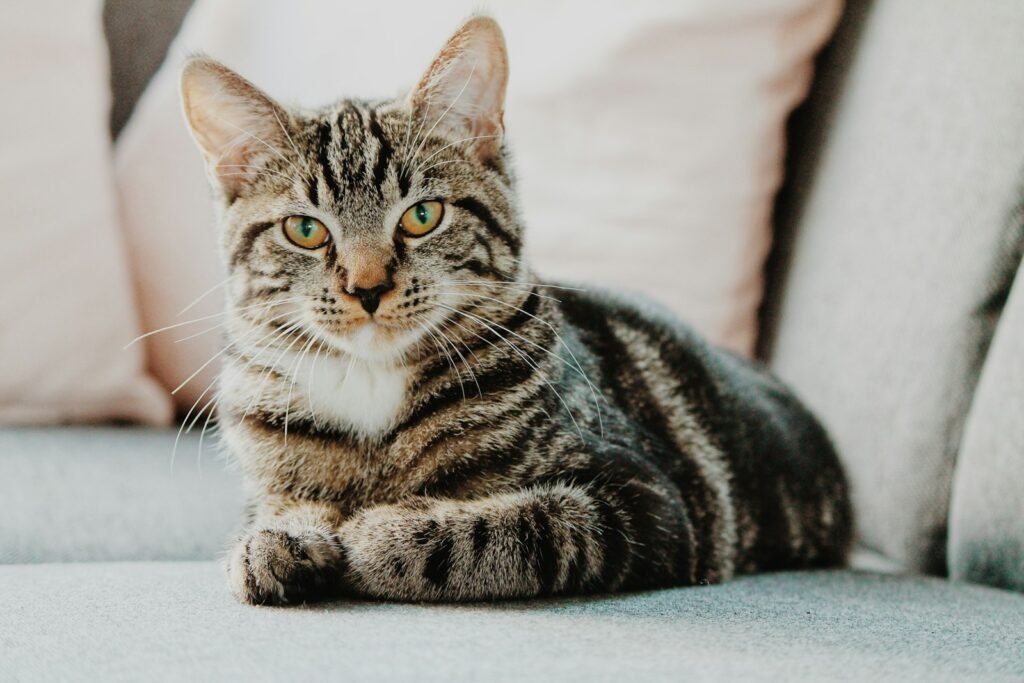
You might be showering your cat with treats and rotating through new toys every few weeks, thinking that novelty equals happiness. Here is a surprising truth: what your cat values above almost anything is predictability. A predictable and consistent routine is critically important for cats. An inconsistent routine can be a source of chronic stress, and over time can have detrimental effects on their physical health, potentially leading to more sickness behaviors and house soiling.
A physical environment that ensures a reasonable level of certainty, consistency, and predictability provides the foundation of genuine enrichment. Creating a living space that keeps the cat free from fear and distress and that provides a predictable daily routine, one over which the cat feels it has some control, is the true starting point for enhancing feline welfare. Think of your cat like a person who genuinely loves knowing exactly what happens next. Surprises are charming to humans. To many cats, they’re just stressors in disguise.
You Are Probably Misreading Your Cat’s Body Language Every Day
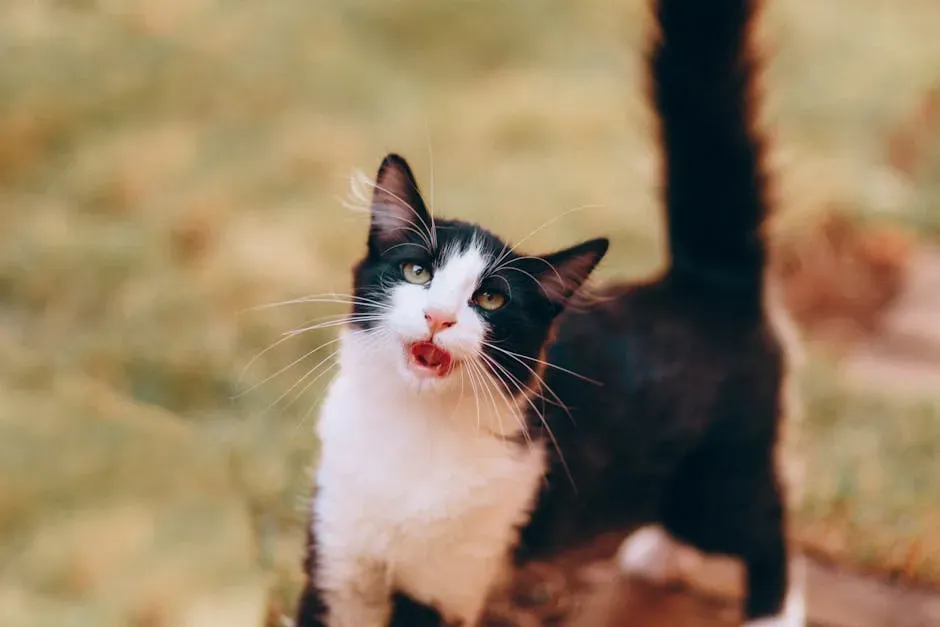
You watch your cat constantly, but that does not necessarily mean you understand what you are seeing. Feline body language is subtle, layered, and easy to misread – even by devoted owners. You need to pay attention to all of your cat’s body parts when trying to understand their body language, including the speed at which actions happen. A slow blink is a sign of a relaxed cat, whereas a rapid blink with scrunched-up eyes is a sign of fear. Essentially, the more open your cat’s body position, the less stressed they are.
A cat’s tail, eyes, ears, and overall posture act as reliable windows into its emotional world. Tail position often reveals mood and confidence, whether relaxed or tense. If your cat is standing with a tail held high with a curved tip, like a question mark, it indicates that the cat is friendly and may be ready for an interaction with you. Learning to read these signals is not just interesting, it is one of the most genuinely impactful things you can do for your cat’s wellbeing. It is like finally learning someone’s native language after years of guessing.
Your Cat Absolutely Can Be Trained – and It Makes Them Happier
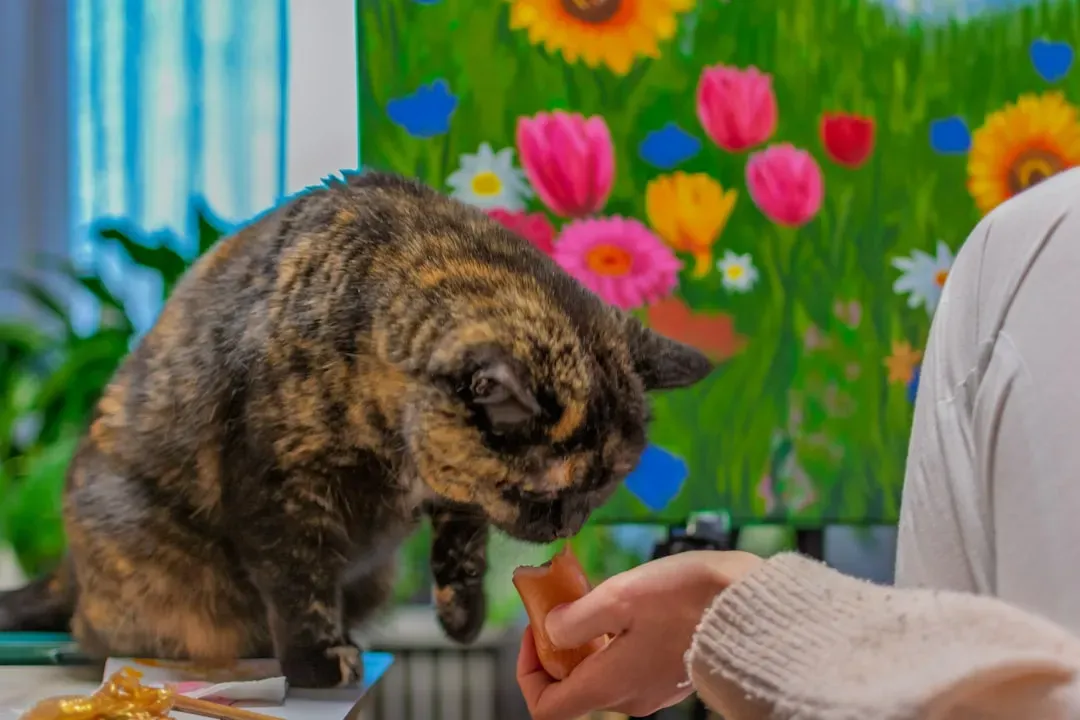
If someone told you that training your cat could meaningfully improve their quality of life, you might raise an eyebrow. Most people still carry around the myth that cats are untrainable by nature. Cats are just as trainable as dogs, according to certified animal behaviorists. Most people do not train their cats because they either do not know how or have heard the myth that cats do not listen or learn. In reality, cats love training and learning just like dogs.
Pet cats can actually be trained to handle necessary events such as going into a carrier and visiting the vet. Cats who were carrier trained before a vet visit had lower stress scores overall during their visit, with their calmer attitude starting on the drive and continuing throughout the entire veterinary exam. Training is not just about convenience for you. It builds trust, reduces fear, and gives your cat a sense of control over their world – which, when you understand feline psychology, turns out to be one of the greatest gifts you can give them.
Conclusion: Your Cat Deserves Better Than Your Best Guess
Here is the honest takeaway: most cat owners genuinely love their pets but operate on assumptions rather than understanding. The science is clear that your cat needs more than food, water, and a warm lap. They need predictable routines, vertical space, safe hiding spots, daily structured play, and an environment designed around their instincts as both predator and prey. Cats are famously discreet about discomfort. When stress or pain enters the picture, the first changes can be subtle: less play, more hiding, a coat that looks a little unkempt, or a shorter fuse with touch. Watching for the signs of a happy cat is about noticing when their normal ease is intact and when it is starting to fray.
You do not need to spend a fortune or redesign your entire home. Small, consistent changes make a remarkable difference. There are plentiful opportunities to improve life for cats, making small but meaningful improvements to their living space and routine that together contribute to the health and happiness of a feline companion. Once you start seeing your home through your cat’s eyes, and understanding their signals instead of projecting human emotions onto them, something shifts. You stop guessing. You start actually connecting. So – how well do you really know your cat?
Kristina is a young writer from India. An arts graduate and an avid content creator, Kristina is passionate about animals and wildlife. She enjoys exploring topics related to pet care, animal behavior, conservation, and nature, combining thorough research with engaging storytelling.