Somewhere between buying your cat their third cat tree and hand-feeding them premium treats at midnight, a question probably crossed your mind. “Am I spoiling this animal?” Honestly, I’ve heard that worry from so many cat owners, and I think it comes from a misunderstanding of what cats actually need from us.
The truth is, what most people call “spoiling” is often just attentiveness. The real conversation isn’t about whether you’re being too generous with your furry companion. It’s about whether what you’re doing is building a genuine, lasting bond, or just filling a bowl. There’s a meaningful difference, and once you understand it, everything changes. Let’s dive in.
The Myth of the “Spoiled Cat” and Why It Misses the Point
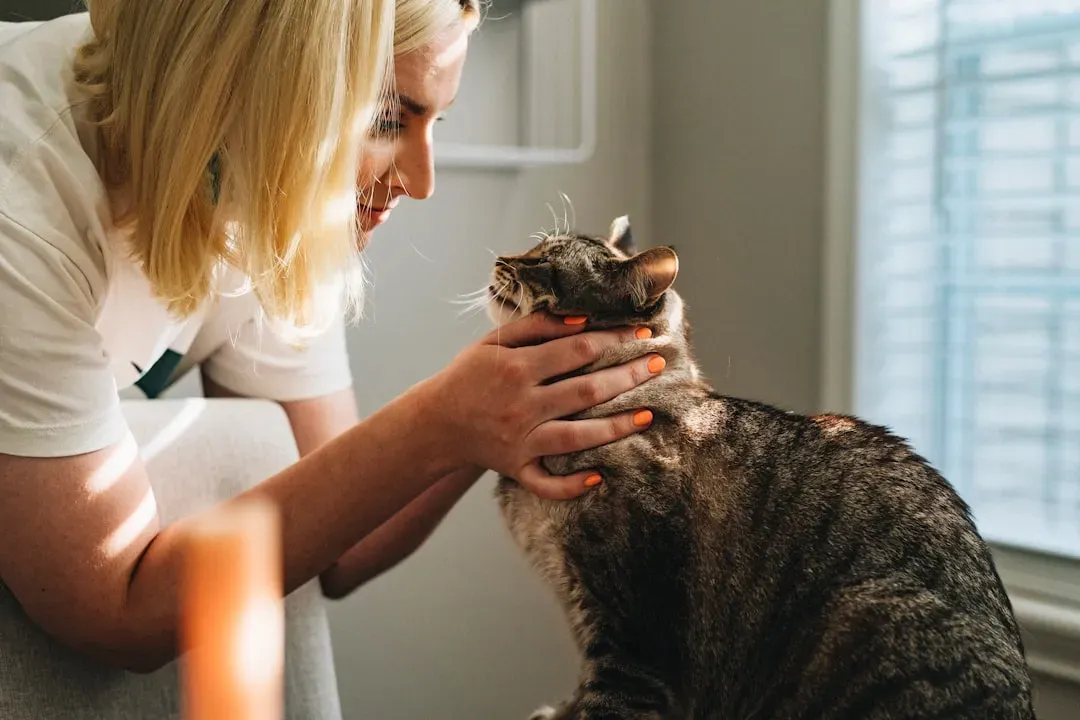
Let’s be real for a second. Most cat owners have been told at some point that they’re “spoiling” their cat, as if caring deeply were somehow a character flaw. It’s a lazy label that misses everything we now know about feline welfare and emotional health.
Enrichment means providing animals with needed environmental stimuli that satisfy their natural instincts, which promotes physical, psychological, and emotional well-being. That’s not spoiling. That’s responsible, science-backed caregiving.
The idea that cats don’t bond with their owners, don’t show affection, or are aloof and cold is nonsense. Plenty of animal behaviorists, veterinarians, and cat parents know that cats form strong bonds with their families. They simply express their love and affection using cat language, which isn’t always easily understood.
Understanding What Your Cat Is Actually Telling You

Here’s the thing: your cat is communicating with you constantly. The problem is most of us weren’t given a translation guide. Learning to read your cat’s signals isn’t just fascinating; it’s genuinely the foundation of every meaningful thing you’ll ever do together.
Body language is crucial. A slow blink is a sign of affection and trust. When a cat arches its back and raises its tail, it often indicates contentment and confidence. Think of the slow blink like your cat sending you a text that says “I like you” without any emojis needed.
Look for signs of comfort like slow blinking, kneading, purring, or choosing to sit near you. On the other hand, tail swishing, pinned ears, or a tense body signal discomfort and a need for space. Once you start noticing these cues, you’ll realize your cat has been having a whole conversation with you that you just weren’t fluent in yet.
Why Consistency Is the Most Underrated Form of Love
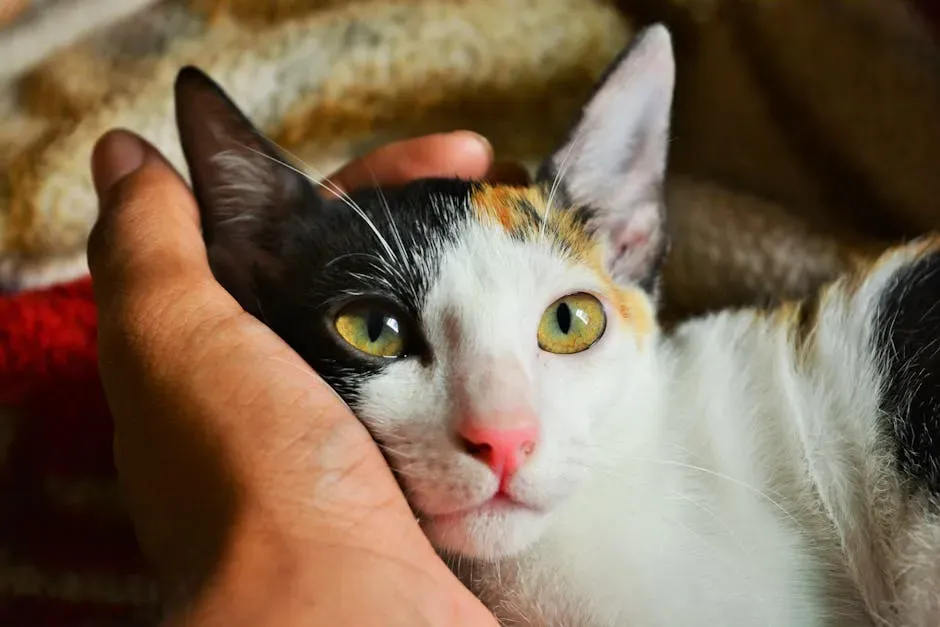
You know what your cat finds more comforting than a luxury cat bed? Knowing what happens next. Cats are creatures that thrive on predictability, and that predictability, more than any product you could buy, is what makes them feel genuinely safe with you.
Cats thrive on consistency. Predictable feeding times, play sessions, and calm evening routines help your cat feel grounded and secure. Even small daily patterns, like greeting them in the morning or giving them a quiet place to relax at the end of the day, can strengthen your bond over time.
Maintaining a consistent routine can help solidify trust as well. Regular feeding, playtime, and interaction create a predictable environment in which the cat can thrive. It’s a bit like being that reliable friend who always shows up on time. Your cat notices, even if they pretend not to.
Play Isn’t Optional: It’s the Language of Connection
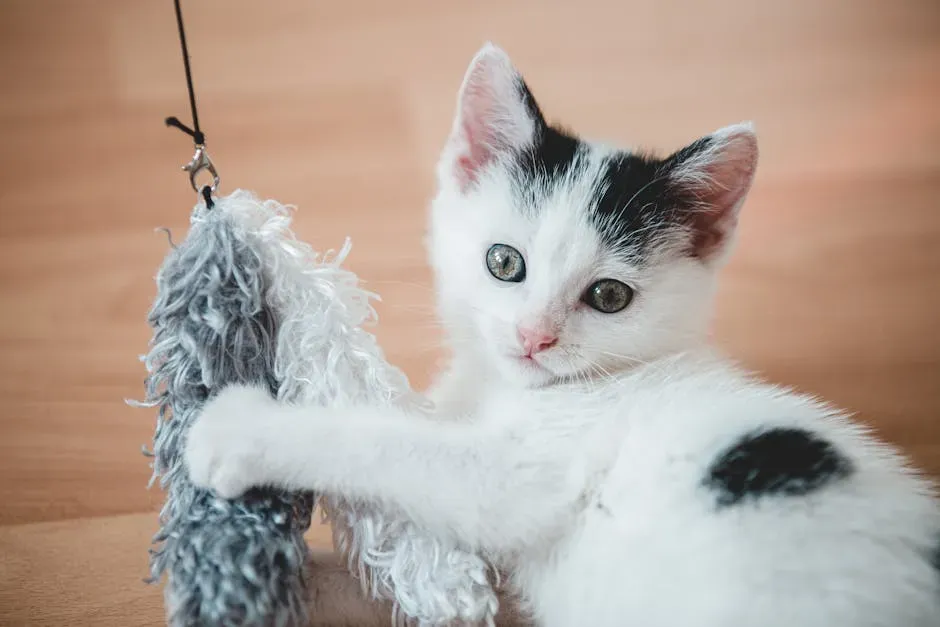
I think we sometimes treat playtime as a bonus, something nice to do when we’re not busy. In reality, for your cat, play is as essential as food and water. It’s how they process the world, burn off energy, and yes, deepen their connection to you.
Play is one of the most effective ways to bond with your cat. It channels natural hunting instincts, provides beneficial mental stimulation, and helps release excess energy that can build up indoors. Think of a good play session the way you’d think of a long walk with a friend. It’s not about the activity itself; it’s about the shared experience.
Aim for a few short play sessions each day, choosing toys that mimic the hunting experience, like cat teasers and wand toys. Rotate the toys frequently so your cat doesn’t become bored. Variety keeps things exciting. Your cat doesn’t need an expensive toy haul. They just need you to show up and play.
Building a Richer Environment Your Cat Will Genuinely Love
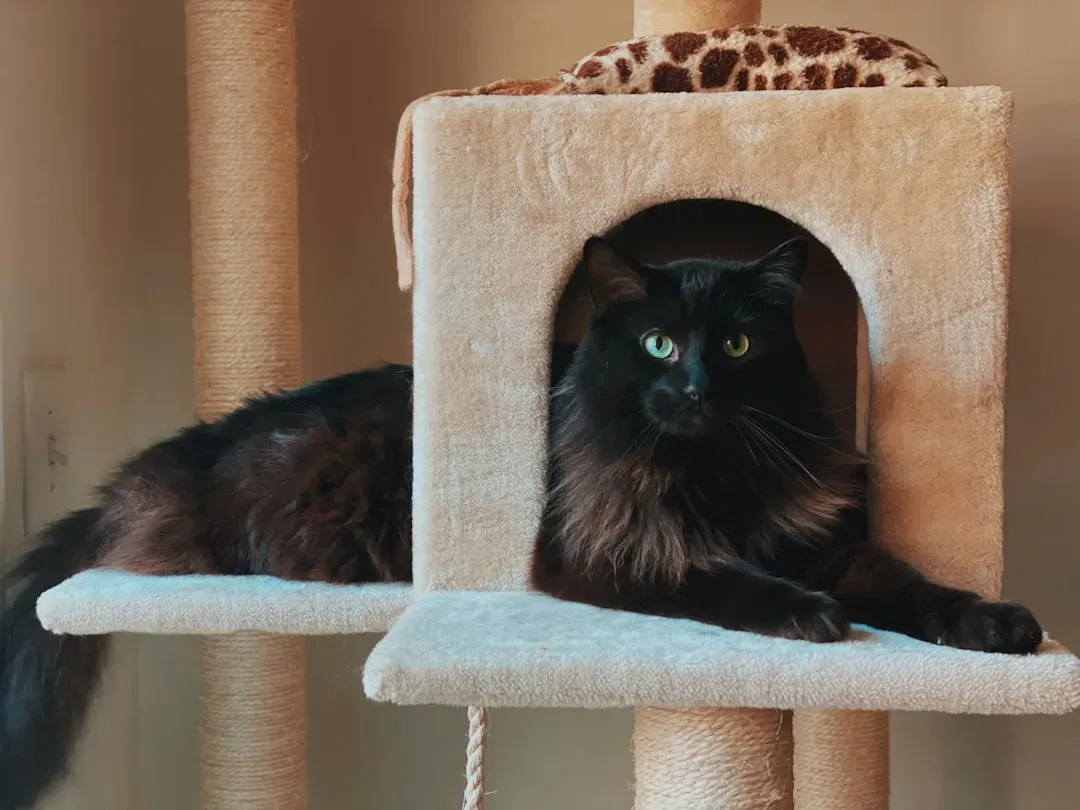
Your home, through your cat’s eyes, is both a kingdom and a jungle. The way you set it up tells your cat everything about whether they’re safe, stimulated, and valued. An enriched environment isn’t a luxury. It’s honestly a basic need for indoor cats.
Cats are curious, intelligent, and instinct-driven creatures who thrive in environments that engage their minds and bodies. Every stretch, pounce, and playful chase connects to their natural instincts, to hunt, climb, observe, and explore. When their daily lives encourage these behaviors, cats feel fulfilled, confident, and balanced.
Cats love to climb and observe their surroundings. Adding cat trees, wall-mounted shelves, or safe furniture access points gives them places to jump, perch, and rest up high. Offering multiple scratching options, like posts, cardboard pads, or sisal boards, satisfies their instinct to stretch, mark territory, and maintain healthy claws. You don’t have to transform your home into a cat palace overnight. Even small additions make a real difference.
The Secret Power of Respecting Your Cat’s Boundaries
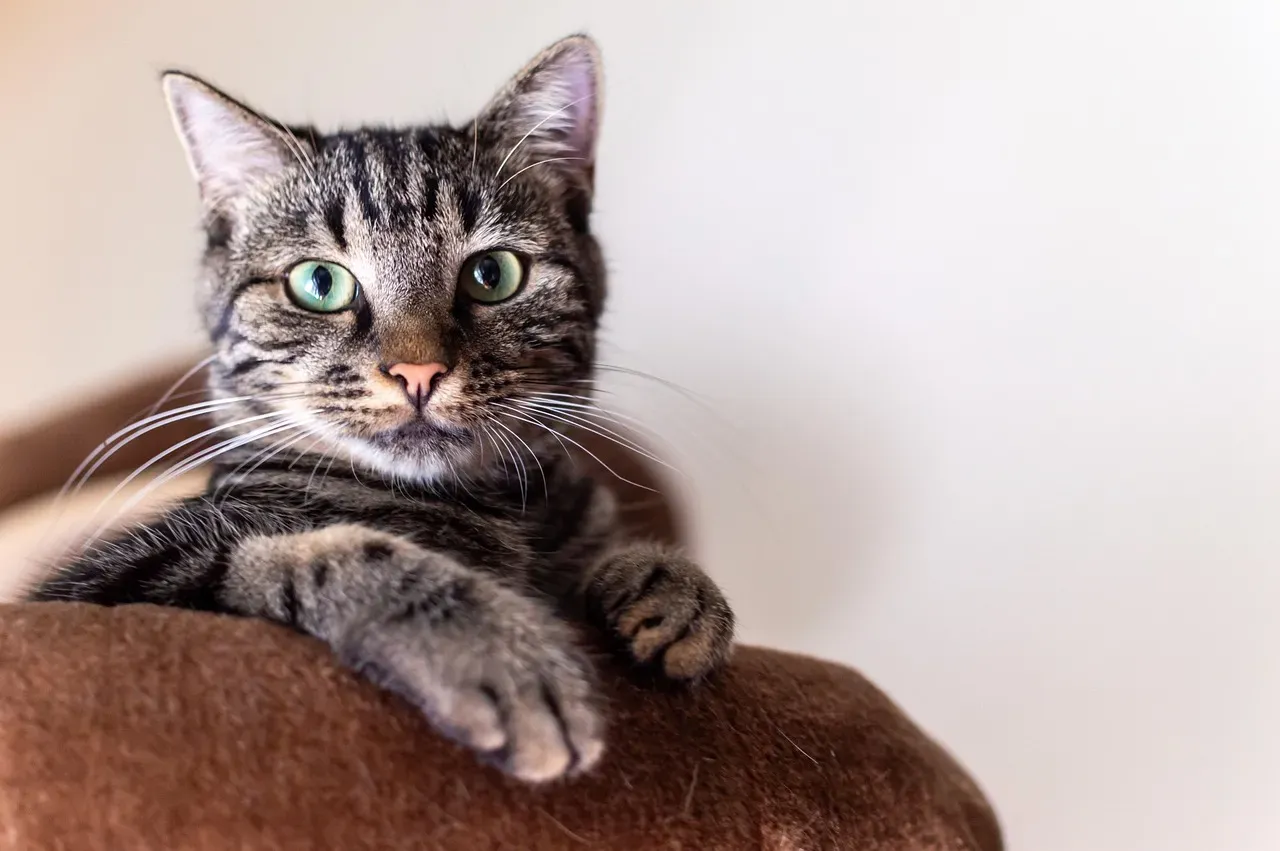
This one surprises a lot of people. Respecting your cat’s need for space isn’t distancing yourself from them. It’s actually one of the most powerful ways to build trust. It sounds almost paradoxical, but stay with me here.
Cats are naturally mesopredators, meaning they can be predators or prey. As a result, they may feel overwhelmed or stressed by excessive attention from humans, whom they might perceive as a threat. Your cat isn’t being rude when they walk away from a cuddle session. They’re just being a cat, and honoring that is what love actually looks like.
Even after your cat feels at home with you, it’s important to give them their independence. If your cat is giving you signals that they want you to back off, like tail thrashing, biting, or leaning away, don’t force the interaction. Respecting their space will strengthen their trust in you and protect your bond. The cat who is always allowed to leave is always more likely to choose to stay.
Using Treats and Food as a True Bonding Tool
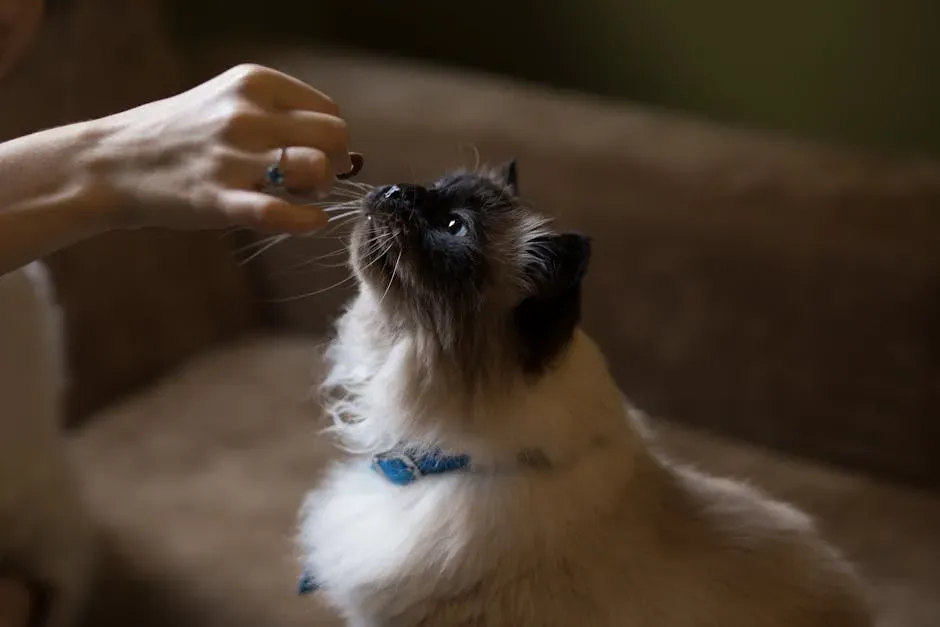
Yes, you can use treats as more than just a little reward for being adorable. When used thoughtfully, treats become an active part of building trust, encouraging exploration, and reinforcing positive behavior. The difference lies in the intention behind the gesture.
Treats can serve a purpose other than spoiling your cat. They can work as enrichment tools that encourage exploring, problem-solving, and interactive play. They can also help reward and reinforce positive behavior. Think of puzzle feeders as a way to turn snack time into a full mental workout for your cat.
Feeding your cat at specific times during the day, as opposed to free-feeding them, can be an easy way to engage, interact, and spend more time with your cat. It also helps them associate you with one of their favorite things: eating. You essentially become the most exciting event in their day. Honestly, that’s a great position to be in.
Grooming and Touch: The Intimacy Your Cat Craves (On Their Terms)
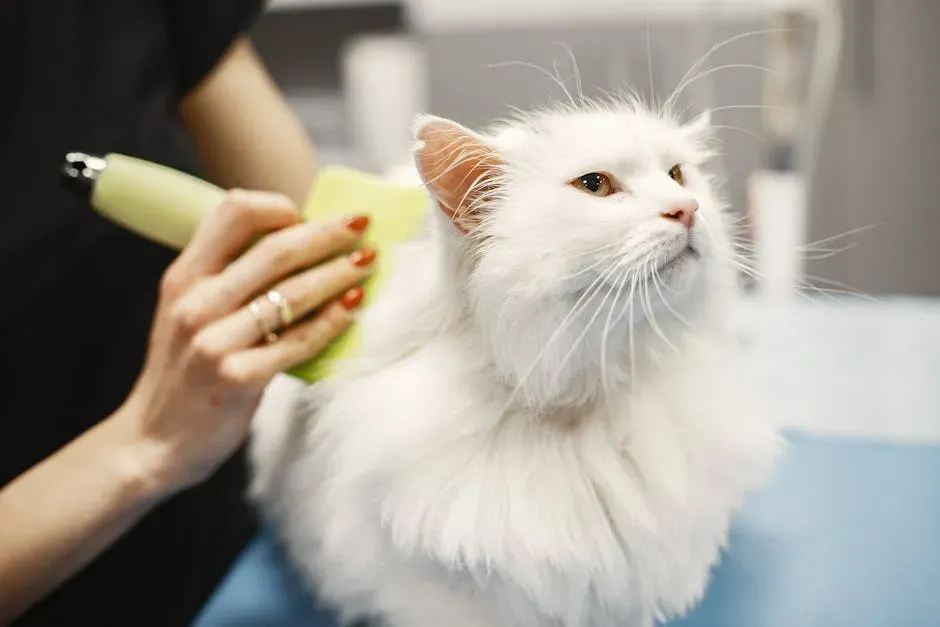
Physical touch with a cat is a beautiful thing, but it requires a certain kind of patience and attentiveness that not everyone brings to it. The difference between touch that bonds and touch that stresses your cat comes down almost entirely to reading the room.
Regular grooming can be a bonding experience, allowing a cat to feel comfortable and cared for in their environment. Many cats find gentle brushing deeply relaxing, almost meditative. It also gives you a quiet, shared moment that you’ll both begin to look forward to.
Affection can be shared by brushing your cats. It’s a wonderful social enrichment for your cat while strengthening the bond you two share. Start slowly, keep sessions short, and always let your cat set the pace. When they start leaning into the brush rather than away from it, you’ll know you’ve earned something real.
The Long Game: How Patience Builds the Deepest Bonds
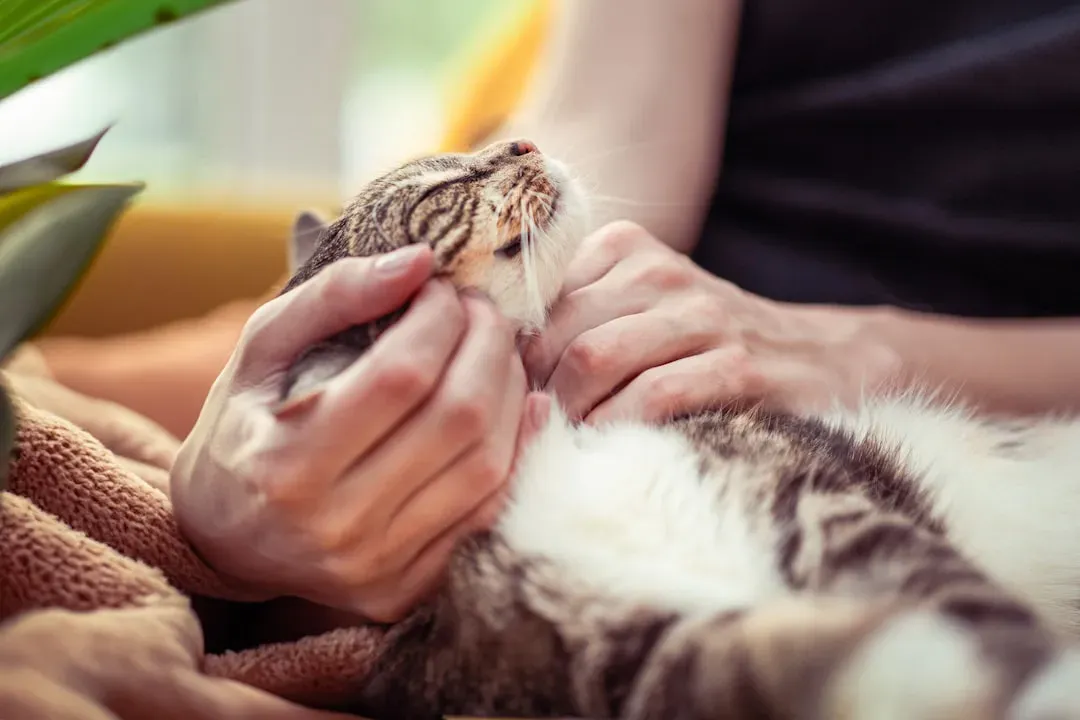
Here’s a truth that doesn’t always make the highlight reel: building a truly deep bond with a cat takes time. Not weeks. Sometimes months, especially with a cat who has a complicated past or a more reserved temperament. That’s not a failure. That’s just how it works.
Research shows that cats can develop secure bonds with their owners, similar to the attachments dogs and even babies form with caregivers. This cat-human bond is strengthened through positive experiences like feeding, spending time together, and respecting their unique preferences. Science is firmly on your side here.
Building a strong relationship with your cat is a gradual process shaped by understanding, patience, and intentional routines. With consistent play, gentle communication, a secure environment, and calming support, you can create moments that help your cat feel more relaxed, confident, and connected to you. Over time, these small daily habits lead to a deeper bond and a happier life for your feline companion.
Conclusion
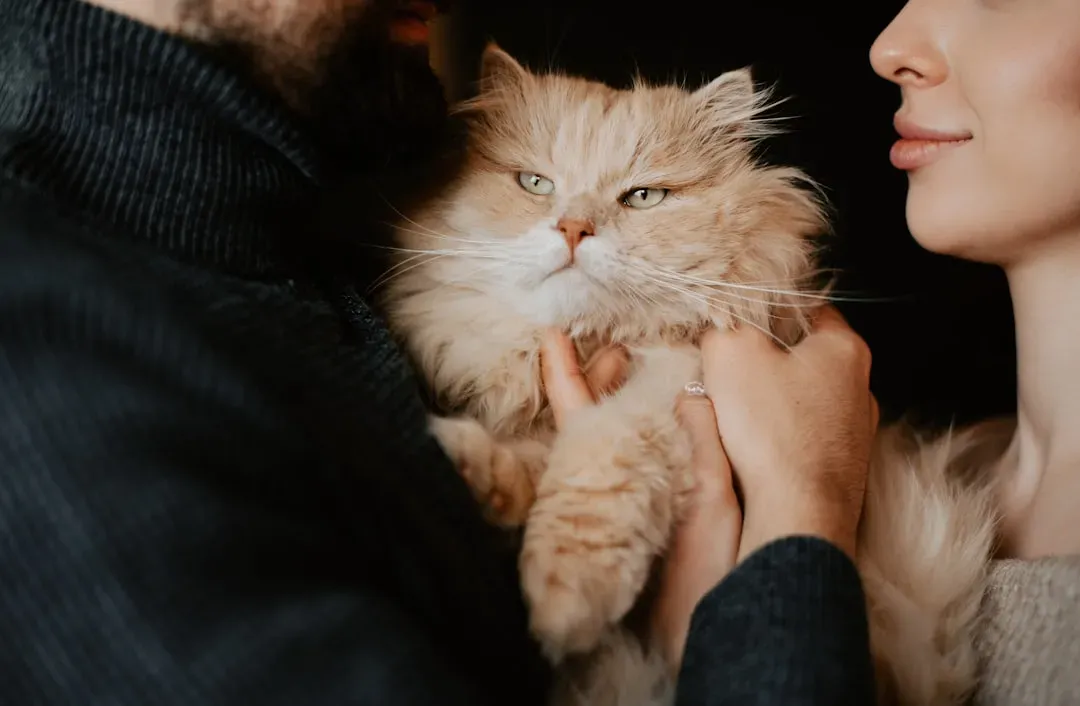
So the next time someone raises an eyebrow at the fact that your cat has their own blanket, or that you rearranged the living room furniture to give them better climbing access, just smile. You’re not spoiling anyone. You’re doing the real work of building a relationship with a creature who chose to trust you, and that’s worth every bit of effort.
Regular enrichment keeps cats mentally sharp, physically active, and emotionally balanced. It turns routine into adventure, helping prevent stress and boredom while strengthening the bond between cat and caregiver. The bond you build with your cat isn’t measured in treats or toys. It’s measured in slow blinks, in the weight of a cat who chooses your lap, and in the quiet, mutual understanding that takes years to grow.
What moment made you realize your cat truly trusted you? Tell us in the comments below.
Kristina is a young writer from India. An arts graduate and an avid content creator, Kristina is passionate about animals and wildlife. She enjoys exploring topics related to pet care, animal behavior, conservation, and nature, combining thorough research with engaging storytelling.