You love your cat. You feed them on time, you bought the fancy bed they never sleep in, and you probably talk to them more than you’d like to admit. So it might come as a real surprise to learn that some of the most well-meaning things you do around the house could actually be sending your cat into a quiet state of fear or anxiety.
Many people assume that cats lead exceptionally carefree lives, but the truth is they are surprisingly sensitive creatures. Stress and anxiety can affect cats more than most of us realize, often triggered by subtle changes in their environment or routine. The tricky part? Your cat won’t sit you down and explain what’s wrong. They’ll just hide, act out, or quietly suffer. So let’s dig into the five most common , and more importantly, what you can do about it. Let’s dive in.
1. You’re Forcing Affection on Your Cat – Even with Good Intentions
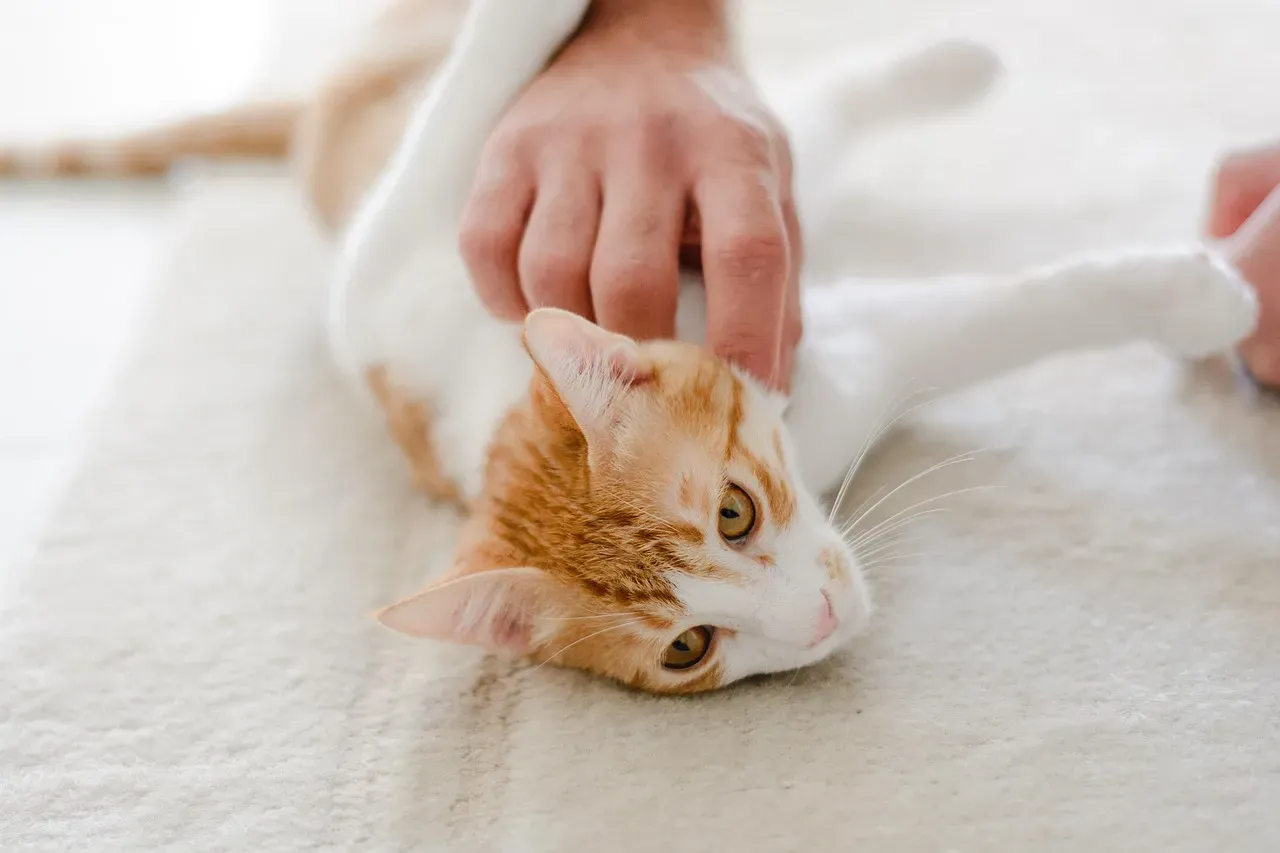
Here’s the thing most cat owners don’t want to hear: your cat does not owe you cuddles. Honestly, one of the most loving things you can do for your cat is to simply put them down when they want to leave. Overstimulation is closely related to a perceived lack of control. As a rule, cats prefer to be in charge of deciding the duration of petting and how it occurs. Think of it like this – imagine someone rubbing your shoulders and refusing to stop even when you squirm. Relaxing? Absolutely not.
Overstimulation is when cats experience sensory overload from too much petting, caused by a painful nerve reaction, stress, or built-up frustration. When you keep petting past your cat’s threshold, you’re not showing love – you’re triggering a fight-or-flight response. Cats almost always give clear warning signals before biting or scratching. It can be difficult to pick up on those signs at first because cats can be subtle in their body language. Common signals to look for include tail swishing or flicking, skin twitching over the back, flattening of the ears, freezing, tenseness, or staring. The moment you see any of these, stop. Walk away. Let them come back on their own terms.
2. You Have No Safe Hiding Spots or Elevated Spaces for Your Cat
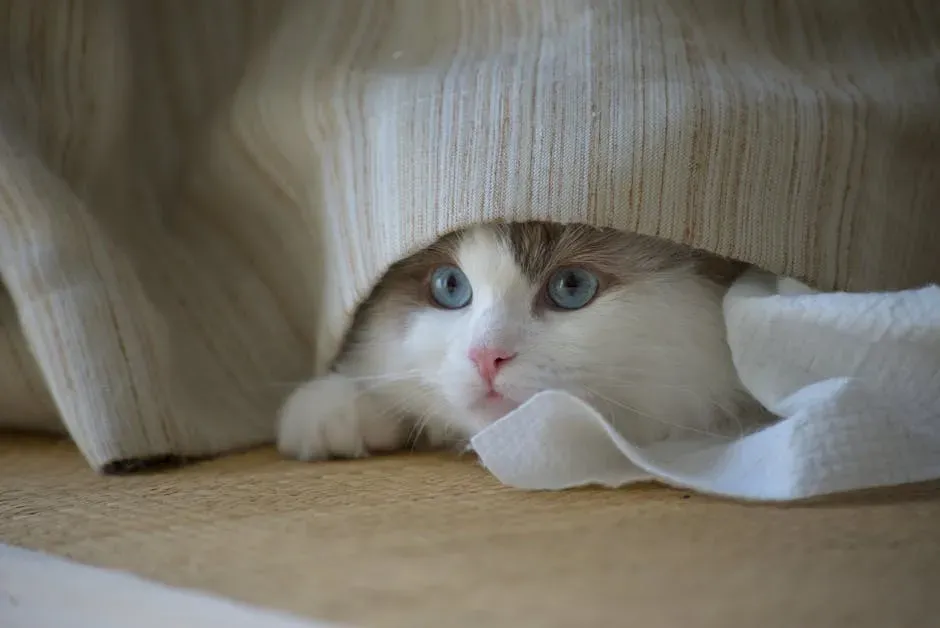
Imagine living in a house where, no matter where you go, you feel completely exposed. That’s your cat’s reality if you haven’t given them places to retreat. Cats naturally seek safe, quiet spaces when they feel threatened. While occasional hiding is normal, a cat that suddenly spends most of their time under furniture, in closets, or in other secluded areas may be experiencing stress. This is particularly noteworthy if your cat previously enjoyed being in the center of household activity.
Make sure your cat has their own space. One of the most important things for many cats is having a space of their own where they can hide when they’re scared. It doesn’t need to be expensive. A cardboard box in the corner of a quiet room can feel like a five-star hotel to a nervous cat. A cat tree or high perch makes cats feel safe and secure when they are in elevated spaces. At least one cat tree should be in areas where the family spends time, as many cats are unlikely to use cat trees in rooms no one goes into. Vertical space is not a luxury. For your cat, it’s a survival tool.
3. You’re Disrupting Their Daily Routine Without Realizing It
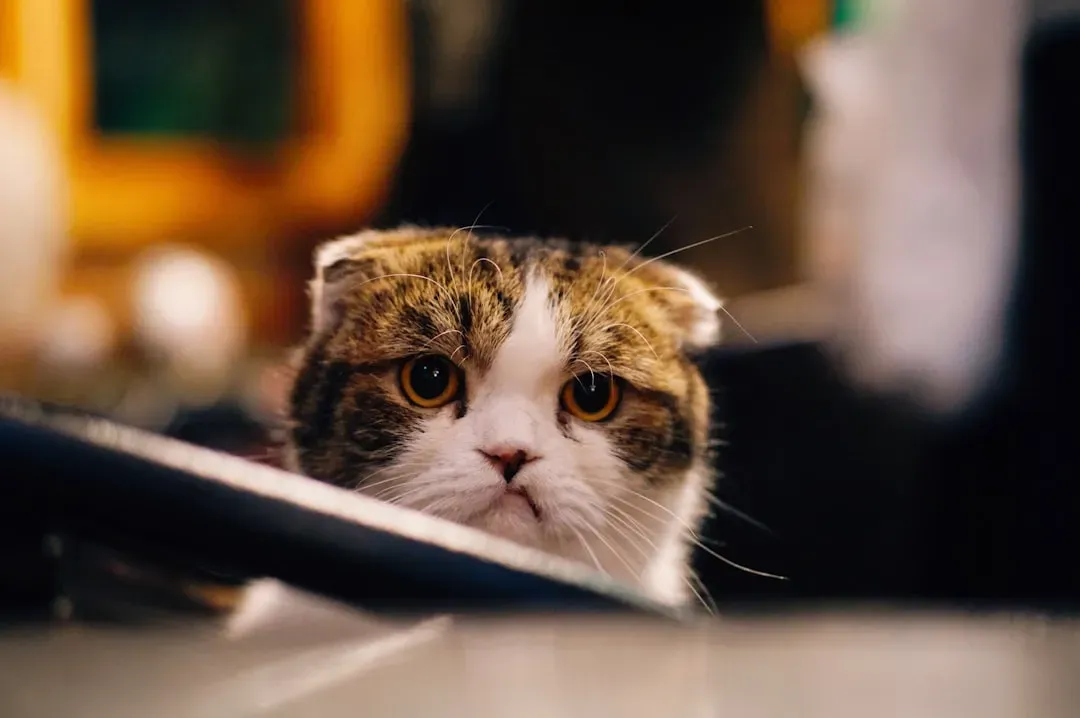
Your cat probably knows when you normally wake up, when dinner gets served, and when the house goes quiet. Disrupt that rhythm and you disrupt their entire sense of security. Cats are creatures of habit, so maintaining a normal routine is very important for decreasing their stress and anxiety. Creating a routine includes sticking to normal bedtime, wake time, and meal schedules. This is because you are meeting your cat’s needs in a predictable way that doesn’t leave them on edge waiting for their next meal or time to rest.
The most common reason for cat anxiety is a sudden change in their environment or routine. Events like adoption, the addition of a baby, a new cat or other pet, a family moving to a new home, or anything else that disrupts what is familiar and comfortable to them can cause significant stress. Even something as small as rearranging the furniture or changing the brand of litter can register as a threat in your cat’s brain. Cats typically do not care for change. In fact, changes in environment or routine can be quite stressful. Trying to keep changes to a minimum and keeping your cat’s daily routine constant can be useful in preventing or alleviating stress and anxiety. Consistency is one of the greatest gifts you can give your cat.
4. Your Litter Box Setup Is Stressing Them Out
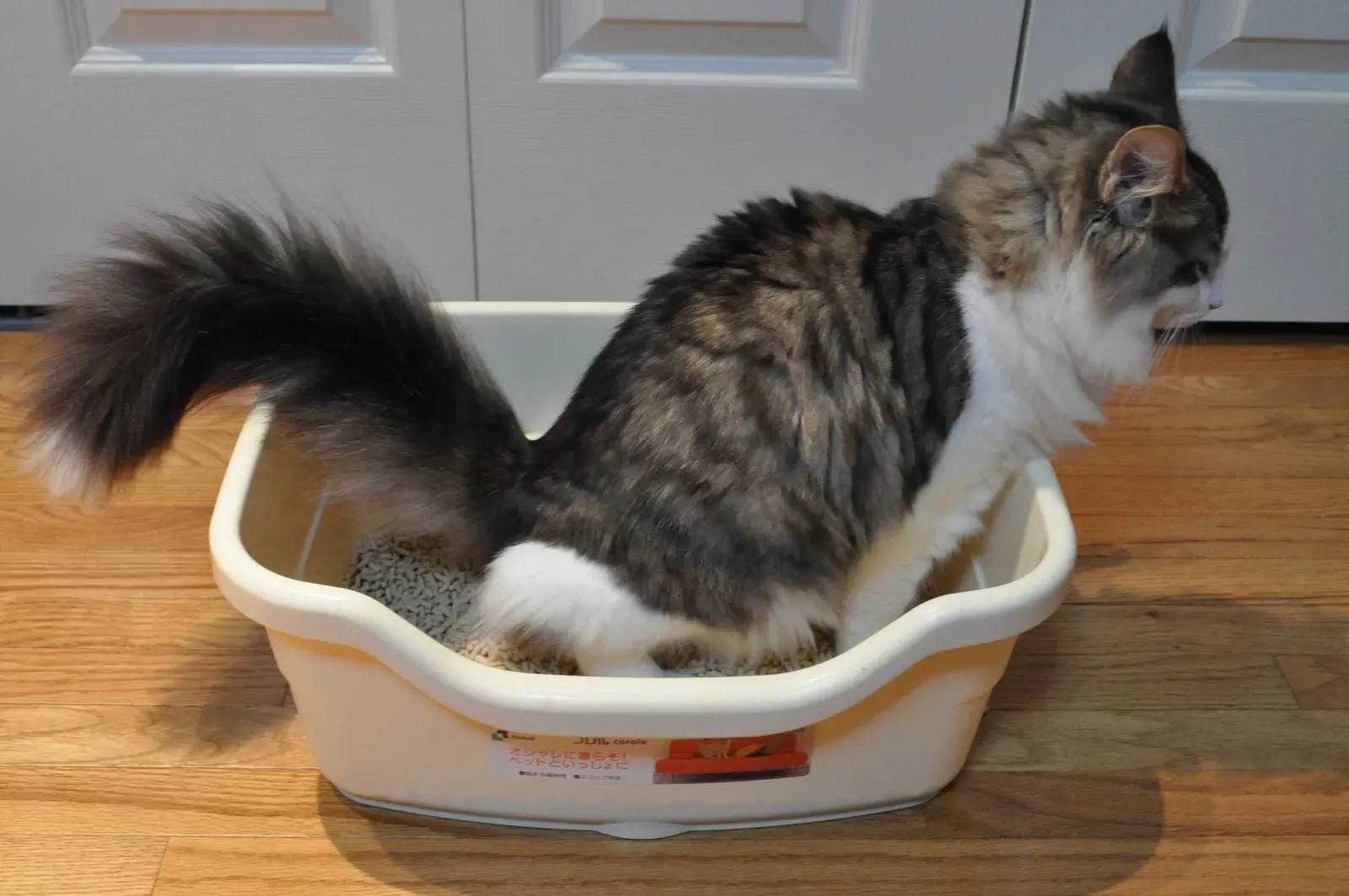
This one surprises people, and I get it. How stressful can a litter box be? Very, actually. When a cat suddenly stops using its litter box, it’s easy to get frustrated, but the issue is often rooted in anxiety. For a cat, using the litter box is a vulnerable act, and for a skittish or nervous one, that vulnerability can feel threatening. This fear might be caused by another pet, a startling noise, or just too much foot traffic nearby. Picture it from your cat’s point of view – they need to feel safe enough to be vulnerable. If the box is in a noisy, high-traffic hallway, they simply won’t feel that safety.
A litter box shoved into a forgotten basement corner or behind a closed door feels like a trap, not a bathroom. Cats are hardwired to stay alert while eliminating, and they won’t use a spot where they can’t monitor their surroundings. On top of location, cleanliness matters enormously. Cats have extremely sensitive noses, and while they find comfort in familiar scents, a box full of urine clumps and poop is guaranteed to be off-putting. Not only is it smelly, it translates into stepping among feline land mines. Scoop daily, place the box somewhere quiet with a clear exit path, and keep it far away from where your cat eats and drinks.
5. You’re Ignoring the Stress Caused by Other Animals in the Home
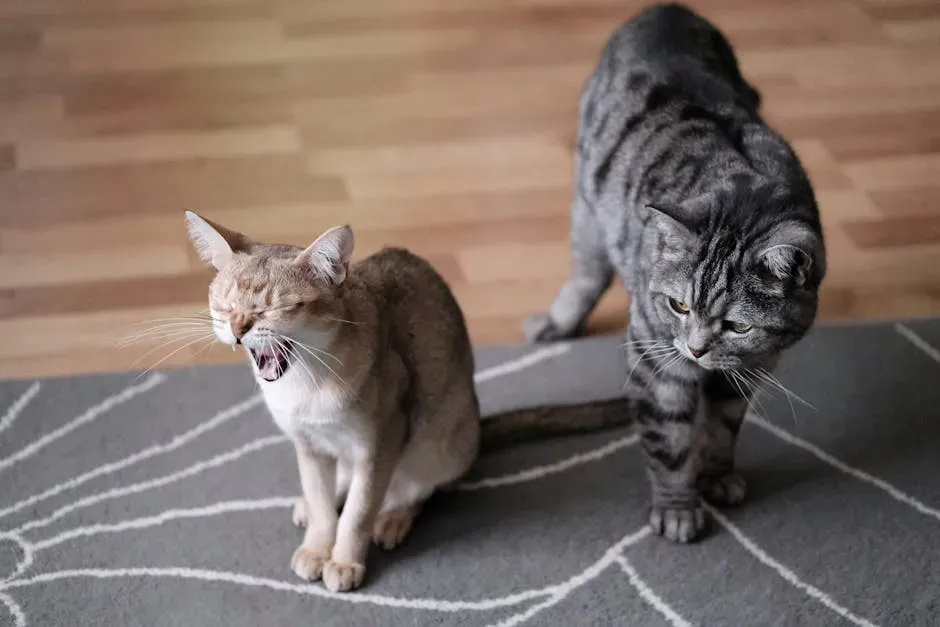
Let’s be real: just because you love all your pets equally doesn’t mean they feel the same way about each other. One of the biggest causes of stress for cats is other cats. Having more than one cat in your home can work well if there are enough resources for the number of cats and if they all get on well. Sharing food or water bowls, resting places, or litter trays can make some cats feel very anxious and can lead to chronic stress. It’s a territorial issue, not a personality flaw.
Just like us, cats are equipped to deal with and recover from situations that cause acute, short-term stress. Longer-term challenges, however, such as not getting on with another cat in the household, are much trickier for cats to cope with and can cause chronic, long-term stress. Chronic stress can lead to behavioural and health problems that might even result in cats needing to be rehomed. Even if the animals aren’t visibly fighting, the tension can be constant and crushing. A stressed kitty is more prone to health issues, and stress is commonly associated with suppression of normal immune system function. Providing separate feeding stations, multiple litter boxes, and distinct resting zones can reduce the invisible competition that’s wearing your cat down every single day.
A Final Thought
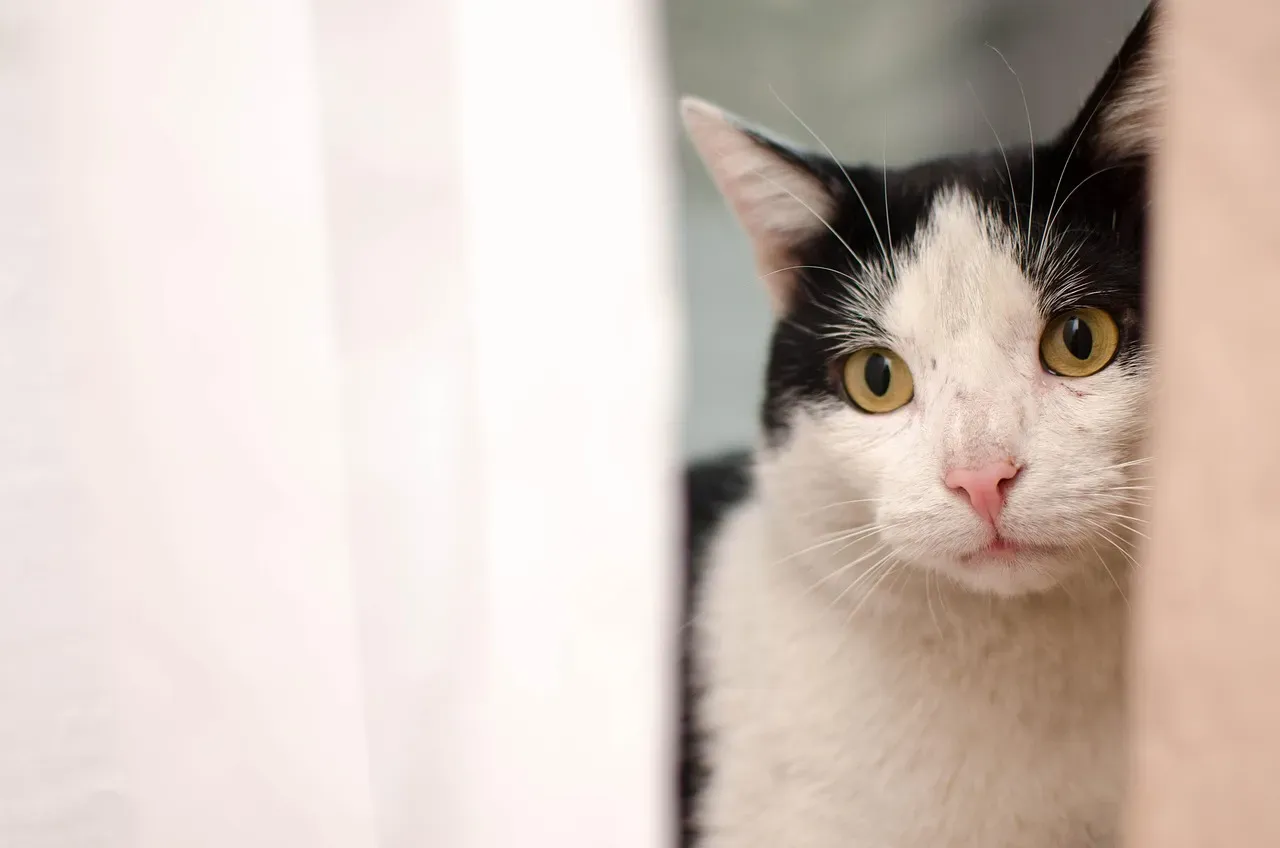
Your cat relies entirely on you to interpret their world. They can’t write a complaint letter, and they certainly can’t sit you down for a conversation about boundaries. What makes feline stress particularly challenging to address is that cats instinctively hide signs of vulnerability – a survival mechanism from their wild ancestors. Unlike humans who might openly discuss their feelings, cats communicate their distress through subtle behavioral and physical changes. This means we need to become fluent in cat language to understand when our feline companions are experiencing discomfort.
The good news? Most of these problems have simple, low-cost fixes. Give your cat space. Keep a solid routine. Set up a proper, accessible litter box. Create hideaways and high perches. Manage multi-pet stress before it becomes a chronic issue. None of it requires perfection. It just requires paying closer attention to the creature who trusts you with their entire life.
Your cat isn’t being dramatic. They’re just trying to tell you something. Are you listening?
Kristina is a young writer from India. An arts graduate and an avid content creator, Kristina is passionate about animals and wildlife. She enjoys exploring topics related to pet care, animal behavior, conservation, and nature, combining thorough research with engaging storytelling.