You watch your cat stretch, yawn, stare dramatically at nothing, vanish into another room, reappear, eat three bites of food, and then sleep for four hours. It all looks gloriously chaotic. Random, even. Like a furry little gremlin just doing whatever they please, whenever they please.
But here’s the thing. None of it is random. Not even close. What looks like a series of ridiculous, unconnected moments is actually a finely tuned behavioral system built over millions of years of evolution. Your cat is not lazy, weird, or mysterious without reason. They are, in every sense of the word, an extraordinarily strategic creature.
Get ready to see your cat in a completely different light. Let’s dive in.
The Crepuscular Code: Why Your Cat Lives for Dawn and Dusk
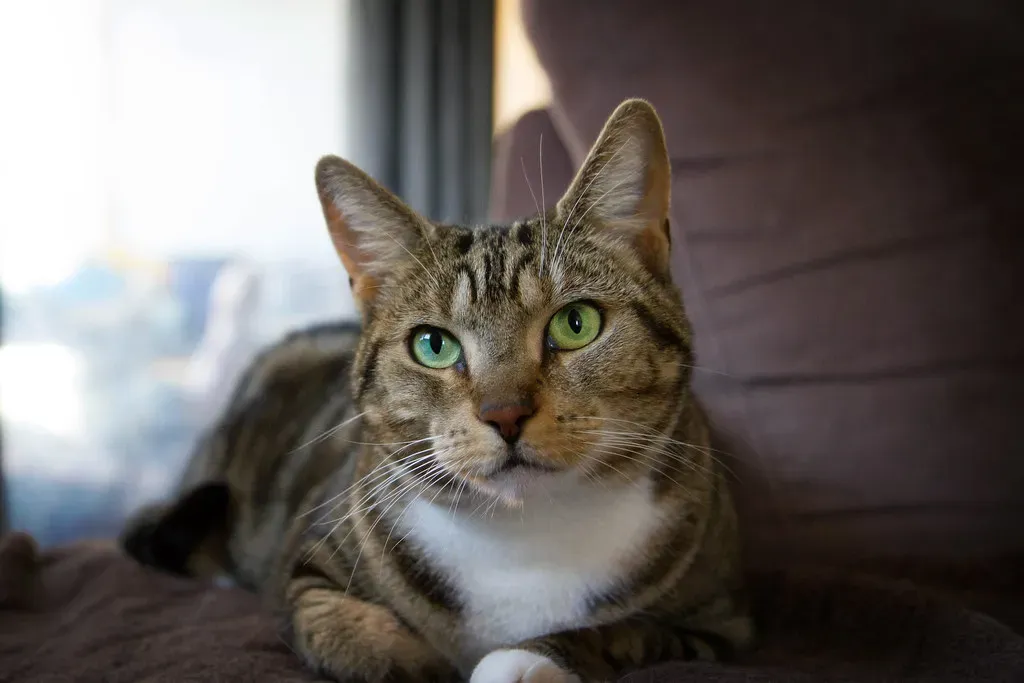
If you’ve ever been jolted awake at 5 a.m. by the sound of something sprinting across your bedroom ceiling at full speed, you already know this on a deeply personal level. Cats are crepuscular animals, which means they’re most active at dawn and dusk. This isn’t a personality quirk. It’s ancient, hardwired biology speaking louder than any domestic comfort ever could.
In order to meet their nutritional requirements, cats needed to locate, stalk, and hunt small species of rodents, birds, reptiles, amphibians, and even insects. Because many of their prey species were active early in the morning or late in the evening, the cat developed a pattern of activity, peaking at dawn and dusk. Think of it like a shift worker who clocks in precisely when the opportunity is greatest. Your cat isn’t waking you up at sunrise out of spite. They’re simply clocking in.
Cats are crepuscular animals, most active during morning and evening twilight hours. In the wild, most of their prey are either nocturnal or diurnal, and hunting when their targets are either waking or preparing to sleep, and therefore less alert, gives them a distinct advantage. Honestly, that’s a level of tactical brilliance most of us can only dream of before our first cup of coffee.
The Art of the Nap: Sleep as a Survival Masterplan
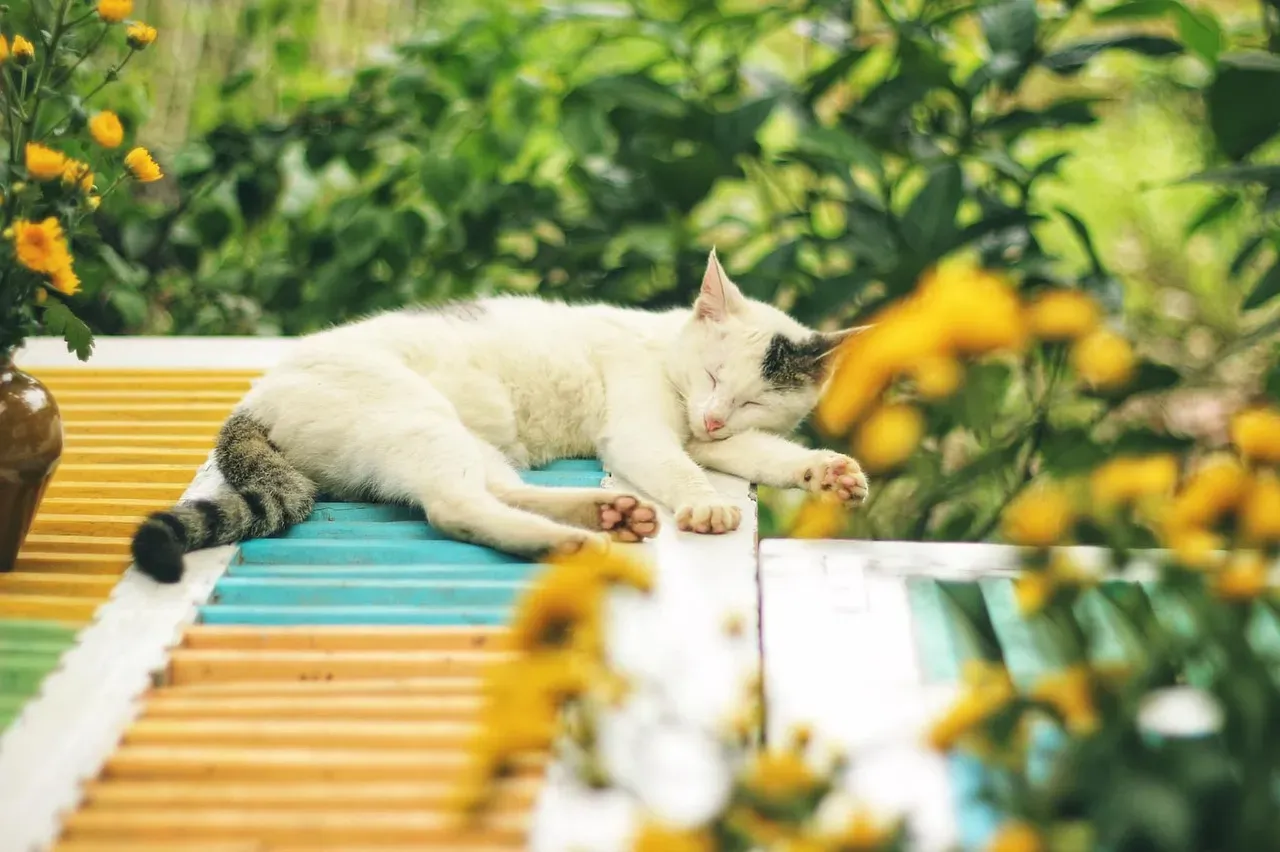
Let’s be real. When you see your cat sprawled across the couch for the sixth consecutive hour, it’s tempting to feel a pang of jealousy. But that epic sleep schedule is not indulgence. It is precision energy management. On average, cats sleep between 13 and 16 hours in a 24-hour day, roughly twice the amount their human owners require. That’s not laziness. That’s elite-level conservation strategy.
Cats use a lot of energy when they hunt, play, or explore their environment, so it makes sense that they need to conserve energy by sleeping more. Picture a sprinter who sleeps deeply between races, storing every ounce of energy for the one critical moment when speed is everything. Your cat operates on the same logic, just with more dramatic poses and better fur.
Light sleep usually lasts anywhere between fifteen minutes and half an hour, whereas deeper sleep will only last for about five minutes at a time. When cats are experiencing light sleep, they are able to wake into action at an instant: their ears will remain erect, responding to sounds in their environment, they may have some tail movement, and perhaps even one eye half open. Even in sleep, your cat is never fully off duty. That is a masterpiece of biological design.
The Predatory Sequence: Every Playful Pounce Has a Purpose
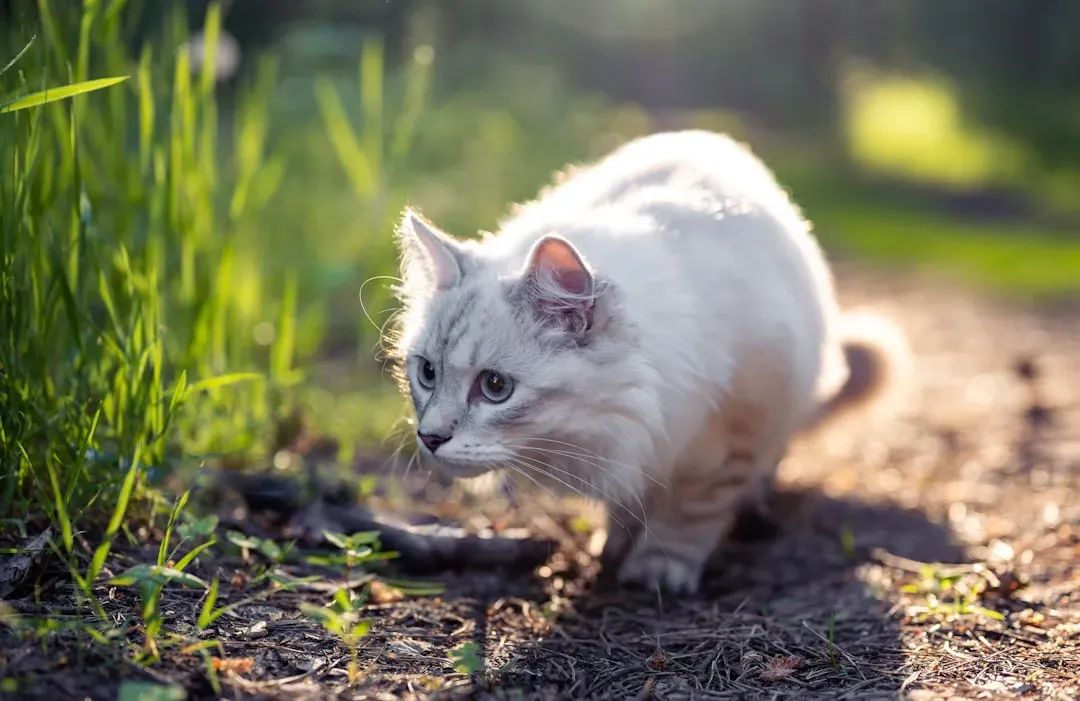
Here is something that genuinely blew my mind when I first learned about it. When your cat crouches low, wiggles their backside, and launches themselves at a crumpled piece of paper, they are not playing. They are hunting. Specifically, they are running through a deeply ingrained behavioral sequence that has never really changed despite thousands of years of domestic life.
It goes like this: Search, Stalk, Chase, Grab, Kill, Eat, Groom, Sleep. Every single one of those stages matters. Hunting isn’t a random act. It’s an ingrained behavioral pattern known as the predatory sequence. Even cats who have never stepped outdoors are wired to perform this cycle. This instinct is independent of hunger. Yes, you read that right. Your well-fed, food-bowl-pampered house cat still needs to hunt. Full belly or not.
The cat activity cycle, which is play, catch, eat, groom, sleep, repeat, is a cat’s instinctive routine driven by their internal clock. Similar to how humans’ circadian rhythm influences our sleeping and eating patterns, cats have a natural pattern of activities. Disrupting this cycle doesn’t just make for a grumpy cat. It creates real behavioral and emotional problems over time.
The Clock They Never Misread: How Cats Track Time Without a Watch
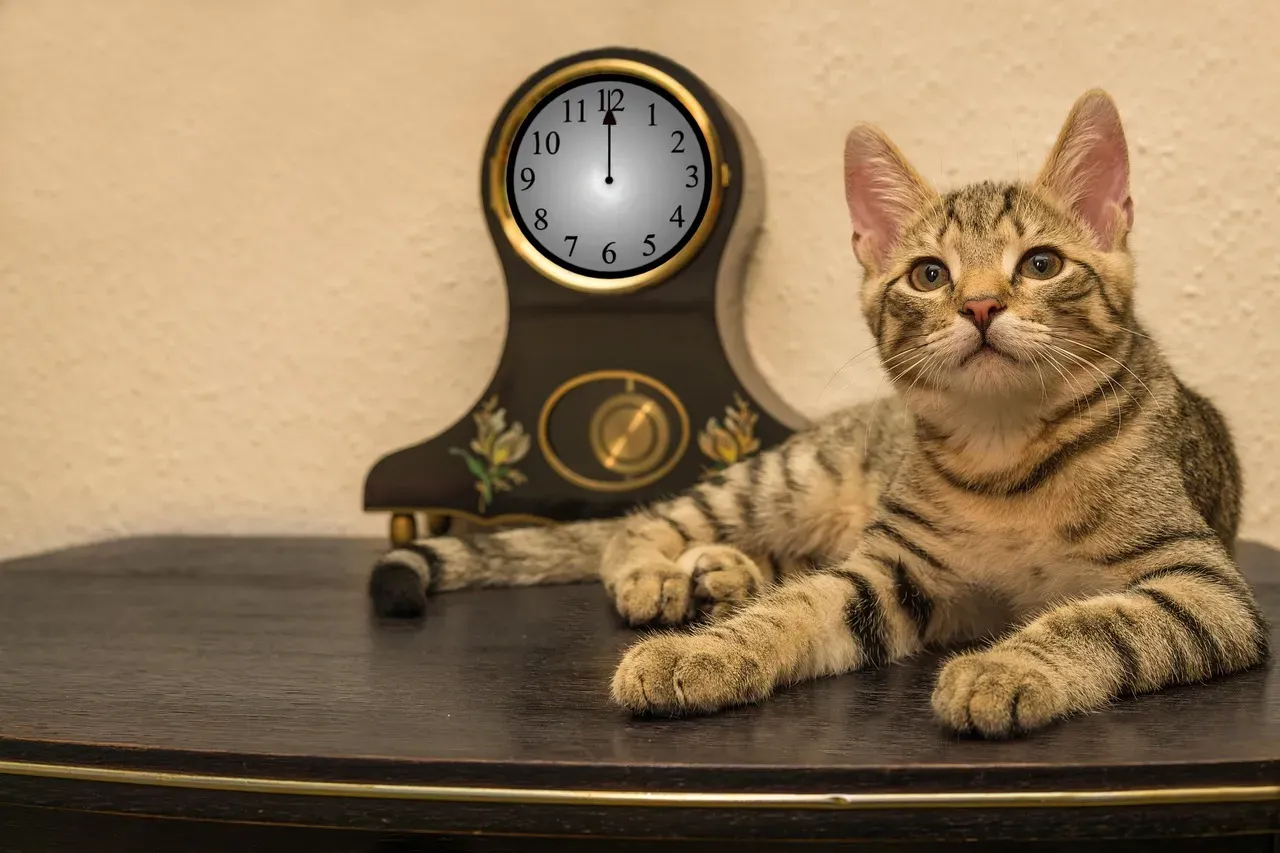
You set seven alarms and still show up late. Your cat never misses a mealtime by more than thirty seconds. There’s something quietly humbling about that. Research shows that cats don’t perceive time through clocks like humans do, but rather through episodic memory and environmental cues. These cues help them anticipate and prepare for important daily events, such as feeding times or play sessions.
As we explore the concept of a feline calendar, it’s essential to understand the foundation upon which it’s built: circadian rhythms. These internal biological processes govern cats’ behavior and physiology, influencing their sleep-wake cycles, appetite, and overall well-being. Circadian rhythms are controlled by an internal clock, also known as the suprachiasmatic nucleus, which responds to light exposure from the environment. In plain terms, your cat’s brain is running a sophisticated biological scheduling app at all times. It just doesn’t need a software update.
Cats wake their owners at consistent times because they’ve learned to associate this action with receiving food or attention. Their internal biological clock and ability to track routines make them excellent at maintaining this schedule. So the next time your cat stares into your face at 6:02 a.m. with alarming intensity, know that it is not personal. It is simply timekeeping at its most primal.
Grooming Is Not Vanity: It’s Intelligence in Action
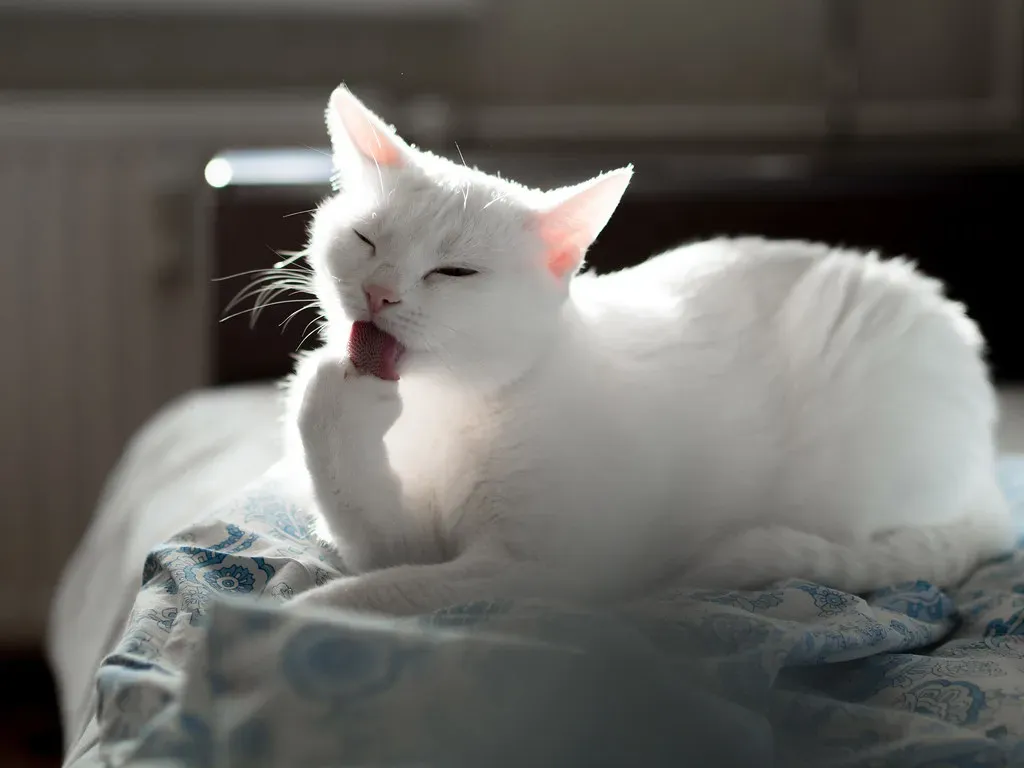
If there’s one thing your cat seems to do with absolute dedication after every single meal, nap, or play session, it’s groom. Ears, paws, belly, tail. The whole production. It looks like pure fastidiousness. It is actually something far more sophisticated. Domestic and feral cats spend about 8% of resting time grooming themselves. Grooming is extremely important not only to clean themselves but also to ensure ectoparasite control.
Once a cat has completed the first two steps of hunting or playing and eating, it’s now time to groom themselves. Grooming is an important part of a cat’s needs. They are clean animals and will always wash themselves after activity. This helps the cat to settle and relax after hunting and eating. Grooming, then, serves as a kind of biological decompression chamber between high-energy bursts and rest. It signals the body to shift gears.
The act of grooming releases endorphins, which are natural mood enhancers. This helps cats relax and reduces stress, promoting a calm environment. So the next time your cat settles in for an extended grooming session, what you’re really watching is a creature chemically soothing itself back into calm after a period of intense activity. There’s a yoga-like quality to it, honestly.
Territory, Scent, and the Daily Map Your Cat Draws
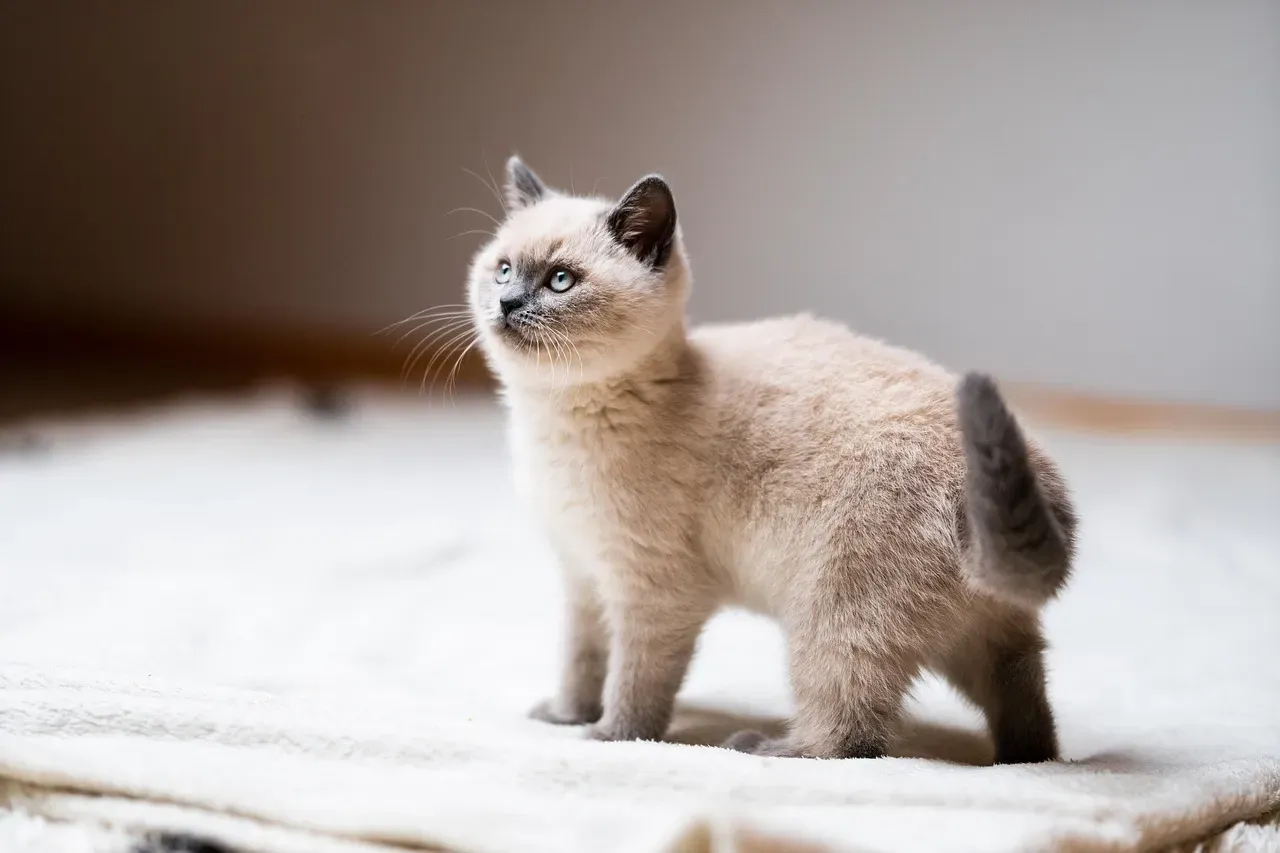
Your cat headbutts the corner of the sofa. Rubs their cheek along the door frame. Scratches the same spot on the carpet every single morning. You might call it habit. Your cat calls it essential maintenance. Facial marking behavior is used to mark their territory as “safe.” The cat rubs its cheeks on prominent objects in the preferred territory, depositing a chemical pheromone, known as a contentment pheromone.
Cats use scent and pheromones to help organize their territory by marking prominent objects. If these objects or scents are removed, it upsets the cat’s perception of its environment. This is why rearranging furniture can genuinely stress your cat out. To you, it’s an interior design upgrade. To your cat, it’s someone erasing their entire map of the world.
Scratching serves a dual purpose: it sharpens a cat’s claws while also marking territory. Cats have scent glands between their paw pads, so scratching leaves both a visible mark and a scent signal. This behavior communicates to other cats, “This space is mine.” Every scratch on that poor sofa leg is your cat essentially publishing their daily newspaper. You’re just not the intended audience.
The Feeding Ritual: Precision Nutrition or Pure Drama?
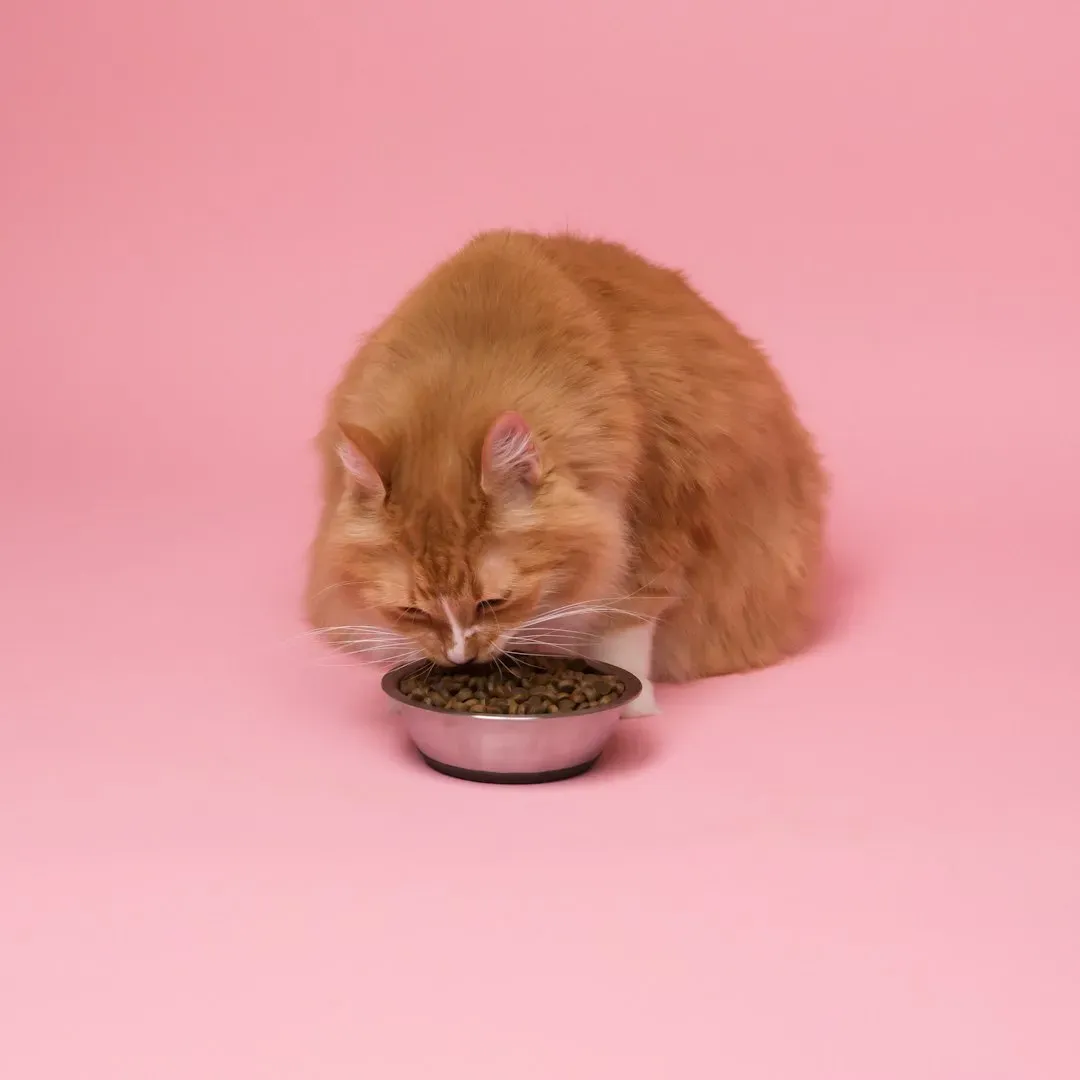
You’ve seen it. Your cat approaches the bowl with the air of a food critic arriving at a three-star restaurant, sniffs it skeptically, takes two bites, then walks away with an expression of mild disappointment. It is, I think, one of the most theatrical performances in the natural world. There’s more going on beneath the surface, though. When it comes to establishing a feeding schedule, consider the cat’s natural foraging behavior. In the wild, cats hunt and eat small prey throughout the day, rather than consuming large meals at one time.
Consistent meal times are perhaps the most important aspect of a cat’s routine. Regular feeding schedules help prevent obesity, reduce begging behaviors, and support healthy digestion. Most veterinarians recommend feeding adult cats twice daily at the same times. Structure around feeding isn’t just convenient for you. It’s genuinely stabilizing for your cat’s brain and body. Predictable meals reduce anxiety in a way no toy or treat can fully replicate.
Nutrition is crucial, as providing high-quality food at scheduled times helps regulate digestion, prevents obesity, and ensures your cat receives the necessary nutrients for energy and health. It’s worth thinking of mealtimes less like a chore and more like a cornerstone of your cat’s emotional infrastructure. A small shift in perspective that makes a surprisingly big difference.
Routine as Emotional Architecture: Why Predictability Is Power
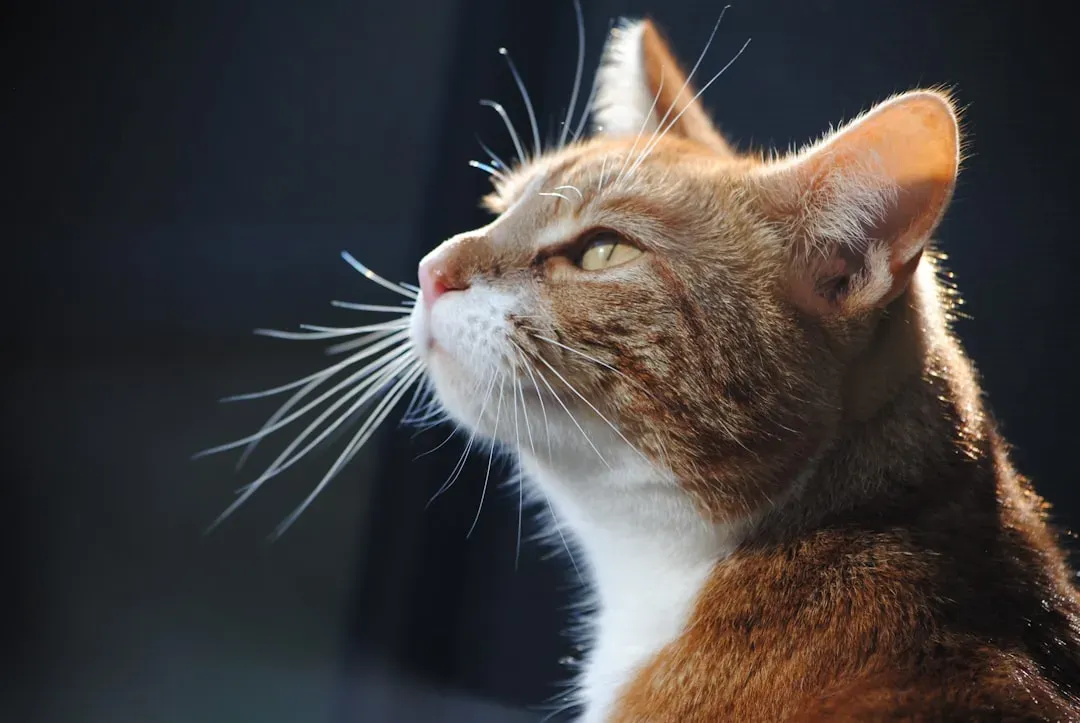
Here’s something that doesn’t get nearly enough attention. Your cat’s routine isn’t just about physical needs. It’s about psychological safety. Routine isn’t boring for cats. It’s emotional safety. Think of it the way you might think of a deeply familiar morning ritual for yourself. There’s comfort in knowing what comes next. Cats feel that profoundly.
A consistent routine provides cats with a sense of security and control over their environment. When cats can predict what happens next, they experience less stress and anxiety, leading to better overall health and behavior. This is not a small thing. Stress in cats isn’t just a mood. It manifests physically, through skin conditions, digestive issues, and behavioral problems that can be genuinely hard to reverse.
For many cats, anxiety is not caused by a single event, but by ongoing unpredictability in their daily environment. When routine is inconsistent, stress has no opportunity to settle. Consider your home like a stage. When your cat knows their cue, they perform beautifully. Take the script away, and the whole production falls apart. The emotional stakes are higher than most people realize.
When the Routine Changes: Reading Your Cat’s Stress Signals
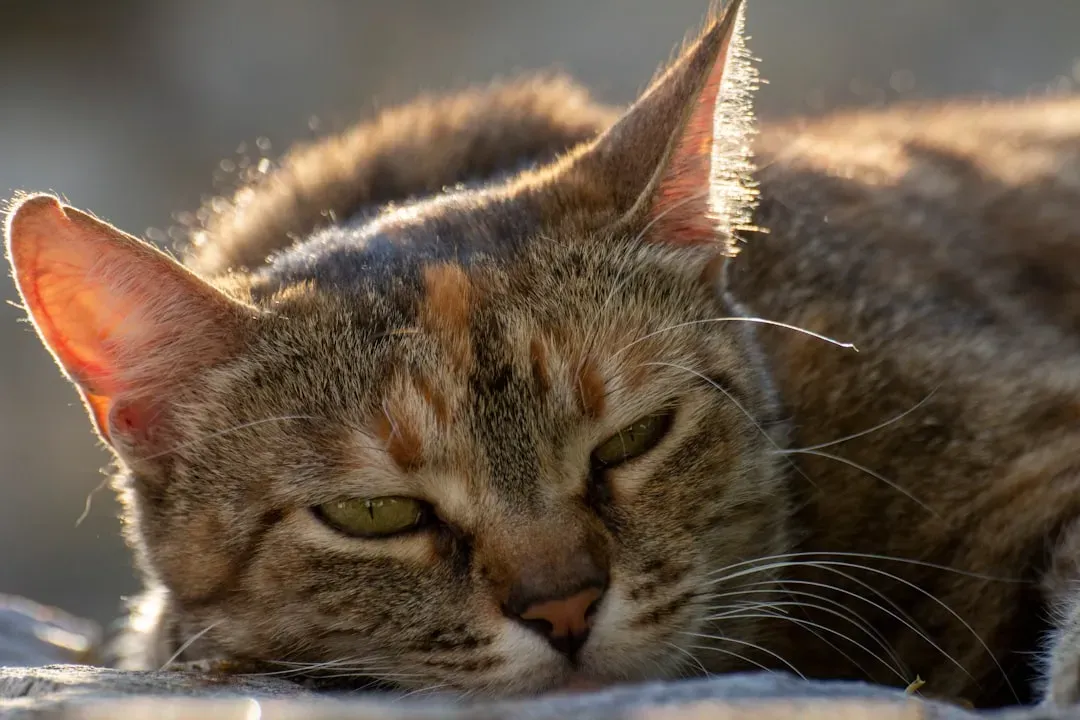
New furniture. A houseguest. A change in your own work schedule. These seem minor to you. To your cat, any sudden disruption in the familiar sequence of daily life can trigger a cascade of stress responses that’s hard to miss once you know what to look for. Cats rely on predictability to feel safe. Sudden changes remove familiar cues, increasing uncertainty and stress, which can lead to anxiety or reactive behavior.
Common signs of stress from schedule changes include changes in eating habits, inappropriate elimination, increased vocalization, aggressive behavior, excessive grooming, and hiding or withdrawal from normal activities. Each of those signs is your cat communicating something. Not misbehaving. Communicating. There’s a meaningful difference, and understanding it changes everything about how you respond.
Signs that your cat is thriving include happy playfulness, a healthy appetite, regular grooming habits, and curiosity towards their environment. When you see those things, that’s your cat telling you the system is working. You’re giving them exactly what millions of years of evolution prepared them to need. It’s a quiet, beautiful kind of partnership when it clicks into place. What a thing to have with an animal that still secretly thinks they could survive just fine without you.
Conclusion: The Genius Hidden in the Ordinary
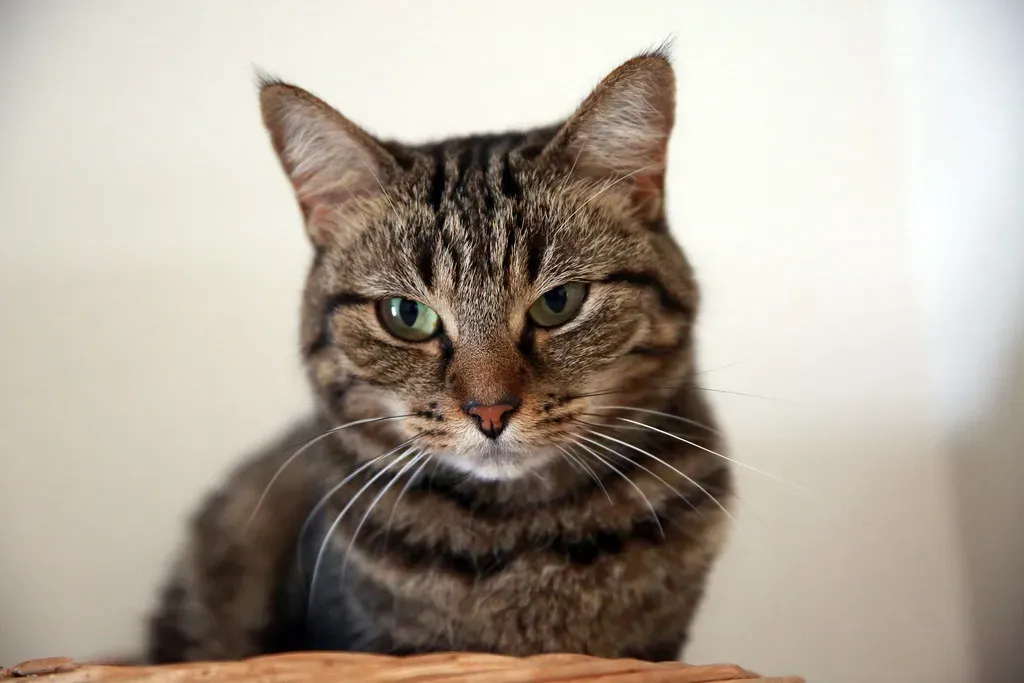
So the next time your cat wakes you at dawn, performs an elaborate grooming ceremony, stalks an invisible enemy along the hallway, and then collapses for a three-hour nap, take a moment. What you’re witnessing isn’t chaos. It’s a system. A beautifully ancient, brilliantly engineered system that runs so smoothly you almost miss it entirely. Your cat’s daily routine is not random. It never was.
Every nap, every headbutt against the door frame, every dramatic pause before the food bowl, every twilight sprint down the hall. It all fits together into something that is, in the truest sense, a masterpiece. Your only job is to stop interrupting it and start working with it. Your cat has been patiently waiting for you to figure that out.
Now that you know, what’s the one thing about your cat’s routine that suddenly makes a whole lot more sense? Drop your thoughts in the comments.
Kristina is a young writer from India. An arts graduate and an avid content creator, Kristina is passionate about animals and wildlife. She enjoys exploring topics related to pet care, animal behavior, conservation, and nature, combining thorough research with engaging storytelling.