Cats have a reputation for being mysterious. And honestly, that reputation is not entirely undeserved. Unlike dogs, who will practically write you a letter to tell you how they feel, your cat operates on a completely different frequency. One flick of a tail, one slow blink, one quiet press of the head against your hand – and there is a whole sentence being spoken that most people completely miss.
Here is the thing: your cat is talking to you constantly. The signals are just softer, more layered, and far more elegant than anything a dog would bother with. Learning to read them doesn’t just make you a better cat owner – it genuinely deepens the bond you share with your feline companion. So let’s get into it.
1. The Slow Blink That Says “I Trust You”
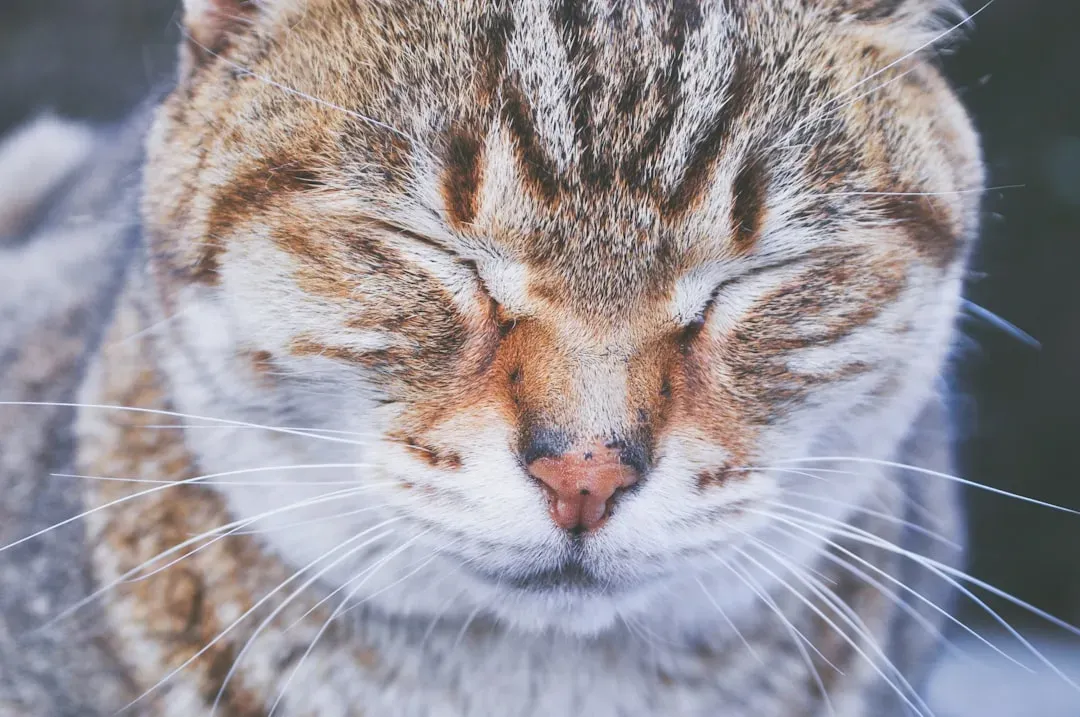
If your cat ever catches your eye across the room and gives you a long, lazy blink, consider yourself lucky. The slow blink is one of the most reliable affection signals cats exhibit. When your cat looks directly at you and slowly closes and opens their eyes, the message translates roughly to “I love and trust you.” It is genuinely one of the most tender things a cat can do, and it costs them exactly nothing to deliver.
A study published in 2020 confirmed that slow blinking plays a key role in feline communication. What makes this even more remarkable is that you can communicate back in the same language. Looking at your cat and slowly blinking sends a message of affection and peaceful intentions. Many cats will respond with slow blinks in return, creating a kind of “conversation” through eye contact. Think of it as your cat’s version of a warm hug – subtle, quiet, and completely sincere.
2. The Tail That Tells the Whole Story
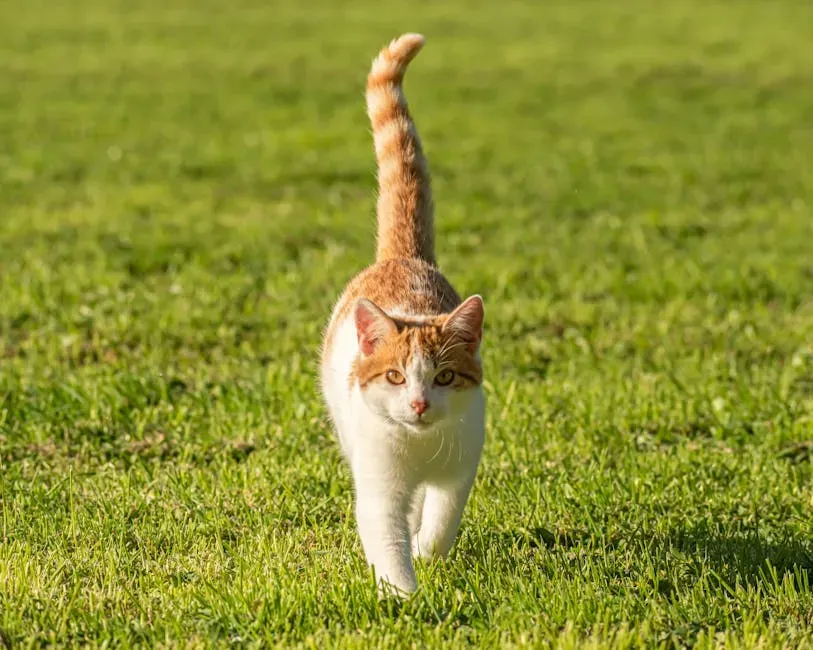
Your cat’s tail is basically an emotional scoreboard, and once you learn to read it, you’ll wonder how you ever missed it. A cat holding its tail vertically generally indicates positive emotions such as happiness or confidence, and the vertical tail is often used as a friendly gesture toward people or other cats. If your cat walks toward you with its tail held high and a little curve at the top, that is about as warm a greeting as a cat gets.
On the other end of the spectrum, a tail that is rapidly twitching or flicking back and forth is a clear indicator of overstimulation or irritation. A tail tucked between the back legs is often a sign that a cat is anxious or fearful, whereas a tail held out, moving slowly side-to-side across the body may signal frustration. Your cat’s tail is practically narrating its inner life in real time – you just have to pay attention.
3. The Head Bunt – A Love Letter in Disguise
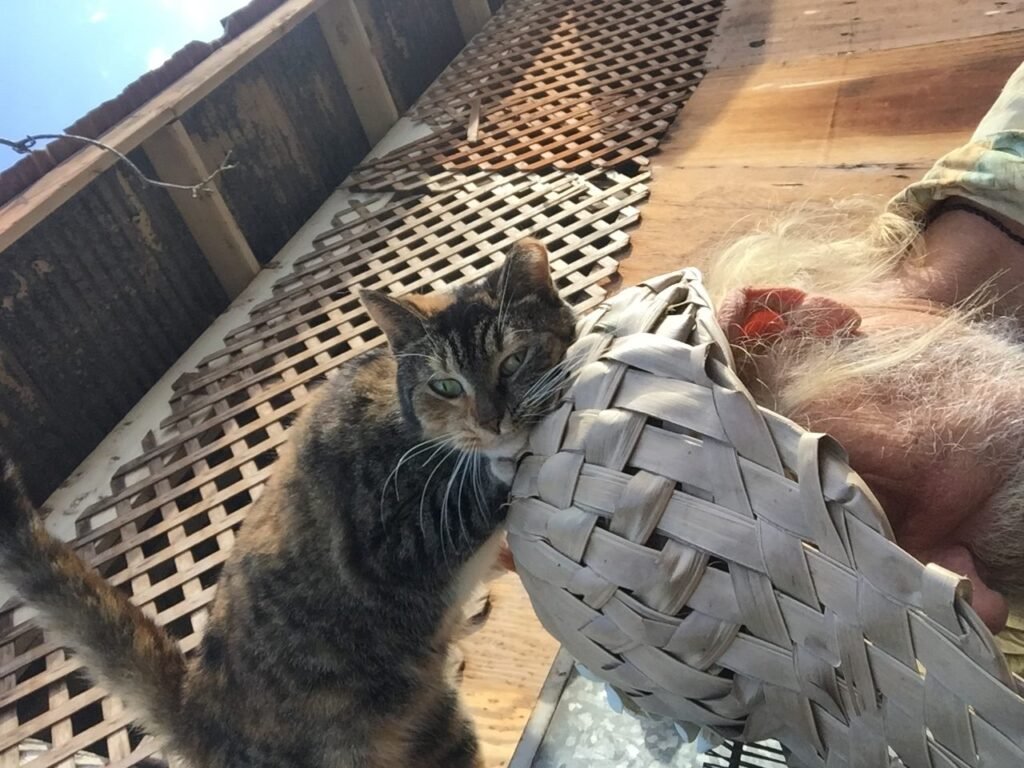
When your cat walks up and presses its forehead firmly against yours, or nudges its face into your hand, it is not just being cute. When your cat purposefully rubs its head or cheek against you, it’s doing more than just saying hello. This behavior, known as head-bunting, deposits facial pheromones onto you. It’s an act of marking you as part of their family and a profound sign of affection and ownership.
Cats have nine scent glands spread throughout their body. Some of the most prominent glands are located on the face – cheeks, chin, and forehead – as well as the tail, paws, and anal region. So when your cat is bunting you, they are essentially signing their name on you. You belong to them now. Honestly, I find that idea more touching than most human declarations of affection.
4. Kneading – When Your Lap Becomes a Safe Haven
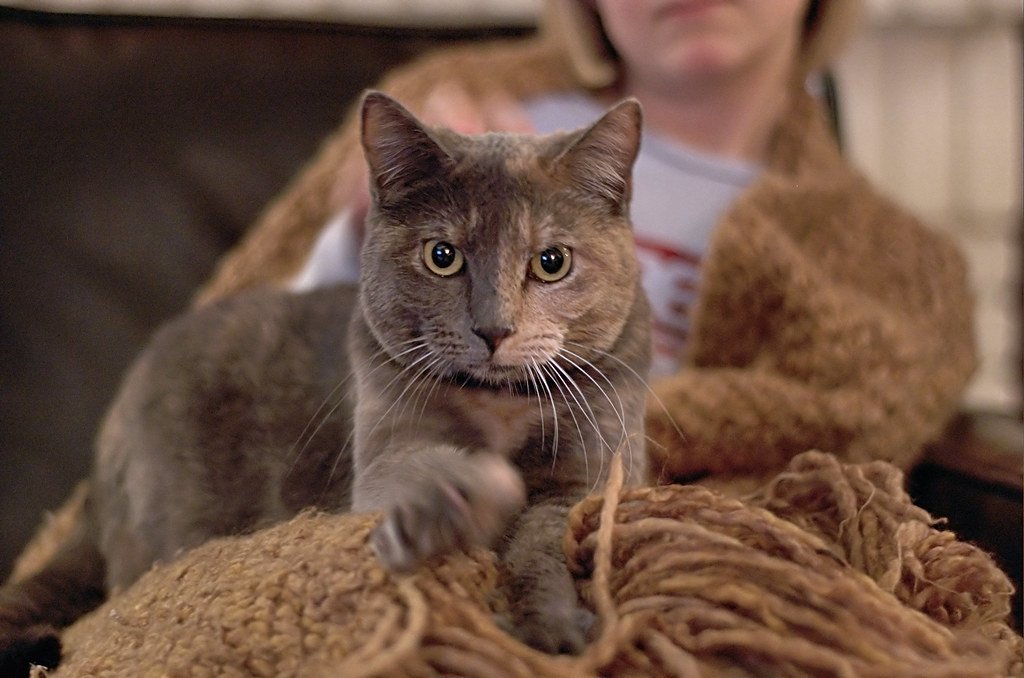
Your cat pressing their paws rhythmically into your lap, your blanket, or even your stomach might seem like a quirky habit, but there is a deeply emotional story behind it. Kneading is often a precursor to sleeping, and many cats purr while kneading, which is usually taken to indicate contentment and affection. It is one of those behaviors that persists from kittenhood all the way into adulthood.
Kneading expresses deep contentment and comfort. If a cat sits on your lap, rubs their cheeks against you, and then begins kneading, you can safely assume they do, in fact, love you. Think of it like a cat’s version of settling into your favorite armchair – a sign that they feel completely safe in your presence. It’s a compliment wrapped in tiny paw movements.
5. Whisker Position – The Mood Compass You’ve Been Ignoring
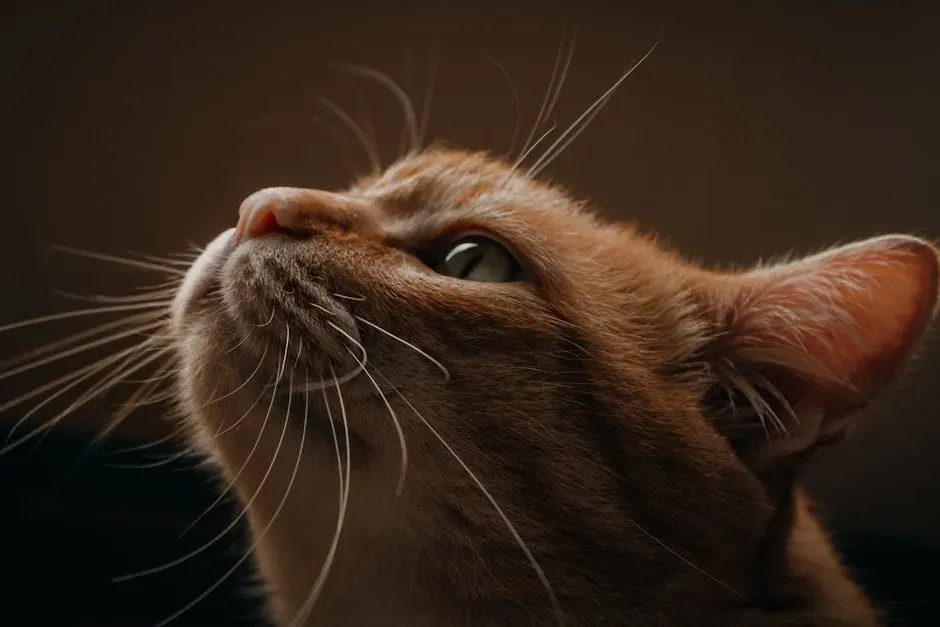
Most people glance at their cat’s eyes and ears to gauge their mood, but the whiskers are where the real detail lives. Whiskers not only act as a sensory aid for cats to find their way around in the dark, they can also tell you how a cat is feeling. If a cat’s whiskers are forward and fanned out, then the cat is interested in something. If a cat’s whiskers are pressed tight to their face, the cat is most likely afraid and is attempting to make itself look smaller.
When tense or highly alert, the whiskers will be fanned out and pointing forward in front of the face. When relaxed, a cat’s whiskers point directly out and are less spread out. A frightened or nervous cat may flatten their whiskers against the side of their face and bunch them together. Once you tune into whisker position, you will start reading your cat’s emotional state from across the room. It is like having a tiny mood meter built right into their face.
6. Ear Orientation – The Radar Dish of Feelings
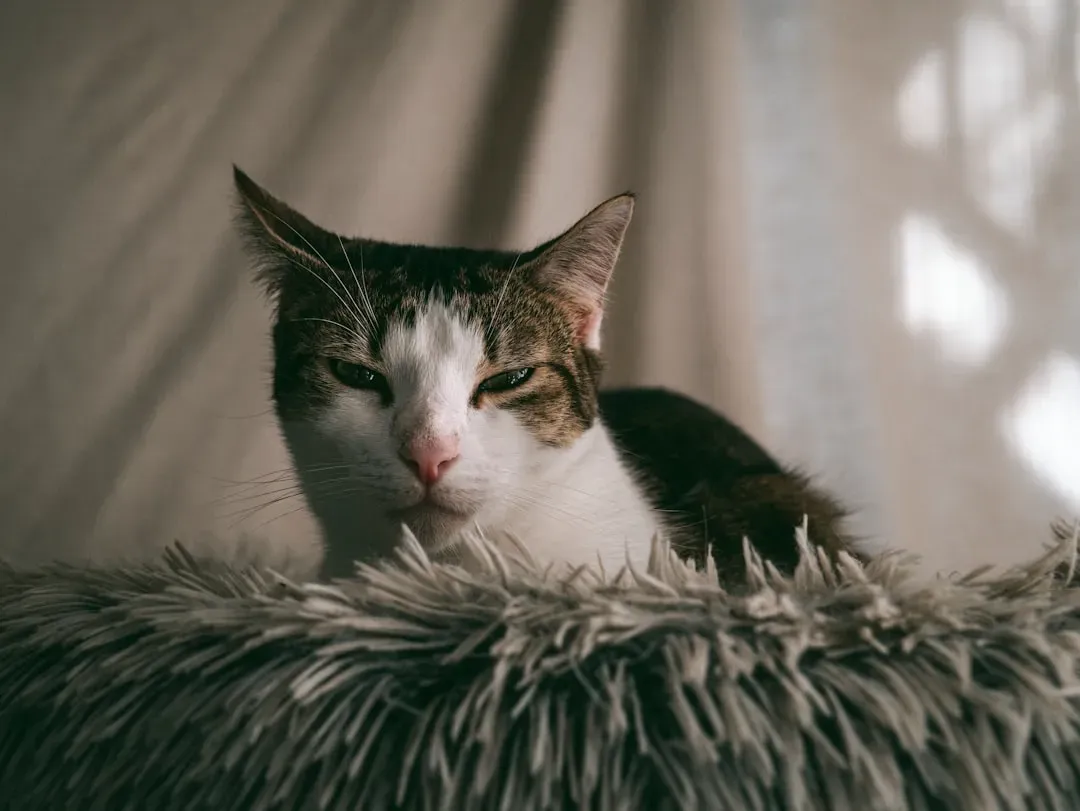
Your cat’s ears are extraordinary instruments – capable of rotating independently like little satellite dishes, picking up sounds you cannot even register. But they also carry emotional weight. A cat’s ear position can give you a real idea of how they are feeling. Ears held naturally means the cat is relaxed, while ears pinned back mean the cat is afraid. When a cat’s ears are facing forward and close together, that means the cat is interested in something.
There are also subtler positions most owners overlook entirely. We all recognize ears pinned flat against the head as a sign of an angry or terrified cat. But a more subtle signal is when the ears are rotated slightly outwards and to the side, resembling airplane wings. Ears that are erect and rotated out along with narrow pupils are usually a signal of frustration. Your cat is constantly broadcasting how they feel – the ears are just one of the clearest channels.
7. Rubbing Against Your Legs – You’ve Been Claimed
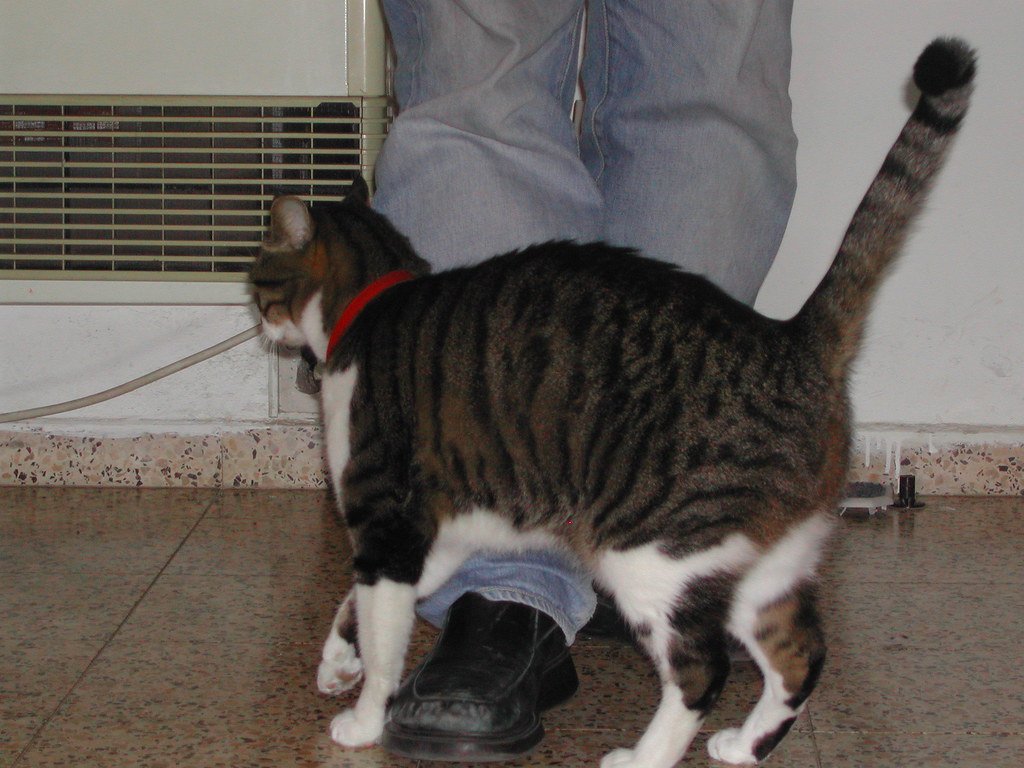
Every cat owner has experienced that familiar figure-eight weave around the ankles, usually right before feeding time. But this behavior carries meaning beyond hunger. When your cat rubs around your legs to greet you, they are doing the same as they would in greeting another cat by mutual rubbing of the face and body. As they can’t easily reach your face, for convenience, they’ll use your legs. Afterwards, your cat will take themselves off to groom and check out your scent.
When your cat rubs their head and body along you, they are releasing pheromones, marking you as a bonded, trusted, and safe member of their social group. It is both a greeting and a form of territorial expression – your cat is essentially saying, “This human? Mine. We are family.” Honestly, once you understand what the ankle rub actually means, it becomes one of the most heartwarming things your cat does.
8. The Belly Exposure – Trust at Its Most Vulnerable

Few things are more tempting than a cat rolling over to reveal a soft, fluffy belly. The instinct is to reach out and touch it. Resist. Here’s the thing – the belly roll is not necessarily an invitation for a tummy rub. When cats roll around on their backs, exposing their belly, this can be aimed at other cats or people, and is usually carried out as a friendly greeting, showing that the cat is relaxed and comfortable or is in a playful mood.
Rolling onto their backs, legs up, belly out is a significant display of trust. Your cat’s body is vulnerable, but they know you are a safe presence. A belly-up posture often means trust and relaxation, but many cats don’t want belly rubs. Try chin or cheek scratches instead. Think of the belly display like a cat saying, “I feel completely safe around you” – not necessarily “please touch my tummy.” There is a big difference, and your fingers will thank you for knowing it.
9. Purring – Not Always What You Think It Means
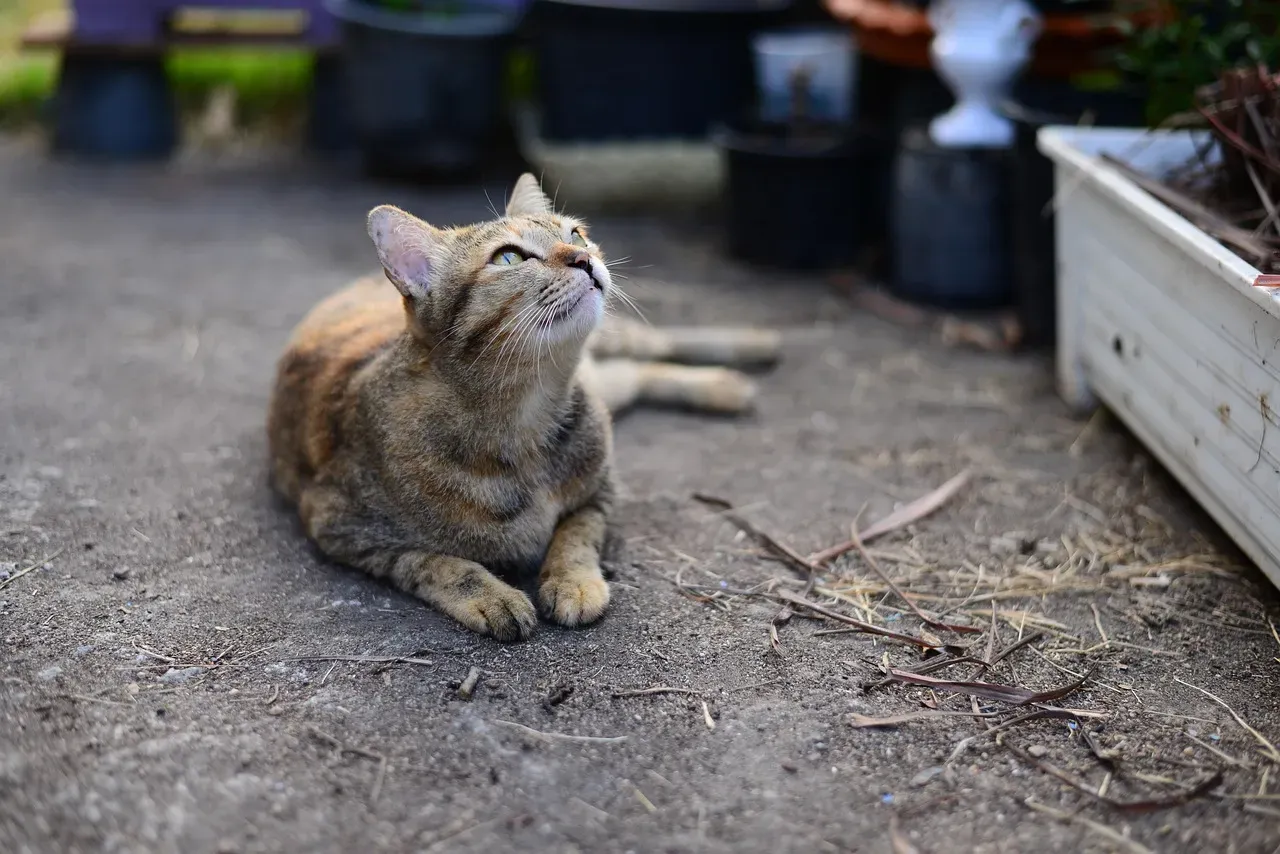
Purring is perhaps the most universally recognized cat sound. Most people assume it always signals happiness. That assumption, while sweet, is incomplete. While purring is most often a sign of contentment, cats also purr to self-soothe when they are stressed, scared, or in pain. If your cat is purring but also hiding, has a tense posture, or is showing other signs of distress, it could be a sign that something is wrong.
Purring is usually a sign of contentment and relaxation. However, it can also be a self-soothing mechanism during periods of stress or discomfort. So if your cat is purring but the rest of their body language tells a different story – tucked posture, downward whiskers, half-closed eyes that look more pained than relaxed – take that seriously. A cat’s body language can also reveal whether the cat is sick. Cats are extremely good at hiding illness, so small feline body language cues can be the first signs of trouble. Purring is a rich, nuanced signal, not just a simple happiness meter.
10. Meowing – A Language Developed Just for You
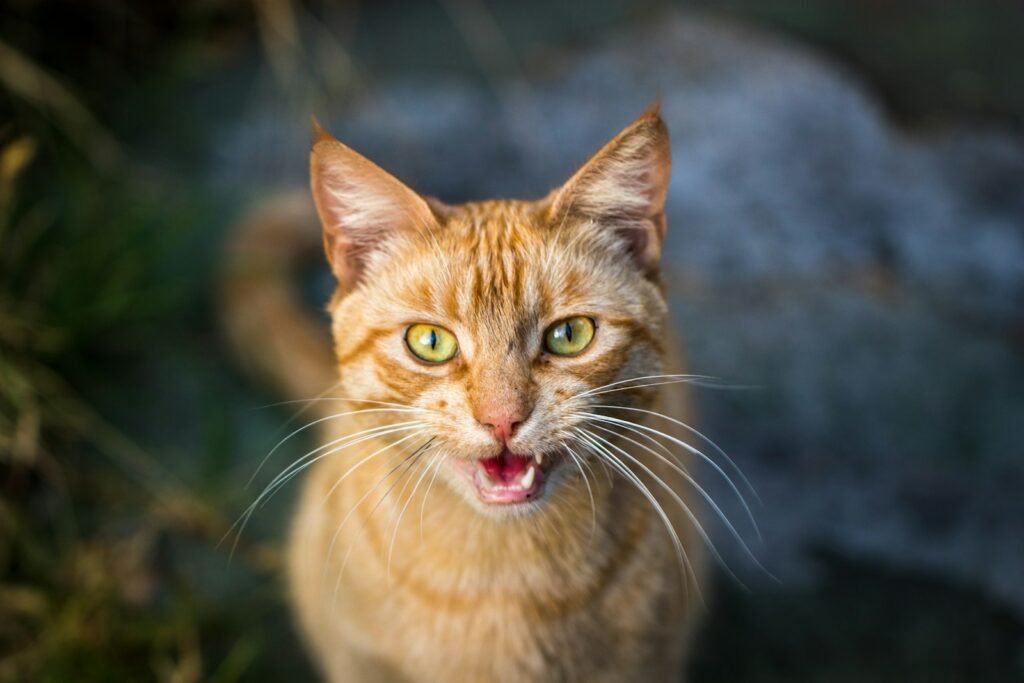
Here is a genuinely surprising fact: your cat does not meow at other cats. Not really. Adult cats only meow at humans, never other cats, though kittens will meow at their mother. Studies have found that cats meow at their owners but not at each other – it is a very human-centric sound. Your cat essentially developed a custom communication channel just for interacting with you. When you think about it that way, every meow becomes something a little more special.
Cat vocalizations can vary in tone, pitch, and duration, conveying a range of messages. A short, high-pitched meow often indicates a greeting, while a long, drawn-out meow may signify a request for food or attention. If a cat is frustrated because it cannot go outdoors or access food, its meows may be more prolonged and frequent. Over time, you will start to recognize your cat’s specific vocabulary – the chirp for greeting, the demanding yowl for dinner, the soft trill that just means “hey, I see you.” It is its own language, and it was created with you in mind.
Conclusion: Your Cat Has Been Talking All Along
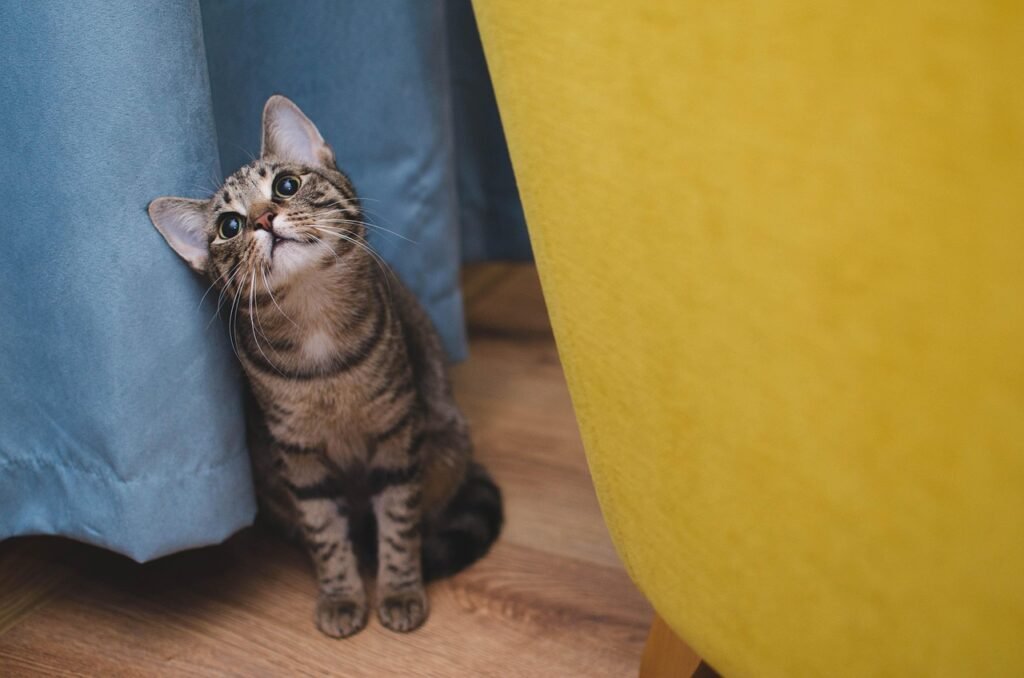
The truth is, your cat has never been silent. Cats are subtle and complicated in the way they communicate, but taking time to learn their body language can help to strengthen the relationship with your cat. Learning the signs that they are happy, or when they just want to be left alone, can be a big help to you both. Every slow blink, every tail position, every gentle head press is a sentence in an ongoing conversation.
Recent studies have shown that cats are far more attuned to their human companions than previously believed. They often mirror their owners’ personalities and can even pick up on emotions like sadness. Despite common stereotypes, the relationships they form with humans are both deep and meaningful. Your cat is not aloof. They are just speaking a different dialect – and now you have the vocabulary to understand them.
The more you tune in to these subtle signals, the more you will realize just how much your cat has been trying to say. It turns out, the quiet ones often have the most to tell. Have you ever noticed one of these signs in your own cat without realizing what it meant? Tell us about it in the comments.
Kristina is a young writer from India. An arts graduate and an avid content creator, Kristina is passionate about animals and wildlife. She enjoys exploring topics related to pet care, animal behavior, conservation, and nature, combining thorough research with engaging storytelling.