You’ve owned your cat for years. You love them deeply. You reach over for a sweet moment, start stroking away, and out of nowhere, claws. A bite. Your cat bolts off the couch like you insulted their entire ancestral lineage. Sound familiar?
Here’s the thing – it probably wasn’t personal. It was technique. Most cat owners, even the devoted ones who buy the fancy food and the extra-soft blankets, are unknowingly making critical petting mistakes that frustrate their cats and quietly erode trust. The good news? Every single one of these mistakes is fixable. Let’s dive in.
Mistake #1: You’re Reaching In Without Letting Your Cat Sniff You First
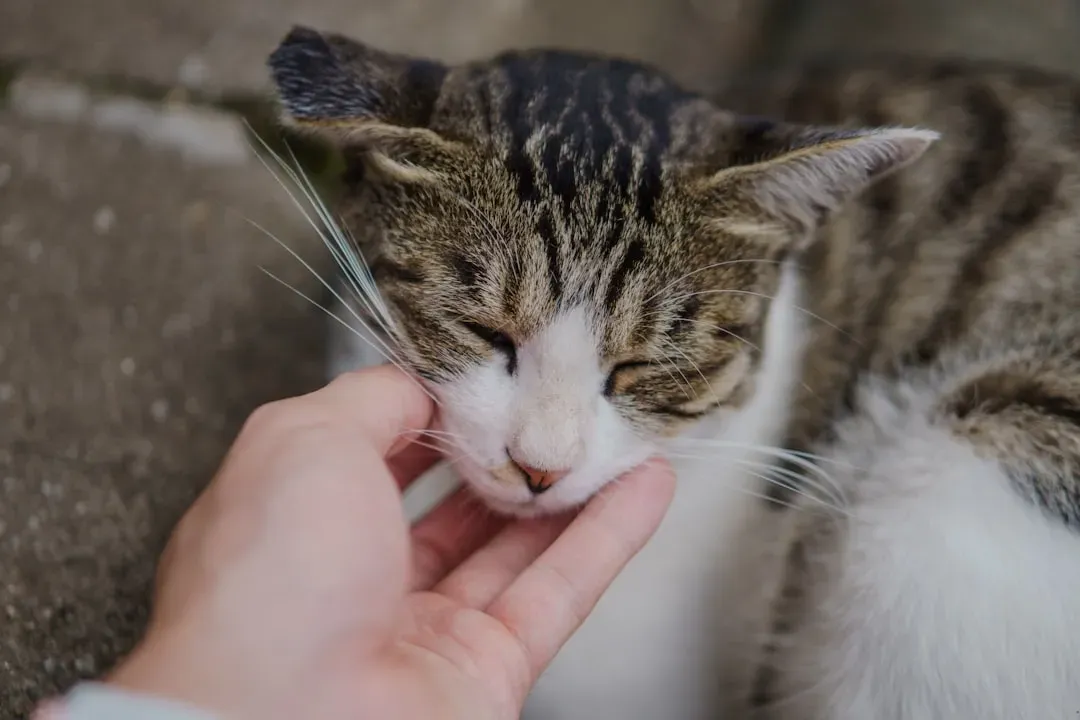
Think about what it would feel like if a stranger walked up to you on the street and just started patting your shoulder without a word. You’d probably freeze up, right? Imagine a complete stranger walking up to you, shaking your hand, and patting you on the shoulder without introducing themselves – most of us would probably stand there completely taken aback and let it happen. Your cat feels exactly the same way when you skip the greeting ritual.
Successful cat interactions begin with allowing the cat to make the first move. Rather than immediately reaching for your cat, you should extend your hand and let them approach and sniff first. This simple gesture respects their need to assess the situation and gives them control over the interaction. It takes maybe three seconds. Three seconds that can completely change the energy of your interaction.
The introduction ritual doesn’t just apply to unfamiliar cats. Even your own pets appreciate the courtesy of a scent exchange before the cuddling begins – this is especially true for cautious or anxious cats. If your cat tends to seem irritable during petting sessions, skipping this step might be part of the problem. Start here, every single time.
Mistake #2: You’re Petting the Wrong Spots
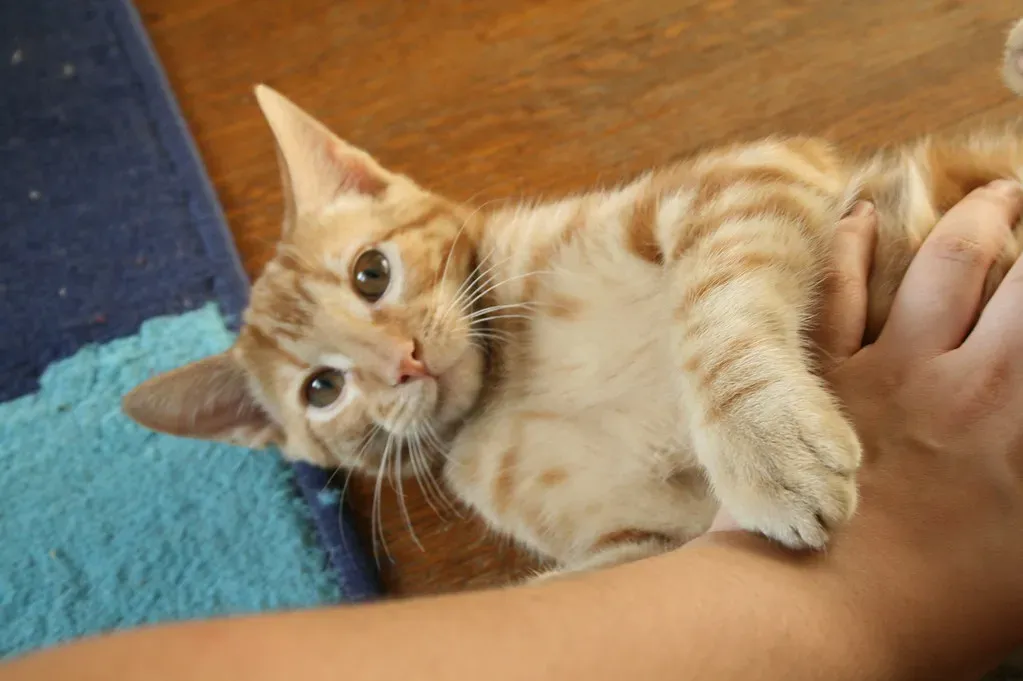
Not all parts of a cat’s body are welcoming terrain. You should not pet your cat’s belly, paws, tail, or whiskers – these areas are very sensitive and can make your cat feel unsafe. Yet these are often the exact places people go for first, usually because they look irresistibly soft. The belly especially lures people in like a fluffy trap.
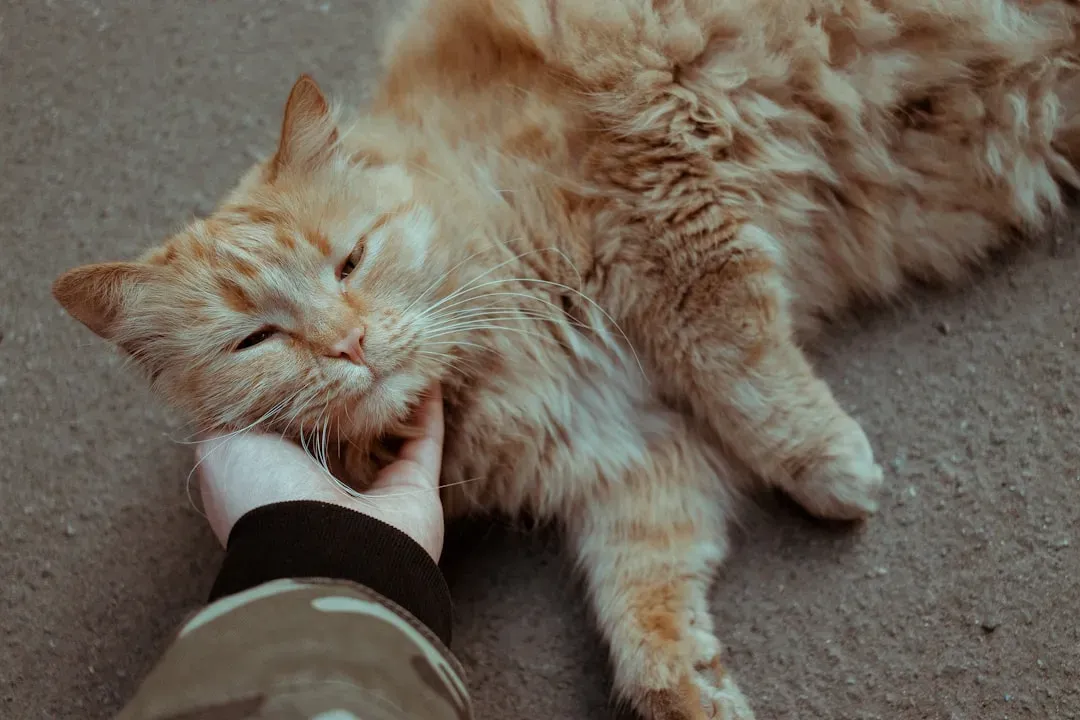
The soft, fluffy belly is tempting, but many cats regard showing their tummy as a sign of extreme trust, not an invitation to stroke it. Tummy petting can overstimulate or upset your cat because their sensitive underside protects vital organs. Rolling over is a display of vulnerability, not necessarily a request. There’s a big difference, and confusing the two will cost you a scratch.
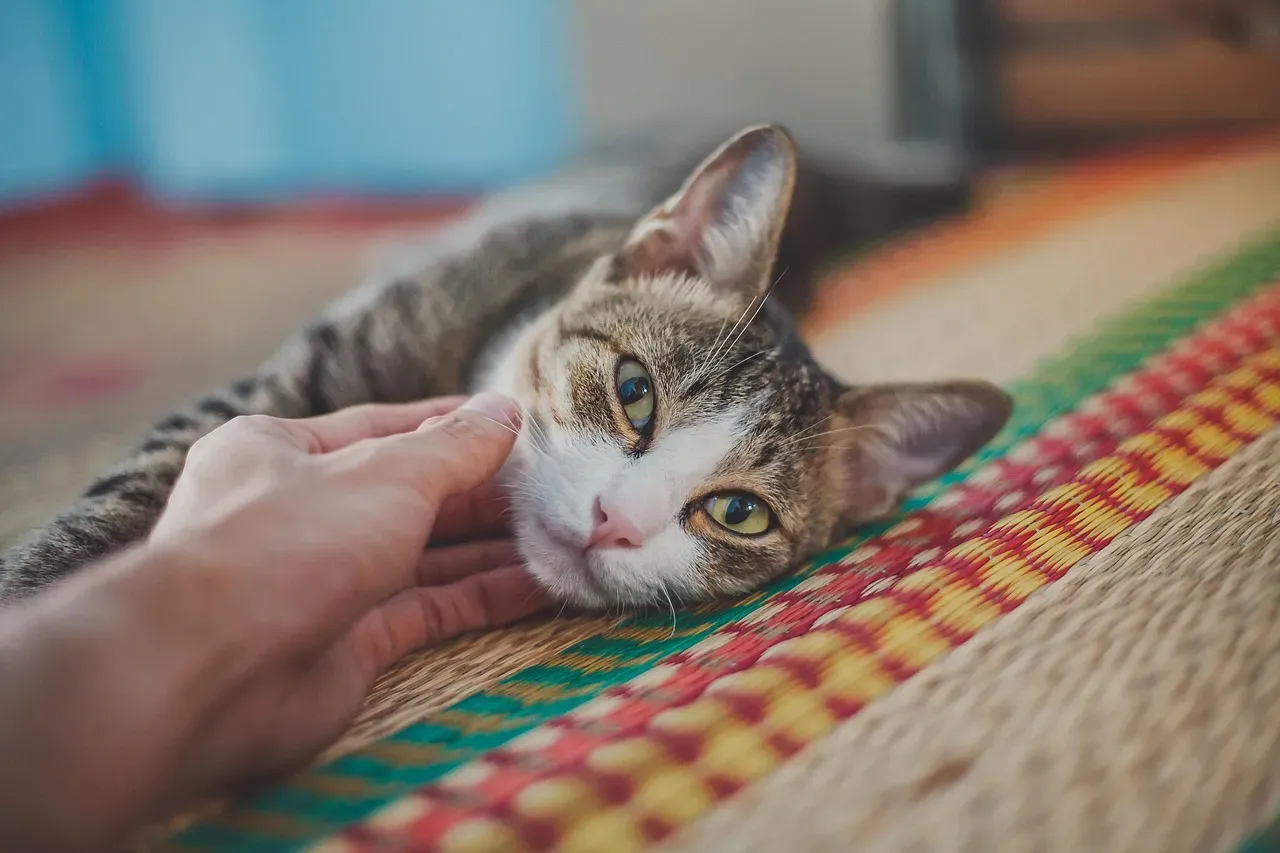
Previous research by British scientists identified three areas of the body where almost all cats liked to be touched: the base of the ears, the cheeks, and under the chin. Stick to these zones and you’ll be golden. Cats have lots of scent glands around the ears, and light scratches at the base often earn purrs. Consider that your safe starting zone – your cat’s version of “yes, this is good.”
Mistake #3: You’re Ignoring Your Cat’s Body Language
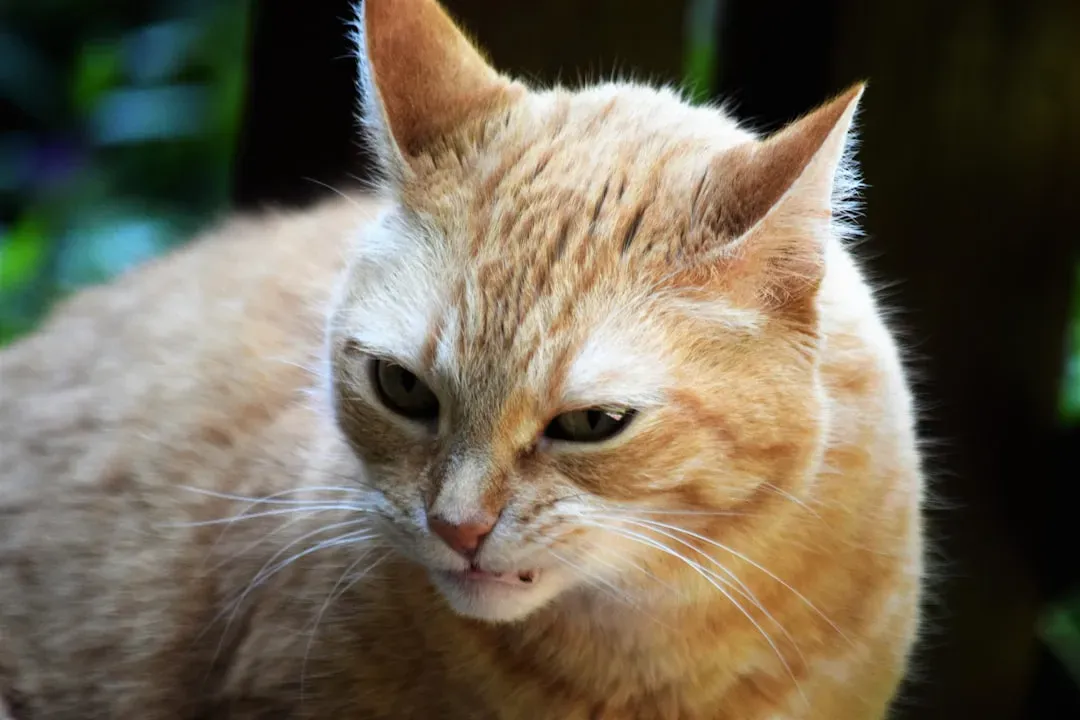
Cats sometimes communicate very subtly. A slight twitch of the tip of the tail or the ears is enough to signal: “I don’t want to be stroked anymore.” Unfortunately, we humans easily overlook such signals or first have to learn to read our animals’ body language correctly. The warning is always there. We’re just not trained to see it the way cats expect us to.
Your cat shows you when it dislikes something – it might bite or scratch suddenly, its tail may thump or thrash, which shows growing annoyance. These signals escalate. One of the biggest mistakes is continuing to pet your cat after early warning signs appear. Because these signals are subtle, many owners only stop when the cat bites – which unintentionally teaches your cat that biting works and becomes the fastest way to end interaction. Basically, by ignoring the subtle cues, you’re accidentally training your cat to bite harder next time.
Mistake #4: You’re Petting Too Long and Too Hard
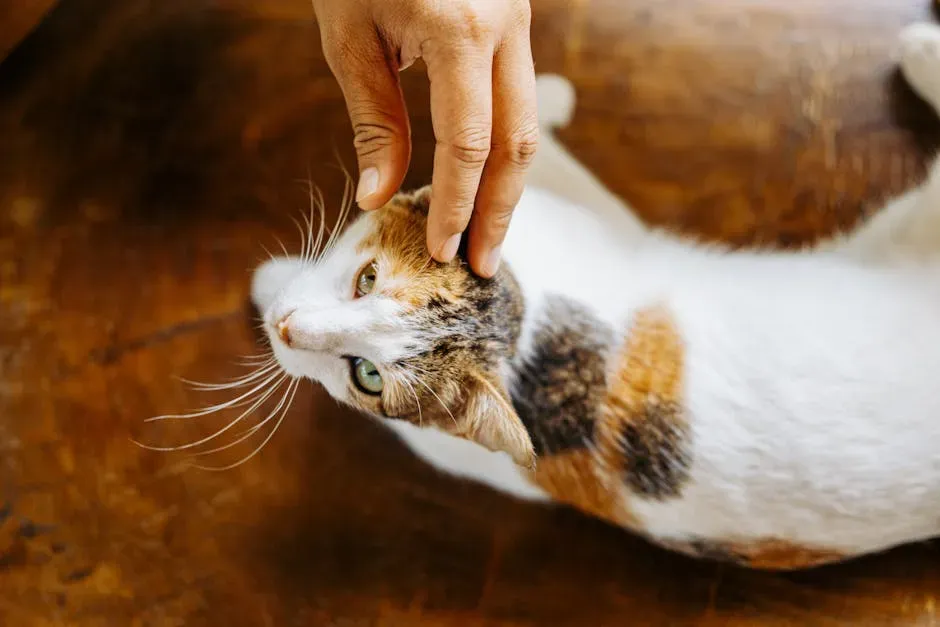
Many of us have had the experience of petting our cat, when all of a sudden the cat bites your hand and runs away. This is called petting-induced or overstimulation aggression. It’s a common behavior in many cats, and is something that can be both frustrating and frightening until you learn how to manage it. The tricky part is that your cat might have been genuinely enjoying it at first – it just went on too long.
Low petting aggression happens when a cat is conflicted by the need for closeness to their owner and the dislike of being stroked for too long. This causes inner conflict which erupts with an aggressive response in an attempt to stop the physical contact. Think of it like holding someone’s hand for just a little too long – at some point, it crosses from sweet to uncomfortable without any obvious turning point. Some cats have a very low threshold which can be seconds, while others can go for much longer before lashing out. Learn which type of cat you have.
Cats vary in their preference for pressure when being petted – some like a very light touch while others appreciate a bit more firmness. However, unlike dogs, cats generally dislike hard pats or pressing firmly. Using too much pressure can cause discomfort or irritation and might make your cat shy away or respond negatively. Gentler is almost always better. Think of it less like a back rub and more like a warm, deliberate whisper of a touch.
Mistake #5: You’re Petting Your Cat at the Wrong Time
If a cat is scared, stressed, or anxious, they aren’t going to want to be touched. They’d rather find a quiet, dark place they can hide, where they don’t have to worry about external factors. Digging them out or chasing them down to pet them won’t help matters at all. Honestly, I think a lot of owners do this without realizing it. You see the cat, you want that connection, you go for it. But timing is everything.
If your cat’s tail is twitching, their eyes are big, and they’re pouncing or dashing around, trying to pet them isn’t going to work. Instead, play with them until they’re tuckered out, and then you can pet them while they rest. It’s a simple formula. Match your energy to theirs, not the other way around. A cat mid-zoomies is not a cat that wants cuddles.
There are also times when even the most patient cats find petting unwelcome – for example, when eating or grooming. The rule here is: don’t touch. These moments are non-negotiable for most cats. Respecting them tells your cat that you understand their needs, which builds the kind of trust that eventually earns you more petting time, not less.
The Bottom Line: Your Cat Wants to Connect – On Their Terms
Here’s what’s worth remembering above everything else: your cat isn’t being difficult. Consistently making these interaction mistakes can erode the trust between cats and their owners. Cats have excellent memories and will associate human contact with discomfort if these patterns continue. The good news is that the reverse is also true. Fix the patterns, and the trust rebuilds.
Cats that experience positive, respectful interactions develop stronger bonds with their owners and are more likely to seek out human companionship voluntarily. That’s the payoff. Petting your cat the right way enhances bonding, reduces stress, and lets your cat feel safe and loved. That purring, slow-blinking, curled-up-on-your-lap cat that everyone envies? It starts with getting the basics right.
So slow down. Offer your hand first. Watch the tail. Respect the belly. Keep your sessions short and gentle. Your cat has been trying to tell you what they need all along – you just need to start listening. What do you think – have you been guilty of any of these mistakes? Tell us in the comments below.
Kristina is a young writer from India. An arts graduate and an avid content creator, Kristina is passionate about animals and wildlife. She enjoys exploring topics related to pet care, animal behavior, conservation, and nature, combining thorough research with engaging storytelling.