You spend good money on a plush, cushioned cat bed. You place it lovingly in a warm corner of the room. You even sprinkle a little catnip on it for good measure. Your cat walks over, sniffs it once, then immediately climbs into the empty Amazon box you left on the floor.
Sound familiar? You are not alone – and honestly, it is one of the most relatable things about living with a cat. There is actually a fascinating, science-backed reason your cat prefers a humble cardboard box over that luxury bed, and it has everything to do with survival, psychology, and some surprisingly deep evolutionary instincts. Stick around, because what you are about to discover might completely change the way you think about your cat’s choices.
Your Cat’s Wild Instincts Are Still Very Much Alive
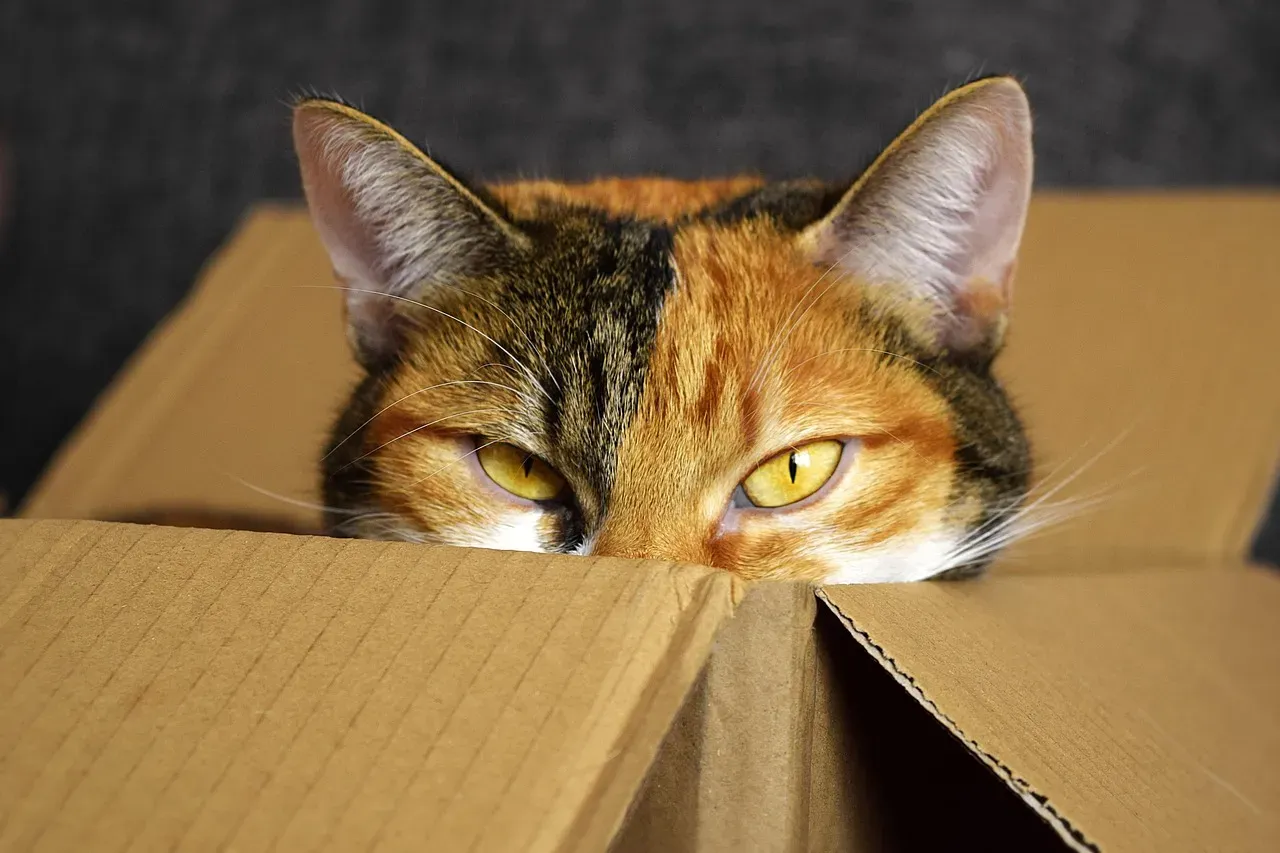
Here is the thing – your cat may lounge on your couch and beg for treats, but deep inside, they still carry the survival wiring of a wild predator. Cats are ambush predators, and finding confined places where they can hide, hunt prey, and feel safe and warm is a deeply instinctive behavior. That cardboard box on your floor? To your cat, it is the equivalent of a perfectly positioned hunting blind in the wild.
Cardboard boxes provide a cozy, enclosed space that taps directly into cats’ primal instincts. Wild cats historically relied on small, hidden spaces like caves to evade predators and rest. Your domestic cat has not forgotten any of that, no matter how many years they have spent living indoors.
The Science of Security: What Research Actually Says
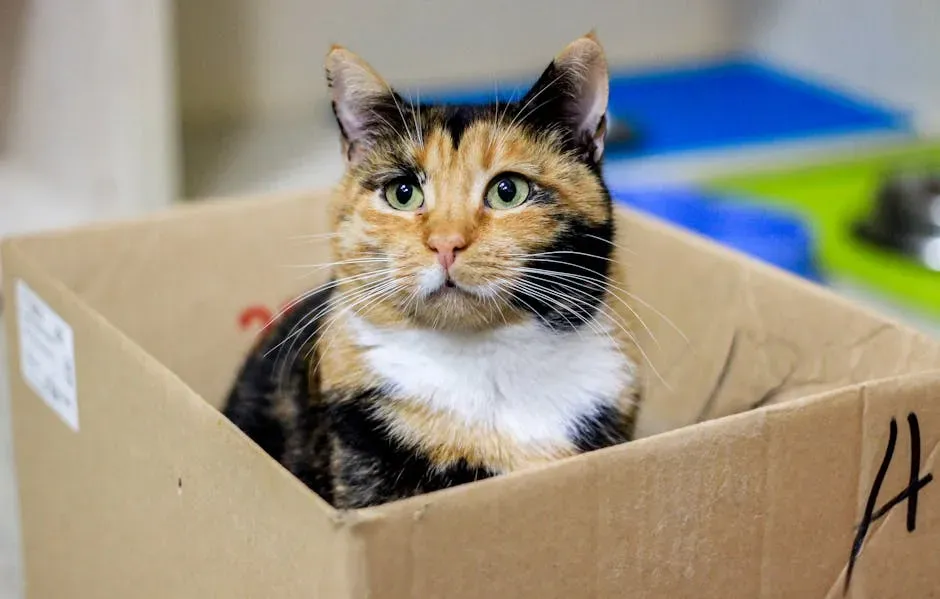
Let’s be real – it would be easy to chalk this whole box obsession up to quirky cat personality. But the science tells a far more compelling story. Research from the University of Utrecht studied shelter cats and found something remarkable: cats given boxes adapted to their new environment significantly faster than cats without boxes, with the boxed cats showing lower stress levels within just three days.
Studies have found that cats provided with hiding spaces like boxes exhibit lower stress levels, faster adaptation to new environments, and an increased sense of security. Research published in Applied Animal Behaviour Science found that shelter cats with access to boxes adjusted to their new surroundings faster and showed fewer signs of anxiety compared to those without boxes. A simple cardboard box, it turns out, is not just a toy. It is practically medicine.
The “If I Fits, I Sits” Psychology Explained
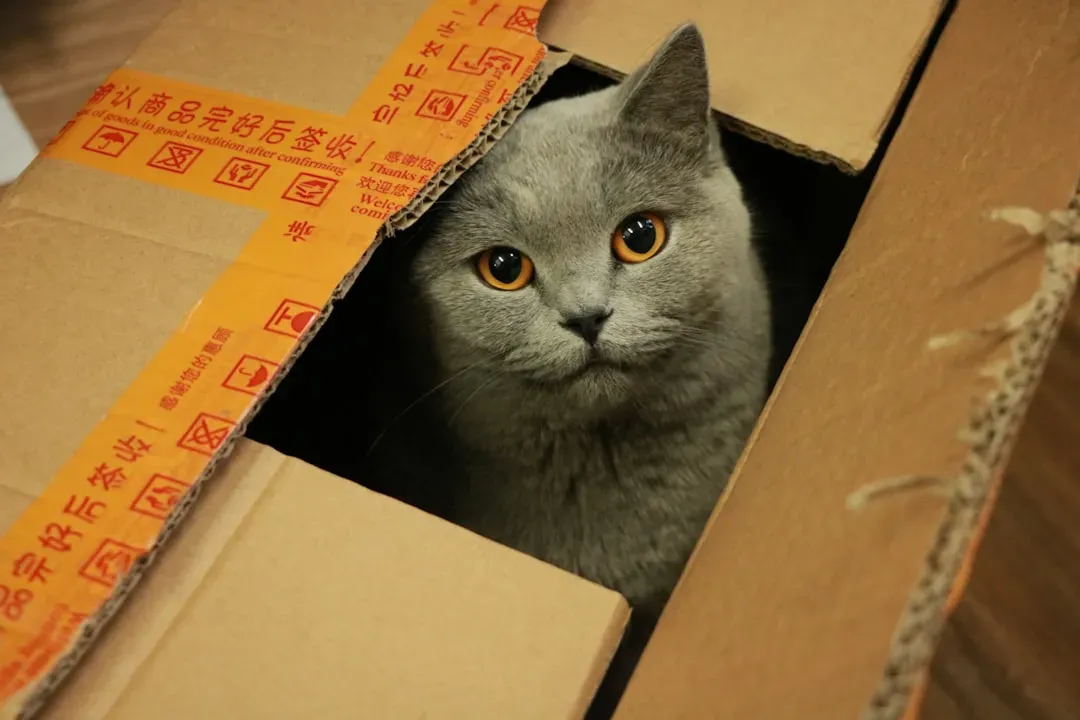
You have probably laughed at cats squeezing into impossibly small boxes and wondered what on earth they are thinking. The answer is actually rooted in deep psychological comfort. While many animals prefer open spaces to move around freely, cats actually feel safer in confined environments. Boxes limit their exposure to external stimuli, making them feel less anxious and more in control of their surroundings.
Being in a box where cats rest their backs against the sides helps them feel safer because they cannot be ambushed from behind. This may explain why some cats appear content to curl up in boxes that seem uncomfortably small. Bracing themselves against something solid around them might increase feelings of safety. Think of it like being wrapped in a weighted blanket, but for cats.
Cardboard Is a Natural Temperature Regulator
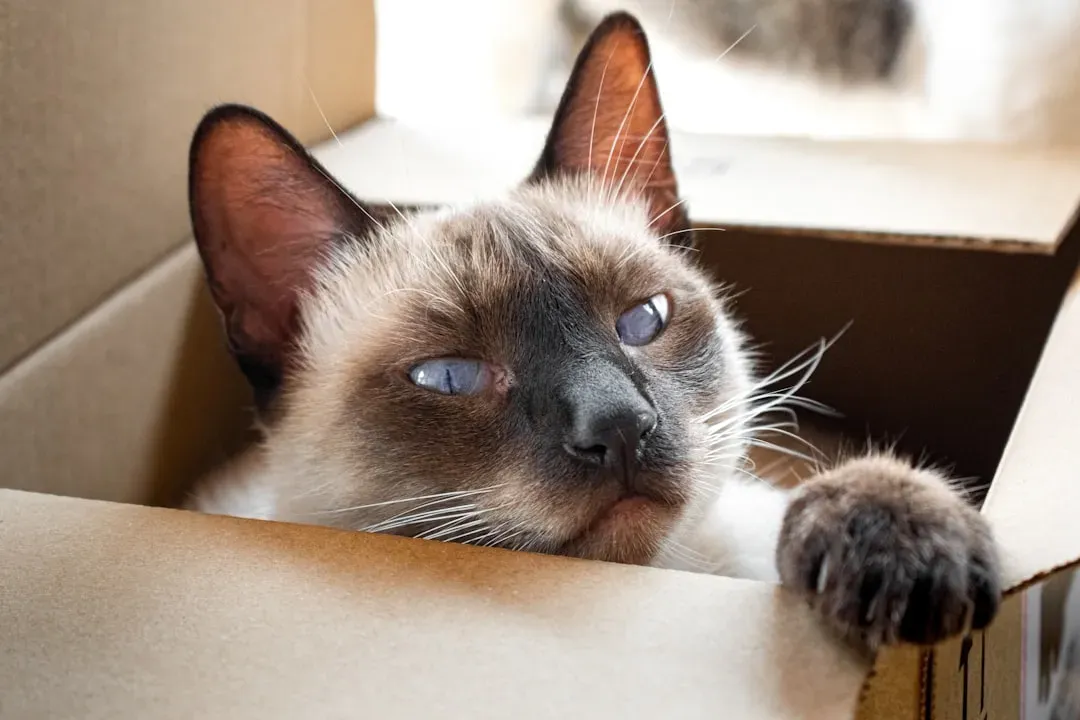
This one genuinely surprises most cat owners. Your cat is not just being dramatic when they seek out a warm spot. A study found that cats are most comfortable in temperatures between 86 and 97 degrees Fahrenheit, but most homes are kept at around 72 degrees. Boxes act as insulators and trap body heat so cats can enjoy tropical temperatures without an expensive heating bill.
A cat’s body temperature is slightly higher than a human’s, typically ranging between 100.5°F and 102.5°F. Because of this, cats prefer warm environments, and a cardboard box acts as an excellent insulator, trapping body heat and keeping them cozy. So the next time your cat ignores the memory foam bed you bought, understand that no foam in the world insulates quite like corrugated cardboard does.
Boxes Are Stress-Relief Pods for Overwhelmed Cats
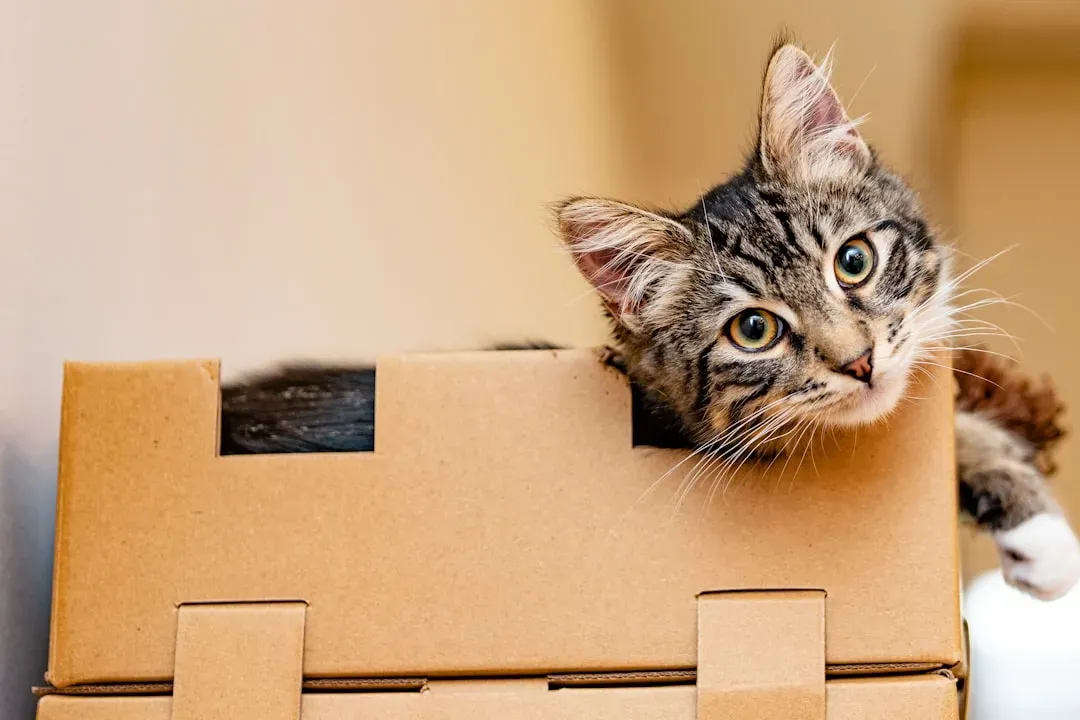
Cats carry a quiet kind of stress that we humans often underestimate. New guests, a rearranged living room, a new pet – all of it registers deeply with them. Cats do not have built-in conflict resolution strategies, so they much prefer to hide from their problems. The safety of the private, enclosed space is a key reason why cats love boxes.
Cats also mark their territory by scratching and rubbing their scent glands on items, and having a private box can become part of their personal space. Much like humans, cats benefit from solitude. Boxes provide a retreat that minimizes interaction when they feel overwhelmed. Honestly, it is not so different from a person disappearing into a quiet room when a party gets too loud.
Your Cat Uses the Box as a Hunting Ground
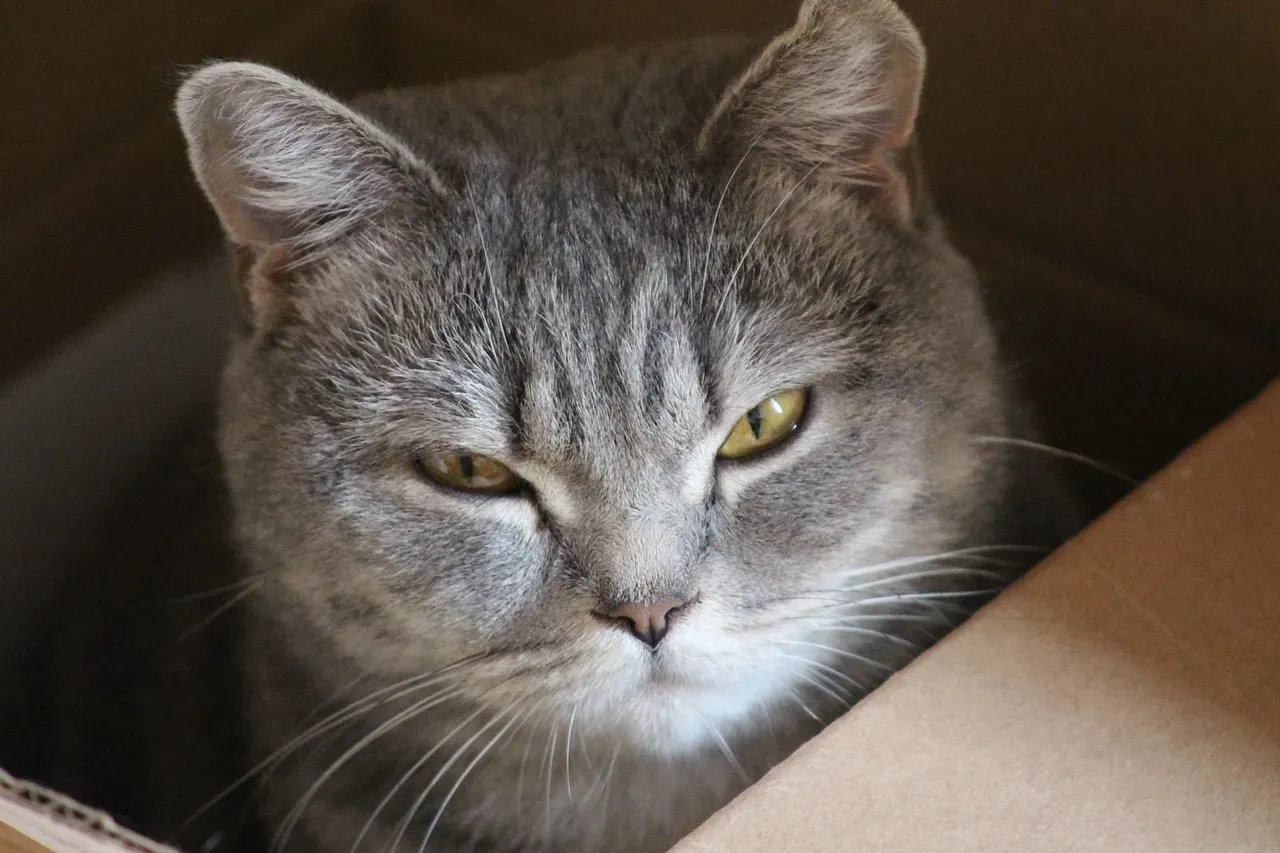
Your cat does not just sleep in that cardboard box – they are plotting. A cardboard box recreates the hunting experience perfectly. Your cat can crouch inside, perfectly concealed, watching for prey to pass by. That prey might be a toy mouse, a laser pointer dot, or your unsuspecting feet. Storage boxes, gift boxes, and even small shipping boxes provide ideal hunting blinds where cats can practice their stalking skills.
Cats are ambush hunters. They stalk slowly, in fits and starts, only when they think their prey is not looking. A box gives them a place close to whatever they want to stalk, obscuring almost all of them where they can just peek out over an edge or through a hand-hole, and it is not so in-the-way that they have trouble leaping out of it. It is basically a built-in stealth mode, powered entirely by recycled packaging.
Cardboard Satisfies Deep Sensory Needs
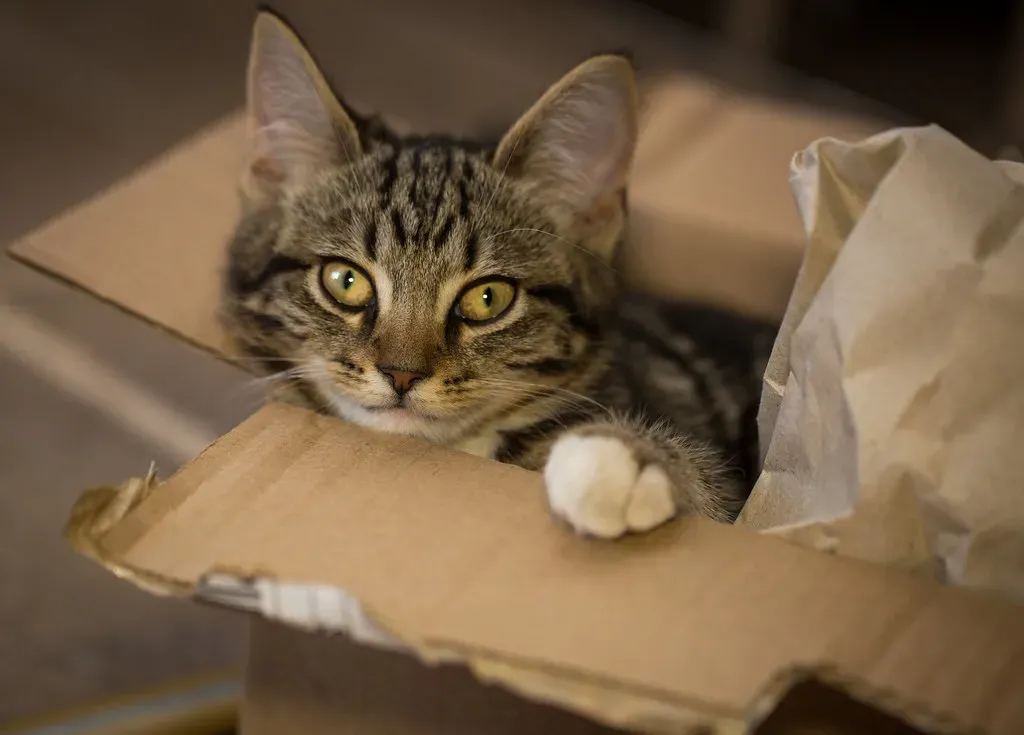
Think about how many different things your cat does with a cardboard box. They sit in it, they scratch it, they chew it, they rub their face against the corners. All of that is intentional. Sensory stimulation is extremely valuable and enjoyable for cats. Cats exposed to novel scents are much more exploratory and playful. A fresh delivery box carries dozens of unfamiliar scents from its journey, which is basically the feline equivalent of reading a fascinating novel.
Your cat’s powerful sense of smell is roughly fourteen times stronger than yours, meaning every box tells a story. Cats will investigate thoroughly, rubbing against the box to leave their own scent and claim ownership. Cardboard is the perfect texture for your cat to bite and scratch, making it great fun to play with. Many owners find that cats love boxes purely to bite and chew. To your cat, a plain old box makes a really interesting and fun toy that can keep them entertained for days on end.
Why Expensive Cat Beds Often Miss the Mark
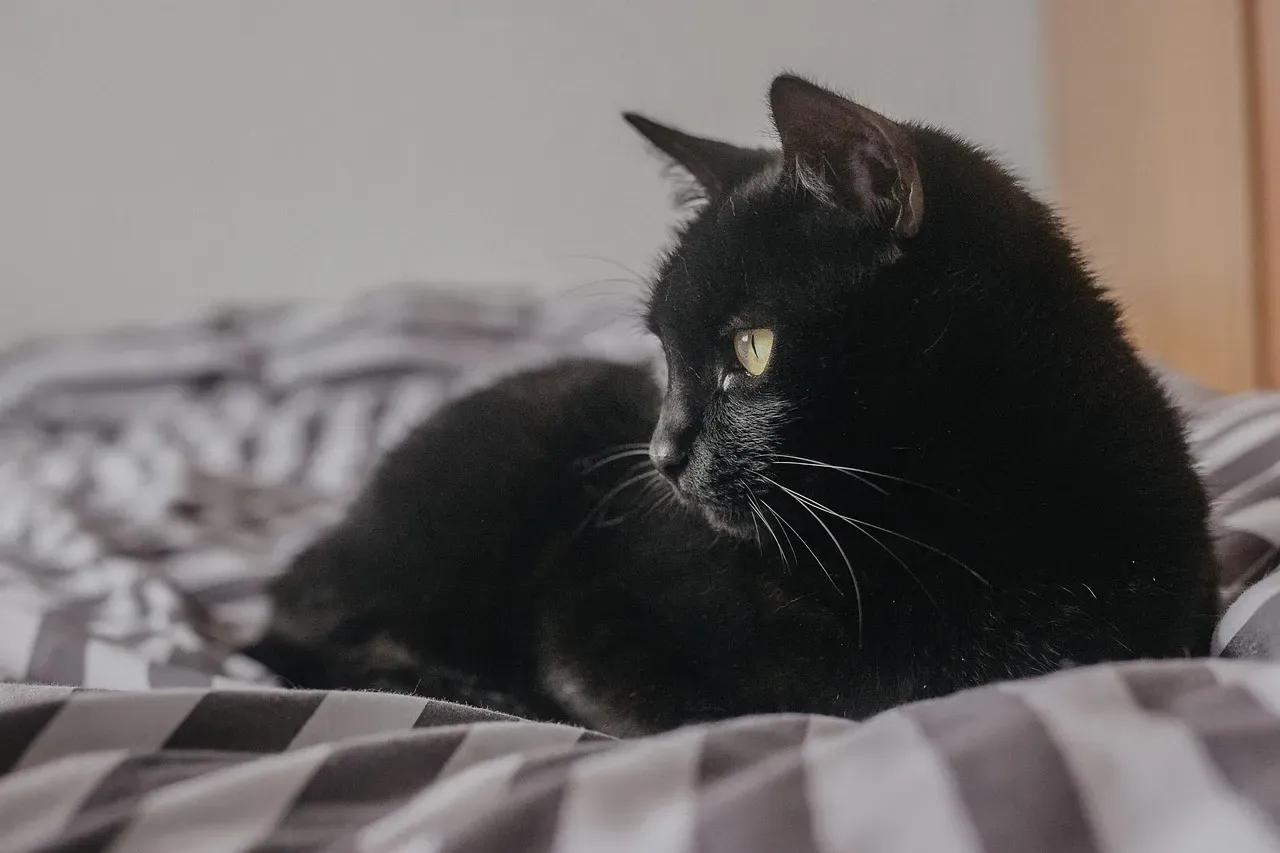
You have probably wondered whether you are just wasting money on pet products. I think, honestly, the answer is sometimes yes. Despite their appeal to humans, many luxury cat beds miss the mark for specific reasons: open designs leave cats feeling exposed, synthetic fabrics can cause discomfort while cardboard is odorless and natural, and beds placed in noisy or high-traffic areas feel unsafe to cats.
Cats love exploring novel items, so when the cardboard box containing the new bed is tossed on the ground, the cat may jump into the box before actually trying the bed. Other cats might not like the texture, smell, or shape of the bed, turning up their nose in favor of the box it came in. If you are set on making that fancy bed work, making it appealing by placing it in the right location and making it smell like home with familiar toys and blankets can help – and if all else fails, place your cat’s new bed inside their favorite box.
Even Big Cats Cannot Resist a Good Box

If you needed any more proof that this behavior is deeply embedded in feline DNA, consider this: it is not just your house cat. It is not just house cats that love cardboard boxes. Lions, tigers, and leopards in zoos and wildlife reserves show the same fascination. That is a jaw-dropping thought when you sit with it for a moment.
Big cats share lots of the same characteristics as your pet cat. When big cats living in wildlife reserves and zoos were given cardboard boxes, they had just as much fun as your cat would. They were seen jumping in and out of the boxes, sitting in them, and generally having a great time. So the next time your cat commandeers the recycling, remember: they share that instinct with apex predators. Respect that.
Conclusion: The Humble Box Is the Ultimate Cat Sanctuary
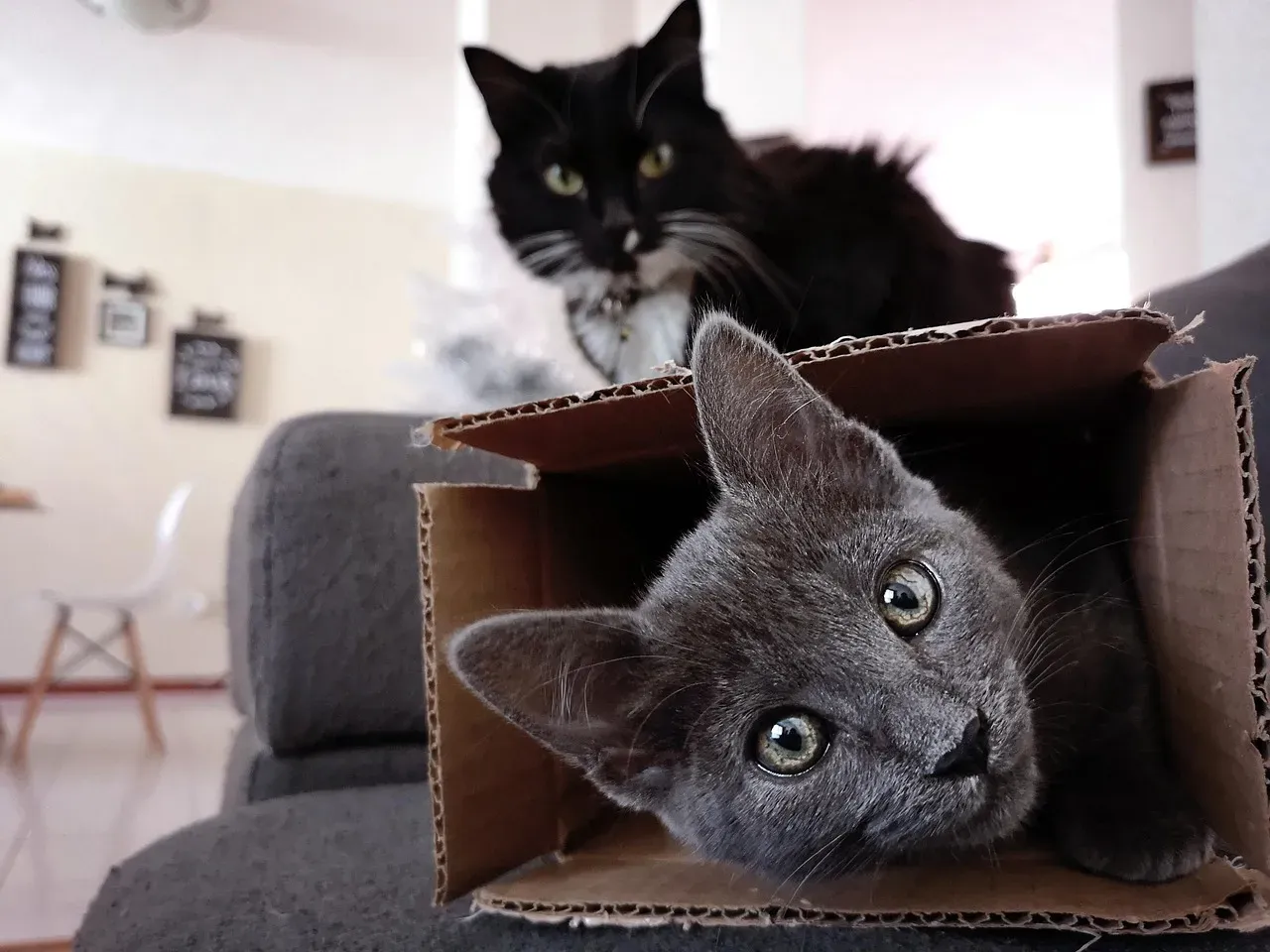
It is easy to feel a little defeated when your cat ignores a sixty-dollar pet bed in favor of a free box. But now you know the truth – your cat is not being ungrateful. They are following millions of years of evolutionary wisdom. Boxes are not just boxes to your cat. They are fortresses, hunting grounds, temperature regulators, stress relievers, and entertainment centers all rolled into one recyclable package.
The cardboard box checks every box, so to speak. It offers warmth, security, sensory stimulation, a hunting ground, and genuine emotional comfort. Boxes are far more than ordinary pieces of cardboard to cats – they are essential sanctuaries for reducing stress and enhancing well-being. From offering comfort during transitions to serving as tools for enrichment and behavioral regulation, a simple box can dramatically impact your cat’s quality of life.
So before you toss that next delivery box into the recycling bin, consider sliding it across the floor to your cat first. Watch what happens. You might just realize that the best thing you ever gave your cat costs absolutely nothing – and that, in a world of overpriced pet accessories, is quietly the most satisfying plot twist of all. What do you think – will you be keeping your next cardboard box for your cat? Let us know in the comments!
Kristina is a young writer from India. An arts graduate and an avid content creator, Kristina is passionate about animals and wildlife. She enjoys exploring topics related to pet care, animal behavior, conservation, and nature, combining thorough research with engaging storytelling.