You glance up from your couch and notice your cat sitting completely still, eyes locked on a perfectly blank stretch of wall. No bug. No shadow. Nothing. Just a cat, a wall, and a silence that somehow feels deeply judgmental. Sound familiar?
Here’s the thing – that moment is far stranger and more fascinating than it looks. Your cat isn’t losing their mind. They aren’t haunted. There’s actually an entire universe of sensory information unfolding right in front of them that you simply cannot access. The answer to why they do this will genuinely surprise you. Let’s dive in.
Your Cat Is Hearing a World You Can’t
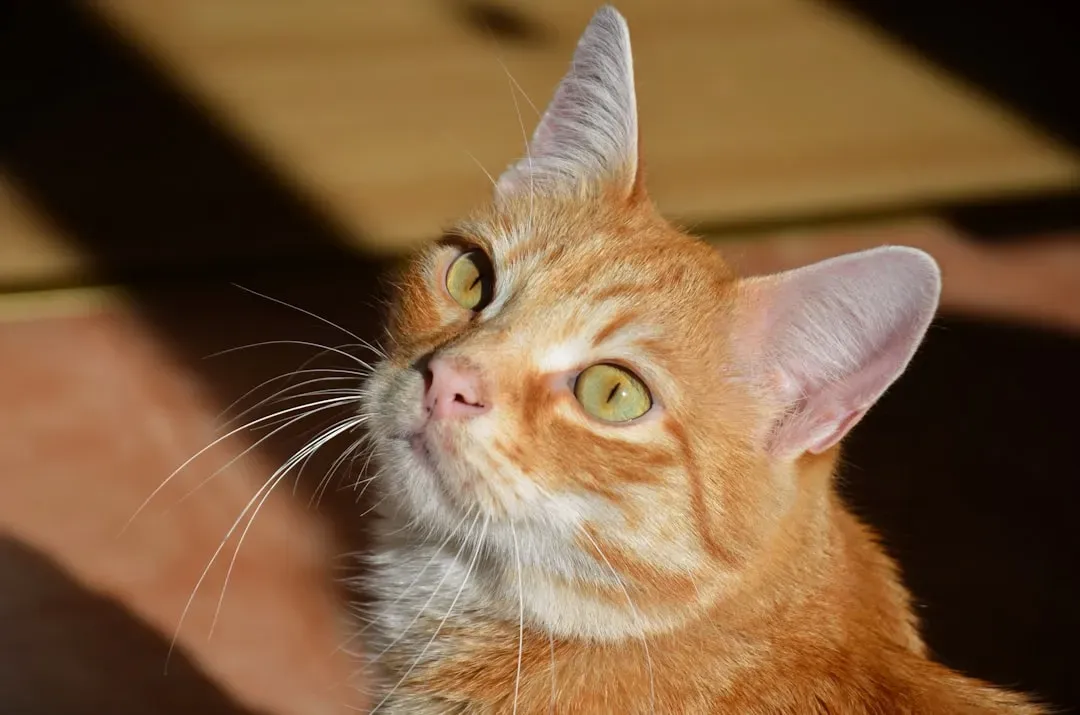
Cats have one of the best hearing ranges of all mammals. They hear similar low frequencies to humans but can detect much higher-pitched sounds – up to 64,000 Hertz, compared to just 23,000 Hz for people and 45,000 Hz for dogs. That’s not a small difference. That’s practically a different dimension of sound entirely.
The shape of a cat’s ears amplifies sounds, and they can rotate their ears without even moving their heads to better localize where sounds are coming from. This outstanding hearing may make them appear to be aimlessly staring at the wall, when in fact their curiosity has been piqued and they are listening to sounds from within the wall cavity – or even your neighbor’s apartment. This could be water trickling through pipes, air rushing through ducts, or a rodent visitor in the wall cavity.
Their Eyes Are Tuned to See the Invisible
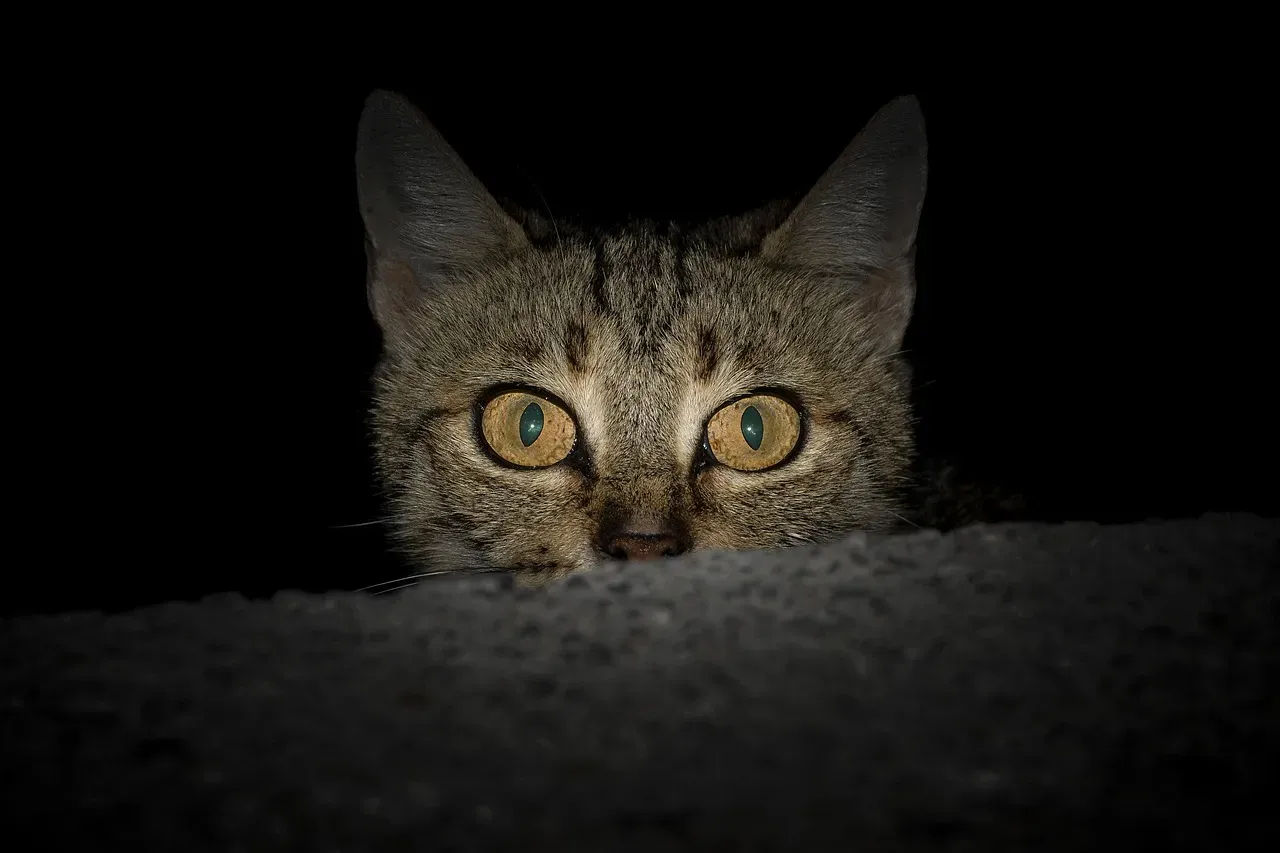
Cats have far more rod cells in their eyes than humans, making them exceptional at detecting movement in dim conditions. A reflective layer behind the retina called the tapetum lucidum amplifies available light, allowing cats to see in conditions six times darker than what humans need. That blank wall you see at night? To your cat, it might be full of subtle, flickering detail.
Cats can also see ultraviolet wavelengths invisible to the human eye. Certain fabrics, cleaning residues, and surface coatings reflect UV light in patterns we cannot perceive, making a blank wall or floor visually interesting to your cat. Even the slightest flutter of a gnat or a dust speck caught in an air current can register as worth investigating. Honestly, it’s humbling when you think about it.
The Hunter Inside Never Clocks Out
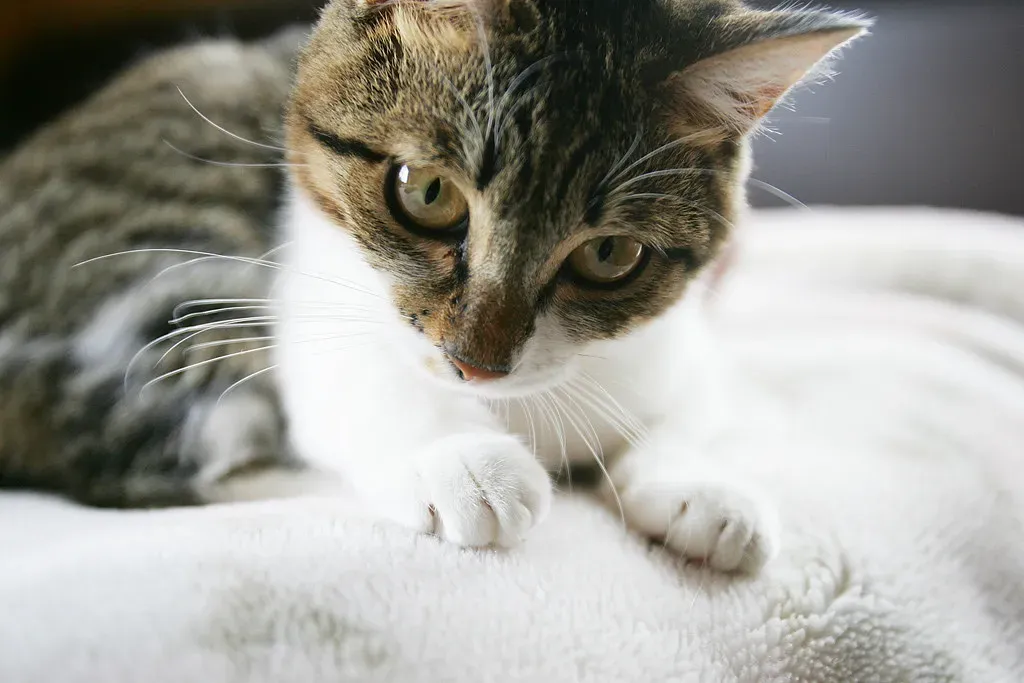
Even domesticated cats retain their hunting instincts. A wall can become a focal point if they suspect prey is hiding behind it. A cat might crouch low, twitch their tail, and fix their gaze on the wall in preparation for a potential pounce. The mere possibility of a mouse or insect can trigger their hunting behavior. Think of it like a professional athlete who stretches before a game that may never happen – pure instinct at work.
Not all hunting happens in your yard. Your cat may be hunting in the comfort of your living room. If you’ve ever watched a cat hunt, you’ll notice that they watch their prey before getting into the tell-tale pounce pose. They do this to ensure the timing is right for success – your cat may be watching a spider walk along a wall, determining the best time to pounce.
Scent Signals Are Leaving Invisible Messages
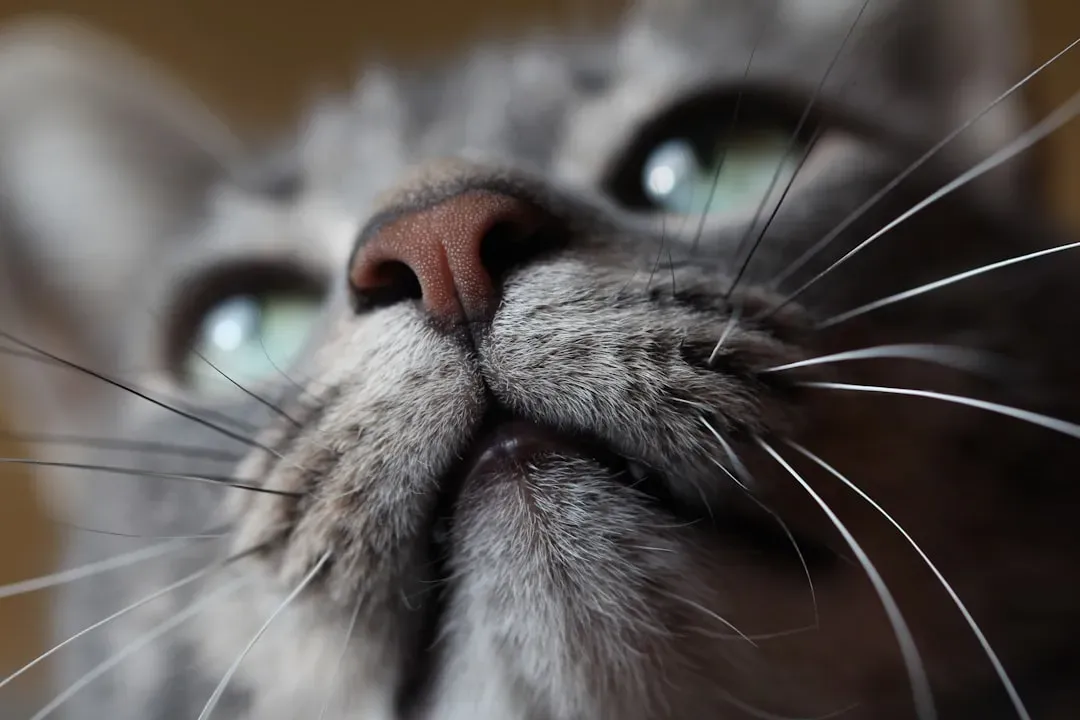
A wall near a doorway might carry residual pheromones from your cat, another pet, or wildlife outside. Staring is often part of processing these invisible scent messages. Your cat is essentially reading a newspaper that only they can see – and every headline is fascinating.
Cats carry roughly 200 million scent receptors compared to our 5 million. A lingering pheromone trail from another cat that walked by the house yesterday is still a neon sign to them. So when you renovate, move furniture, or bring in a new pet, expect some very serious wall-gazing sessions as your cat processes every new olfactory detail.
Boredom and Stress Can Be the Real Culprit
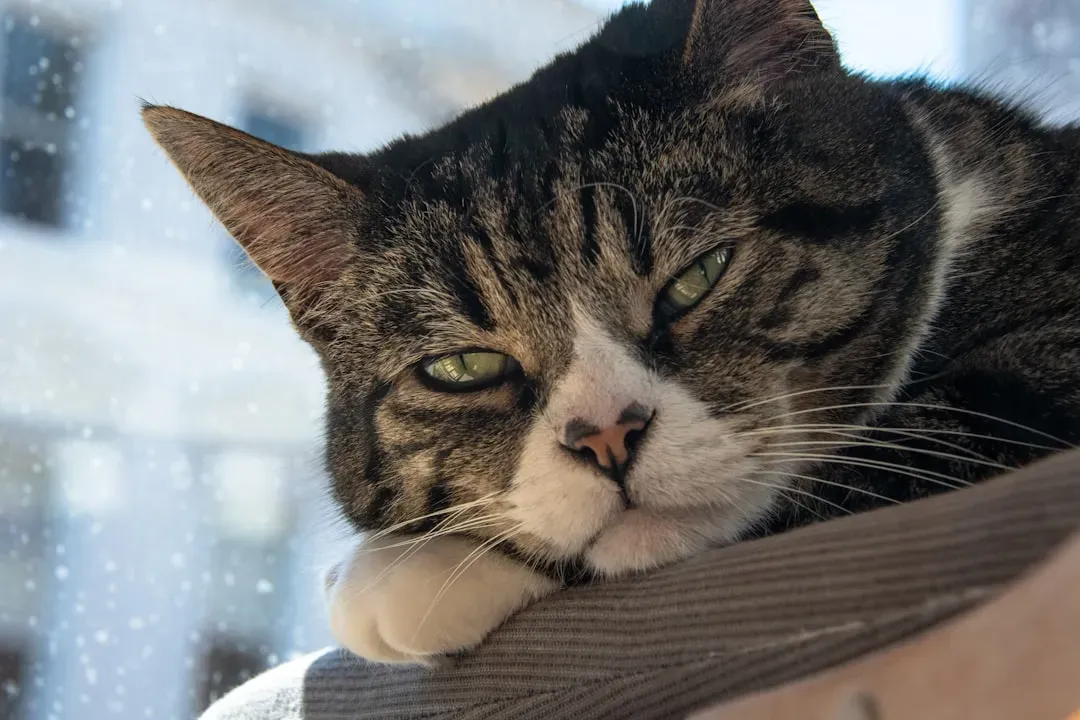
Cats who are under stress can fall into repetitive, unusual behaviors. When asking why your cat stares at a wall, don’t just consider physical health reasons – it can also mean anxiety or stress. Cats are masters of hiding discomfort, and a vacant stare at the wall is sometimes the only clue they give you.
In some cases, a cat may stare at a wall out of boredom or lack of stimulation. Like all animals, cats can experience boredom and may not be getting the mental stimulation they need. If you suspect this may be the problem, it’s important to find ways to relieve your pet’s boredom. Treat mazes, catnip toys, climbing towers, and similar activities can help keep your cat entertained and content.
It Might Be Their Memory Playing Tricks
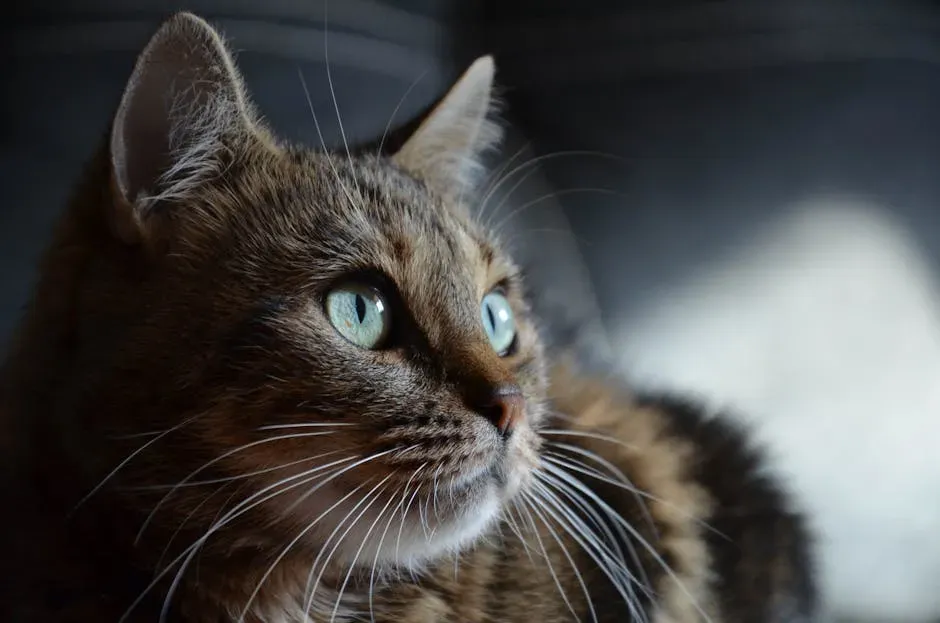
Your cat remembers what and where things happen, but might not always understand how they came to be. If the reflection from your watch was an exciting experience for them, they might go back to that wall hoping to find that reflected light again, even if you’re not there to play. It’s like a child returning to a candy jar that’s now empty, hoping that somehow the universe has restocked it.
Cats are awesome predators and can spend long periods of time focusing on a location if they think there is prey around. Cats also seem to remember where they saw or heard something that interested them in the past, and will return to examine the same spot time after time. So that one spot on the wall your cat keeps returning to? It had something going on there at least once.
When the Wall Stare Signals a Health Warning
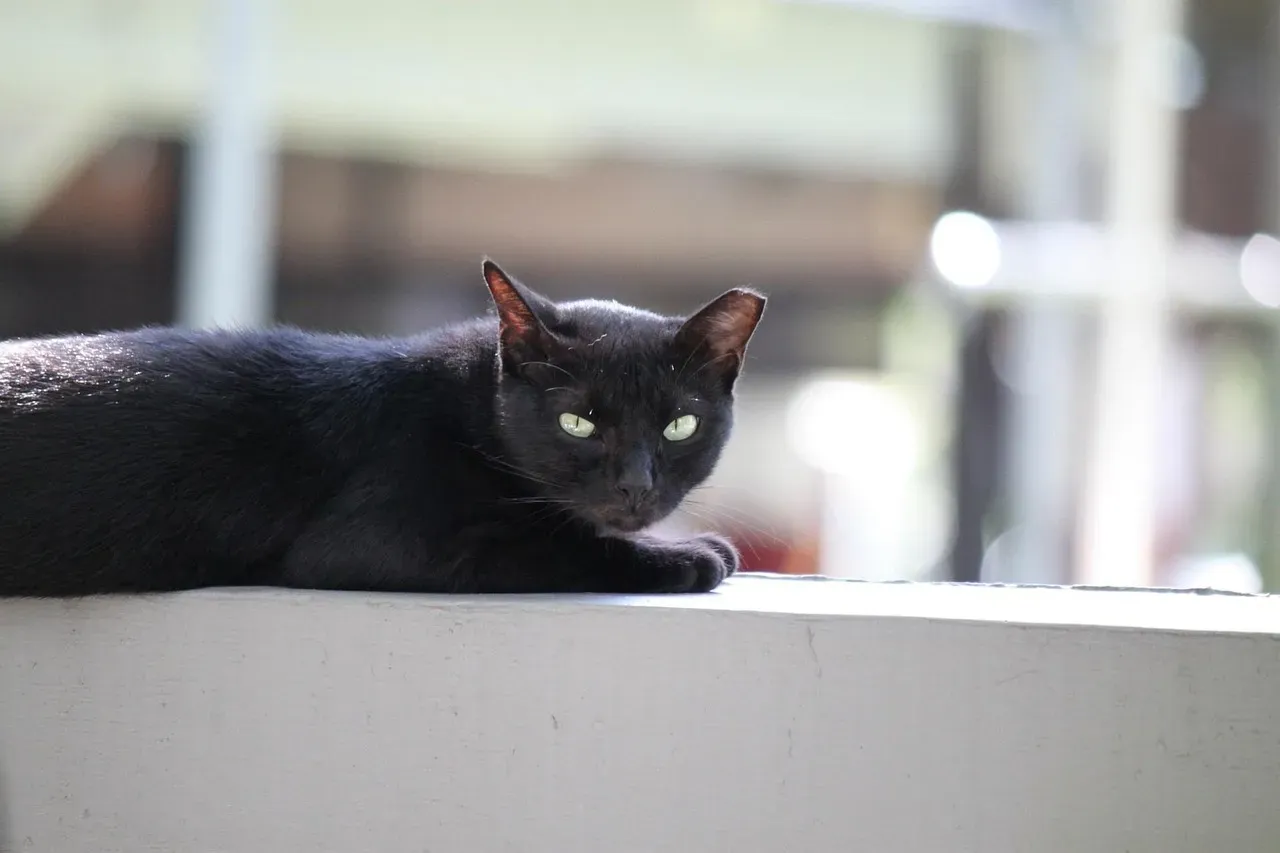
If your cat is having trance-like periods of staring at the wall in between episodes of manic behavior, they could be suffering from feline hyperesthesia syndrome. The cause of this unpleasant syndrome is not fully understood, but affected cats often meow or howl loudly, are sensitive to the touch, groom themselves frantically – especially at the tail base – and have enlarged pupils. This is one you definitely don’t want to brush off.
Although many people associate full-body seizures with epilepsy, cats more commonly suffer from partial seizures which can be much harder to recognize. They can manifest as twitches, drooling, abnormal movement, and even growling or vocalizing excessively. They can also cause affected cats to stare into space, so they may appear to be staring at walls. If anything here sounds like your cat’s experience, a vet visit should be the very next thing on your agenda.
Senior Cats and Cognitive Decline: A Serious Look
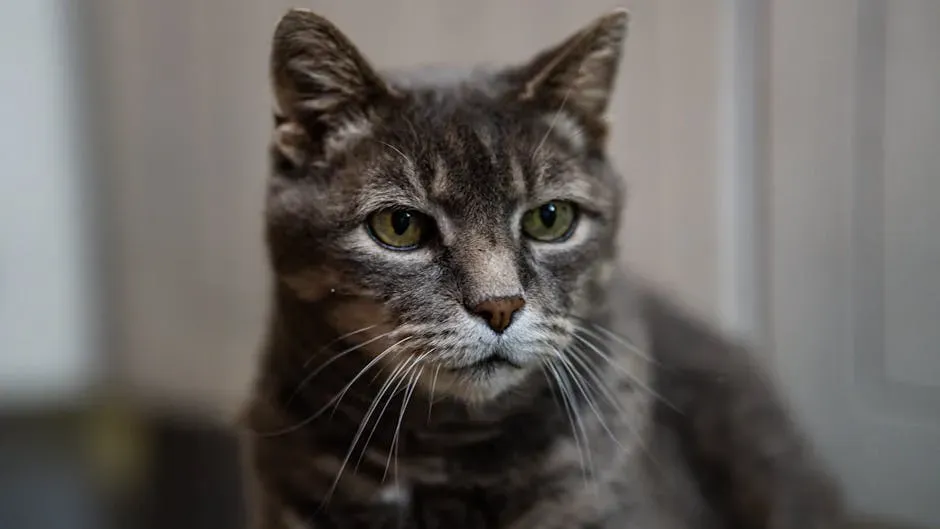
In older cats especially, persistent wall-staring combined with other behavioral changes could indicate cognitive dysfunction syndrome, similar to dementia in humans. It’s a genuinely heartbreaking condition, and catching it early makes a significant difference in how well you can manage your cat’s quality of life.
Any senior cat showing unusual behavior such as staring at walls, aimless wandering, loss of toilet training, or personality changes should be taken for a thorough checkup with a veterinarian. They may be suffering from feline cognitive dysfunction syndrome, also known as senility or dementia. Growing older is tough for all of us – including our cats. Paying close attention to these signs is one of the most loving things you can do for an aging feline.
When Should You Actually Call the Vet?
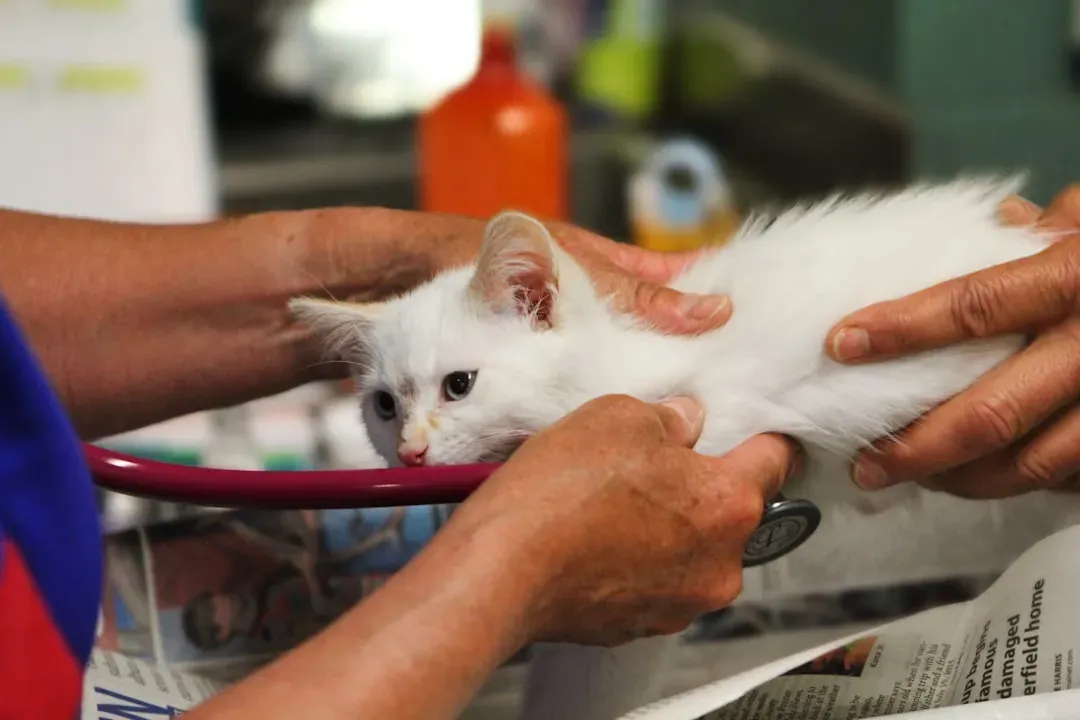
The good news is that most causes of wall-staring are benign. However, if your cat is staring at the wall and displaying any other symptoms, they should be brought in for an evaluation. Also schedule a vet visit if your cat has started staring at the wall and is elderly, as old cats staring at the wall are more likely to be suffering with a medical problem.
There’s a difference between a cat who sits calmly and one who sits with their face against the wall. Head pressing – literally pressing the head against a solid surface – is not normal, and can indicate serious neurological disease. If you see this behavior, contact your vet right away. That distinction matters enormously. Staring is usually fine. Pressing is never fine.
Conclusion: Your Cat Is Not Weird – They’re Just Wired Differently
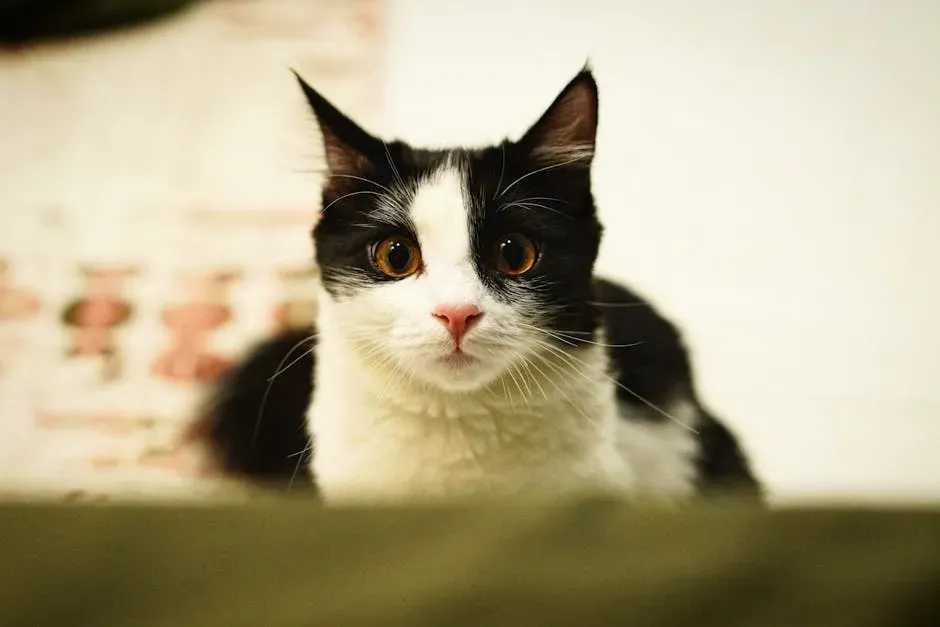
Let’s be real – cats are bizarre, glorious little creatures, and the wall-staring habit is just one chapter in their long book of mysterious behavior. Most of the time, your cat is simply picking up on sounds, scents, light flickers, or memories that your human senses completely miss. They’re not confused. They’re not haunted. They’re plugged into a channel you don’t have access to.
The important thing is to learn the difference between curious staring and concerning staring. Understanding when your cat staring at a wall is normal versus concerning comes down to context, duration, and overall behavior. In most cases, this behavior is completely harmless – your cat is using their superior senses to detect pests, observe tiny movements, or listen to sounds you can’t hear. Occasionally, they’re just zoning out or being adorably weird, which is part of normal feline behavior.
So next time your cat locks onto that blank wall with the intensity of a detective cracking a cold case, take a moment to appreciate it. There’s an entire world happening right there that you will never fully see. Isn’t that kind of amazing? What would you give to experience the world through your cat’s senses for just one hour?
Kristina is a young writer from India. An arts graduate and an avid content creator, Kristina is passionate about animals and wildlife. She enjoys exploring topics related to pet care, animal behavior, conservation, and nature, combining thorough research with engaging storytelling.