There’s something almost hypnotic about watching your cat press their tiny paws into a soft blanket, eyes half-closed, purring like a motorboat. You’ve seen it dozens of times. Maybe you’ve even winced when those little claws found your thigh. Yet somehow, this quirky, rhythmic behavior remains one of the most endearing things your cat will ever do.
Kneading, or as the internet hilariously calls it, “making biscuits,” is more than just a cute trick. It’s a window into your cat’s deepest instincts, emotional world, and even their evolutionary past. The truth behind it is richer and more surprising than most people realize. So let’s dive in.
What Exactly Is Kneading, Anyway?
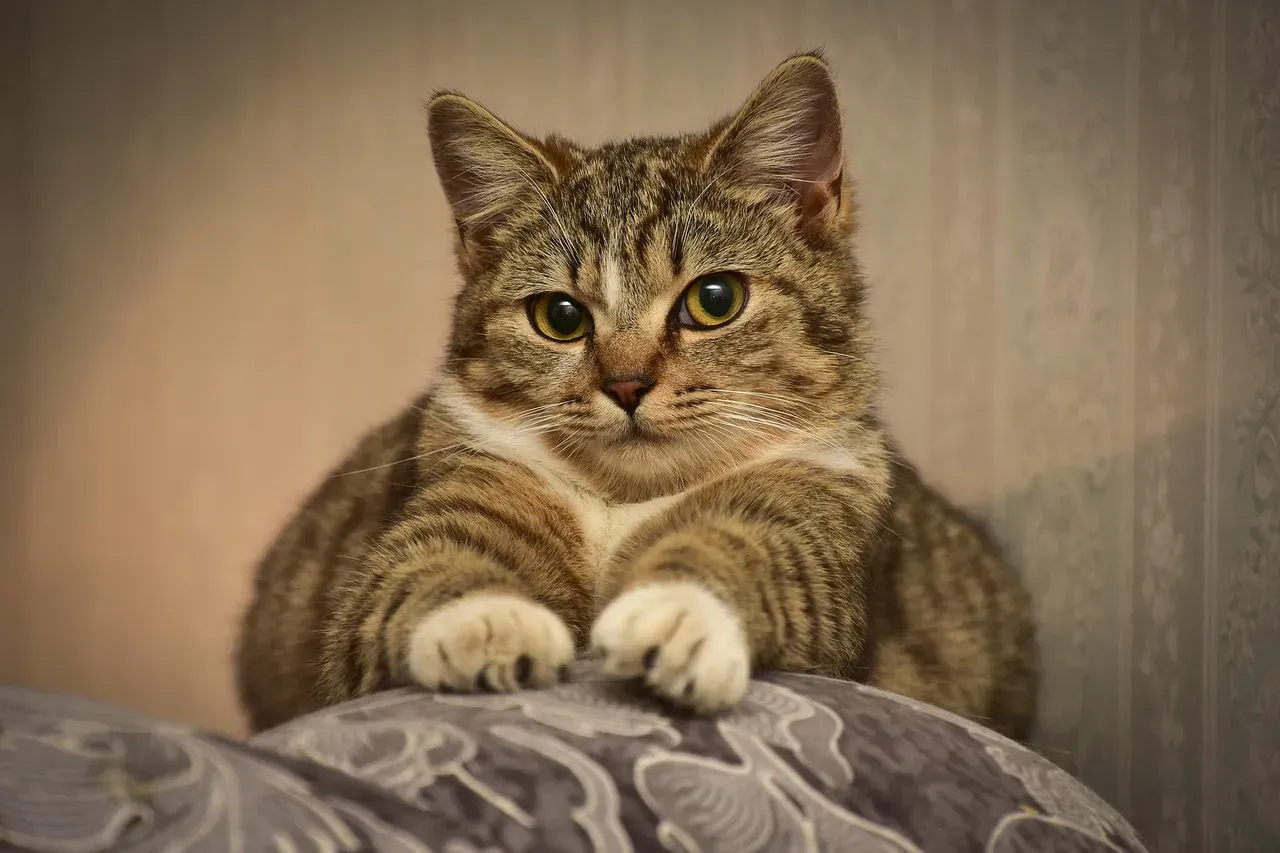
Let’s be real, the first time you witnessed it, you probably had no idea what was happening. Kneading is a behavior frequently observed in domestic cats where, when a cat feels at ease, it may push out and pull in its front paws against a surface, often alternating between right and left limbs, with each stroke accompanied by a grasping motion of the claws. Think of it like a slow, deliberate dance of the paws, one then the other, over and over again.
The cat exerts firm downward pressure with its paw, opening its toes to expose its claws, then closes its claws as it lifts its paw, with the process taking place with alternate paws at intervals of one to two seconds. It’s surprisingly coordinated. Though cats will sit happily on a hard surface, they will only knead a soft or pliant surface. That texture matters enormously, and there’s a deep reason for it.
It All Starts in Kittenhood
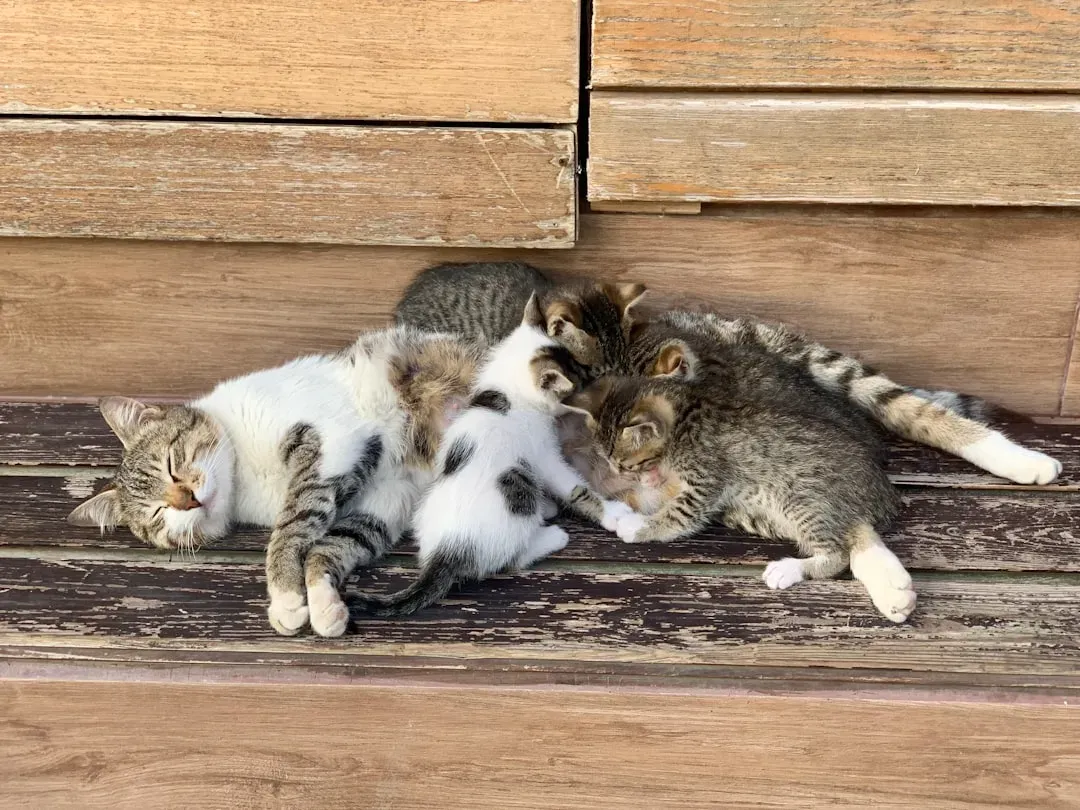
Here’s where things get genuinely fascinating. This behavior originates from kittenhood when nursing kittens instinctively knead their mother’s bellies to stimulate milk flow, and even as adults, cats retain this comforting motion, often when they are relaxed or feeling affectionate. It’s one of the very first purposeful actions a kitten ever performs. Survival, comfort, and warmth all rolled into one tiny paw motion.
Kittens use a kneading action to stimulate milk production from their mother cat when nursing, and because nursing and being around a mother cat’s calming pheromones encourages a sense of contentment in young kittens, many cats will continue to knead into adulthood to create a similar sense of calm and relaxation. Honestly, it’s like your cat is chasing a feeling from their very first days of life every single time they knead your blanket.
The Brain Chemistry Behind the Bliss
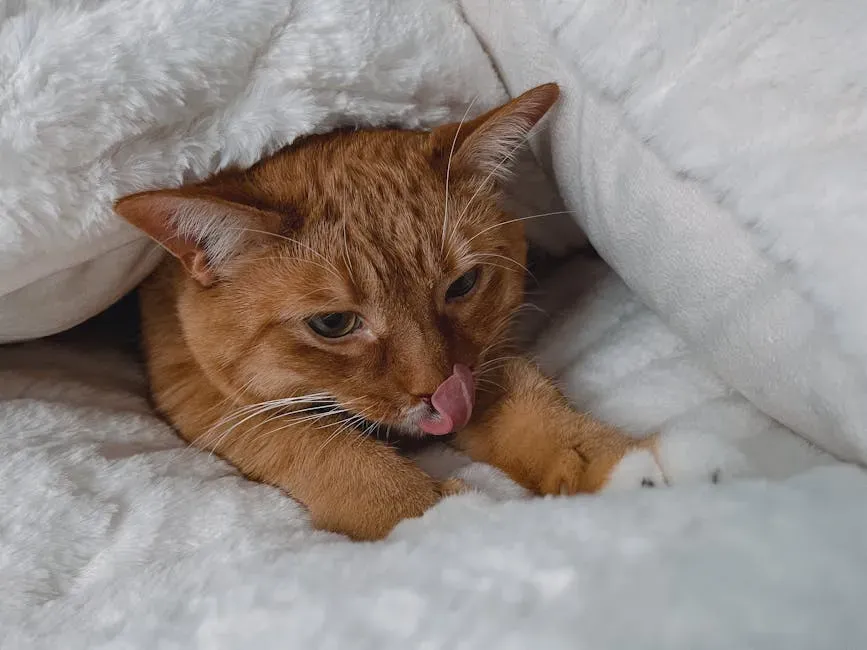
You might wonder: what’s actually happening inside your cat’s brain during all this paw pressing? The action of kneading in cats causes the release of the pain-relieving, feel-good chemical dopamine in the brain, and increased or excessive kneading can actually be a sign that your cat is uncomfortable or anxious, using kneading as an attempt to soothe themselves. So yes, your cat is literally getting a chemical reward from making biscuits on your lap.
Kneading helps cats release endorphins, which promote feelings of relaxation and well-being, making it a self-soothing behavior that brings them relaxation and security. Think of it the way humans might tap their feet, hum to themselves, or squeeze a stress ball when they need calming down. It’s a deeply wired self-regulation tool, just with more claws involved.
A Throwback to Your Cat’s Wild Ancestors
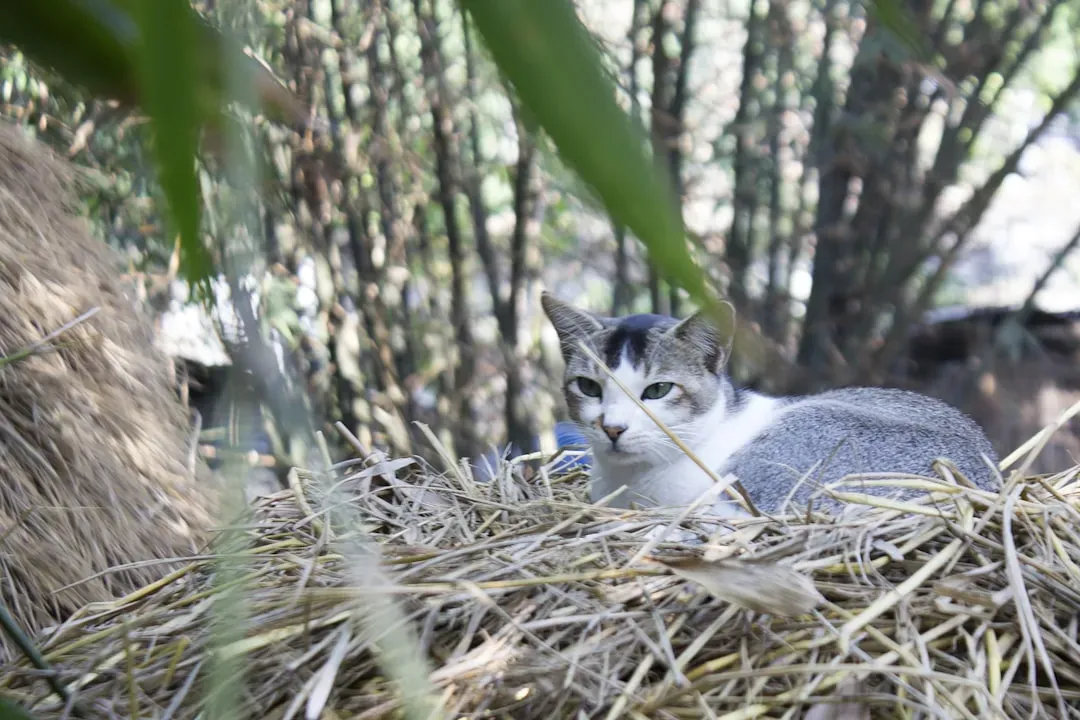
Your fluffy indoor cat still carries ancient instincts from long before they ever curled up on your couch. In the wild, cats would create nests or sleeping areas by patting down foliage or grass, and these recurring movements helped to soften the ground, making it more comfortable for resting or giving birth. Over time, this behavior became ingrained in their instincts, even in the absence of such practical needs. So your cat’s pre-nap kneading ritual? Ancient history, literally.
Big cats such as lions and leopards knead grass or leaves before resting, creating a soft “nest,” and Cornell University research confirms this behavior still exists in domestic cats. There is something almost poetic about the fact that your little house cat and a lion share the same bedtime ritual. The kneading motion may be a leftover version of this instinct, and when your cat kneads a blanket before settling down, they may be performing a miniature version of that natural behavior.
Kneading Is a Love Language
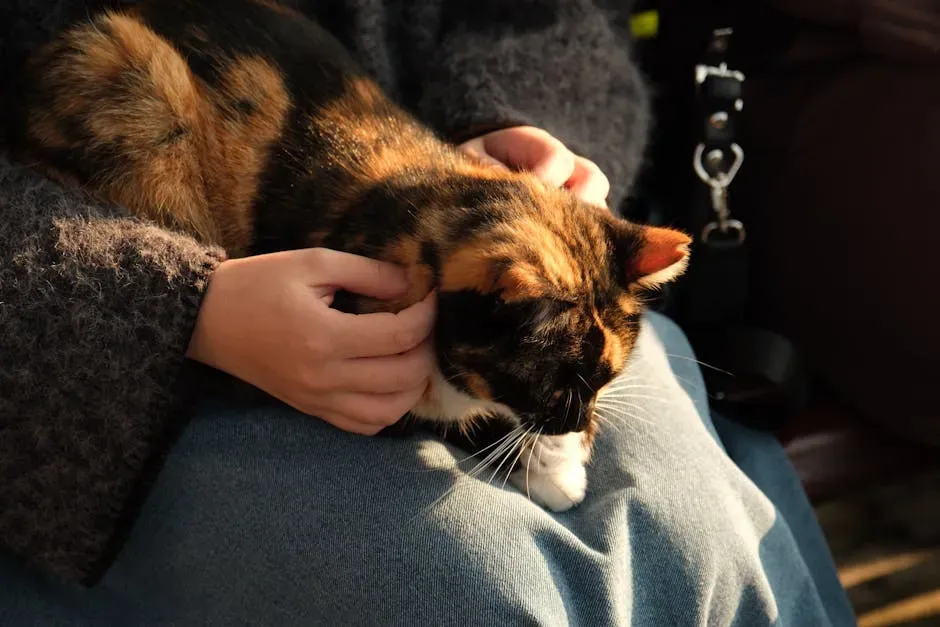
If your cat kneads you specifically, you should feel genuinely honored. When a cat kneads their owner, it can be a sign of trust and affection, demonstrating that the cat feels safe and comfortable in the presence of their human companion. You are, in your cat’s world, the softest and safest place to be. That’s not nothing.
When your cat kneads you, it can also be a sign of affection, since kneading is a behavior that they performed as a kitten with their mother, and it can thus convey a sense of comfort and security with you. I think that’s one of the most touching things about cat behavior. They may well feel the same safety and security around you as they did their mother, and so that instinct is triggered as a kind of love language.
Your Cat Is Also Marking You as Theirs
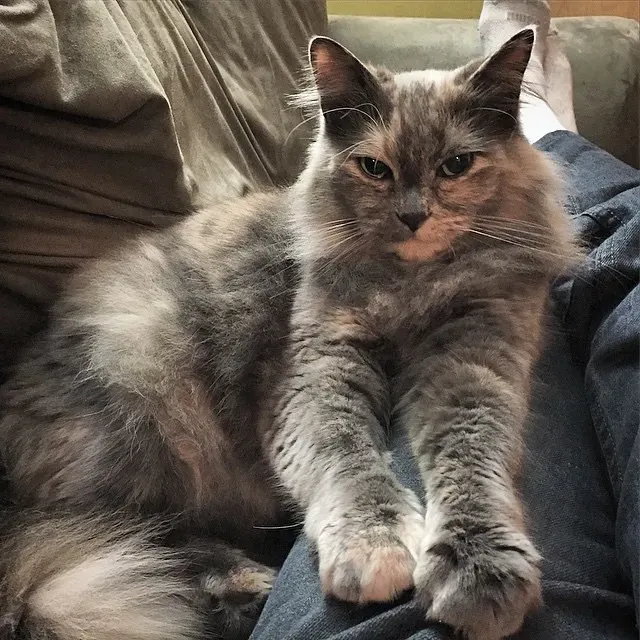
Surprise. When your cat kneads your lap, they’re not just expressing affection. They’re claiming you. According to different hypotheses, cats use kneading to mark their territory and communicate through smell signals, with scent glands located in the smooth pads of their paws releasing pheromones onto the surface they’re pressing against. These pheromones function as an aroma marker, letting other cats know that the area is claimed and helping create a sense of familiarity and security for the kneading cat.
A possible answer to why cats knead is that they’re trying to mark their territory, because there are scent glands that release pheromones in their paws, and by pushing their paws in and out they activate these scent glands, so they could be doing this on your lap to mark you as their own and warn other cats to back off. So the next time you feel those little paws pressing into you, remember: you’ve been claimed. Welcome to the family.
The Role of Domestication in Kneading
Here’s a detail that surprises most people. Kneading as an adult behavior isn’t universal across all cats. It’s largely a product of living with humans. It turns out that by placing them in human care, feline behavior is drastically altered. Wild cats and feral cats that aren’t socialized toward humans tend to drop these kitten behaviors entirely once they leave the nest. Domestication, in a very real sense, keeps cats permanently young in spirit.
Cats knead because domestication preserved a neonatal nursing behavior into adulthood through neoteny, the retention of juvenile traits in adult animals. Kneading activates a neurochemical reward loop that originally reinforced the mother-kitten nursing bond, and adult cats re-create this comfort state on soft surfaces and human companions, making kneading one of the strongest behavioral signatures of cat domestication. In short, your cat kneading is direct proof of your shared bond.
When Kneading Might Signal Something More
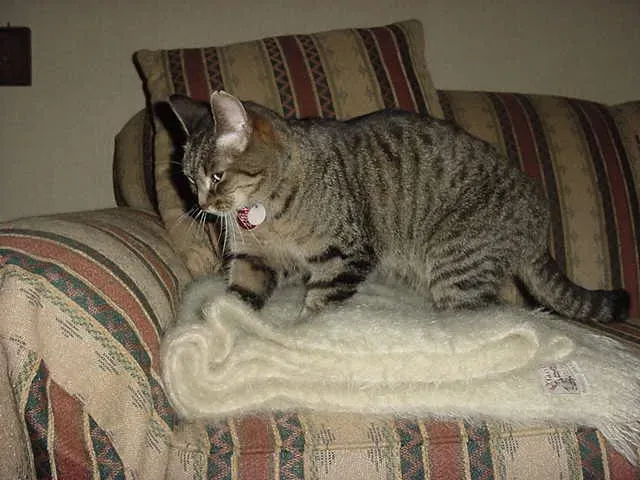
Most of the time, kneading is perfectly normal and nothing to worry about. Still, it pays to pay attention. Increased or excessive kneading can be a sign that your cat is uncomfortable or anxious, and the release of dopamine also motivates the cat to continue kneading to receive additional bursts of the hormone, so excessive kneading can be a sign of a compulsive behavioral disorder. Think of it like someone who can’t stop stress-eating; same mood, different behavior.
Cats experiencing soreness from an injury or arthritis may also knead to stretch their limbs and relieve muscle tension, and if you notice your cat is kneading more often than usual, you should consult with a primary veterinarian to address any underlying medical or behavioral concerns. Watch for patterns. Rarely, kneading paired with symptoms like limping or vocalizing could signal pain, and if you notice this, you should contact your veterinarian.
How to Handle Kneading Without Breaking the Bond
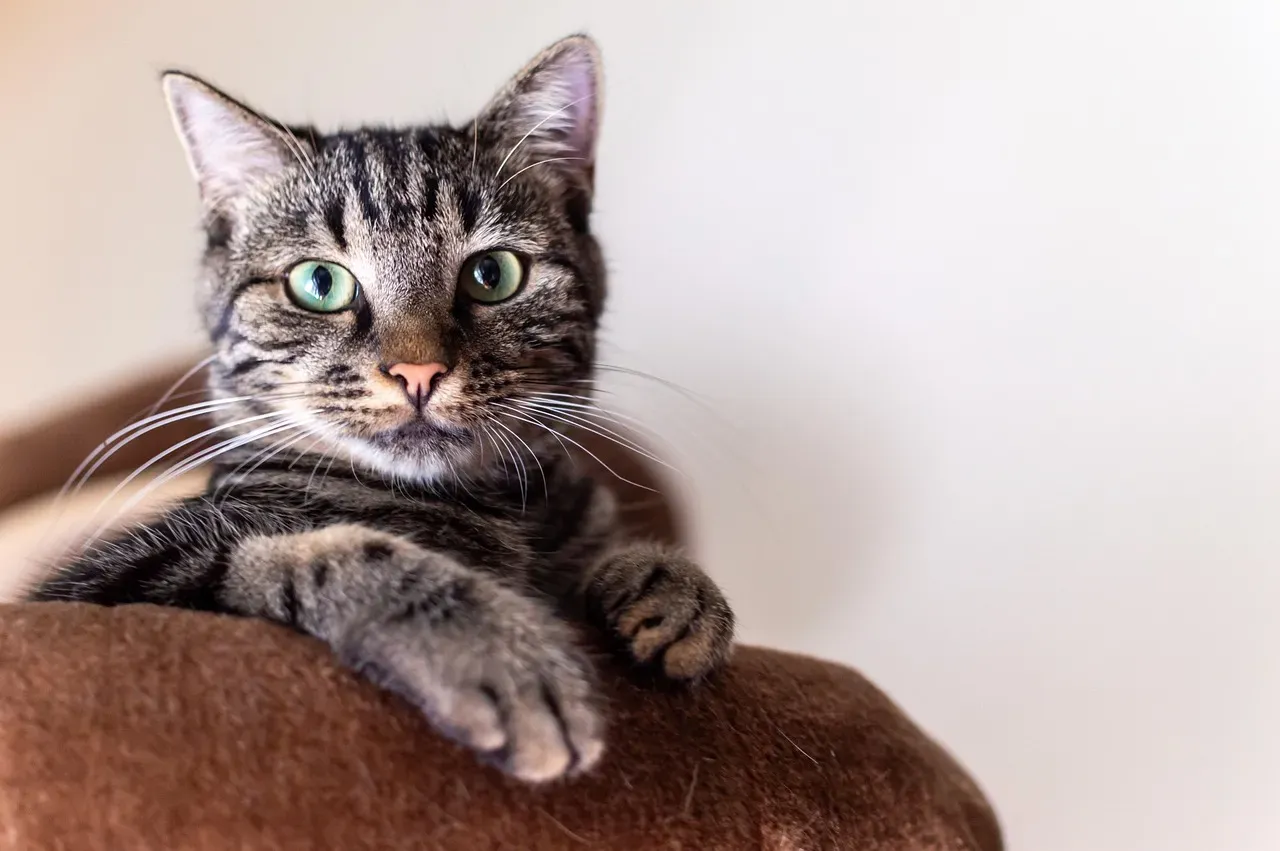
Let’s be honest: even when kneading is the most flattering thing your cat can do, those sharp little claws are no joke. Punishing a cat for kneading damages the cat-human bond and removes a comfort mechanism the cat depends on for emotional regulation. Kneading is not a voluntary decision the cat makes. Kneading is an involuntary activation of a neonatal motor circuit tied to the cat’s deepest sense of safety. So punishment is never the answer here.
You don’t want to discourage kneading entirely since it’s a normal feline behavior. Instead, keep nails trimmed for comfort, place cozy blankets or cat-safe pillows in favorite kneading spots, and gently redirect claws if they become uncomfortable, but never punish. A simple folded blanket on your lap can make the whole experience enjoyable for both of you. Many cats show a strong attraction to plush materials such as fleece, wool, or thick blankets, as these materials feel similar to their mother’s fur and may trigger comforting memories from kittenhood.
Conclusion: Those Little Paws Are Saying Something Big
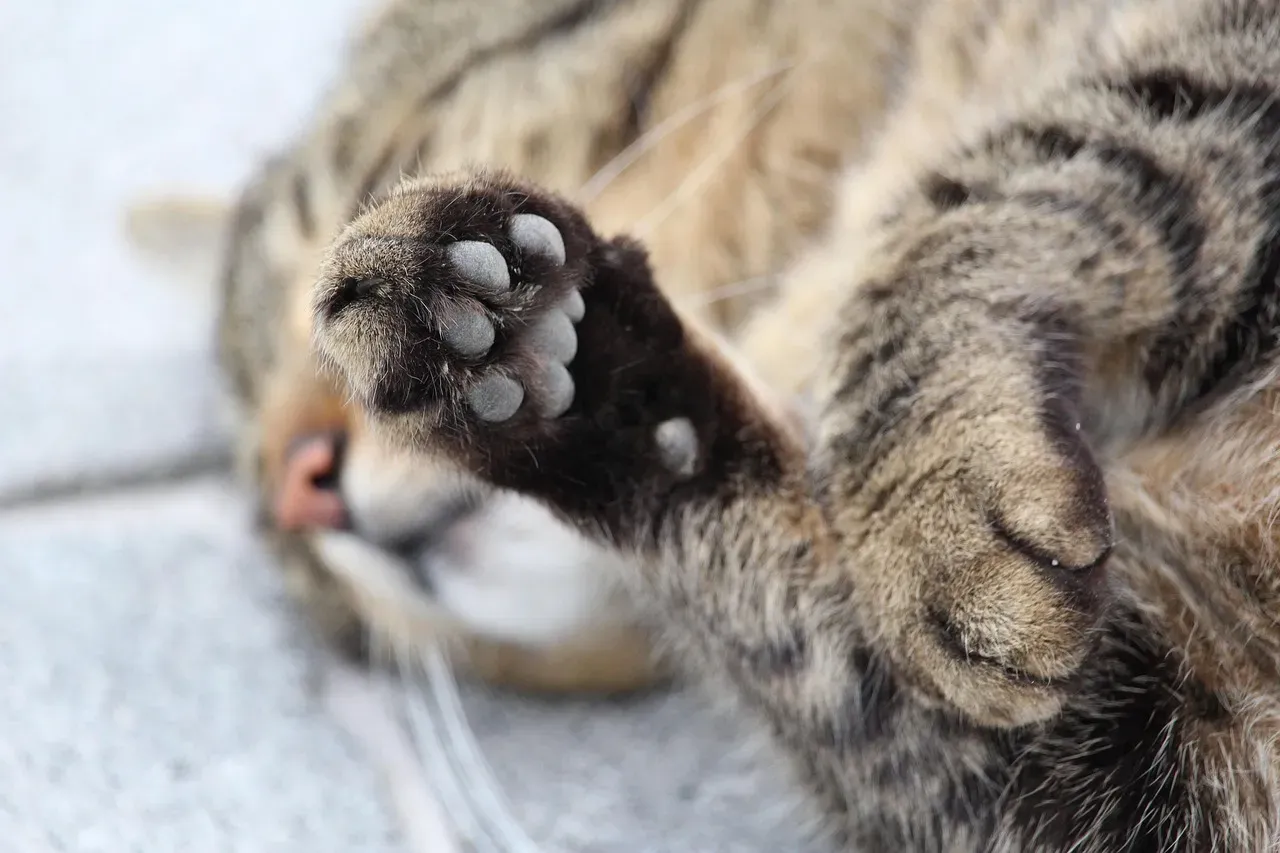
When your cat settles onto your lap and begins that slow, rhythmic paw pressing, something genuinely beautiful is happening. They’re reaching back through millions of years of evolutionary instinct, through puppyish memories of their mother, and arriving right here in the present moment with you. It’s comfort. It’s trust. It’s a tiny chemical celebration of safety.
Kneading is one of those rare behaviors that sits at the intersection of ancient biology and everyday tenderness. In most cases, kneading could be a good indicator that the cat is probably relaxed and comfortable. So the next time your cat makes biscuits on your legs, resist the urge to move them. They’re not just kneading dough. They’re telling you, in the only language they have, that you are home to them.
What do you think? Did this change the way you see your cat’s little rituals? Tell us in the comments.
Kristina is a young writer from India. An arts graduate and an avid content creator, Kristina is passionate about animals and wildlife. She enjoys exploring topics related to pet care, animal behavior, conservation, and nature, combining thorough research with engaging storytelling.