Most people think of their cat as an independent, slightly mysterious roommate who tolerates their presence in exchange for food. But what if your feline companion is actually doing something far more extraordinary, something you’ve been walking past every single day without noticing?
Cats are often stereotyped as standoffish and aloof, even to the people who love them most, but the truth is that cats can be just as protective of their people as dogs are of theirs. More surprising still, your cat may be reacting to threats you cannot see, hear, or even feel. The science is real, the instincts are ancient, and the signs are hiding right in plain sight. Let’s dive in.
They Position Themselves Between You and the Unknown
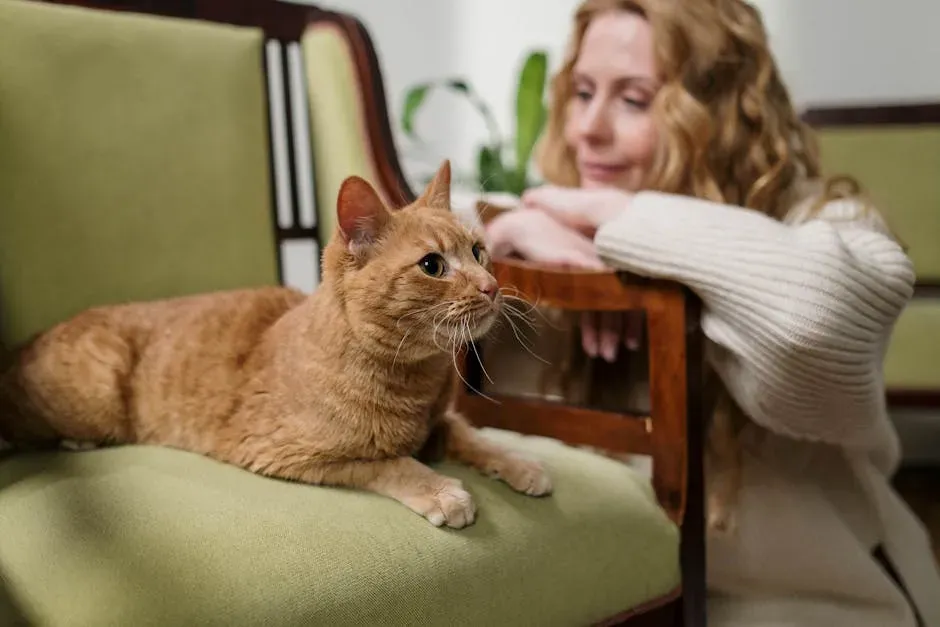
Here’s the thing – when your cat places itself directly between you and a new person, a strange sound, or an unfamiliar corner of the room, that is not coincidence. One of the most common signs is when your cat positions itself between you and something unfamiliar, such as a new visitor, another pet, or even a strange noise, signaling alertness and a readiness to assess potential danger before it reaches you.
This behavior is deeply rooted in something far older than your living room sofa. These changes are rooted in instinct, shaped by both their wild ancestry and their bond with you. Think of it like a tiny, furry bodyguard doing a threat assessment before you’ve even blinked. It’s subtle, almost invisible, but unmistakably intentional.
Their Ears Start Scanning the Room Like Radar Dishes
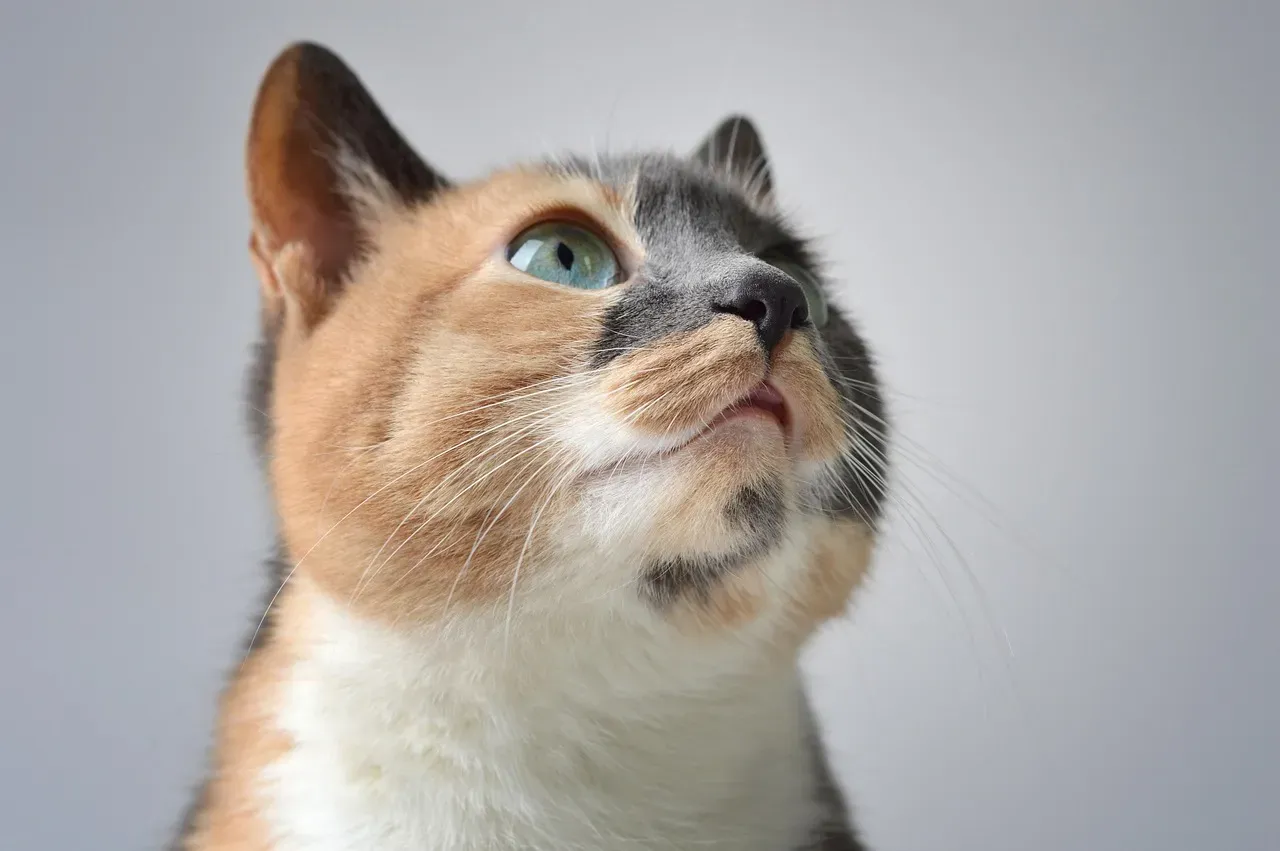
You’ve probably seen it. Your cat suddenly freezes mid-yawn, and those ears start swiveling in different directions as if tuning into signals you can’t pick up. Initially, their ears will be turned out and alert and potentially swiveling, enabling the cat to stay alert and listen for approaching danger. It is genuinely one of the most accurate early warning systems in your home.
If your cat is on alert but not sure whether they should be protecting you, their ears may be up and active, swiveling in all directions as they try to determine where the danger is coming from. Cats hear sounds at much higher frequencies than humans, and your cat’s ears constantly scan the environment, picking up ultrasonic squeaks from rodents, high-pitched electronic hums, or insects in walls. What feels like nothing to you might be a full symphony of warning signals for your cat.
They Stare Intensely at Empty Spaces
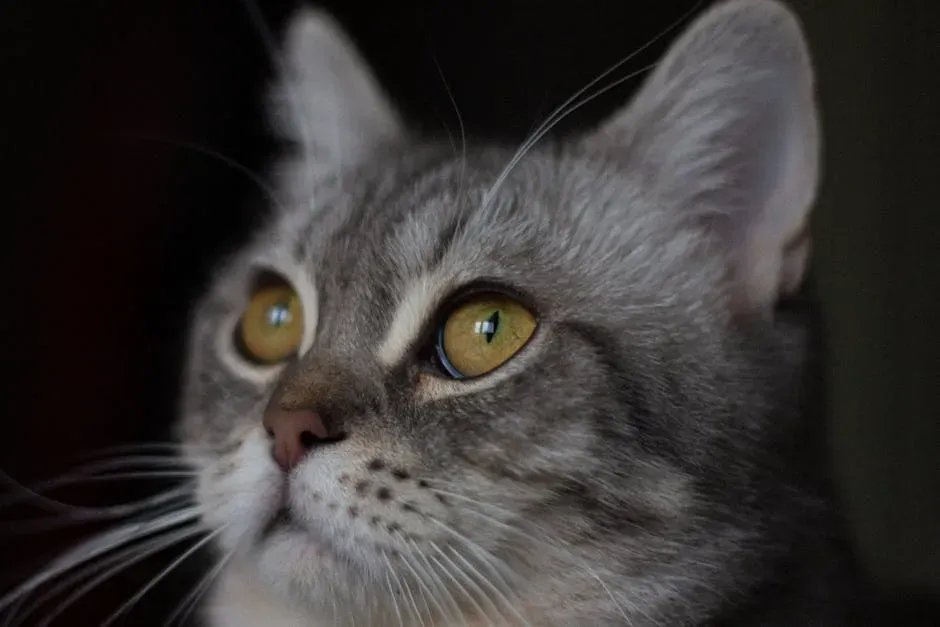
Honestly, few things are more unsettling than your cat staring at a blank wall with the kind of focus typically reserved for a chess grandmaster. When your cat acts strangely, staring at nothing or hissing at an empty corner, your mind might jump to ghosts. We can’t prove it, but we can look at a cat’s biology, which gives us clues about why they react to things that our naked eyes can’t see.
When your cat stares into seemingly empty space, she’s detecting tiny light changes invisible to you, such as shadows, reflections, or subtle light flickers that catch her attention. Beyond light, cats hear sounds within walls you’ll never detect, since rodents, insects, or air in ducts create noises she tracks precisely. So before you assume your apartment is haunted, consider that your cat might simply be the world’s most vigilant pest control officer.
They Become Unusually Clingy When Something Feels Off
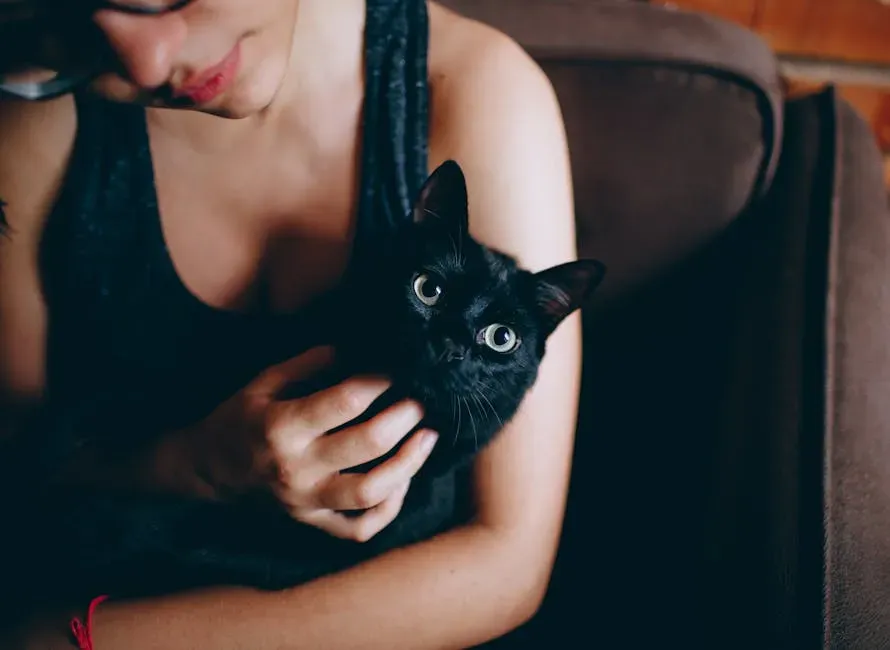
If your cat suddenly transforms into a shadow that follows your every step, that clingy behavior might be more meaningful than you think. If your kitty transforms into a “velcro cat” overnight – follows you everywhere you go and jumps on your legs and tummy – it might mean it senses something is amiss and wants to comfort you since it is adept at reading emotions and detecting things we cannot.
A cat’s senses are more finely tuned than ours, allowing them to hear, smell, or see things we can’t, and if your cat feels something is amiss, they may get clingy for their own protection as well as yours. If your cat is being extra clingy, they might actually be trying to keep you safe, perhaps sensing your anxiety or stress, or maybe adjusting to someone new in your space, as clinginess can be an indication of your cat’s desire to protect you. I think that is one of the most touching things a pet can silently communicate.
They Hiss, Growl, or Vocalize at Things You Can’t Explain
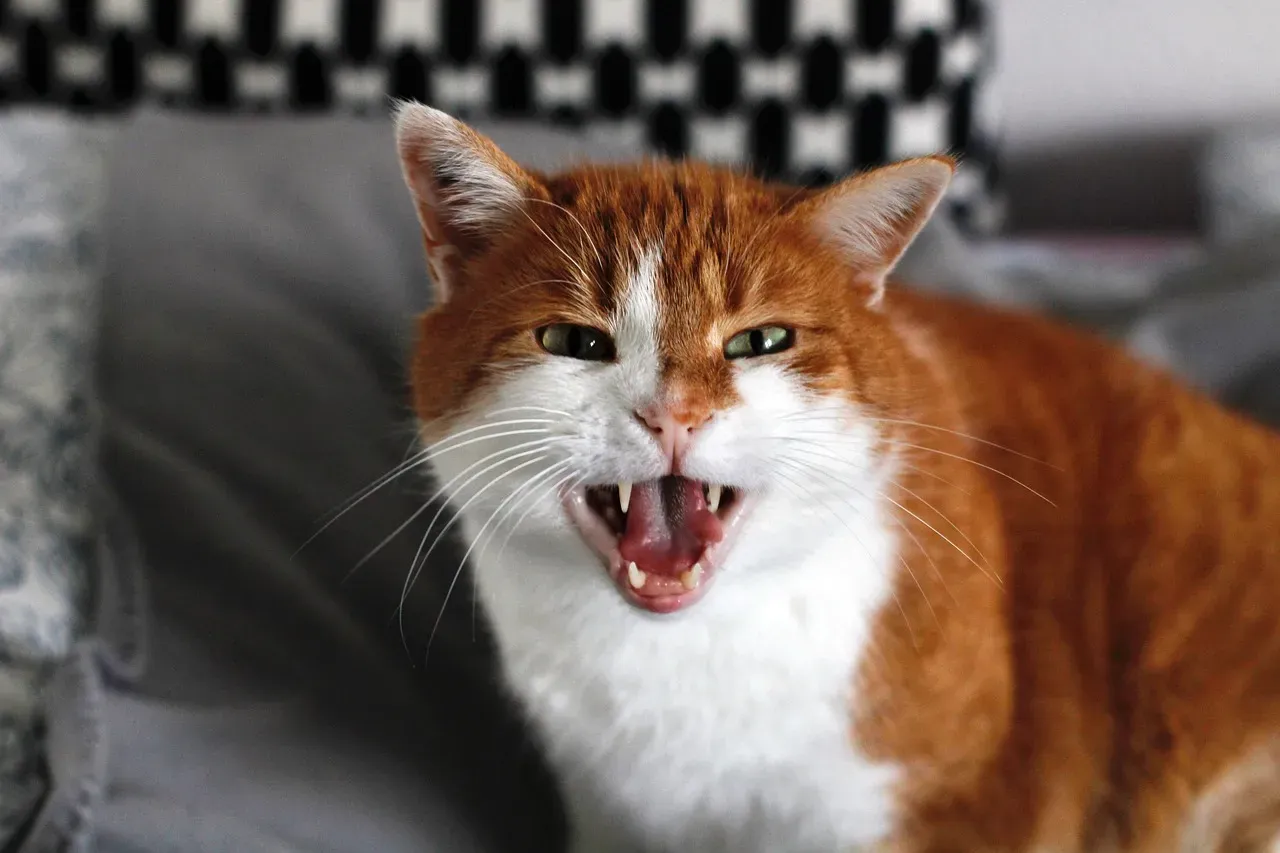
Let’s be real – when your cat hisses at an empty doorway or growls at a corner that looks perfectly innocent to you, it’s easy to dismiss as feline drama. But there’s more going on under the surface. A cat’s hissing or growling is a last-ditch attempt to scare away a threat and avoid a fight, and typically the next step is a fight if one of the parties doesn’t stand down, as cats are much more likely to hiss and growl when they are backed into a corner or trying to protect something.
Your cat may vocalize in other ways to demonstrate aggression or protection, since growling and hissing show your cat is agitated, and some cats also produce ear-splitting yowls or deep, slow meows, generally hoping to avoid a fight by scaring away whatever they feel is threatening you or themselves. When a cat’s fur stands up or it hisses without a visible cause, it feels like they are warning us about something unseen, and these moments contribute to the idea that cats can sense spirits or bad energy.
Their Fur Puffs Up and Their Body Language Transforms
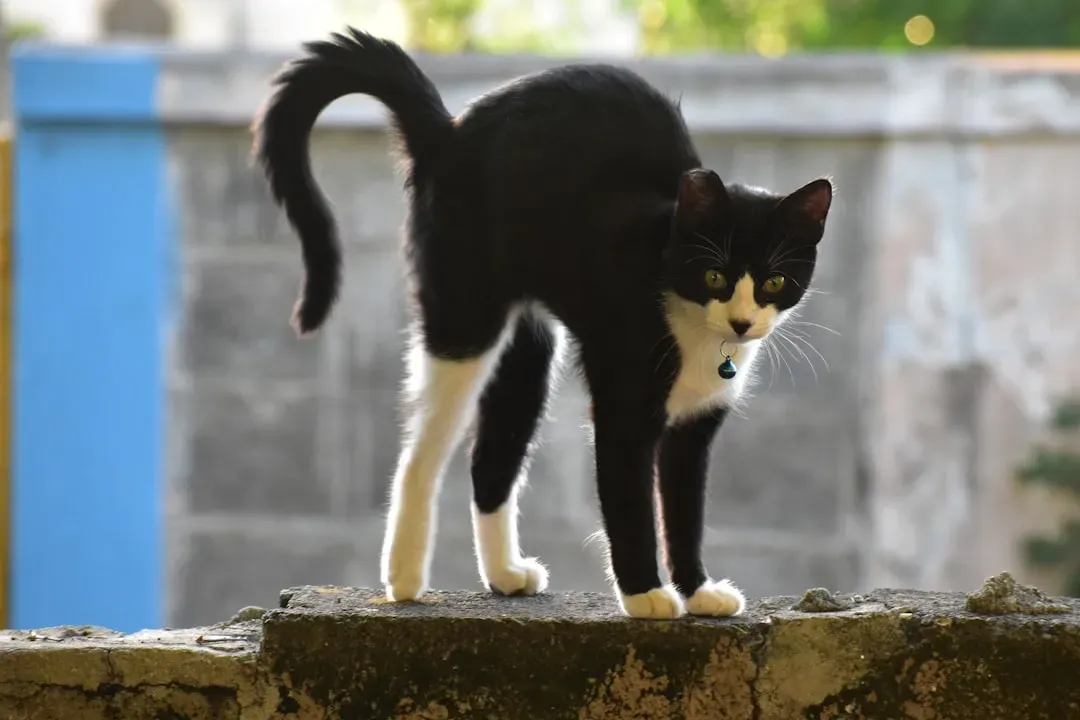
That classic Halloween cat silhouette – arched back, puffed tail, fur standing on end – is not just for spooky decorations. When you see it in real life, your cat is going into full protective mode. When cats feel threatened and ready to defend themselves or you, they puff out their fur and appear much bigger, with the fur being particularly puffy along the spine and on the tail, which is called piloerection, a response through the nervous system that occurs due to natural reflexes in reaction to shock, anger, or fright.
Besides the puffed-out coat, another trick a protective cat may employ is arching their back up in the classic “Halloween Cat” pose, a behavior meant to be intimidating to an enemy, and it is often accompanied by vocalizing and flat ears, with some cats slowly walking sideways toward the threat with their back arched. It’s a bit like watching a tiny creature attempt to look like a much larger one. Inefficient? Maybe. Brave? Absolutely.
They Sleep Near You as a Guardian Presence
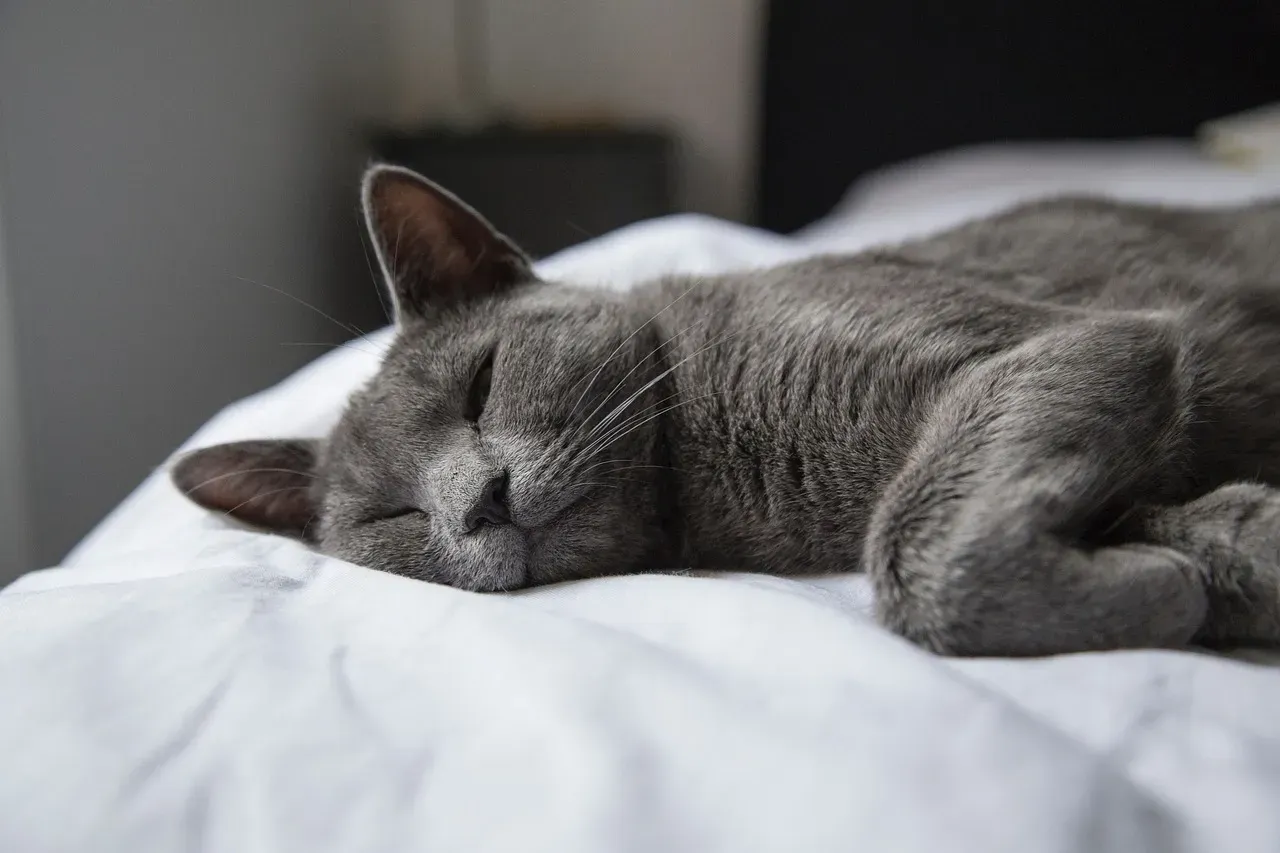
You might think your cat sleeps on your bed simply because it’s comfortable. Warm blankets, soft mattress, proximity to food – fair enough. But there is something much more deliberate happening. It’s a common habit for cats to sleep at the foot of the bed, but this sometimes means your cat is protecting you, as cats often serve as watchdogs while you sleep, positioning themselves in front of you as if to stop any potential threat that might enter the room.
Sleeping near your head or chest is one of the most intimate signs of trust and protection, as cats are drawn to your scent, warmth, and the rhythmic sound of your breathing or heartbeat, allowing them to monitor your well-being and stay alert to any disturbances during the night. Cats remain alert to subtle movements or sounds in their environment, even when they rest, and this protective behavior allows them to monitor their environment for your safety. Honestly, your cat is a better night watchman than most home security systems.
They Sense Your Emotional and Physical Threats Before You Do
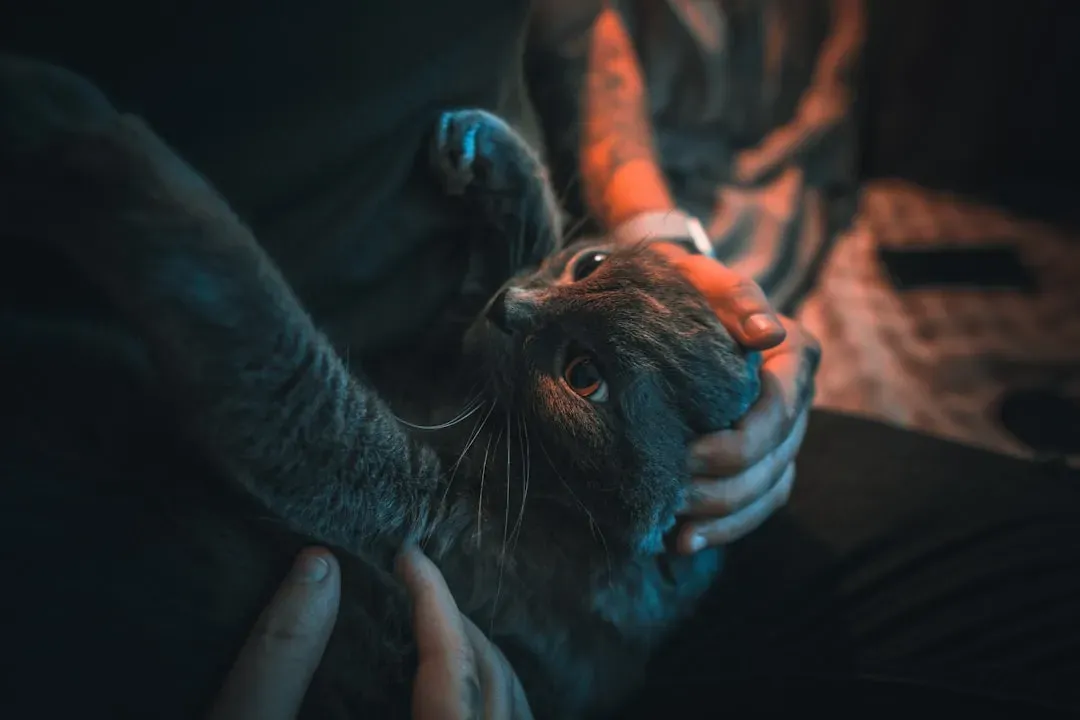
This is perhaps the most jaw-dropping sign of all, and it goes beyond body language and territory. Many cat owners report that their pets behave differently when they’re upset, sick, or anxious, as cats are highly perceptive to changes in body language, tone of voice, and scent, all of which shift when humans experience stress or illness, causing a cat to stay closer, purr more often, or act unusually attentive.
Cats have an almost magical ability to sense when something is off with their humans, and whether it’s a subtle shift in body odor caused by illness or a change in behavior, cats can sometimes detect conditions like infections, cancer, or even migraines, with some cats even trained to alert their owners to epileptic seizures or other medical events before they happen. Some experts believe that cats may be able to detect changes in human pheromones associated with stress, fear, or other negative emotions, and in a household where tension or stress is prevalent, cats might pick up on these subtle chemical signals and alter their behavior accordingly. It’s hard to say for sure where instinct ends and something deeper begins – but the evidence is hard to ignore.
Conclusion
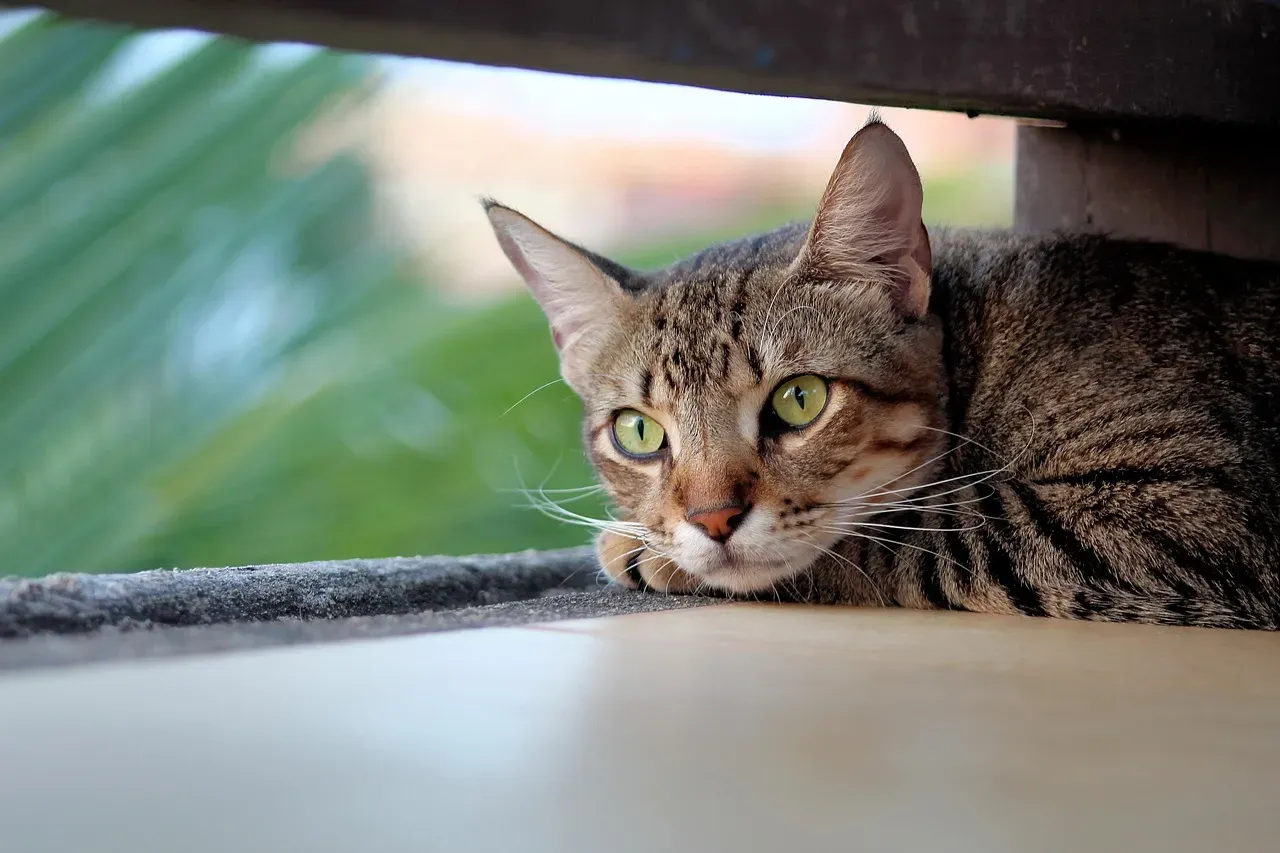
Your cat is not just a creature that judges your life choices from the top of the bookshelf. There is real science and ancient instinct behind every ear-swivel, every hiss at a shadowy corner, and every warm night spent pressed against your side. Cats possess the ability to sense energy shifts in rooms and humans, including dangerous people and those who dislike cats or animals, and while they don’t sense bad people directly, they feel people’s energy and judge their actions.
Contrary to popular belief, cats are some of the most loyal pets you can have, but they show their affection in small and subtle ways. Next time your cat acts strangely around someone or stares into the void with absolute conviction, maybe pause before dismissing it. That threat could be the neighbor’s dog, a strange car outside, or yes, maybe something you can’t see, but the instinct to guard their home and their people is very real – a natural drive to keep their family safe from anything they perceive as a danger.
Your cat might just be the most underrated protector in your life. Have you noticed any of these signs in your own feline companion? Drop your experience in the comments – we’d love to hear your stories.
Kristina is a young writer from India. An arts graduate and an avid content creator, Kristina is passionate about animals and wildlife. She enjoys exploring topics related to pet care, animal behavior, conservation, and nature, combining thorough research with engaging storytelling.