You wake up, stumble toward the kitchen half-asleep, and there it is. A dead mouse. Neatly placed right outside your bedroom door, like a tiny, horrifying welcome mat. Your cat sits nearby, looking at you with unmistakable pride.
If you’re a cat owner, this scene is probably way too familiar. It’s confusing, a little gross, and honestly kind of sweet once you understand what’s actually going on inside that fluffy little head. The truth behind your cat’s gift-giving habit goes much deeper than simple quirky behavior. It touches on ancient instincts, feline social dynamics, and the surprising depth of the bond your cat actually has with you. So let’s dive in.
Your Cat Is Still a Hunter at Heart
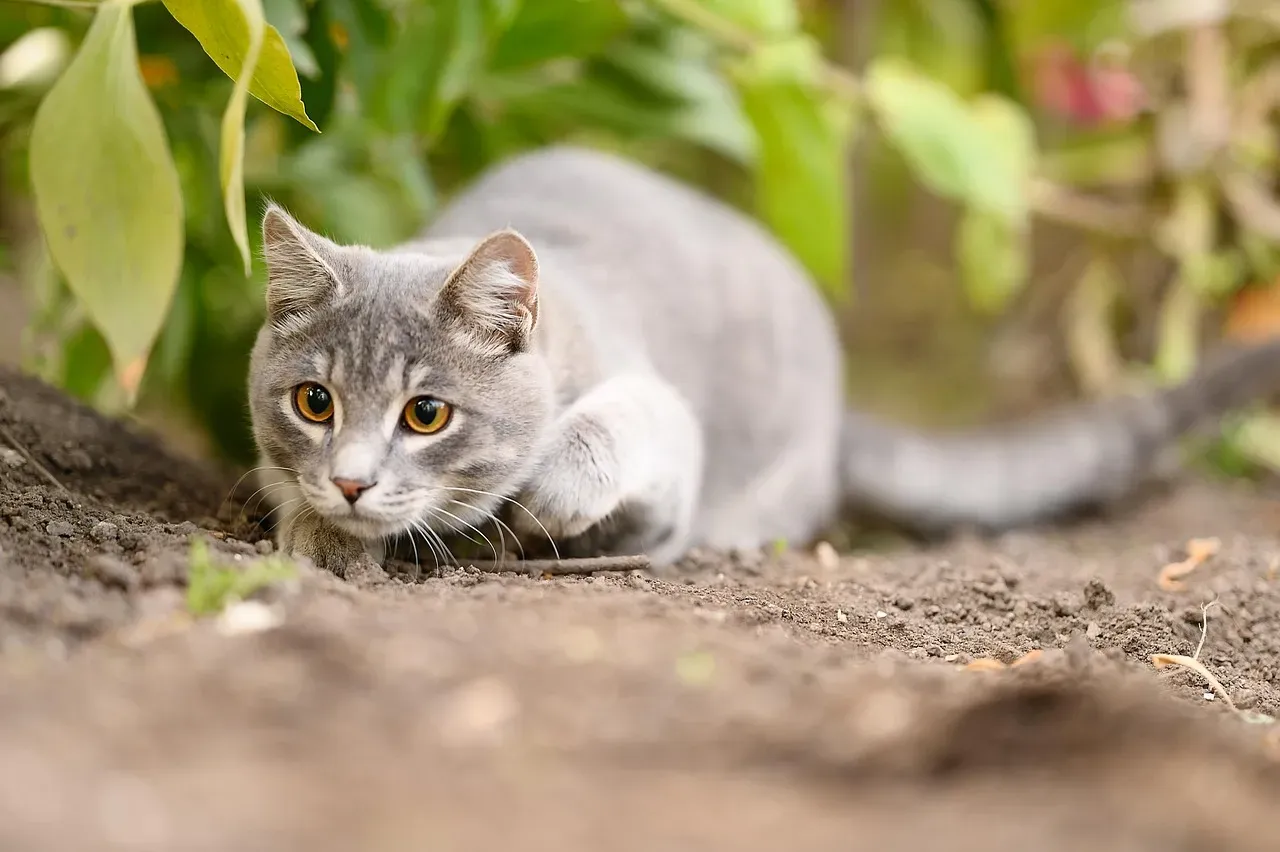
Here’s the thing most people don’t fully appreciate: no matter how long your cat has lounged on a velvet pillow eating premium kibble, they are still, at a biological level, a predator. Hunting behavior is hard-wired into your cat’s DNA, shaped by wild ancestors who developed their hunting skills over millions of years of stalking and chasing prey to feed themselves and their young. That simply doesn’t vanish because you started buying them gourmet food.
Until quite recently, cats were mainly kept to control rodent populations rather than as pets, and during this time, only the best hunters survived and reproduced. There’s been very little selective breeding of cats, so their instinctive need to hunt remains strong. Think of it like this: you can take the cat out of the wild, but you absolutely cannot take the wild out of the cat.
The Ancient Drive That Never Switched Off
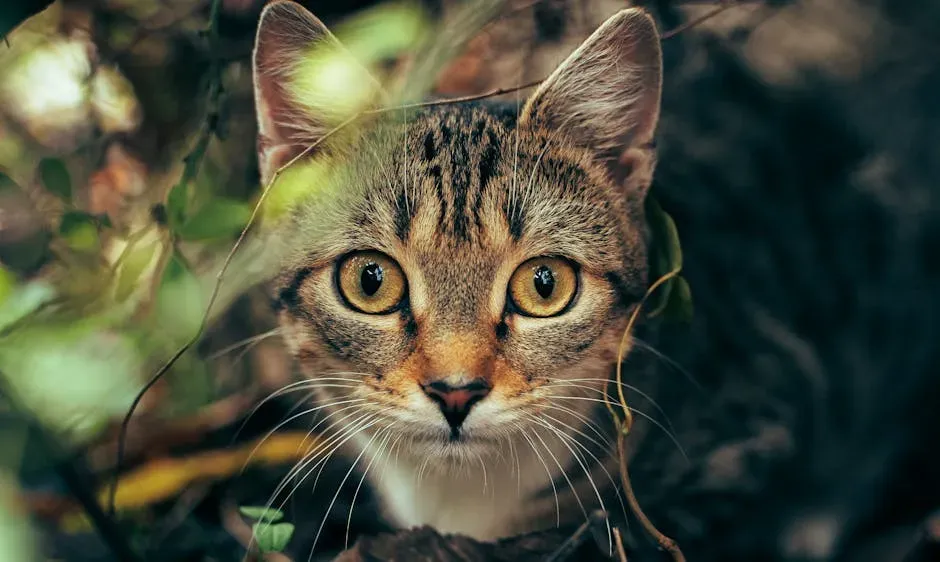
It might seem baffling that a well-fed, cozy house cat still feels the urge to hunt. Honestly, I’d understand if you thought they’re doing it just to mess with you. For cats, hunting and eating aren’t necessarily related. Many cats have an urge to carry out hunting behaviors even when they’ve just eaten, especially if a small prey animal scuttles or hops past them and triggers them to start a hunt.
If they wait until they’re hungry to hunt, they could starve because of the difficulty in capturing prey – it’s estimated that there’s a less than 50% chance of success at each hunting attempt. There may not be any prey available when a cat becomes hungry. So, cats have learned to be opportunistic feeders, meaning they change their activity patterns depending on food availability, and if the opportunity to hunt presents itself, they’ll do so regardless of whether they’re hungry.
You Are Officially Part of Their Family
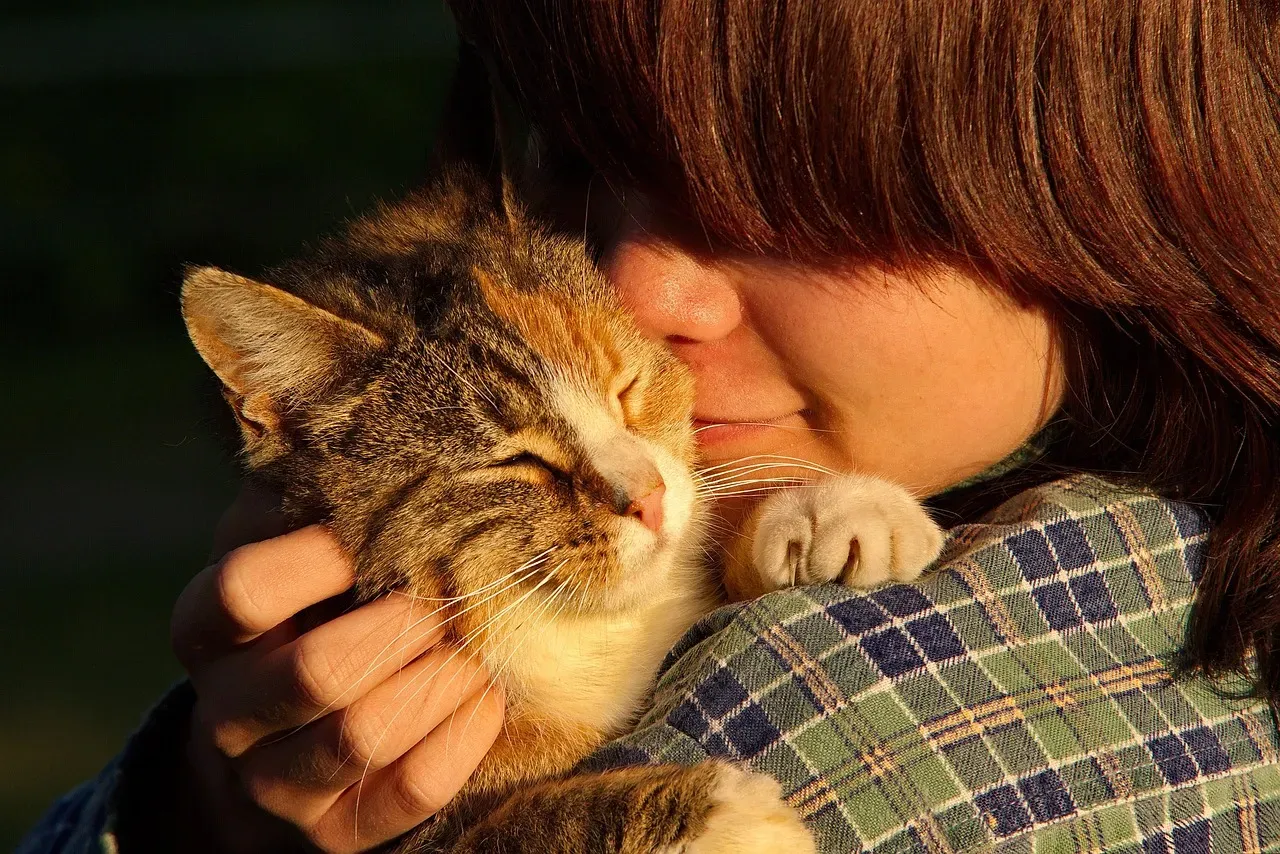
This one genuinely warms my heart, even when the “gift” involves a bird with questionable structural integrity. When cats bring gifts, they’re often expressing affection and trust. By sharing their “prey” with you, they’re demonstrating that they consider you part of their family group. You’ve been accepted, and your cat is proving it in the only language they truly know.
Cats see us as part of their social group. Families and groups of cats will share the success of their hunt and try to teach hunting skills to the other cats. Our pets often extend this behavior to their humans. So when your cat drops a lizard at your feet, they’re not being weird. They’re being generous. There’s a difference, as strange as it sounds.
Your Cat Thinks You’re a Terrible Hunter
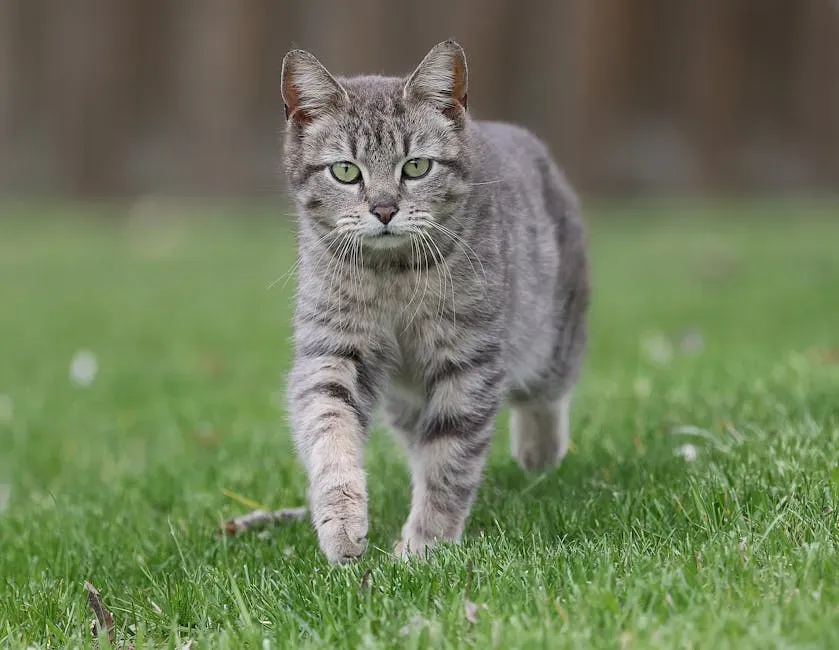
Let’s be real: from your cat’s perspective, you are completely hopeless when it comes to catching food. You go into this big cold box and pull out already-dead things. No stalking, no pouncing, no effort at all. One theory suggests that cats with no young still naturally want to pass on their hunting skills. Since we are their family, and since we are clearly very poor hunters from a cat’s point of view, they may be trying to help train us to provide for ourselves.
Your cat might genuinely believe you need help learning to hunt, or they may be fulfilling their natural teaching instincts in the only way they know how. It’s their way of contributing to the family unit and ensuring their “kitten” can survive. You are, in your cat’s eyes, essentially a large, slow, helpless kitten who keeps forgetting how to feed themselves. Oddly flattering, if you squint.
The Maternal Instinct Connection
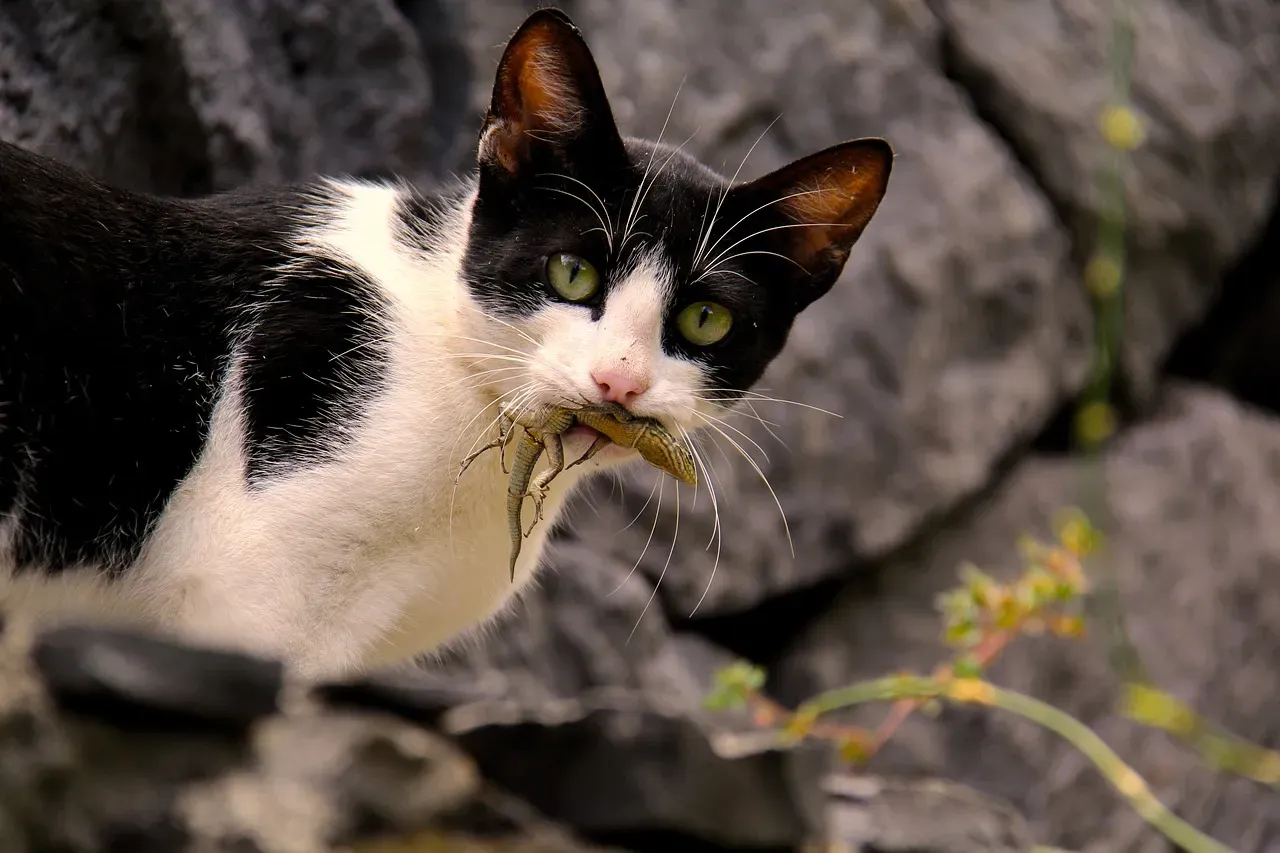
This one is particularly fascinating and gets overlooked a lot. Spayed female cats are most likely to bring “gifts” to their owners. Unable to have kittens of their own to pass on their knowledge to, their humans are the next best thing. So when your cat brings you a dead mouse, she may be acting out her role as mom and teacher.
In the wild, mother cats would teach their kittens how to survive, which included finding food and eating it. Even in a litter of tiny kittens, you can see them practicing their stalking, pouncing, and “killing” behaviors. With castration and spaying becoming the norm in owned cats, pets often do not have any offspring to pass their hunting know-how down to, but the natural inbuilt instinct to hunt remains strong. The maternal drive simply redirects itself toward you.
It’s Also About Bringing Prey to a Safe Place
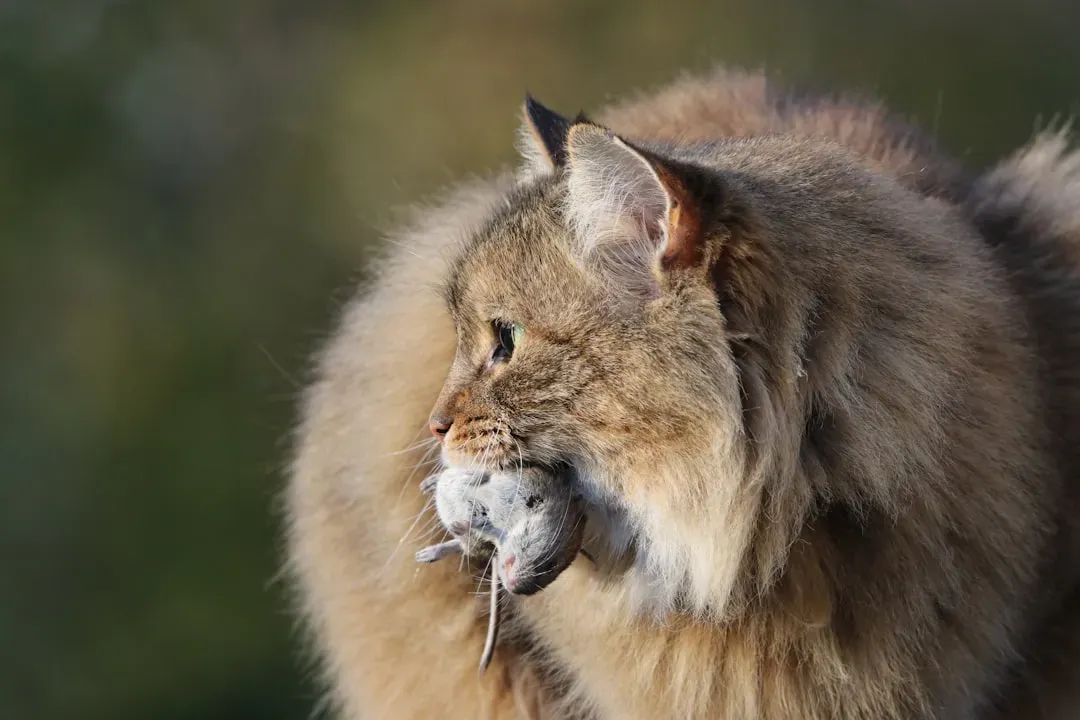
There’s another angle on the whole gift-giving mystery that goes beyond love and teaching. It is now thought that cats quite simply prefer to bring their prey back to their core territory where it is safer to eat it or store it for later. This “core territory” is the house, and often the space they share with you. Your living room floor is apparently the most desirable dinner table in the neighborhood.
Your cat has an instinct to bring prey back to a safe environment to guard it from other predators that may want to steal from them. Take it as a compliment: your cat feels safe and secure in the home you’ve made for them. So even if it doesn’t look like a compliment when you find a headless sparrow on your kitchen tiles, it genuinely is one at the deepest instinctual level.
Gift-Giving as a Bond-Building Strategy
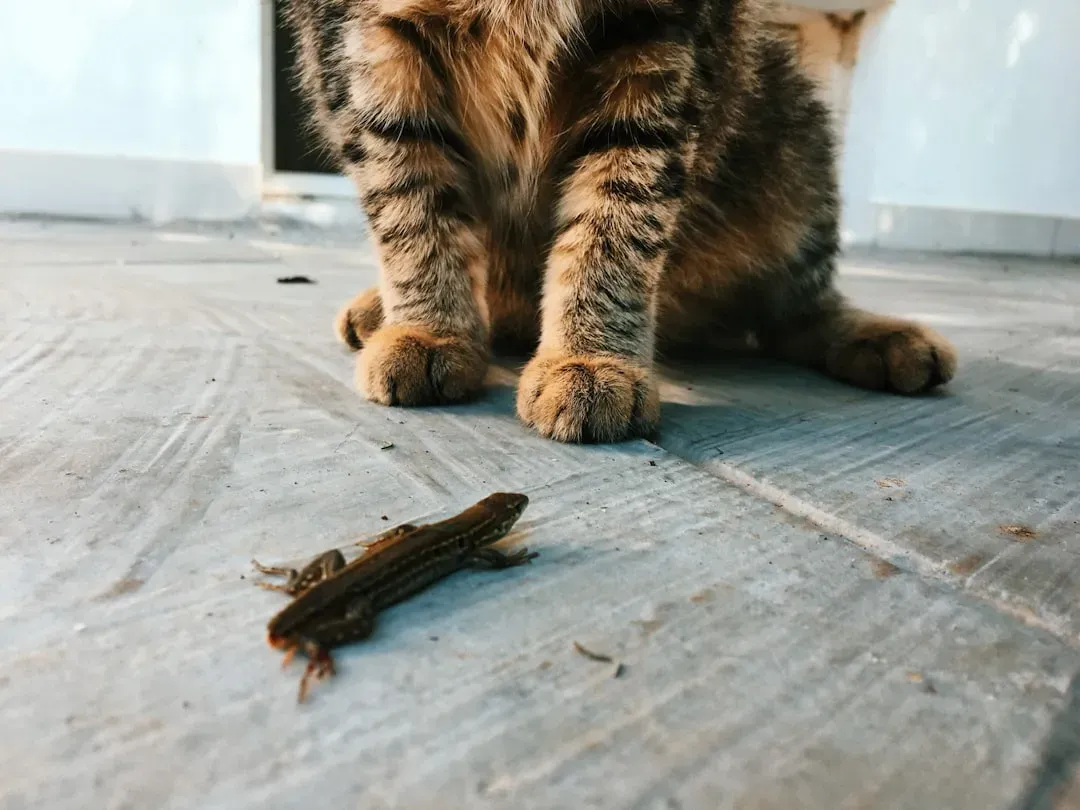
Beyond the hunting instinct, there’s actually a real social and emotional layer to this behavior. Because cats will often play with their prey before eating it, your cat might bring you dead animals or toys to engage in a play session with you. As such, gift-giving might be a kind of attention-seeking and bond-building behavior in cats. They’re inviting you into their world, not just showing off.
Sharing prey can be seen as a form of social bonding. Cats who engage in communal feeding create a sense of togetherness and unity. It strengthens the social fabric of their group, fostering a sense of security and cooperation. It’s a bit like how some humans bond over sharing food at a dinner table – your cat is essentially inviting you to a very intimate (if unsettling) meal.
When Your Cat Brings Toys Instead of Prey
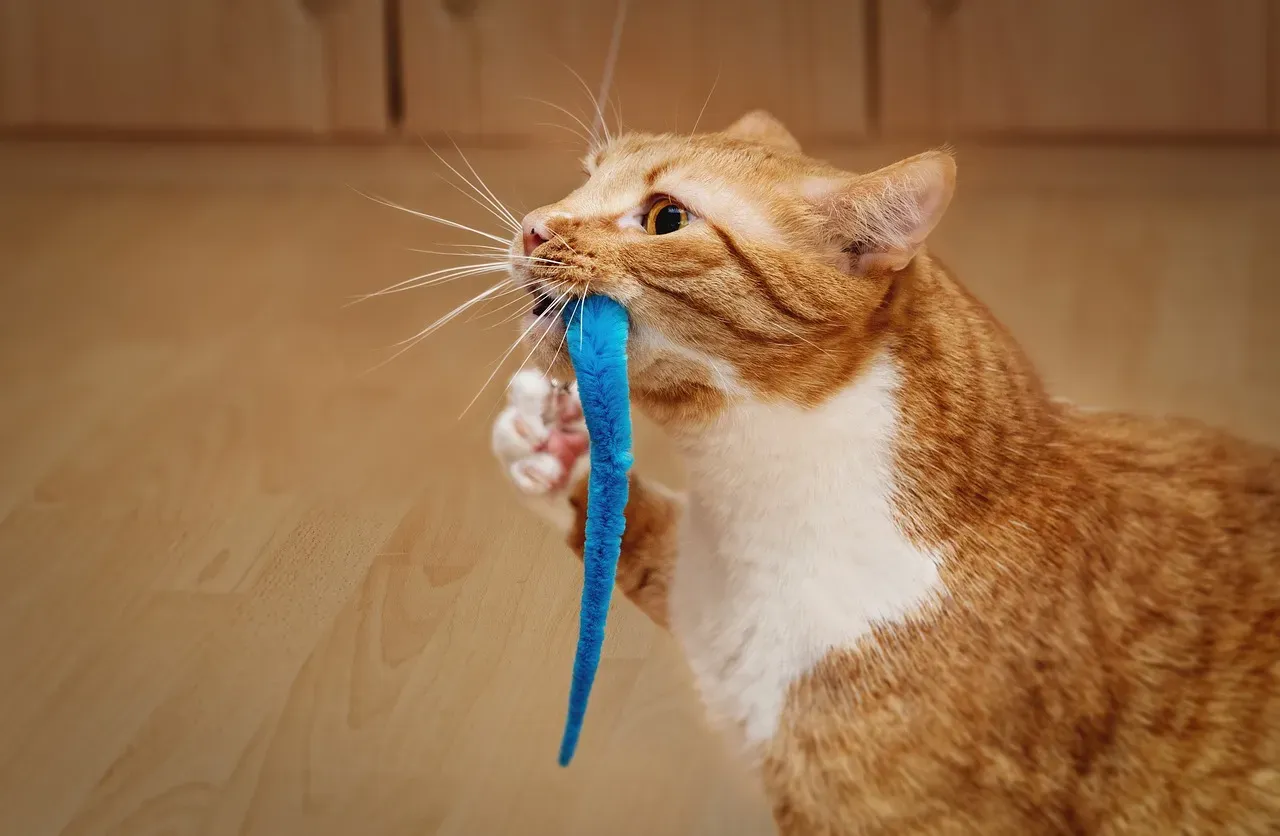
Not every cat has outdoor access, of course, and some cats bring stuffed mice or crinkle balls with just as much ceremony as an outdoor cat presenting a real one. Even indoor-only cats might bring their toys to you, meowing and yowling as they carry them over. The behavior is identical in spirit, just with far less cleanup required on your part.
This gift-giving behavior is as instinctual for cats as scratching their scratching posts, grooming their fur, kneading, and other classic feline activities, and it’s actually a positive indicator of how they feel about you. So if your indoor cat routinely drops a plush toy at your feet at two in the morning while wailing at full volume, congratulations. You are deeply loved.
What You Should (and Shouldn’t) Do When It Happens
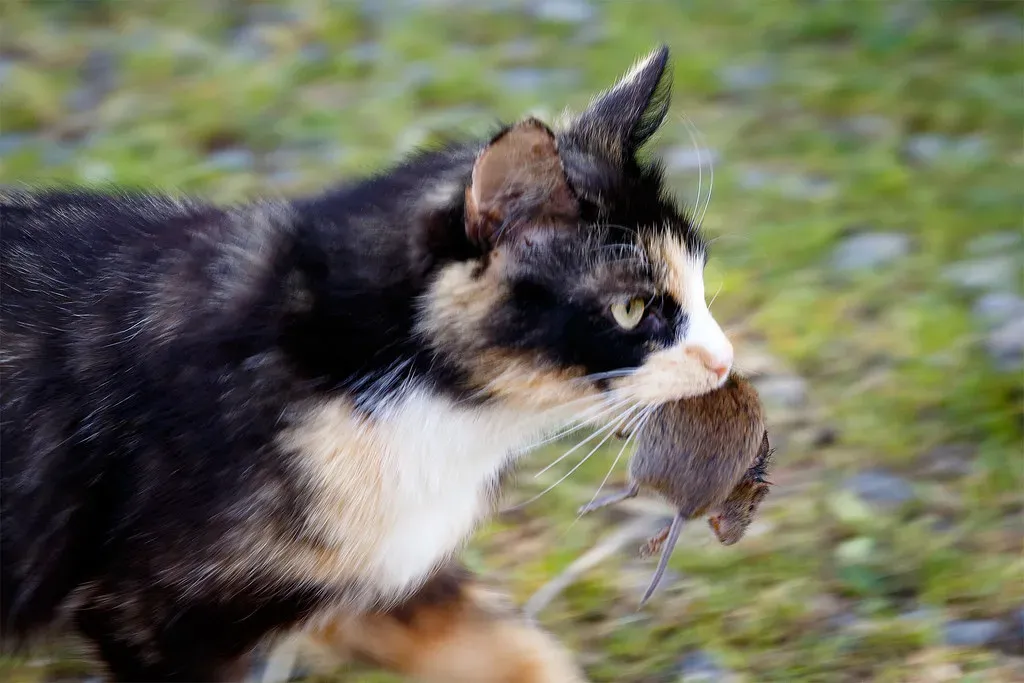
Here’s something most people get completely wrong: if you react dramatically, squeal, or immediately throw your cat a treat to distract them, you might actually be reinforcing the whole thing. Many owners inadvertently reward and encourage this behavior by grabbing a treat or toy when they see their cat holding a dead animal in its mouth to get them to drop it. This trains the cat to bring even more prey items home to keep being rewarded. It’s hard to say for sure how much of this is conscious on the cat’s part, but the pattern is real.
While the sight of a dead mouse or bird may be unsettling, it’s important to remember that your cat is showing affection and trust by bringing you a gift. You should never punish your cat for this behavior, as it’s a natural instinct and a sign of love. Instead, thank your cat and praise them for their gift. This will reinforce the bond between you and your cat and show them that you appreciate their efforts. Gentle acknowledgment, calm demeanor, then a quiet, hygienic disposal is the move. You’ve got this.
Conclusion
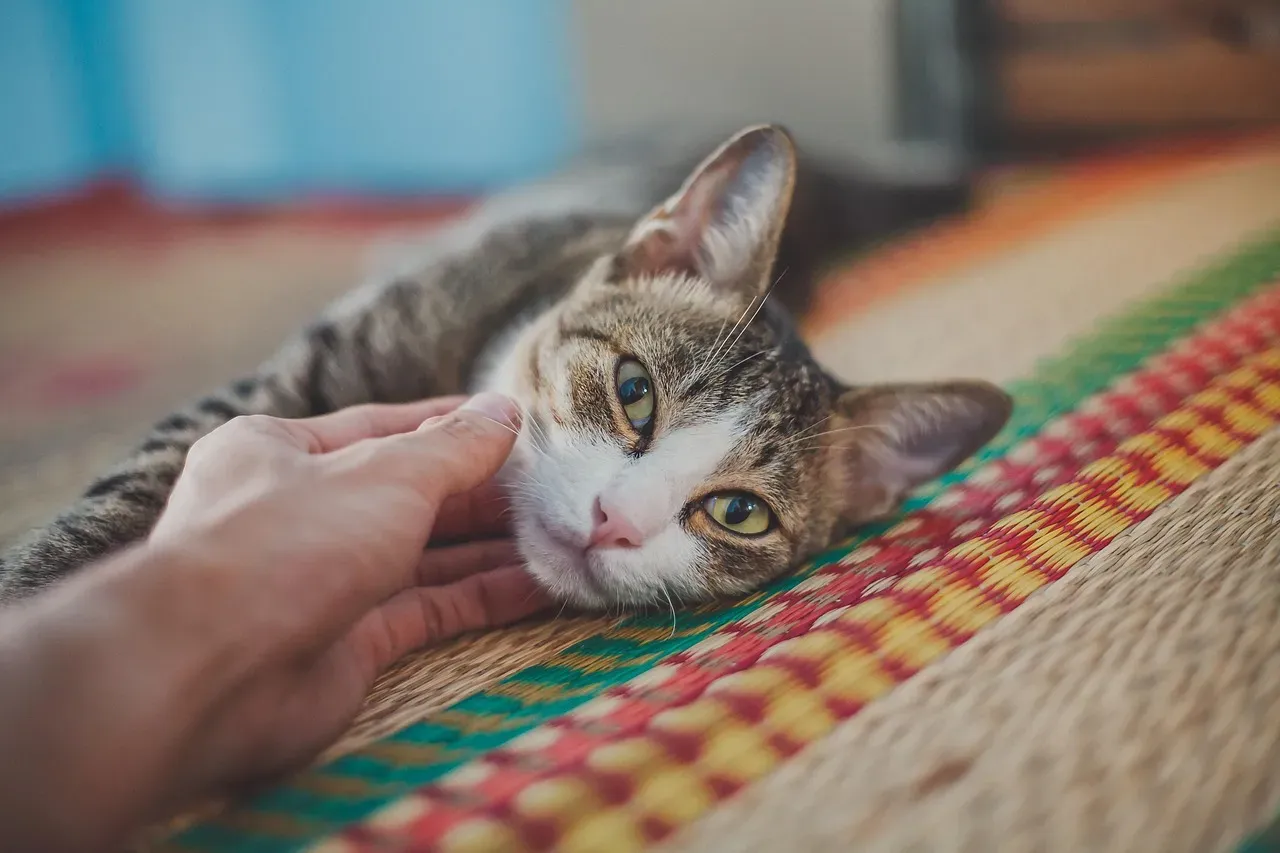
It’s genuinely remarkable when you think about it. That slightly alarming “gift” your cat leaves at your feet is actually one of the most honest expressions of love and trust in the animal kingdom. Cats bring gifts as a result of their natural hunting instincts and social bonding behaviors. They may be trying to teach hunting skills, share resources with family members, or show affection and appreciation. This behavior typically indicates that your cat views you as family and wants to share their “hunting success” with you. It’s a sign of trust, affection, and their attempt to contribute to the household.
Your cat, in their own ancient and slightly gruesome way, is telling you that you matter to them. They chose you as their family, their pride, their student, and their safe place all at once. Next time you find a “gift” waiting for you, maybe take a breath before you react. Somewhere behind those half-lidded eyes, your cat is waiting for a little appreciation. The question is: now that you know what it really means, how will you respond?
Kristina is a young writer from India. An arts graduate and an avid content creator, Kristina is passionate about animals and wildlife. She enjoys exploring topics related to pet care, animal behavior, conservation, and nature, combining thorough research with engaging storytelling.