There’s a moment most cat owners know well. You’ve had a rough day, you sink into the couch feeling hollowed out, and within minutes your cat appears from wherever they’ve been napping and settles quietly against you. It feels deliberate. It feels, frankly, a little uncanny. The idea that cats are emotionally indifferent to the people around them has been a popular assumption for generations, but research is steadily chipping away at that notion, revealing a more attentive animal than the “aloof loner” stereotype has ever given them credit for.
What’s actually happening in those quiet moments of feline closeness is a blend of sharp sensory perception, learned behavior, genuine attachment, and possibly something even more intriguing. Your cat’s timing isn’t always random. Here’s what we know about the science and instincts behind it.
Your Cat Is Watching You More Carefully Than You Think
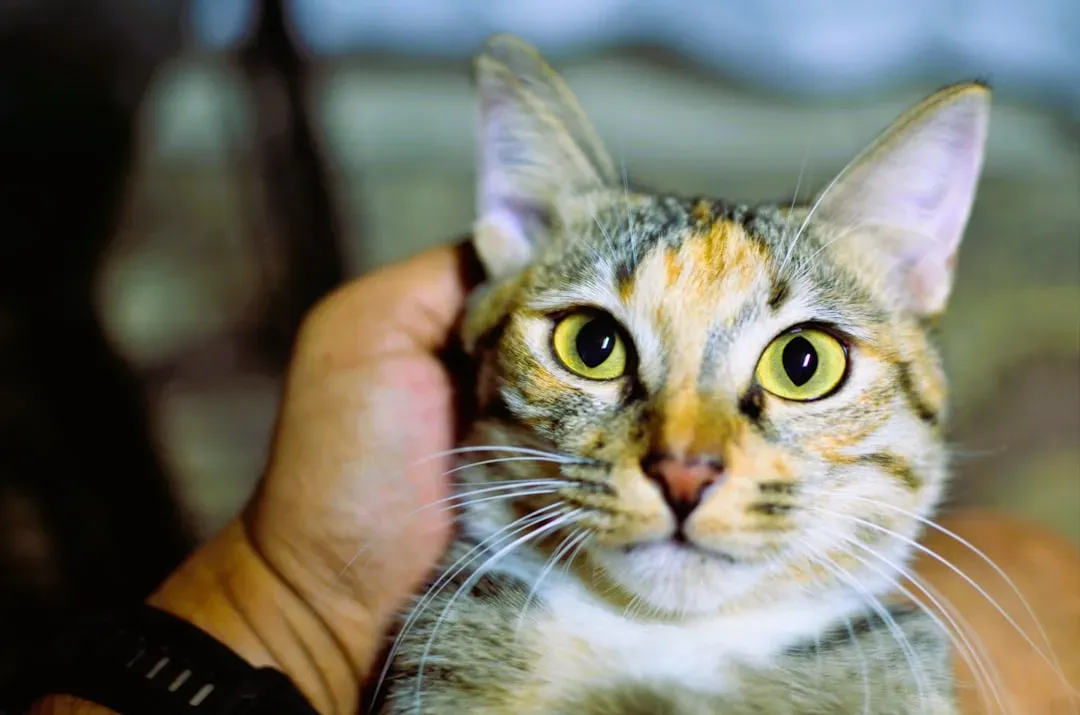
Cats are masters of observation. Like dogs, they can pick up on subtle changes in body language, voice tone, and facial expression. Just the way you move around the house can let them know when you’re not yourself. When your posture droops, when your footsteps slow, when you stop doing the usual things at the usual times, your cat registers all of it.
Cats are exceptional at reading visual signals, from the slump of your shoulders to the furrow of your brows. They can detect the subtle changes in your facial expressions that accompany sadness, such as downturned corners of the mouth or a furrowed brow. Additionally, cats are adept at recognizing the body language associated with low moods, such as a hunched posture or lack of energy. They’ve been studying you for years, after all. You’re their entire environment.
They Hear the Sadness in Your Voice
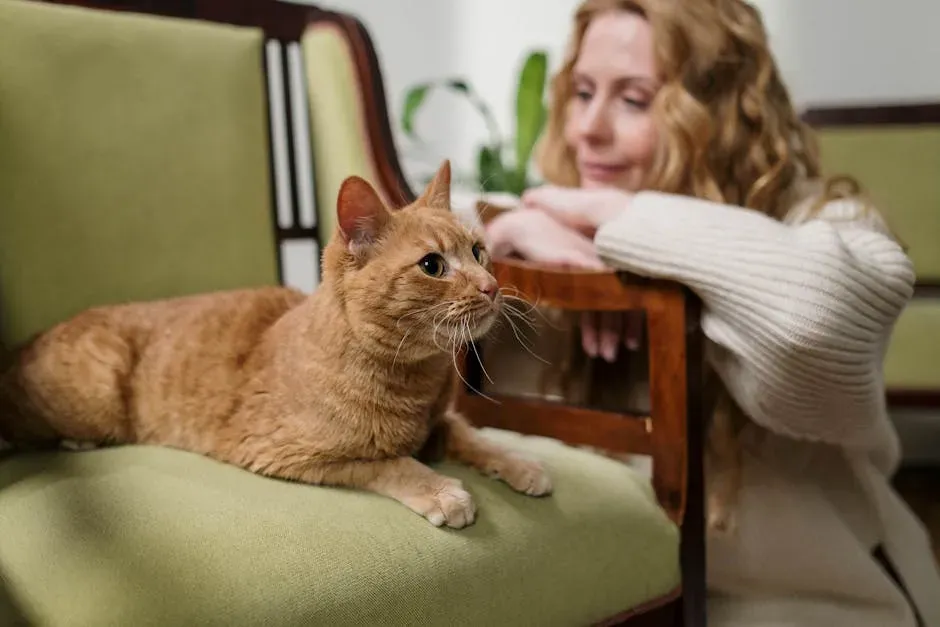
Beyond visual cues, cats are also highly sensitive to auditory signals. The tone and pitch of your voice can convey a wealth of information about your emotional state. When you’re feeling sad, your voice often becomes softer, slower, and more monotonous. Cats can pick up on these subtle shifts, recognizing the auditory cues that indicate sadness or distress.
Research demonstrates that cats integrate visual and auditory signals to recognize human and conspecific emotions and appear to modulate their behavior according to the valence of the emotion perceived. In other words, your cat isn’t just hearing noise. They’re processing whether what they hear sounds positive or negative, and they adjust their approach accordingly. That gentle, low meow they give you when you sound upset isn’t coincidence.
Your Scent Gives You Away
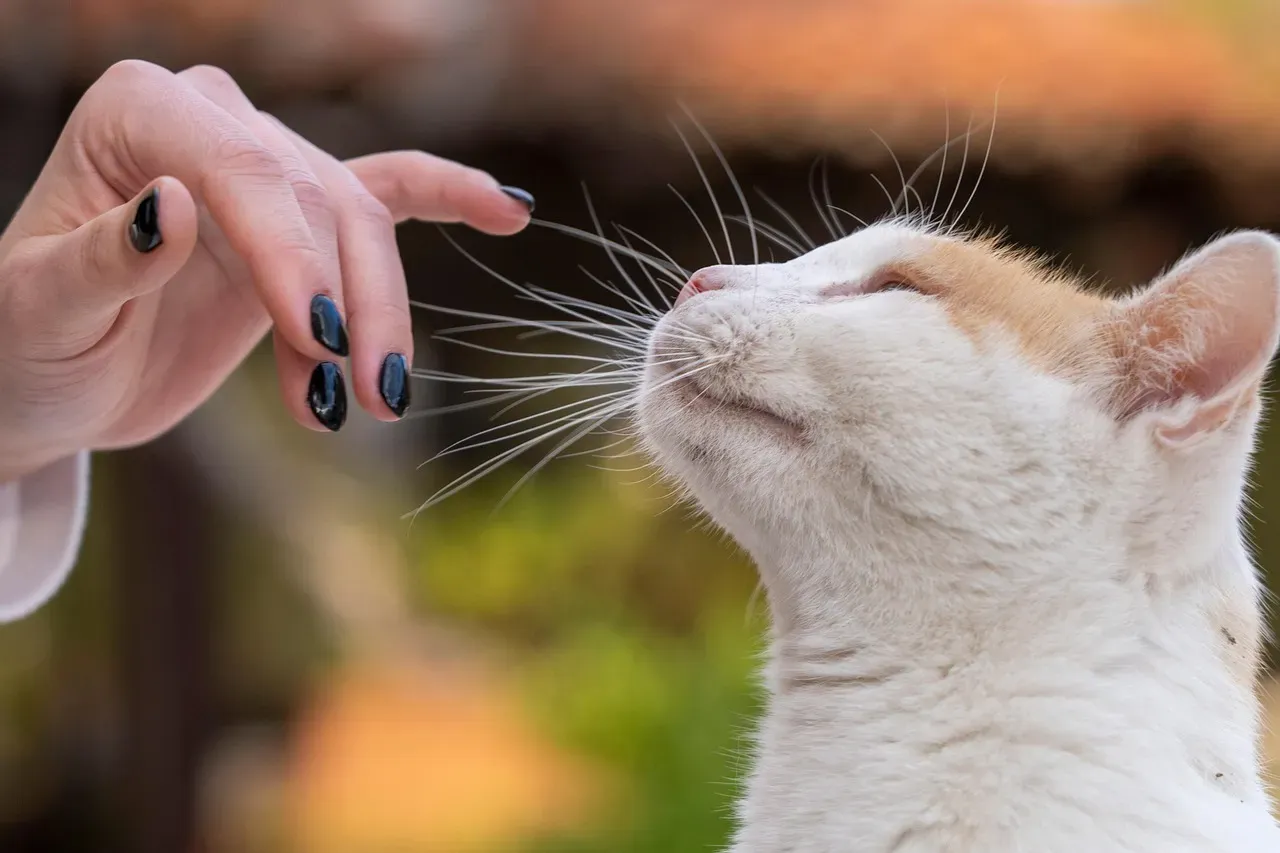
Research suggests that cats can detect shifts in cortisol levels, the primary stress hormone, through olfactory cues. When a person experiences sadness, their cortisol levels rise, and cats, with their superior sense of smell, approximately fourteen times more acute than humans, can pick up on these biochemical markers. This ability allows them to respond empathetically, often by seeking physical closeness or altering their behavior to provide comfort.
Research showed that cats are sensitive to human emotional chemosignals conveyed by body odors, which induce different behavioral responses. Fear odors elicited higher stress levels in cats than physical stress or neutral odors, suggesting that cats perceive the valence of information conveyed by emotional olfactory signals and regulate their behavior accordingly. Your body, without your awareness, is broadcasting your emotional state in chemical terms that your cat can actually read.
The Deep Bond Between You Is More Real Than You Realized
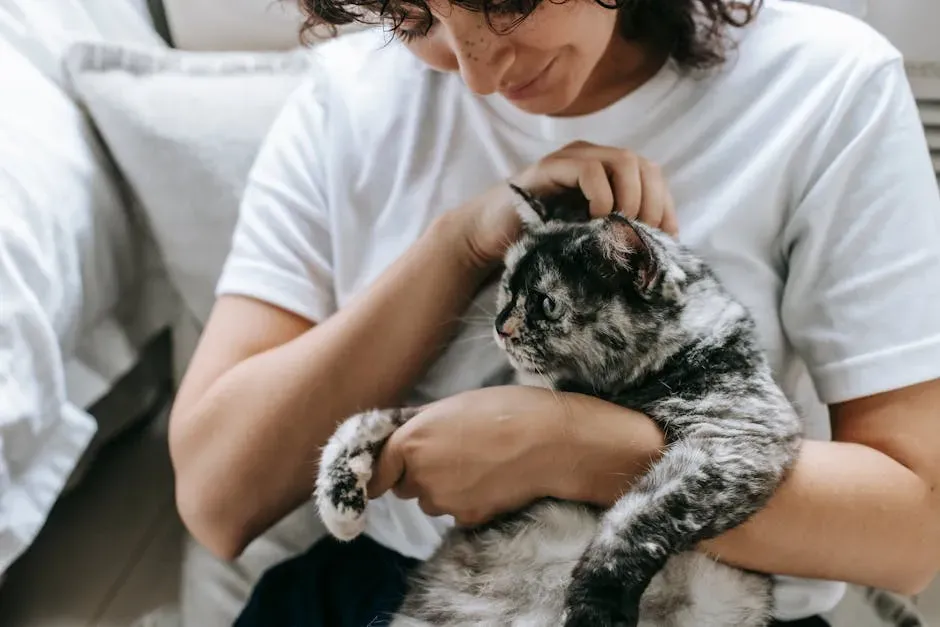
A study from Oregon State University found that pet cats form attachments with their human owners that are similar to the bonds formed by children and dogs with their caretakers. Researchers classified roughly two thirds of both cats and kittens as securely bonded to their people. The findings show that cats’ human attachments are stable and present in adulthood.
Like dogs, cats display social flexibility in regard to their attachments with humans. The majority of cats are securely attached to their owner and use them as a source of security in a novel environment. That means when you’re distressed, your cat isn’t just in the room by accident. The majority of cats use their owner as a source of security, and your cat is depending on you to feel secure when they are stressed out. The relationship genuinely runs both ways.
Cats Can Recognize Your Emotional Expressions
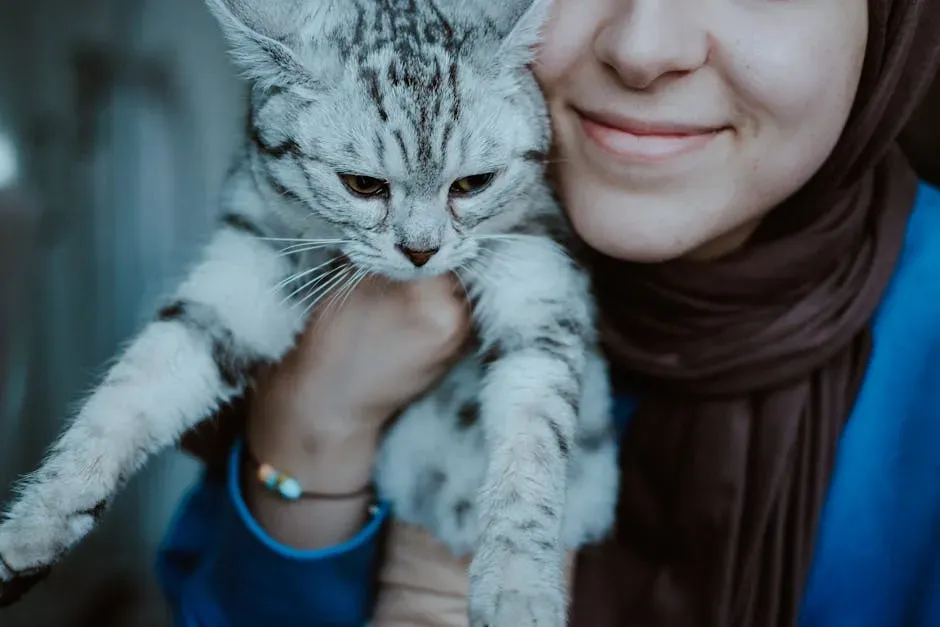
Research by Oakland University researchers Jennifer Vonk and Moriah Galvan suggests that cats are more receptive to human emotions than previously assumed. Their study involving twelve cats and their owners showed that felines behave differently based on whether their owners are smiling or frowning. Researchers observed that cats exhibited more frequent positive behaviors, including purring, rubbing, or sitting on their owner’s lap and spending more time with them, when their owner was smiling.
Contrary to earlier studies showing that cat sensitivity to human emotional cues is restricted to the owner’s familiar emotional expressions, research found that cats are able to recognize and interpret unfamiliar human emotional signals, suggesting they have a general mental representation of humans and their emotions. This cognitive representation appears to be pre-existing and is not affected by individual lifetime experiences with humans. They don’t need years with you to start picking up on how you feel.
Routine Disruptions Are a Red Flag for Your Cat
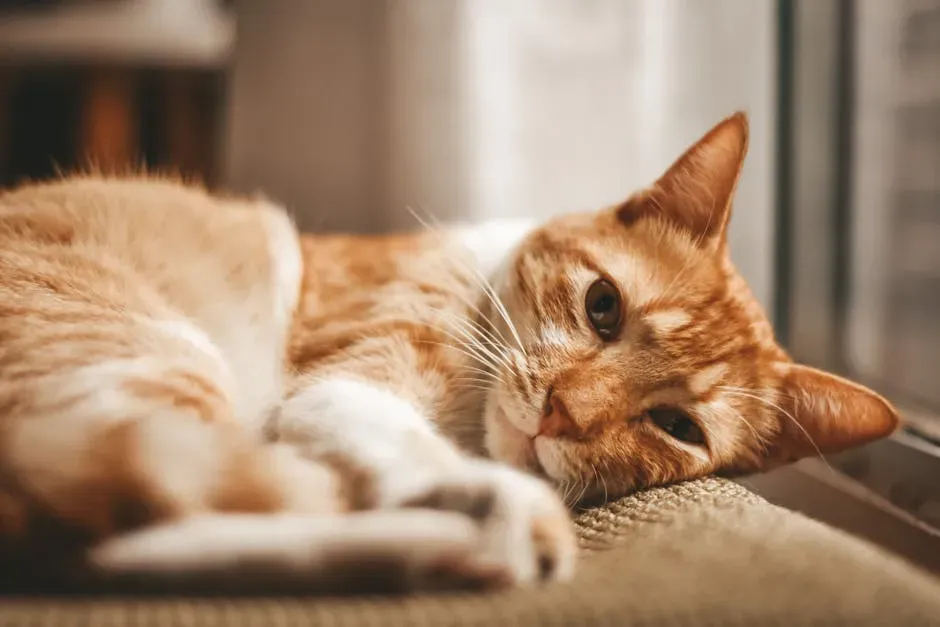
Cats are also creatures of habit, so if your routine is all off, they’ll definitely notice. They’re incredibly sensitive to their environments, so any shifts and they’ll wonder what’s going on. When you’re emotionally struggling, your usual patterns break down. You feed them later, you stay in bed longer, you move through the house differently.
When you’re sick, you may spend more time resting than usual, and may also slack off a bit on timely pet feedings and daily litter box scoopings, both changes that your cat is sure to notice. Their acute observational skills allow them to pick up on subtle changes in facial expressions, body language, and daily routines. They’re particularly attuned to variations in voice tone and pitch, which often change during periods of anxiety or depression. Your cat is, in a very real sense, monitoring you without ever meaning to.
That Purr Is Doing More Than You Know
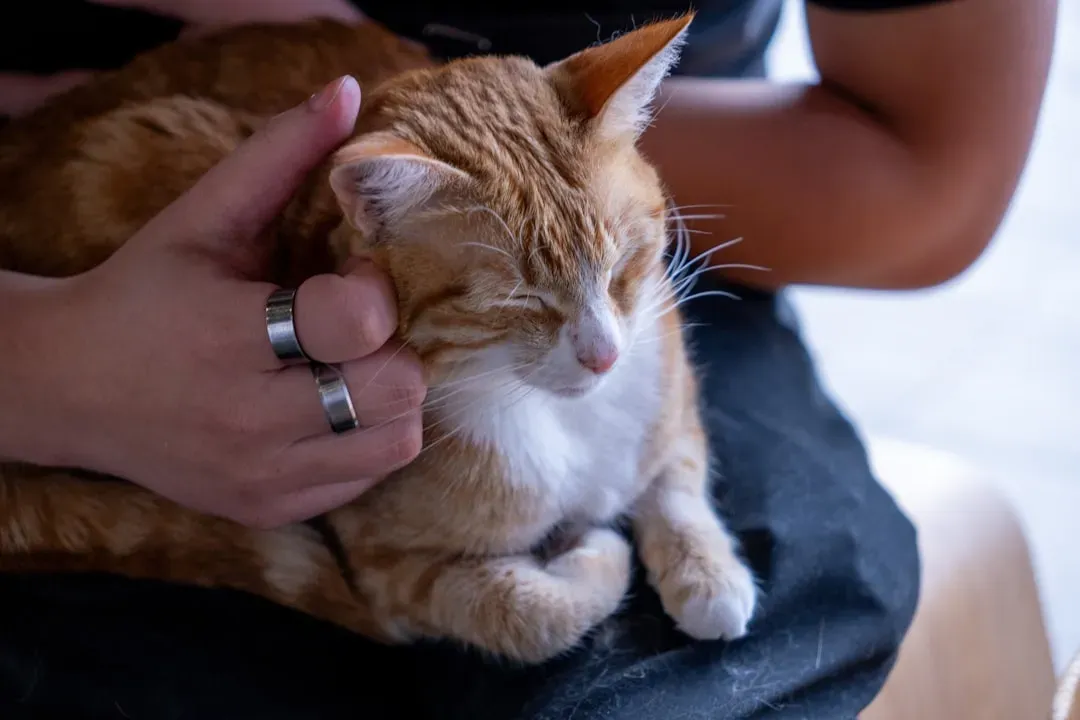
Research suggests that the frequency of a cat’s purring, typically between twenty-five and one hundred and fifty hertz, could have therapeutic effects on the body and mind. These vibrations can help reduce inflammation, improve circulation, and stimulate the healing of damaged tissues. They’ve also been shown to promote the regeneration of bone cells and increase bone density.
Petting a cat or listening to their purring triggers the release of oxytocin, a hormone that promotes happiness and reduces stress. This calming effect lowers cortisol levels, the stress hormone associated with high blood pressure, and can help alleviate pain, easing chronic discomfort. Studies have shown that cat owners are less likely to suffer from heart disease compared to those without cats. The soothing effects of purring help reduce blood pressure, which can lower the risk of heart attacks and strokes. A purring cat on your lap is, by every measure, genuinely good for you.
The Emotional Mirroring Effect
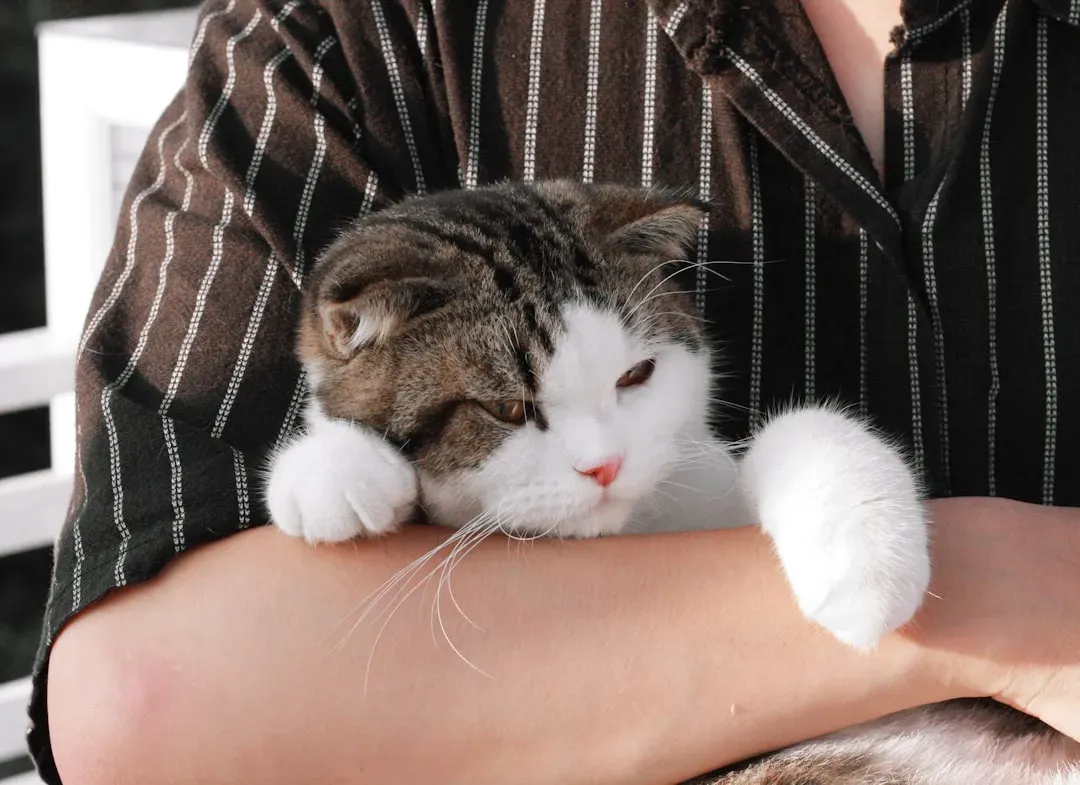
Interestingly, some cats may even mirror their owner’s sadness, exhibiting signs of low energy, decreased appetite, or withdrawn behavior. This empathetic mirroring could be a manifestation of the strong emotional bond between cat and owner, with the cat experiencing a form of shared distress. It’s an odd and quiet form of solidarity.
Research has found that owners and their cats mirror each other’s well-being and behavior. Interacting with cats can shift both the human’s and the cat’s cortisol levels. This means that when you’re stressed, your cat can reduce your cortisol levels, and vice versa. It also suggests the potential that cats can sense your emotional state and respond in a way to help you both feel more relaxed and connected. The emotional connection isn’t a one-way street. Your wellbeing and your cat’s are quietly intertwined.
Not Every Cat Responds the Same Way, and That’s Okay
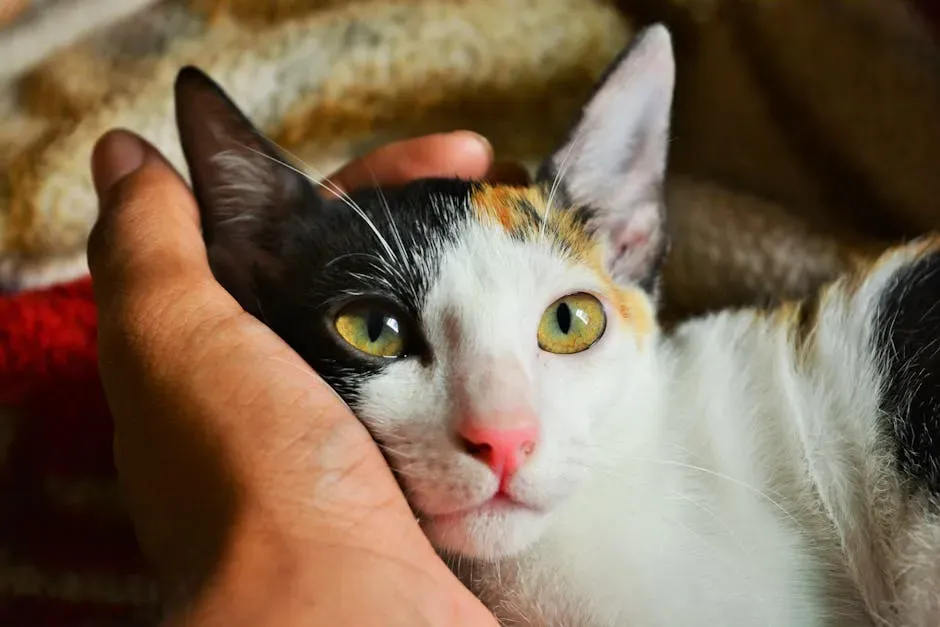
Cats’ responses tend to be subtler and more nuanced than those of dogs, reflecting their independent nature. While dogs may actively seek to alleviate their owner’s distress, cats often provide comfort through quiet presence and physical proximity. Some cats will drape themselves across you. Others will simply park themselves nearby, visible and calm.
When cats sense their owners are experiencing emotional distress, they often display distinct behavioral changes. Many become more affectionate, increasing physical contact through purring, cuddling, or following their owner around. Some cats may bring toys or make gentle vocalizations in apparent attempts to offer comfort. The expression varies with the individual animal’s temperament and the bond you’ve built together. Cats always try to comfort people suffering from an illness, experiencing depression, or just struggling with negative emotions after a hard day. The stronger the bond between them and the person, the more clingy and concerned they become.
Conclusion
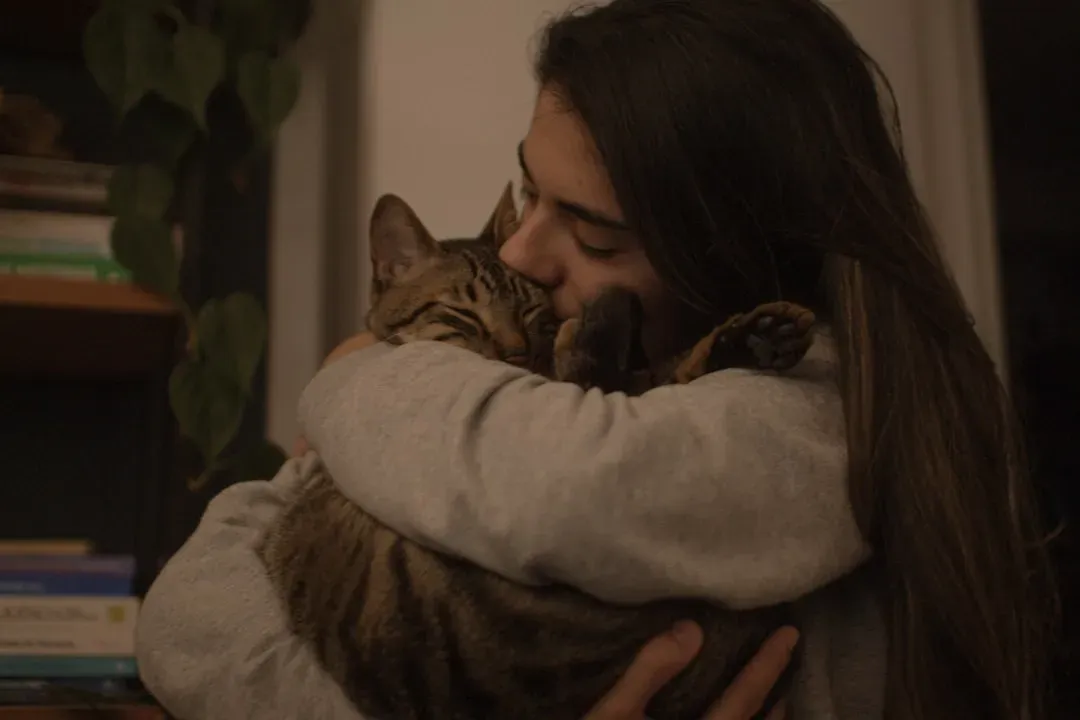
The idea that cats are emotionally indifferent to your inner life doesn’t hold up well under scrutiny. The picture that science is building, piece by piece, is of an animal that is quietly observant, chemically sensitive, and genuinely attached to the people it lives with. Your cat may not understand the exact source of your distress, but they notice something has shifted, and for many cats, that’s enough to draw them in close.
What you get when your cat settles against you on a hard day is the product of millions of years of sensory evolution, years of learning your specific rhythms, and a bond that research now confirms is more meaningful than popular culture has ever properly credited. You don’t need to call it empathy in the human sense. You just need to notice that they showed up, and let that be enough.
Kristina is a young writer from India. An arts graduate and an avid content creator, Kristina is passionate about animals and wildlife. She enjoys exploring topics related to pet care, animal behavior, conservation, and nature, combining thorough research with engaging storytelling.