You’ve probably spent more time than you’d care to admit staring at your cat and wondering what on earth is going on in their head. They seem relaxed one moment and mildly offended the next, all without making a single sound. The truth is, they’ve been telling you everything this whole time. You just haven’t known where to look.
While a familiar phrase claims that the eyes are the windows to the soul, in cats it’s their tail position that provides the greatest insight into what they’re feeling. Cats use their tail movements, along with their eyes, ears, and body postures, to communicate. Once you understand what each movement and position means, you’ll find that your cat is surprisingly easy to read.
Why the Tail Is Your Cat’s Most Honest Communication Tool
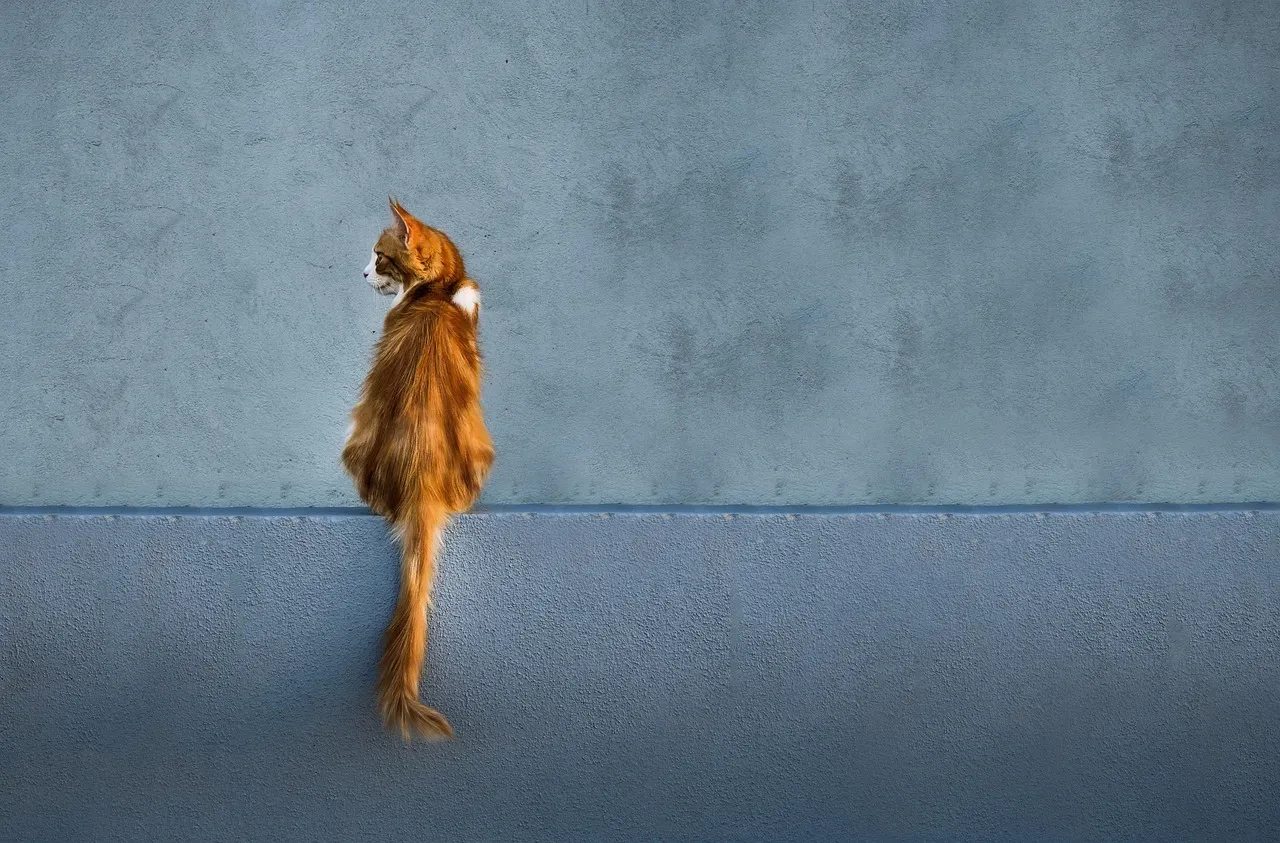
Cats are masters of non-vocal communication, and the emotions they convey with their tails are excellent examples of this ability. It’s adaptive, and it helps them avoid detection by prey or predators while getting their point across silently. This makes the tail one of the most instinctive, unfiltered signals your cat has.
Similar to their whiskers, cats’ tails are filled with nerves and serve as another form of sensory touch. That means your cat isn’t always consciously choosing each tail position. Many of these movements are reflexive, which makes them an even more reliable window into your cat’s true emotional state.
The High Tail: Confidence and a Friendly Hello
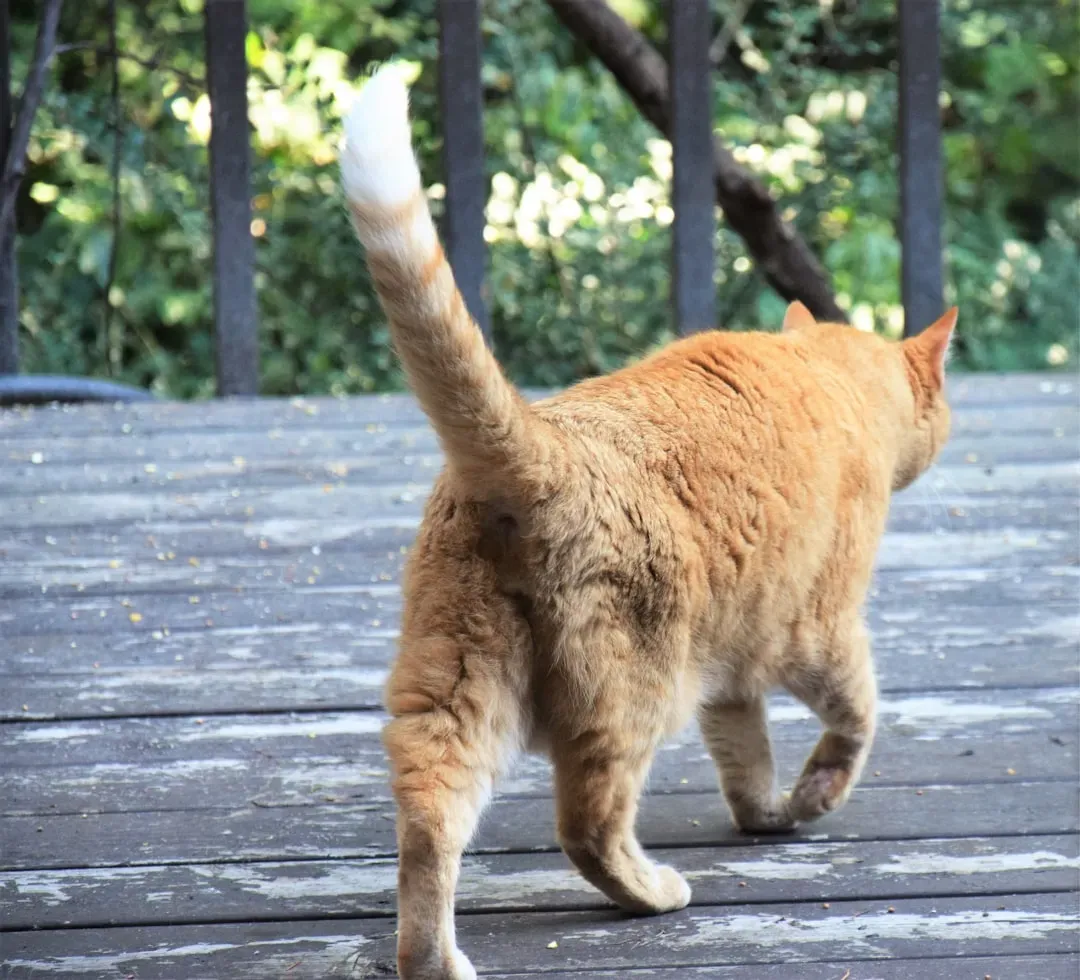
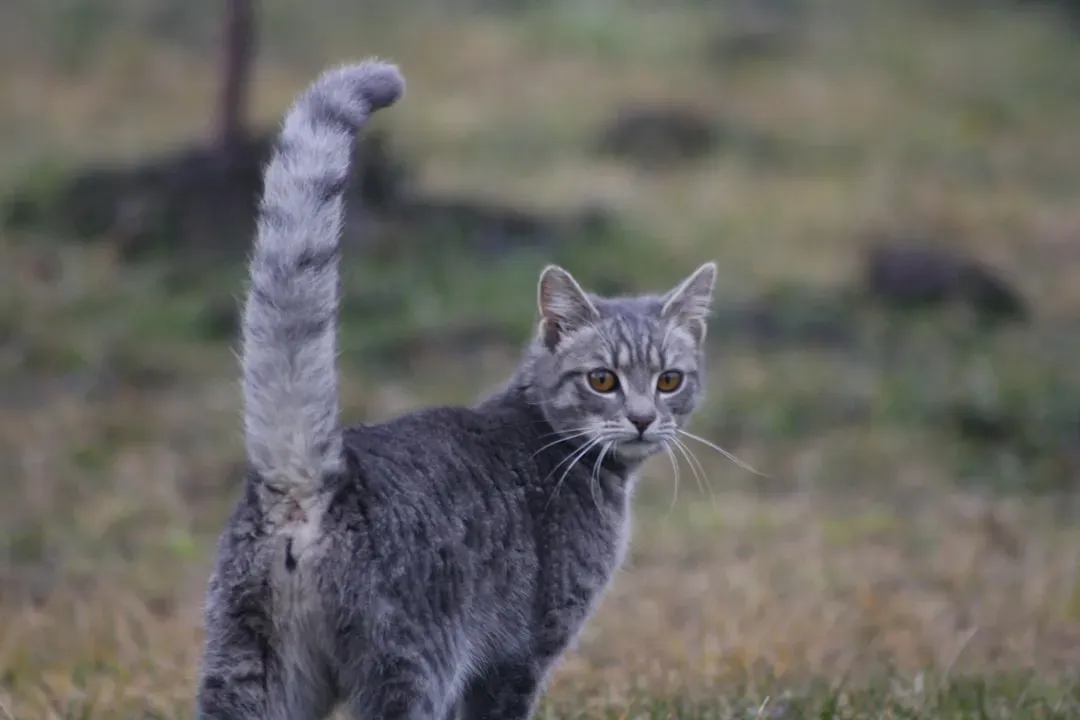
If a cat walks into the room with their tail sticking straight up, they’re feeling confident, comfortable, and ready to engage in some friendly interaction. This tail position indicates all is right in the world, at least from the cat’s perspective. Think of it as the feline equivalent of walking into a room with your head held high and a smile on your face.
Some behaviors carry over from kittenhood to older cats. For example, kittens greet their mom with high tails, and adult cats continue to do this with their favorite people. So when your cat strolls over to you with that proud, upright tail, they’re not just saying hello. They’re telling you that you’re in the same category as their mother, which is a pretty big deal.
The Question Mark Tail: Your Invitation to Play
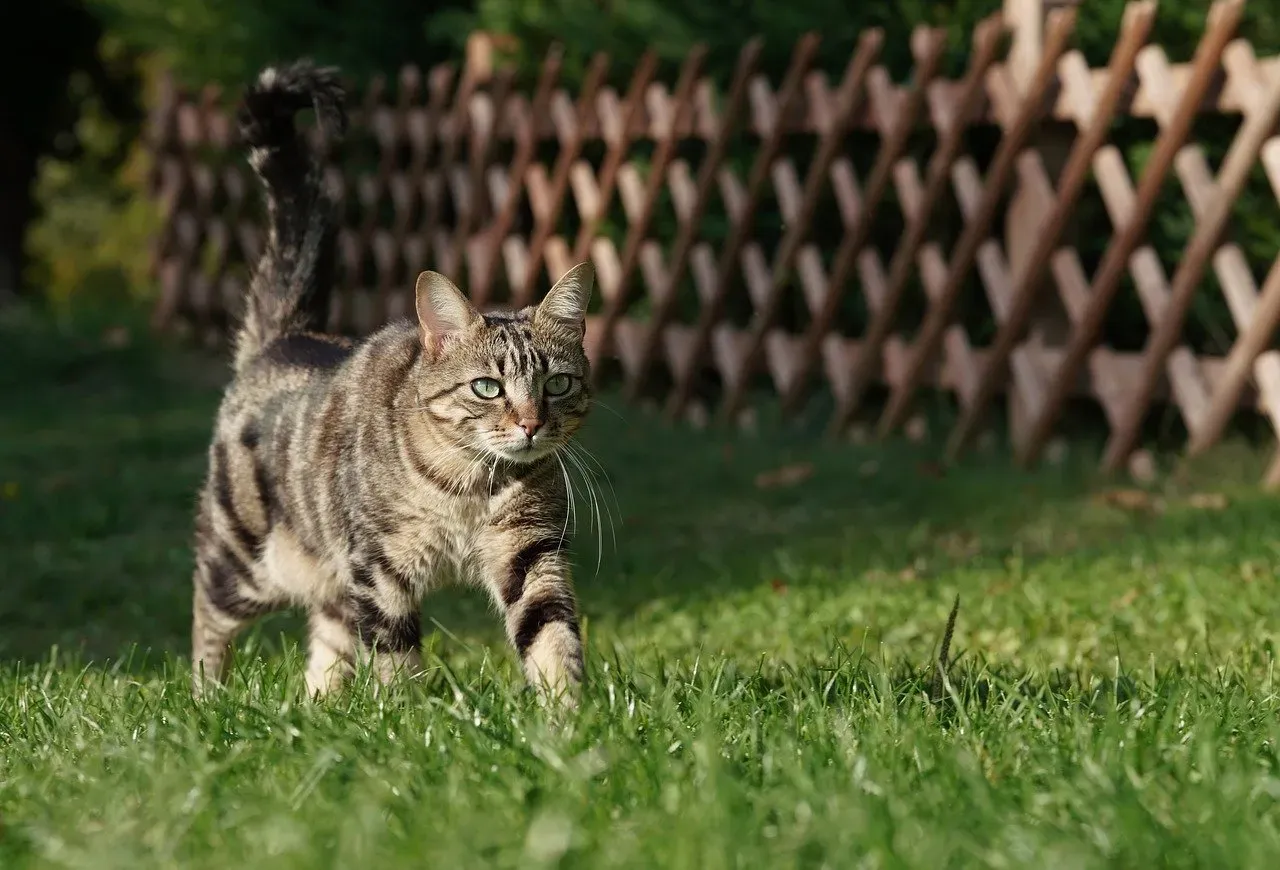
When a cat bends its tail in the shape of a question mark, this is good news, especially if you have a few minutes to spare and some cat toys at the ready. That’s because the question mark-shaped tail position is a cat’s way of asking you if you’d like to play. Cats may also move the tip of their tail back and forth with the question mark changing orientations, which is an even more intense play signal.
You may notice that sometimes your cat’s tail looks like a question mark, standing upright and curling at the end. This tail language indicates that your cat is happy and approaching amicably. Seeing your cat’s tail in this position is an invitation to interact with your cat. Don’t miss it. This is one of your cat’s clearest, friendliest signals, and responding to it builds genuine trust between the two of you.
The Quivering Tail: Pure Excitement to See You
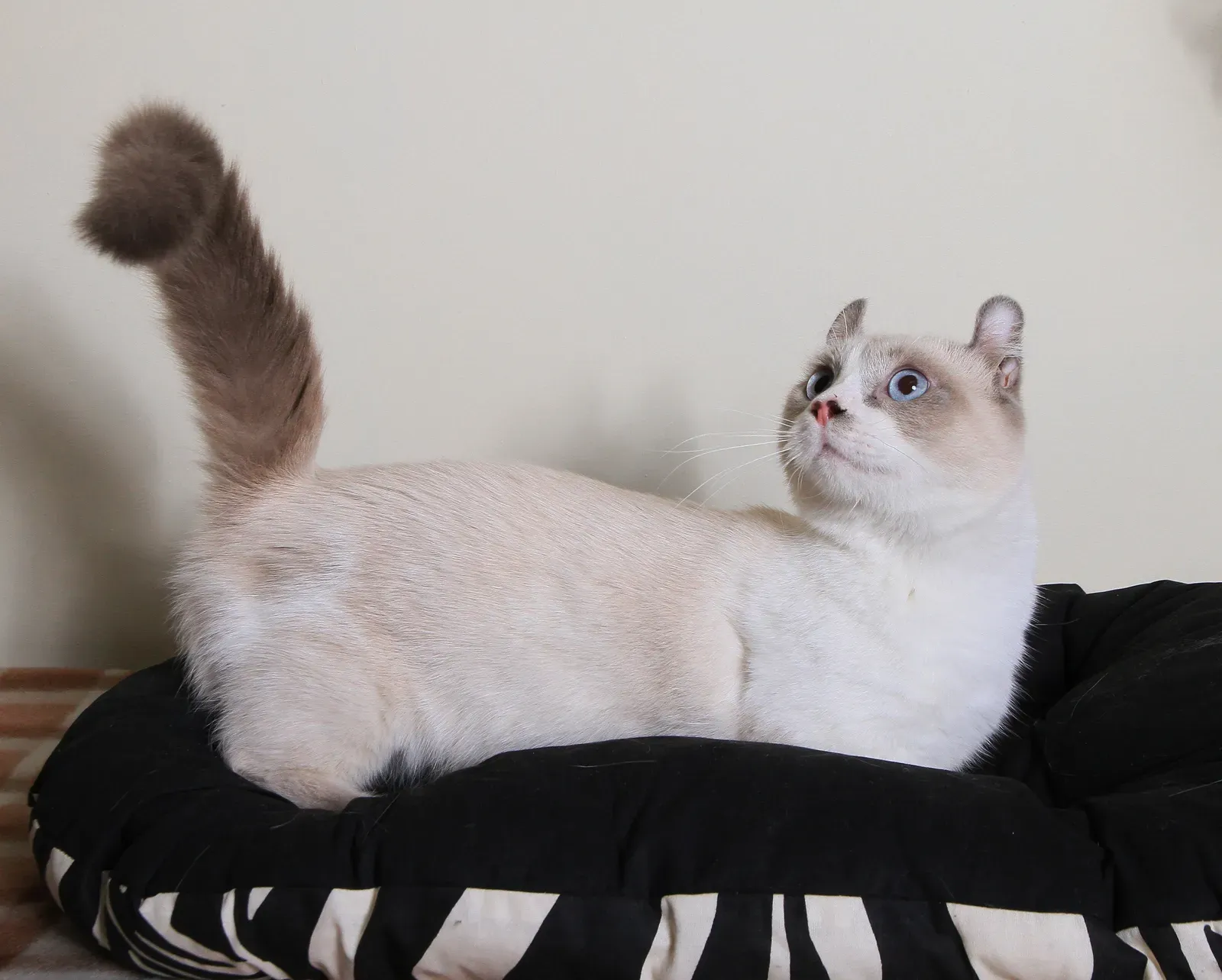
Your cat may quiver their tail when they are especially excited to see you or another cat. Though sometimes, when a cat quivers their tail while holding it straight up and backing up against a vertical surface, they may be urine marking. Context matters here, so pay attention to what else is happening around them at the time.
If a cat greets you with a quivering tail, it typically means they’re really excited to see you. Usually their tail will be upright and appear as if it’s almost vibrating, which can sometimes look like the cat is spraying without any urine being released. Look to the rest of the cat’s body language for other clues as to their mood, because a quivering tail can occasionally point to impatience or annoyance, but in most cases it means a cat is overjoyed.
The Puffed-Up Tail: Fear and a Clear Warning
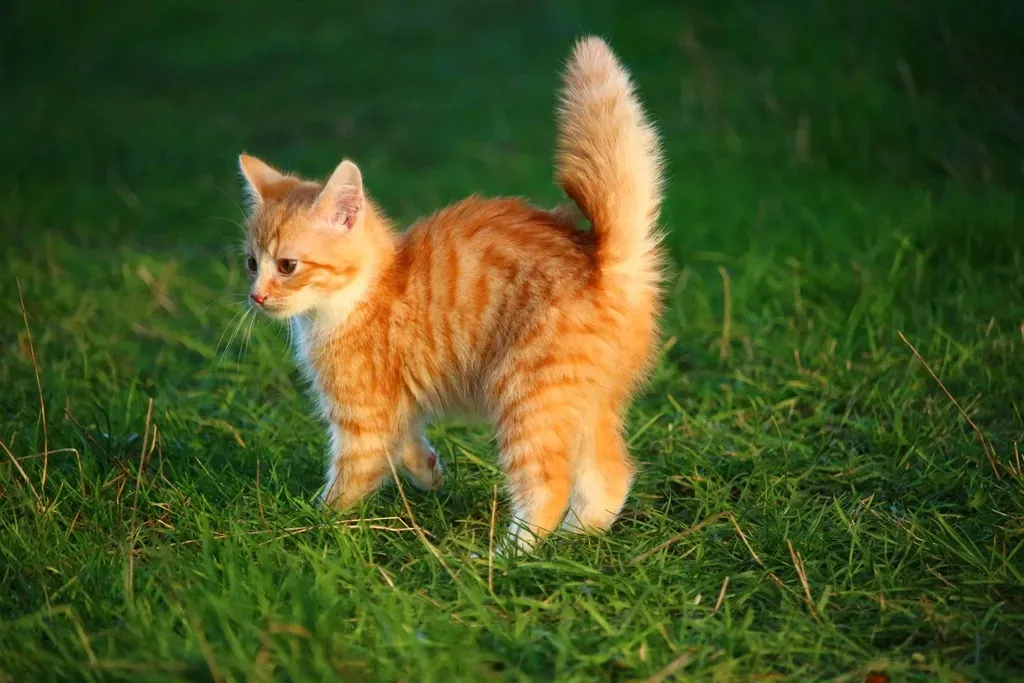
A puffed-up tail is a classic indicator that your cat feels frightened or threatened. This dramatic display makes your cat appear larger to ward off potential threats. A frightened cat may also arch its back and puff out its fur in response to a perceived danger. This is one of those signals you should never push through or try to correct with affection in the moment.
This tail position is a defensive reaction indicating that your cat wishes to be left alone. It’s often triggered by feeling threatened, such as by other animals in the yard, approaching dogs, visitors in the home, or sudden noises. Removing the inciting triggers helps decrease your cat’s stress. If you try to interact with your cat when their hair is standing up, they may perceive your approach as a threat and become aggressive.
The Thrashing Tail: Stop What You’re Doing Right Now
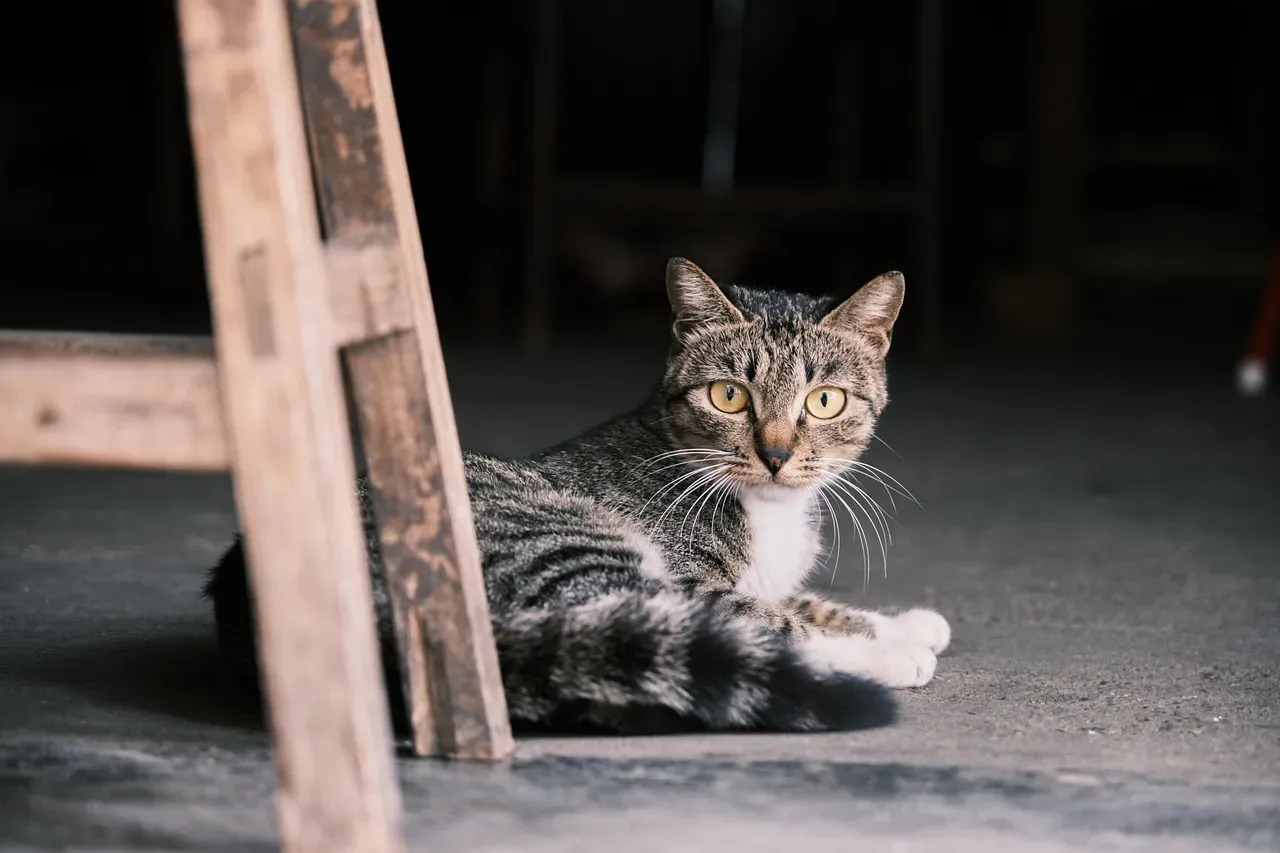
When your cat thrashes their tail or is thumping it on the ground, they are irritated, annoyed, or angry. This tells you that something is bothering your cat and is a distance-increasing behavior. In other words, if you are petting your cat and they start thrashing their tail, they are trying to tell you to stop. If you don’t, then the thrashing tail may be a prelude to hissing, growling, swatting, or biting.
A thrashing, thumping, or slapping tail generally means annoyance, conflicted emotions, or uncertainty. The intensity and force behind their tail movements can offer more clues to their emotional state, but it’s also important to consider your cat’s individual limits. Every cat has a different threshold, and learning your own cat’s specific escalation pattern will save you from a lot of unexpected scratches.
The Low or Tucked Tail: Submission, Fear, and Sometimes Pain
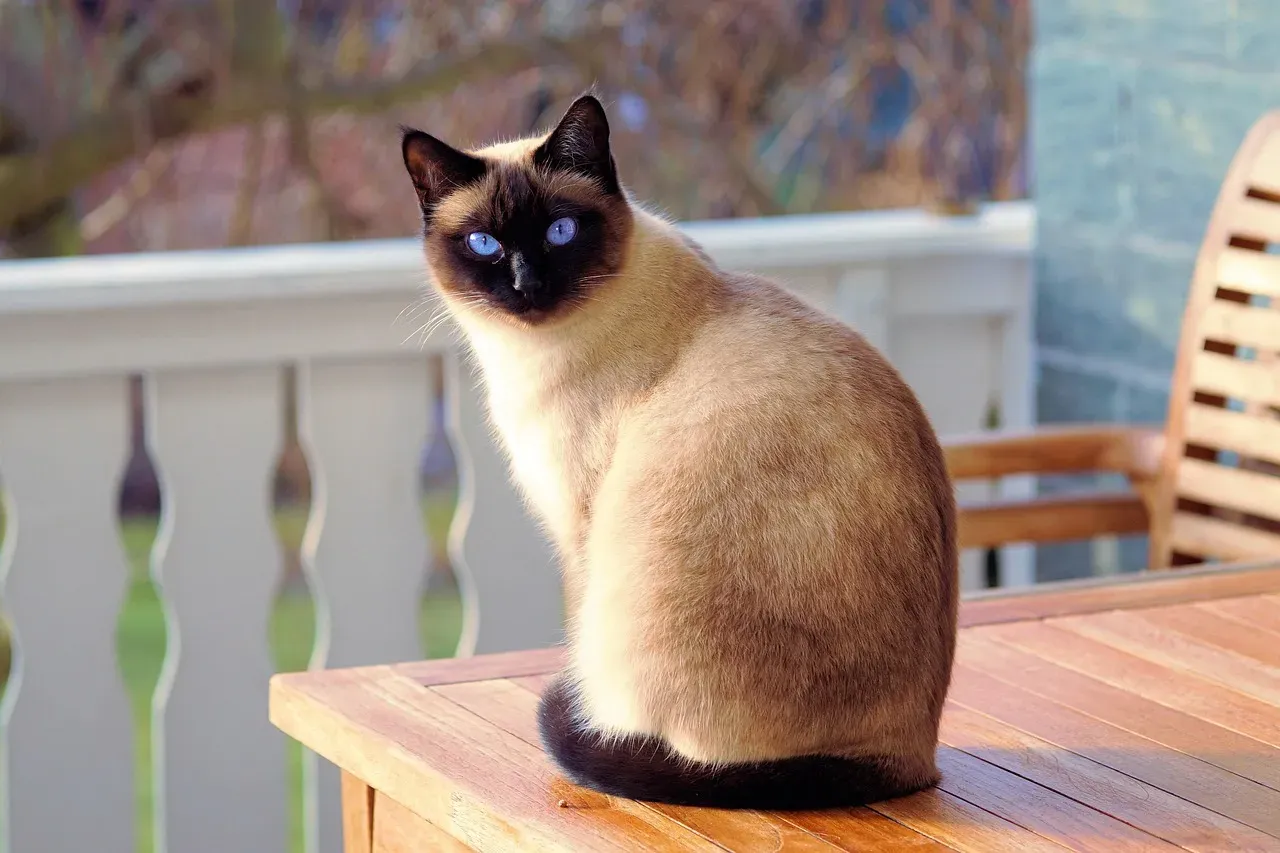
A cat may lower their tail below the level of their back if they are frightened or anxious. If your cat’s tail is tucked between their legs, then they are really scared or may be experiencing pain. A tucked tail is one of those signals that deserves your full attention, because it often points to something more serious than a passing mood.
Similar to the way a dog tucks their tail between their legs when scared, a tucked cat tail means “I’m worried.” Cats will walk or stand with their tail tucked very close to their body as a sign of submission or fear. Unfortunately, this can also communicate pain. If you notice your cat keeping their tail consistently tucked and they seem off in other ways, a veterinary check-up is worth considering.
The Slow Swish: Focus, Calm, and Predatory Attention
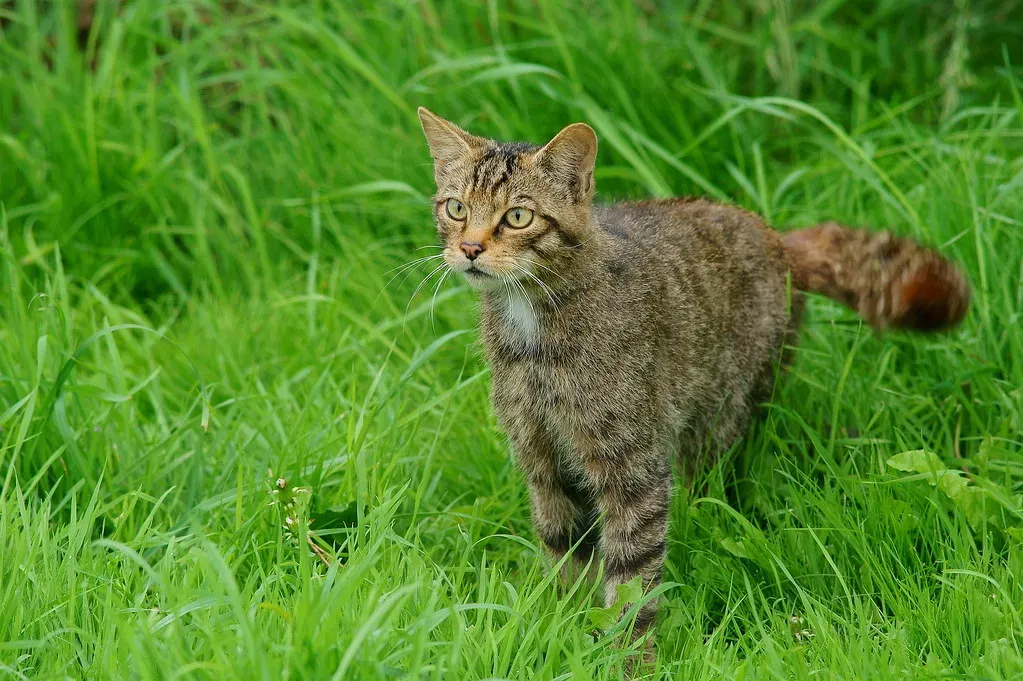
When your cat slowly swishes their tail from side to side, they may be intently focused on something like a toy, another animal in the home, or something outside. They may be about to pounce. Engaging in predatory behavior like stalking and pouncing is good enrichment for your cat, so let them continue to engage in whatever is captivating their attention.
Tails swishing slowly from side to side in a soft, fluid manner indicate cats who are relaxed, calm, and perhaps mildly interested in something. If that swishing changes to just the tip of the tail flicking, your cat is ready to play with you or a toy. You might even see some predatory-type stalking, followed by a pounce. The difference between a lazy swish and a focused flick is subtle, but it’s worth noticing.
The Tail Wrap: A Gesture of Trust and Affection
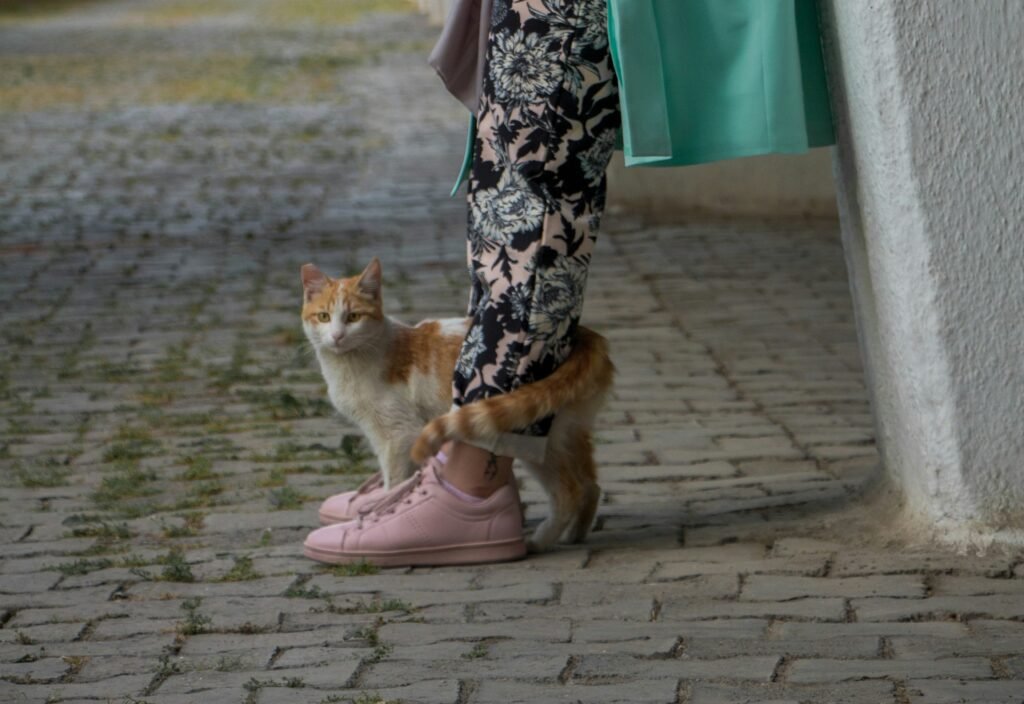
If you’ve ever seen cats cuddling curled with their tails around each other, you know how adorable this behavior is. It’s also a very pro-social tail behavior. In other words, this is one of the ways cats bond and socialize with each other. It’s a way of marking each other with their scent and signaling who their friends are.
When your cat wraps their tail around you, they’re basically giving you a kitty hug. A cat’s scent glands are in their tail, so when they wrap it around you, they’re sharing their scent with you, which is a sure sign of affection. Affectionate social interactions like tail wrapping and head butts are known as affiliative behavior, and many animals engage in them. When your cat does this, they’re treating you less like a human and more like a trusted companion they’ve chosen for life.
Reading the Full Picture: Tail Language in Context
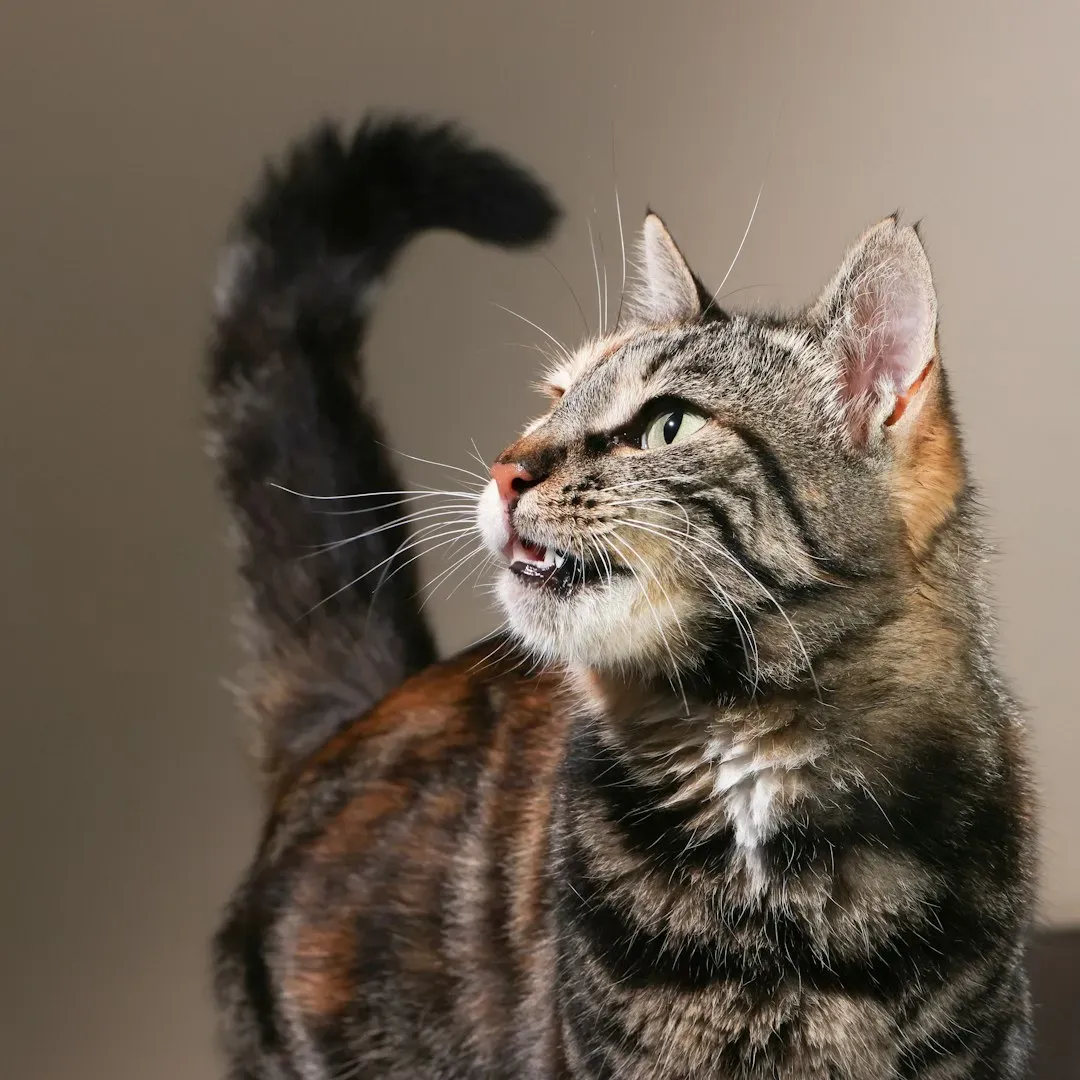
While tail movements are a critical aspect of feline body language, it’s essential to consider the entire body when interpreting your cat’s emotions. For example, a puffed tail combined with flattened ears and wide eyes is a strong indicator of fear, while an upright tail with a relaxed body posture reflects confidence. One signal alone rarely tells the whole story.
Researchers have attempted to decipher the most significant features of visual signals involving the combination of tail and ear positions in interactions between cats. Although the tail is a conspicuous feature for human observers, ear positions of cats in dyadic interactions with other cats are actually the best predictor of the outcomes of these interactions. For you as a cat owner, this means training yourself to look at the full body together, not just the tail in isolation.
Conclusion
Your cat has been speaking to you in this quiet, physical language every single day. The flick, the quiver, the slow sweep, the proud upright hold, they’re all part of a conversation that’s been happening right in front of you. The difference is that now you can actually hear it.
Cats use their tails to communicate subtle and not-so-subtle messages to those around them. If you take the time to learn what the various tail messages mean, you’ll enjoy a richer, closer relationship with your pet. That’s not a small thing. Understanding even the basics of tail language shifts your whole dynamic with your cat, from guesswork to genuine communication.
The cat on your sofa isn’t mysterious by nature. They’re just waiting for you to pay attention.
Kristina is a young writer from India. An arts graduate and an avid content creator, Kristina is passionate about animals and wildlife. She enjoys exploring topics related to pet care, animal behavior, conservation, and nature, combining thorough research with engaging storytelling.