There’s a reason so many people live with cats for years and still wonder, quietly, whether the feeling is mutual. Cats don’t rush to the door, tail wagging and tongue lolling. They don’t climb into your lap the moment you sit down and demand undivided attention. Cats show love differently than humans do, often expressing affection through subtle behaviors, and while that makes them much more understated than dogs, it doesn’t mean the shared bond between cats and humans is any less real or deep.
Research shows that many cats form attachment bonds with humans that resemble those between babies and caregivers, and feline affection is influenced by hormones such as oxytocin, also known as the “love hormone.” Once you understand what you’re actually looking at, you start noticing these quiet signals everywhere. They were always there. You just needed to learn the language.
The Slow Blink: A Kiss You Almost Always Miss
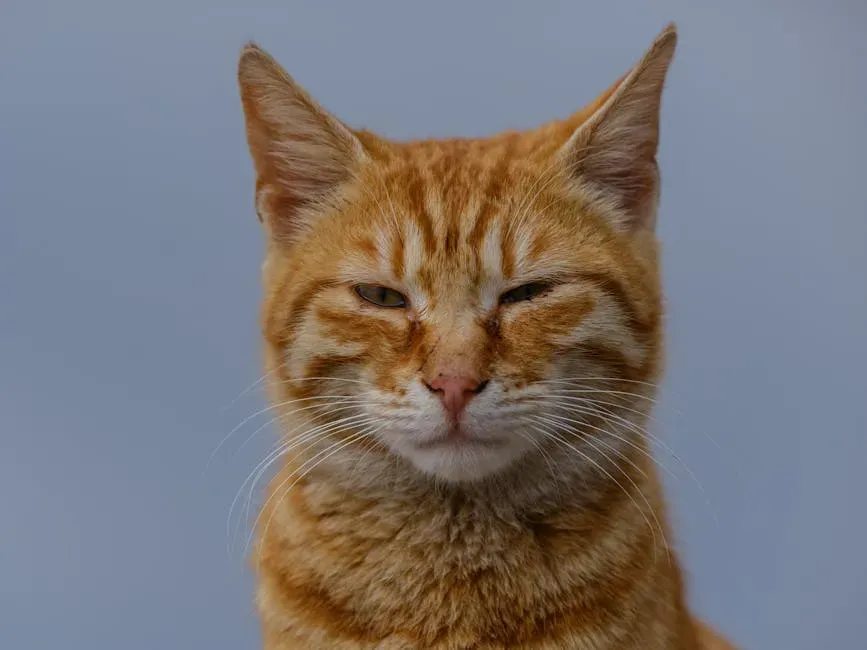
Research suggests slow blinks are associated with a positive emotional state and can be a sign of trust, contentment, and affection, similar to a human smile. It’s one of the most frequently overlooked gestures in the entire feline repertoire, largely because it looks like nothing at all. Your cat glances at you across the room, eyes heavy, blinking slowly, and you think they’re drowsy.
A cat’s slow blink is often referred to as a “kitty kiss.” When your cat looks at you and slowly closes and opens its eyes, it’s a sign of trust and affection, indicating that your cat feels safe and secure with you. You can return the gesture by slow blinking back, strengthening the bond between you. Try it the next time your cat catches your eye. The response might surprise you.
Headbutting and Bunting: You’ve Been Claimed
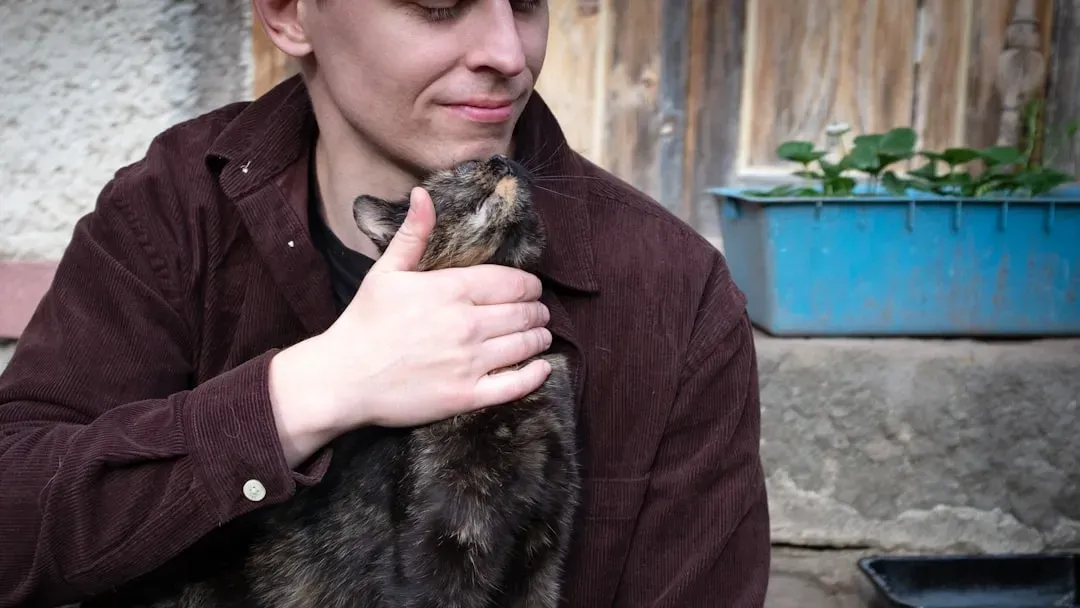
When a cat bumps their head against you or rubs their cheeks on your hand or leg, they’re doing more than being cute. This behavior deposits scent from glands on their face, marking you as familiar and safe. It’s a deeply social act, one that cats typically reserve for those they genuinely trust.
Headbutting and cheek rubbing are both social behaviors that are learned and expressed throughout kittenhood, and both are ways in which cats build bonds and affection with other animals and, by extension, with the humans they do it to. When your cat presses their forehead into yours, or rubs their cheek along your chin, they’re essentially writing your name into their inner circle. That’s not nothing.
Kneading: A Leftover Ritual That Means You’re Home
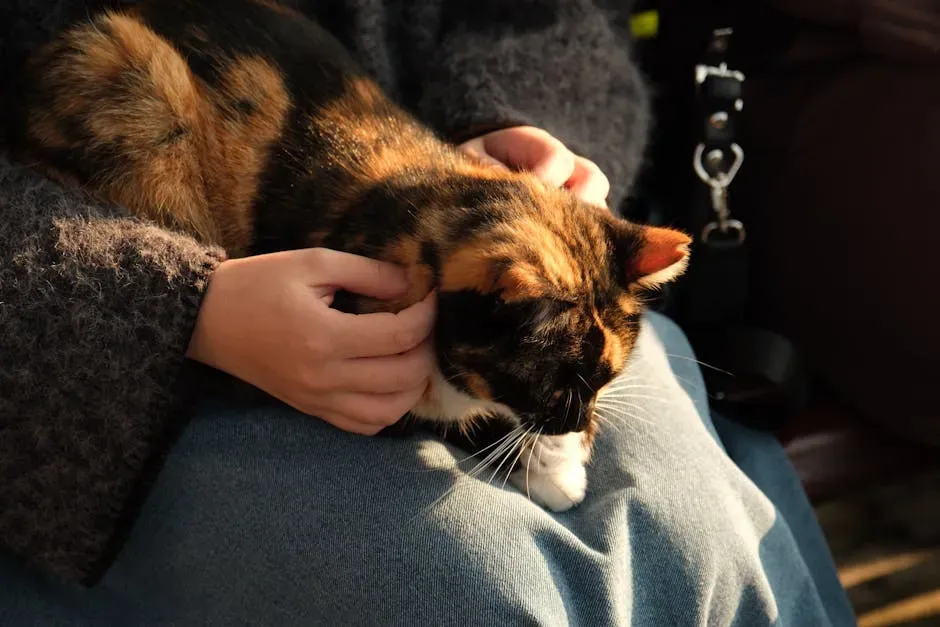
Cats usually knead with their front paws, a behavior that begins in kittenhood and is associated with nursing on their mother. Kneading is believed to bring comfort by releasing endorphins to reduce stress and promote relaxation. As adults, they carry that association forward, redirecting it toward the people and places where they feel safest.
Kneading, where cats push their paws against a soft surface, often accompanies purring. This behavior, rooted in kittenhood when they kneaded their mother’s belly for milk, shows that your cat feels relaxed and trusts you completely. So when your cat starts rhythmically working their paws into your lap, understand that you’re not just a convenient cushion. You’ve become something closer to home.
The Upright Tail: A Greeting Most People Walk Right Past
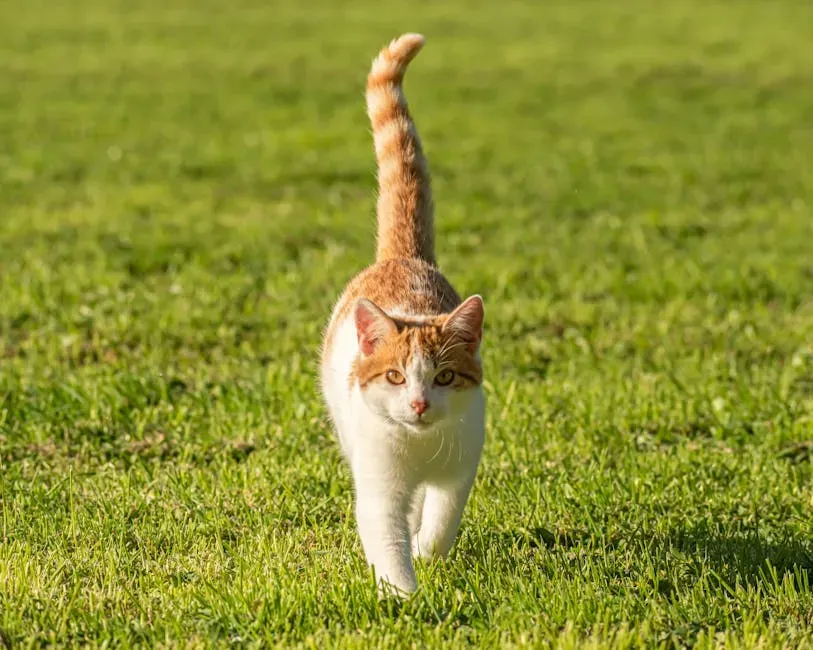
A tail held in the upright flagpole position shows a friendly intention, indicating familiarity, trust, and affection. Some cats also use an upright question mark shaped tail to greet someone they like, or to motion that they want to play. It’s the feline equivalent of waving hello, yet most people barely register it because they’re looking for something louder.
Tail positions also reveal a lot about a cat’s mood. A tail held upright with a slight curve at the tip means your cat is happy to see you, while a quivering tail often signals excitement. Next time you walk through your front door and your cat’s tail shoots straight up, know that you’ve just received a genuine welcome. They’re glad you’re back.
Purring: More Layered Than It Sounds
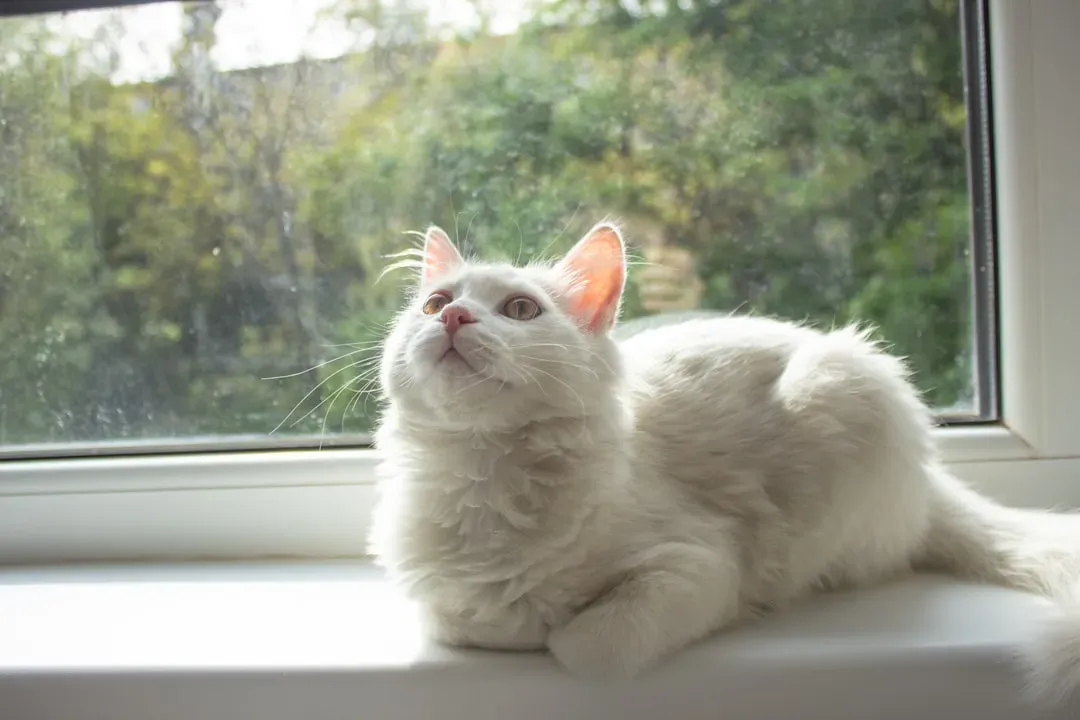
Purring is often associated with a cat’s contentment and happiness. When a cat purrs while being petted or sitting on your lap, it’s a sign of deep affection and comfort. Most people already associate purring with happiness, but the nuance runs deeper than that. Context matters enormously when reading this particular signal.
Purring doesn’t always mean affection. Cats purr for many reasons, including happiness or contentment, but also for pain or sickness. Still, scientific research suggests that cats purr at certain frequencies when around trusted humans, possibly to strengthen their bond, and knowing why your cat purrs can help you interpret this behavior as a form of affection. Pay attention to when and where the purring happens. That context tells the real story.
Proximity and Shared Space: Quiet Closeness as a Declaration
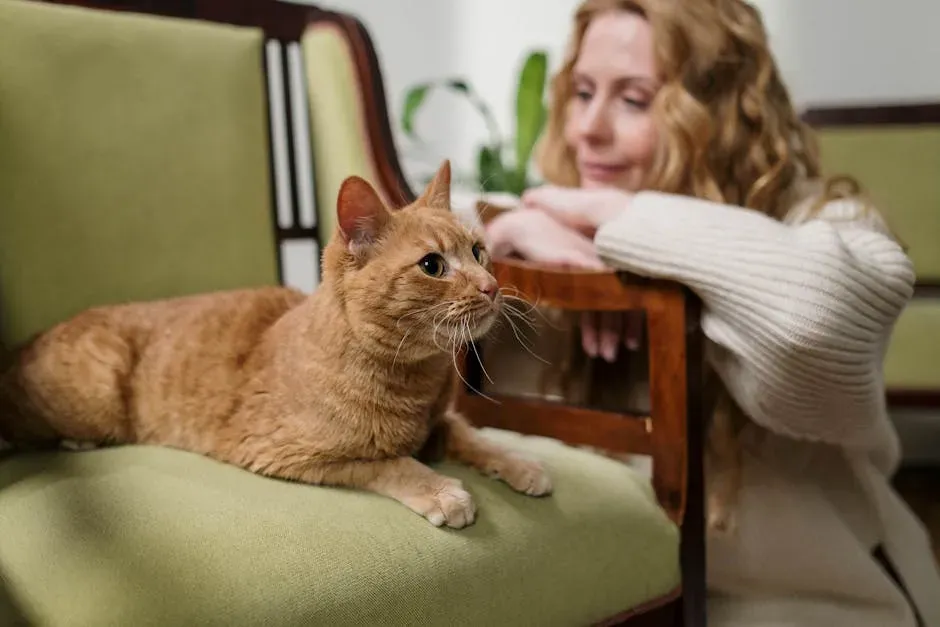
Sitting near you is a meaningful choice. Cats are selective about where they spend their time, and their independence can be one of their most admired qualities. That makes choosing to share space with you a quiet but powerful sign of attachment. They don’t need to be touching you. Simply being in the same room, settled and relaxed, carries genuine weight.
Sleep is a vulnerable state for cats, and choosing to nap next to you, or even in the same room, is a strong indicator of trust. Some cats will be subtle about this and will simply make sure they’re always in the same room as you. You might not even notice that they’ve been following you until you turn around and see them curled up in a chair, watching you. That steady, quiet presence is their version of staying close.
Allogrooming: When Your Cat Treats You Like Family
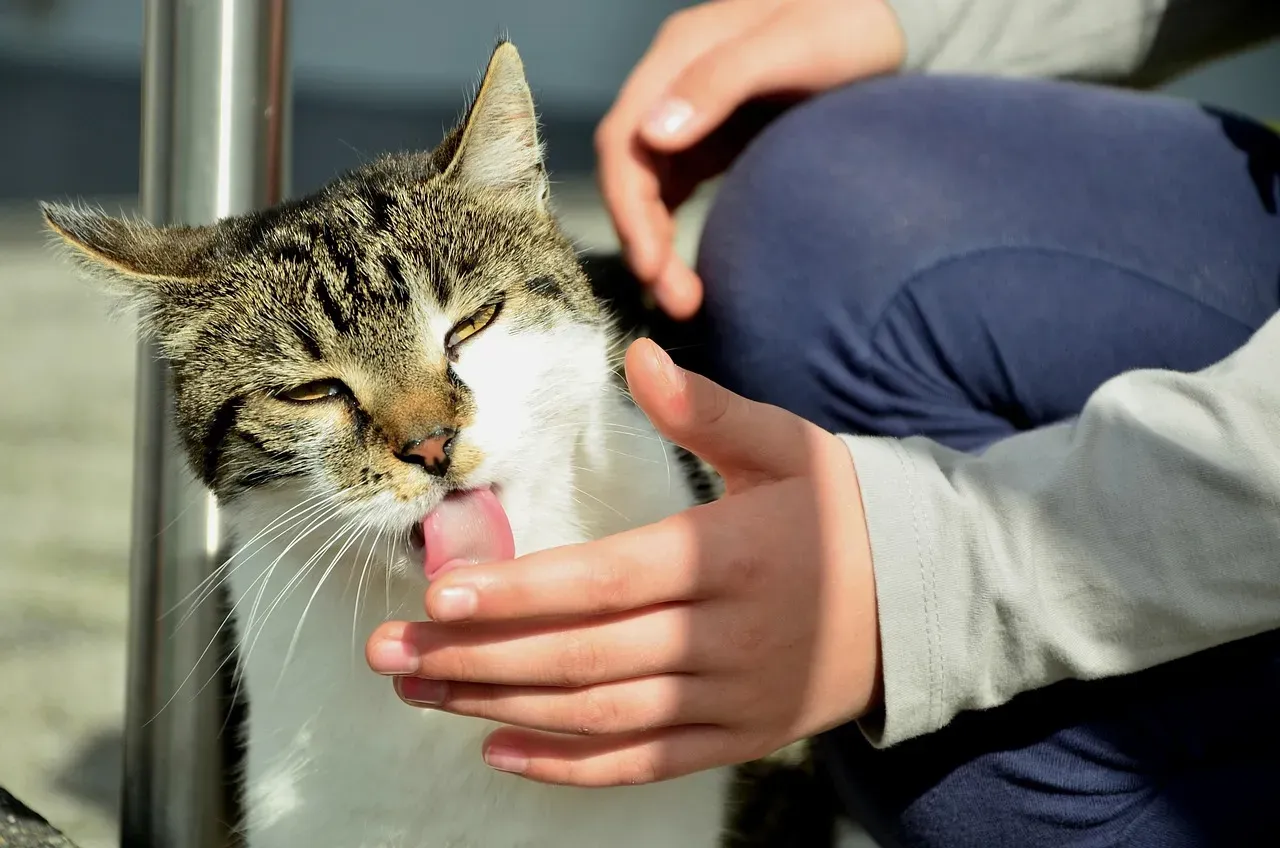
Cats groom each other as a display of affection, and this behavior extends to humans when trust is built. Cats will often lick their people or allow them to brush them, and licking is similar to the grooming cats perform on their feline friends, allowing them to mark each other and build their bond. Getting licked by a sandpaper tongue isn’t always comfortable, but the intention behind it is genuinely tender.
Grooming only happens between cats with a warm relationship, so licking your hand or face can be a show of endearment, even though those barbed tongues may not feel all that gentle. When your cat pauses to carefully groom your hand or your hair, they’ve essentially placed you inside their social group. That’s a meaningful line to cross in the feline world.
Vocalizations Meant Only for You
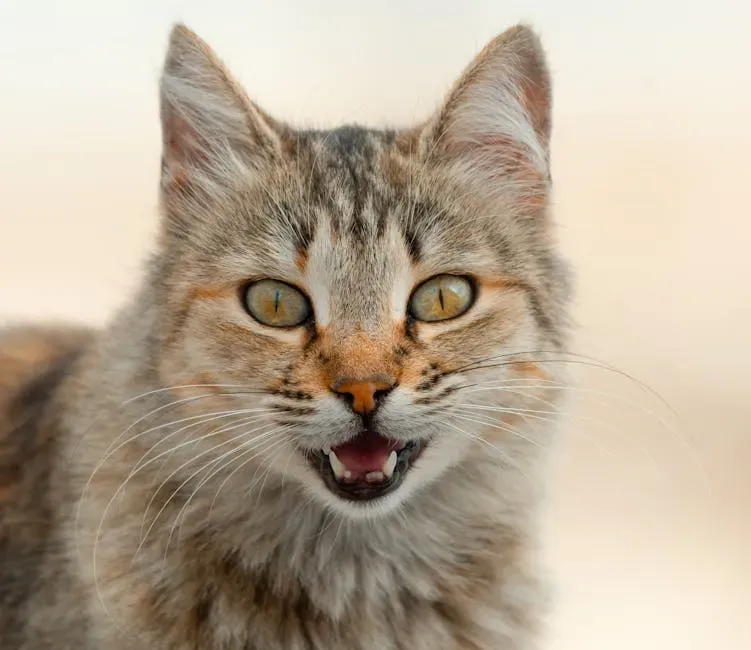
Cats don’t typically meow to communicate with other cats. They reserve this behavior for interacting with humans, and if your cat frequently meows at you, especially with a soft, gentle tone, it’s their way of getting your attention and showing affection. Over time, these sounds become surprisingly specific. Your cat isn’t broadcasting to the room. They’re talking to you.
From chirps and trills to meows, a cat’s vocalizations can be a sign that they are excited to see you. Many cats greet their owners with a soft meow or a purr when a person enters the room. They recognize their owner’s voice and respond in their own way, often mirroring human greetings with their version of “hello.” Each cat has its own unique set of sounds, and they learn how to “talk” with the people they love most.
The Science Behind the Bond: It’s Deeper Than You Think
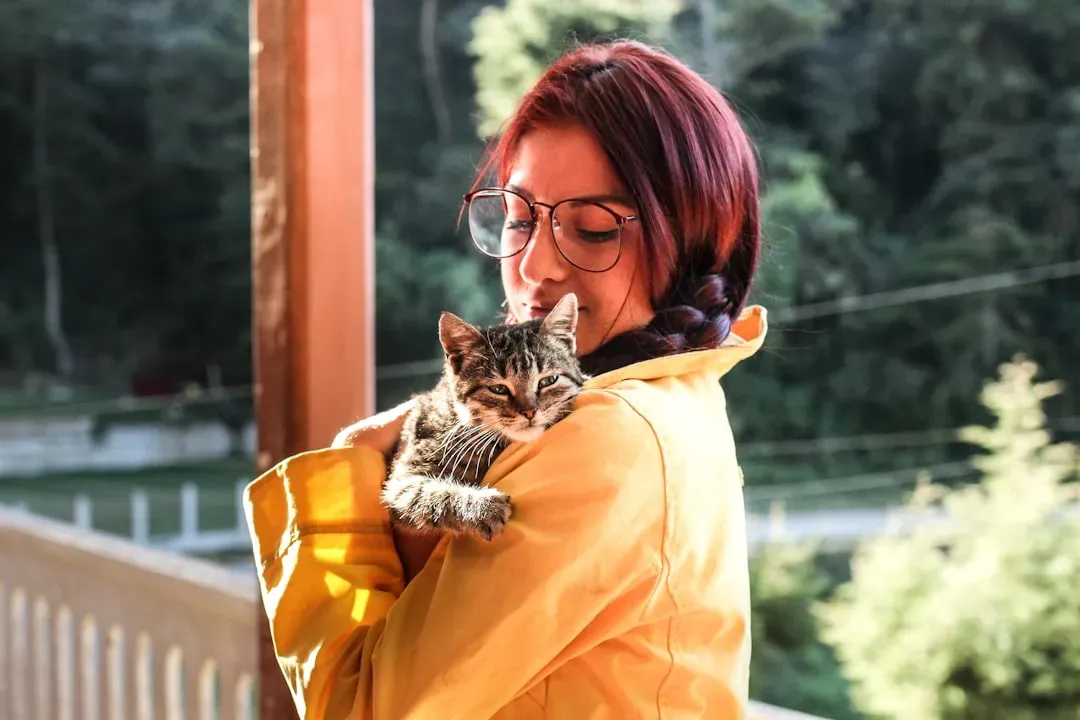
A study published in Current Biology found that cats form attachment bonds to their human caretakers in very much the same way that dogs and human children do. That’s a striking finding, especially given the popular image of cats as fundamentally indifferent to human company. The data keeps pointing in a different direction.
Far from being solitary misanthropes, many cats are capable of complex social groupings and developing deeply meaningful attachments to their human protectors. They are also far more intelligent than many assume. Many can recognize their own names and the voices and faces of their owners. They are capable of understanding complex human signaling. Research does leave us with a clear takeaway: cats are not emotionally indifferent. They form true bonds with their humans based on trust and a sense of security, and their affection may be understated, but that doesn’t make it any less powerful.
Conclusion
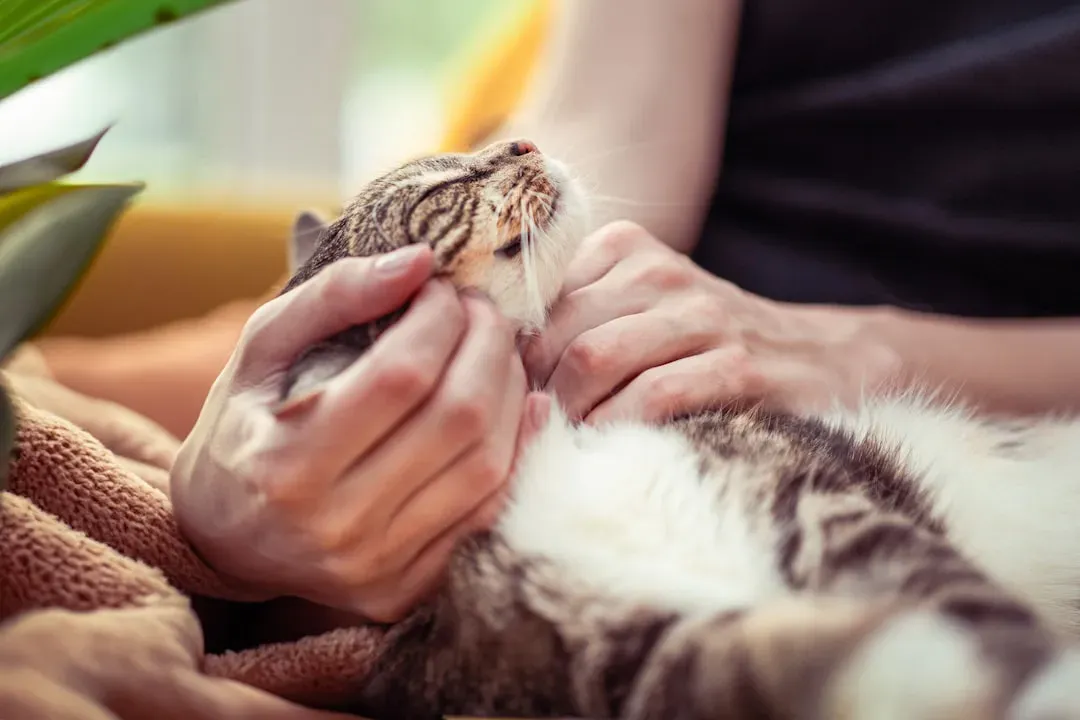
Living with a cat teaches patience in a way few other relationships do. You learn to read smaller signals, to notice what’s being offered quietly rather than announced loudly. Feline affection isn’t always overt or constant. Instead, it’s often built around trust, safety, and selective social connection. Cats tend to show love through behaviors that signal comfort and familiarity rather than attention-seeking.
Once you adjust your expectations and stop looking for the dog-style exuberance that cats simply aren’t built for, something shifts. The slow blink from across the room, the warm weight of a sleeping cat at your feet, the quiet tail-up greeting at the door, all of it starts to land differently. Every cat expresses affection in their own way, so learning to read your cat’s body language cues is what truly opens the door to understanding them. The love was never missing. You just needed to look a little closer.
Kristina is a young writer from India. An arts graduate and an avid content creator, Kristina is passionate about animals and wildlife. She enjoys exploring topics related to pet care, animal behavior, conservation, and nature, combining thorough research with engaging storytelling.