Most cat owners genuinely believe they’re doing a great job. You feed them well, keep the house warm, and give them plenty of attention. So why does your cat sometimes look at you like you’ve deeply offended them? The truth is, cats experience the world very differently from us, and many of the things we do out of love, habit, or simple routine can quietly grate on their nerves.
Just as with humans, cats have preferences and react to both positive and negative experiences. Although they’re very tolerant of the mistakes humans make, certain behaviors family members do can cause stress and damage the bond. Understanding those behaviors isn’t about guilt – it’s about building a stronger relationship with an animal that communicates in ways most of us never quite learned to read.
1. Staring Directly Into Their Eyes
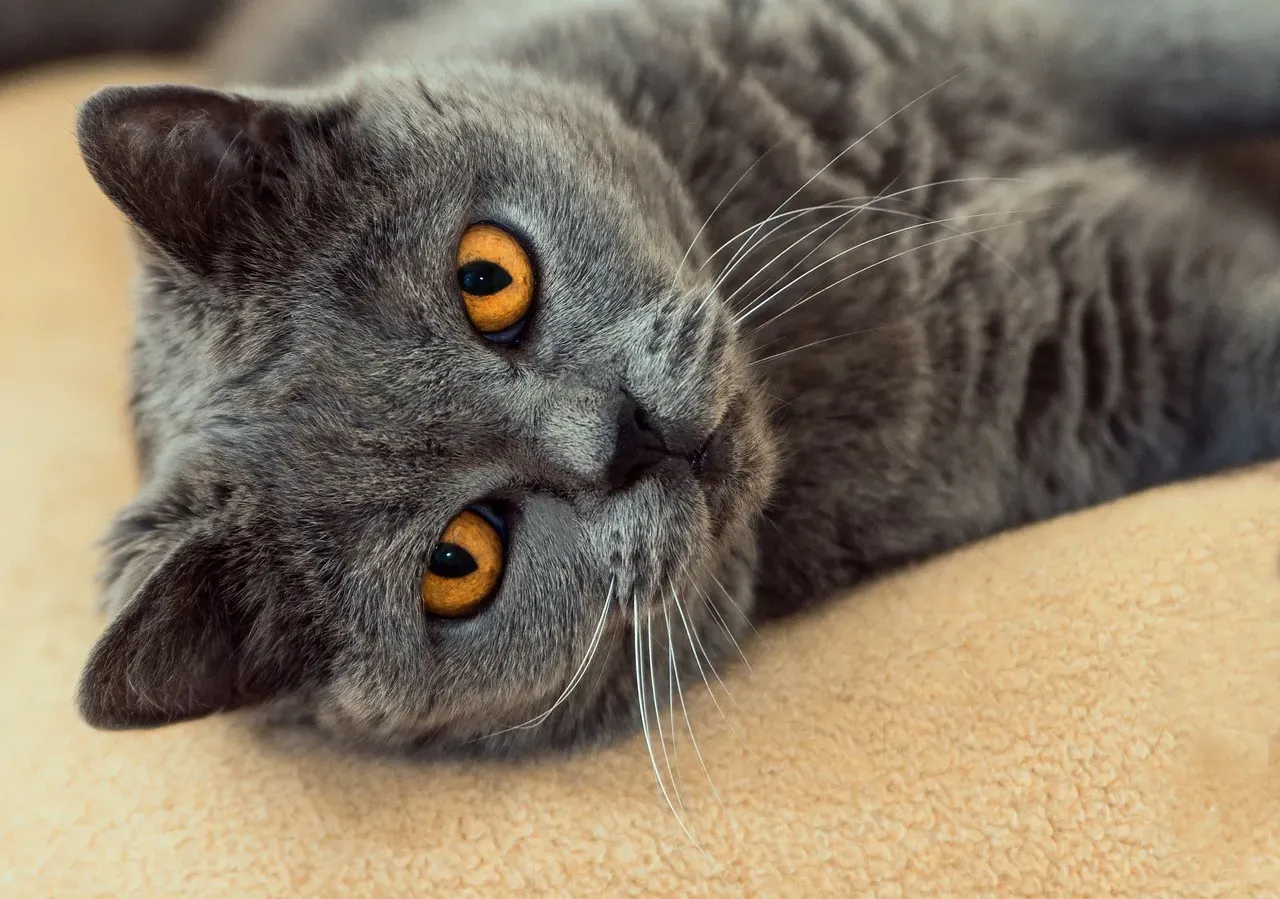
You probably can’t help it. Your cat is sitting there looking absolutely magnificent, and you lock eyes with them in admiration. To you, it’s affection. To your cat, it’s something else entirely.
A perfect example of something humans do is stare at a cat. To cats, this is a potentially very threatening thing to do. It’s really hard not to want to stare at a particularly cute cat, but this may not win you the cat’s affection and they may actually begin to fear you. Try a slow blink instead. Behaviorists call slow blinks “kitty kisses.” These slow blinks are your feline’s way of showing affection and telling you that they like and trust you. If you blink slowly back at them, they most likely will continue to blow “kitty kisses” your way.
2. Picking Them Up Without Warning
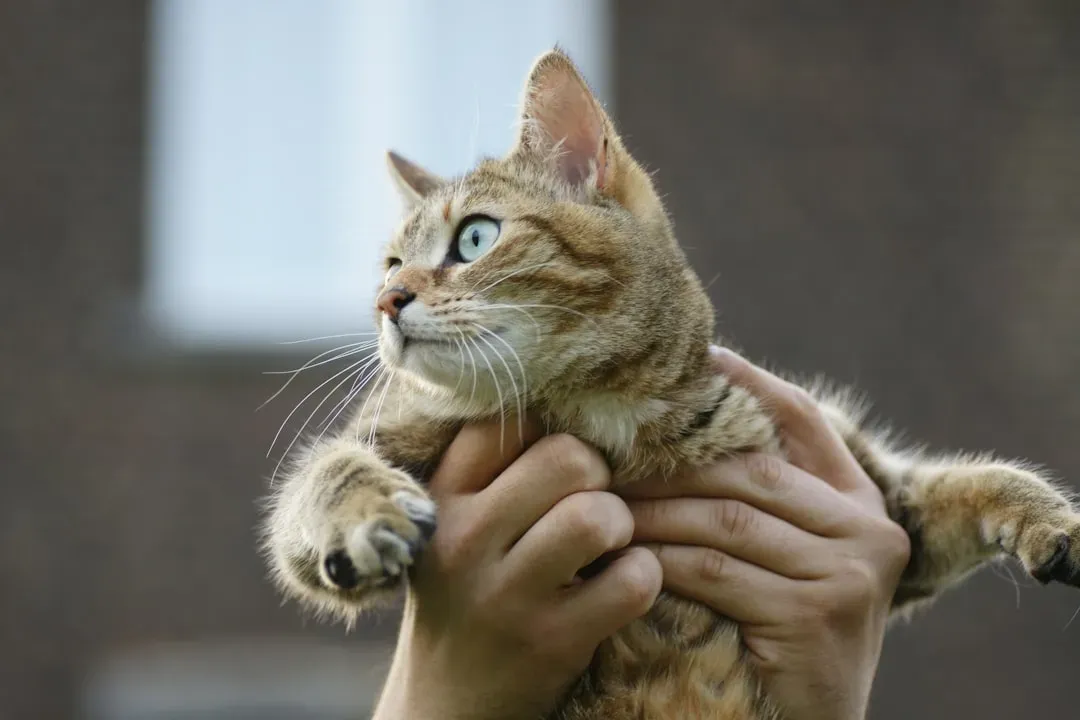
You’ve done it a hundred times – you see your cat lounging peacefully, and you scoop them up for a cuddle. It feels natural to you, but your cat likely has a very different opinion about the whole arrangement.
Sudden pickup behavior may cause the cat to feel shocked, and may even cause the cat to struggle and fight back. When a cat is forcibly picked up, it feels insecure and longs to get back on the ground immediately. Especially when the cat is held like a baby, with no support for its limbs, it will feel more uneasy and want to escape. Cats are prey and predator animals. They don’t like to be held close or restrained. Always let your cat approach you first when possible.
3. Making Loud, Sudden Noises
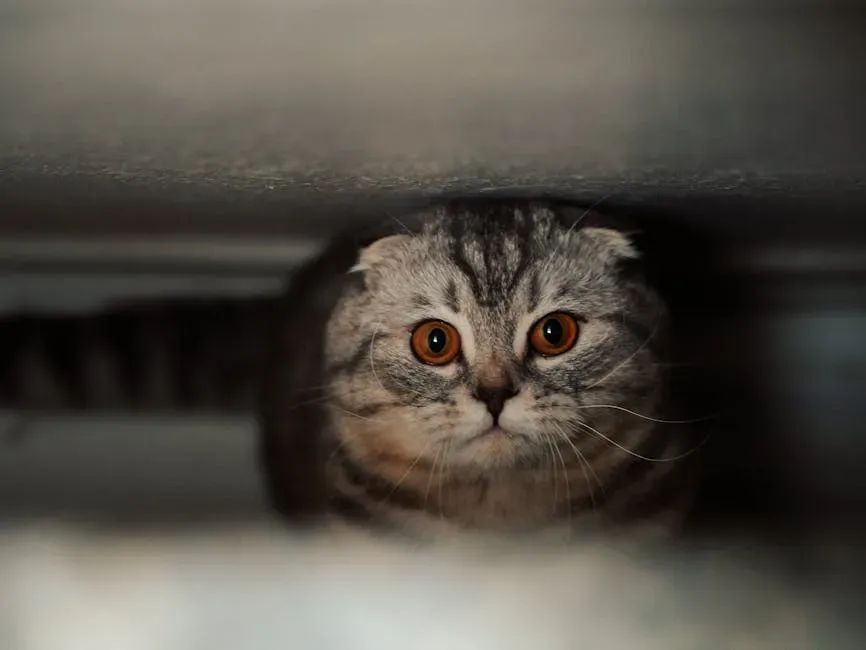
Cranking up the television, blasting music, or raising your voice during a phone call might feel completely normal in your home. Your cat, however, is wired to interpret loud sounds very differently from the way you do.
Cats have much better hearing than humans. This is a trait passed down from their wild cousins, and it serves them well in most circumstances. Their keen hearing also means that sudden or sustained loud noises can startle or grate on your cat’s nerves. Washing machines, loud conversations, blaring music, fireworks, parties, and yelling are all sounds that can stress your cat. When a cat hears a loud noise it activates the part of their brain that governs the fight, flight, or freeze response. This can result in increased aggression towards people or other pets, skittish behavior, loss of appetite, or over-grooming that can result in bald patches.
4. Disrupting Their Daily Routine
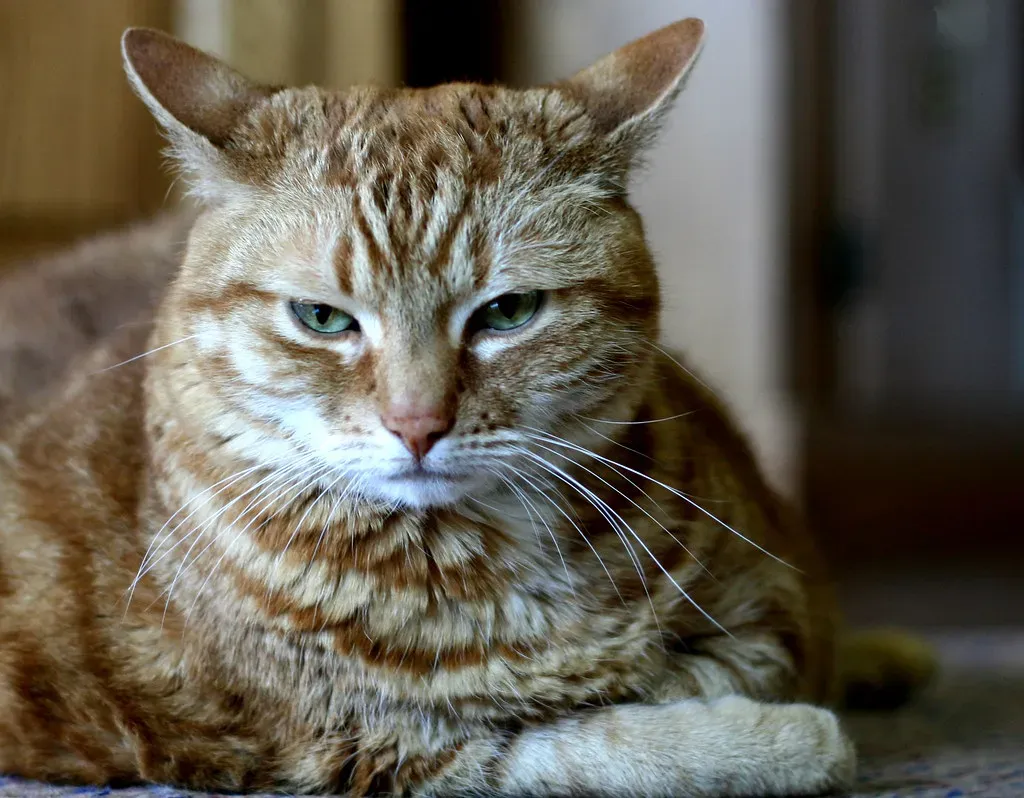
You sleep in on a Saturday, skip the usual morning play session, or move dinner time back by an hour. No big deal, right? For you, it’s just a lazy weekend. For your cat, the disruption registers far more deeply.
Cats are creatures of habit. Most cats love a predictable routine when it comes to feeding time, playtime, or naptime. If you are making abrupt changes to their daily routine, expect your cat to be displeased. Cats thrive on routine and can become anxious when their schedule is disrupted. They like knowing when they’ll be fed, have playtime, or get attention. Imagine if your daily routine was constantly changing – it would be unsettling. Keeping a consistent routine helps cats feel secure and reduces stress.
5. Forcing Hugs and Cuddles
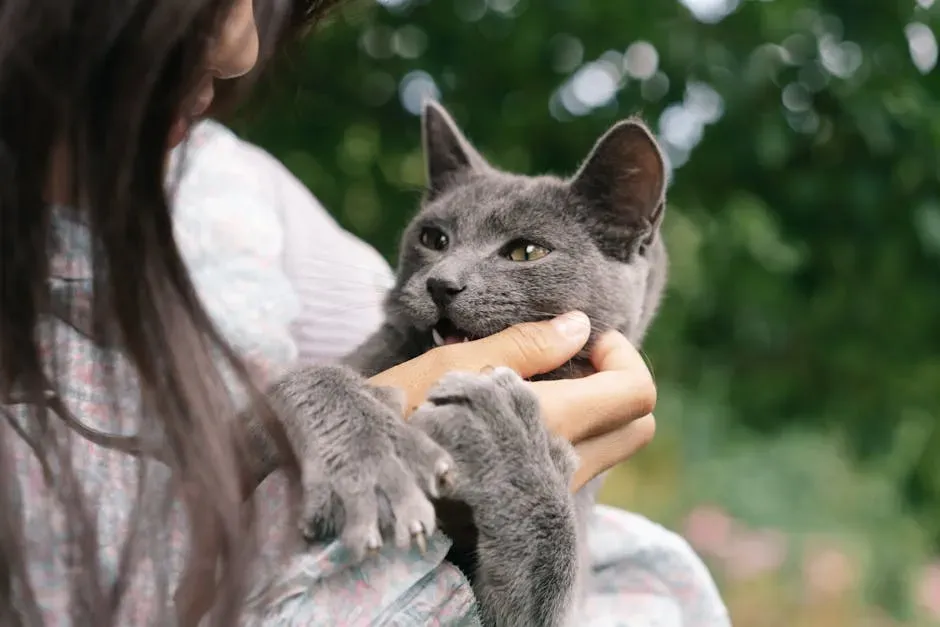
Hugging is one of the most natural expressions of affection among humans. You pull someone close and hold them tight. Unfortunately, your cat did not get that memo and likely never will.
While many cats enjoy being held, others feel more comfortable with their paws firmly on the ground. For those who do like being held, they often have specific preferences about how they’re positioned in your arms. Respect individual boundaries because even cats who enjoy closeness don’t appreciate when it’s forced. Remember, hugging isn’t a natural behavior in the animal world, so some may find it uncomfortable or unwanted. Paying attention to what your individual cat tolerates is far more effective than assuming all cats react the same way.
6. Using Strong Scents and Harsh Cleaning Products
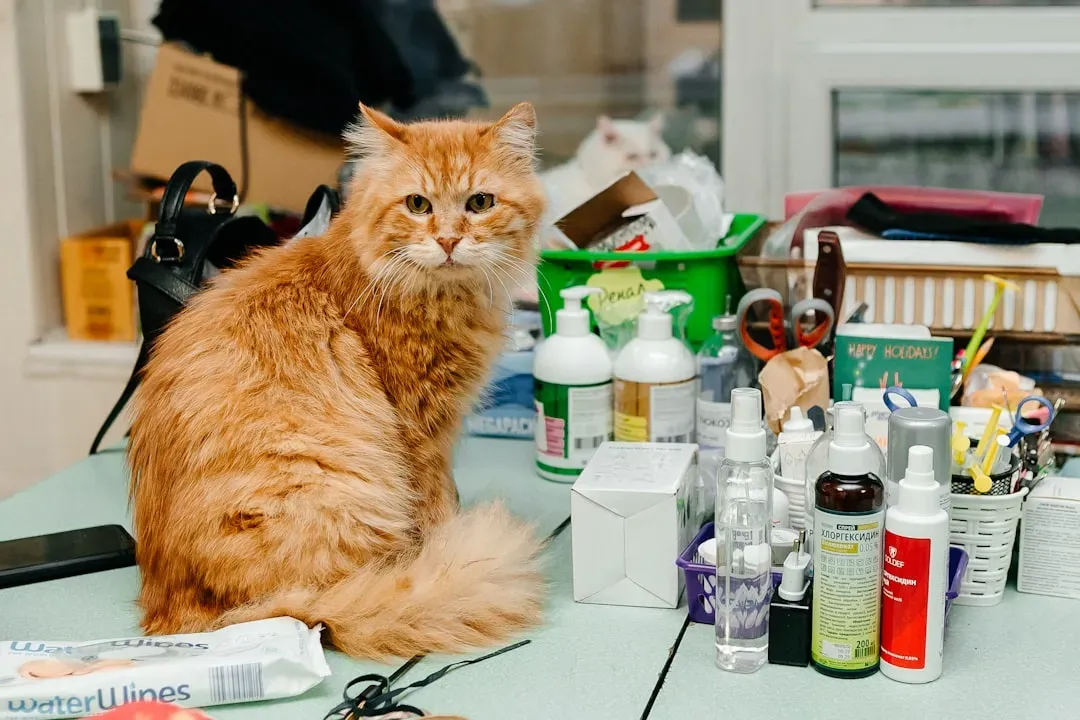
That citrus-scented candle you love, the pine-based floor cleaner, the heavily perfumed laundry detergent on the cushions – all of these might smell pleasant or neutral to you. To your cat, they can be genuinely overwhelming.
A cat’s sense of smell is 14 times stronger than that of a human. Thus, many smells that don’t affect us can really make a difference to your cat. Such things as perfume, deodorants, household cleaning supplies, strong-smelling foods or chemicals should be avoided as much as possible. The citrus smell is really irritating to cats. In fact, there are products on the market designed to keep cats away from things like furniture that purposely have a citrus scent.
7. Ignoring Their Need for Personal Space
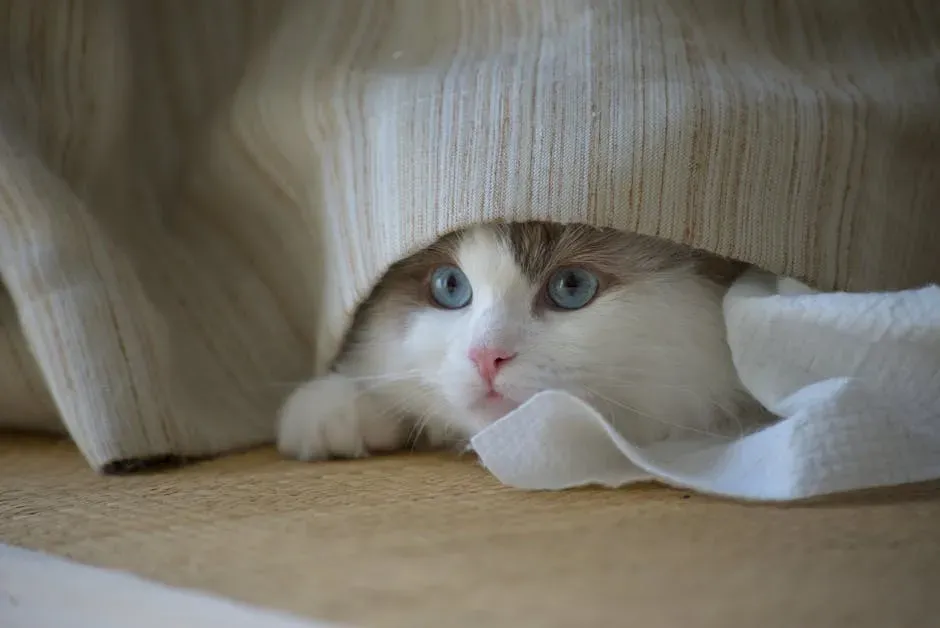
Your cat retreats to a corner, tucks into a box, or disappears under the bed. Many owners take this as a personal rejection and go hunting for their cat, determined to coax them back into the room. That impulse, while understandable, can backfire.
Cats are known for being independent, and one of their key needs involves allowing your cat to hide if she feels stressed, as well as giving your cat places to move vertically. If a cat doesn’t have these options, she can react negatively to unpleasant events such as loud noises or strangers in the house. Humans can also misinterpret a cat’s hiding behavior and attempt to force the cat out to deal with the situation that is making her stressed. Cats do not find this to be a positive way to build trust and handle stress. While most cats will happily cohabitate with their humans, they need their own space to retreat to throughout the day. Cats are solitary animals by nature, so they need a quiet refuge from human routines and activities. If you see your cat napping in their space, observe and appreciate them from a distance – they’ll come to you when they’re ready.
8. Over-Petting Them Past Their Limit
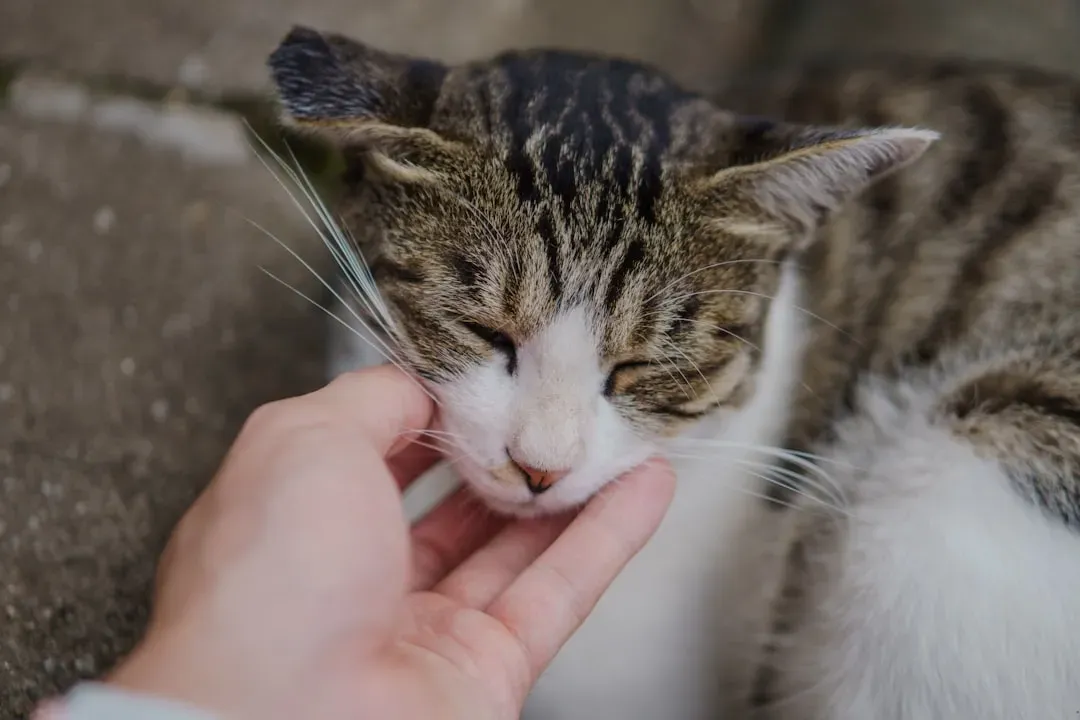
You’re settled on the couch, your cat climbs into your lap, and you start petting them contentedly. Ten minutes in, they suddenly bite your hand. You’re confused. They seemed to be enjoying it. This scenario is incredibly common – and very avoidable.
While some cats enjoy a good petting session, others have a threshold for how much they can tolerate. Over-petting can lead to overstimulation, causing them to lash out or retreat. It’s similar to someone rubbing your arm for too long – it becomes uncomfortable. Paying attention to your cat’s body language can help you gauge when they’ve had enough. Allowing them to dictate the duration of petting can help maintain trust and affection. This behavior, often called petting-induced aggression, can occur when a cat becomes overstimulated or feels uncomfortable. They may be giving you subtle warning signals, such as tail twitching or flattened ears, before biting. Respect their boundaries and stop petting them if you notice these signs.
9. Using Punishment or Negative Discipline
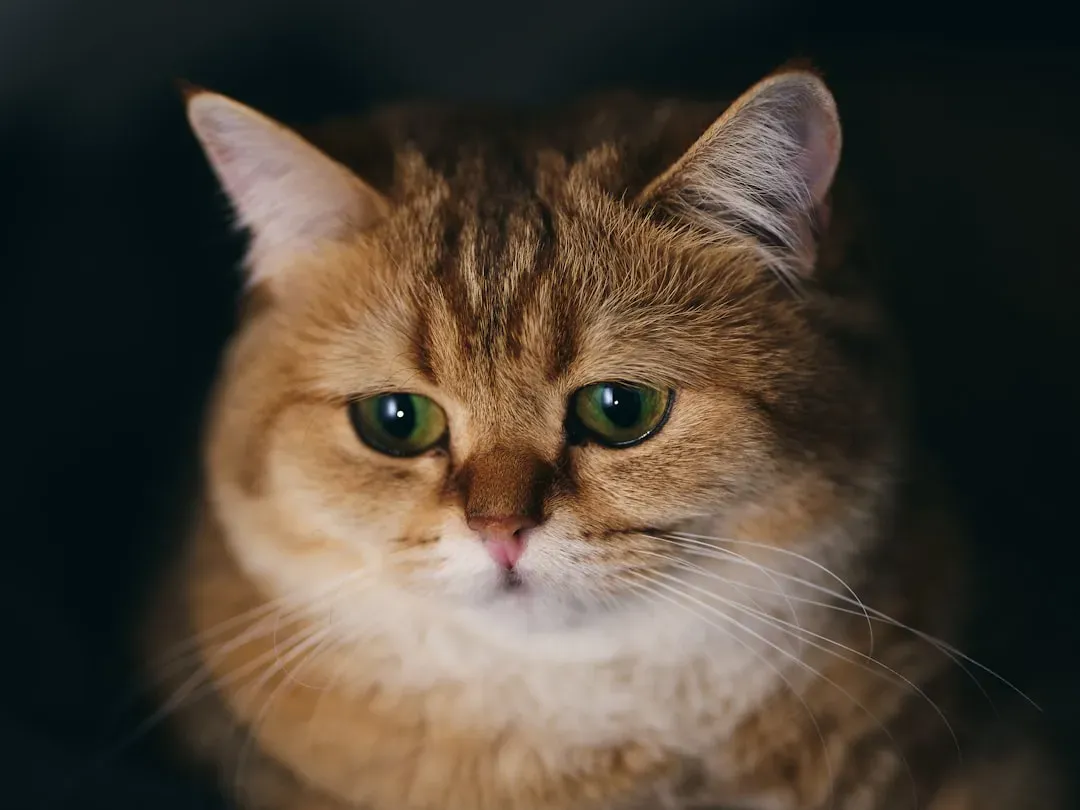
Cats scratch the furniture, knock things off counters, or bite during play. The instinct for many owners is to scold, spray with water, or tap the cat on the nose to discourage the behavior. The problem is, this approach tends to make things worse.
While dog training has made great strides in promoting the use of positive reinforcement, the use of deterrents such as water-squirt-bottles are still used with cats. Squirting a cat with water because the cat is doing something you dislike only serves to make the cat wary of you, and does not really stop the behavior. Swatting your cat for unwanted behaviors is a sure way to break their trust and damage your relationship with them. By nature, cats are dominant, independent animals, which makes them reactive to physical discipline. If you see your cat doing something less than desirable, break their attention by clapping your hands, whistling, or speaking sternly to them. Redirect them to a desired behavior, and reward them with a pet or a treat.
10. Dressing Them Up in Costumes or Clothing
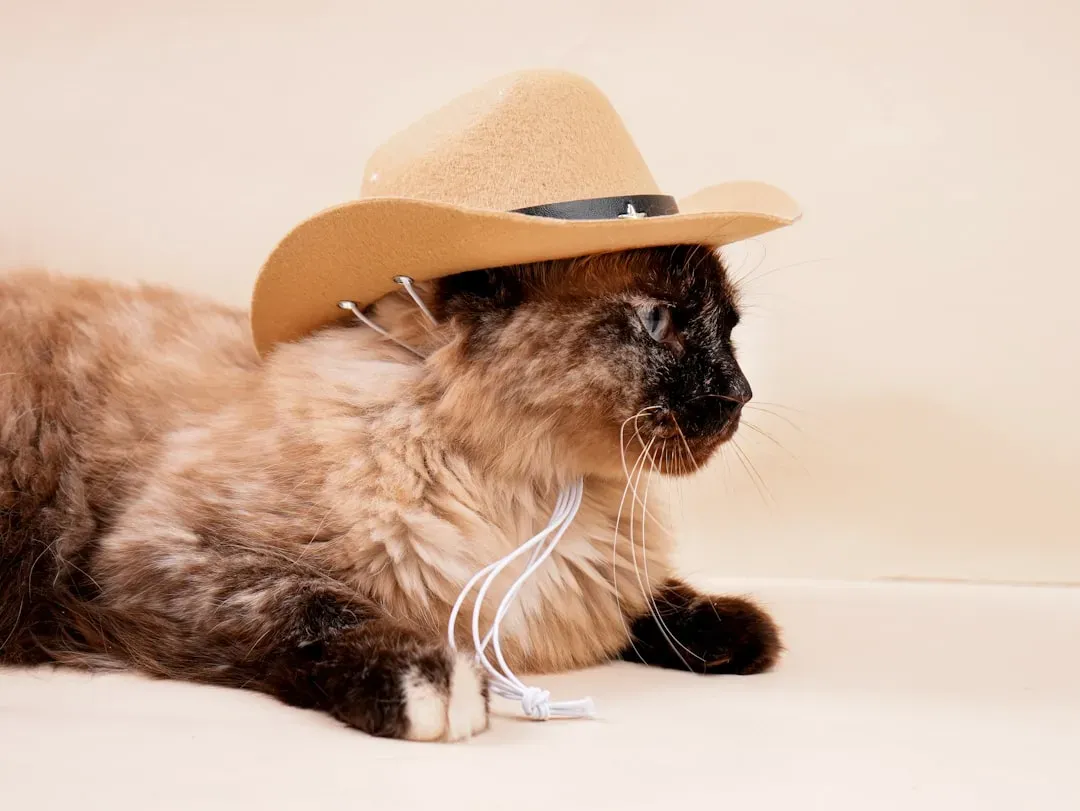
Halloween rolls around, or a funny idea strikes, and suddenly your cat is being fitted for a tiny tuxedo or a holiday sweater. The photo looks adorable on your phone. Your cat, almost certainly, does not share your enthusiasm.
Cats don’t like to have things added to their fur, mainly because they simply don’t need it, and extra clothing can make them feel uncomfortable and restricted in their movements. Many times dressing a cat is just wishful thinking on the part of the owner to fulfill a personal preference without a real need. Therefore, if not necessary, do not force the cat to wear clothes. Some cats do not enjoy being dressed up in costumes, though humans persist in this behavior. Every cat is an individual, so you may have a cat that actually enjoys this, but make sure you really look at the body language and how the cat acts.
11. Introducing New Pets Without a Proper Transition
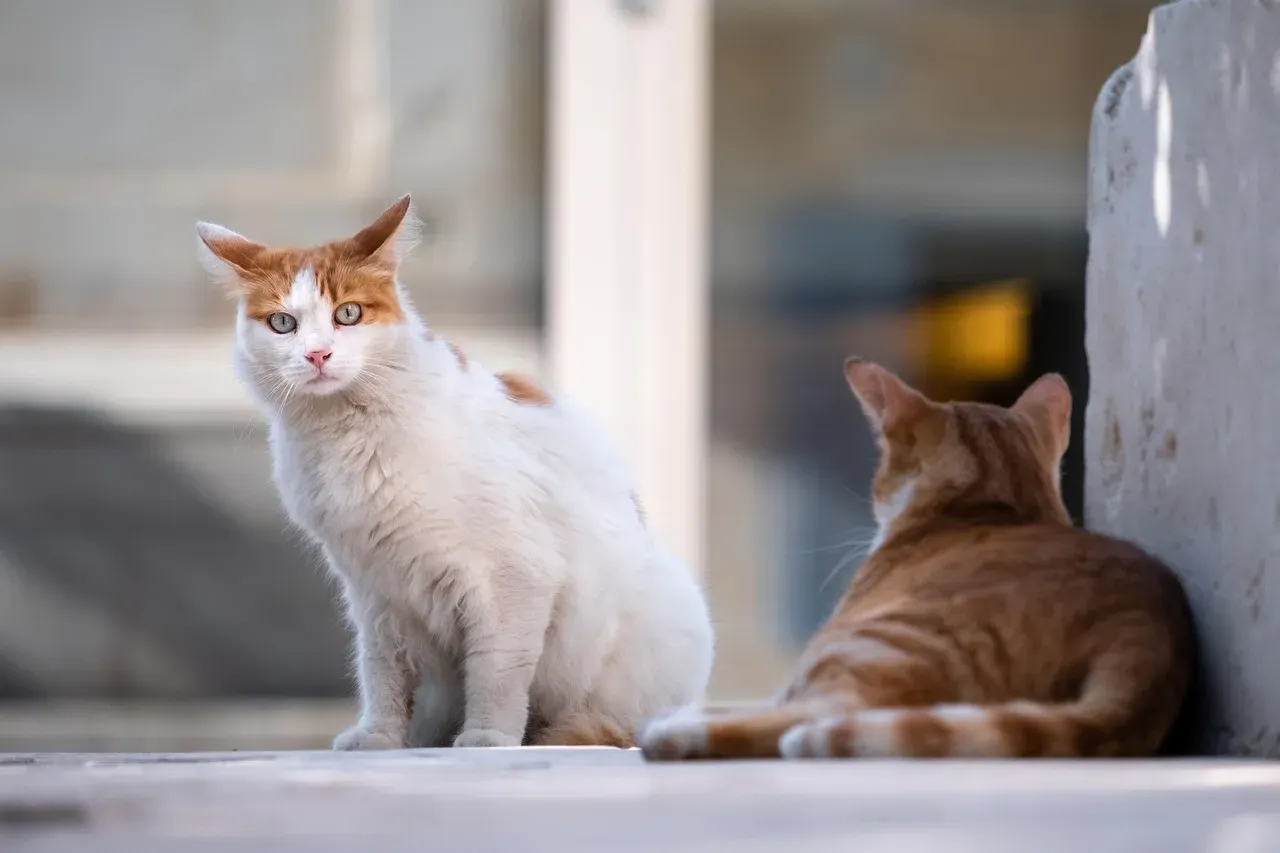
You bring home a new kitten or puppy and expect your resident cat to simply adjust. After all, animals are adaptable, aren’t they? In reality, cats are deeply territorial, and the sudden appearance of another animal in their space can trigger genuine distress.
Cats are territorial animals; they communicate via scent and pheromones. Bringing another cat home and expecting the resident cat to cooperate immediately can end up in aggressive behavior quickly. Lots of cats love having cat companions, but it can take a long time for them to warm to the idea. If you just drop a new cat in your home, your current kitty will likely act out with fear or aggression. A slow, scent-based introduction done over several weeks is always a better approach than throwing everyone together at once.
12. Serving Cold Food Straight From the Refrigerator
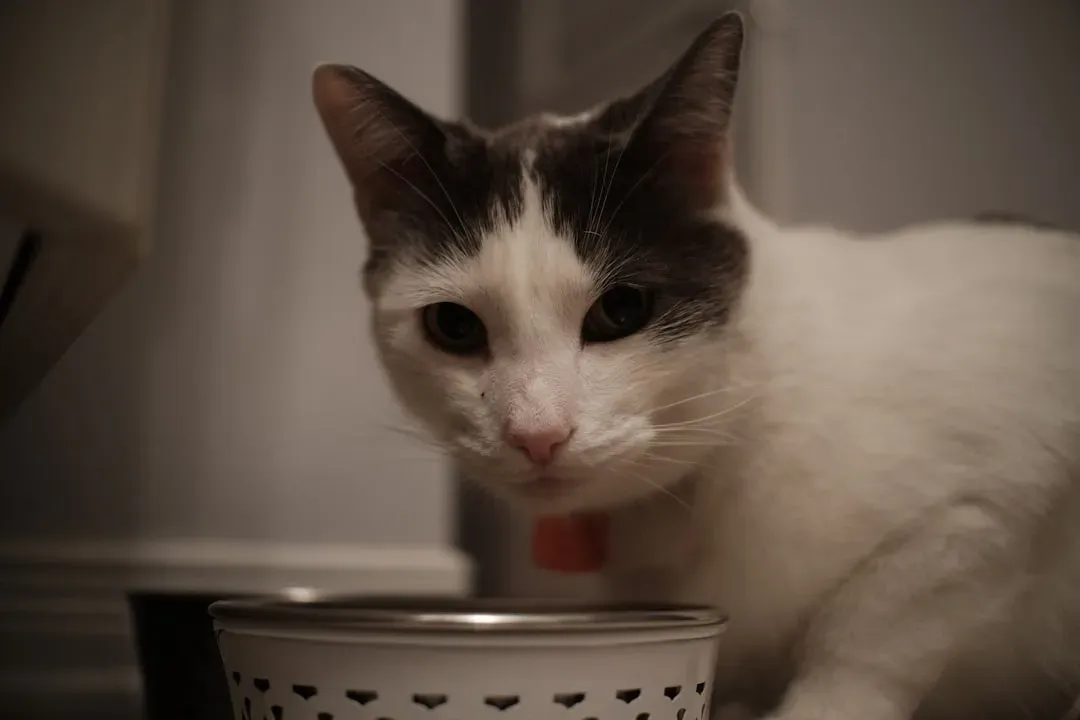
You open a can of cat food, spoon out the second half that’s been sitting in the fridge since yesterday, and set the bowl down. Your cat sniffs it, gives you a look of pure disappointment, and walks away. This isn’t your cat being dramatic – there’s a real reason behind it.
Cats prefer lukewarm food – lukewarm like in prey body temperature warm. Food coming out of the refrigerator is usually not very desirable. Many cats don’t like to eat the second half of a can of food coming out of the refrigerator. Cats also don’t like their whiskers to touch the sides of the container when they are eating or drinking. Try a small plate for food. Small adjustments like warming food slightly and using a shallow, wide dish can make mealtime noticeably more pleasant for your cat.
A Final Thought
None of these habits make you a bad cat owner. Most of them come from a place of affection, curiosity, or simple routine. The encouraging part is that once you understand why your cat reacts the way they do, small adjustments come naturally.
Just as with humans, cats have preferences and react to both positive and negative experiences. Although they’re very tolerant of the mistakes humans make, certain behaviors family members do can cause stress and damage the bond. The more you learn to read your cat’s signals, the less guesswork is involved on both sides.
Cats have shared our lives for nearly ten thousand years. They’re not mysterious creatures so much as creatures who communicate differently. Take time to listen in their language, and you’ll likely find they’re far more willing to meet you halfway than you ever expected.
Kristina is a young writer from India. An arts graduate and an avid content creator, Kristina is passionate about animals and wildlife. She enjoys exploring topics related to pet care, animal behavior, conservation, and nature, combining thorough research with engaging storytelling.