Few assumptions about pets are held as firmly as this one: cats don’t need you. You’ve probably heard it framed as a selling point. “Get a cat,” people say, “they take care of themselves.” They’re portrayed as creatures who tolerate your presence rather than seek it, who would survive perfectly well without you and who simply choose to stick around because the food is free.
The reality is quite different, and science has been building a compelling case against the independence myth for years. The misconception that cats are independent and require little or no care causes many of them to suffer needlessly, both physically and emotionally. What you think you know about cats may be based less on their actual behavior and more on a cultural story we’ve told ourselves for generations.
You’ve Been Misreading “Solitary” This Whole Time
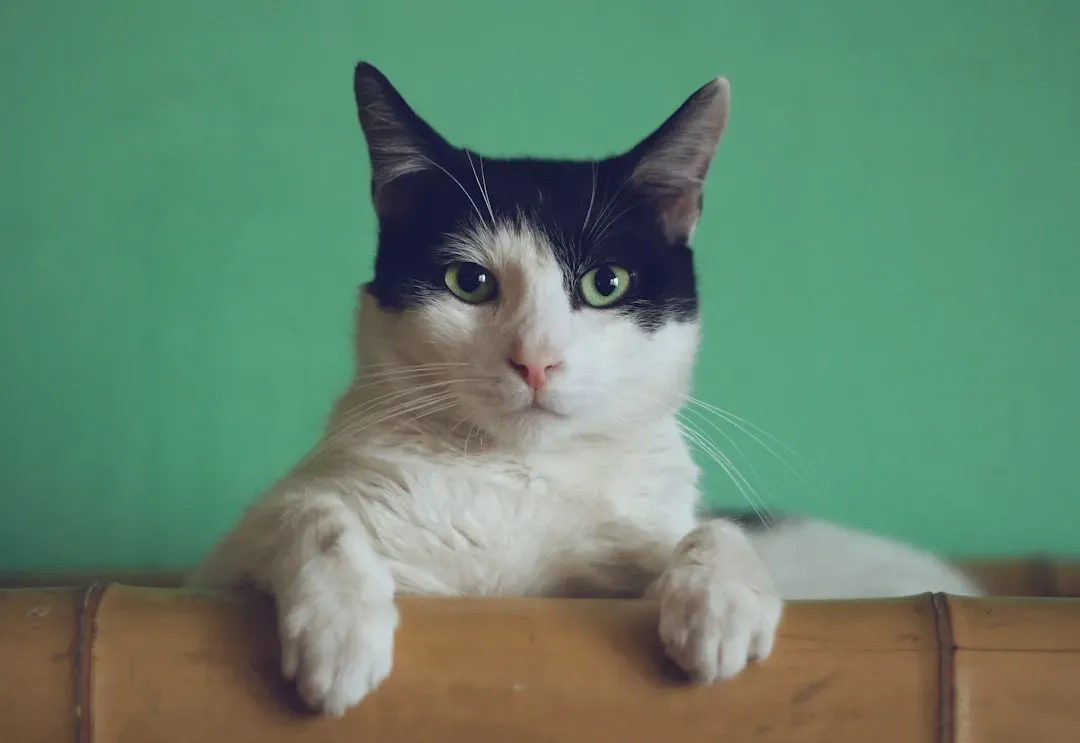
When people call cats solitary, they’re usually pointing to hunting behavior. The widespread belief that cats prefer isolation largely comes from how they hunt. Cats hunt alone because it reduces competition and increases efficiency, but this behavior applies only to hunting. The problem is that we’ve been drawing the wrong conclusion from that single observation.
Cats are socially flexible animals who hunt alone because their typical prey is single-meal sized, not because they are fundamentally antisocial. This reframing, supported by decades of research, resolves the apparent contradiction between cat sociability and independence. Solitary hunting and social detachment are not the same thing, and conflating the two has caused a lot of unnecessary confusion about who cats actually are.
Your Cat Sees You as a Secure Base, Not a Food Dispenser
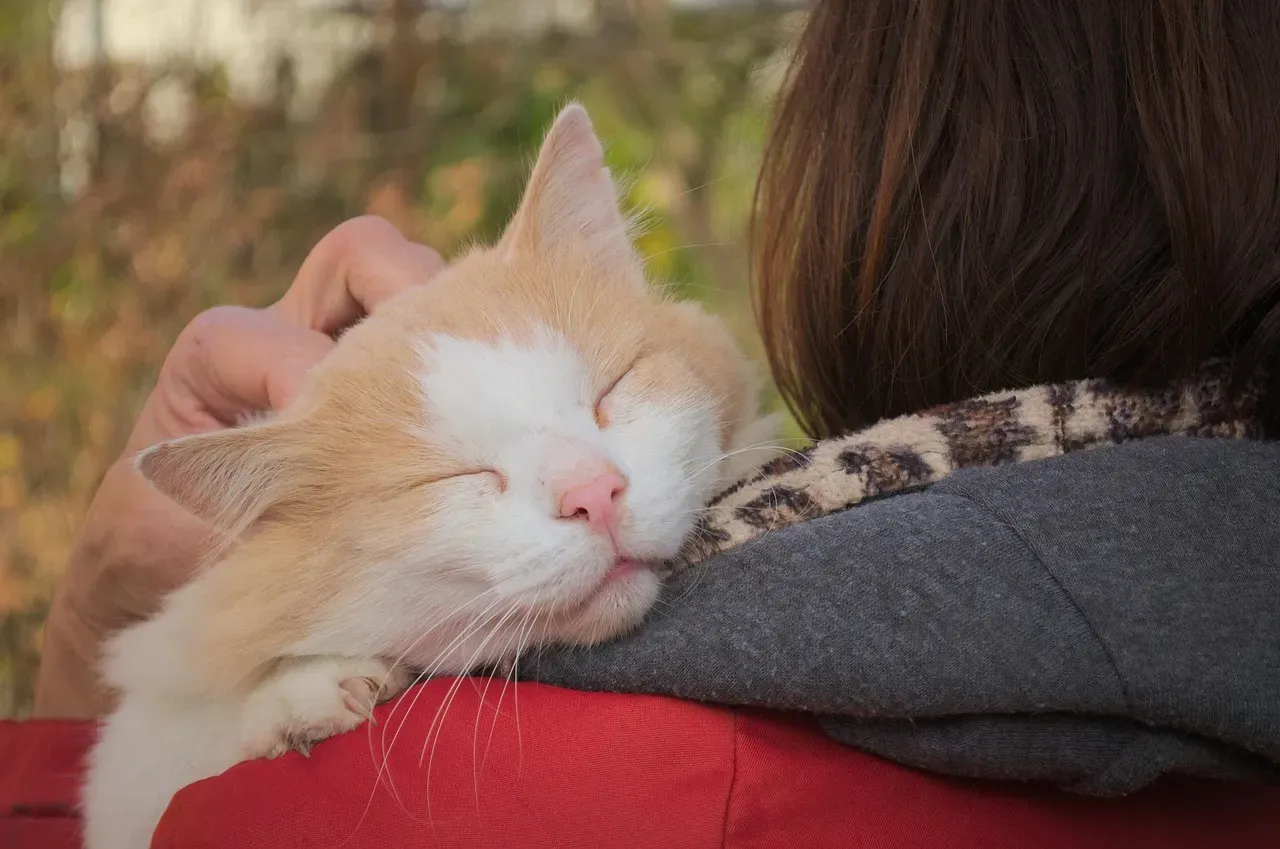
There’s a test typically used on humans and other primates to measure attachment to caregivers, called the Secure Base Test. During this test, a cat is observed spending two minutes in an unfamiliar room with her guardian, then two minutes alone, and then two final minutes in a reunion with her guardian. Cats are evaluated based on their behaviors during these sessions.
Results of the Secure Base Test with cats showed that cats have a similar capacity for secure attachment to their guardians as human children do to their parents, and dogs to their guardians. In other words, your cat doesn’t just see you as a convenience. The majority of cats view their owners as a source of comfort and security, just like dogs do. That’s not a minor finding. That fundamentally reframes the relationship.
The Numbers Tell a Story You Might Not Expect
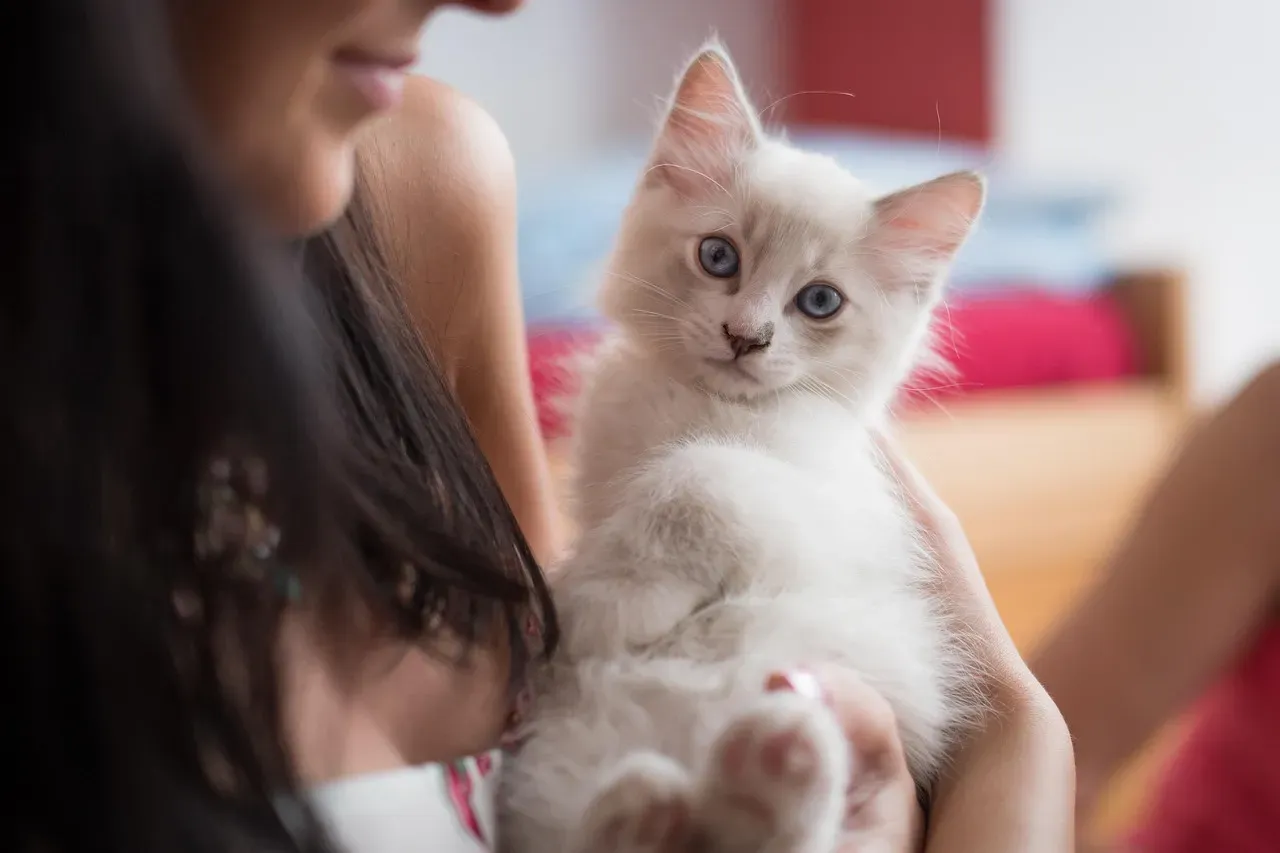
A study of the way domestic cats respond to their caregivers suggests that their socio-cognitive abilities and the depth of their human attachments have been significantly underestimated. When researchers actually quantified the results, the picture became hard to dismiss.
Researchers classified roughly two thirds of both cats and kittens as securely bonded to their people. The findings show that cats’ human attachments are stable and present in adulthood. Pet cats form attachment bonds to human caretakers, forming secure attachments at roughly the same rate as has been observed in dog-human bonds and human infant-caregiver bonds. That rate of secure bonding isn’t a curiosity. It’s a pattern.
Feral Cats Build Complex Social Worlds of Their Own
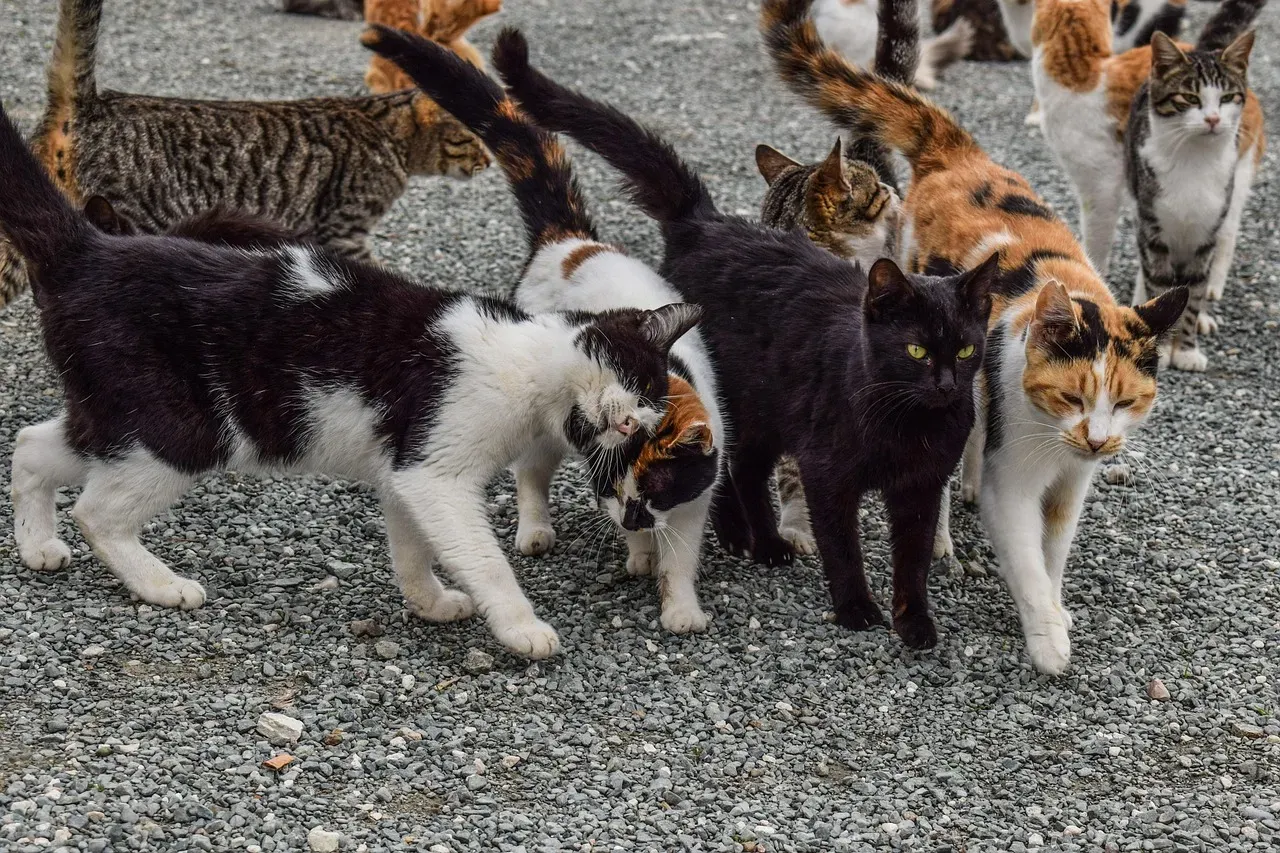
If cats were truly solitary by nature, you’d expect to see that reflected even in environments where humans have no influence. When resources permit, cats readily form social groups. Feral cat colonies organize into structured matrilineal societies with cooperative kitten care, shared territory defense, and complex social hierarchies. The cats in these colonies engage in allogrooming and allorubbing to maintain group cohesion.
An increasing body of research has made it clear that while the feral and free-living domestic cat can survive in the solitary state when food resources are widely distributed, social groups with internal structure are formed whenever there are sufficient food resources to support a group. In many cases, cats within the colony appear to display affiliative bonds with certain cats over others, the direction of these interactions appears to be stable, and cats from outside groups are likely to receive increased aggression from group members. That’s not random proximity. That’s social structure.
Your Cat Actually Suffers When You Leave
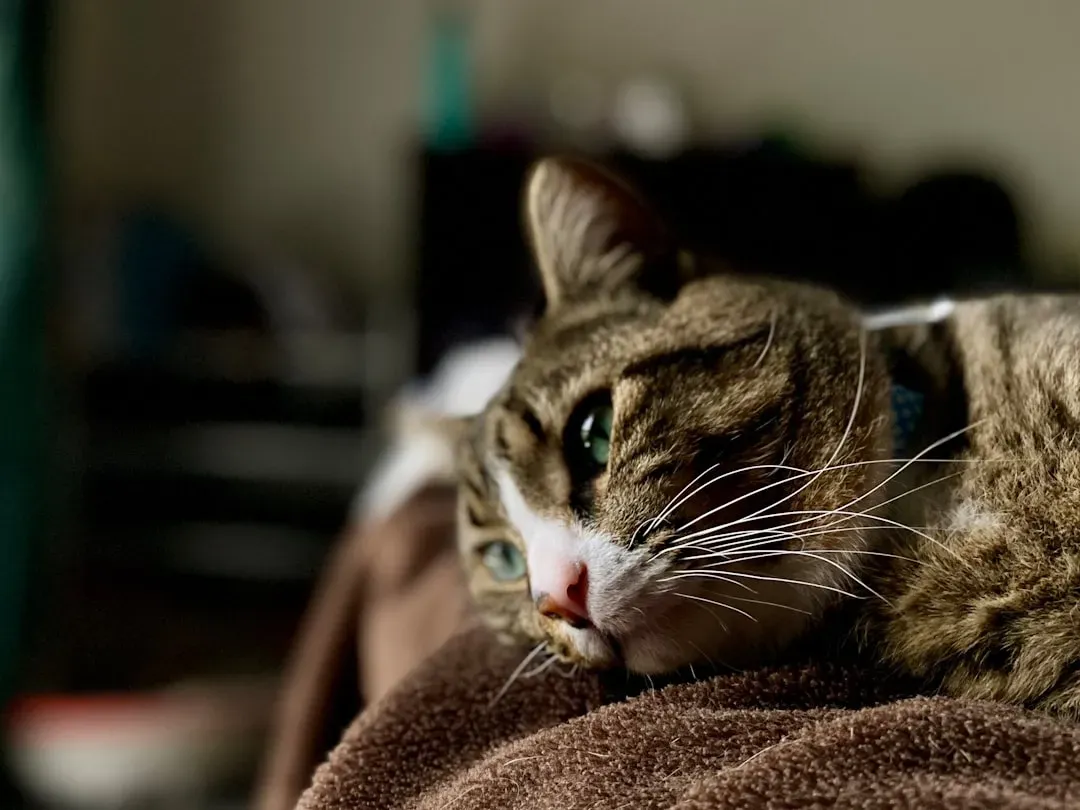
One of the most persistent elements of the independence myth is the idea that you can leave your cat alone for extended periods without consequence. Cats need your companionship, and in fact some will go through separation anxiety if left alone too often or for too long, something most people only associate with their canine counterparts.
It’s a common myth that cats don’t care when their humans leave. In reality, many cats experience separation anxiety, displaying signs of distress like excessive meowing, destructive behavior, or even refusing to eat when left alone. These behaviors aren’t acts of rebellion, they’re cries for comfort and connection. A cat may not display separation anxiety in the way we associate with dogs, so it can be easy to overlook the signs that a cat is concerned and confused. That subtlety is easy to mistake for indifference.
Your Cat Communicates With You More Than You Realize
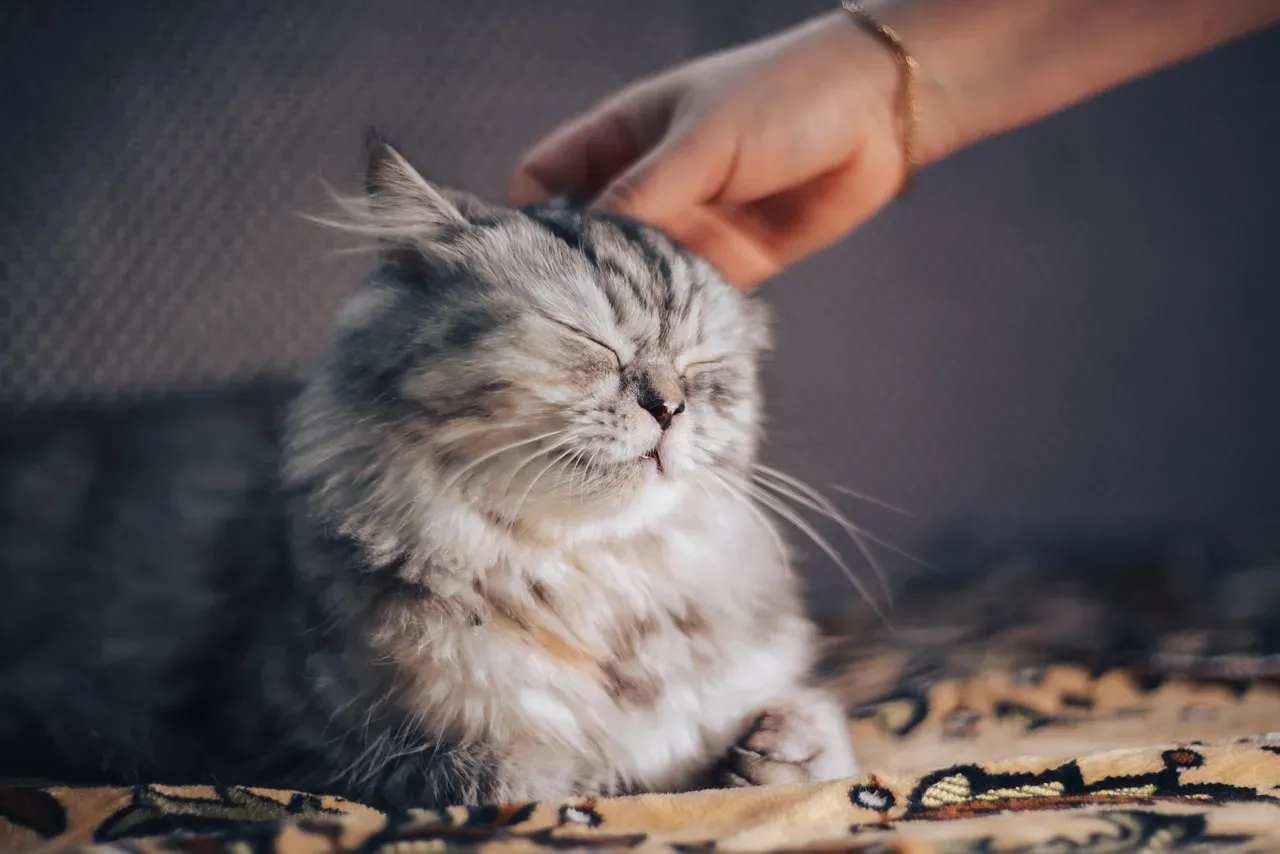
You might assume that because your cat doesn’t bark, wag a tail, or sprint to the door, it isn’t really communicating. That assumption sells cats short in a significant way. Cats have been shown to recognize when a human says their name, engage in social referencing, and use some forms of synchronized non-verbal communication with human owners, such as slow blink-matching, wherein a cat opens and closes its eyes in a series of slow blinks more frequently when their owners blink at them.
By observing cat-human interactions, scientists confirmed that the slow blink gesture makes cats, both familiar and strange, more likely to approach and engage with humans. Evidence of successful vocal communication between cats and humans includes the fact that cats emit specific solicitation purring to their owner at feeding, and are able to differentiate between an owner’s and a stranger’s voice, as well as distinguish their name from similar-sounding words. Your cat is paying close attention to you. The question is whether you’re returning the favor.
Early Socialization Shapes Every Cat You’ve Ever Met
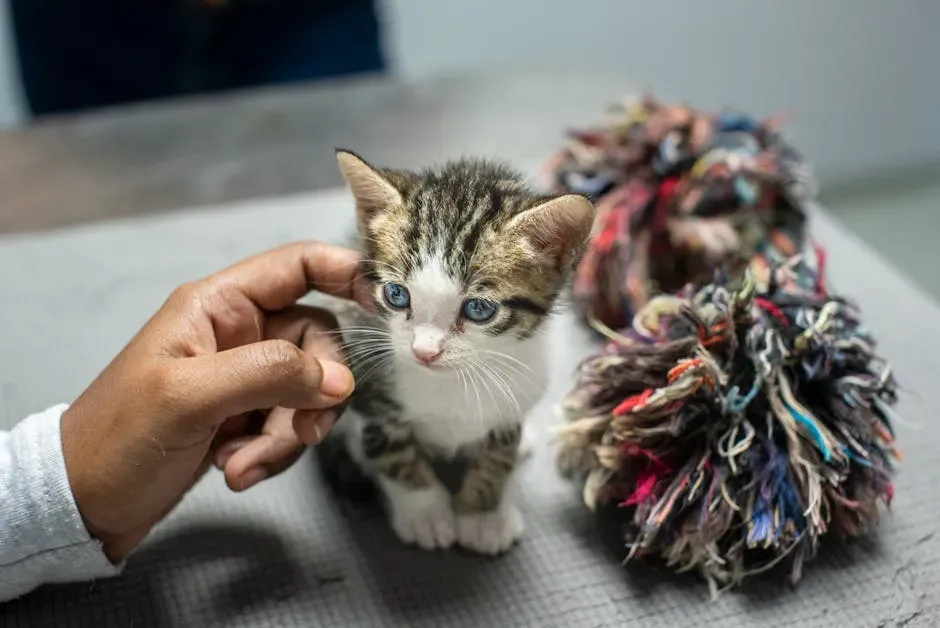
The personality of the cat curled up on your couch didn’t appear out of nowhere. Kittens handled gently and frequently between two and nine weeks of age are more likely to develop positive bonds with humans. Those deprived of human contact during this period may grow anxious or distant, often clinging to one trusted person later in life.
Early socialization helps kittens learn that humans are safe, comforting, and reliable. Kittens who miss out on this early bonding window may grow up more wary or distant. This doesn’t mean older cats can’t form attachments, it just might take a little more patience and trust-building. Domestic cats, like domestic dogs, are facultatively social, meaning that their social behavior is flexible and heavily influenced by their early development and lifetime experiences. That word “flexible” matters more than people give it credit for.
The “Low Maintenance” Label Is Actively Harming Cats
The idea that cats are low-effort pets isn’t just a misconception. It has real consequences. Despite the cat’s popularity as a companion species, many owners and practitioners lack high-quality information about important aspects of their behavior and management. Myths, anecdotes, and narratives of cats as ‘low maintenance, self-sufficient’ animals are pervasive, and the degree to which these may underlie complacency about fully meeting cats’ needs is unknown.
Scientific literature highlights a set of recurrent beliefs, such as the perception of cats as independent and non-social animals incapable of forming emotional bonds with their guardians. Although widespread, many of these beliefs lack empirical support. Identifying and fostering critical reflection on such beliefs can contribute to deconstructing them, improving the guardian-cat relationship and enhancing the welfare of both cats and humans. When you treat a social creature as though it needs nothing from you, you’re not giving it freedom. You’re denying it something it actually needs.
Your Cat Is Reading Your Emotions Right Now
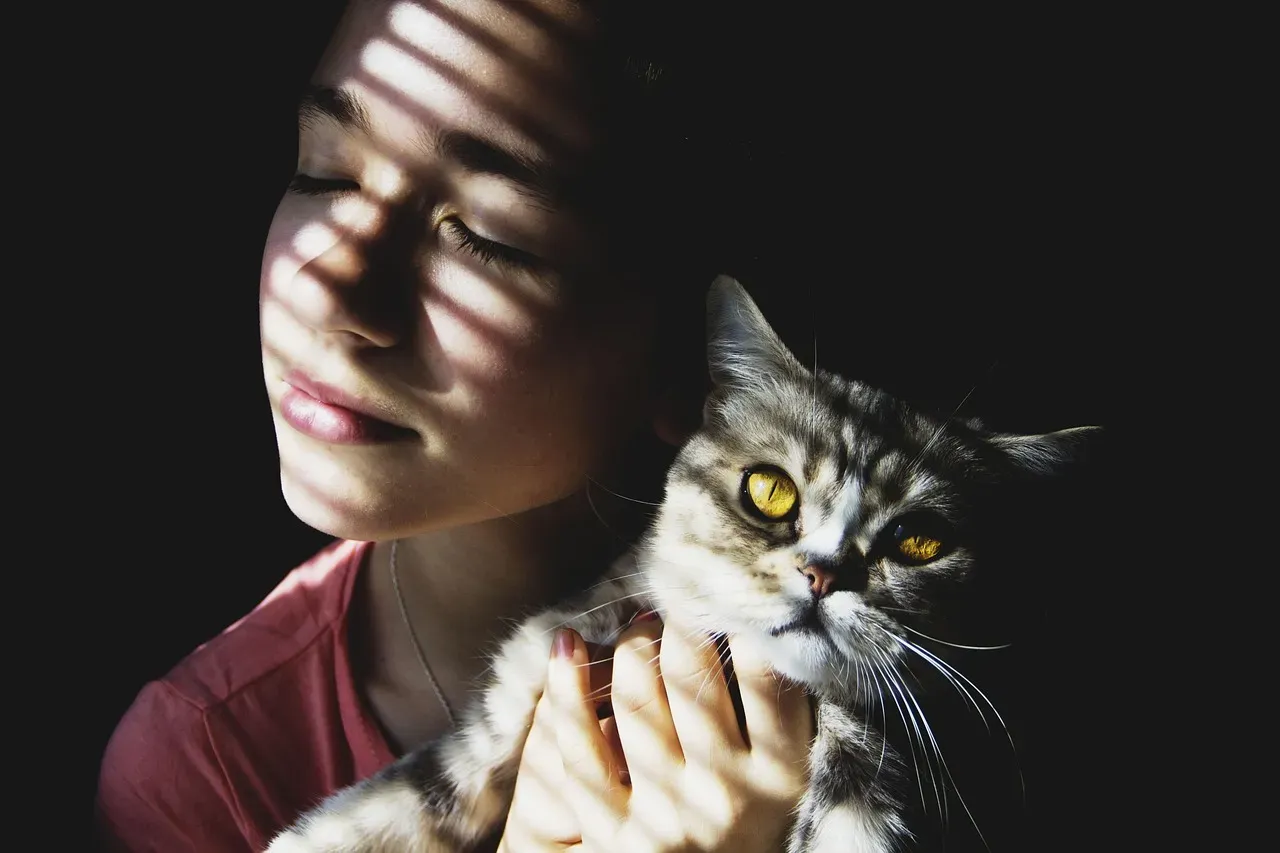
You’ve probably noticed that your cat sometimes gravitates toward you when you’re having a rough day. That’s not coincidence. There is circumstantial evidence that cats may be sensitive to human emotional cues, displaying more allo-rubbing toward owners in a depressed mood. Cats also alter their behavior in different ways depending on the emotional cues presented by a familiar human.
Cats are capable of great social sensitivity, which means they are good at understanding social cues. Common misconceptions that cats need less social interaction, or are more independent, can impact both the amount and quality of social interactions we offer cats. That matters because what we offer shapes how cats respond. A cat who receives consistent attention and care tends to show it back in ways that are subtle but real, and distinctly feline.
Conclusion
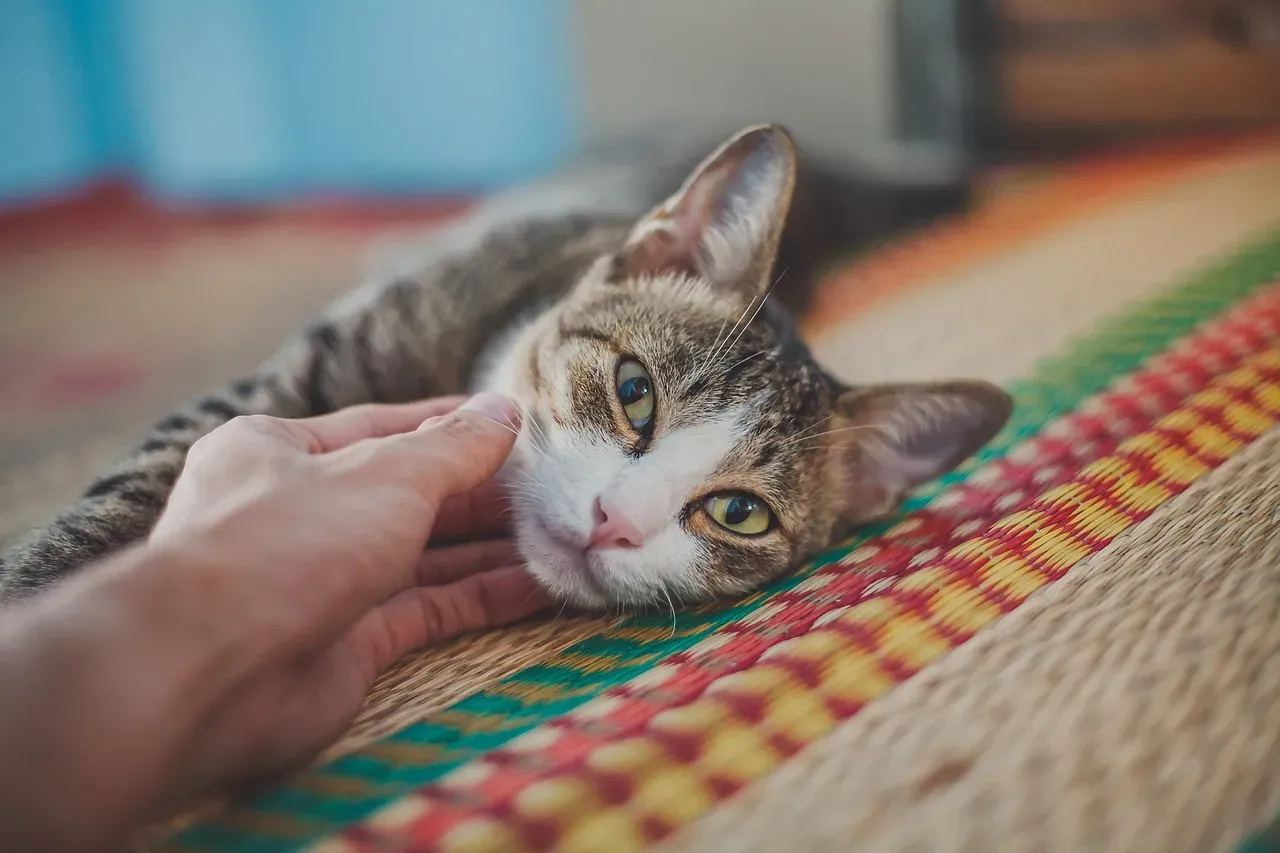
The independence myth around cats has been convenient, but the evidence doesn’t support it. What research consistently shows is a picture of animals that bond deeply, feel your absence, track your emotional state, and communicate in ways that are easy to miss if you aren’t paying attention.
Cats don’t need you the way a golden retriever does. Their needs are expressed differently, their boundaries are clearer, and their affection tends to be offered on their own terms. The idea of cats as strictly solitary animals is outdated. Cats are socially adaptable, and their behavior is shaped by environment and resources rather than a fixed preference for isolation. Recognizing this complexity allows for more informed decisions in cat care and supports healthier outcomes.
Understanding who your cat actually is, rather than who the myth says they should be, is one of the more worthwhile things you can do for them. They’ve been trying to tell you something for years. It might be worth listening.
Kristina is a young writer from India. An arts graduate and an avid content creator, Kristina is passionate about animals and wildlife. She enjoys exploring topics related to pet care, animal behavior, conservation, and nature, combining thorough research with engaging storytelling.