Most cat owners have glanced over at the water bowl and thought nothing of it. A cat crouches, laps a few times, and walks away. Simple enough. Yet what’s actually happening in those few seconds is a feat of biological precision that took physicists, engineers, and high-speed cameras to fully unravel.
Your cat’s drinking habits, from the angle of her chin to the number of laps she takes, are shaped by millions of years of evolution, subtle health signals, and sensory preferences most people never consider. Pay attention to how and how much your cat drinks, and you’ll find yourself reading a surprisingly detailed window into her wellbeing.
The Physics Behind Every Single Lap
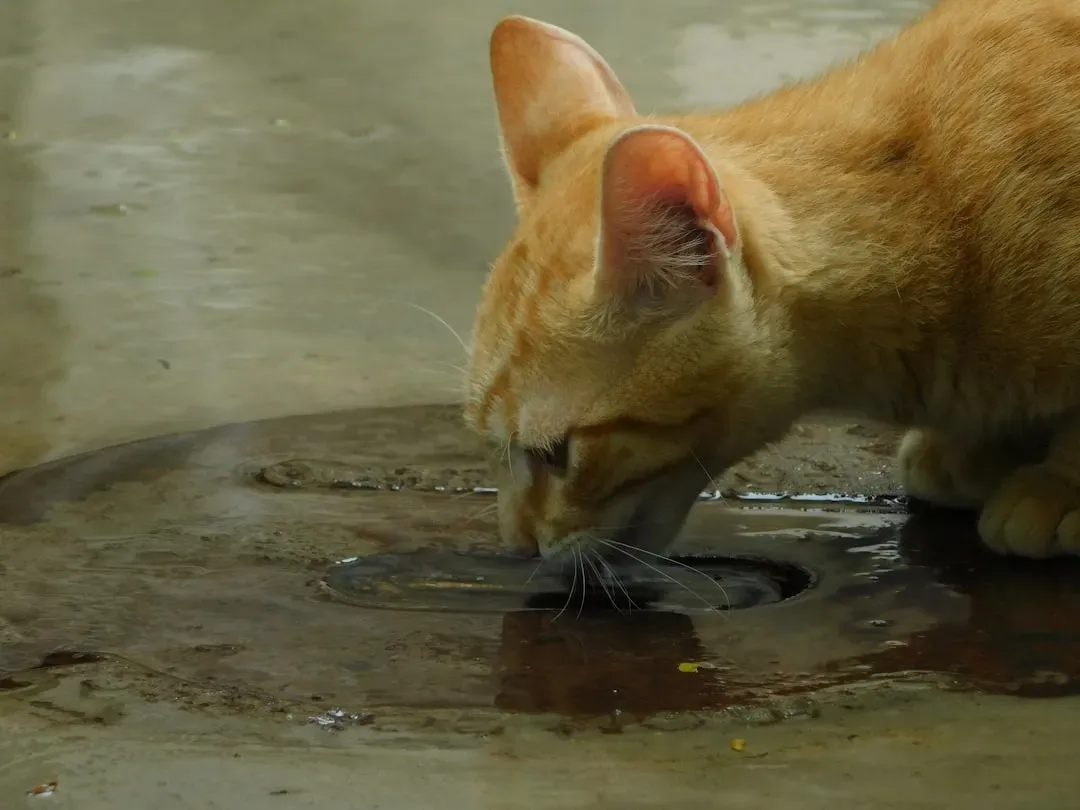
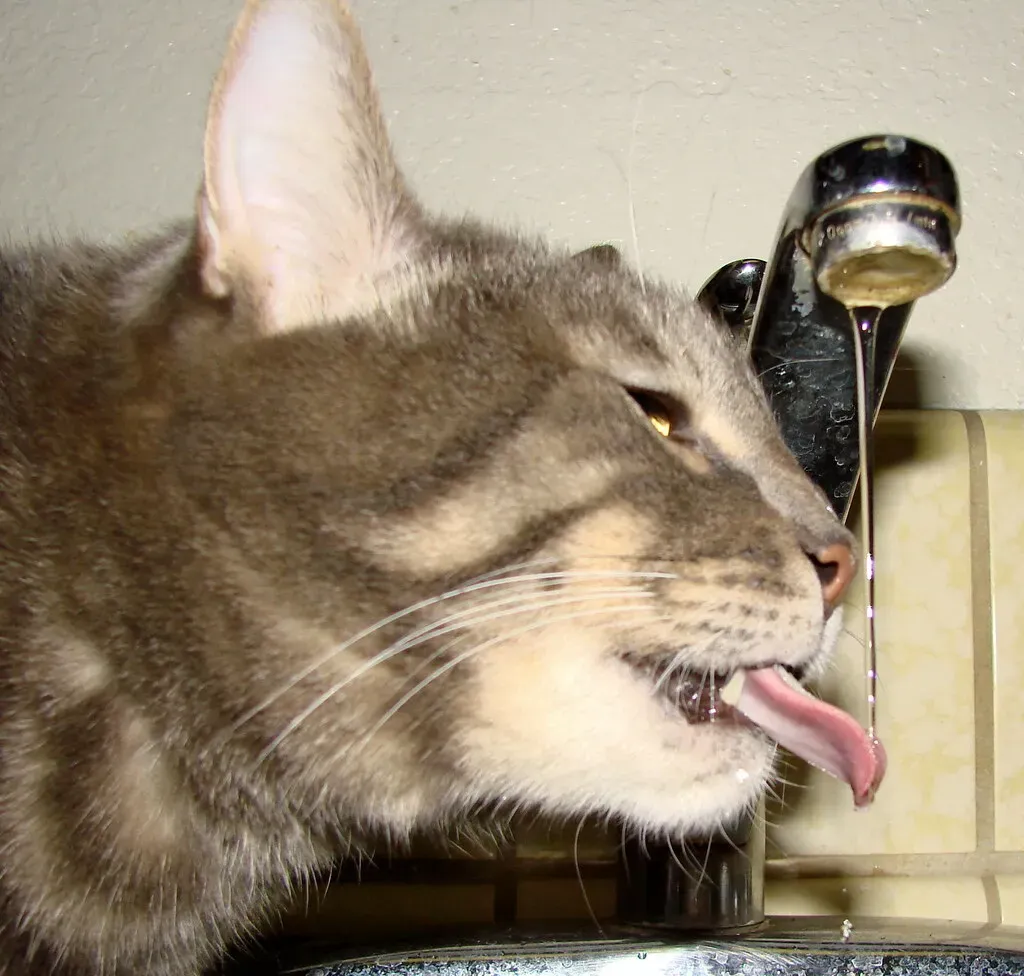
Fluid mechanics scientists have learned that instead of scooping up water with their tongues, cats delicately flick them on the surface of the water, creating a jet they catch in their mouths. This is the opposite of what most people assume, and it holds up under intense scientific scrutiny.
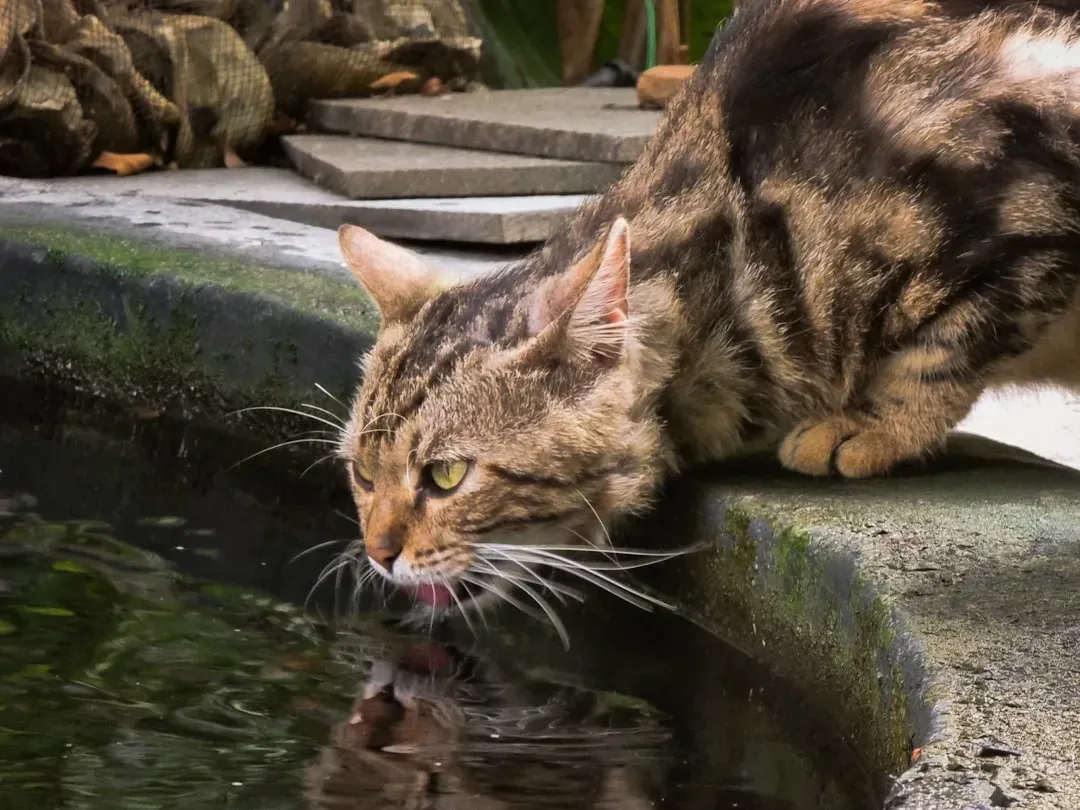
When a cat drinks, it extends its tongue straight down toward the bowl with the tip curled backward, so that the top of the tongue touches the liquid first. As it does so, a column of liquid forms between the moving tongue and the liquid’s surface, and the cat then closes its mouth, pinching off the top of the column and keeping its chin dry. The whole sequence happens so fast that you simply cannot see it with the naked eye.
Gravity vs. Inertia: A Perfect Balance
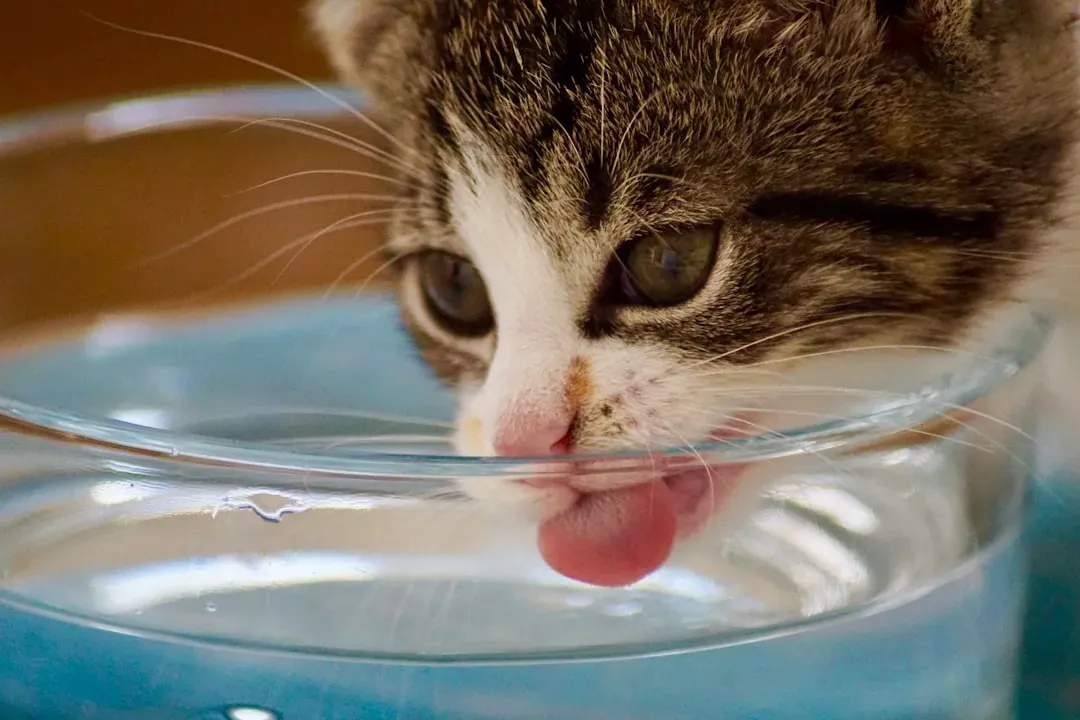
Feline lapping balances the liquid’s inertia, its tendency to keep moving upward as the cat draws its tongue in, against the pull of gravity, which drags the liquid back down into the bowl. To get a satisfying drink, the cat must lap faster than gravity can overtake inertia. Getting that timing right every single time is a remarkable physiological achievement.
While the domestic cat averages about four laps per second, the big cats, such as tigers, know to slow down. Because their tongues are larger, they lap more slowly to achieve the same balance of gravity and inertia. A study published in the journal Science indicates that the secret to cat lapping is a balance between fluid inertia and gravity. The laws of physics, it turns out, apply equally to your tabby and a tiger at the zoo.
Your Cat’s Tongue Is Doing Something Remarkable
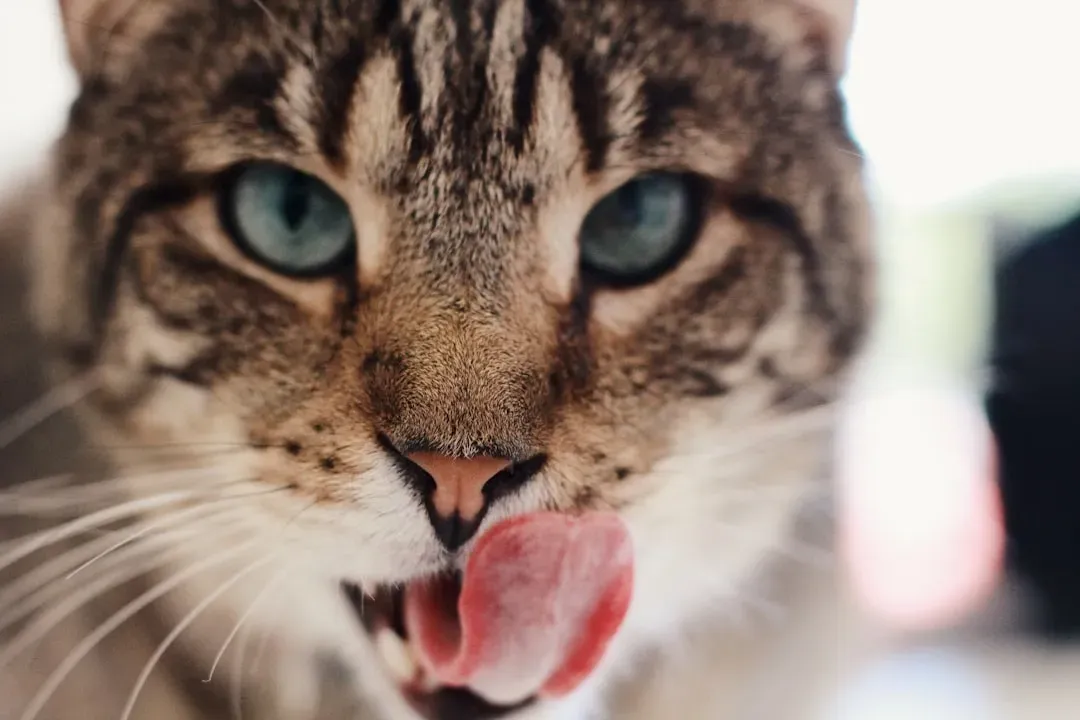
Your cat’s tongue is covered in tiny, hook-shaped bristles called papillae. Just like your fingernails, these bristles are made of keratin, a type of skin protein. Water sticks to this sandpaper-like surface through a process called adhesion. That rough texture you feel when your cat licks your hand is a precision tool, not just a grooming feature.
A surprising finding of research is that the semirigid papillae responsible for the rough texture of the feline tongue did not play any role in drinking. There is no rough texture near the tip of tongue, and only the region near the tip touches the fluid while the cat drinks. So the mechanics of lapping rely on a very small, smooth patch at the very tip of the tongue, making each drink an act of extraordinary precision.
Why Your Cat Keeps Its Whiskers Dry on Purpose
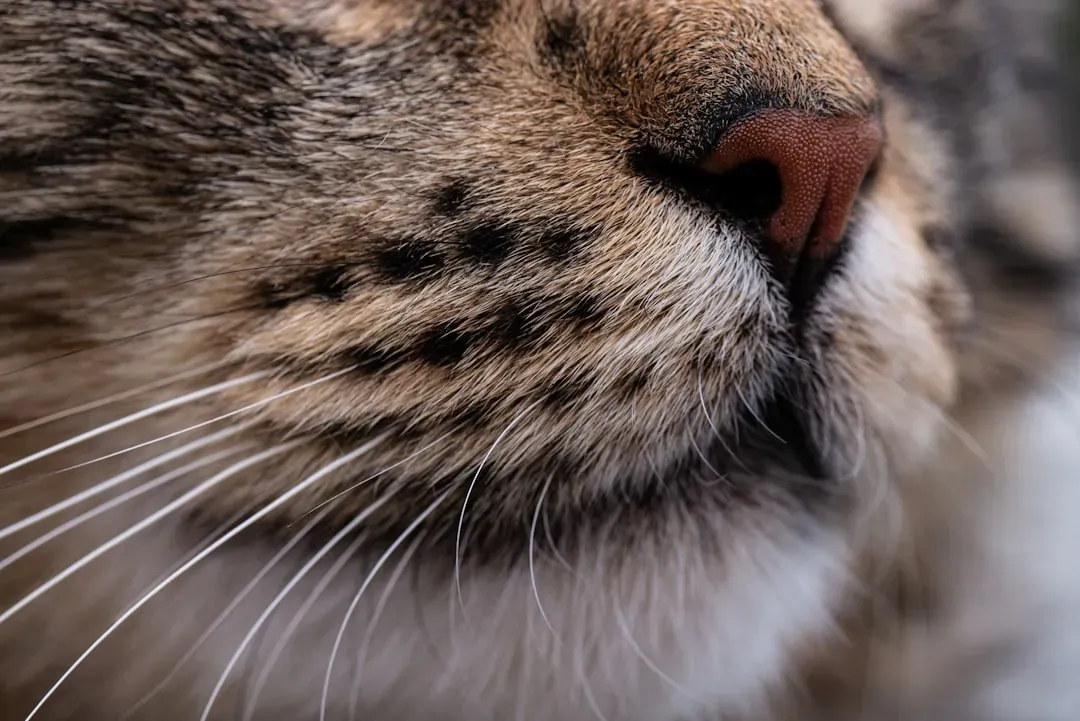
When the cat closes its jaws, it has successfully slurped while keeping its whiskers dry. This is not accidental. It’s speculated by researchers that a cat’s whiskers are delicate sensory tools, which might not work as well when wet. The whiskers of a lapping cat stay dry.
If the cat wishes to capture the most liquid per lap, it should be as far as possible from the water so that the vertical extent of the liquid column is the greatest. Also, the closer the cat is to the water, the greater the chance its whiskers will get wet, and the more its vision is restricted. Every position your cat takes at the bowl is, in a quiet way, a calculated one.
The Desert Ancestry That Shapes Every Sip
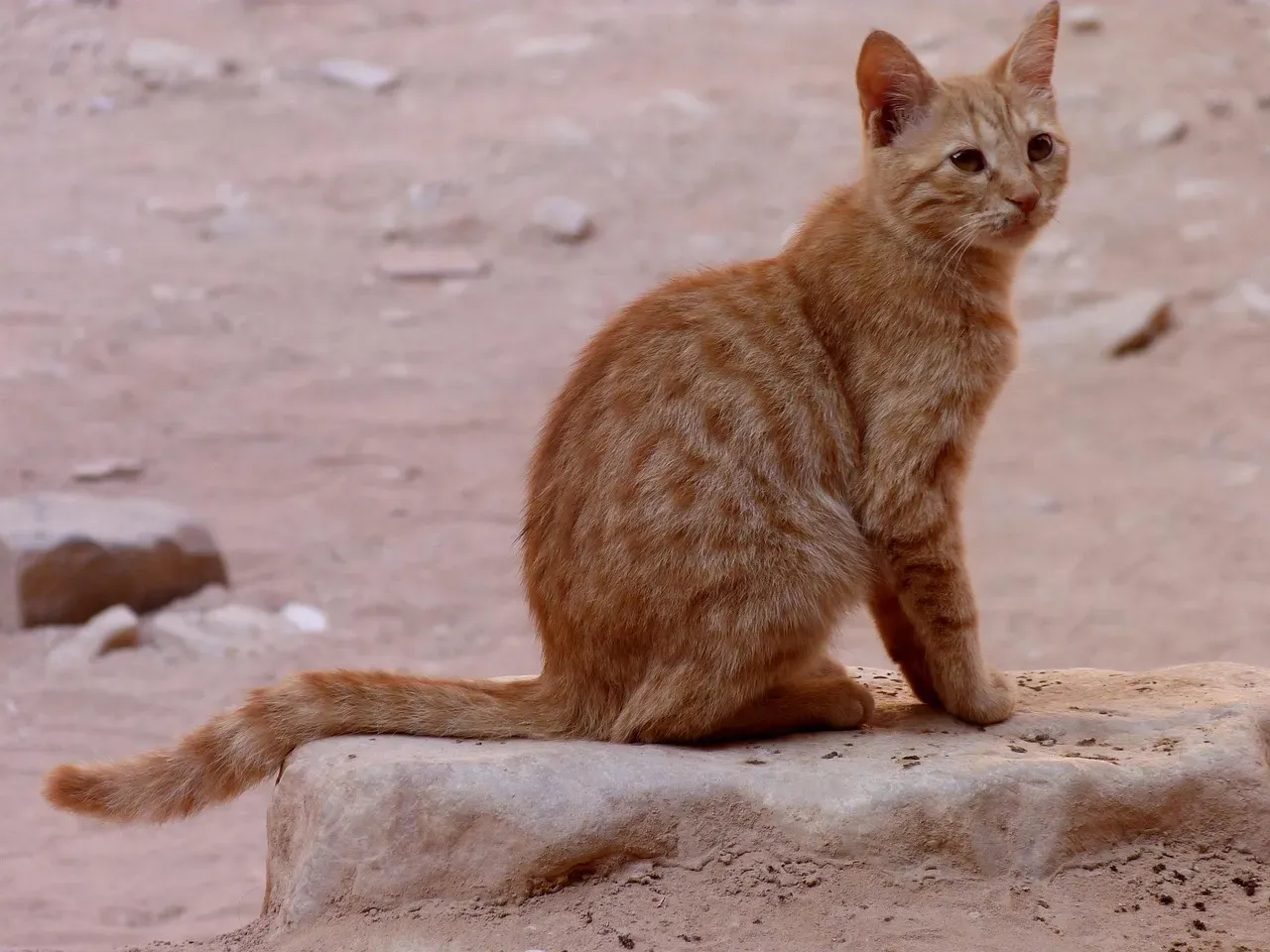
Cats evolved as desert-dwelling carnivores. That means they didn’t have access to a steady supply of safe, clean water. Instead, their systems became accustomed to getting some water from the bodies of the prey they caught and ate. That ancient history is still very much written into your house cat’s biology today.
In the wild, cats’ prey not only provided the necessary nutrients but also up to seventy to seventy-five percent of their water requirements. As obligate carnivores, cats evolved to have a higher tolerance for water deficit and a more concentrated urine compared to many other mammals. Consequently, domestic cats may not exhibit signs of thirst until experiencing up to four percent dehydration. That’s a dangerously delayed signal for an indoor cat living on dry kibble.
How Much Water Your Cat Actually Needs Each Day
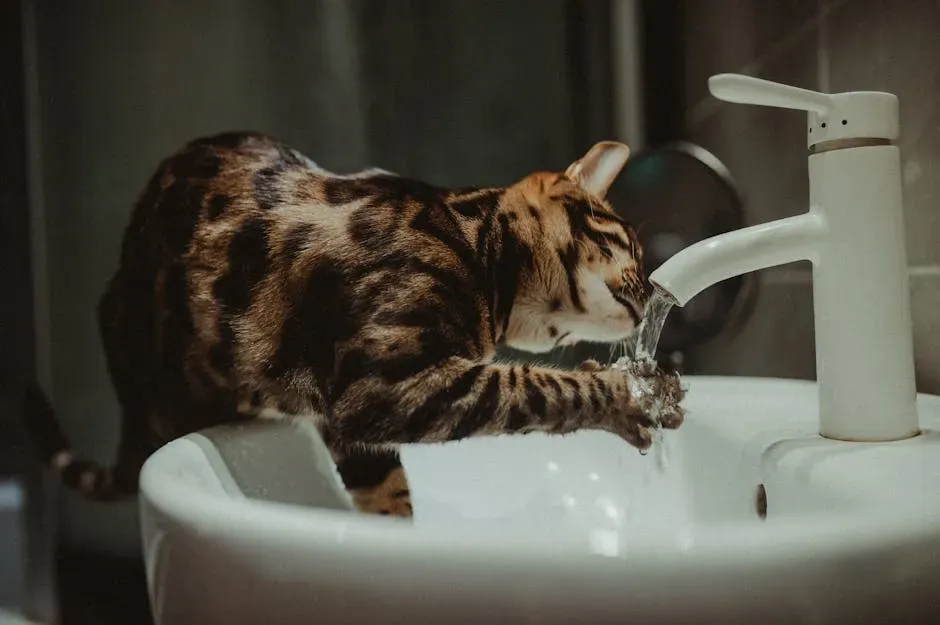
Cats will generally drink about four ounces of water per five pounds of body weight. So a ten-pound cat will typically drink about eight ounces of water every day. Larger cats and very active cats will drink more than smaller or inactive cats. Some cats just naturally don’t drink very much, while others will drink more often.
It’s difficult for even the healthiest of cats to drink the right amount of water because of the unique shape of their tongues. A single lap of water only provides a cat with three one-hundredths of a teaspoon. That means your cat needs to lap hundreds of times just to get through a modest daily requirement. It’s no wonder many cats fall short without a diet that compensates for it.
When Drinking Too Much Is a Warning Sign
Chronic kidney disease is the most common cause of an older cat drinking a lot of water. As cats age, their kidney function can deteriorate. When the kidneys lose the ability to concentrate urine efficiently, the cat loses excess fluid through urination. To prevent dehydration, the cat compensates by drinking massive amounts of water.
Diabetes is frequently seen in overweight or middle-aged male cats. In diabetic cats, excess blood sugar spills over into the urine, pulling fluid with it. This leads to a cycle of frequent urination and extreme thirst. The early stages of kidney disease and diabetes often present only as increased thirst and urination. By the time the cat starts appearing sick with vomiting, lethargy, or hiding, the disease may have advanced significantly. Increased drinking is the early warning sign. Catching it early matters enormously.
When Drinking Too Little Is Equally Concerning
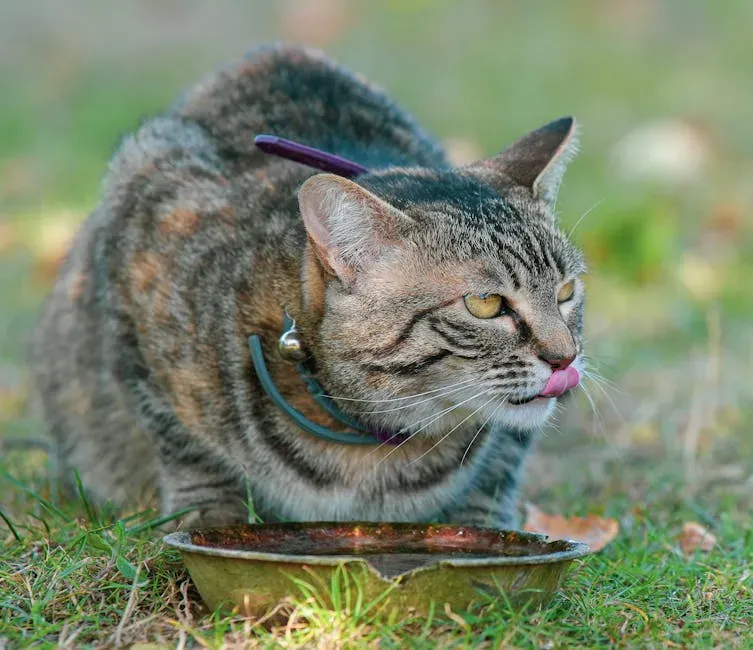
Domestic cats, especially those on dry kibble, may not get enough fluids from food alone. Combine that with a naturally low thirst instinct, and many cats live in a constant state of mild dehydration. The problem is quiet and gradual, which makes it easy to miss.
When cats lose enough fluid to the point of becoming dehydrated, they are also losing key electrolytes and minerals, like sodium, calcium, and potassium, that play important roles in tissue preservation and organ function. Electrolyte imbalances in cats can lead to several health complications and cause disruptions to muscle function, nerve signal processing, and heart rhythm. You can check for early dehydration at home. Skin turgor can be tested by gently lifting the skin over the shoulders and determining how long it takes to snap back to its original position. In normally hydrated cats, this should occur almost immediately.
Bowl Shape, Placement, and the Whisker Factor
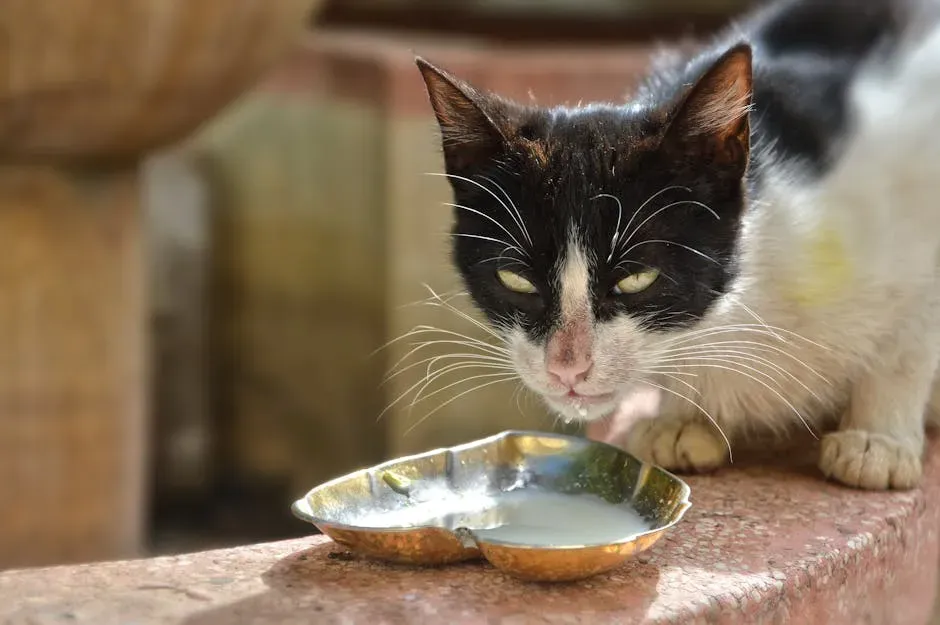
One of the primary reasons cats drink from the edge of their bowl is to avoid touching their whiskers to the sides of the container. Cat whiskers are highly sensitive, and contact with the bowl can cause discomfort or even stress. The theory behind whisker fatigue is that if a cat has to eat or drink from a narrow, high-sided deep bowl, the whiskers may be overstimulated by the sides of the bowl, and that this may give cats an unpleasant sensation. Some refer to this as whisker stress.
Generally, animals tend to favour drinking from glass and ceramic bowls. Avoid placing the water bowl and food bowl next to each other. Although there is no direct evidence that cats dislike drinking near their food, many cats display behaviours indicating they feel more comfortable when these items are separated. In the wild, felines drink away from their kill to avoid contaminating their water source. You can mimic this instinct by placing water bowls in a separate room from their food and litter box.
Why Cats Prefer Running Water Over a Still Bowl
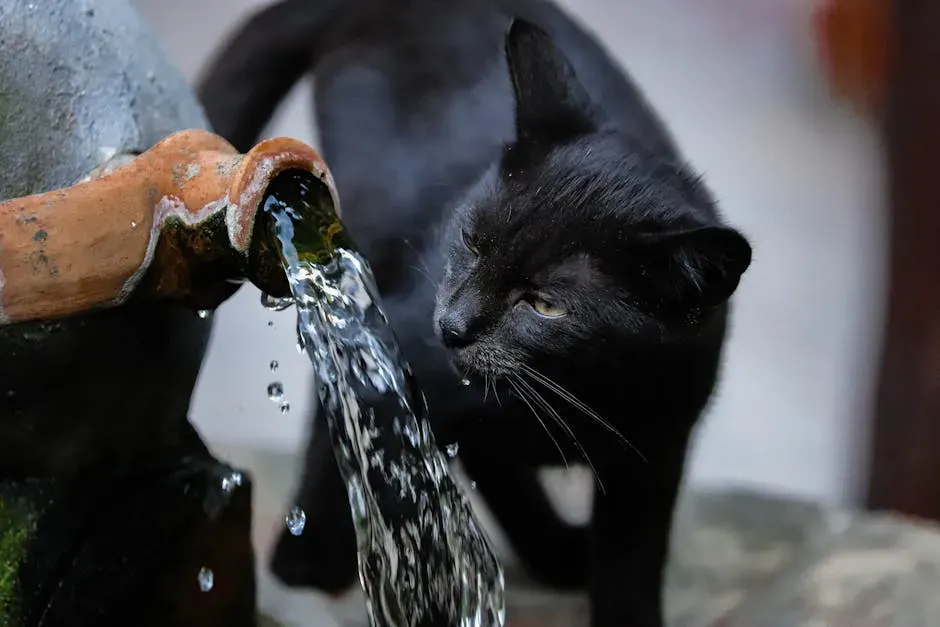
Long before cozy couches and sunny windowsills, cats relied on their instincts to survive in the wild. Still water often meant danger. Puddles and stagnant pools were more likely to harbor bacteria or parasites, while moving water signaled freshness and safety. That instinct has never left your cat, even if the nearest stream is miles away.
Some cats prefer the gurgle of running water compared to stagnant bowls, which is why cat water fountains tend to be quite popular. Some cats increase their intake of water when provided with water fountains, but individual preferences among cats for these varies. If your cat is a reluctant drinker, a simple switch to a circulating fountain can make a measurable difference in how much she actually consumes each day.
Conclusion: A Small Habit That Tells a Big Story
It’s easy to overlook the water bowl as a background detail in your cat’s daily life. But every lap your cat takes is a tiny crossroads of physics, instinct, health, and preference. The speed of the tongue, the position at the bowl, the number of visits each day – each of these tells you something, if you know how to look.
Keeping track of your cat’s drinking habits takes almost no effort, but it can give you an early heads-up on health changes that might otherwise go unnoticed for months. By monitoring your cat’s water intake and observing for additional symptoms, you can help your veterinarian identify potential issues early. Sometimes the quietest habits carry the loudest signals. Your cat’s water bowl is one of them.
Kristina is a young writer from India. An arts graduate and an avid content creator, Kristina is passionate about animals and wildlife. She enjoys exploring topics related to pet care, animal behavior, conservation, and nature, combining thorough research with engaging storytelling.