Cats have shared human homes for thousands of years, yet they remain surprisingly misunderstood. Despite the growing preference for cats as companion animals, beliefs and misperceptions about them are still common, and cultural and sociodemographic aspects can influence society’s attitudes toward cats, affecting the way they are kept and cared for and, consequently, their welfare.
What you think you know about your cat may be shaped more by folklore, cartoons, and casual assumptions than by actual science. These beliefs are neither trivial nor inconsequential. They shape how you treat cats and your relationship with them, which in turn affects their health and wellbeing. Nine of the most persistent myths deserve a closer look.
1. Cats Are Cold and Emotionally Detached

Cats may have a reputation for being indifferent and standoffish, but they bond with their people, often just as much as dogs do. In fact, studies show that most cats create strong attachments to their guardians and experience feelings of comfort and safety by being around them. The idea that a cat simply tolerates you is, for most cats, simply not true.
Cats show their love in many ways, like purring, kneading, slow blinking, rubbing up against your legs, and following you from room to room. Each cat is unique, so even if your feline friend isn’t a lap cat, they may show you affection in a different way. You just have to learn to read their language rather than expecting them to speak yours.
2. Cats Are Naturally Solitary and Anti-Social
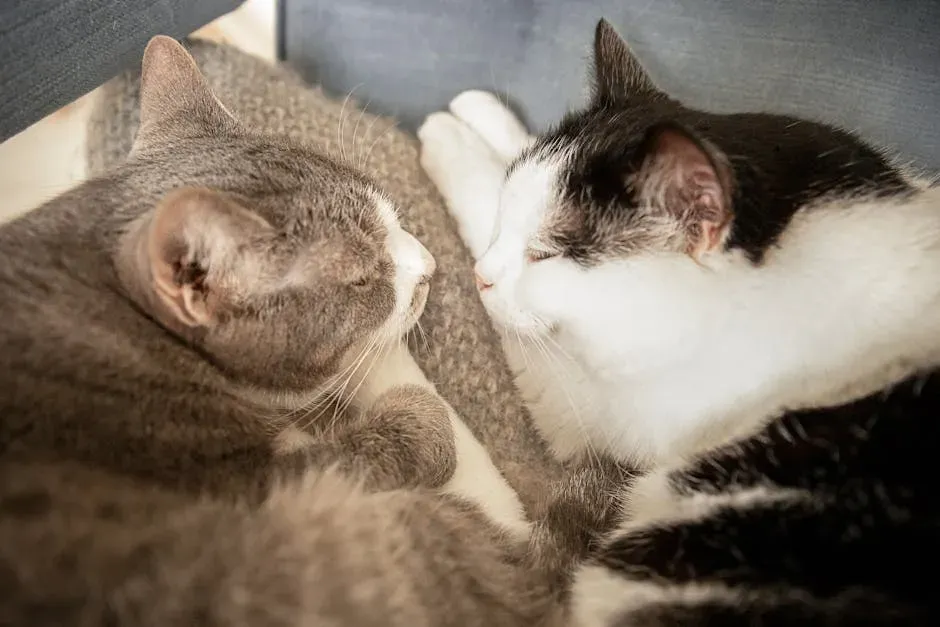
Domestic cats are not universally anti-social. Rather, they are facultatively social, meaning that their social behavior is flexible and heavily influenced by their genetics, early development, and lifetime experiences. Labeling them as instinctive loners overlooks a much more nuanced reality.
Cats are facultative social animals, as they demonstrate complex social behaviors, such as affiliative behaviors, especially in environments that favor interaction, such as shelters, multicat houses, and free-ranging cat colonies. Behavioral studies have shown that cats can form emotional bonds with their guardians and seek their company at specific times. When you give a cat the right environment and early socialization, its capacity for genuine connection tends to surprise people.
3. Purring Always Means Your Cat Is Happy
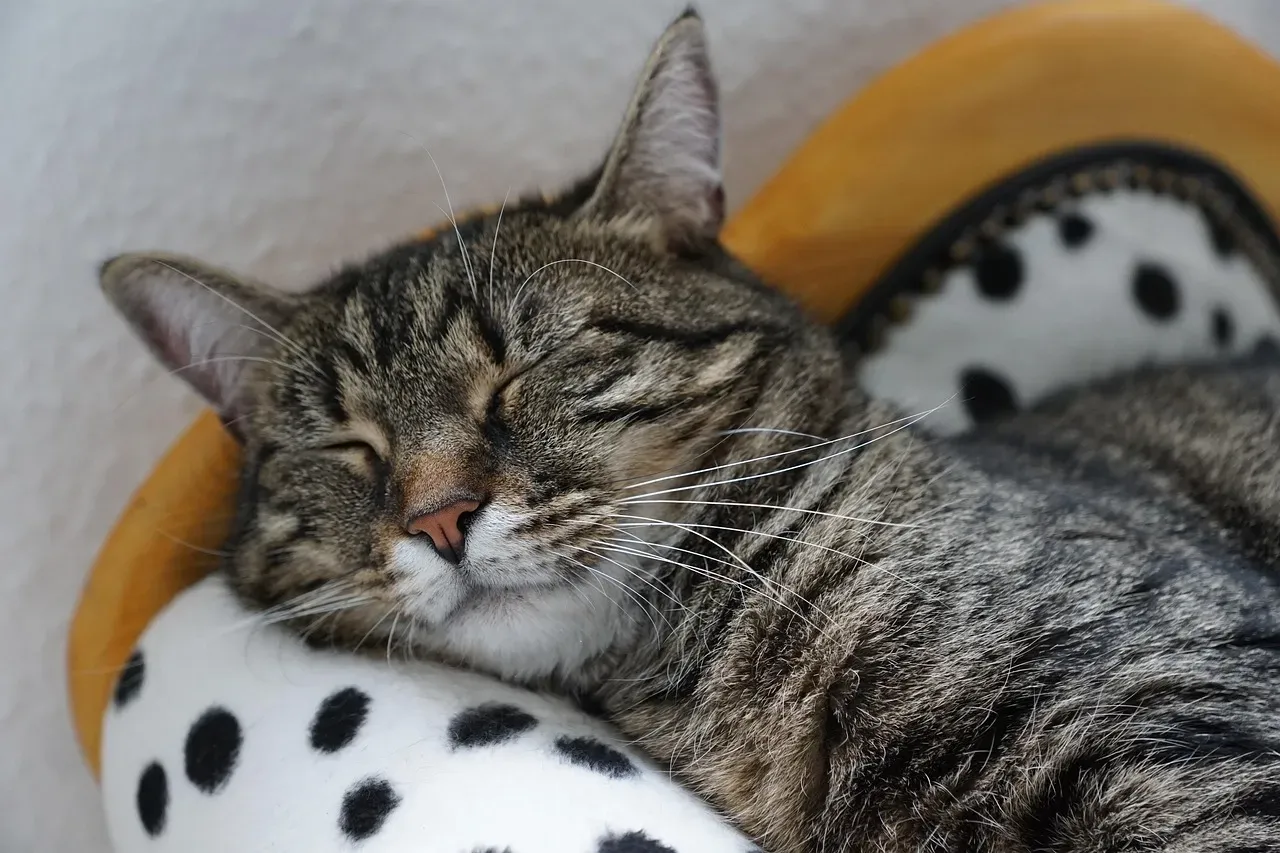
It’s common knowledge that purring indicates a happy, content kitty. However, the truth is more complex. While cats do purr when they’re relaxed and comfortable, they also purr to self-soothe when stressed, sick, or in pain. Taking a purr at face value without reading the rest of the picture can mean missing real signs of distress.
Scientists believe that purring has self-healing properties, as the sound frequency of a cat’s purr may promote healing of bones and tissues. Therefore, while a cat’s purr can indicate happiness, it is essential to observe other behavioral signals for a full picture of a cat’s emotional state. So the next time your cat purrs at the vet, it may be seeking comfort rather than expressing contentment.
4. Cats Cannot Be Trained

Misconceptions about cats can create an expectancy bias in which people’s assumptions shape their behavior toward cats. If you believe cats can’t be trained, you’re more likely to give up early. That’s very different from how people approach dogs. This self-fulfilling cycle has long sold cats short.
In reality, cats have demonstrated robust learning and problem-solving abilities. Research shows cats can follow human gaze and pointing gestures, use social referencing to solicit help, understand object permanence, and solve detour tasks. Cats may seem independent, but they are highly trainable with the right approach. Using positive reinforcement techniques, you can teach your cat to use the litter box, walk on a leash, or even perform tricks.
5. Cats Are Nocturnal Creatures

Cats’ bursts of energy at night can give the impression they are nocturnal. In fact, domestic cats are crepuscular, meaning they are most active during twilight hours – dawn and dusk. These activity patterns stem from their wild ancestors’ hunting routines. If your cat is crashing through the living room at midnight, that’s a scheduling mismatch, not an unchangeable biological fact.
Providing cats with engaging play during their active hours and establishing a consistent routine can help moderate nighttime antics. A good interactive play session before bed goes a long way toward helping both you and your cat sleep through the night. Working with their natural rhythms rather than against them makes a noticeable difference in daily household peace.
6. Cats Don’t Need Much Care Because They’re So Independent

While cats have a reputation for being independent, they need just as much care as dogs do. Regular vet visits, daily exercise and mental enrichment, and plenty of positive attention from their guardians are all essential to a cat’s well-being. The “low maintenance pet” label has set up many cats to receive far less than they actually need.
Some people think indoor cats don’t need regular vet check-ups. This isn’t true. Indoor cats face health risks just like outdoor cats do. They can develop dental issues, obesity, and even kidney disease. Keeping up with annual wellness visits means catching problems early, when they’re far easier and less costly to treat. Your cat’s quieter lifestyle doesn’t mean its body isn’t working hard.
7. Cats Bite Without Warning or Reason
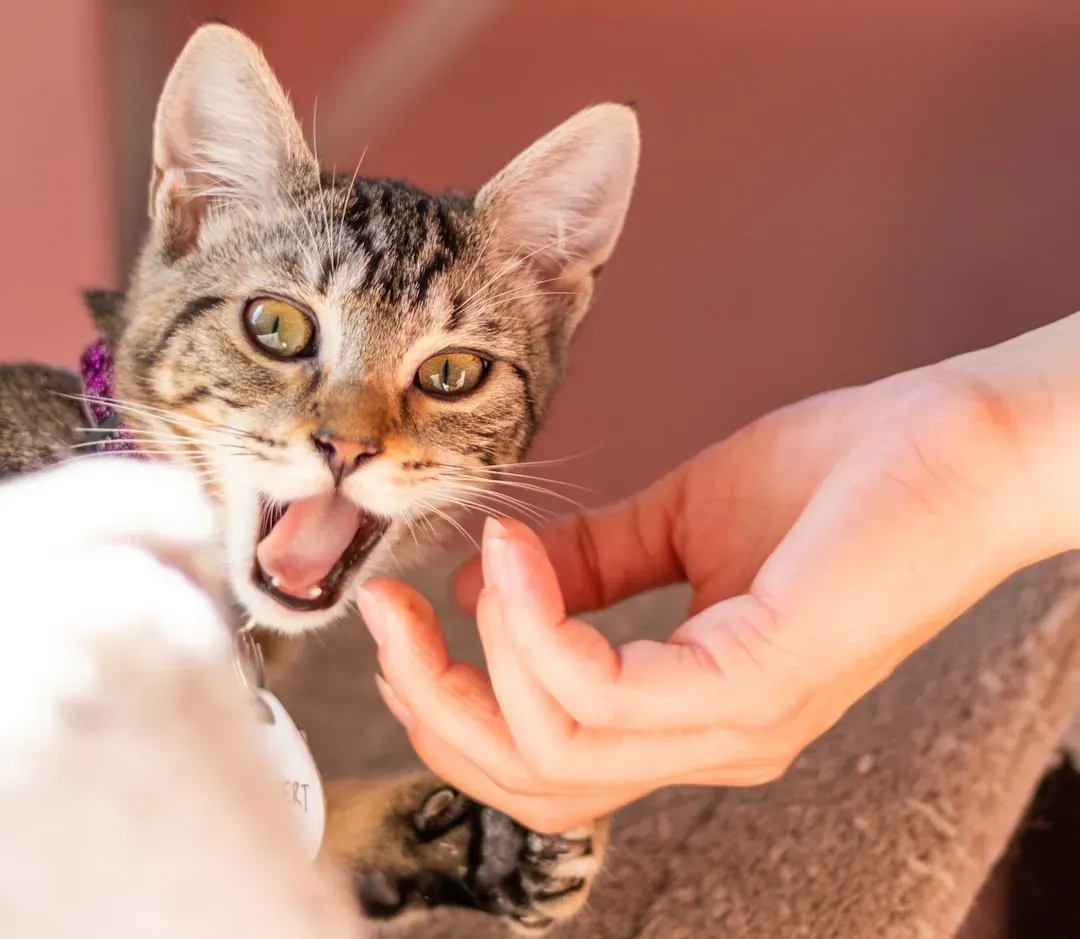
It’s a common misconception that cats bite unpredictably and without cause. In truth, cats use biting as a form of communication when something in their environment is amiss. Whether they are overstimulated during play, feeling threatened, or experiencing discomfort, biting can serve as a signal to stop or adjust their circumstances. The bite almost always follows a chain of subtler signals that went unnoticed.
Learning to read a cat’s body language, such as changes in tail movements or ear positions, can preemptively prevent such incidents. When you understand that a flicking tail or flattened ears is a cat politely asking for space, you rarely end up on the wrong end of their teeth. Paying closer attention to these cues genuinely changes the relationship.
8. Adult Cats Can Drink Cow’s Milk Just Fine

The image of a cat lapping up a saucer of milk is a staple in popular culture, but this couldn’t be further from the truth for most adult cats. While kittens produce lactase – the enzyme that breaks down lactose – this diminishes as they age. Consequently, many adult cats are lactose intolerant and consuming milk can lead to digestive issues like diarrhea. That cozy image from old storybooks has done generations of cats a quiet disservice.
Fresh water is the best and safest choice to keep cats hydrated and healthy. If you want to offer your cat something special, look for treats specifically formulated for feline digestive systems rather than reaching for a dairy option. It’s a small adjustment that protects your cat from unnecessary stomach upset.
9. Cats Conceal Pain the Same Way They Hide Emotions
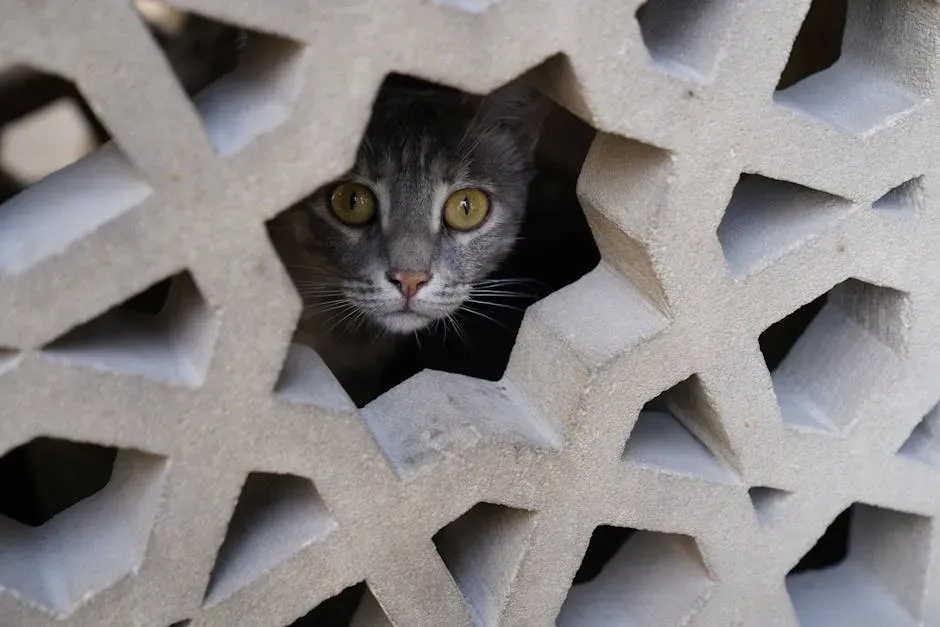
Cats are known for concealing their pain, a trait evolved from their wild ancestors to prevent appearing vulnerable to predators. This instinct makes sense in the wild but creates a real challenge in a domestic setting, where you’re the one responsible for noticing something is wrong. Many serious conditions go undetected simply because the cat’s composure gives nothing away on the surface.
This doesn’t mean cats do not show signs of pain, but rather that the cues can be more subtle. Changes in behavior, appetite, grooming habits, or social interaction can all indicate discomfort or illness. Attentive cat owners can better ensure the health and wellbeing of their pets by recognizing and responding to these early signs. Research shows that only about 13% of people can identify cat emotions above chance when viewing facial images, even among cat owners. Knowing that gap exists is the first step toward closing it.
Conclusion
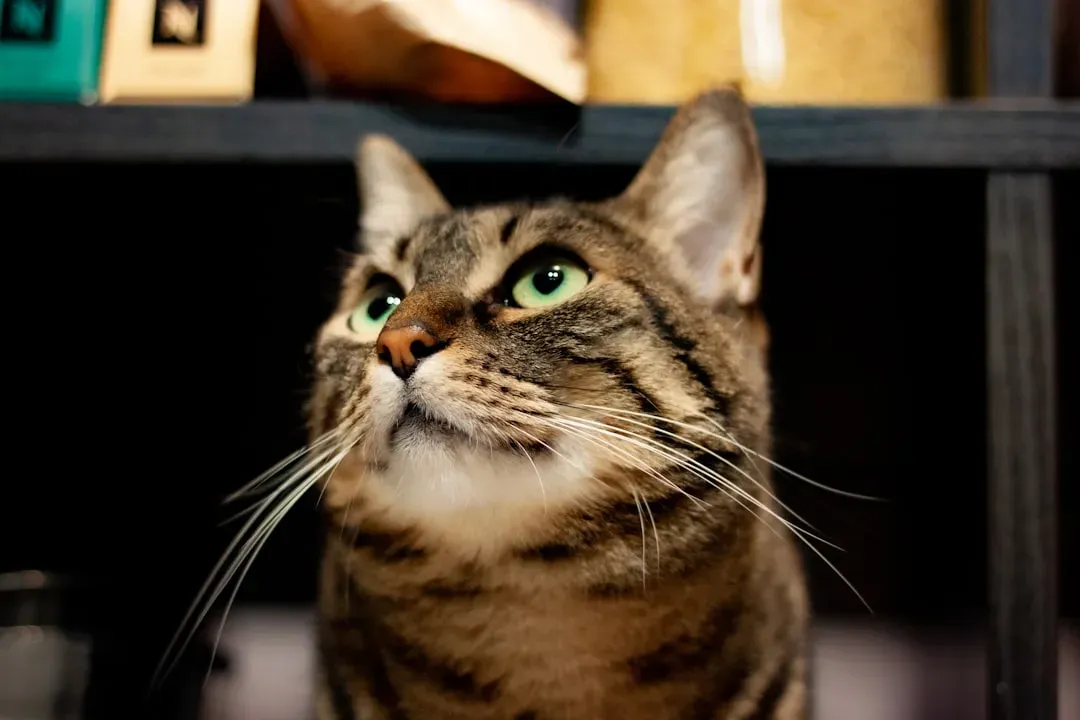
Most cat myths persist not out of bad intent, but simply because cats are subtle, individualistic, and have been studied far less rigorously than dogs. Although widespread, many of these beliefs lack empirical support. Identifying and fostering critical reflection on such beliefs can contribute to deconstructing them, improving the guardian-cat relationship and enhancing the welfare of both cats and humans.
When you replace assumption with genuine curiosity about what your cat is actually communicating, something shifts. Understanding the truth behind these myths isn’t just interesting – it’s essential. When you align your expectations with feline biology and behavior, you create environments where cats can truly thrive. That may be the most practical takeaway of all: the better you understand your cat, the better life becomes for both of you.
Kristina is a young writer from India. An arts graduate and an avid content creator, Kristina is passionate about animals and wildlife. She enjoys exploring topics related to pet care, animal behavior, conservation, and nature, combining thorough research with engaging storytelling.