You’ve probably done it a hundred times. Your cat strolls past, looking soft and irresistible, so you reach out and start stroking. Then, out of nowhere, they flatten their ears, flick their tail, and either bolt off the couch or take a swipe at your hand. Sound familiar?
Although petting is meant to be a positive experience for both you and your cat, there are proper and improper ways to go about it. Improper petting can cause your cat to become anxious, demonstrate aggressive behavior, and avoid further contact with you. The good news is that once you understand what your cat actually wants, the whole dynamic changes.
You’re Treating Your Cat Like a Dog
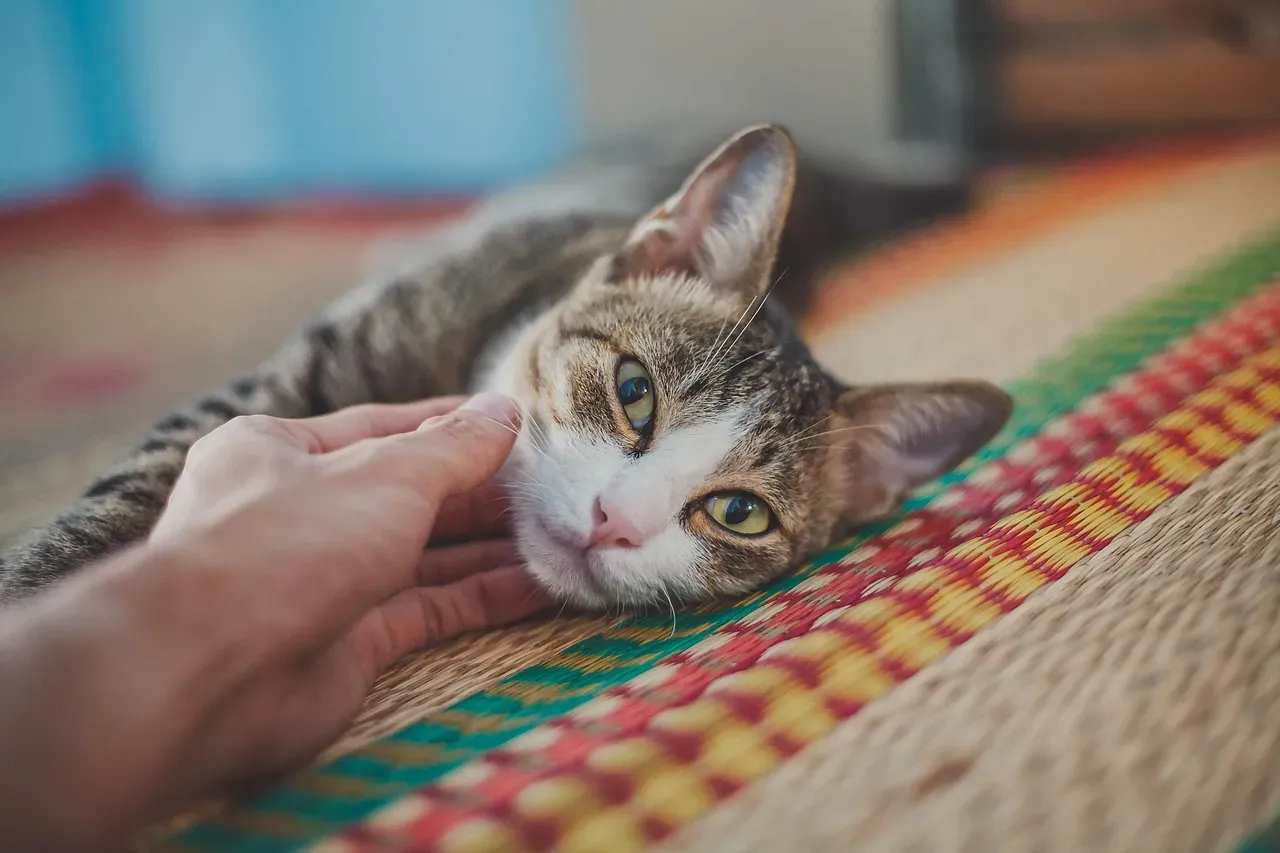
One of the most common mistakes you’re probably making is applying dog logic to a cat. Dogs are generally forgiving about how and where you touch them. Cats are not. Cats are very different from dogs when it comes to where they like to be petted. While dogs aren’t very picky, cats can be a lot more sensitive.
This matters more than most people realize. While it might not sound like petting a cat is a challenging task, there are actually quite a few mistakes you can make. While you’re unlikely to hurt your cat, petting them wrong can leave them frustrated or annoyed and reduce your ability to bond with them. You see this a lot with people who are more used to dogs, or who never had a pet growing up. Recognizing that distinction is genuinely the first step.
You’re Not Letting Your Cat Come to You First
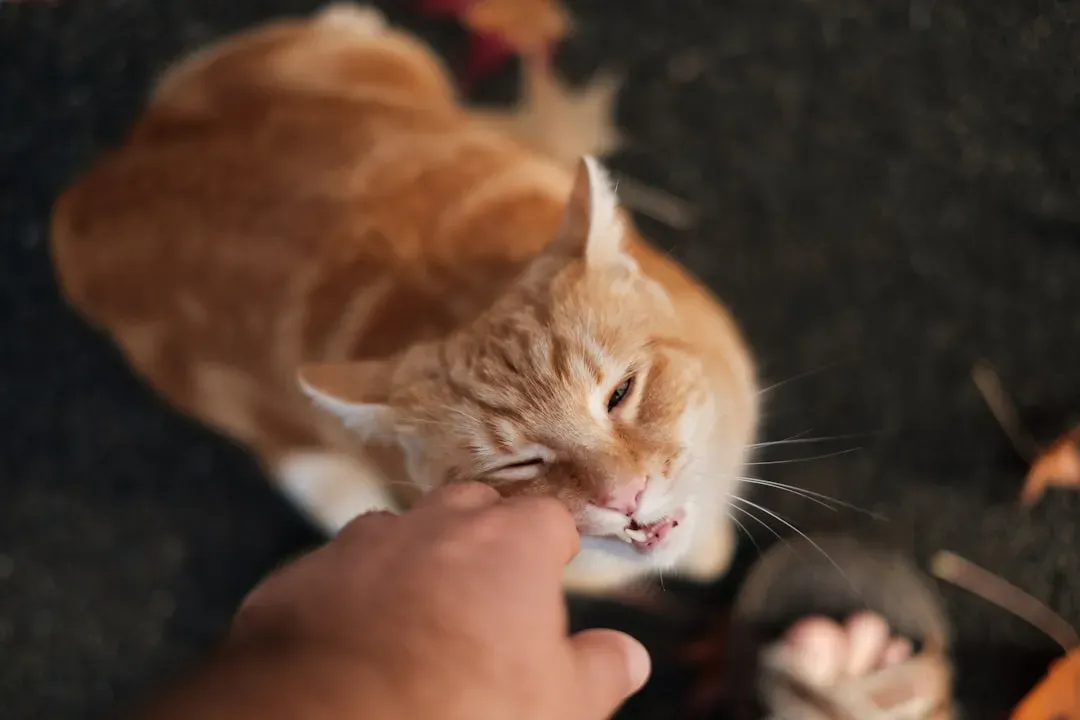
When you reach out and grab your cat for a petting session they didn’t initiate, you’re essentially skipping the most important step. Unlike dogs, cats like to make the first move. For best results, allow the cat to come to you. This isn’t just politeness. It’s the foundation of trust.
It’s important to let your cat call the shots and interact with them on their terms. If you don’t ease into it, you could catch your cat off-guard and give them a negative association with contact. Give your cat the space to approach on their timeline, and you’ll find they actually seek you out more often.
You’re Skipping the “Introduction” Step
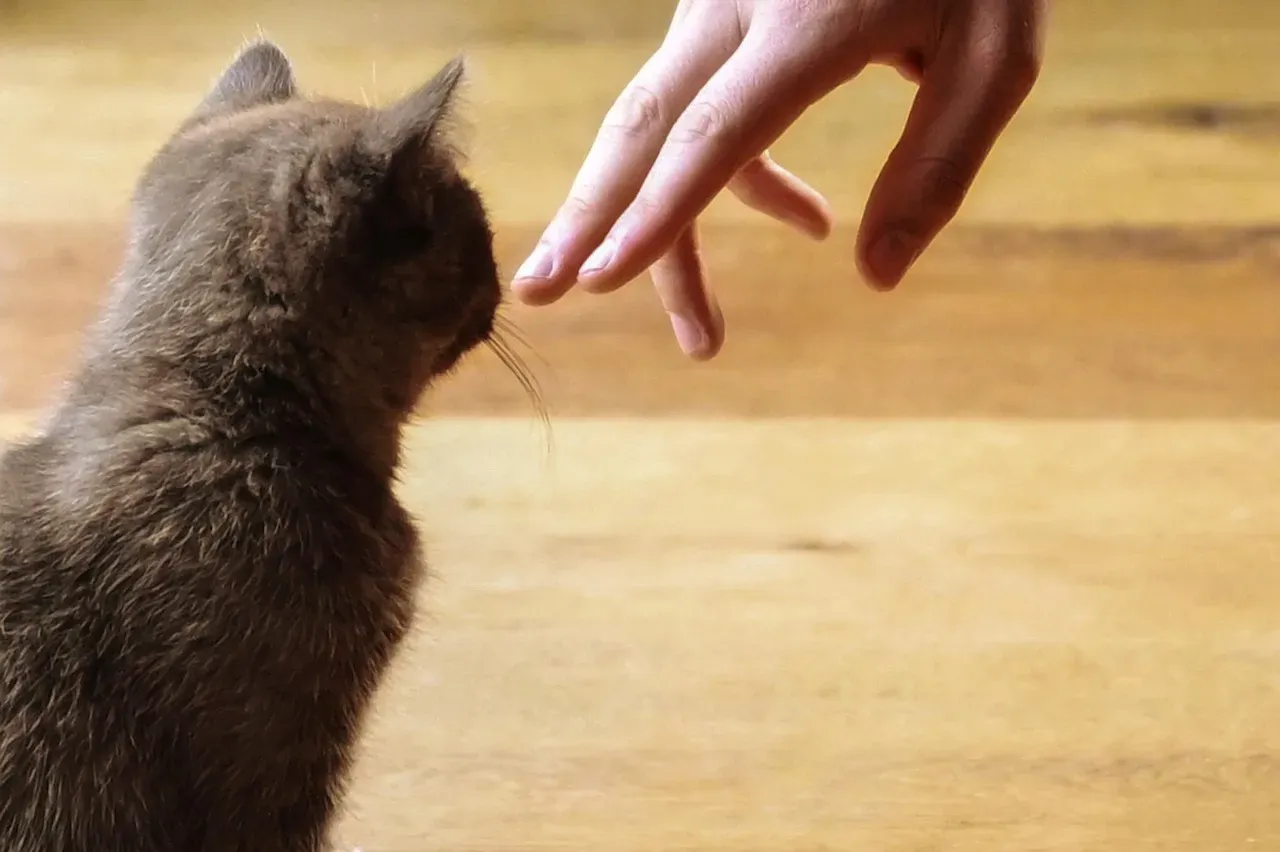
You’d be surprised how many people, even longtime cat owners, go straight for the pet without offering a proper greeting first. You may know it’s best to introduce yourself to a dog before you touch them, but the same goes for cats. To do this, crouch down low so you’re on their level, and then slowly hold out two fingers towards their snout. Once your cat has had a chance to smell you, they may let their guard down and start “bunting,” a behavior in which they rub their head against your hand.
It’s best to allow the cat to sniff your hand and rub against it first before continuing any other petting motions. This will confirm the cat is in the mood for petting. That simple sniff test tells you more about whether your cat wants to be touched than anything else. Don’t skip it.
You’re Petting the Wrong Places
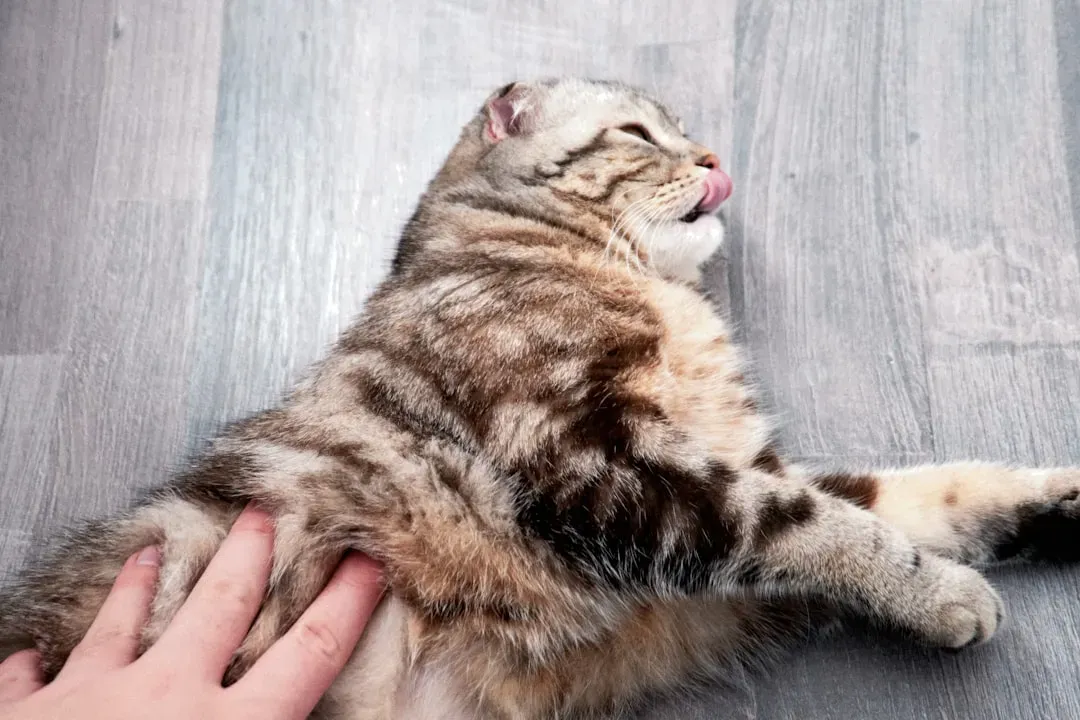
Location matters enormously. Cats typically enjoy being petted on the cheeks, chin, forehead, and base of the tail. These are preferred areas for many cats because they contain scent glands that release pheromones. Cats often rub each other in these areas when forming positive social relationships. Those are your safe zones.
Most cats do not like being petted on their stomach, chest, legs, paws, or tail. The stomach and chest are vulnerable areas for cats, so when you attempt to pet them in those spots, they feel like they’re being threatened. Stick to the face, chin, and around the ears, especially with cats you don’t know well, and you’ll have a much better time.
You Fell for the Belly Trap
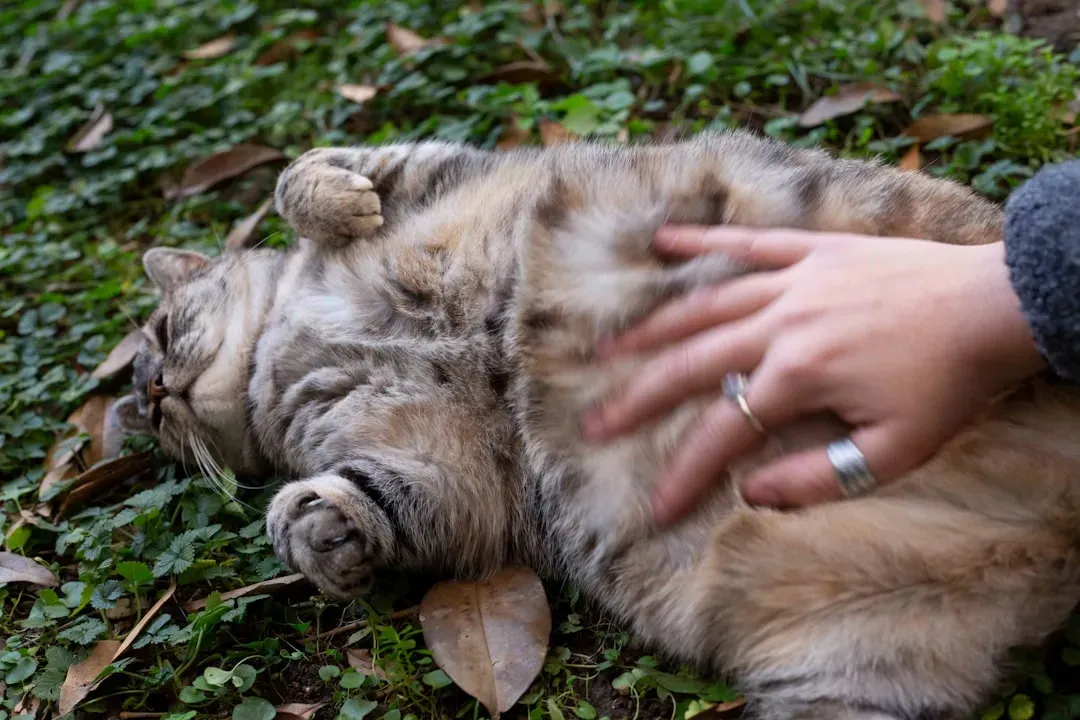
Your cat rolls onto their back, belly up, looking like the most inviting thing in the world. So you go in for the tummy rub. Then chaos. If your cat doesn’t love belly rubs, why does she roll on her back when she sees you? It’s a cat’s instinctual way of letting you know she trusts you. It’s not an invitation to pet her belly; it’s an invitation to a closer relationship. She’s exposing her most vulnerable body part to let you know she trusts you.
Many people, after learning that a cat exposing itself feels comfortable, may see a cat with its belly up and think it’s safe to rub the cat’s belly. The exposed belly is a sign of comfort and trust, but it is not necessarily an invitation for a belly rub. Many people have touched a cat’s stomach only to have it instantly seize up, latching onto their hand with claws and teeth. Take the belly roll as a compliment, not an instruction.
You’re Petting Against the Grain
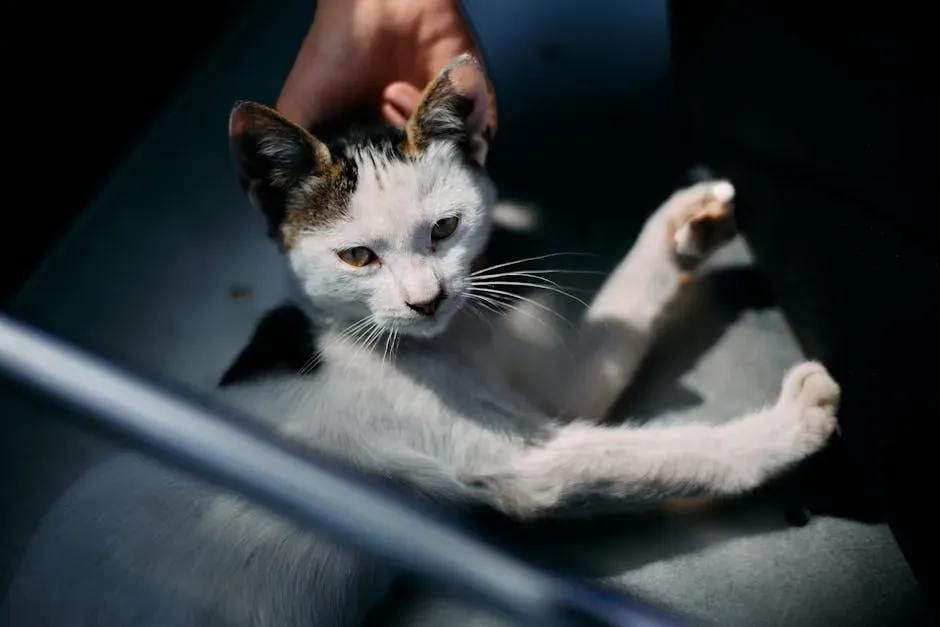
The direction of your stroke matters more than most people think. To pet correctly, you should gently and continuously stroke a cat’s body, going in the same direction as the fur. This mimics natural grooming and feels soothing to most cats. Doing the opposite, stroking from tail to head, tends to feel wrong to them.
Make sure to stroke your cat in the direction of their fur; stroking against the grain may be uncomfortable for your cat, and if so, they’ll definitely let you know about it. Also, pay attention to whether you’re patting versus petting. Patting involves repeatedly tapping a cat in the same spot, something a cat might find less enjoyable. Some cats might be able to handle patting, but most prefer the continuous strokes of petting.
You’re Missing the Warning Signs of Overstimulation
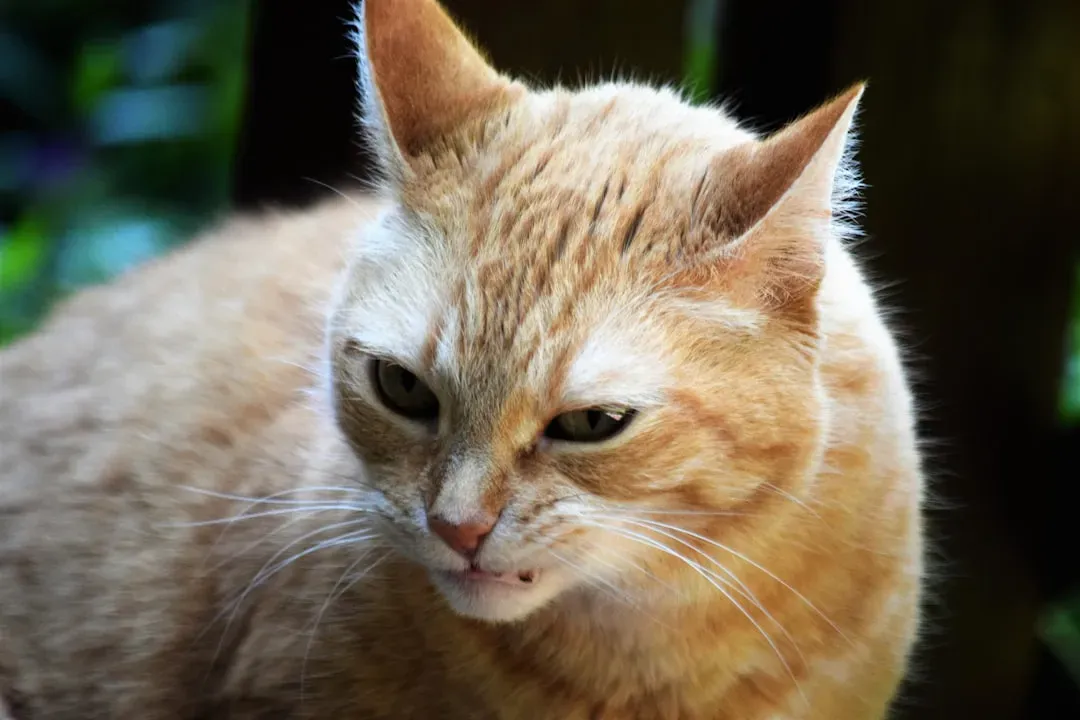
Your cat doesn’t suddenly snap. They’ve been telling you for a while. Overstimulation is a neurological response. Cats can literally start to feel pain in their touch receptors from too much petting. This discomfort can trigger a defensive reaction, but by watching for early warning signs, you can prevent it from getting to that point.
Common signals to look for include tail swishing or flicking, skin twitching over the back, flattening of the ears, freezing, tenseness or staring, a quick head turn to watch your hand as you pet, pupillary dilation, a low growl, or walking away and lying down. Some cats may suddenly become aggressive when being petted. Possible explanations include overstimulation and an attempt by the cat to control when the petting ends. Catching those signals early is everything.
You’re Petting Them at the Wrong Time
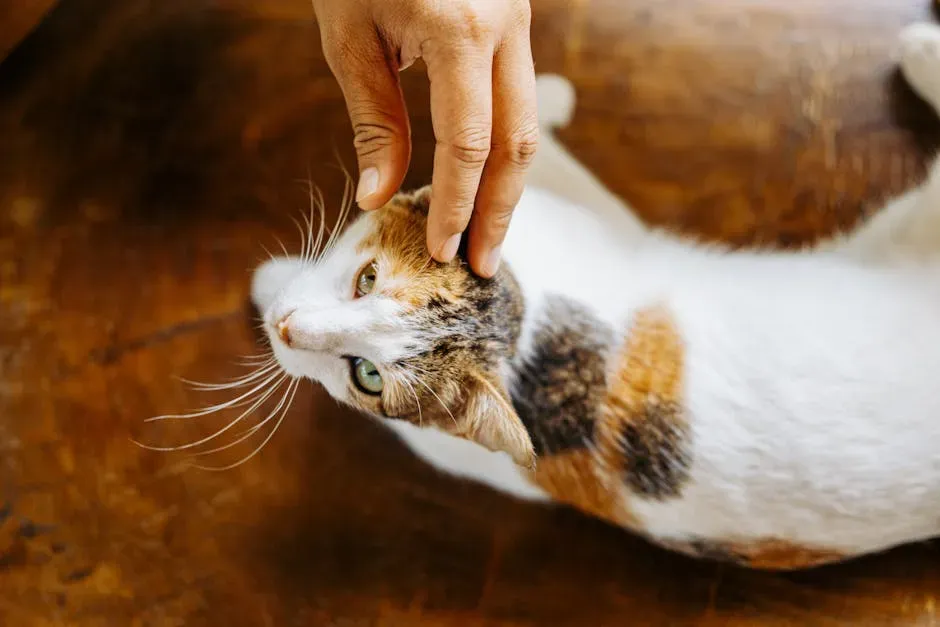
Even if you’re petting them perfectly, timing can ruin the whole interaction. If your cat’s tail is twitching, their eyes are big, and they’re pouncing or dashing around, trying to pet them isn’t going to work. Instead, play with them until they’re tuckered out. Then, you can pet them while they rest.
Just because your cat may enjoy being petted doesn’t mean she wants it all the time. Be respectful of personal space, because there may be times when your cat simply wants to be alone. When your cat is sitting at the window focused on a bird outside may not be the time to startle or distract her just for a little petting. Reading the room, or rather, reading your cat, is half the battle.
You’re Ignoring What Makes Your Cat Unique
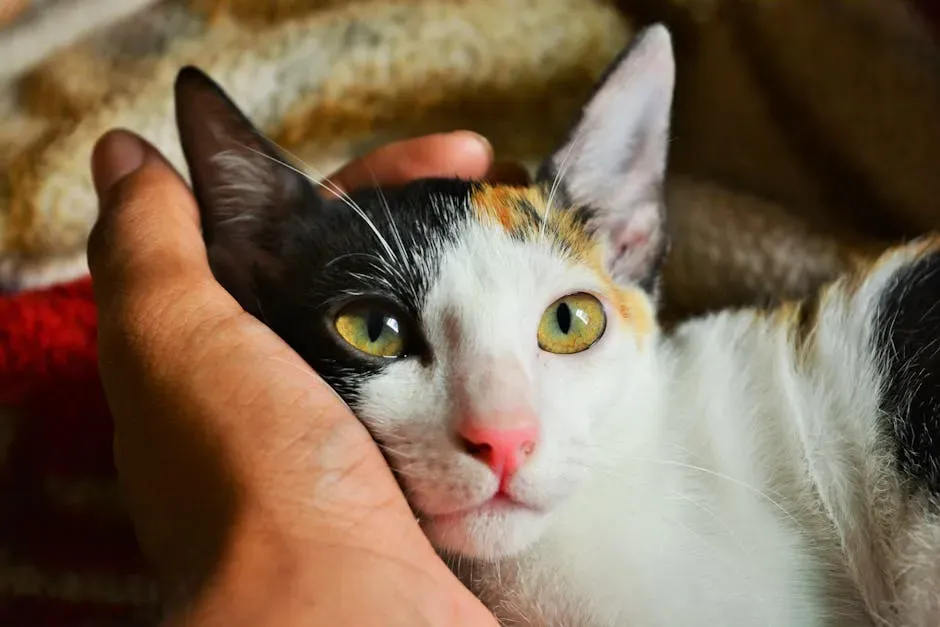
No two cats are the same, and applying a one-size-fits-all approach to petting will let you down eventually. There is a lot of variability in what cats enjoy. This is based on their personality, but also their early experiences. Cats that are well handled and socialized by humans from a young age, particularly during the sensitive period of two to eight weeks of age, are usually more likely to enjoy handling.
Every cat is different, and every rule can be broken with the right feline. Some absolutely love belly rubs and will even reposition to put their belly in your way. Some like real hard, deep scratches. It’s important to get to know your pet and observe their individual behaviors. Learning where and how your cat likes to be petted can be a great way to bond and build a strong, lasting relationship with them. That’s not just practical advice. It’s really the whole point.
Building a Better Petting Relationship
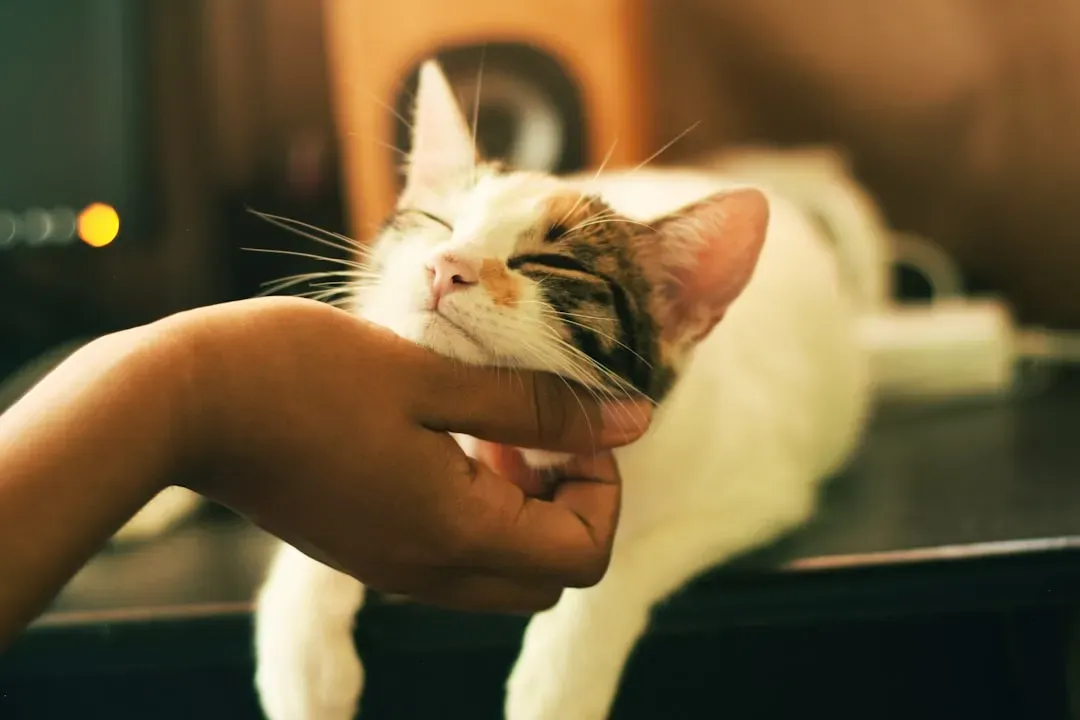
Once you start adjusting your approach, petting your cat becomes less of a guessing game and more of a genuine exchange. When you pet your cat correctly, they may respond with affectionate gestures like purring, head-butting, or even touching your face with their paw to show they’re enjoying the interaction. That’s what you’re actually working toward.
In addition to strengthening the bond between you and your furry companion, studies have shown that petting a cat can actually reduce your own stress. Developing a plan for desensitization and counter conditioning can also help reduce petting aggression. Gradually associating petting with positive experiences, such as offering treats or playtime after gentle strokes, can change your cat’s perception of handling. Small, consistent improvements go a long way.
Conclusion
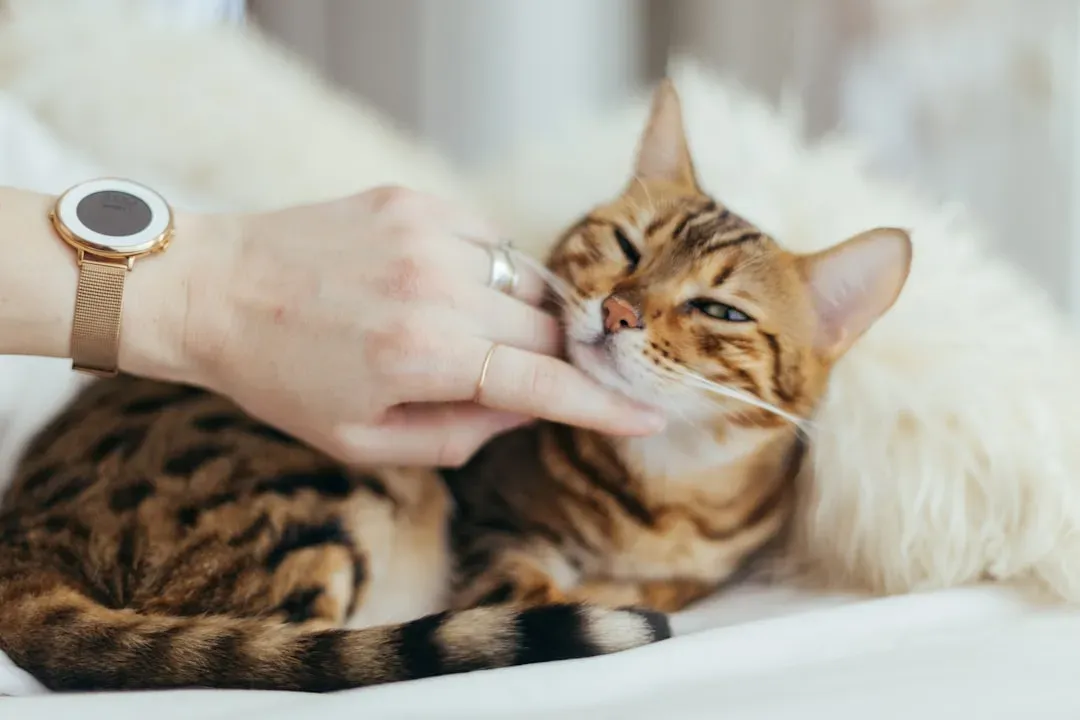
Petting a cat well is less about technique and more about attention. Your cat communicates constantly. The ears, tail, posture, and skin all tell a story, and once you start listening to that story, interactions become far more rewarding for both of you.
The scratch you get from a poorly timed, wrong-place pet isn’t personal. It’s communication. Your cat isn’t being difficult. They’ve simply been waiting for you to catch up. Start paying attention to what they’re telling you, and you might be surprised how quickly they warm up.
Kristina is a young writer from India. An arts graduate and an avid content creator, Kristina is passionate about animals and wildlife. She enjoys exploring topics related to pet care, animal behavior, conservation, and nature, combining thorough research with engaging storytelling.