Most people could name a Maine Coon, a Siamese, or a Persian without hesitation. These are the faces of the cat world, the ones on calendars and in commercials. Yet beyond those familiar names, there exists an entirely different feline universe filled with cats that are jaw-dropping in appearance, fascinating in personality, and almost completely unknown to the average pet lover.
The International Cat Association currently recognizes 73 distinct breeds, and a surprising number of them rarely show up in shelters, pet shops, or even most cat shows. Rarity can come from genetics, geography, breeding challenges, and more. Whether you’re a lifelong cat enthusiast or simply curious about what else the feline world has to offer, these 15 breeds are well worth knowing.
1. Khao Manee: Thailand’s Living Jewel
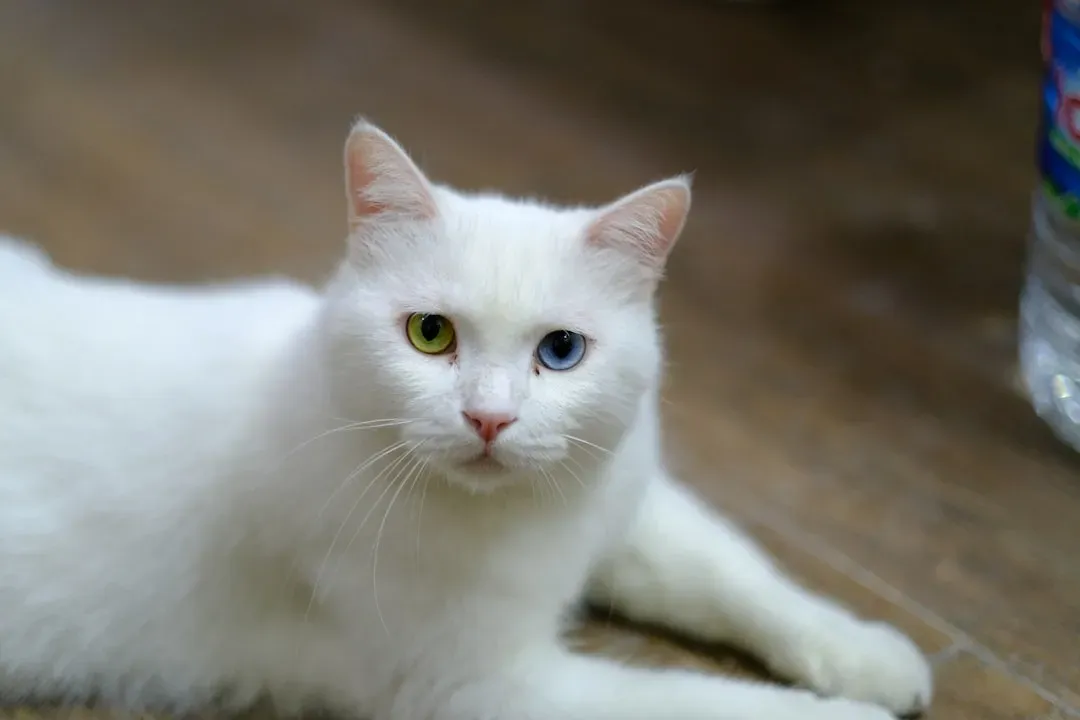
An ancient breed originating in Thailand, the Khao Manee is referenced in the Tamra Maew, a book of poems about cats written in the 14th century. Its name translates directly to “white gem,” and one look at this breed tells you exactly why. Recognized for their pure white coat and gemstone-like, usually blue or odd-colored eyes, Khao Manees have a distinct allure.
Said to have been kept only by Siamese royals, the breed is still relatively rare in the Western world, first being imported to the US in 1999. Highly inquisitive, Khao Manees are interested in anything and everything you do, and owners describe these active, athletic cats as lap lovers and shoulder riders, offering the perfect balance of activity and affection. If you’re looking for a companion that feels both ancient and intensely present, this is a remarkable choice.
2. Sokoke: The Forest Cat of Kenya
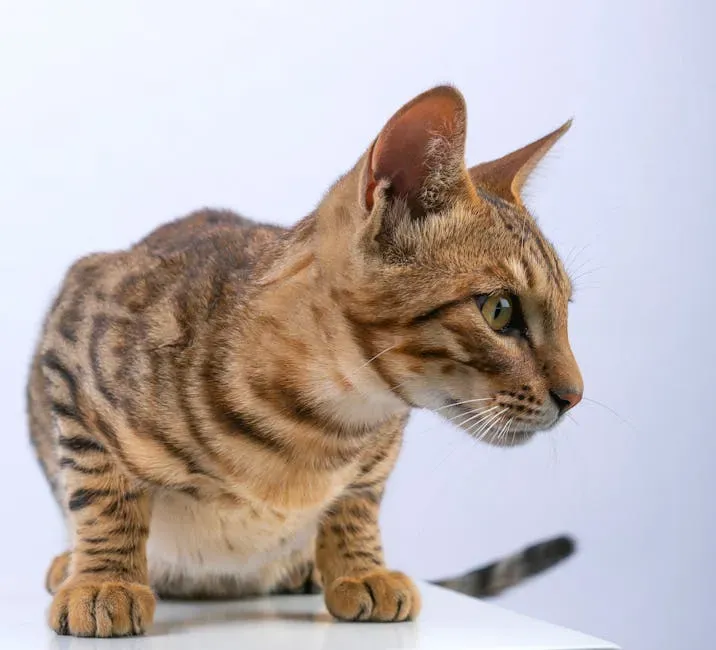
The Sokoke is considered the rarest breed of domestic cat in the world. It is found as a naturally occurring native breed in the greater Arabuko-Sokoke Forest Preserve area in the coastal zone of Kenya, Africa. A litter of these cats was found in a hollow tree in Jeni Slater’s garden in 1978, and intrigued by their unique coat pattern, she kept a pair of kittens and hand-reared them.
A peace-loving, keenly aware, and intelligent shorthaired breed, the Sokoke is playful and family oriented, forming close bonds with both feline and human family members. Sokoke Forest cats are accomplished athletes with a fondness for active pursuits. Cupboards and drawers don’t present much of an obstacle to the Sokoke, making cat-proofing well worth the effort. Since these cats like water, it’s important to secure aquariums well, too. They are not casual lap cats – they’re forest cats at heart.
3. Kurilian Bobtail: Russia’s Pom-Pom Tailed Wonder
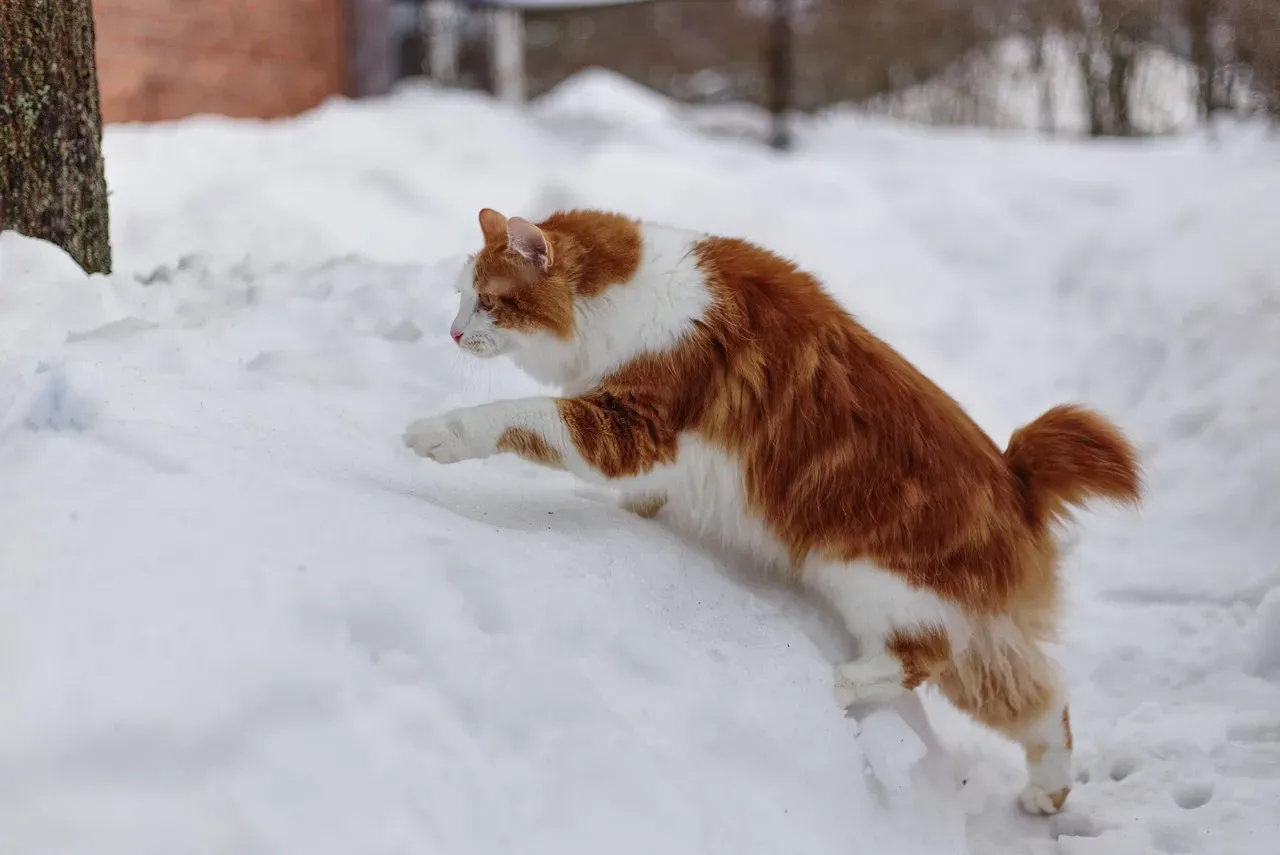
Developed in Russia, the Kurilian Bobtail is rarely seen in the United States, and TICA registration statistics suggest there are fewer than 100 of them in the country. These medium-sized cats are highly intelligent and inquisitive, but their defining feature is their stubby, pom-pom-like tail. Every Kurilian Bobtail’s tail is unique, containing anywhere from 2 to 10 vertebrae kinked in various directions.
The Kurilian Bobtail is a natural breed, which means it developed naturally rather than being intentionally bred by people. It typically has the short tail that gives it its Bobtail name. This breed is a slow developer, growing and maturing until it reaches 5 years of age, because the breed can live as long as 20 years. The Kurilian Bobtail may look like a wildcat with its short, bobbed tail, but it’s a domestic breed that has a strong and sturdy build, making it an excellent hunter, and it is also known for its independent and intelligent personality.
4. LaPerm: The Cat with the Natural Perm
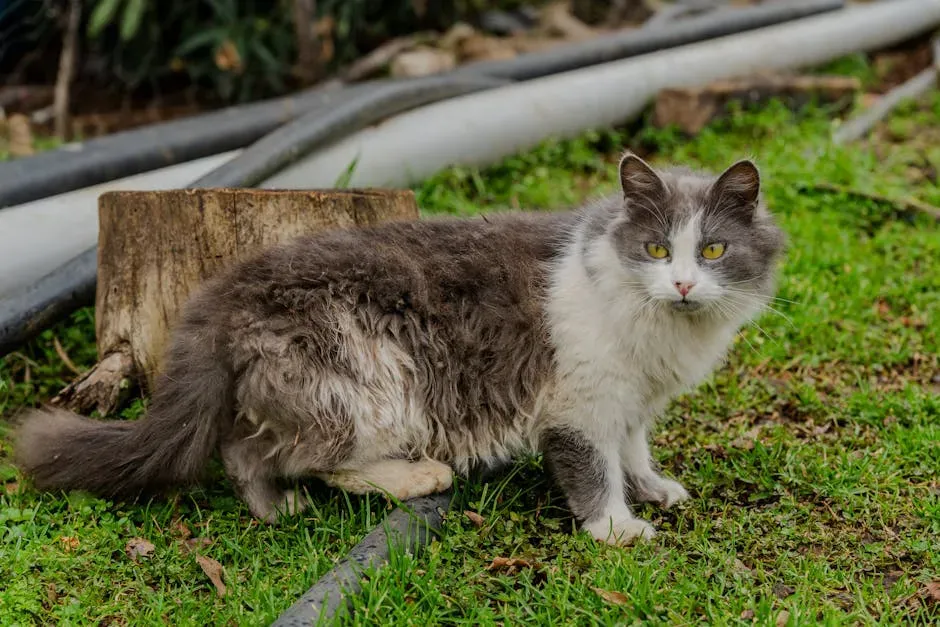
The LaPerm cat has highly unique, naturally curly fur. Appearing relatively recently in the 1980s, the LaPerm is the result of a spontaneous genetic mutation that caused its fur to curl, much like a lamb’s. This is the most distinctive trait of the rare LaPerm, along with its friendly, lap-cat tendencies. You won’t confuse this coat with any other.
LaPerms have curly, wavy fur that sets them apart. Despite their unusual coat, they require minimal grooming, making them great family pets. The LaPerm cat originates in the US and can be difficult to find in other countries, with its most notable feature being its coat, which looks crimped or like a very loose perm. For anyone who loves texture and character in equal measure, the LaPerm is genuinely hard to resist.
5. Peterbald: Russia’s Regal Hairless Cat
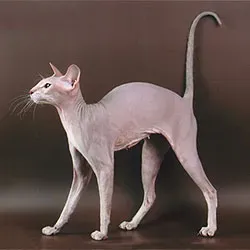
The Peterbald is essentially a hairless Oriental Shorthair, created fairly recently in 1994 by breeding an Oriental Shorthair with a Sphynx. Peterbald cats have long snouts, high cheekbones, and chiseled features that give them an impressively regal look. With hairless, grey-silver skin, a slanted face, and large pointy ears, this Russian cat breed has certainly earned its place on any list of the world’s most striking felines.
The Peterbald is a relatively new and rare breed that originated in Russia in the 1990s. These cats are known for their lack of hair, which is the result of a genetic mutation. Despite their hairless appearance, Peterbalds are incredibly affectionate and social cats. They are also highly intelligent and can even be trained to do tricks. The Peterbald cat is sensitive to extreme temperatures and should rather be an indoor cat.
6. Chausie: The Jungle Cat in Your Living Room
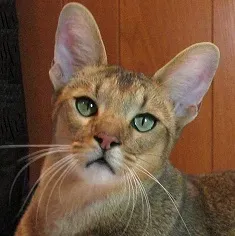
A hybrid between domestic cats and the jungle cat, the Chausie has a sleek, athletic build. This uncommon breed is known for being independent, but it requires plenty of exercise and mental stimulation. The Chausie is considered a medium-to-large cat and can weigh up to 15 pounds, yet it is very athletic and has excellent running and jumping skills.
A generally friendly breed, Chausies don’t like being left home alone. They are hyperactive in their kittenhood and never fully grow out of their playfulness. One of the leading health risks in this breed is their proneness to extreme stomach sensitivity when it comes to processing vegetables, herbs, and other plant-based foods. This is very much a breed for an active household with time to invest.
7. Lykoi: The Werewolf Cat That’s Actually a Sweetheart
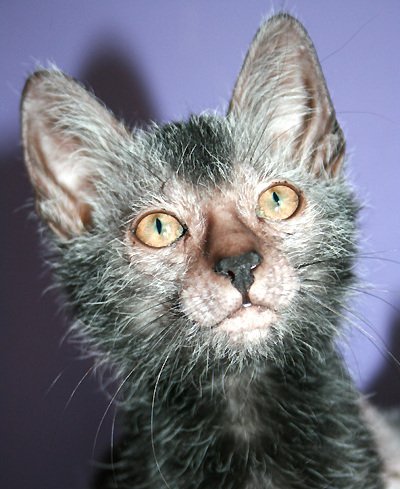
Often called the “werewolf cat,” the Lykoi has a partially hairless body and a wild, scruffy appearance. Native to the US, the Lykoi is the result of a natural hairless gene mutation. Lykoi cats differ from the typical Sphynx in terms of physical appearance, as Lykois do have some hair on their bodies, with signature werewolf expressions due to the patched fur on their heads.
Regardless of their mischievous and rather menacing looks, these cats are friendly and affectionate. Lykois received championship status by TICA in 2016. Often called the “werewolf cat,” the Lykoi has a partially hairless body and a wild, scruffy appearance, yet these friendly cats are still relatively new in the cat world. Their looks make you do a double-take, but their personality will quickly win you over.
8. Burmilla: The Accidental Aristocrat
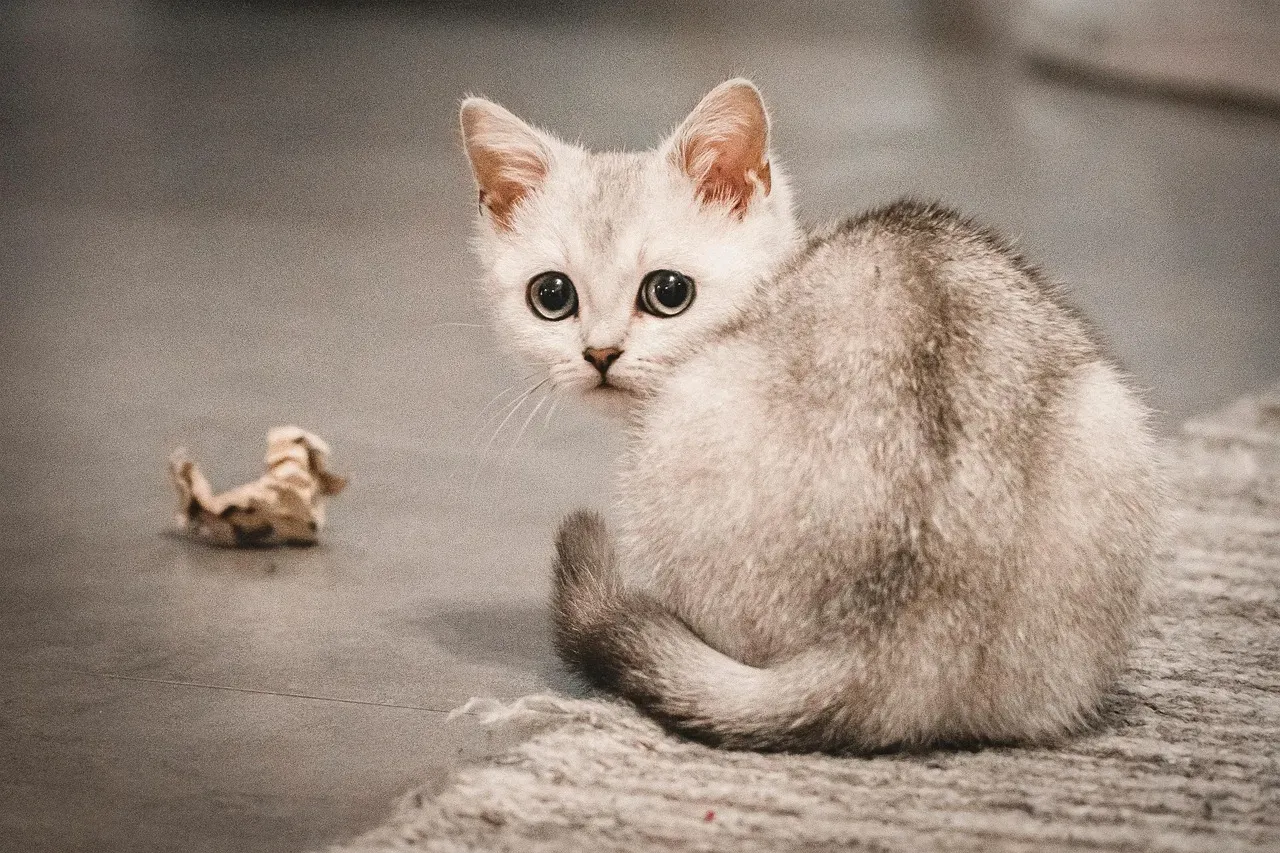
The Burmilla was originally bred in the UK in 1981, as a cross between the Burmese and a Chinchilla Persian cat. Of the parent breeds, the Burmese is confident but demanding while the Persian is more laid back. The resulting Burmilla breed is affectionate but not too demanding of your time and attention, and it still retains a little independence.
Burmilla cats have adorable, forever-baby faces, as well as matching, kitten-like behavior. They have distinctive black rimming around their eyes and noses and very soft fur. The Burmilla makes a lovely companion animal, as they tend to bond closely with their owners, are not needy, and are immensely loyal. The Burmilla cat is the result of four-generation breeding of the Burmese cat and the Chinchilla Persian, and because of this time-consuming breeding process, the Burmilla is definitely one of the rarest cats out there.
9. Chartreux: France’s National Feline Treasure
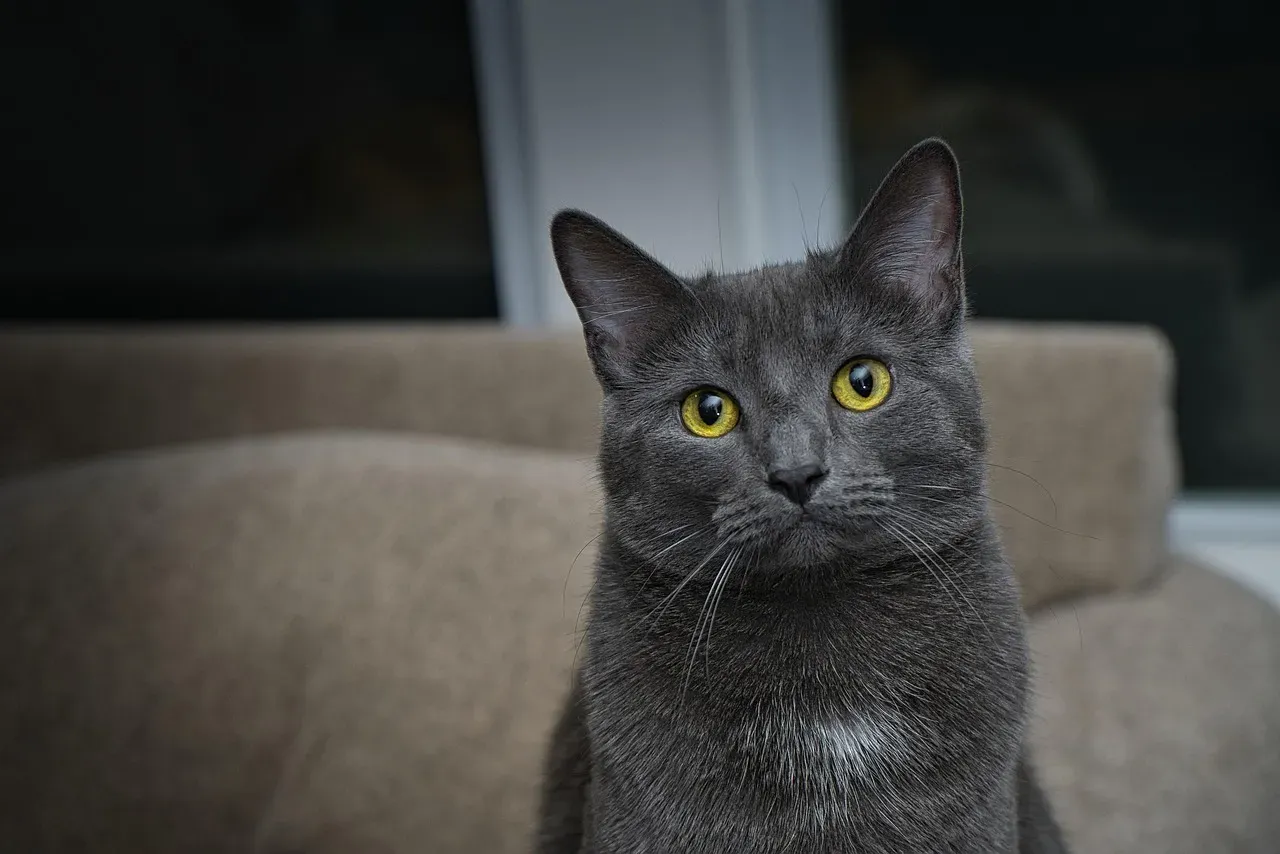
The Chartreux is the national cat of France and a renowned hunter and world-famous mouser. This rare cat breed has been coveted not only for this, but also for its thick, plush, water-repellent coat. Chartreux cats have big, round eyes and are distinguished by truly lovely blue-gray fur, varying from ashy to dark gray.
Chartreux cats are notably quiet and mature slower than most domestic cats. This breed is typically very healthy. A Chartreux cat often has a dog-like loyalty to its favorite person and will constantly follow them around. Even though they are a rare breed, these cats have had a championship status granted by the CFA since 1987. Calm, loyal, and strikingly handsome – the Chartreux is the refined cat you didn’t know you needed.
10. Korat: The Lucky Silver-Blue Cat from Thailand
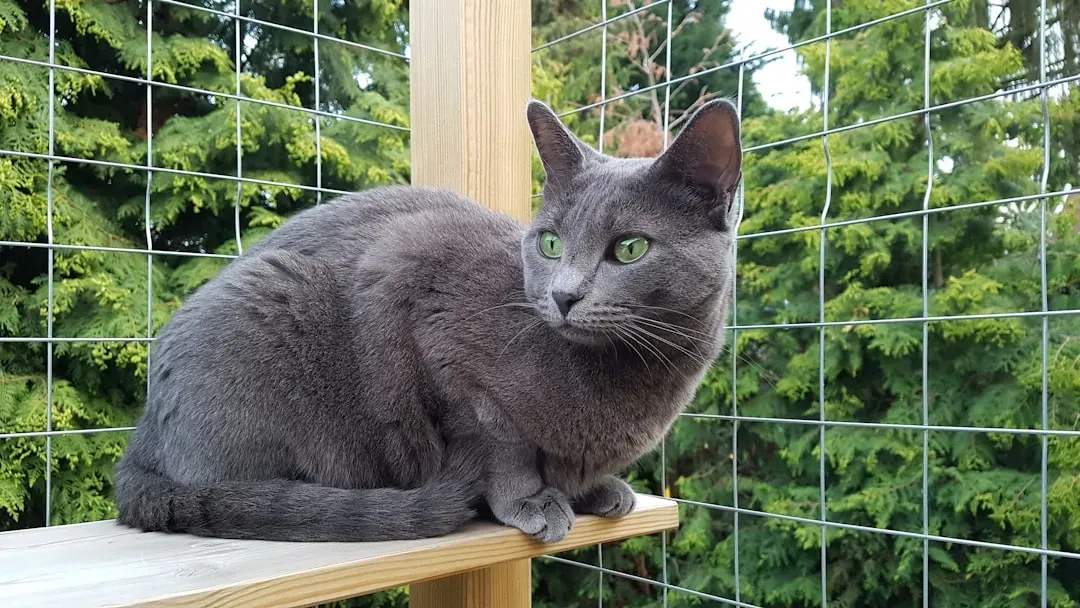
Hailing from Thailand, the Korat is a very rare cat indeed. In their homeland, Korats are considered lucky, but their rarity means that you may have a hunt on your hands to find one. The cat was originally kept as a companion in temples, and they have a beautiful blue coat that really does grab attention.
The Korat, revered for its good luck symbolism, is a prime example of how fascinating and rare these felines can be. The Korat’s short, single-layer coat shines with a distinctive silver-tipped blue that has no equal among domestic breeds. These cats are deeply bonded to their people and tend to form intense, lifelong attachments to one or two primary caregivers. If you want a cat that truly chooses you, the Korat might be it.
11. Serengeti: Born to Spot
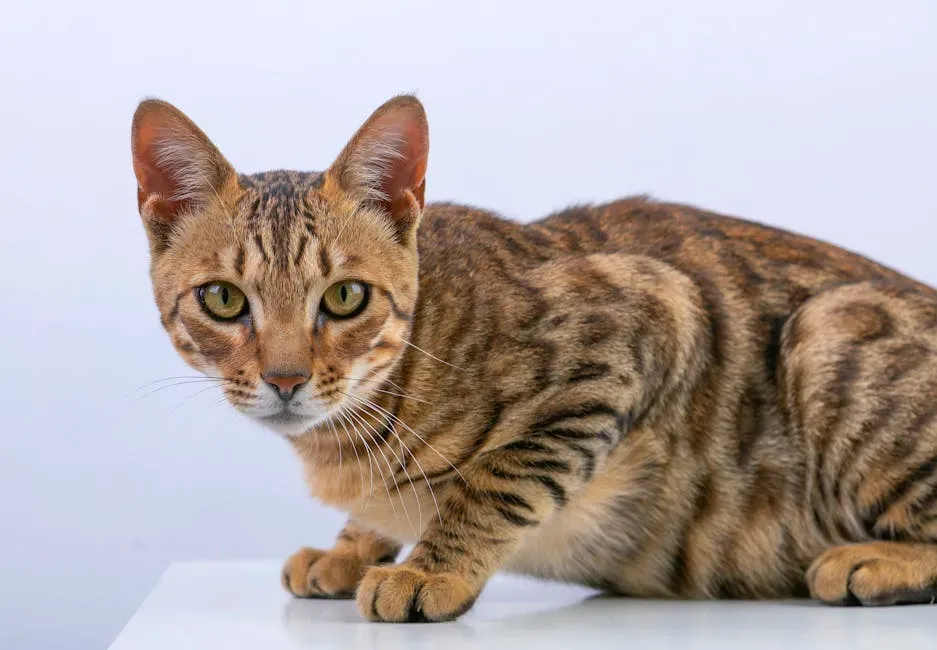
Bred to resemble the Serval, an African wildcat, the Serengeti cat was developed in California in 1994 by crossing a Bengal and Oriental Shorthair. These active, spotted cats are full of energy and love to climb. Serengeti cats are the mixed product of interbreeding between Bengals and Oriental Shorthairs and are recognized as a separate breed by TICA, considered fully domestic cats regardless of the partial wild DNA they inherited from Bengals.
Adult Serengeti cats weigh around 10 to 15 pounds. They are elegantly built with long bodies, tails, and ears, with the latter being slightly tipped. According to TICA, only four color variations are permitted for this breed: ebony smoke, solid black, tabby, and ebony silver. These cats have a wild and exotic appearance, with their sleek coats and large, pointed ears, and are known for their energetic and playful personalities, making them a perfect choice for active households.
12. Havana Brown: The Chocolate-Coated Charmer
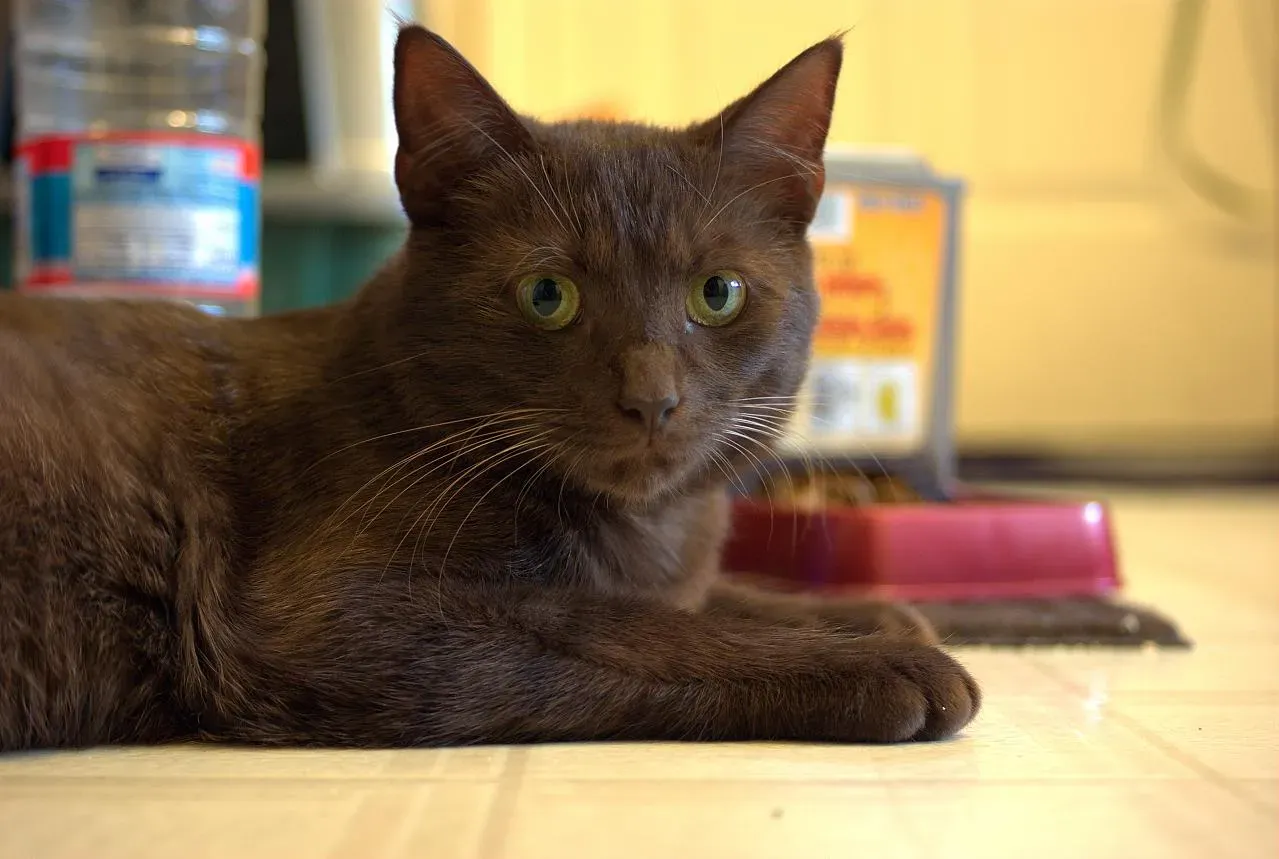
Havana Browns are the result of a breeding project in the 1950s aimed at creating a cat with a rich, brown coat and captivating eyes. Because the breed has such specific characteristics, maintaining its pedigree is no easy task. Despite their refined look, they have a playful, curious nature and a gentle, soft voice. Their short, glossy coat is low-maintenance, requiring minimal grooming.
Havana Brown cats are muscular shorthaired felines, which are moderately active. They adore social interaction with humans, and their curiosity makes them rather friendly towards strangers. With their unique appearance and loving temperament, Havana Browns make loyal and charming companions for those who appreciate a cat with a touch of elegance and personality. Their deep mahogany coat is unlike anything else you’ll see in the cat world.
13. American Curl: The Cat with Permanently Curious Ears
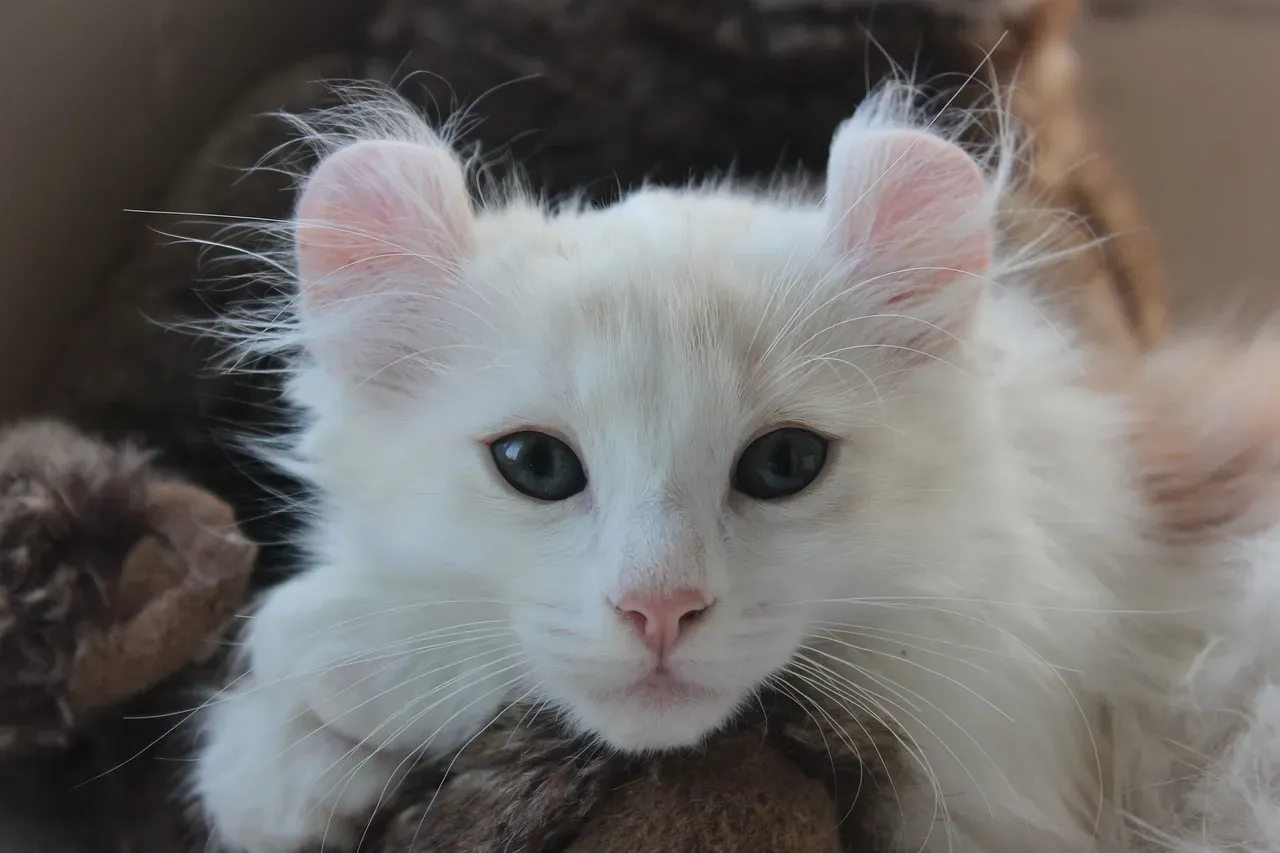
The American Curl is the result of a happy accident – a stray cat with adorably curled-back ears wandered into a California family’s life in the 1980s, and a new breed was born. Breeding American Curls takes a delicate touch – their ear curl is a dominant genetic trait, but getting that perfect curl without any health issues is an art. There aren’t many breeders dedicated to maintaining this adorable ear-curling quirk, making them rare and highly sought after.
American Curls are intelligent and playful, often retaining a kitten-like curiosity throughout their lives. They typically get along well with children, other pets, and guests, making them great companions for different types of households. The American Curl is a rare breed known for its unique curled-back ears. These cats are friendly, affectionate, and highly adaptable, making them a great choice for families.
14. Ojos Azules: The Blue-Eyed Mystery
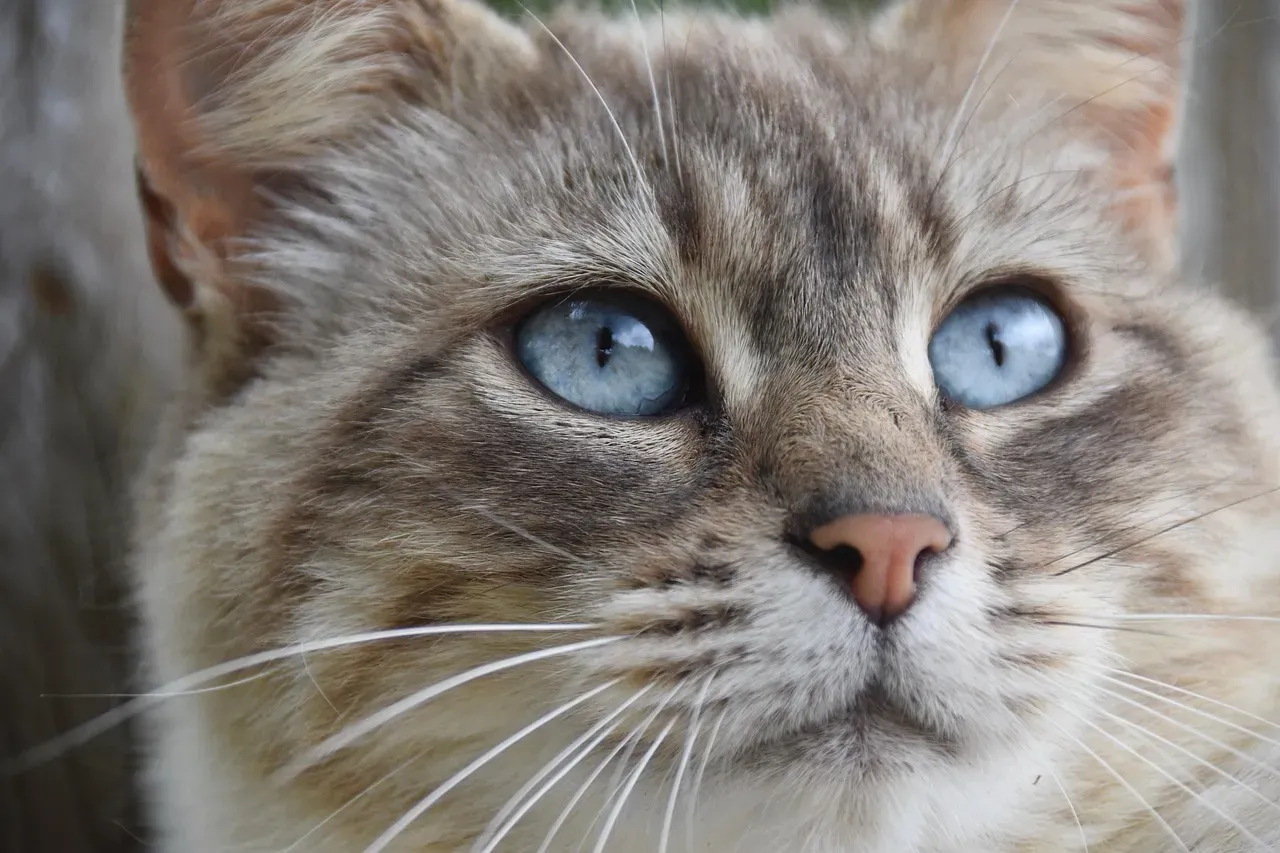
Ojos Azules is Spanish for “blue eyes.” The Ojos Azules is a new breed of cat first reported in New Mexico in the mid-1980s. The unique eye color is the result of a genetic mutation. Unlike cats with point coloration and blue eyes, the Ojos Azules comes in any coat color and variety, resulting sometimes in a striking black cat with piercing blue eyes.
Breeding was temporarily suspended when it was discovered that the mutant gene responsible for the blue eyes could cause skull defects and mortality in kittens. Breeding was later continued when it became apparent that the mutant gene is harmless if existing in heterozygous formation. Very little is known about the Ojos Azules, and in 1992 it was recorded that only 10 of these cats existed. Though their eyes are blue, they can have coats of any color, and they are known for being playful and social. Few breeds carry this level of rarity combined with such a distinctive feature.
15. Arabian Mau: The Desert-Born Survivor
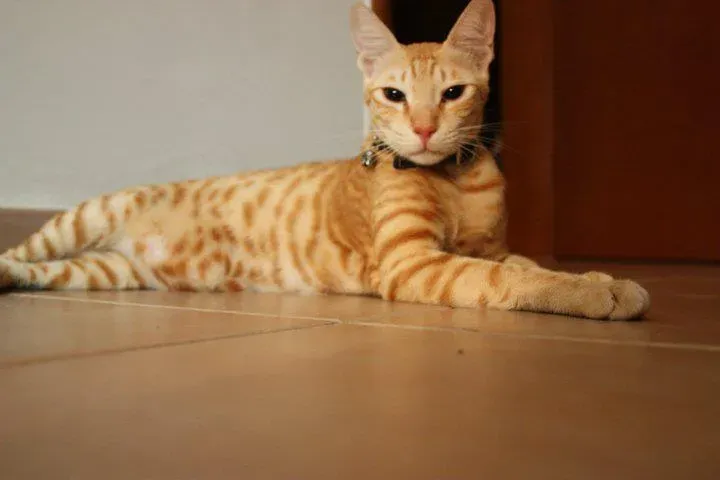
A rare natural breed from the Middle East, the Arabian Mau is an athletic, independent cat. These outgoing cats are excellent hunters and adapt well to desert environments. Despite their long history, they are not widely recognized outside their native region. Arabian Mau cats originated from desert cats native to Saudi Arabia and the overall Arabian Peninsula. These medium-sized cats are muscular, and females appear as rather slender and elegant compared to their larger male counterparts.
Well-known for their loving and affectionate temperament, Arabian Maus are loyal, hyperactive, and curious. Moreover, Arabian Maus are notably territorial and aren’t finicky eaters, unlike other feline breeds that are picky with their food. This is a breed shaped entirely by nature, not by selective human breeding programs, and that wild heritage gives the Arabian Mau a resilience and vitality that’s genuinely impressive.
The Case for Looking Beyond the Familiar
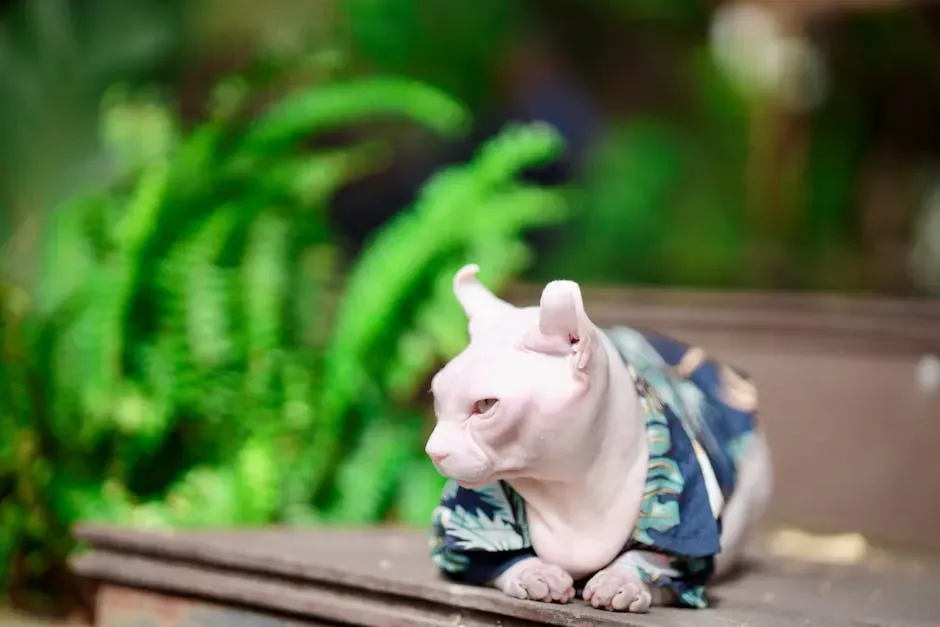
While all cats are special in their own right, some breeds are considered rare due to a combination of factors that limit their global presence. These felines might not show up in your neighborhood shelter or even at most pet shows, making them especially intriguing for enthusiasts. Still, rarity alone isn’t a reason to seek out any breed. Compatibility, lifestyle, and ethical sourcing matter far more than novelty.
Rare breeds often come with a high price tag and long waiting lists due to limited breeders. Some rare breeds are prone to specific hereditary conditions that may require ongoing care. Hairless or long-haired breeds may need regular grooming, skincare, or temperature control. You should also ensure the breeder follows humane and responsible practices and avoids breeding cats purely for novelty.
The cats on this list are a reminder that the feline world is far wider and stranger than most people realize. Whether it’s a forest cat from Kenya, a temple cat from ancient Thailand, or a curly-coated Oregon farm oddity, each of these breeds carries a story worth knowing. The right rare breed, matched with the right home, isn’t just a pet. It’s a living piece of natural history walking across your living room floor.
Kristina is a young writer from India. An arts graduate and an avid content creator, Kristina is passionate about animals and wildlife. She enjoys exploring topics related to pet care, animal behavior, conservation, and nature, combining thorough research with engaging storytelling.