There’s a particular moment every cat owner knows. You’re going about your day, glance over, and find your cat sitting perfectly still, eyes fixed on you or some invisible point in the room, completely unreadable. It’s easy to label this as indifference. For decades, that’s exactly what people did.
According to feline researchers, cats often get maligned as aloof and even spiteful, when many of them are quite social and eager to interact. The stare, the stillness, the apparent absence of reaction – none of it means what you think it means. Beneath that unblinking gaze is something far more interesting: a mind actively at work.
The Myth of the Aloof Cat
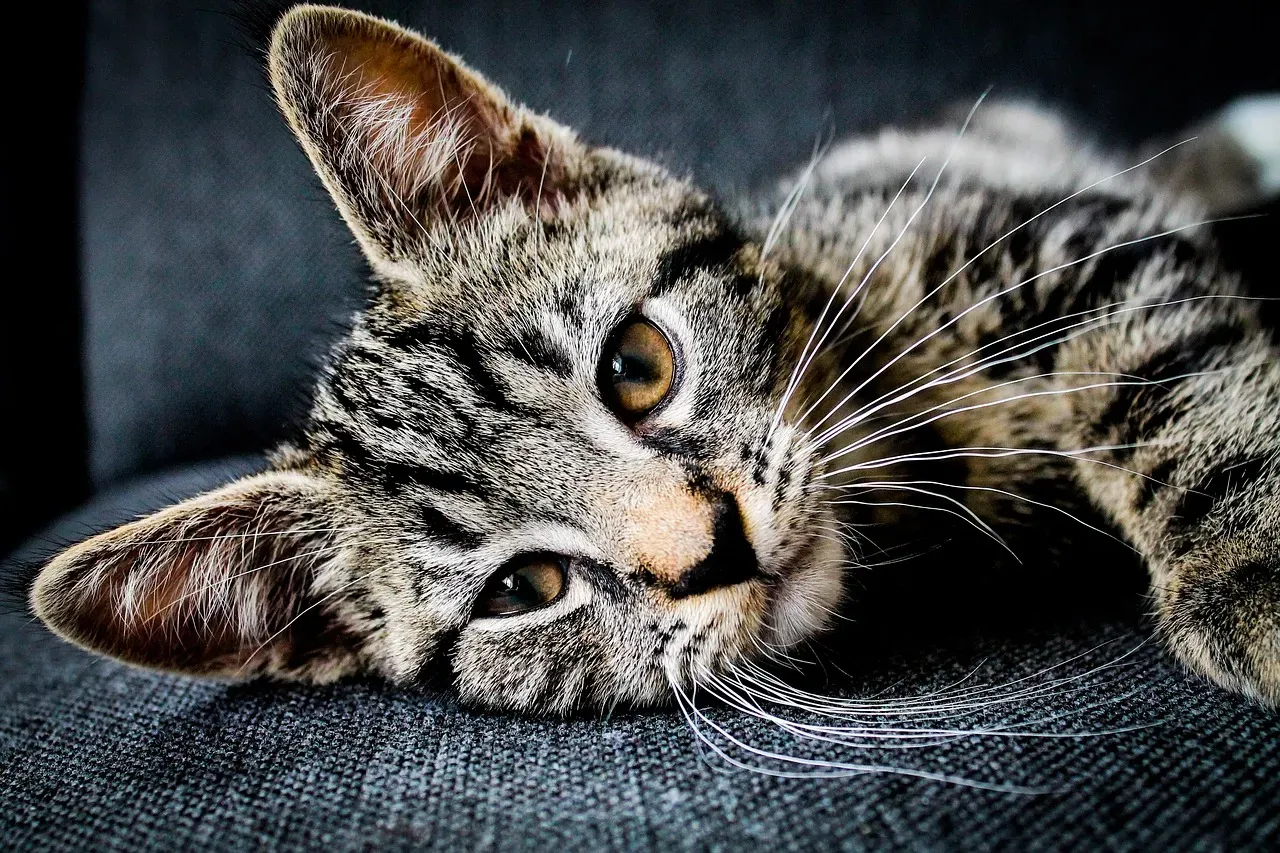
The idea that cats are cold and disinterested has been around for centuries. Cats are descended from a largely solitary-living species, North African wildcats, and although they have been domesticated for more than 10,000 years, it is a common perception that they remain aloof and often fiercely independent animals with relatively little reliance on humans. That reputation, it turns out, was never quite fair.
Results of research suggest that feline body language is mainly misunderstood by pet owners, earning cats a reputation for being “aloof.” Cats are much more likely to snuggle into a cozy space rather than cuddle up with their owners, which is very different from dog behavior. This difference in style has long been misread as a lack of care, when it’s simply a different language altogether.
What Science Actually Says About the Stare
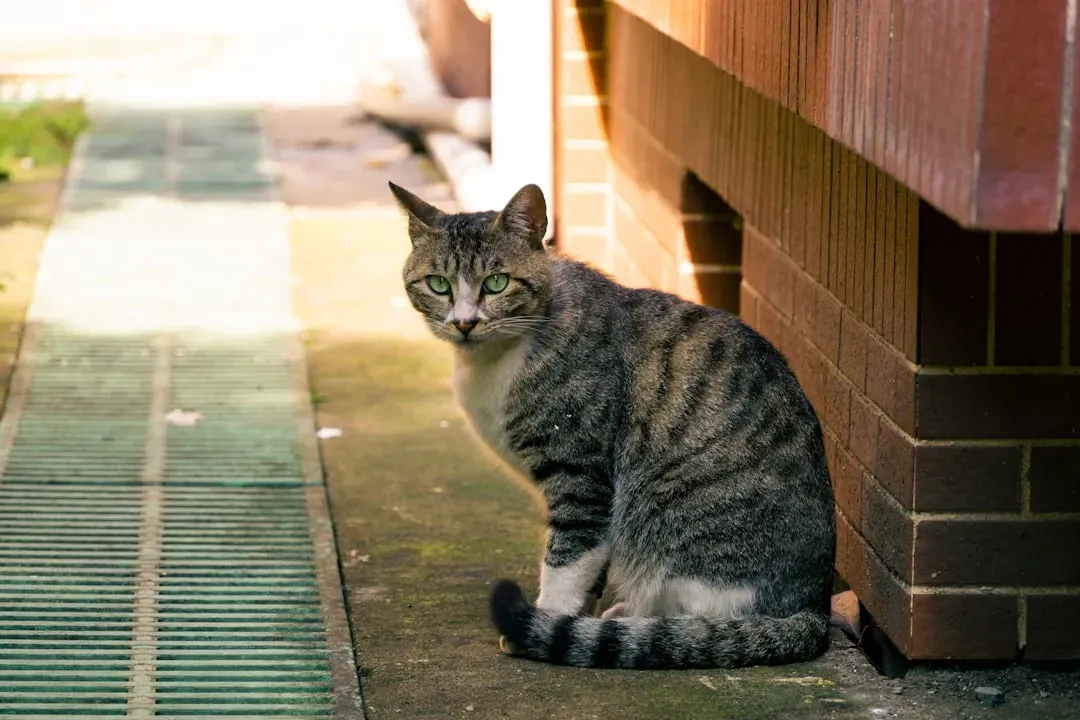
According to animal behaviorists, a cat’s stare is rarely meaningless. When your cat locks eyes with you from across the room, they’re not blanking out or looking past you. They’re processing. One theory is that cats stare at their humans because they are trying to communicate something. Cats are known for their subtle body language, and staring could be a way for them to convey a message.
It’s the intense, unblinking stare that many people misinterpret. Staring alone isn’t enough to judge a cat’s state. You need to look at the whole picture – the tail position, ear direction, and whether the body is relaxed or tight. A stare without context tells you almost nothing about what your cat is actually thinking.
Your Cat Sees a World You Can’t
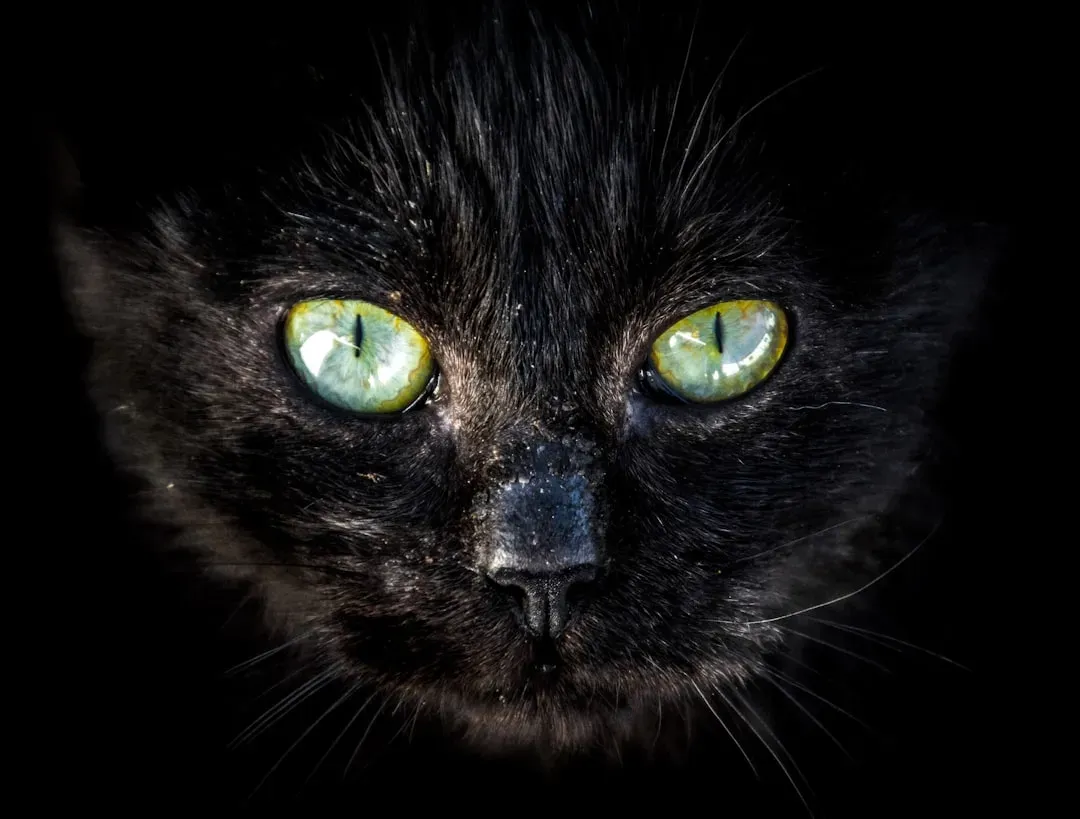
Cats are not spacing out when they stare at a blank wall. Several sensory advantages explain why they notice things we cannot. Cats have far more rod cells in their eyes than humans, making them exceptional at detecting movement in dim conditions. So when your cat appears to stare at nothing, they may quite literally be watching something you’re unable to see.
A reflective layer behind the retina called the tapetum lucidum amplifies available light, allowing cats to see in conditions six times darker than what humans need. Cats can see ultraviolet wavelengths invisible to the human eye. Certain fabrics, cleaning residues, and surface coatings reflect UV light in patterns we cannot perceive, making a blank wall or floor visually interesting to your cat. Your cat’s “empty stare” might be a rich visual experience you simply don’t have access to.
The Extraordinary Hearing Behind the Gaze
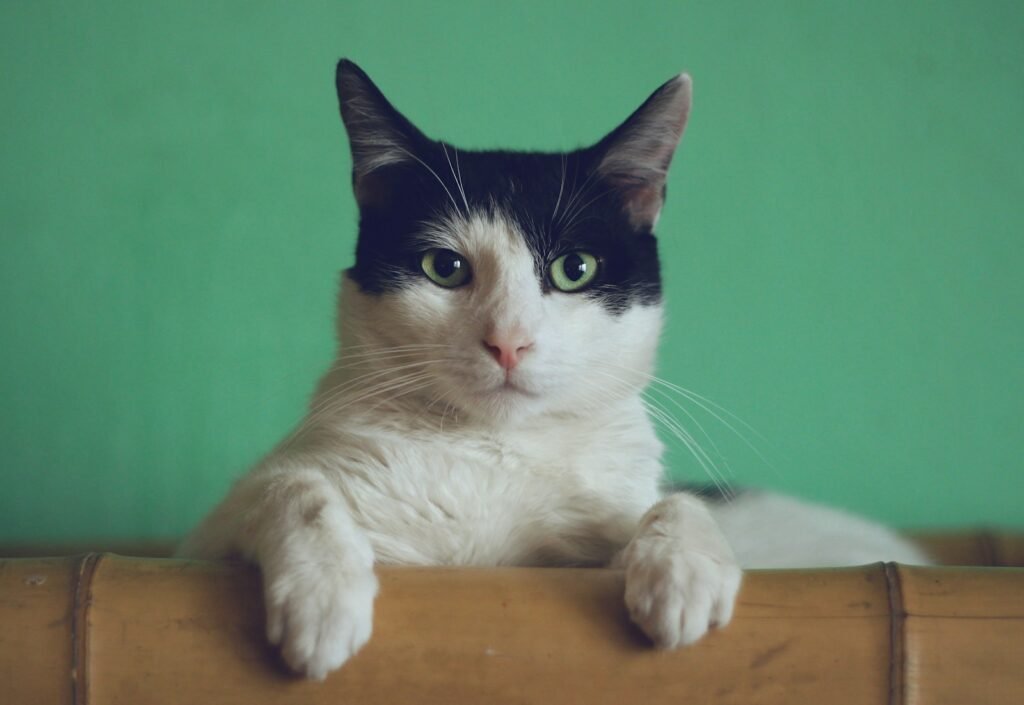
Humans and cats have a similar range of hearing on the low end of the scale, but cats can hear much higher-pitched sounds, up to 64 kHz, which is 1.6 octaves above the range of a human, and 1 octave above the range of a dog. That’s an enormous difference. When your cat freezes mid-stare, they may be listening to something happening inside your walls, outside a closed window, or at a frequency your ears simply cannot register.
What’s likely happening is that your cat saw or heard something for less than a second, but even that was enough to get and keep their attention. They might not even be looking at anything, but are instead listening for sounds imperceptible to us and just looking off into space as they concentrate. The physical stillness you interpret as blankness is actually focused attention at its most refined.
The Predator Behind the Stillness
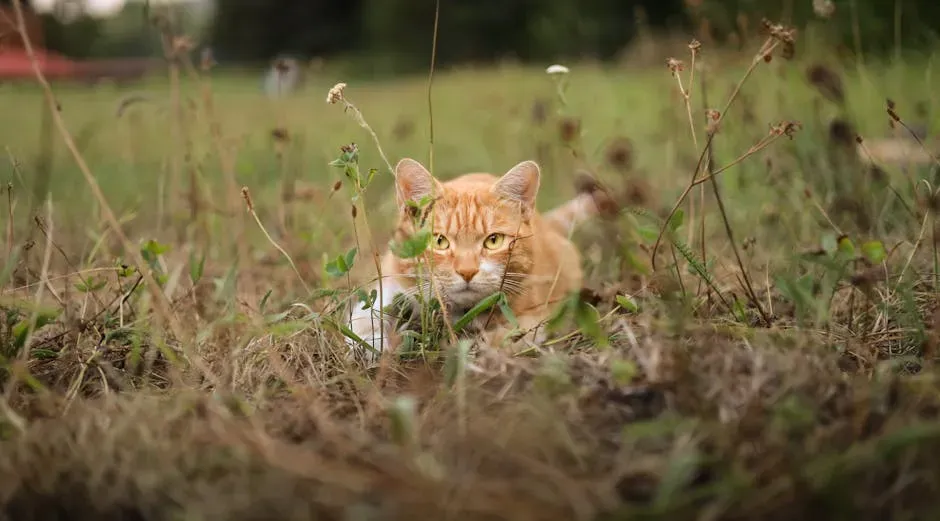
This behavior hearkens back to the prey-stalking instinct. Cats are ambush predators, so they don’t immediately charge after their target. That patient, contemplative stare is not boredom. It’s a hunting strategy refined over millions of years. What you may interpret as a cat being aloof is actually your exquisitely designed companion being ready for anything. Just because your cat may not jump to immediate attention when you call his name doesn’t mean he’s aloof – he’s focused.
Since cats are predators, they have very good depth perception, as well as vision that focuses mainly on movement. Another feature that helps them hunt is that their eyes do not need to be lubricated by blinking. This helps them keep a steady focus on their prey. That unblinking quality that unsettles so many people is actually a biological advantage, not a sign of detachment.
When Your Cat Stares at You Specifically
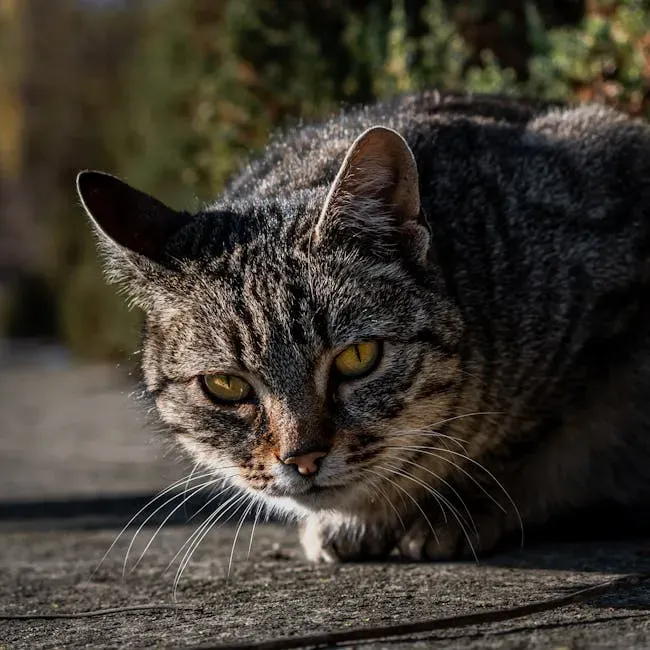
Another possibility is that cats are simply observing their humans, trying to understand their behavior and motivations. Think about that for a moment. Your cat is studying you. Cats observe their humans constantly. A cat perched on a sturdy elevated surface may watch you simply because you are the most interesting thing in their environment. A relaxed posture during this observation means your cat feels content.
Cats are far more emotionally aware than they’re often given credit for. They pick up on our moods, and their behavior may shift depending on how we express ourselves. Whether you’re smiling or stressed, your cat may understand you far better than you realize. That steady gaze directed at you is, in many cases, a form of active emotional reading.
The Slow Blink: Contemplation’s Quiet Conclusion
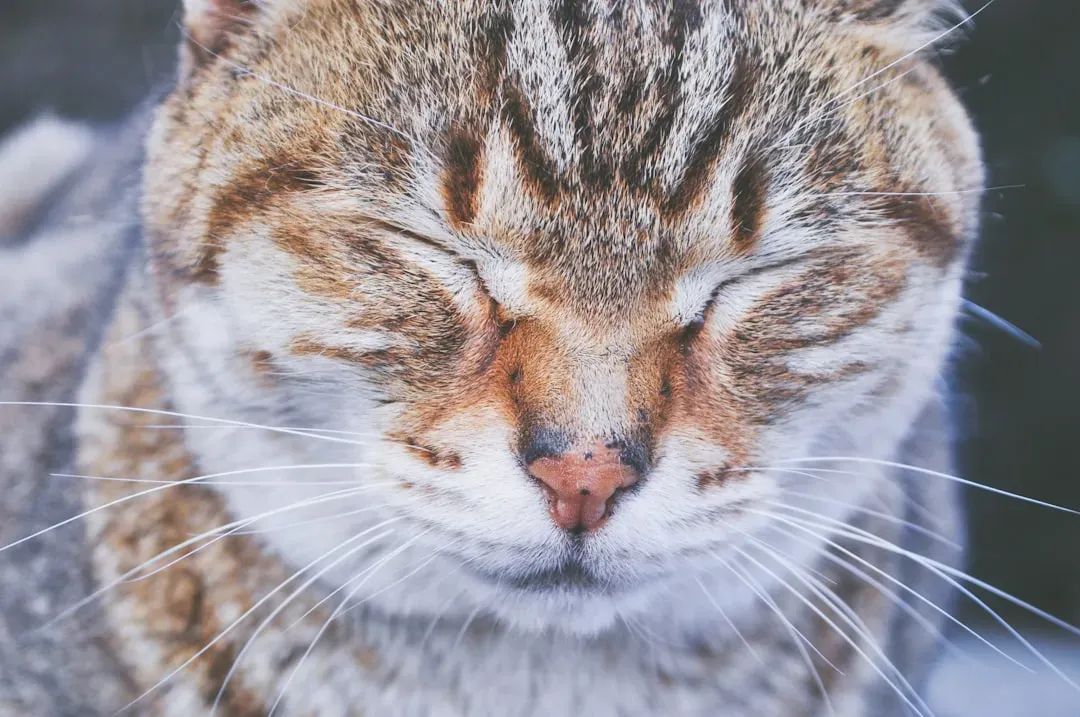
When your cat finishes their extended stare with a long, slow blink, something meaningful has just happened. When a cat slow blinks at you, they are often expressing a sense of trust, contentment, and affection. In the feline world, closing their eyes in the presence of another creature makes them vulnerable, as they are unable to detect potential threats. By slow blinking at you, your cat is demonstrating their trust and signaling that they feel safe and relaxed in your company.
A study published in 2020 confirmed that slow blinking plays a key role in feline communication. The research, led by scientists at the University of Sussex, found that cats were more likely to slow blink in response to humans who initiated the same gesture. The slow blink is effective even with unfamiliar humans, making it a universal, reliable tool for building trust. That contemplative stare, ending in a soft blink, is arguably the most intimate exchange a cat can offer.
How Cats Attach to You More Than You Know
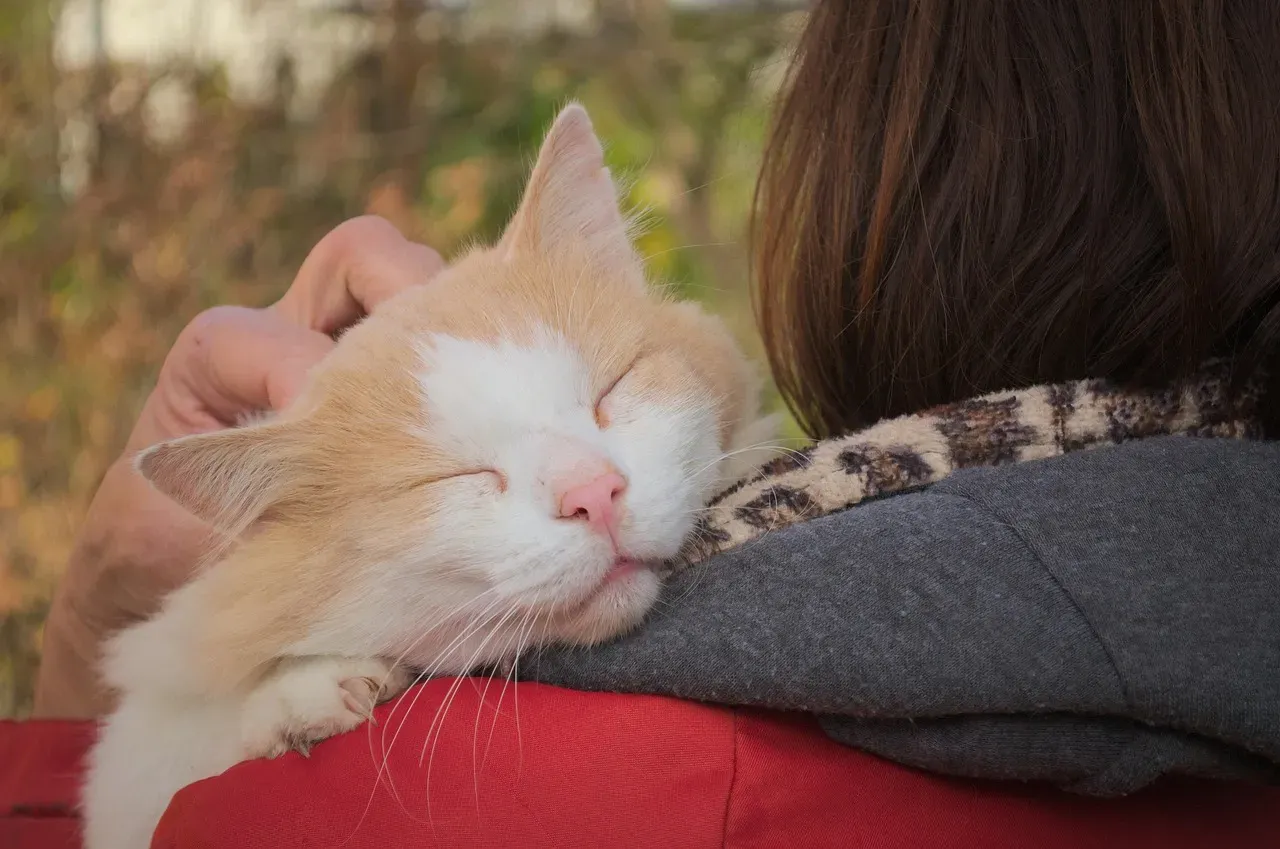
While cats may often be perceived or described as being aloof and independent, the truth is, in fact, much more complex. Most actually appear to have close attachments to their owners, who they turn to as a source of safety and security, just the same as dogs do. Those long gazes directed your way are part of how that bond is maintained and expressed.
Of 70 kittens aged between three and eight months, more than 64% were classified as securely attached to their owners, and these proportions did not change significantly even with 6 weeks of additional training. Additionally, when 38 adult cats were assessed with the same test, very similar results were obtained, with almost 66% displaying secure attachment. Your cat’s focused attention toward you isn’t random – it’s relational.
Reading Context: When the Stare Means Something Different
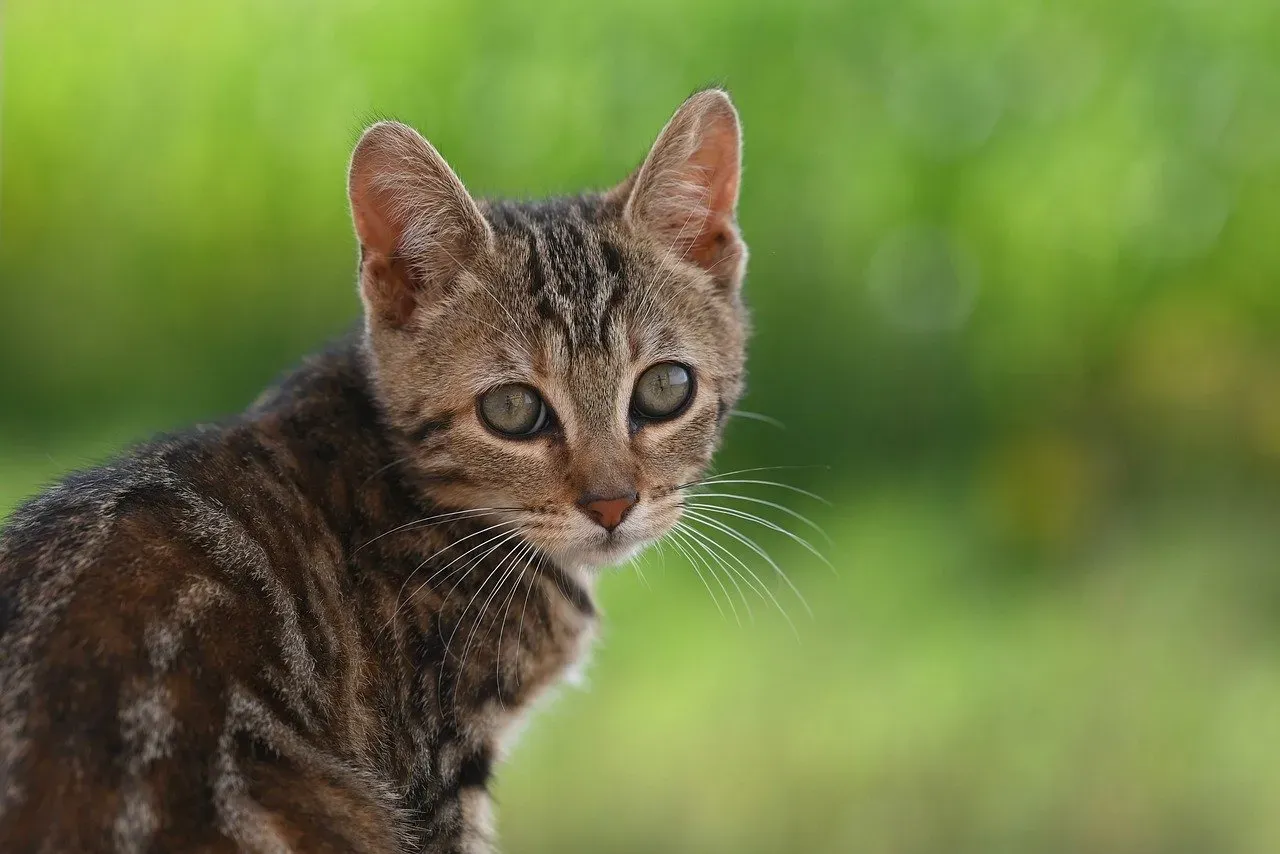
Not every stare is a meditation on your existence. Cats stare to communicate needs, emotions, or intentions. Common reasons include attention-seeking, play solicitation, hunger, affection, fear, or aggression. A stare near dinnertime is probably not philosophical. Cats are creatures of routine. If your cat stares at you around mealtime or near the treat cabinet, the message is straightforward: they are communicating a need and waiting for you to respond.
When a cat gives a hard, unblinking stare paired with stiff body language and piloerection along the back and tail, they are telling the other party that if they do not back off, there will be a confrontation. The hard, unblinking gaze is a threat to the other person or animal. Context, posture, and ear position will tell you which kind of stare you’re receiving. The relaxed, slow, steady gaze is contemplation. The rigid, tense version is something else entirely.
How to Respond to Your Cat’s Gaze
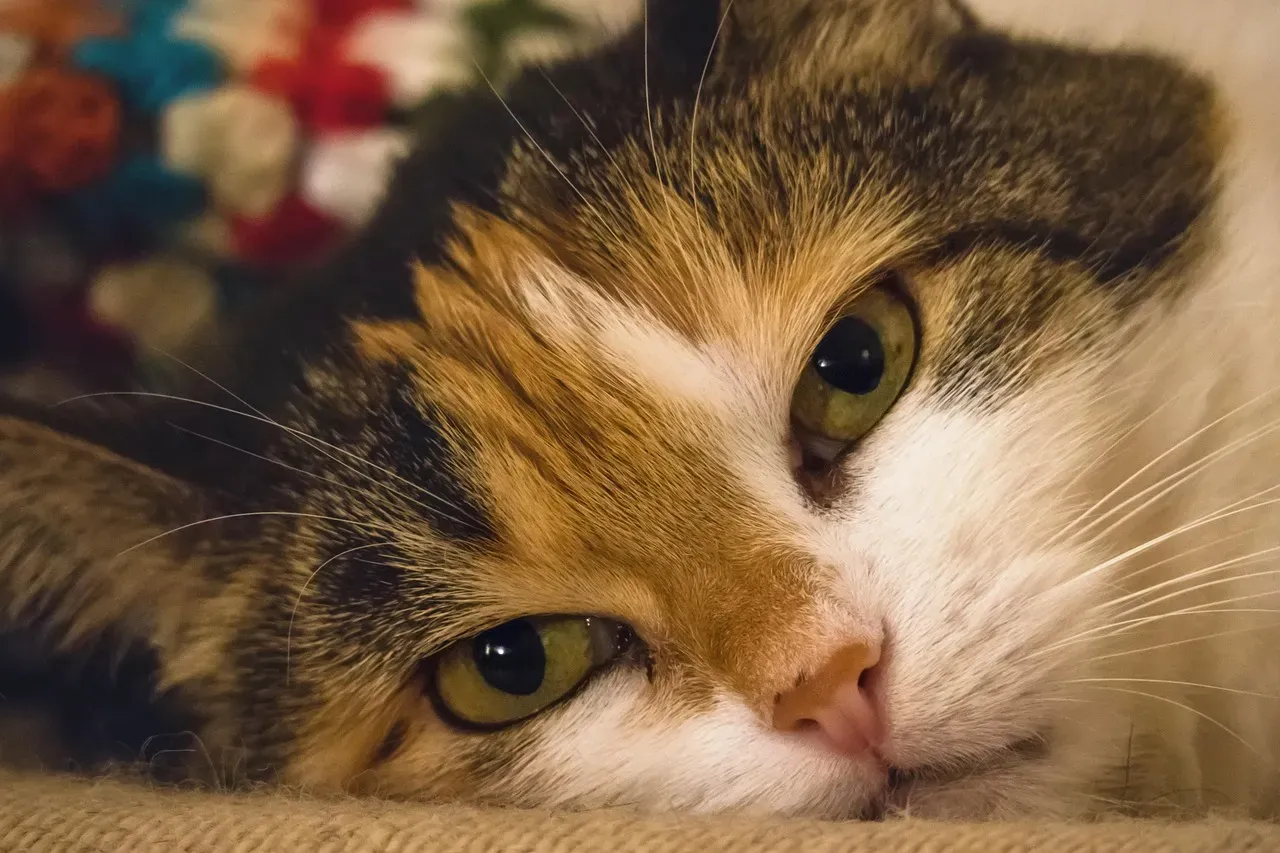
By deciphering the different stare meanings and responding appropriately, cat owners can strengthen their bond with their pets. When dealing with a staring cat, it is important to approach them calmly and gently. Avoid sudden movements or loud noises that could startle them. Matching your cat’s calm energy is one of the most effective things you can do when you find yourself in the middle of a staring exchange.
If the cat is showing affection or seeking attention or play, it’s fine to approach and interact. You can also make eye contact and slow-blink back to the cat. Returning a slow blink is one of the simplest and most science-backed ways to communicate warmth to your cat. Learning how to improve our relationships with these enigmatic animals could also be a way to improve their emotional health, not just in the home environment but across a range of potentially stressful situations.
Conclusion: A Look Worth Understanding
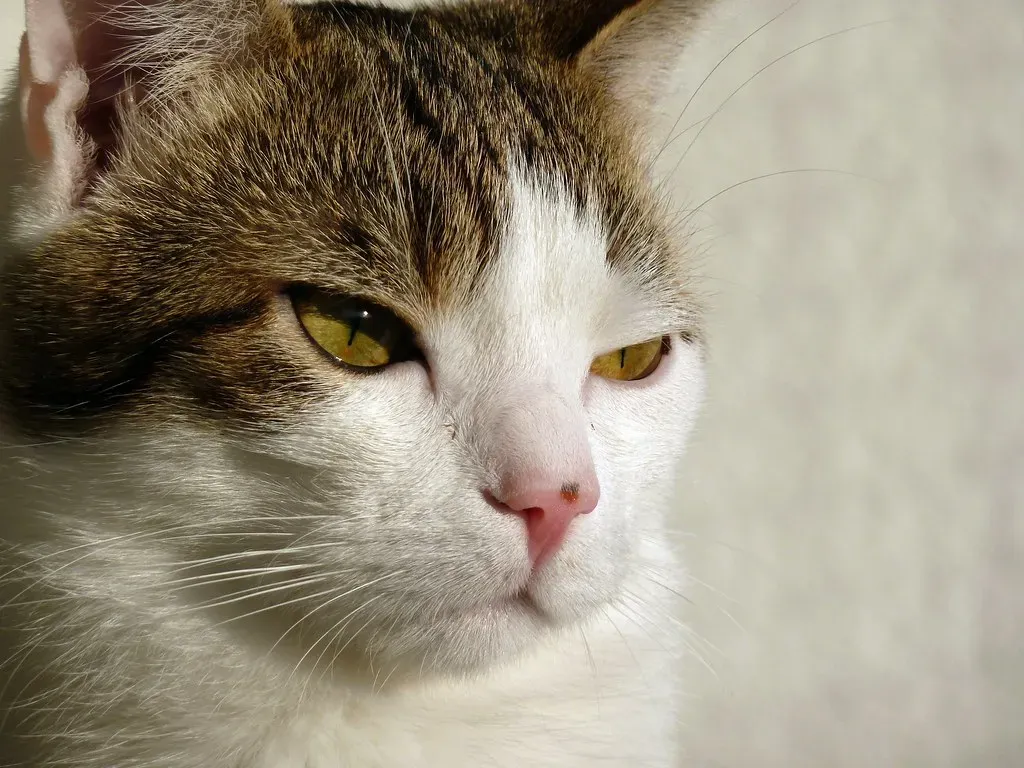
The next time your cat holds you in that steady, unhurried gaze, it’s worth pausing before labeling it as indifference. Understanding cat behavior requires patience and observation, but it’s clear that our feline friends are far from the indifferent creatures they’re often made out to be.
What looks like disengagement is often a highly developed system of awareness, emotional processing, and quiet communication. Cats are complex, emotionally intelligent beings with specific needs that are often misunderstood. The stare isn’t a wall between you and your cat. More often than not, it’s a door left deliberately open – waiting to see if you’ll walk through it.
Kristina is a young writer from India. An arts graduate and an avid content creator, Kristina is passionate about animals and wildlife. She enjoys exploring topics related to pet care, animal behavior, conservation, and nature, combining thorough research with engaging storytelling.