There’s a reason so many people find themselves pouring their hearts out to their cats at the end of a long day. It’s not a sign of eccentricity or loneliness. It’s a quietly rational response to something genuinely comforting.
Research has found that a third of pet-owning married women say their pets are better listeners than their husbands. That’s not a throwaway joke. It points to something real about the way animals receive us, especially cats, with their particular mix of stillness, sensitivity, and unhurried presence. Here are nine reasons your cat might actually have your partner beat.
Your Cat Never Interrupts You Mid-Sentence
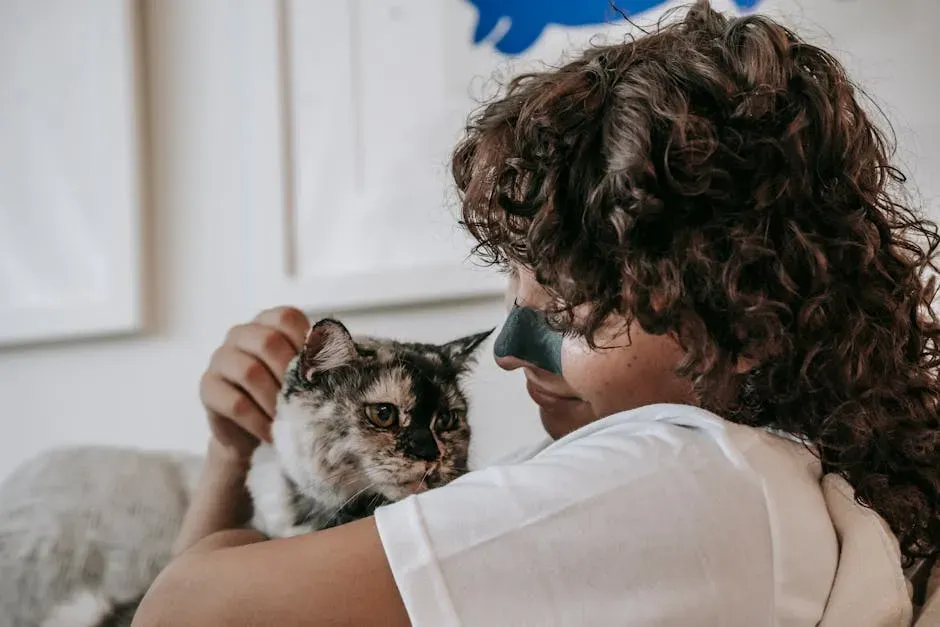
You’ve probably experienced it. You’re barely three sentences into explaining your day and your spouse has already jumped in with a rebuttal, a counterpoint, or a solution you didn’t ask for. Your cat does none of that.
Cats never interrupt, allowing you to express yourself fully without fear of being sidelined. Their patient presence ensures that every word you speak is heard without any abrupt interjections, and that uninterrupted flow helps you feel more connected and understood. For anyone who just needs to finish a thought, that matters more than it sounds.
They Don’t Try to Fix Everything You Say
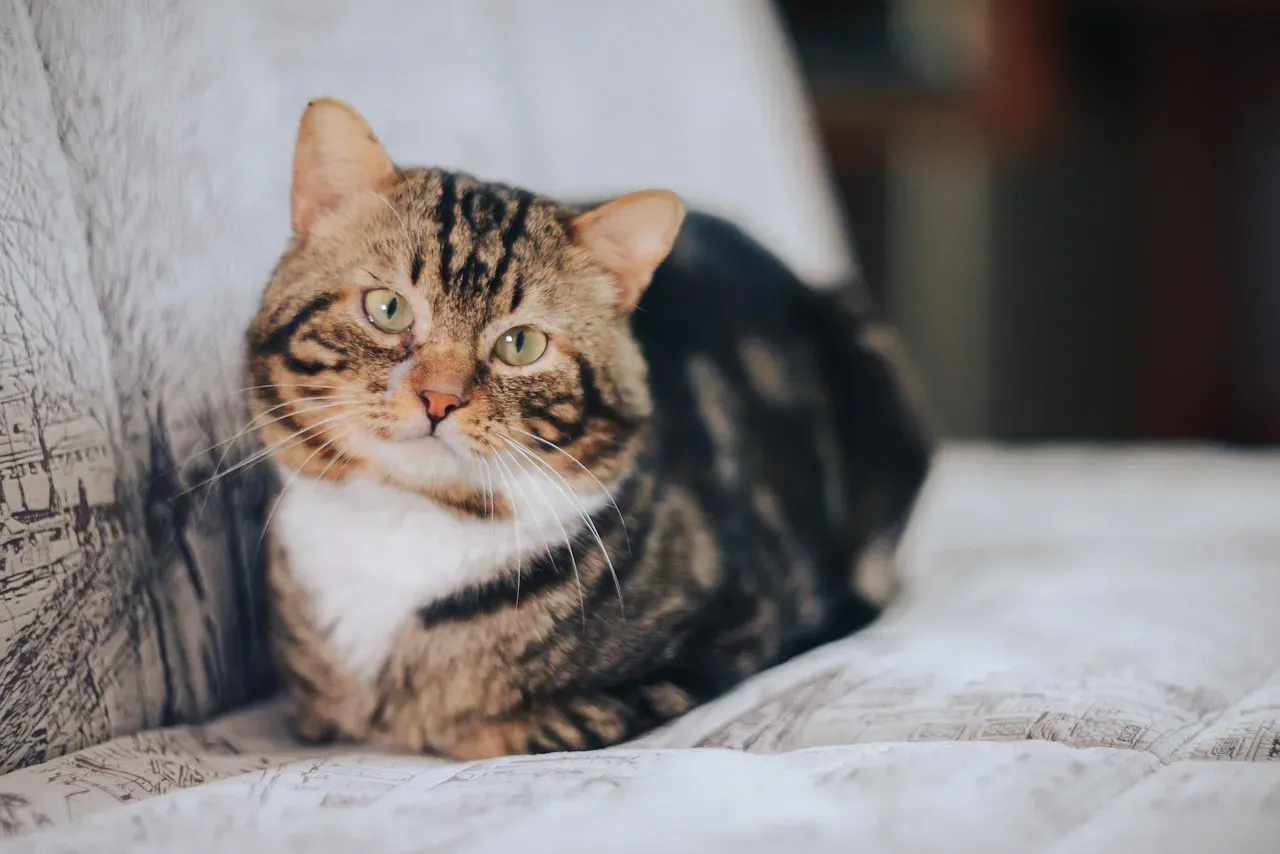
Unlike humans who might offer solutions before you’ve finished speaking, cats simply listen. They don’t try to fix your problems or steer the conversation elsewhere. This non-intrusive support allows you to process your thoughts and emotions at your own pace, fostering a sense of autonomy and trust.
There’s a genuine psychological difference between being heard and being problem-solved. Sometimes you want to process something out loud, not receive a five-step action plan. Your cat instinctively understands this, even if your spouse still hasn’t quite got there.
Cats Are Remarkably Attuned to Your Emotional State
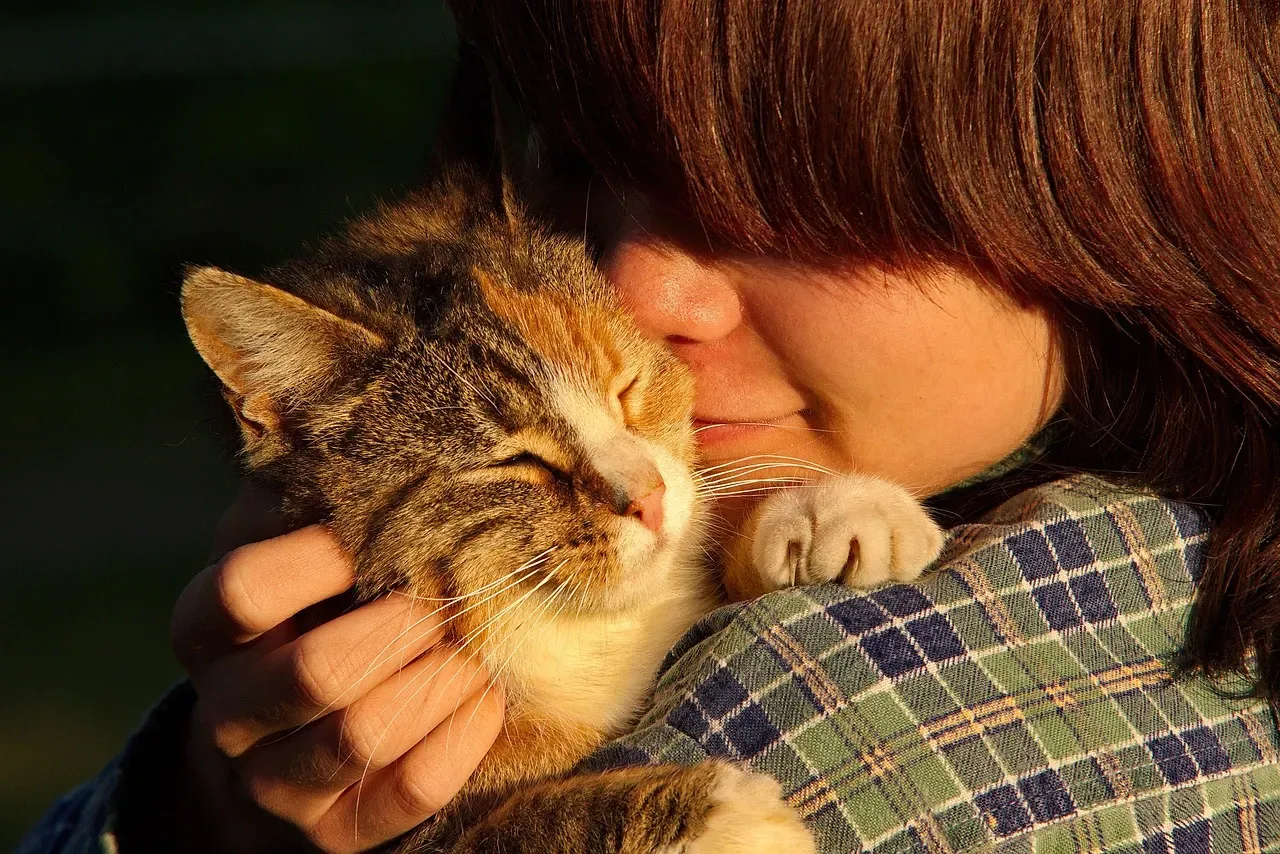
Recent research suggests that cats may be more attuned to human emotions than previously thought, with studies showing that cats react to their owners’ visual and vocal signals and adjust their behavior based on human emotions. This isn’t just anecdotal. It’s observable and increasingly well-documented.
A recent study shows cats can detect human emotions through scent, especially fear, suggesting our feline friends might understand us more than we realize. Your cat isn’t just sitting nearby by coincidence when you’re upset. They’re picking up on signals most humans don’t even notice.
They Actually Know When You’re Talking to Them
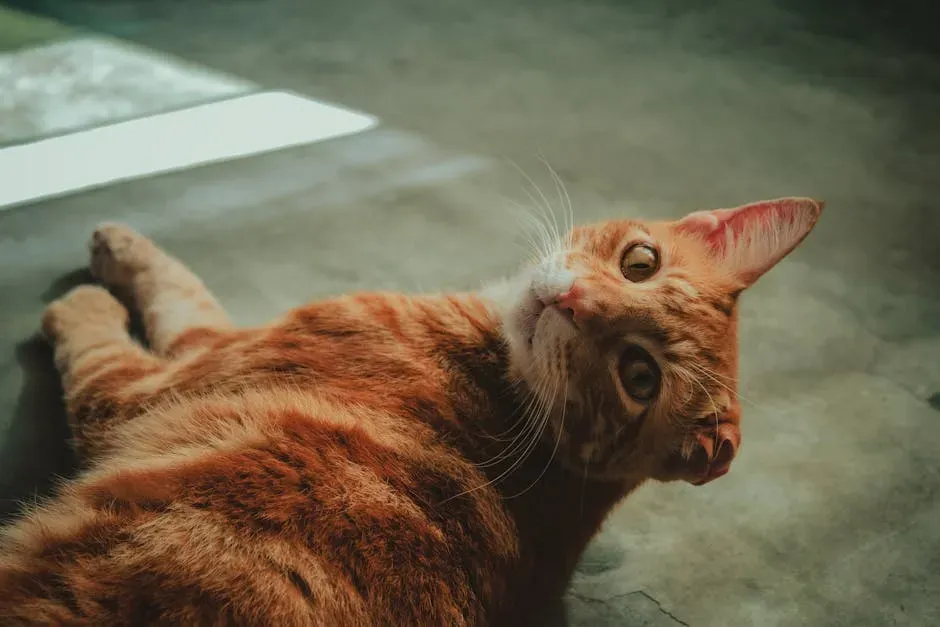
You might assume your cat is tuning you out, but the science tells a different story. Research suggests cats are adept at deciphering human communication. Studies have shown that cats can differentiate between their own name and similar-sounding nouns, follow human pointing, look for emotional cues from their familiar humans when confronted with novelty, and can tell when their owner is angry or happy.
Cats did not react differently to cat-directed speech when it was uttered by a stranger, a finding that adds to the growing scientific evidence that cats may form strong attachment bonds with their owners. That selectiveness isn’t indifference. It’s loyalty. They’re listening to you specifically.
Your Cat Keeps Everything Strictly Confidential
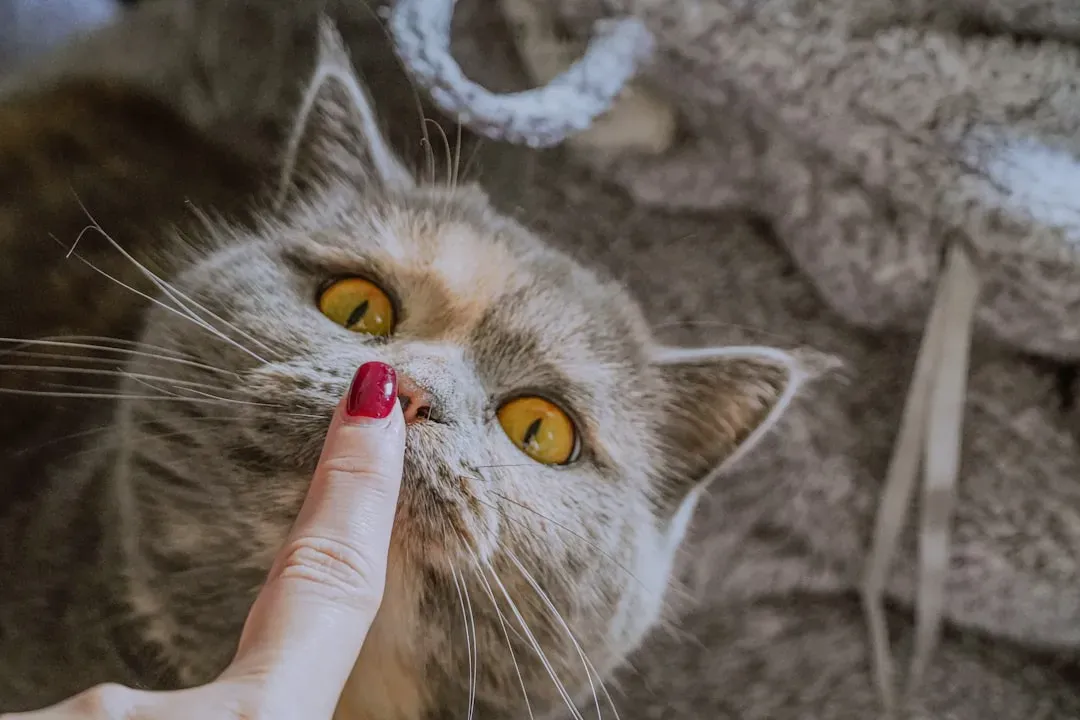
Whatever you say to your cat stays with your cat. There’s no risk of your deepest frustrations getting repeated to your in-laws, recounted to friends over dinner, or brought up again during your next argument. You can confide in them knowing your conversations won’t become the latest gossip, and when you feel listened to, that in turn builds trust, loyalty, and commitment to a relationship.
With cats, people can talk freely, without fearing what other people might think. That freedom changes the quality of what you’re able to say. You stop self-editing. You stop calculating. You just talk, and that kind of release is genuinely therapeutic.
Their Purring Actually Helps Your Body Calm Down
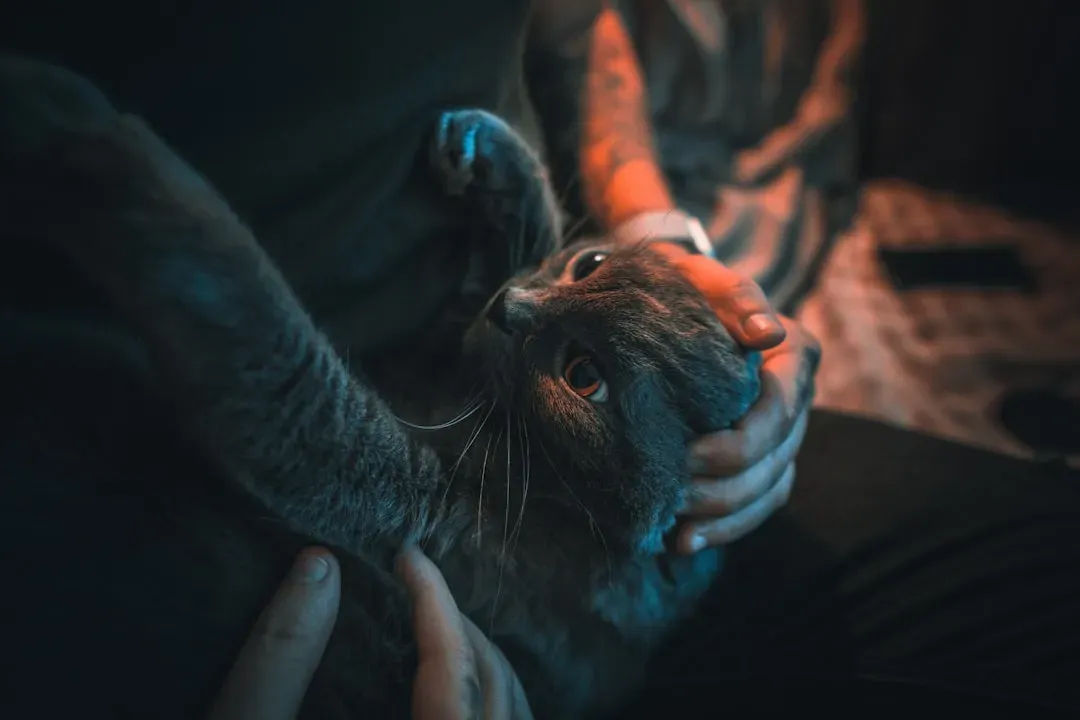
The gentle sound of a cat’s purr isn’t just adorable. It has therapeutic benefits. Purring can reduce stress, lower blood pressure, and promote relaxation, creating an ideal environment for you to open up, and this natural form of therapy enhances your emotional well-being.
A study reported by the Journal of the Acoustical Society of America stated that the frequency of a cat’s purr, somewhere between 25 and 150 Hertz, falls within the same range as vibrational and electrical frequencies used in therapeutic or clinical settings to treat pain, swelling, wounds, and other injuries. Your spouse can say nice things. Your cat can literally vibrate stress out of you. It’s a different category of comfort.
They’re Available Around the Clock Without Complaining
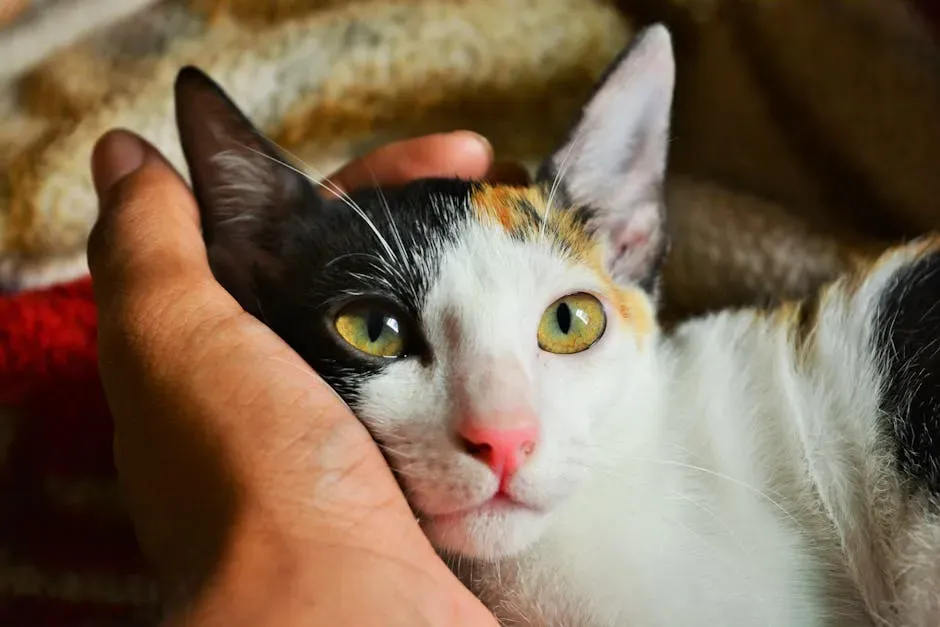
It’s 2 a.m. and your mind won’t stop turning over a conversation you had at work. Your spouse is asleep, and waking them up for emotional support at that hour isn’t exactly a recipe for a warm reception. Your cat, though? Entirely different story.
Cats are surprisingly adaptable to your schedule, often being up and ready to listen whenever you need them. Whether it’s a late-night heart-to-heart or an early morning venting session, your feline friend is there, providing consistent support. No groaning. No glancing at the clock. Just presence, which is often all you actually need.
Spending Time With Your Cat Has Real Mental Health Benefits

The case for your cat as emotional companion isn’t just intuition. According to a Human Animal Bond Research Institute survey, roughly three quarters of pet owners report that their personal health has improved as a result of having a pet. Cats are a significant part of that picture.
Cat ownership is associated with lower levels of depressive symptoms and improved mood. In addition, cat owners have been found to laugh more frequently and spontaneously than non-owners, particularly in response to something their cat has done. A relationship that consistently lifts your mood without requiring much negotiation is, objectively, a pretty good one.
They Offer Judgment-Free, Unconditional Presence
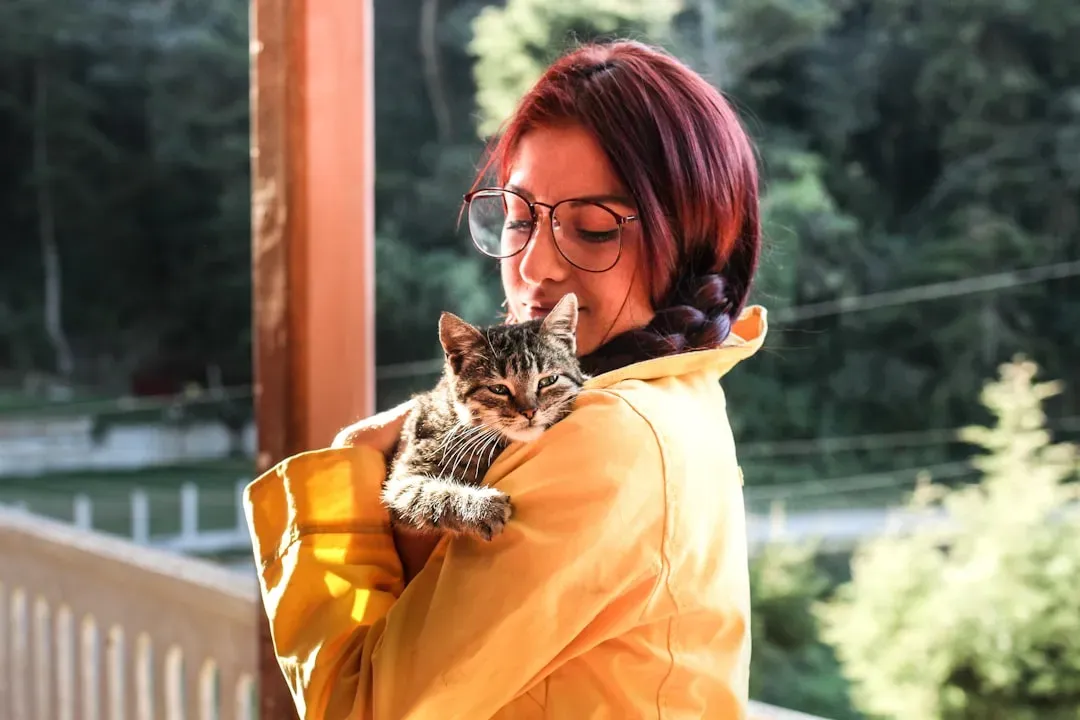
Human relationships are layered with expectations, past grievances, and ongoing negotiations. Your cat brings none of that to the table. Loneliness can be a major factor in anxiety, and pets fill this gap by offering unconditional love and presence. Their non-judgmental nature allows people to express emotions freely without fear of criticism.
Having an animal react to you, rely on you, and love you in such a simple and pure way can elevate positive mental health. The relationship established with a pet is one that offers predictability, encouragement, and positivity, which can be a big help for many who may experience negativity within human relationships. That simplicity isn’t a limitation. In the right moment, it’s exactly the point.
Conclusion
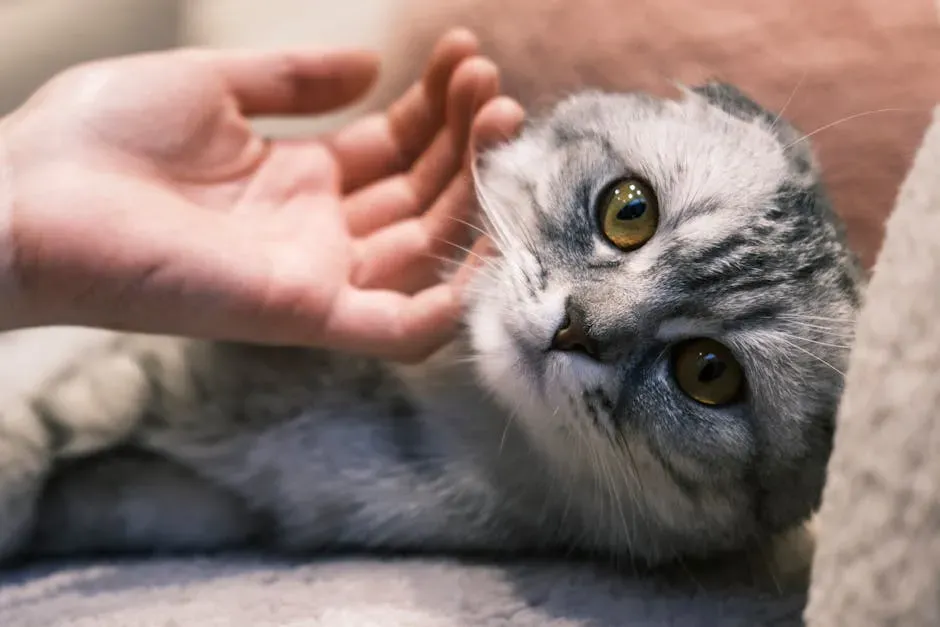
None of this is a case against your spouse. Human relationships carry a richness and complexity that no cat, however perceptive, can fully replicate. Partners challenge you, grow with you, and share your life in ways that go far beyond listening.
Still, there’s something worth taking seriously in the way cats receive us. They don’t filter. They don’t agenda-set. They show up with a kind of uncomplicated attention that, on the hard days, is genuinely hard to beat. If anything, watching how your cat listens might just be a quiet reminder of what good listening actually looks like.
Sometimes the most grounding presence in the room is the one with four paws and absolutely no opinion about whose fault it was.
Kristina is a young writer from India. An arts graduate and an avid content creator, Kristina is passionate about animals and wildlife. She enjoys exploring topics related to pet care, animal behavior, conservation, and nature, combining thorough research with engaging storytelling.