There’s a certain irony every cat owner knows well: you spend twenty dollars on a sparkly store-bought toy, and your cat ignores it completely while gleefully batting around the crinkly plastic bag it came in. Cats don’t need expensive or high-tech toys to keep them occupied – often, they are just as happy to play with a new toy as the box it came in. That kind of simplicity is actually good news for you.
Enrichment is essential for cats and kittens of all ages, and keeping your cat’s environment as exciting and stimulating as possible will promote a happy and healthy life. The eleven ideas below cost next to nothing, require no special crafting skills, and are genuinely likely to get your cat off the couch and into hunting mode.
1. The Toilet Paper Roll Treat Rattler
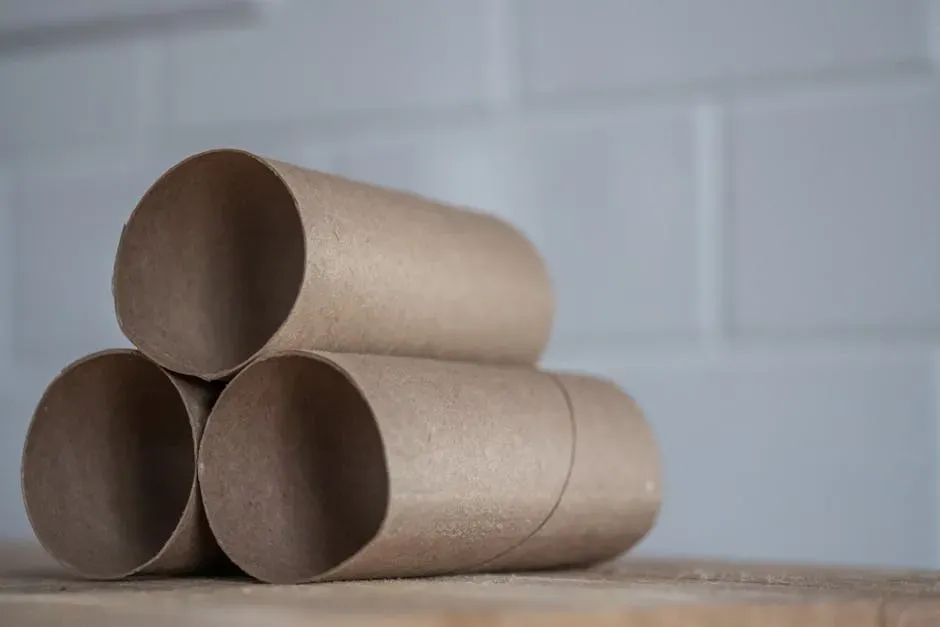
Cats love to chase moving objects, and they love to gobble up treats – and this easy toilet paper roll rattle lets them do both. You simply fold the ends of an empty roll inward to close it, drop a few kibble pieces or small treats inside, and hand it over. Your cat will roll, bat, and wrestle it across the floor, working out how to release the reward.
When your cat bats the roll around, the treats release through the holes, stimulating your cat’s hunting instincts and encouraging problem-solving. It’s one of those rare toys that costs you absolutely nothing and consistently earns a reaction. Empty toilet rolls or kitchen roll tubes are a cheap and easy way of keeping a kitty happy – you can turn them into puzzle toys by popping a few treats in and folding the edges inside, or cut holes in the tube so treats come out as the cat moves it around.
2. The DIY Feather Wand
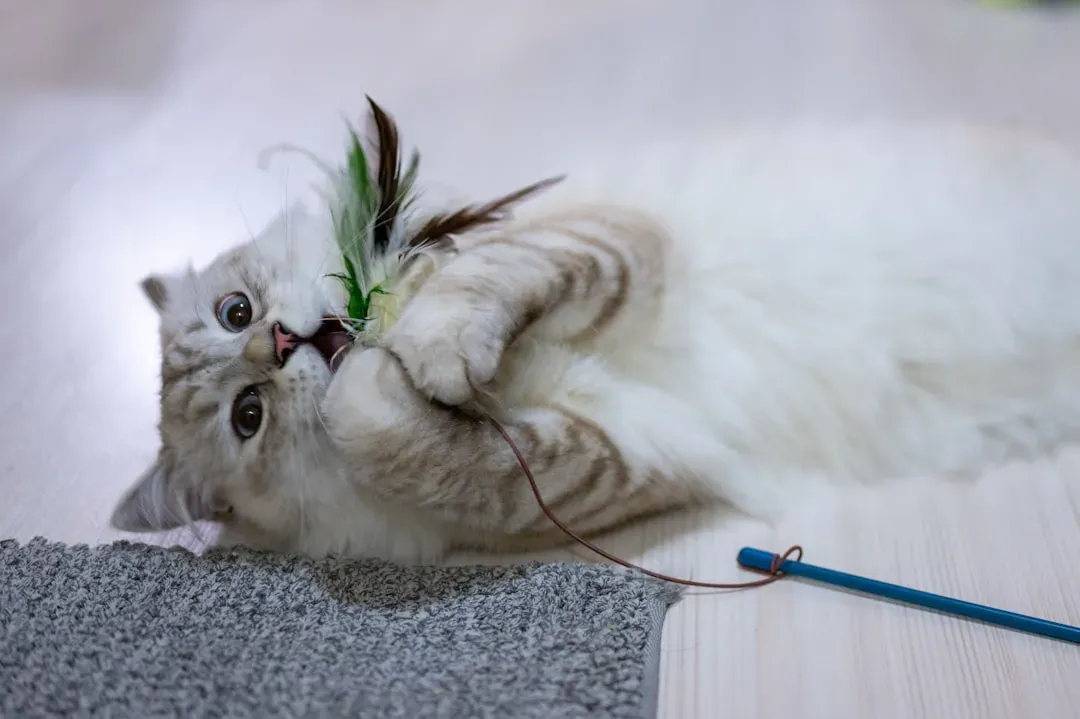
Feather wands are a favorite for many cats, as they mimic the movements of birds, and you can make your own with a few materials. All you need is a wooden dowel or sturdy stick, a length of string or elastic, and a handful of feathers. Tie the string to one end of the dowel and securely attach the feathers to the other end of the string – that’s genuinely all there is to it.
You can make a cat wand at home with a piece of dowel, elastic, and fabric strips, raffia, or feathers – drill a small hole in the dowel, tie the string to this, and tie, glue, or sew some fabric strips, feathers, or raffia to the end to make a tempting toy for your cat. When you wave it around the room, you’re giving your cat a full hunting experience – stalking, sprinting, pouncing. Your cat doesn’t have to do any extra work to make the toy come to life – you’re in charge of that part of the game. Using a wand toy, you make the “prey” come alive through your movements.
3. The Stuffed Sock Kicker
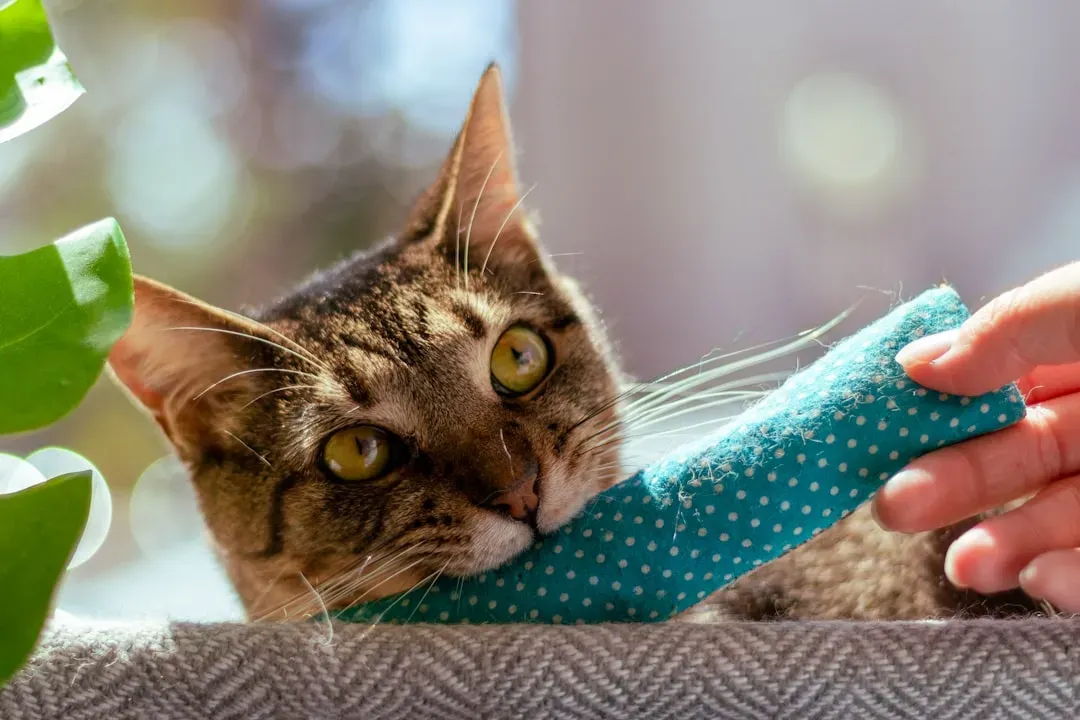
Old socks can be repurposed into a simple yet exciting toy – stuff the sock with soft material or catnip if desired, then tie it securely at the open end. Kicker toys serve a specific purpose: cats love to grab them with their front paws and kick furiously with their back legs, which mimics how they would wrestle and subdue prey in the wild. It satisfies a deep physical instinct.
You can fill the sock with packing paper that crinkles, or bells if your cat likes more noise with their toys – if they don’t like noise, you can use quiet stuffing like cotton balls or pieces of cloth, and you can also add a bit of catnip to the inside while stuffing. The texture of the fabric combined with the movement makes this one of the most instinctively satisfying toys you can put together. This toy mimics prey, and the sock’s texture combined with the movement stimulates your cat’s predatory instincts.
4. The Cardboard Box Hide-and-Seek Castle
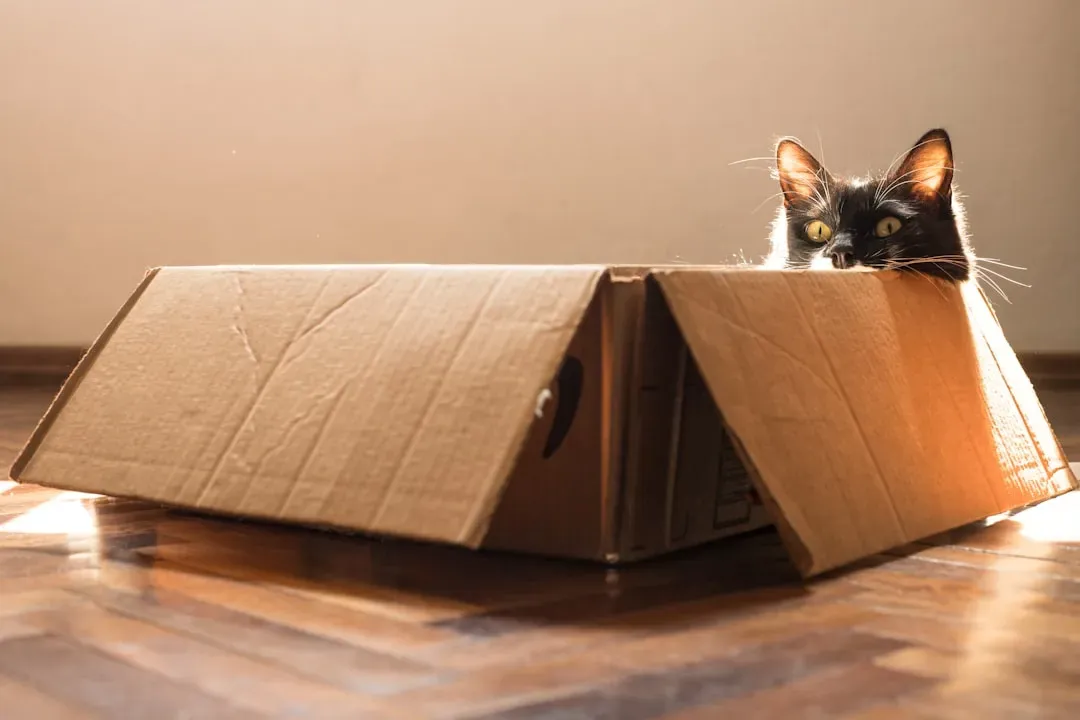
Cats love to explore boxes, and you can turn an ordinary cardboard box into an entire playground. Cut a few holes in the sides large enough for your cat to squeeze through, then stack two or three boxes together with the holes aligned so your cat can move between levels. Stack the boxes and glue them together so that the holes lead from one level to the next, and consider hiding feathers, catnip, string, or other treats inside for your cat to discover as they explore.
Cats feel safe in small spaces as long as they have an escape route, and they also prefer to avoid conflict – so a box provides a perfect refuge. Hiding places surrounded by cardboard are also insulating, and cats love to be warm. For a multi-cat household, this kind of structure is especially useful. A cat castle or house made out of a cardboard box works great for multi-cat households, giving each cat space to explore, hide, nap, and play, all in one structure.
5. The Egg Carton Snuffle Feeder
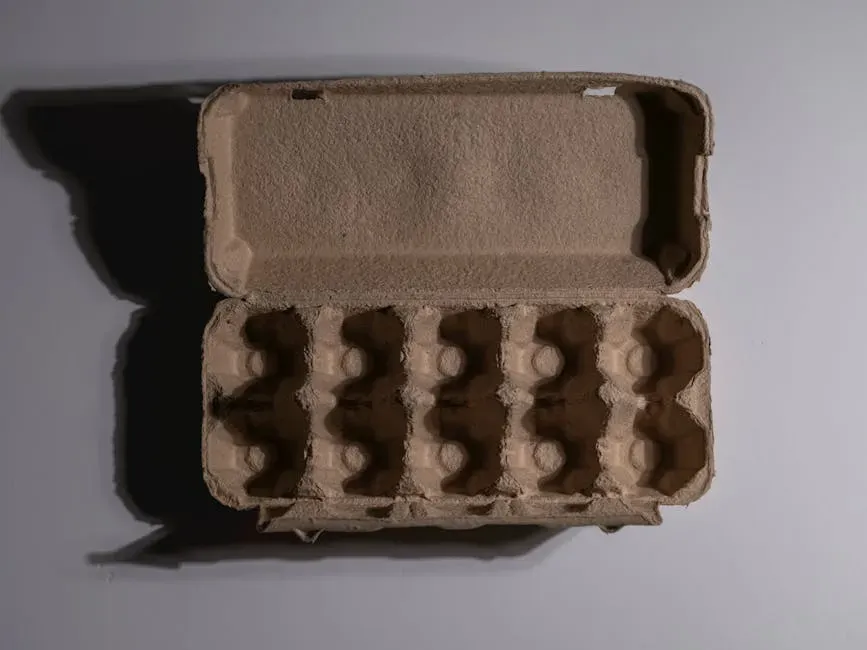
Before throwing away your egg boxes, you can make a snuffle feeder with just a few household items – put some of your cat’s favorite treats in some kitchen roll or fabric, scrunch it up loosely, and place it into the egg cups, then leave it with your cat to figure out where the treats are hiding. It looks deceptively simple, but your cat will spend a surprisingly long time investigating each cup with their paws and nose. This type of foraging activity taps into scent tracking, which is an often overlooked part of feline enrichment.
Toys that dispense food are often referred to as puzzle feeders, food toys, or foraging toys, and food-filled toys can provide enrichment and exercise for indoor cats, particularly those that tend to be sedentary. The egg carton version is about as low-effort as it gets, but the engagement it creates is real. Even though they sleep a lot, cats can get very engaged and energized by problem-solving – if there’s a tangible reward involved, a cat will spend time attempting to retrieve an object from a hard-to-reach place.
6. The Catnip-Stuffed Felt Toy
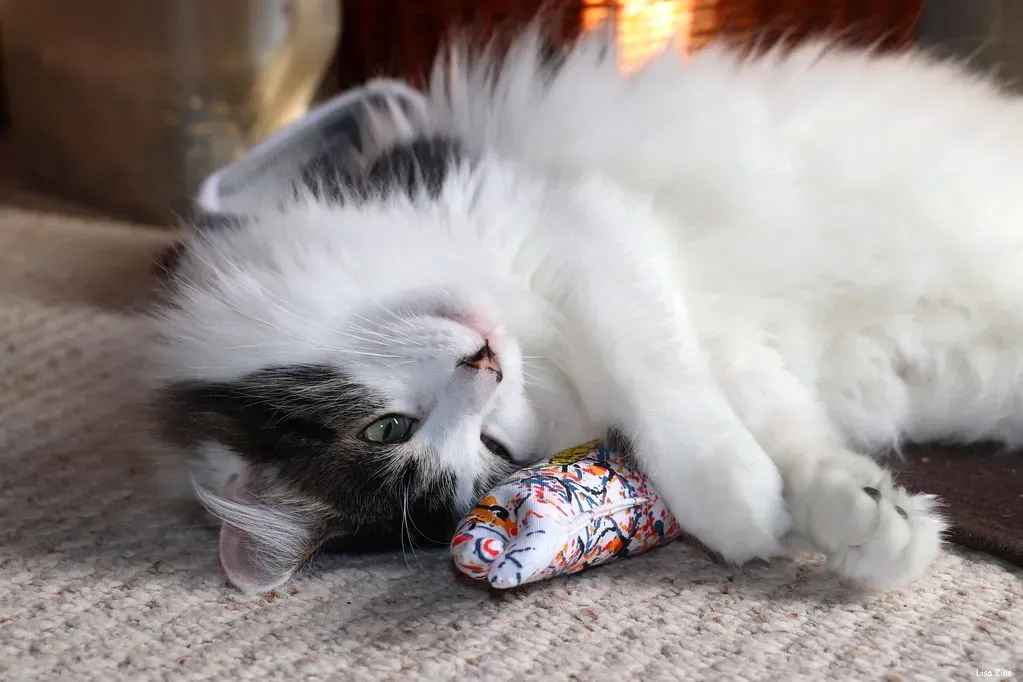
Cut two identical shapes from a piece of felt – a small fish, a mouse, a simple oval, or whatever you fancy – and sew or glue the edges together, leaving a small gap to stuff them. When your cat is napping, cut colorful felt into fun shapes, stuff each with catnip, and sew both sides together – then attach pieces of string to a rod and tie the shapes to the end of each for added fun, and put pom-poms and feathers on each catnip shape with hot glue. Even without a wand attachment, a catnip-stuffed felt toy left on the floor will keep many cats entertained on their own.
Several cat toys are filled with catnip, an herb that contains nepetalactone – cats that respond to catnip exhibit short-lived behavior changes ranging from relaxation to excitement, and the response to catnip is determined by a cat’s genes, with approximately half of cats not responding at all. If your cat is a responder, giving access to catnip can add another dimension to their life. Worth testing before you make a whole batch of them.
7. The Toilet Paper Roll Pyramid Puzzle Feeder
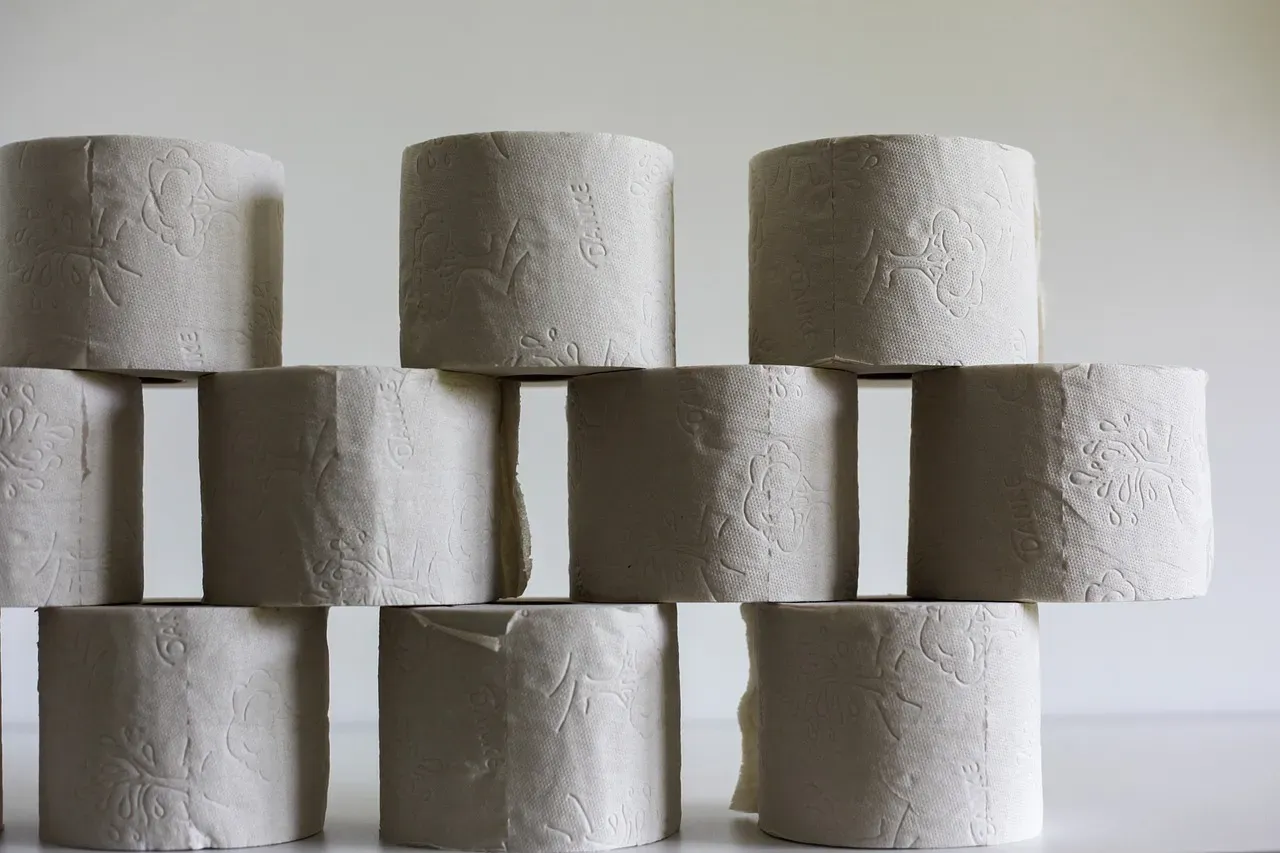
Practice making a pyramid from toilet paper rolls – each row should have one less roll than the row below it, and you can use as many as you want since the larger the pyramid, the more places to hide food. Once you have the arrangement you want, glue the rolls together. Place the whole structure on a piece of cardboard weighted down with a flat rock so it doesn’t slide across the floor when your cat starts batting at it.
Once the glue is dry, hide a few treats in the toilet paper rolls, then sit back and watch as your cat tries to figure out where the treats are and how to get at them. The multi-hole design forces your cat to use their paw to fish out treats from different angles and heights, which keeps the challenge interesting. Puzzle feeders like this tube treat tower can be a great way to engage your cat’s mind and body, particularly if they happen to be highly food-motivated.
8. The Crinkle Ball from Aluminum Foil

This might be the easiest toy on the entire list: tear off a sheet of aluminum foil and scrunch it firmly into a ball roughly the size of a golf ball. The crinkle sound it makes as it moves across a hard floor is irresistible to many cats, and its light weight means it skitters unpredictably when batted, keeping the chase going. The simplicity of this toy is not only an easy build for you, but it’s full of enticing qualities your cat will love – a crinkle texture and sound, it’s lightweight so cats are able to bat them around, and it can be created in bright colors to keep them intrigued.
Make a few of them at a time because they’re easy to lose under furniture, and your cat will appreciate having more than one in rotation. Cats often have different toy preferences and can quickly get bored, so try to figure out your cat’s favorites, then have one or two out at a time and swap them around every few days to keep them interested. The foil ball is one of those toys that costs zero dollars and still manages to earn genuine enthusiasm.
9. The Fabric Strip Wrist Toy

Instead of tossing a stained t-shirt, cut off some of the fabric and tie it into knots – this creates a bunch of fun playthings for your cat to chase or claw at, and you can create so many with just one t-shirt that you can even gift them to other cats in the neighborhood. Knotted fabric strips have the right texture and weight for cats to grab, bite, and kick, and unlike some small toys, they’re large enough not to become a choking hazard.
You can also cut several long strips from the same shirt and tie them together in a bundle at one end, creating a sort of fabric pompom. Drag it slowly across the floor or let it hang from a door handle for independent play. Not every cat is the same – some love vertical climbing challenges, while others prefer batting soft toys across the floor – so watch your cat’s reactions to different objects and stimuli, then build an environment that suits their preferences.
10. The Wine Cork Toy

Cats are easily distracted, and if you’re a wine lover, you can recycle your old cork and glue some feathers, ribbons, and strings around it to create a fun distraction – and don’t forget to add bells too. Wine corks are a surprisingly satisfying size for cats to bat around – light enough to move easily, but dense enough to feel substantial. Their natural texture also gives your cat something slightly different to sink their claws and teeth into compared to smooth plastic toys.
If you love wine just as much as you love your kitty, chances are you have a few corks kicking around – refurbish your leftover corks into spongy toys your cat won’t be able to resist. You can also tie a string through the middle and attach it to a stick to create a quick wand toy variation. Either way, the cork is zero-waste, free, and genuinely entertaining for most cats.
11. The Paper Bag Tunnel
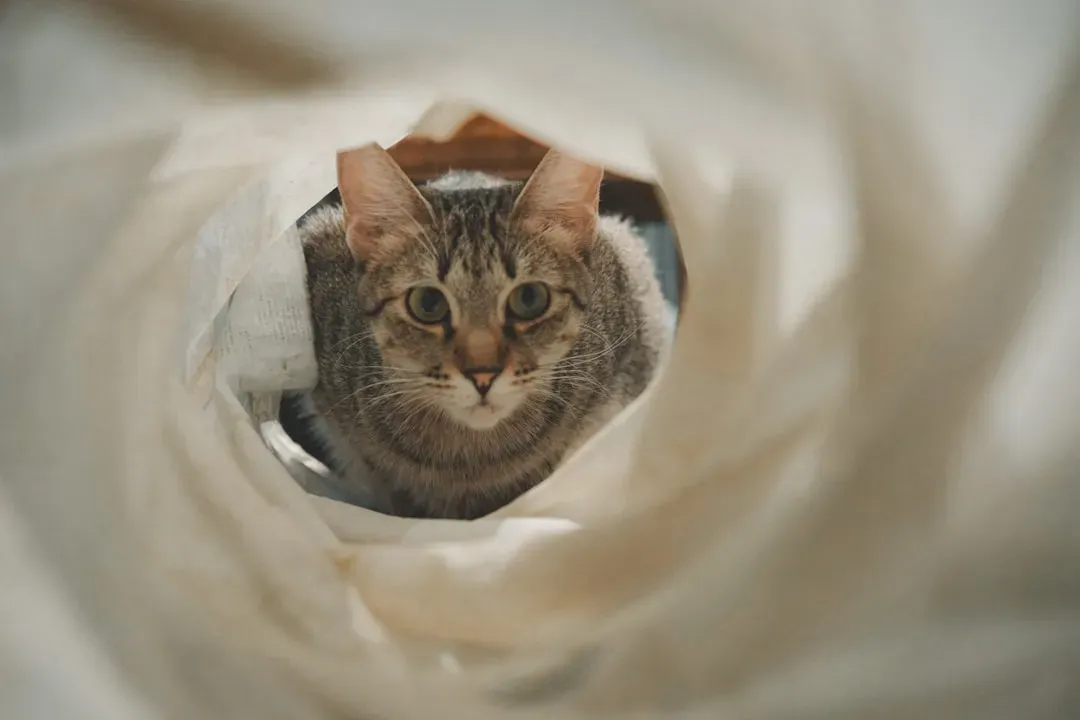
Take a medium to large paper grocery bag, open it fully, and cut out the bottom so it forms an open-ended tunnel. Lay it on its side on the floor. Most cats will investigate it within minutes, crouching inside to stalk invisible prey or ambush your feet as you walk past. Cat tunnels are a great way to play hide and seek with your cat, and you can save yourself money by building your own. If you have two bags, link them end-to-end with tape to create a longer run.
The key detail: remove the handles before handing over the bag. Looped handles can get caught around a cat’s neck or leg. Always be cautious when making toys for your feline friend, since easily swallowed buttons, sponges, and other ingestibles can come off and become major choking hazards – even string can be incredibly dangerous if swallowed and should only be used during supervised play. Manage that one safety step and you’ve got a tunnel toy that takes about ten seconds to set up.
A Note on Safety and Keeping Things Fresh
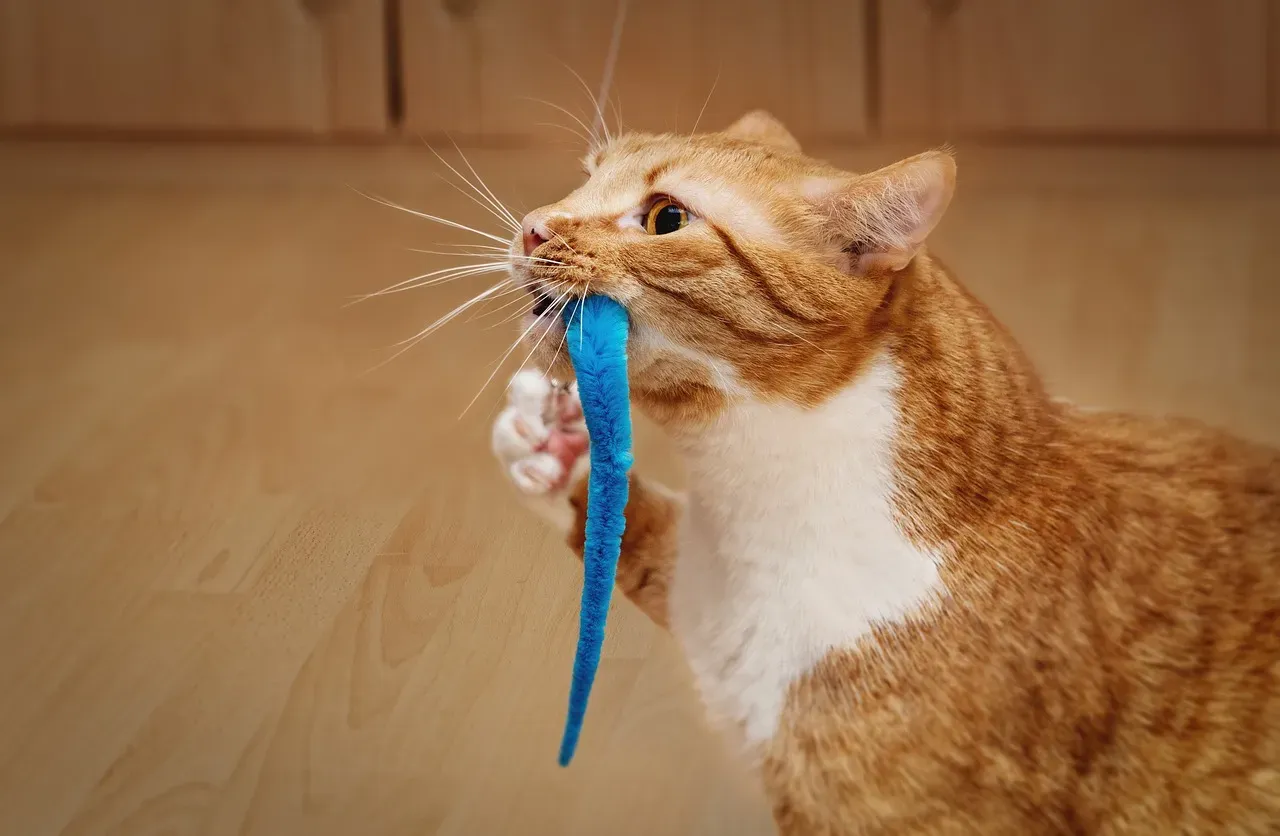
While cats love playing with strings and ribbons, they can be dangerous – cats sometimes chew and swallow long pieces of string, yarn, or ribbon, and it can get stuck in the intestines and cause a life-threatening blockage. Always supervise when your cat is using a toy with dangly bits, and put them out of reach when you are not around. This applies to every wand, kicker, and fabric toy on this list. No DIY toy should be left unsupervised unless it is genuinely solid and free of detachable parts.
Cats can get bored with toys, so keep things fresh by rotating different enrichment activities – and if your cat enjoys catnip, adding the herb to toys can increase their interest. You don’t need an endlessly growing pile of toys either. One to two fifteen-minute play sessions a day should be enough to satisfy your cat, though you may find their capacity for play changes depending on their age or energy level.
Conclusion
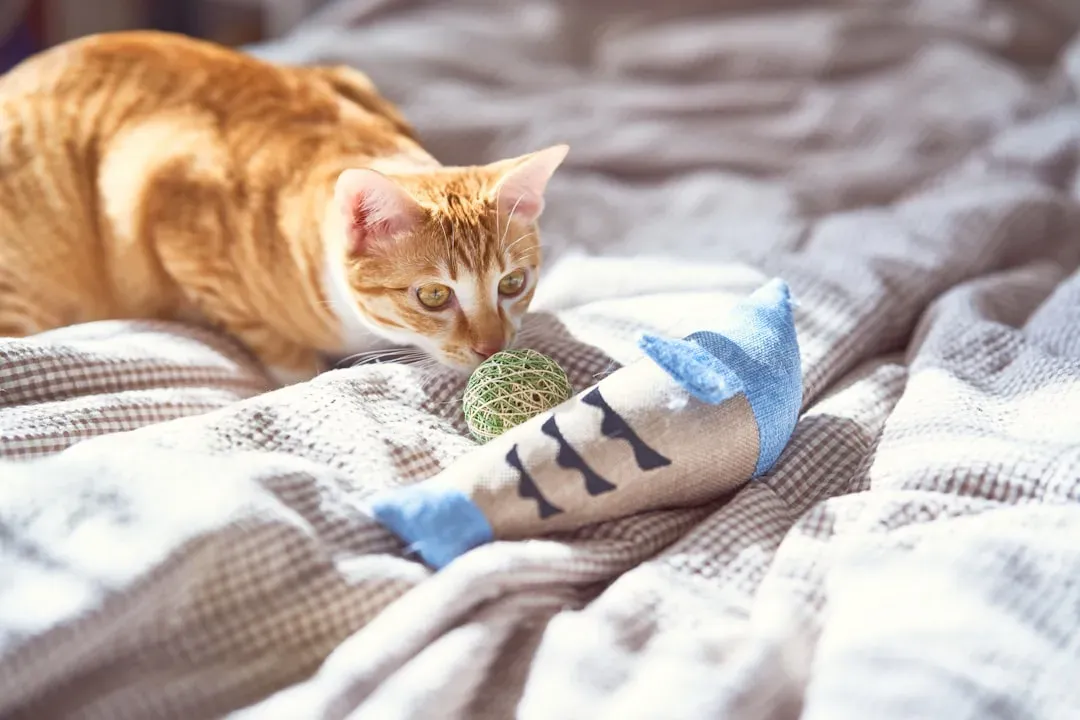
Making toys for your cat doesn’t require a craft store run or a weekend project. Most of what’s on this list lives in your recycling bin or junk drawer right now. DIY cat toys are a great way to bond with your cat – playtime becomes a more personal experience when you know that you’re partly responsible for the fun they’re having with their new toy.
Enrichment is crucial for cats to help satisfy their physical, mental, and emotional needs, which improves their overall well-being. The goal isn’t to overwhelm your cat with novelty – it’s to give them consistent, satisfying outlets for the instincts they carry whether they live indoors or not. A crinkled foil ball or a knotted sock won’t impress anyone on the shelf, but on the floor in front of your cat, it becomes exactly what it needs to be.
Kristina is a young writer from India. An arts graduate and an avid content creator, Kristina is passionate about animals and wildlife. She enjoys exploring topics related to pet care, animal behavior, conservation, and nature, combining thorough research with engaging storytelling.