Watch your cat long enough and you’ll notice a pattern. Right after something unsettling happens, whether it’s a door slamming, a visit from a stranger, or a clumsy misjudged leap off the couch, your cat will pause, look around, and then start licking a paw. It happens too consistently to be coincidence. There’s real science behind what looks like ordinary tidying up.
Grooming is one of the most layered behaviors in the feline world. It serves hygiene, yes, but it also functions as an emotional management tool, a bonding ritual, a temperature regulator, and sometimes a signal that something is genuinely wrong. Understanding the full picture makes you a far more attuned cat owner than you’d ever be by treating all that licking as background noise.
Your Cat Spends a Surprising Amount of Time Grooming Every Day
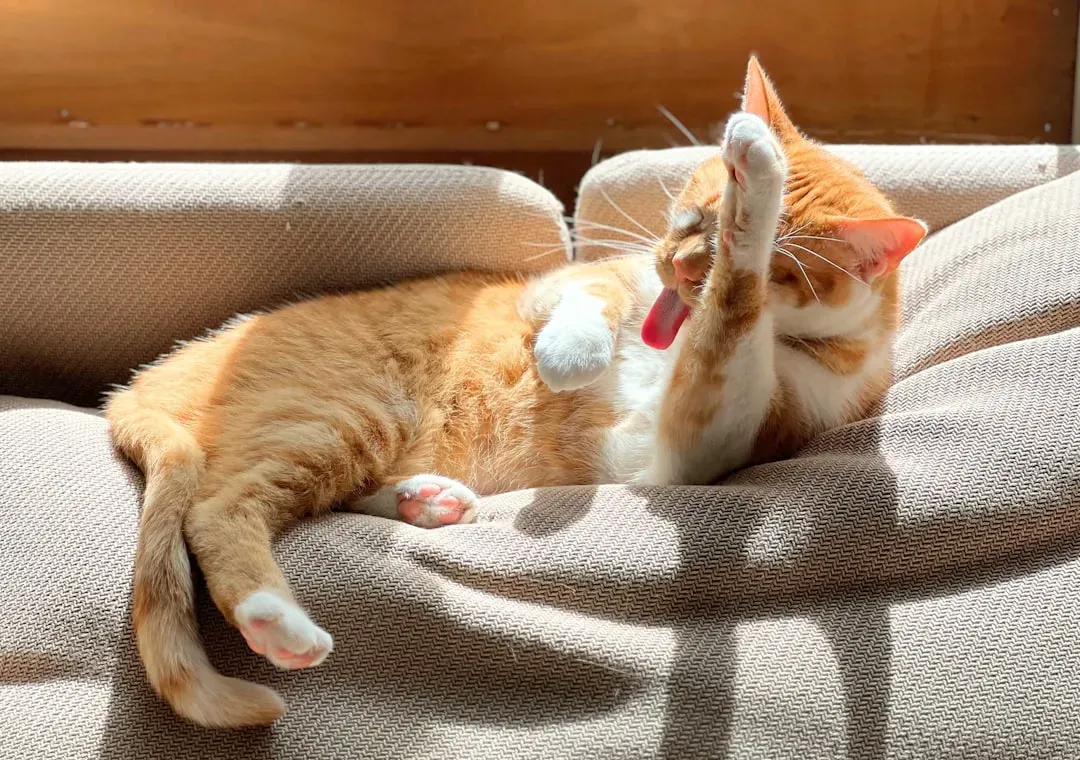
Even when healthy, cats spend as much as two to five hours every day grooming themselves. That’s not a quirk or an excess. It’s a built-in behavioral priority that starts almost at birth and runs through every stage of a cat’s life.
On average, cats may groom themselves for roughly thirty to fifty percent of their day. To put that in perspective, that’s a larger time investment than most cats spend playing or exploring their environment. The sheer volume of time dedicated to grooming hints that it’s fulfilling far more than just a cleanliness function.
The Feline Body Is Literally Engineered for Grooming
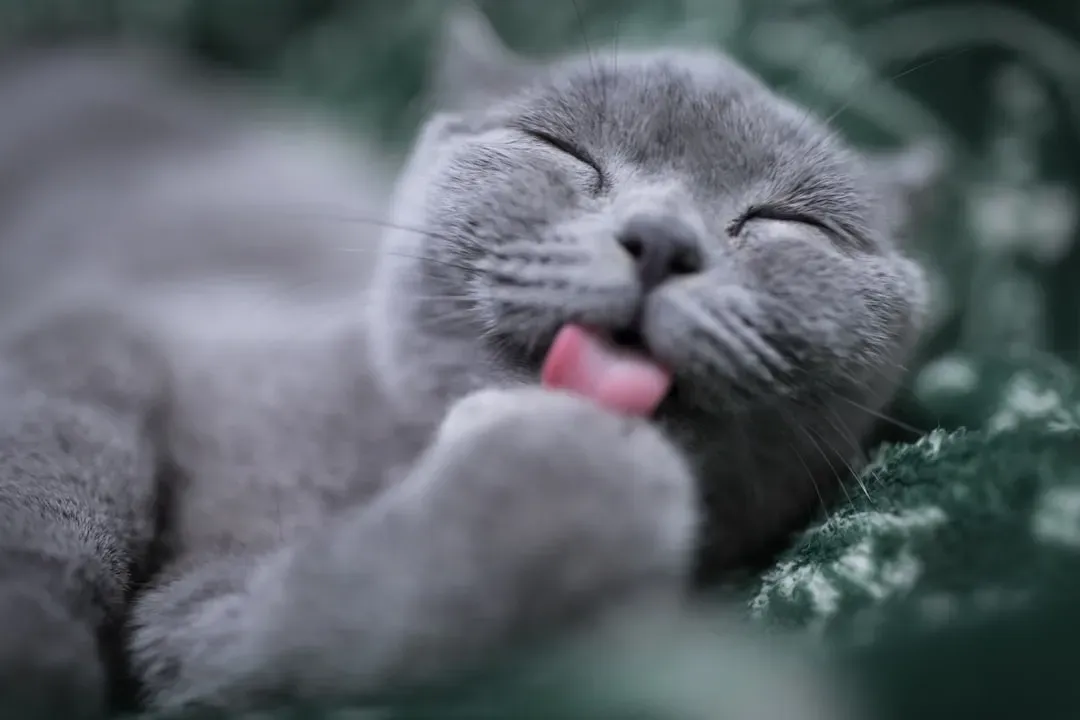
Cats are flexible, strategic, and well-equipped for grooming. Everything from the rough surface of a cat’s tongue to their sharp teeth, comb-like paws, and forepaws adds up to a finely tuned grooming machine. Nothing about their anatomy is accidental.
A cat’s tongue consists of many small barbs or papillae made of keratin, which face backwards on the tongue. Keratin is the same substance that makes up hair and nails. The barbs on the cat’s tongue are useful in removing hair and foreign bodies. Meanwhile, the hollow papillae on cat tongues wick saliva into fur, allowing cats to dissipate a significant portion of their daily heat requirements through grooming.
Grooming Releases Endorphins and Has a Real Neurochemical Effect
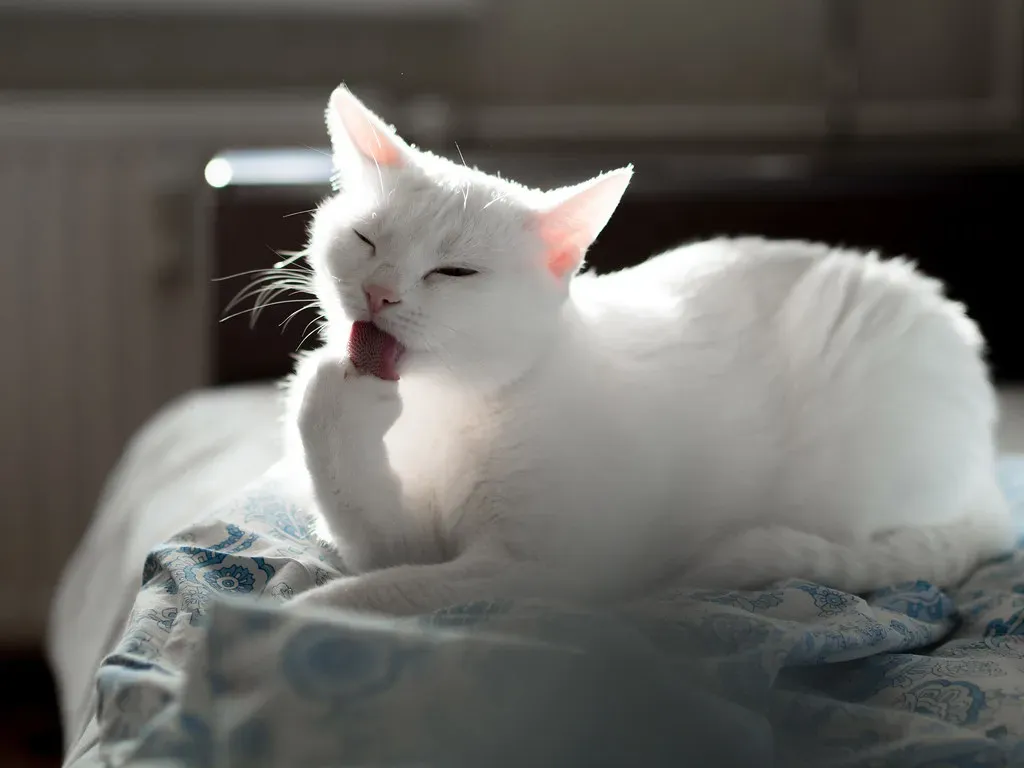
Grooming involves a neurochemical reward: licking triggers endorphin release in a cat’s brain, creating a self-reinforcing behavior loop. Cats groom because it produces pleasure, not only because of social instinct. This is a key reason why grooming so often follows stressful events.
Grooming also has a psychological effect on cats. It stimulates the production of endorphins, which can relieve anxiety, stress, and pain and can elicit a sense of euphoria. In a way, grooming is for cats as meditation is for humans. That comparison is more apt than it might first seem. The rhythm and repetition of the act seem to be part of what makes it calming.
Displacement Grooming: When Your Cat Grooms to Cope
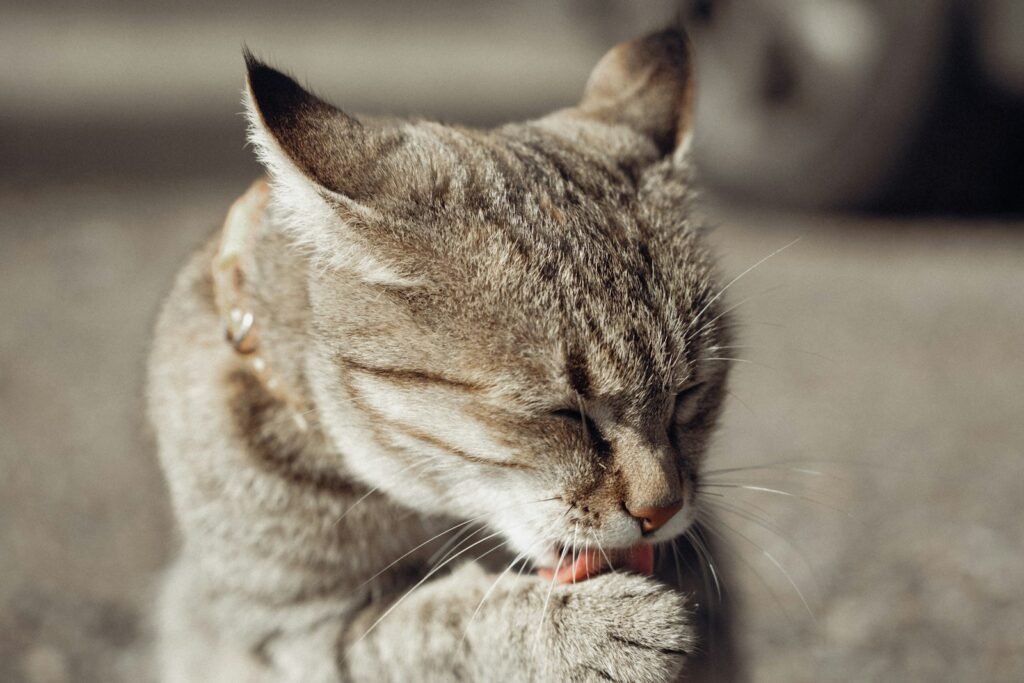
Cats use grooming to make themselves feel better emotionally and to serve as a self-calming mechanism. This is called “displacement grooming.” A cat may suddenly groom itself to relieve tension when feeling fearful or when uncertain how to react to an odd situation. You’ve almost certainly seen this without knowing what to call it.
Beyond normal maintenance purposes, grooming in cats may occur as a displacement behavior. This type of activity is performed out of context as a result of conflict, frustration, or anxiety in response to social or environmental stressors. Displacement grooming can distract a cat from stressors, lower its level of arousal, or deflect social conflict. It’s a built-in coping mechanism, not random behavior.
The Grooming-After-Embarrassment Phenomenon Is Real
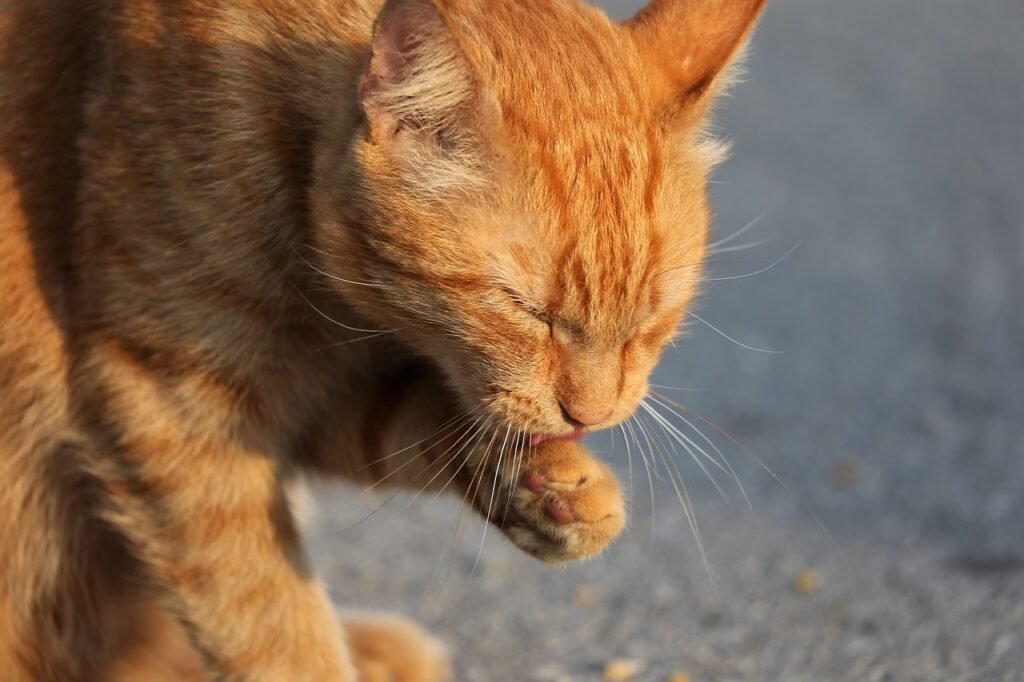
In some cases, displacement behavior can take place after a cat fails to achieve something. A cat attempting to make a risky leap from the counter to the refrigerator and falling short may sheepishly lick themselves afterward, either to assuage embarrassment or simply because they are unsure of what to do next. It’s one of the more endearing things cats do.
When a cat is in a conflict or stressful situation, it may appear ready to react but instead suddenly stops and performs an act that is out of context with the situation at hand, such as licking a paw and rubbing it across its face. Those are displacement activities. Presumably, this behavior reduces anxiety. Your cat isn’t being dramatic. They genuinely need that moment of self-soothing to reset.
Grooming Starts in Kittenhood and Shapes Everything That Follows
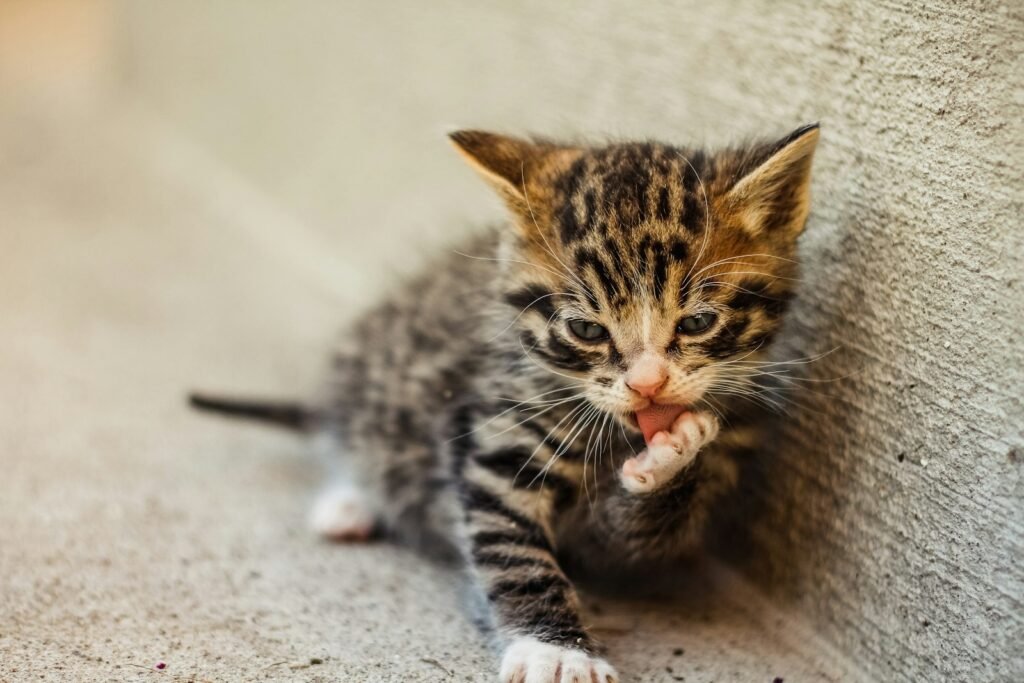
Self-grooming is a trademark characteristic of most cats that begins right after birth. Mothers lick their kittens to clean them, provoke urination and suckling, provide comfort, and strengthen their bond. At four weeks of age, kittens begin grooming themselves, and shortly thereafter start grooming their mother and littermates. The emotional associations formed during this period run deep.
This behavior helps to strengthen the bond between the mother and her kittens, teaching them important social skills and helping them to develop good grooming habits. As the kittens grow and develop, they will often imitate their mother’s grooming behavior, learning how to clean themselves and interact with their littermates. In short, grooming as comfort is something cats learn from day one.
Social Grooming Between Cats Lowers Stress Hormones
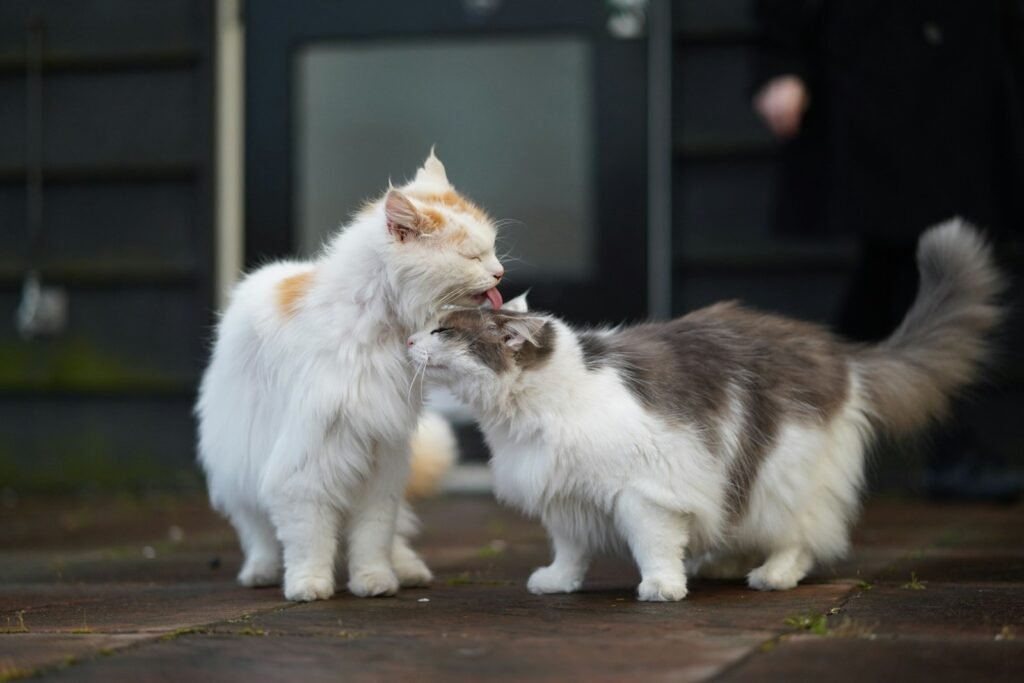
You may see that there is more mutual licking and grooming when there is a stressful situation, such as neighborhood construction, vet visits, or other stressful events. This is a normal social behavior, and in the absence of other stressful events, licking and mutual grooming serves as a stress-relief activity. Cats even have their own therapy sessions, where in addition to social licking and grooming, they also physically lower their heart rate and reduce the number of stress hormones in their body.
Grooming is widely reported to trigger endorphin release, producing a calming neurochemical effect in both groomer and recipient. Research in primates has demonstrated endorphin release during social grooming, and feline behaviorists extrapolate a similar mechanism in cats based on the observable relaxation response during grooming sessions. The recipient typically cooperates actively during allogrooming, tilting and rotating their head to give the groomer better access, often while purring.
Grooming Also Regulates Temperature and Supports Coat Health
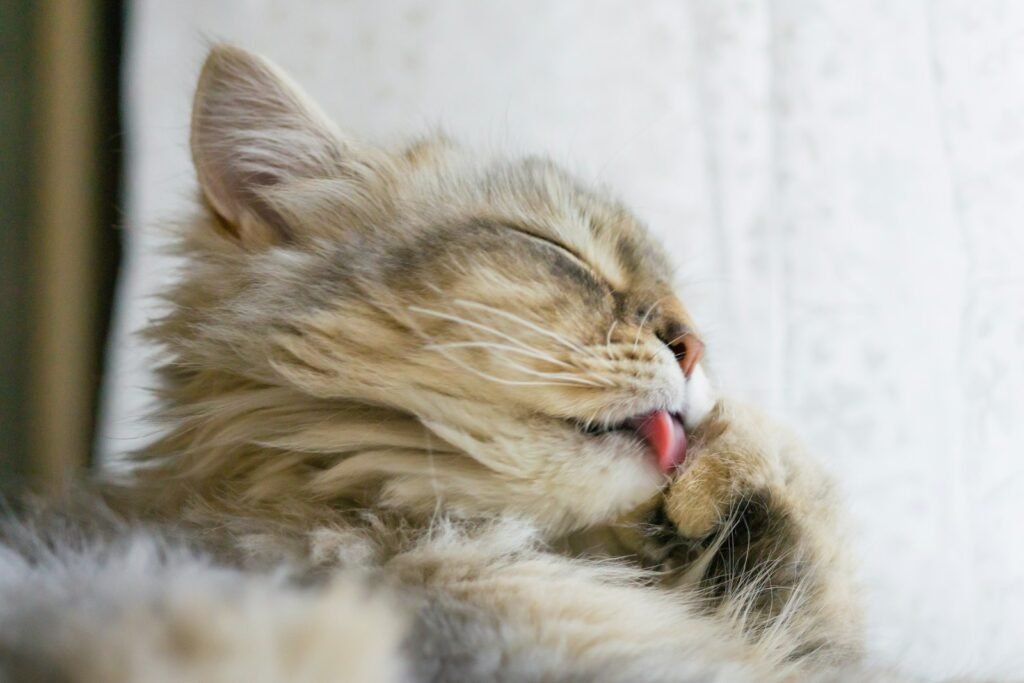
Grooming helps clean the coat, remove loose hairs, regulate body temperature through evaporative cooling as saliva dries on the fur, and distributes oils evenly throughout the coat. These physical benefits stack up into something genuinely important for your cat’s day-to-day comfort.
Licking stimulates the production of sebum, an oily secretion produced by glands at the base of each hair. Sebum helps lubricate and waterproof the fur, making it shine. Grooming also helps to reduce mats and remove loose hair, dirt, and parasites like fleas. So when your cat looks glossy and well-kept, that’s largely their own doing.
When Stress-Relief Grooming Tips Into Overgrooming
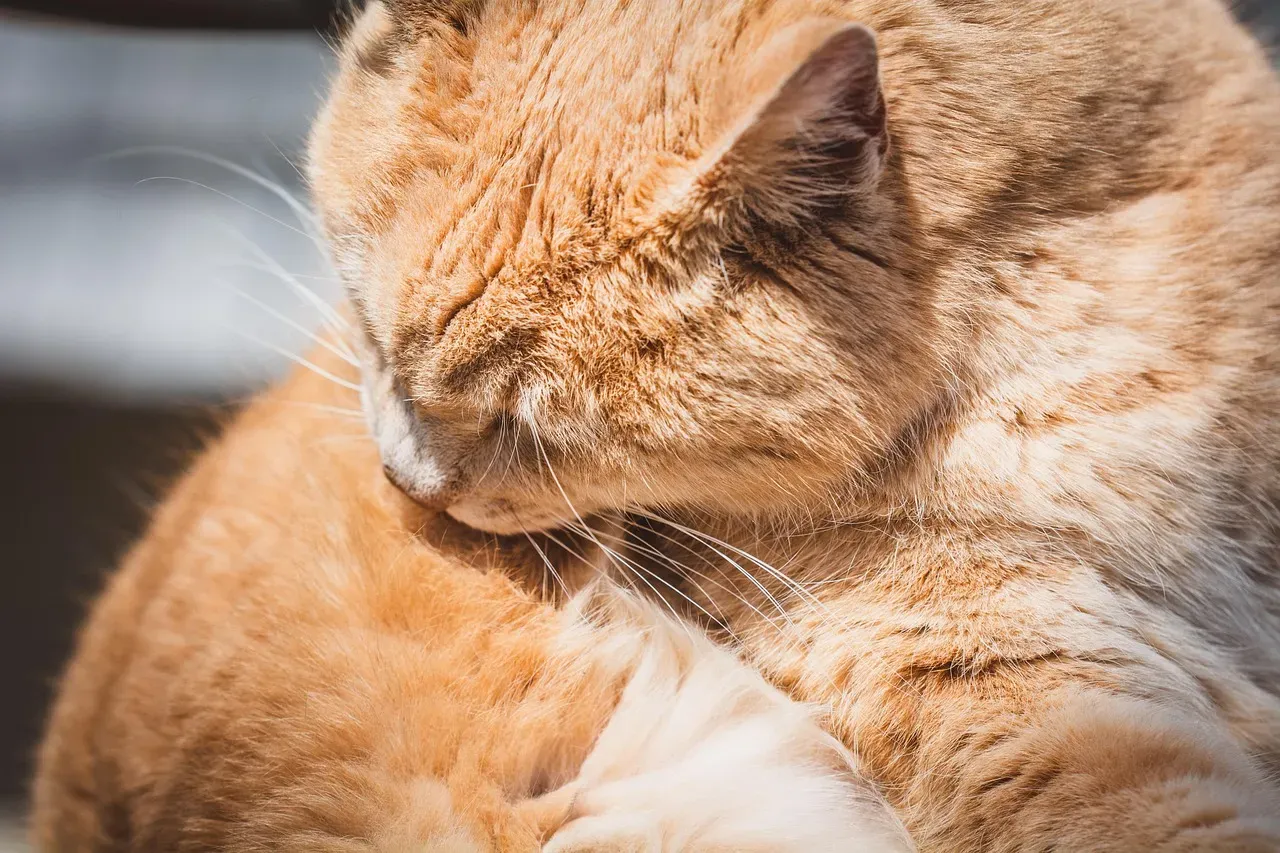
When a cat licks fur and skin, calming endorphins are released. If the anxiety-producing situation is ongoing, the cat may perform the displacement behavior over and over until it becomes compulsive or habitual. The type of stress that triggers excessive licking is typically persistent and is often a combination of cumulative stressors. The shift from healthy coping to compulsion can be subtle.
The types of stress that cause this kind of excessive grooming are usually chronic and consistent. Since cats are especially sensitive to change, anything new, moved, or altered in their environment or routine could be the culprit. Sometimes, what started as grooming to self-soothe for one particular situation can develop into a compulsive pattern even long after the original stressor is gone. If you notice thinning patches or bald spots, a vet visit should be your next move.
What You Can Do to Support Your Cat’s Emotional Grooming Needs
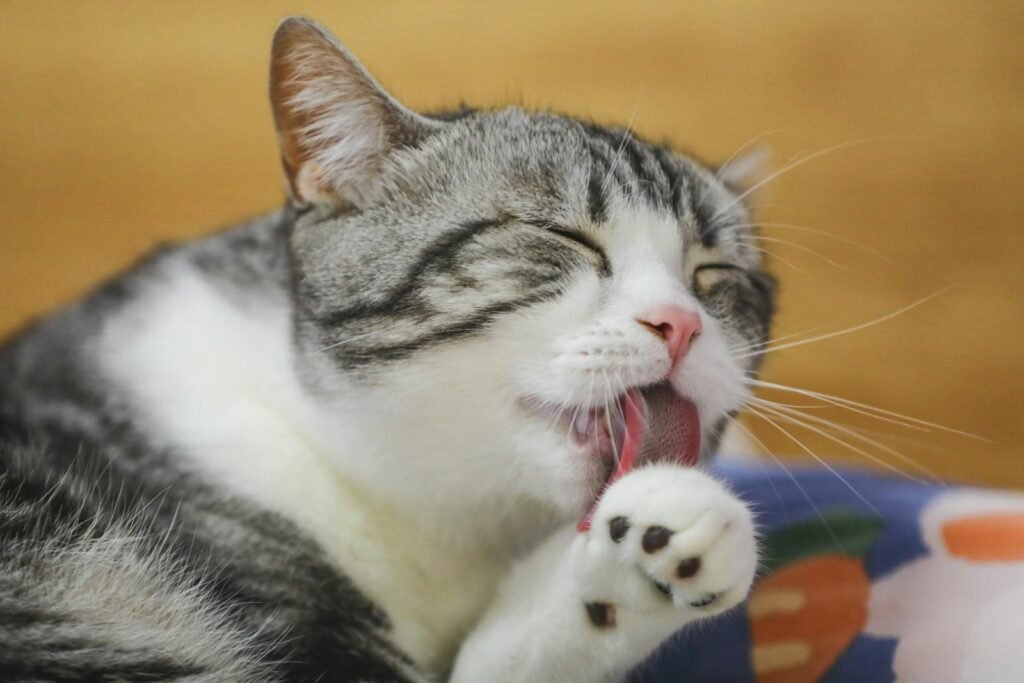
When managing stress-related grooming, the advice from behaviorists is to first identify and address any stressors. Make sure your cat has a calm space. Minimize changes in your cat’s environment and provide them with safe spaces where they can retreat and feel secure. Predictability matters enormously to cats.
Establishing a set routine will help. When cats know what to expect, it helps keep their stress levels low. It can also help to increase enrichment, offering options for mental and physical stimulation. Activities such as playing with toys, puzzle feeders, scratching posts, and training sessions can all help to keep your cat occupied and, by extension, better emotionally regulated. A cat with enough stimulation and routine is a cat that grooms for pleasure, not just for survival.
Conclusion: More Than a Habit, It’s a Window Into How Your Cat Feels
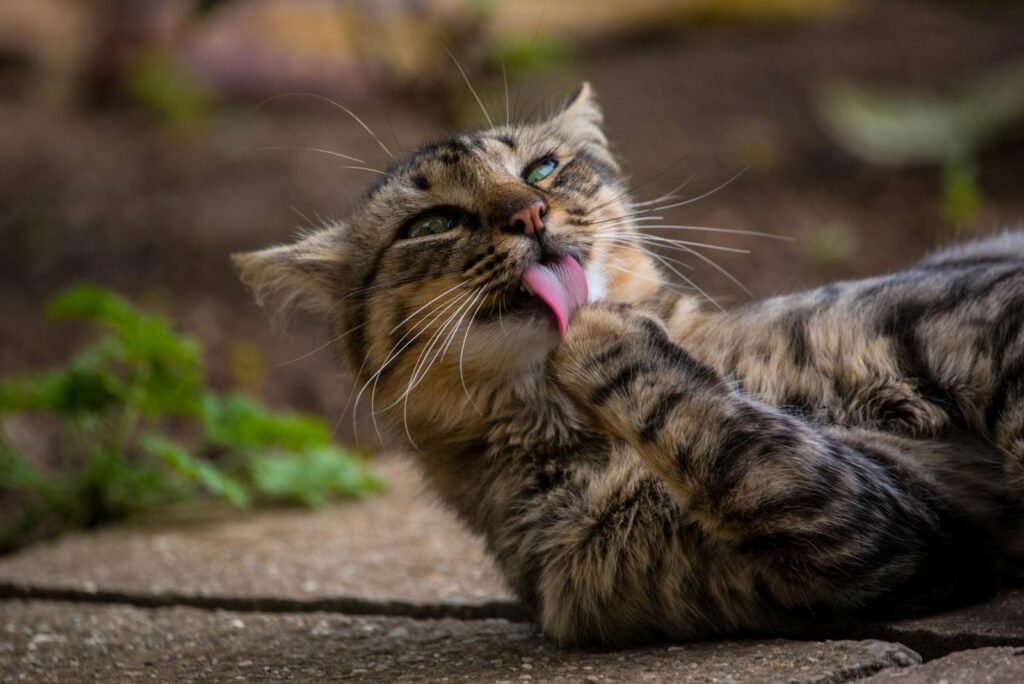
The next time you watch your cat settle into a grooming session after something unsettling happens, you’re not watching mindless repetition. You’re watching a sophisticated, neurologically grounded coping mechanism at work. One that begins in kittenhood, runs through the full span of their life, and quietly tells you more about their emotional state than almost anything else they do.
Grooming keeps your cat clean, yes. It also keeps them regulated, connected, and calm. Recognizing the difference between comfortable grooming and anxious grooming puts you in a much better position to respond when something in your cat’s world needs attention. Sometimes the most meaningful thing you can offer your cat isn’t a toy or a treat. It’s simply a stable, predictable environment where they don’t need to lick themselves into calm quite so often.
Kristina is a young writer from India. An arts graduate and an avid content creator, Kristina is passionate about animals and wildlife. She enjoys exploring topics related to pet care, animal behavior, conservation, and nature, combining thorough research with engaging storytelling.