You hear it when you walk through the front door. A tiny, bird-like burst of sound from somewhere near your ankles. It’s not quite a meow, not quite a purr, and somehow just a little bit magical. Your cat just chirped at you, and most people have no idea what it actually means.
Among carnivorous animals, our feline companions have the most extensive vocal repertoire. That’s a remarkable fact when you stop to think about it. Your cat, curled up on the couch, has more vocal complexity than lions, wolves, or any other meat-eater on earth. The chirp is just one note in that extraordinary symphony, but it happens to be one of the most emotionally loaded ones.
What Exactly Is a Chirp, Scientifically Speaking?
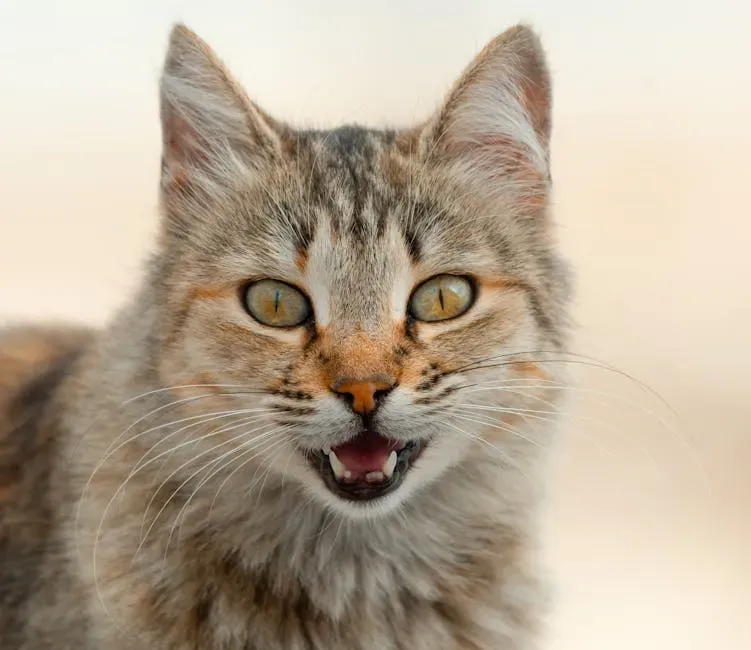
If you’ve ever struggled to describe the chirp to someone who hasn’t heard it, you’re not alone. The cat chirp, also known as a chirrup or a trill, is a short, peep-like sound that’s very similar to a songbird’s warble. Most people hear it and immediately look around for a bird, which is a fair reaction.
Cat trilling is a distinctive vocalization that sounds like a high-pitched, rolling chirrup or “brrrrp” sound. Unlike meowing, which requires an open mouth, trilling occurs with the mouth closed as air passes through the vocal cords. This creates that characteristic vibrating sound that falls somewhere between a purr and a meow.
A chirp lasts about 0.15 seconds and produces a short, high-pitched call. Research shows these chirps range from 223 Hz to 1,190 Hz, with most averaging around 661 Hz. In other words, every time your cat chirps at you, it’s producing a precisely tuned little acoustic event. That’s not an accident.
How the Chirp Is Born: Lessons From Kittenhood
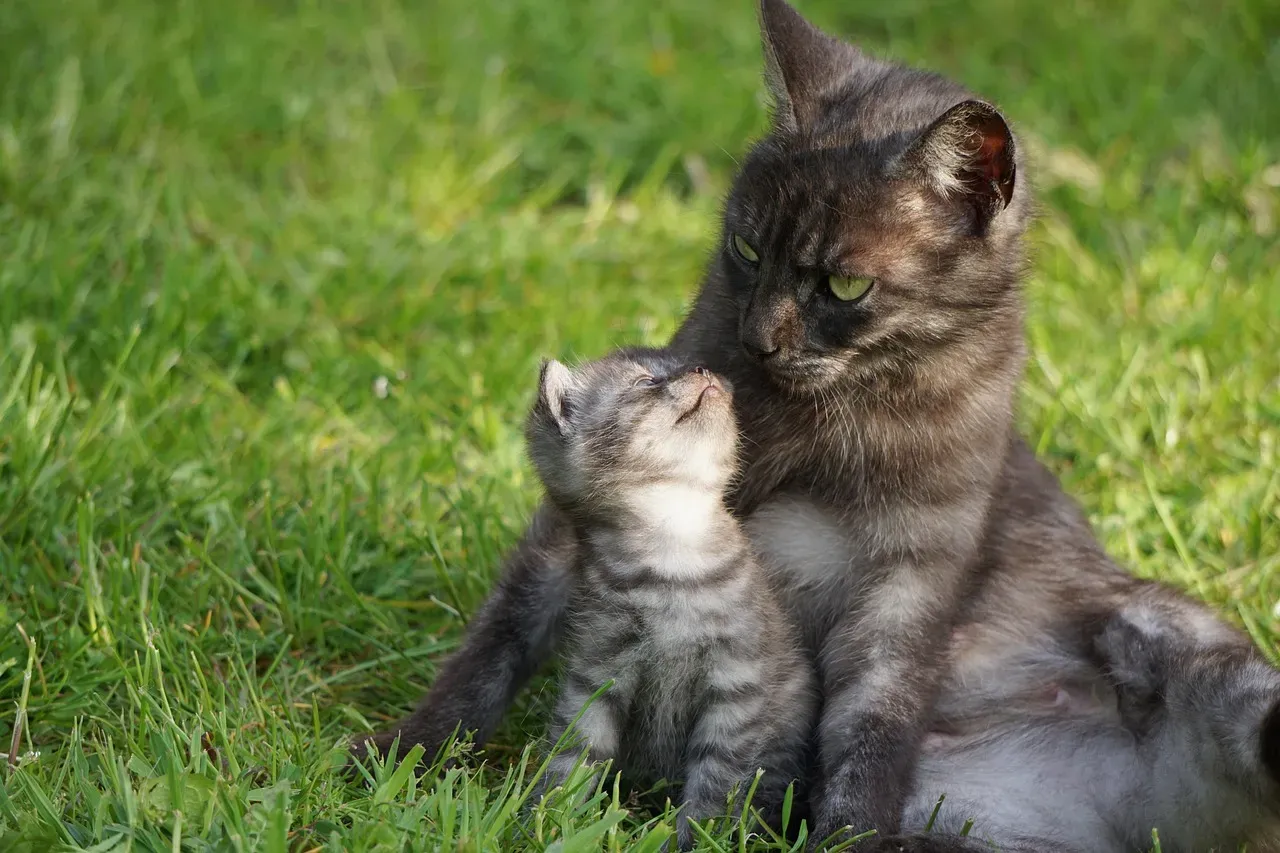
The queen, or mother cat, uses a trill to communicate to her kittens, initially when she is nursing them as a way to show affection and to provide comfort. As they are weaned, she uses a trill or a chirp to gain their attention so they will follow her. This is where the whole behavior begins, rooted in warmth and safety from the very first days of life.
The chirr or chirrup sounds like a meow rolled on the tongue. It is commonly used by mother cats to call their kittens inside the nest. As such, kittens recognize their own mother’s chirp, but they do not respond to the chirps of other mothers. That specificity is striking. Even as tiny newborns, kittens are already tuned into a personal, individual vocal frequency.
Trilling is a natural social behavior with other cats, and kittens begin learning key social behaviors between 2 and 7 weeks of age. Kittens that were housed without other adult cats after the age of 6 weeks may never learn trilling. Your cat’s chirp, then, is a behavior shaped by early relationships. Whether it chirps at you likely reflects something about how it was socialized in those critical early weeks.
The ‘I Love You’ Translation: Why the Chirp Signals Affection
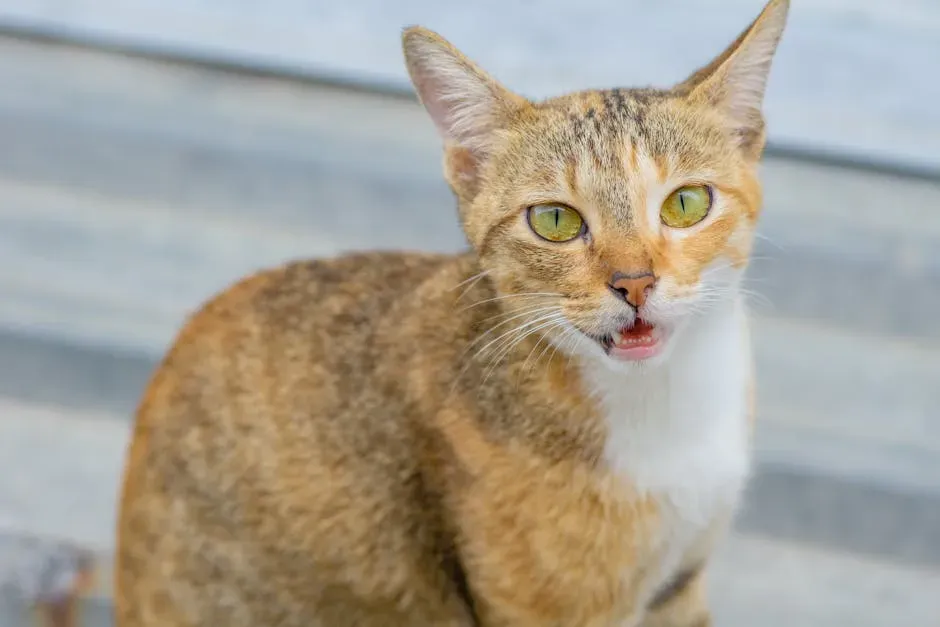
Unlike a meow, which can have a positive or negative meaning depending on the cat’s mood, cats usually only trill to convey a positive emotion, such as affection or happiness. That distinction matters more than most cat owners realize. Other vocalizations carry mixed signals. The chirp is almost always good news.
Cats trill when they see or approach a familiar and well-liked person, cat, or other animal. Studies show it is specifically associated with positive and familiar situations. A person they know may be offering treats or bringing out a favorite toy, but the reason for the trill is the specific person, not the activity itself.
Meowing is a learned behavior to communicate demands (like food) to humans. Trilling is a natural, positive vocalization they use to express happiness and affection. Think about that difference. When your cat meows, it may want something from you. When it chirps, it’s simply delighted that you exist.
Reading the Room: Body Language That Accompanies the Chirp
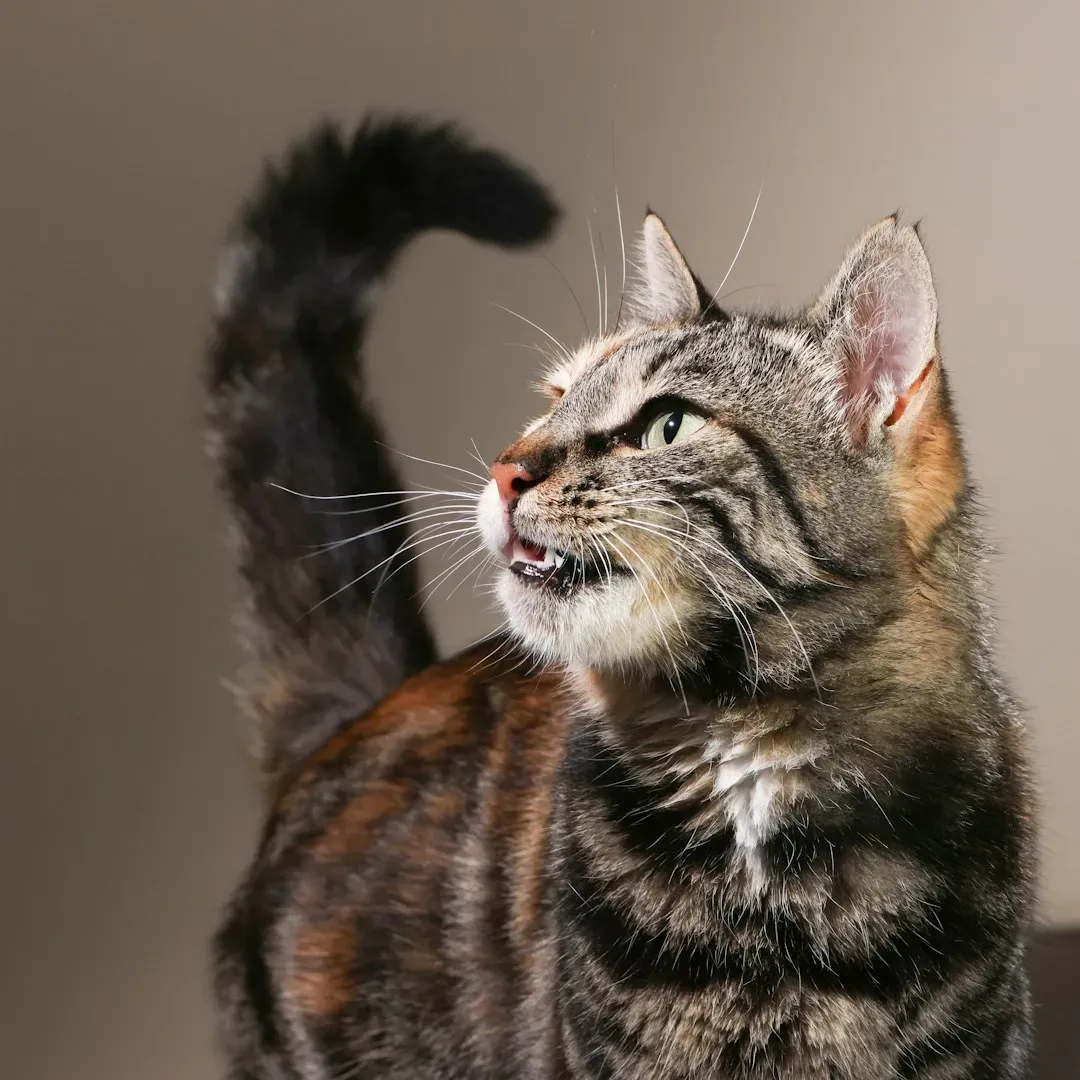
The chirp rarely travels alone. When the friendly cat chirping starts, notice how your cat’s body language reflects their chipper mood: bright, blinking eyes, tail swishing, ears up and pointed to the side and gentle head-butting. These aren’t random gestures. They form a full-body expression of contentment.
Often, there’s body language accompanying chirping. A cat may raise their tail, blink slowly, or rub against you. Along with the chirp, these body movements indicate that the kitty is comfortable and is bonding with you or another animal. You’re not just hearing affection in that moment. You’re seeing it, too.
Cats sometimes chirp at other cats they trust, signaling comfort and camaraderie. Chirps are usually accompanied by open, relaxed body postures and positive facial expressions, further showing that your cat feels safe and connected. A relaxed posture paired with a chirp is about as clear a green light as your cat will ever give you.
The Hunter’s Chirp: When It’s Not About You
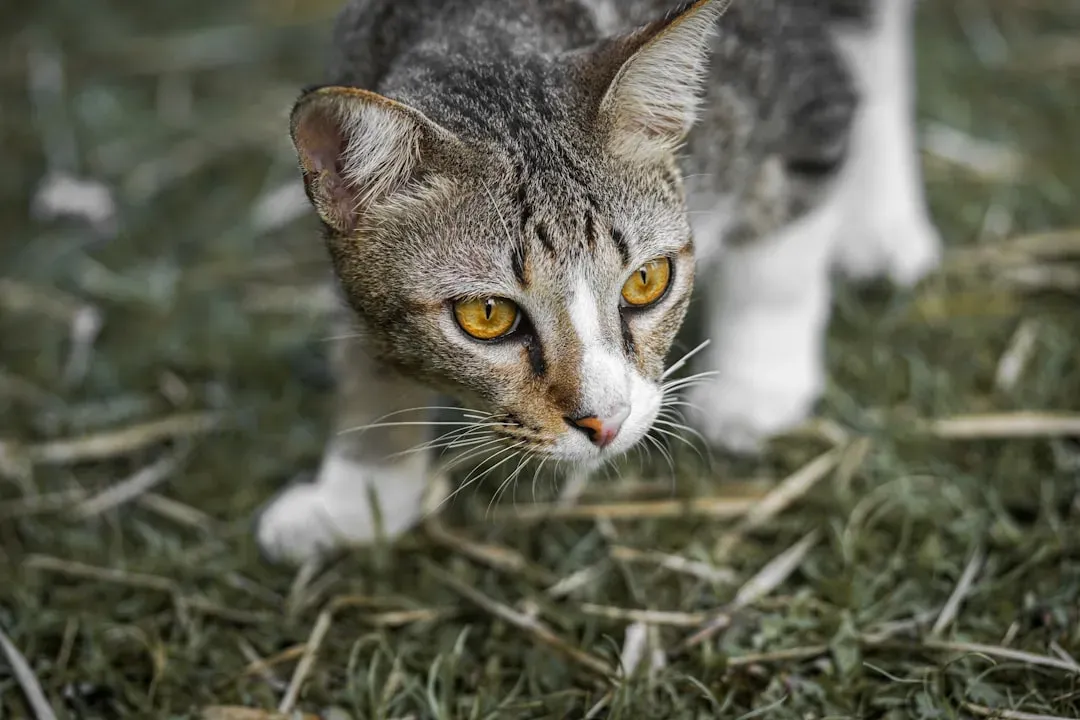
Here’s where things get interesting. Not every chirp is aimed at you. One of the most common reasons a cat chirps is when they see potential prey they cannot access, such as while watching squirrels or birds outside the window. In this context, a chirp can indicate excitement, mixed with a little frustration.
When a cat sees unreachable prey, like a bird outside or a laser pointer on the ceiling, their adrenaline spikes. The chattering sound is literally their jaw involuntarily practicing the “kill bite,” the precise neck bite a wildcat uses to dispatch a bird or mouse instantly. In this version, the chirp is less about love and more about instinct kicking in hard.
Cats are natural hunters, and this behavior may be their way of expressing their desire to chase or catch the prey they see, even though they’re not physically able to. Some experts also suggest that the chattering could mimic the sounds of prey animals, helping them refine their hunting skills. Context is everything, which is why paying attention to what your cat is looking at when it chirps tells you a great deal about what’s going on.
Chirping vs. Trilling vs. Chattering: Yes, There’s a Difference
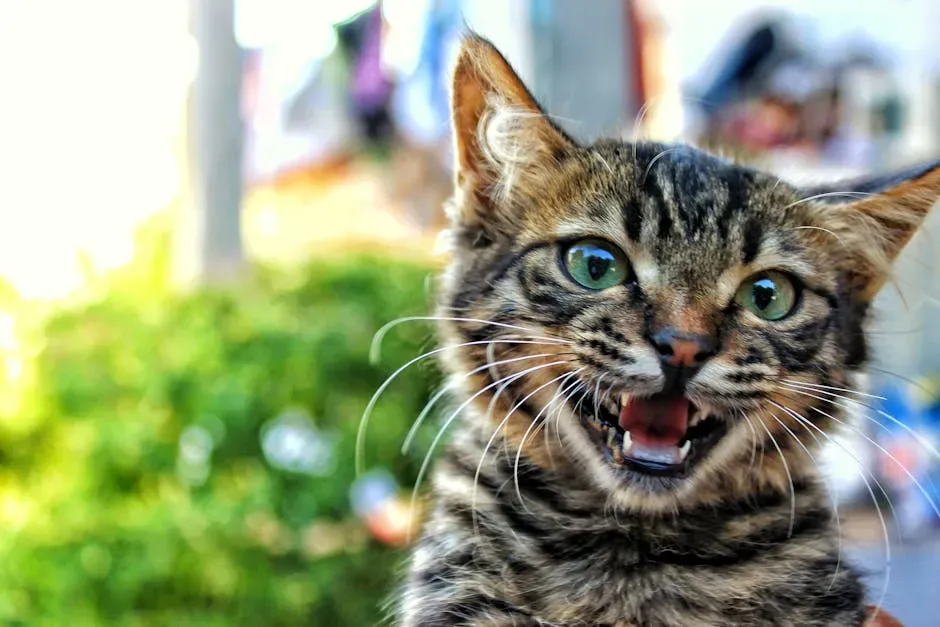
People use these words interchangeably, but they’re not quite the same. Trills and chirps are specific types of vocalizations produced by cats; they are similar sounds but are not used in the same exact contexts. Both chirps and trills can be used by a mother cat to tell her kittens to follow her. The overlap makes them easy to confuse, but behaviorists do treat them as distinct sounds.
Chattering, also called twittering, is a low smacking sound produced by a rhythmic clashing of the jaws. It is usually voiceless, produced without using the vocal cords. Along with chirping, chattering may occur when a cat spots prey that’s out of their reach. Chattering tends to feel more frantic, almost mechanical. A trill or chirp directed at you is softer, more musical, and far more deliberate.
In a 2020 study, researchers described the cat trilling noise as “garnishment, produced with a soft voice like the purr.” In other words, a trill falls somewhere between a purr and a meow. It is often done in a series of short, high-pitched noises that can vary in intensity and duration. The next time you hear one of these sounds, slow down and really listen. The differences are subtle but genuinely there.
Why Some Cats Chirp More Than Others
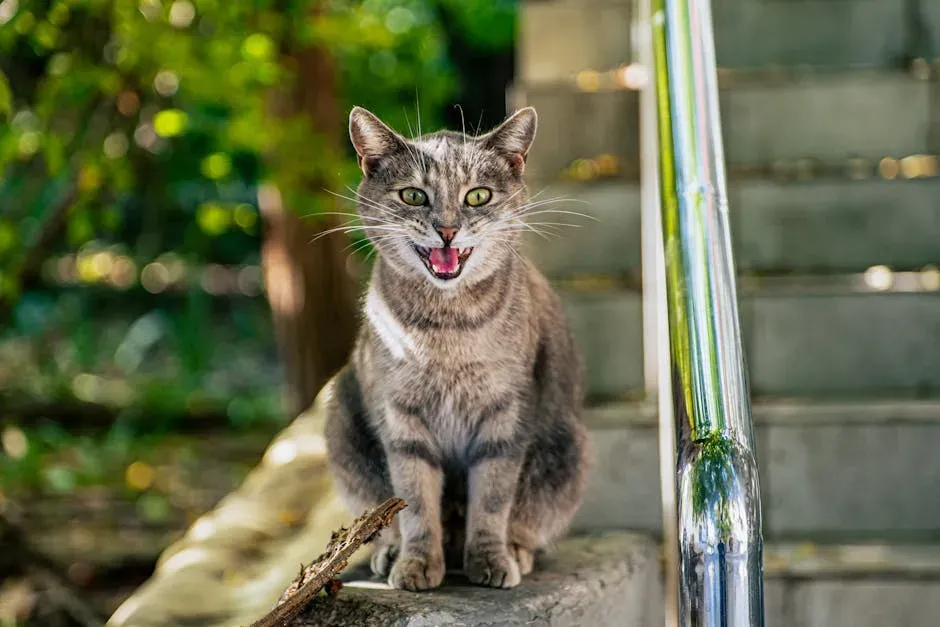
If your cat barely ever chirps and your neighbor’s cat won’t stop, neither situation means anything is wrong. Trilling frequency varies based on personality, early socialization, and learned behavior. Cats who were well-socialized as kittens and those with more outgoing personalities tend to trill more frequently. While most cats can physically trill, not all choose to do so. Some cats prefer other forms of communication, and this is completely normal.
Many cats, especially certain breeds, have quite the vocabulary to make their needs known. Siamese, Oriental Shorthairs, Bengals, Japanese Bobtails, Maine Coons, and Turkish Angoras can be quite vocal. That said, no breed is specifically known for chirping more than trilling or meowing. Individual personality plays the bigger role.
Keep in mind that just because a cat doesn’t trill does not mean a cat is unhappy or doesn’t like their pet parents. Some cats trill much more than others because they are generally more social cats. A quiet cat and a chirpy cat can both be deeply bonded to their person. They’re just wired differently.
When the Chirp Might Be a Warning Sign
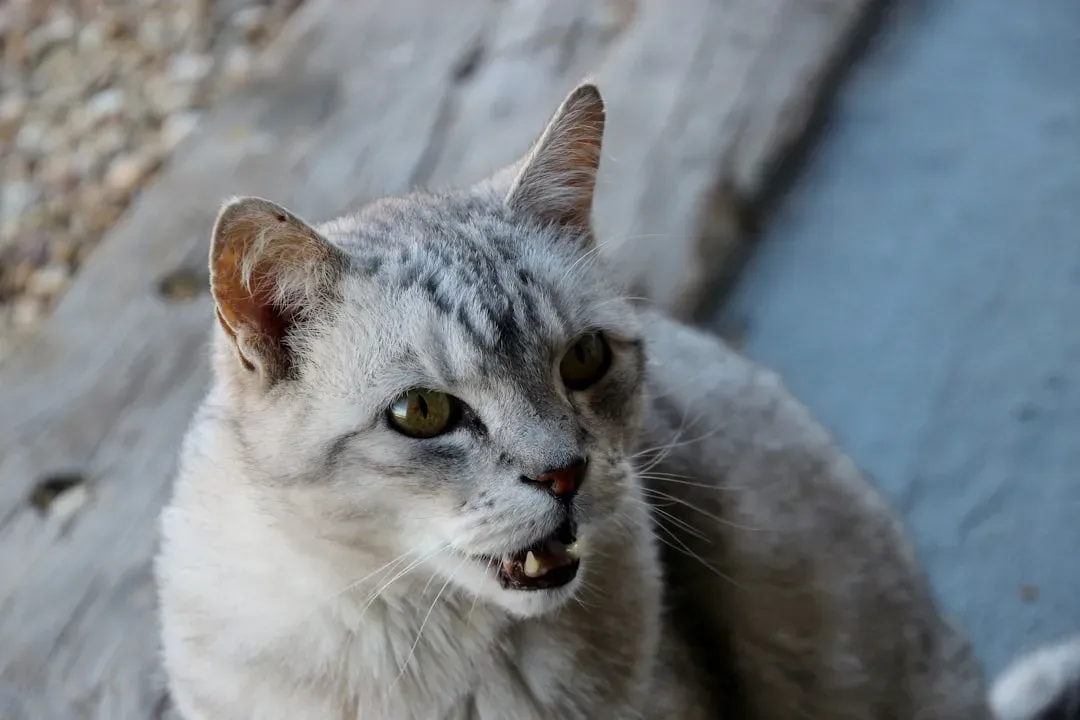
Chirping is almost always positive, but there are exceptions worth knowing about. Trilling is a complex vocalization that can convey a range of emotions and intentions in cats. While it’s often associated with positive feelings, it’s essential to recognize that trilling can also indicate distress. By paying attention to your cat’s body language and overall behavior, you can better understand their emotional state and address any underlying issues that may be causing distress-related trilling.
Excessive trilling might indicate heightened anxiety or stress, and a sudden cessation of trilling in a normally vocal cat could signal illness. Changes in trill pitch or quality might also warrant veterinary attention. The baseline matters here. If your cat chirps regularly and then suddenly stops, or if the sound changes noticeably in quality, that shift is worth taking seriously.
A general rule of thumb is that any change in a cat’s vocalization, whether in frequency, intensity, duration, or pitch, warrants a visit to the veterinarian to evaluate for pain, illness, or anxiety. It’s a simple guideline that applies to chirping just as much as to any other sound your cat makes.
How to Talk Back: Responding to Your Cat’s Chirp
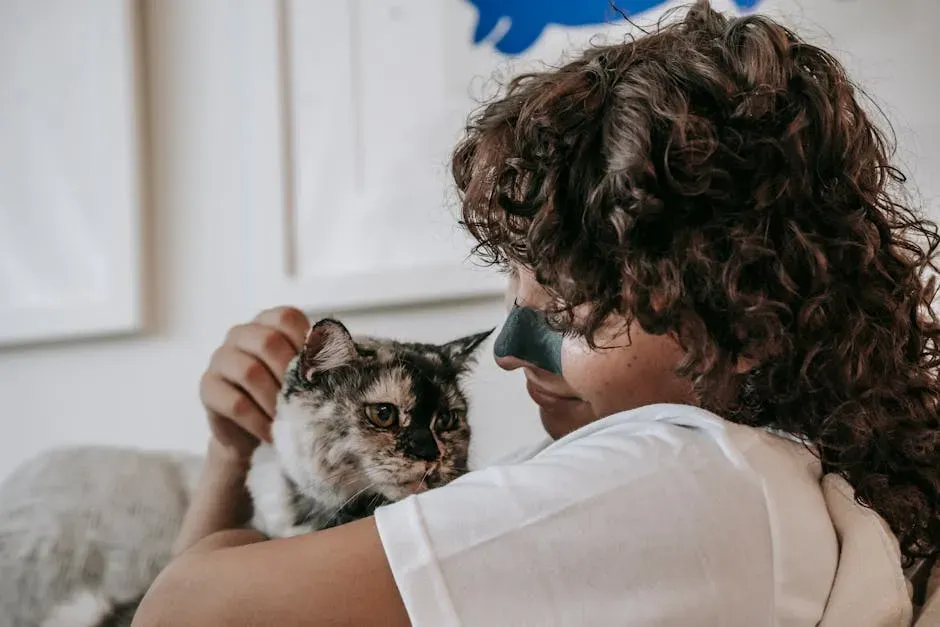
One of the most rewarding discoveries for cat owners is that you can actually respond to a chirp in a way your cat understands. The chirp is used in a friendly manner by cats when they are greeted by another cat or a human. Therefore, people can mimic the sound to reassure and greet pet cats. Trying it yourself may feel a little silly the first time, but your cat will likely find it fascinating.
Cats are mimics, so try your best trilling and see what happens. You don’t need to be perfect. Even a rough approximation of the rolling trill sound can prompt a response from your cat, and the back-and-forth that follows is one of the more genuinely interactive moments you can share with a feline.
The best response is to acknowledge your cat’s communication. You can speak back softly, offer gentle pets, or follow them if they’re trying to lead you somewhere. This reinforces positive communication and strengthens your bond. Cats pay close attention to how you respond, and consistent acknowledgment teaches them that chirping at you is worth the effort.
Conclusion: Learning to Hear What Your Cat Is Really Saying
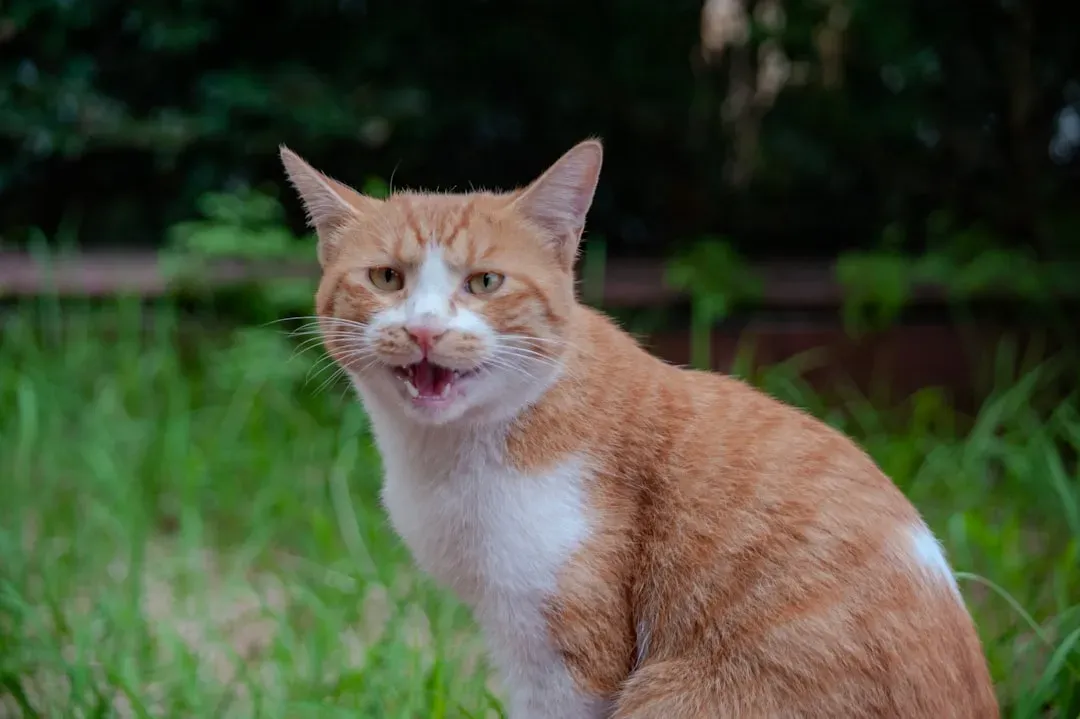
There’s something quietly remarkable about the chirp. It’s brief, barely a second long, and easy to miss if you’re not paying attention. Yet packed into that tiny sound is a whole vocabulary of warmth, recognition, and connection that your cat has carried since its first days of life.
According to researchers, cat vocalizations serve as “valuable tools in exploring motor, perceptual, motivational, and social development.” Cats use different types of vocalizations to express their feelings and emotions during interactions with humans or between a mother cat and her kittens. The chirp sits near the heart of that emotional vocabulary.
Whether it’s the soft rumble of purring, the surprising chirp of affection, or the intense chatter of hunting instincts, each sound gives you a glimpse into your cat’s world. By tuning into your cat’s vocalizations and pairing them with body postures and facial expressions, you become fluent in the special language of feline companionship. Once you learn to listen for it, that tiny chirp stops sounding like noise and starts sounding exactly like what it is: an animal telling you, in the clearest way it knows how, that you matter to them.
Kristina is a young writer from India. An arts graduate and an avid content creator, Kristina is passionate about animals and wildlife. She enjoys exploring topics related to pet care, animal behavior, conservation, and nature, combining thorough research with engaging storytelling.