You walk through the door after a long day, and before you’ve even set your bag down, there it is: a meow. Pointed, persistent, almost indignant. Your first instinct might be to roll your eyes and mutter something about a bossy cat. But what if that sound isn’t about attitude at all?
Meows are the most common human-directed vocalizations that cats use in different everyday contexts to convey emotional states. That small, loaded sound carries more intention behind it than most people realize. Your cat isn’t being dramatic – your cat is communicating, and has been doing so in ways specifically shaped for you.
Meowing Was Built for You, Not Other Cats
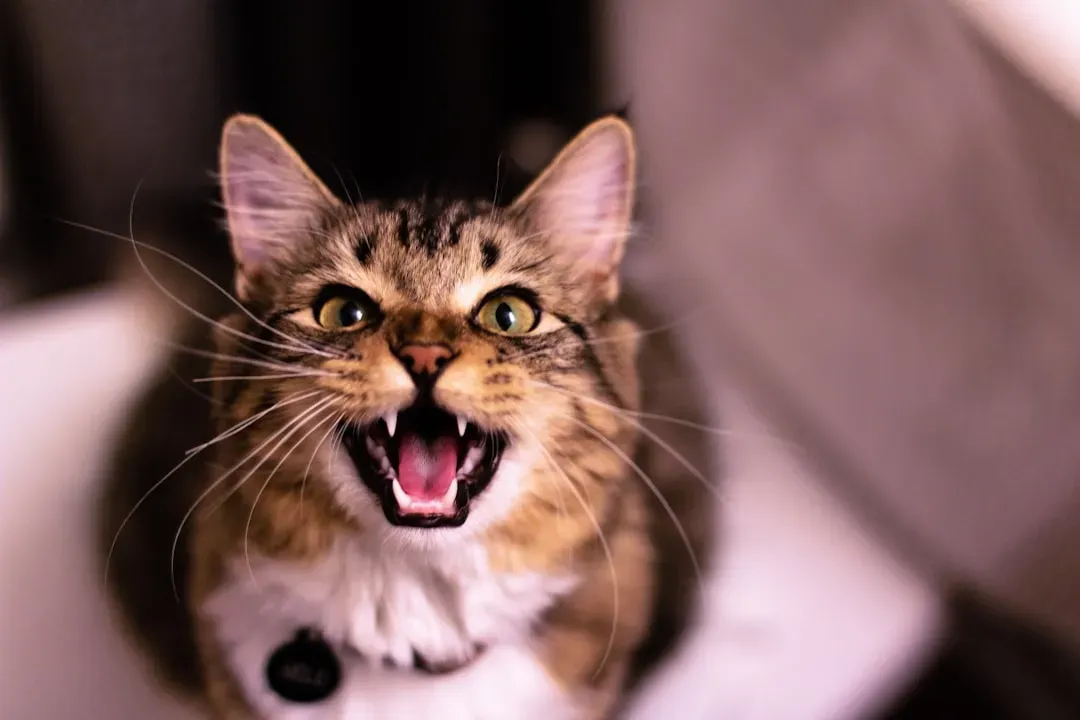
One of the most striking facts about the domestic cat meow is who it’s actually for. Adult cats rarely meow to each other, and so adult meowing to human beings is likely to be a post-domestication extension of mewing by kittens. In other words, when your cat meows at you, it’s using a form of communication that evolved specifically for the human-cat relationship.
Adult cats rarely meow at each other, and rather communicate largely through body language as well as other noises such as hissing, spitting, and yowling. Because humans can’t read cat body language and non-verbal cues as well as other cats can, additional vocalizations like meowing are needed as an additional form of communication. Your cat has essentially learned to speak your language – or at least, the closest thing to it a feline can manage.
A 10,000-Year Conversation in the Making
Cats probably first encountered humans roughly 10,000 years ago, when people began establishing permanent settlements. These settlements attracted rodents, which in turn drew cats looking for prey. The less fearful and more adaptable cats thrived, benefiting from a consistent food supply. Over time, these cats developed closer bonds with humans. That’s a long time to work on a relationship.
Unlike dogs, which were bred by humans for specific traits, cats essentially domesticated themselves. Those that could tolerate and communicate with humans had a survival advantage, leading to a population well-suited to living alongside people. So the meow you hear today is the result of thousands of years of natural selection, shaped around getting your attention.
Kittens Meow to Their Mothers – and You’re Next
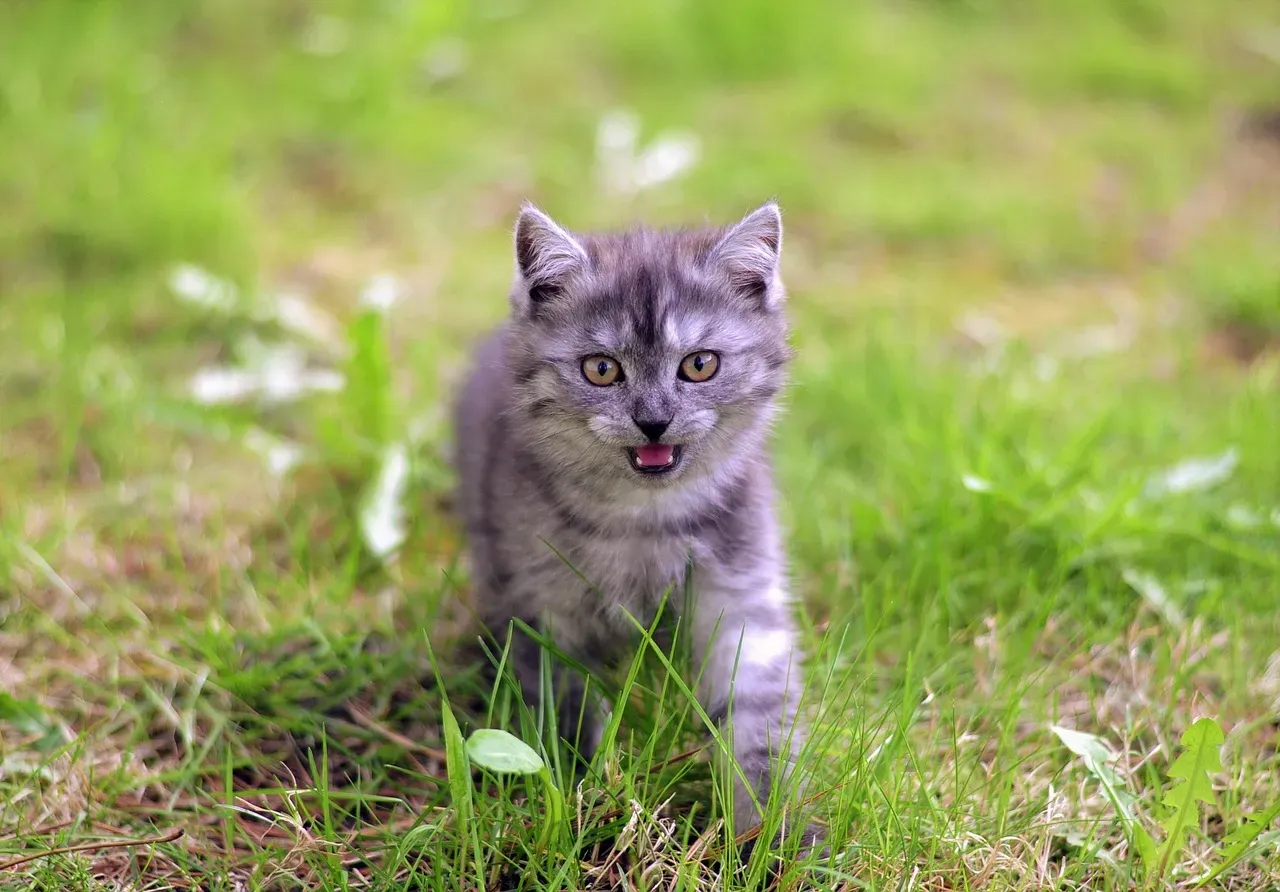
Meowing consists of instinctive sounds that kittens use to communicate with their mother. Mama cat and her kittens meow to each other, and when a kitten goes to a new home, it will try to use the same sounds with its humans. If the kitten senses that we’re responding, it continues talking. You’re not just a cat owner – you’re a surrogate parent, linguistically speaking.
It’s sometimes thought that pet cats live in a state of extended kittenhood, as we humans function as sort of surrogate mothers for them. It’s a form of neoteny – adult animals keeping features or behaviors they had while younger. This can explain why adult cats meow at humans, as well as why they partake in soothing behaviors such as kneading. The science of why your cat “makes biscuits” on your lap and the science of why it meows at you come from the same place.
Pitch, Tone, and the Private Language of Your Cat
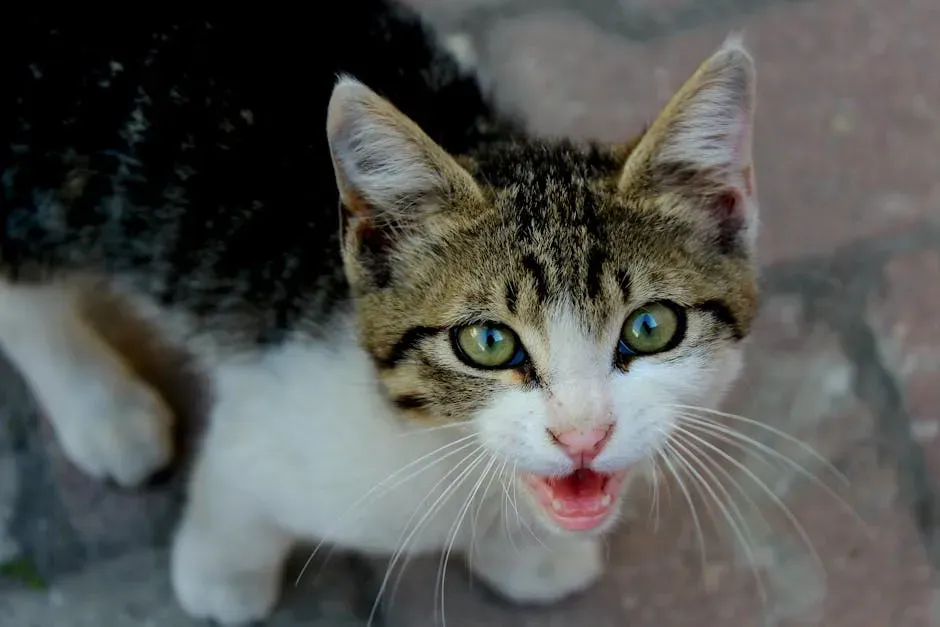
Cats can modify their meows in tone, pitch, and duration to convey different messages. For instance, a cat may use a shorter, higher-pitched meow to express hunger and a longer, lower-pitched meow to indicate displeasure. This adaptability enhances their ability to communicate effectively with humans. Think of it less like random noise and more like a vocabulary that rewards close listening.
A prolonged, drawn-out meow signals a hunger or demand state, often at mealtimes. A high-pitched, urgent meow signals distress, fear, or heightened excitement. A low-pitched, rumbling meow conveys discomfort, annoyance, or mild irritation. Each variation relies on frequency shifts to express unique needs, demonstrating how tone directly maps to emotion. Once you start noticing those differences, you’ll never hear your cat the same way again.
Feral Cats Stay Quiet – Domesticated Cats Don’t
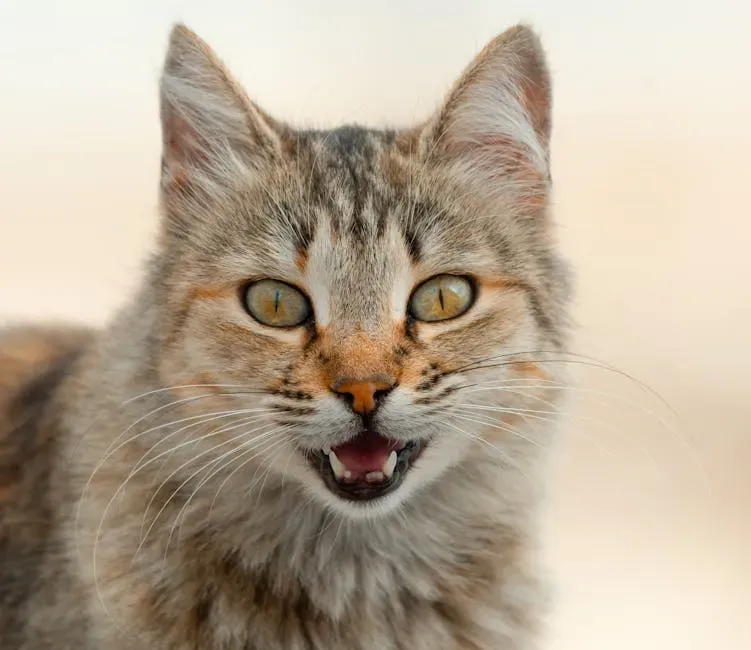
Research indicates cats develop meowing as a communication tool for humans. Feral cats, which have minimal human interaction, meow less frequently, suggesting this vocalization is a learned behavior tailored to human companions. That single fact says a lot. The meow isn’t instinct running on autopilot – it’s a learned, adaptive behavior shaped by your presence.
When cats meow at humans, they’re using what were originally kitten sounds, and this is pretty typical behavior for various domestic animals. Animals that live with humans tend to use their baby behavior toward humans because they find that it works. They don’t use the same behavior toward other adult animals of their own species. Your cat has essentially figured out what buttons to push – and pressed them reliably ever since.
Your Cat Knows When You’re Talking to It
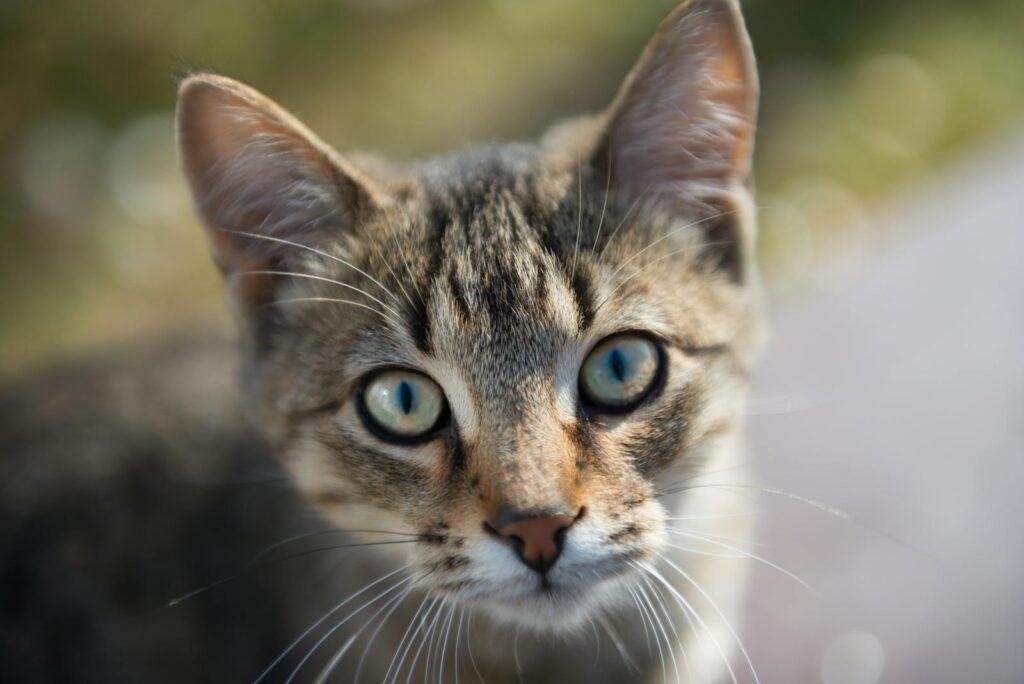
A 2022 study by animal behavior researcher Charlotte de Mouzon and colleagues found that cats could distinguish between speech addressed to them and speech addressed to adult humans. This pattern of discrimination was particularly strong when the speech came from the cats’ owners. So that high-pitched “who’s a good kitty?” voice you use? Your cat notices the difference.
Cats speak more when they are spoken to, and like it better when you use positive words alongside their name rather than negative ones. Communication between you and your cat really does go both ways. The more you engage, the more vocal your cat tends to become – it’s a feedback loop built on mutual attention.
The Solicitation Purr: Hidden Urgency in a Soothing Sound
Purring appears to be a way for cats to signal their caretakers for food. This purring has a high-frequency component not present in other purrs. These are called solicitation purrs, and the two are distinguishable to humans. That soft, rumbling sound isn’t always just contentment – sometimes it’s a cleverly disguised request.
Embedded within the low-frequency purr is a high-frequency cry, somewhat similar in range to a human infant’s cry. This “solicitation purr” is more urgent and less pleasant, making it difficult for humans to ignore. With these solicitation purrs, domestic cats are effectively tapping into our own nurturing instincts to give them attention. It’s subtle, it’s effective, and it’s been working on humans for millennia.
When the Meow Is a Warning Sign
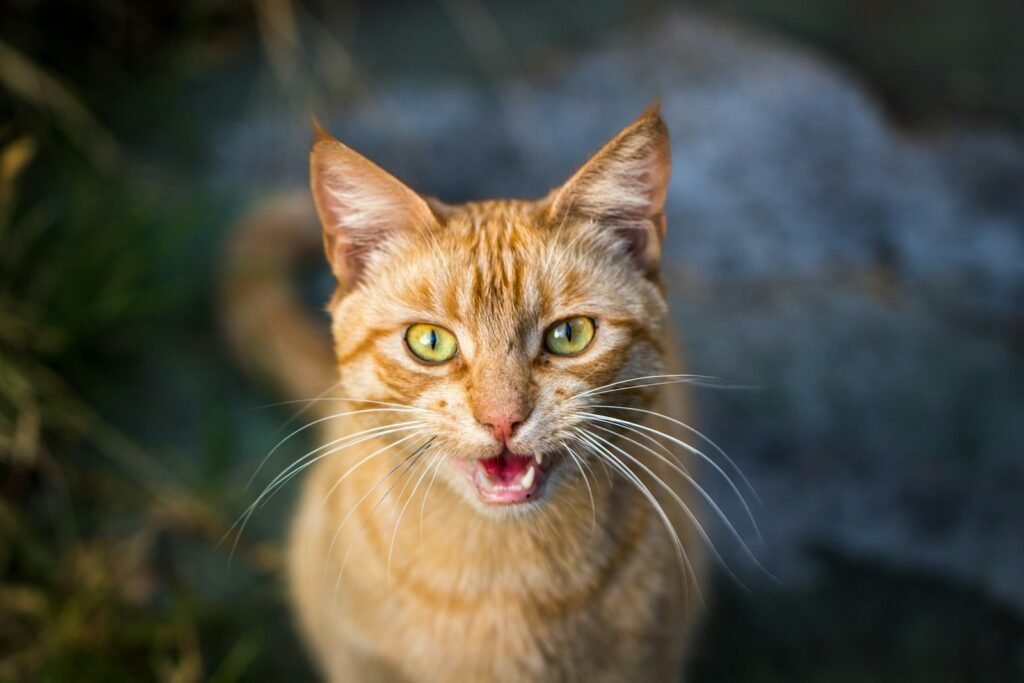
Sometimes a cat meow can indicate anxiety, boredom, frustration, or even illness, particularly if it’s lower-pitched and more drawn out compared to the short, high-pitched meow that often signifies a greeting or a want. Yowling and howling are signs that a cat is in distress. This may be physical distress from pain or illness, or emotional distress from worry, frustration, boredom, or confinement.
A general rule of thumb is that any change in a cat’s vocalization – the frequency, intensity, duration, or pitch – warrants a visit to the veterinarian to evaluate for pain, illness, or anxiety. Specific conditions to watch for include hyperthyroidism, which can cause excessive meowing and restlessness, and cognitive dysfunction in senior cats, which is linked to nighttime yowling caused by confusion or disorientation. Paying attention to your cat’s vocal baseline is genuinely useful medical knowledge.
Some Cats Are Simply More Talkative Than Others
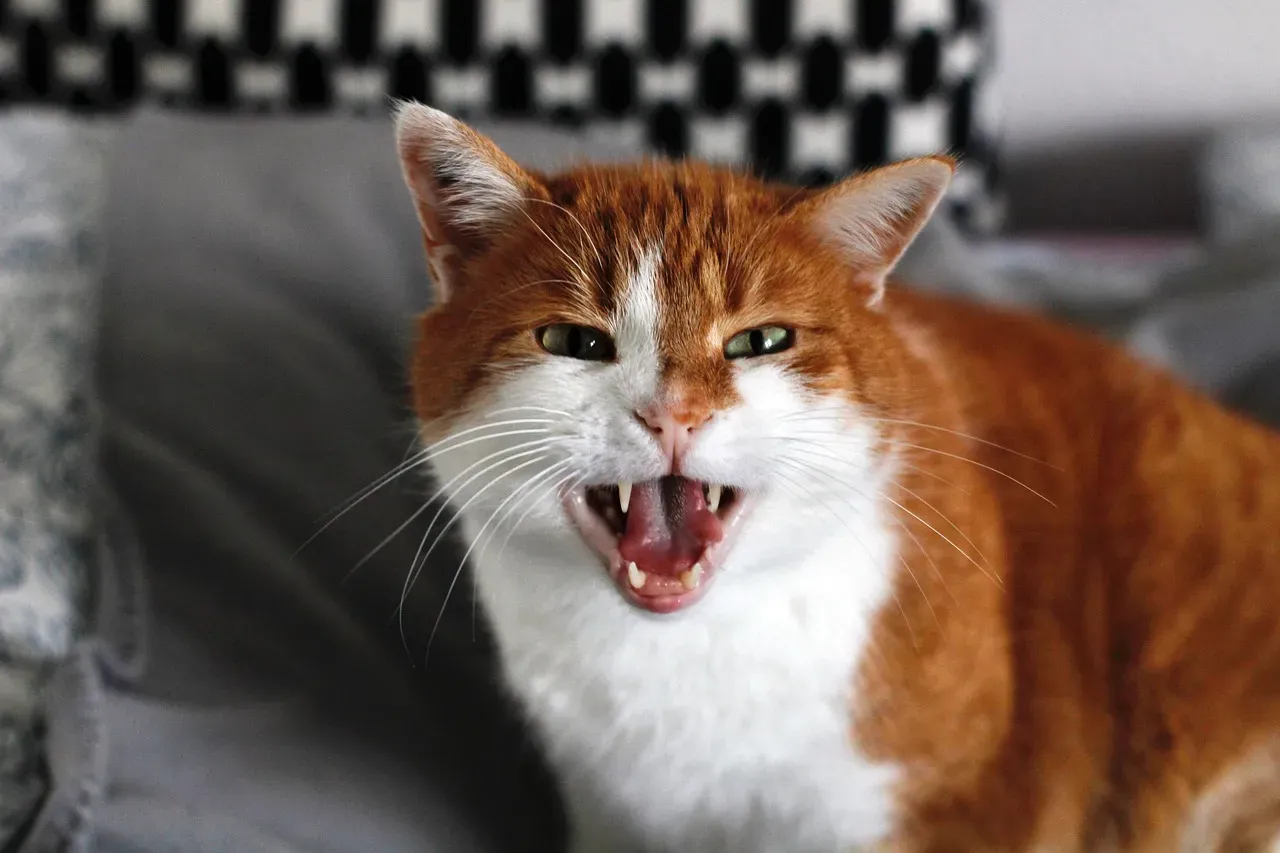
While each cat is unique, some breeds – such as Siamese cats – generally meow more than others. Meanwhile, some cats may become more vocal as they get older, if they have cognitive dysfunction, or if they develop the condition hyperthyroidism. Breed personality plays a real role in how chatty your cat turns out to be.
Each cat is an individual, and so their human caregiver will learn what their meows are trying to communicate over time. Cats shape their meows based on what gets your attention. The more time you spend listening, the more fluent you become – and the more your cat refines its calls in response to you. It’s a genuinely two-way process.
How to Listen Better and Respond Smarter
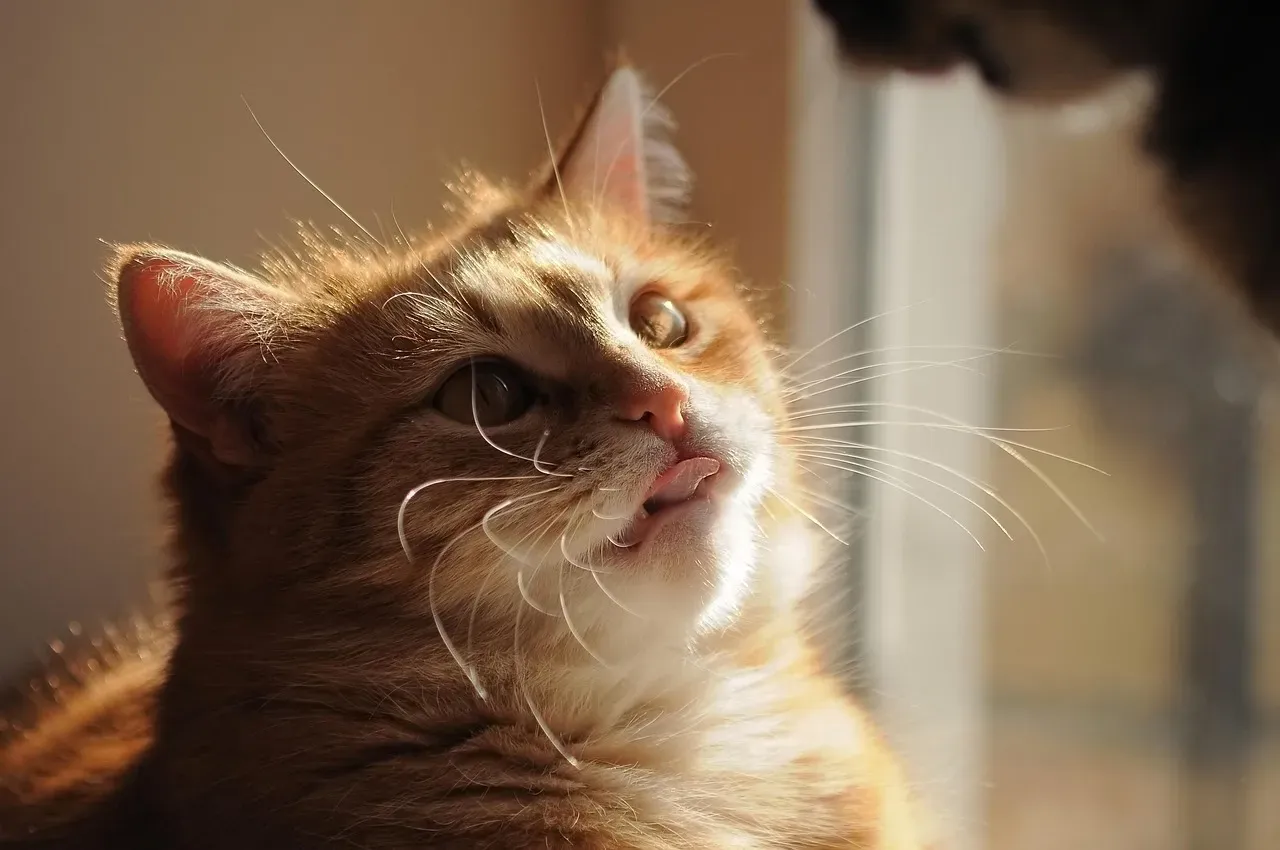
Start by identifying the vocal sound, then systematically read the body: eyes, ears, tail, and posture. Aligning vocal tone with physical tension reveals the cat’s precise emotional state, guiding you to respond with reassurance, playful redirection, or calm withdrawal. Context is everything when it comes to reading what your cat is actually saying.
When your cat meows back in response to your talking, they’re engaging in social communication and bonding. Cats learn that vocalizing gets responses from humans, and some cats become quite conversational. This call-and-response pattern strengthens your bond and indicates your cat views you as a social companion. You don’t need to speak perfect “cat” to strengthen that connection – you just need to show up, pay attention, and respond.
Conclusion
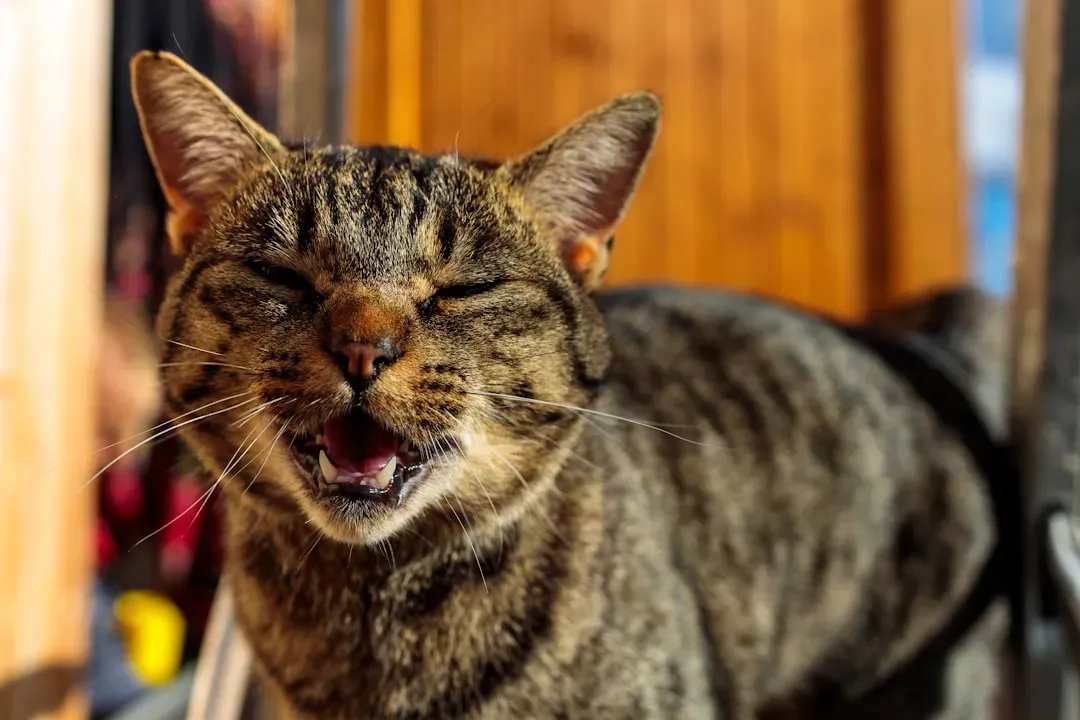
That so-called “demanding” meow deserves a second look. What sounds like an impatient demand is, in reality, one of the more sophisticated forms of cross-species communication on the planet. Your cat didn’t inherit the meow from its wild ancestors. It developed it, refined it, and aimed it directly at you.
The relationship between cats and humans has been quietly evolving for ten thousand years, and the meow sits at the center of it. Cat-human communication is a core aspect of cat-human relationships and has an impact on domestic cats’ welfare. The more closely you listen – to pitch, to pattern, to context – the more you’ll understand what’s actually being said. Your cat has been holding up their end of the conversation all along.
Kristina is a young writer from India. An arts graduate and an avid content creator, Kristina is passionate about animals and wildlife. She enjoys exploring topics related to pet care, animal behavior, conservation, and nature, combining thorough research with engaging storytelling.