It’s midnight. You’re deep in sleep, and then it happens. A thunderous gallop, a sharp pivot around the couch, a brief skid across the kitchen floor, and then silence. Your cat, the same creature who spent twelve hours motionless on the sofa, has just completed a solo sprint that would embarrass a greyhound.
If you’ve ever lain awake wondering what exactly is going on inside that fluffy head, the answer is surprisingly wholesome. Most veterinarians agree that zoomies are simply a release of energy in cats, and that pets experiencing them are usually releasing that energy because they are very happy or excited. Far from being a sign of disturbance or distress, those wild nightly laps around your home tell a more interesting story rooted in biology, instinct, and genuine feline wellbeing.
What the Zoomies Actually Are (And Why They Have a Scientific Name)
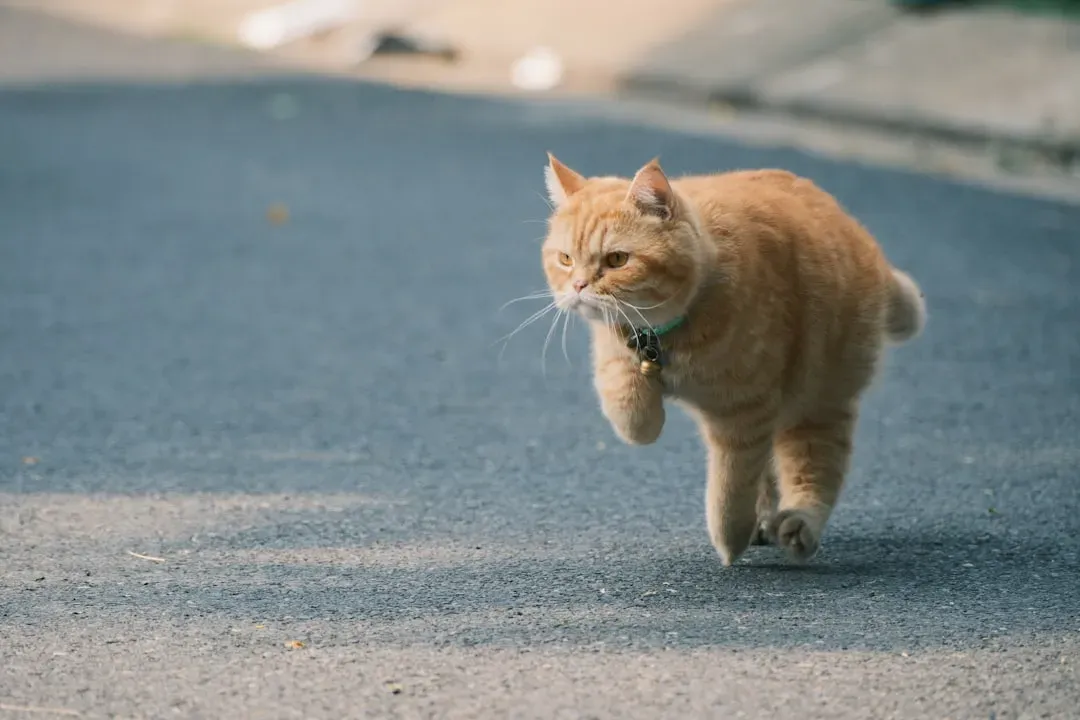
This behavior, technically known as Frenetic Random Activity Periods or FRAPs, lets cats release pent-up energy by energetically sprinting around the house. The name is a mouthful, but the behavior itself is unmistakable. One moment your cat is calmly sitting on the windowsill, and the next she’s treating your hallway like a racetrack.
Zoomies describes seemingly random periods of bursts of energy in cats, during which they might suddenly leap up and race around the living room or even the entire house, running, jumping, climbing, and otherwise going crazy with activity. Some cats even punctuate these sessions with the occasional dramatic yowl. Despite how chaotic it looks, there’s real logic behind every sprint.
Your Cat Is Not Nocturnal. She’s Something More Interesting.
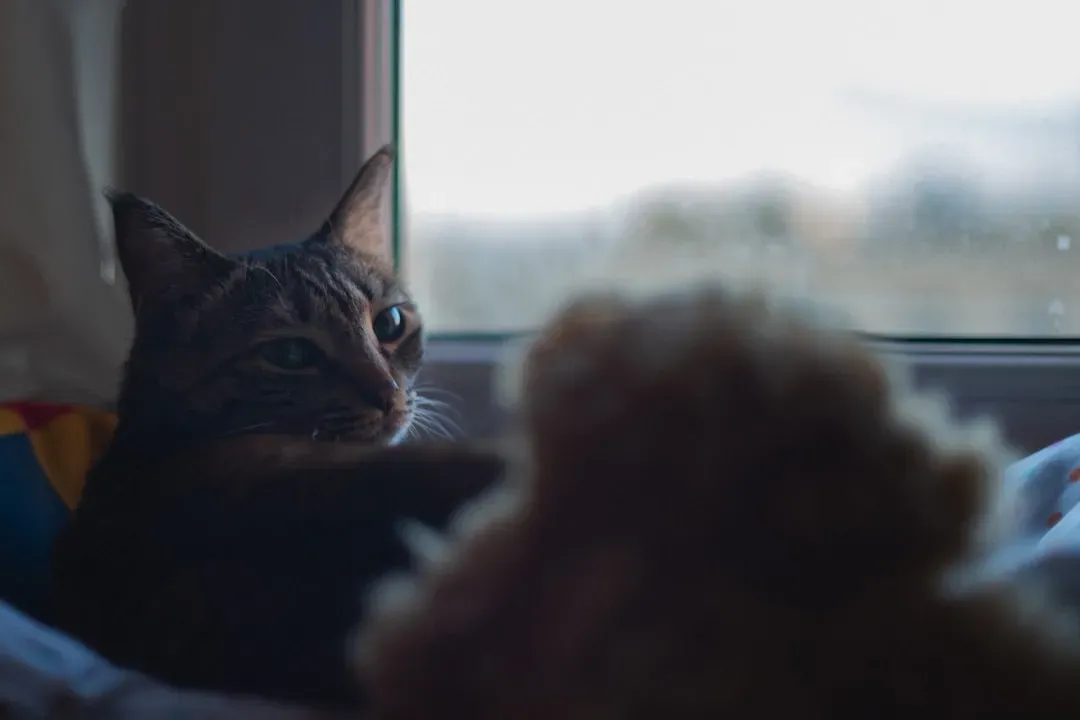
Contrary to popular belief, cats are not nocturnal but are crepuscular instead, meaning they are naturally most active at dawn and dusk due to their biological need to take advantage of cooler times of day in order to more effectively hunt. It’s a subtle but important distinction, and it explains a lot about your cat’s nightly restlessness.
This behavior can be traced back to their wild ancestors, who hunted during these times to take advantage of cooler temperatures and the movement of prey. While domestic cats no longer need to hunt for their meals, they’ve retained these instinctual patterns of activity. So when your cat kicks into high gear at 10 p.m., she’s essentially running on ancient programming that no amount of couch comfort has fully overwritten.
The Sleep Math That Explains Everything
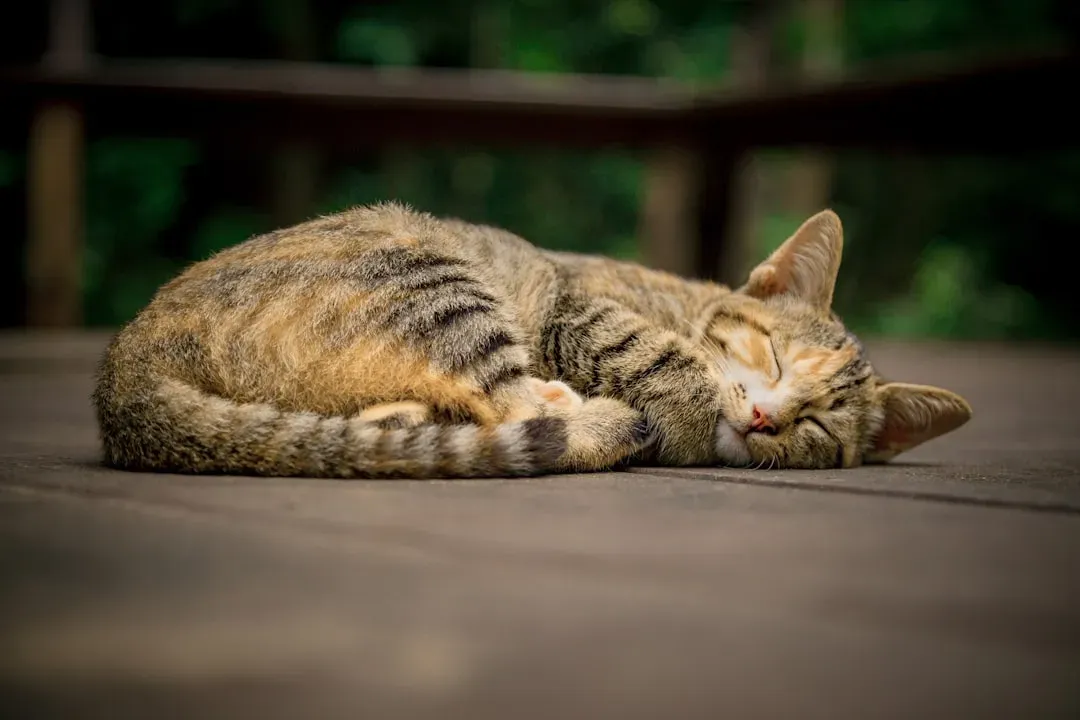
A common characteristic of cats is that they spend a large part of their day sleeping, about 12 to 16 hours, according to PetMD. Generally speaking, cats sleep so much to conserve energy because, as predators, hunting and exploring are energy-consuming, and sleeping so much is in their nature. That is a serious amount of stored-up fuel.
Cats are ambush predators built for short, intense bursts of movement rather than sustained endurance. In the wild, a successful hunt might involve long periods of waiting followed by a few seconds of explosive action. Even well-fed indoor cats who’ve never had to rely on predation retain this physical wiring. All those nap hours are, in a real sense, charging time for an engine designed to run hard and fast when the moment calls for it.
The Endorphin Rush Your Cat Is Actually Chasing
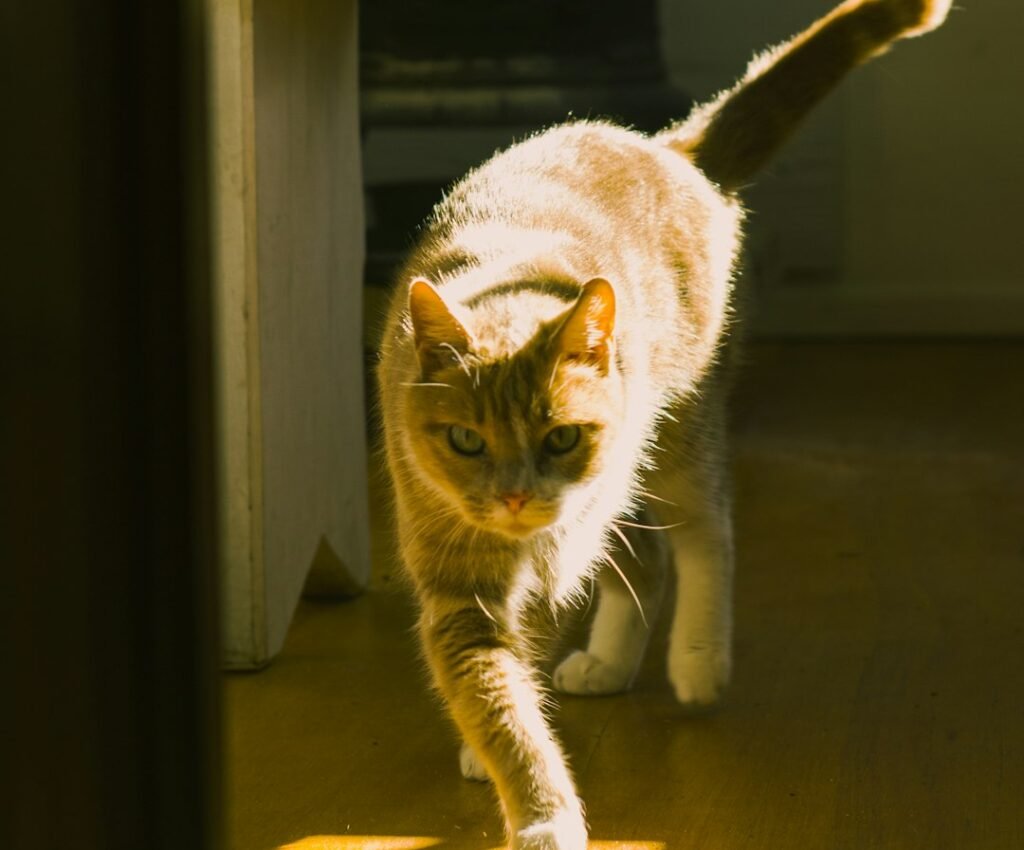
Just like humans need to move after sitting too long, cats need to release pent-up energy, and zoomies provide the perfect outlet. This is especially true for indoor cats who have fewer opportunities to exercise. The comparison to a person who’s been desk-bound all day and suddenly needs to move is more apt than it might seem.
FRAPs may release endorphins, causing a pleasurable or euphoric response. From a physical standpoint, these bursts of activity can strengthen muscles, boost cardiovascular health, and support overall well-being. In other words, your cat’s late-night sprint isn’t erratic behavior. It’s closer to a workout followed by a natural high, and she’s enjoying every second of it.
The Hunter Within: Why Instinct Still Drives the Dash
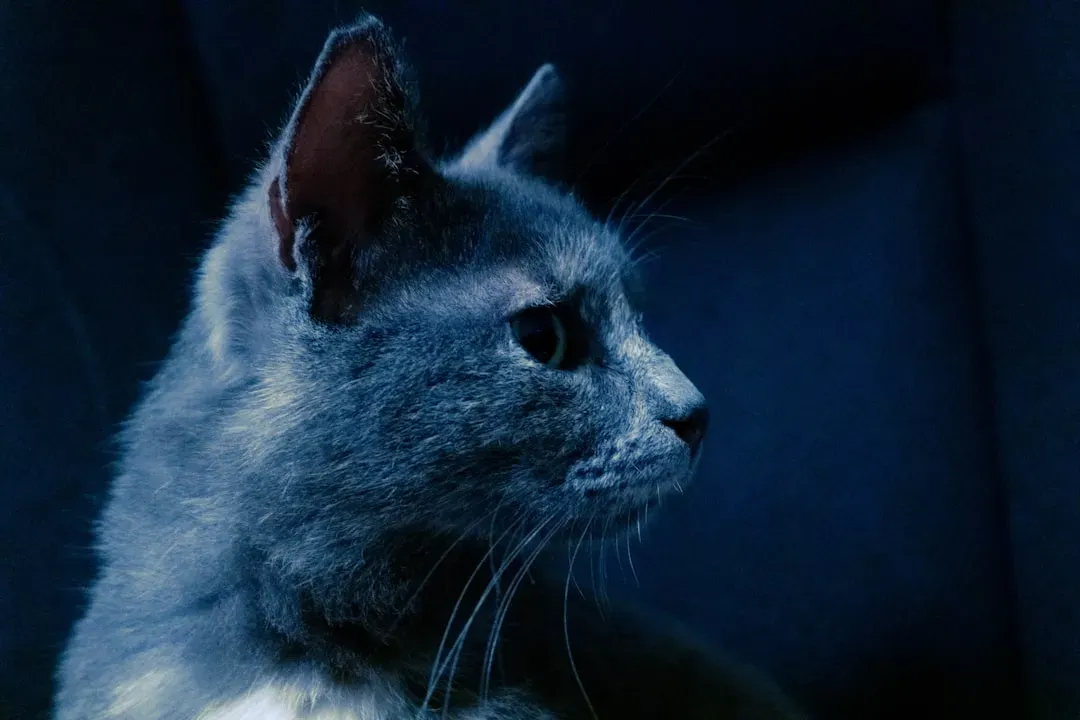
Cats have retained their hunting instincts from their wild ancestors. These instincts can trigger bursts of energy, often at night, even in the absence of actual prey. They may play with toys, chase their tail, or pounce on invisible objects. That invisible enemy your cat is wrestling with at midnight? Completely real to her, at least in the moment.
These sprints might also tap into your cat’s inner hunter. Zoomies may originate from cats’ natural predatory instincts, as the bursts of activity with their sudden sprints and sharp turns may represent hunting behaviors. These play periods allow cats to hone their survival instincts, think stalking, pouncing, and pursuing. Even a well-fed, entirely indoor cat is still, somewhere in her core, a predator rehearsing her craft.
Age and Zoomies: From Kitten Chaos to Senior Sprints
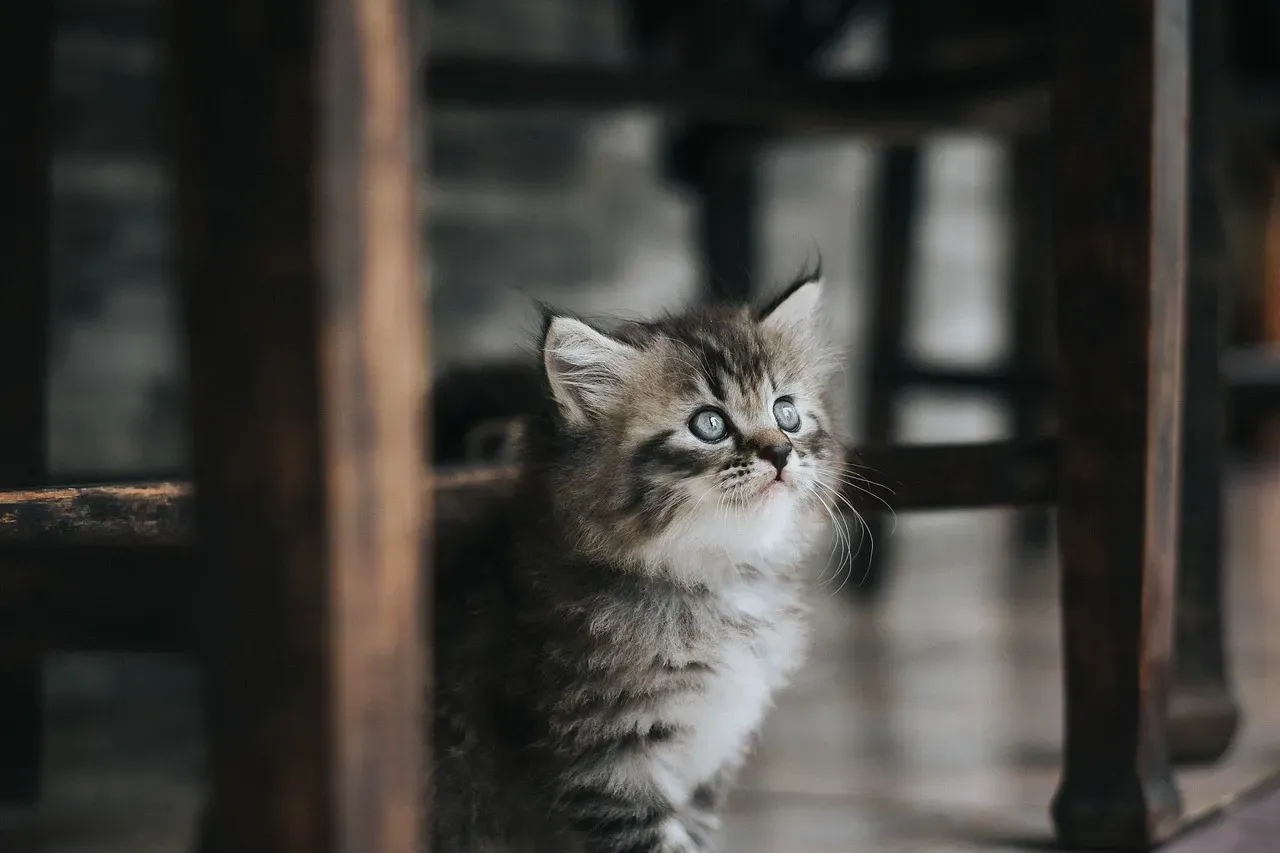
Young cats, especially kittens, tend to have frequent and intense zoomies due to their high energy levels and rapid growth. These bursts of activity help practice essential skills like agility, coordination, and motor control. For a kitten, a FRAP episode isn’t just play. It’s essentially a developmental workout session.
Most cats can’t sustain the zoomies for more than a minute or so. As cats age, the FRAPs often get shorter and less frequent. If your senior cat starts zooming around after receiving pain medication, it could be a positive sign that their treatment is working. Seeing an older cat suddenly dash across the room with that familiar wild look is, in many cases, a genuinely heartwarming thing to witness.
The Environment’s Role in Nighttime Energy Peaks
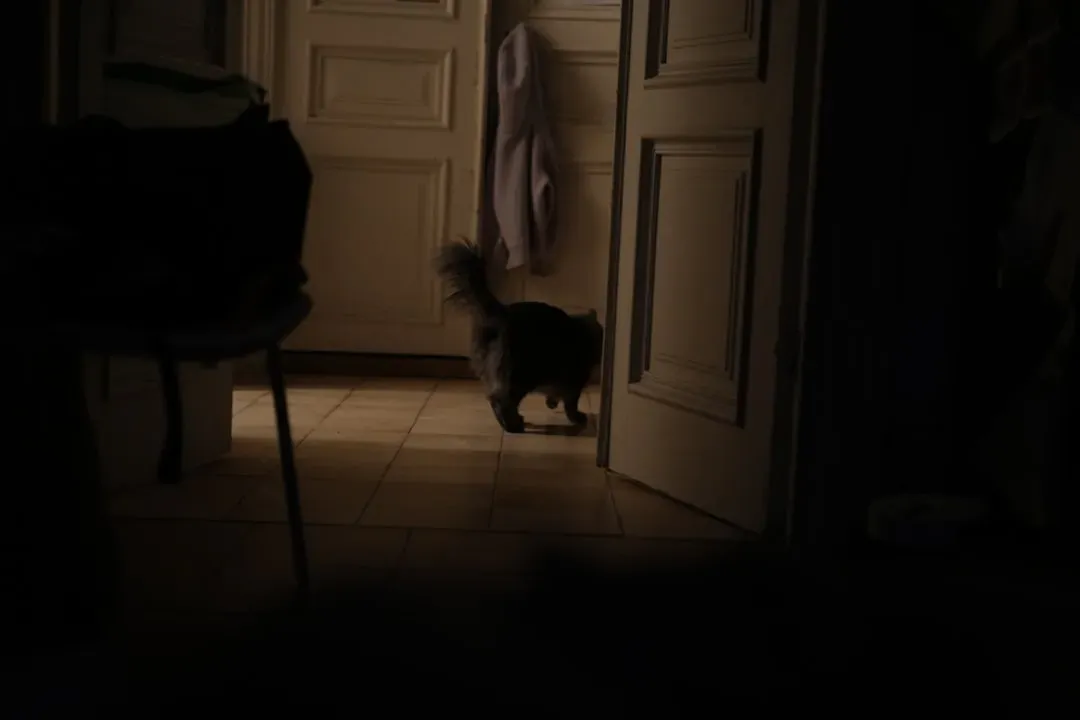
Your cat’s environment can significantly impact their behavior, including their sleep-wake cycle. The quiet of the night might make your cat feel more comfortable exploring and playing. During the day, the noise and activity associated with daily life can be intimidating for some cats, causing them to rest and wait for the tranquility of nighttime to get active. Essentially, the stillness you’re trying to sleep through is your cat’s idea of a perfect playground.
Domestic cats are crepuscular, with peak activity at dawn and dusk, not nocturnal. Artificial lighting blurs natural day-night cues and shifts cat activity later into the evening. Feeding times are among the strongest drivers of daily activity. Small tweaks to your home routine, such as adjusting when and how you feed your cat, can have a measurable effect on when those late-night sprints tend to occur.
When Zoomies Are Worth a Closer Look
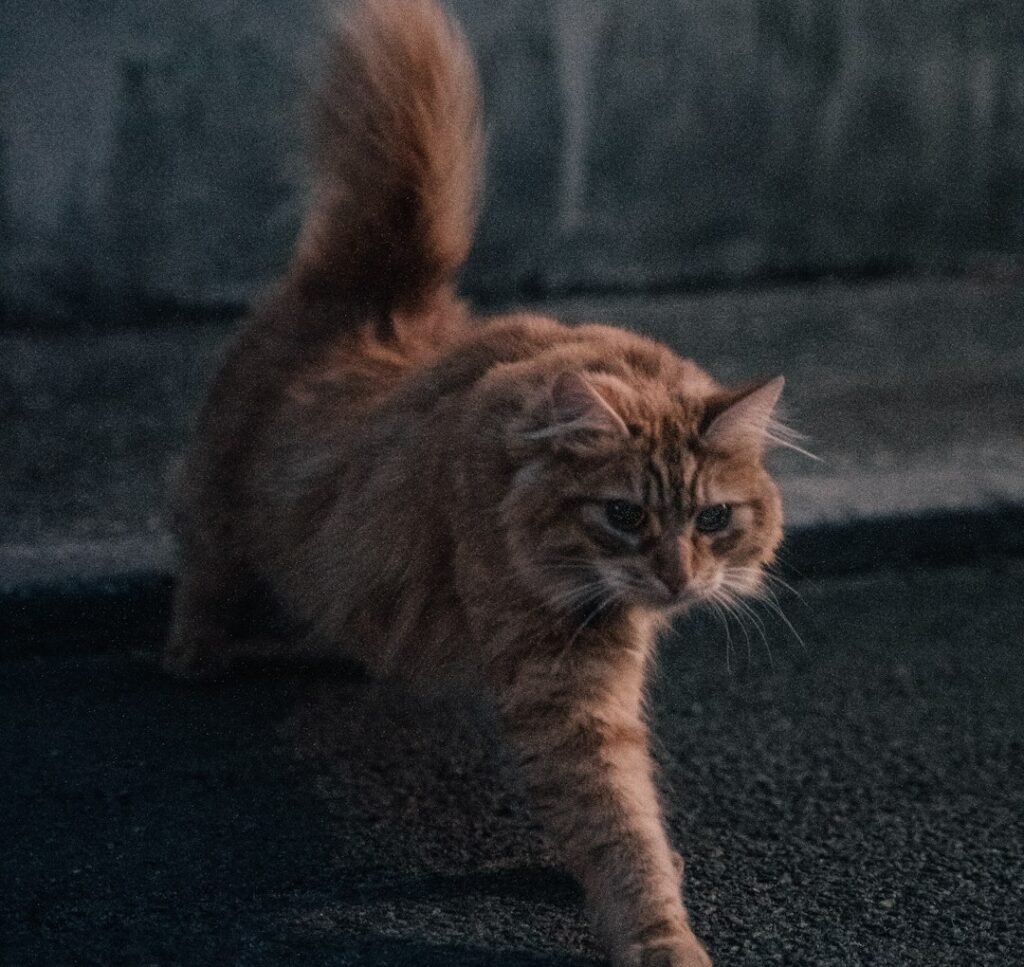
If sporadic periods of energy become more intense and frequent, it may be worthwhile to chat with your vet. Most of the time the zoomies are a joyful, ordinary part of life with a cat. Occasionally, though, certain patterns are worth taking note of.
Cat zoomies can serve as an indicator of your cat’s overall health and happiness. While occasional zoomie episodes are perfectly normal, significant changes in frequency or intensity may warrant a trip to your veterinarian. Keep an eye out for any signs of distress or discomfort, as they may indicate medical or behavioral concerns that need attention and evaluation. Pay particular attention if the zoomies always follow a litter box visit and are accompanied by signs of discomfort. That combination is worth mentioning to a vet.
Practical Ways to Work With the Zoomies, Not Against Them
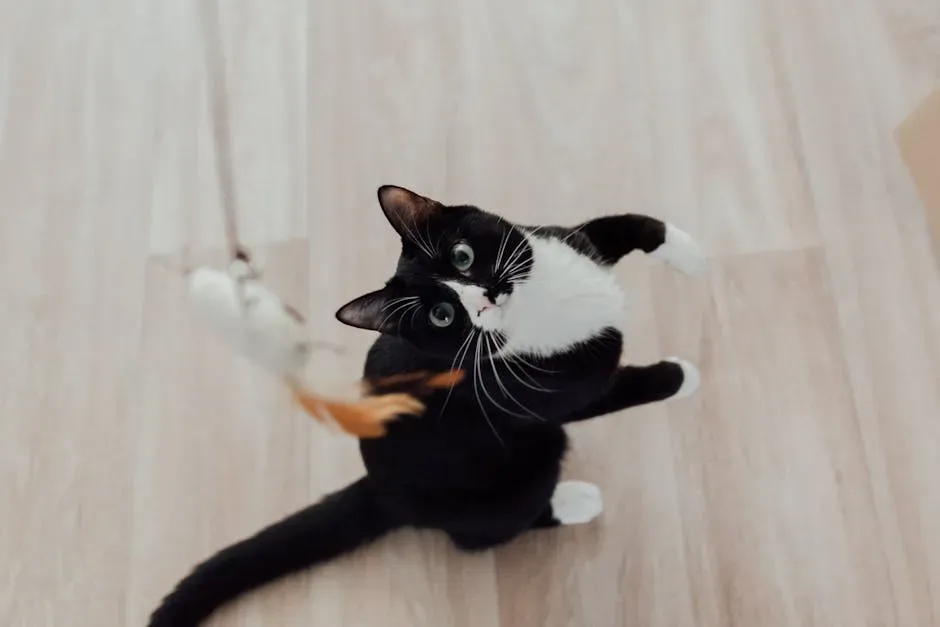
If a cat frequently engages in the zoomies, it’s probably an indication that the cat needs more exercise. Make sure your kitty is getting regular playtime. Break out the feather and string and aim to engage in at least two 15-minute interactive play sessions per day. It’s also important to provide mental exercise and satisfaction, so don’t just exhaust the cat, but instead, play in a way that allows kitty to stalk and plan.
Cats tend to sleep after a big meal. Try feeding your cat their main meal just before your bedtime to encourage them to sleep through the night. Hiding small amounts of food around the house to let your cat hunt for it also helps. A mentally stimulated cat is far less likely to turn into a restless night owl. The goal isn’t to suppress what’s natural but to redirect that energy into a rhythm that works for both of you.
Conclusion
Your cat’s nightly zoomies are not a malfunction. They’re a direct expression of a nervous system shaped by millions of years of evolutionary refinement, a body that stores energy efficiently and releases it in honest, dramatic bursts. The midnight gallop is biology doing exactly what it was designed to do.
Understanding that changes everything. Instead of grimacing at the sound of paws thundering across the floor, you can recognize it for what it is: a healthy, happy animal expressing herself in one of the most authentically feline ways possible. If you want more quiet nights, invest in more active evenings. Play harder with her before you sleep, and she’ll have less left to burn once the lights go out.
There’s something oddly reassuring about sharing your home with a creature that can sleep for fourteen hours and still, at the end of a quiet Tuesday, find a reason to run with total abandon just because the moment feels right.
Kristina is a young writer from India. An arts graduate and an avid content creator, Kristina is passionate about animals and wildlife. She enjoys exploring topics related to pet care, animal behavior, conservation, and nature, combining thorough research with engaging storytelling.