Cats have a reputation for being impossible to read. One moment your cat is purring in your lap, the next they’ve disappeared under the bed for no obvious reason. It’s easy to assume they’re indifferent to how you treat them, but that’s not quite right. Cats feel affection deeply. They just express and receive it differently than dogs, or people, do.
The good news is that making your cat feel genuinely loved doesn’t require grand gestures or expensive gadgets. It’s the small, consistent things that seem to matter most: a glance held a second too long, a routine that never wavers, a hand offered instead of imposed. If you pay attention to how cats actually communicate, you’ll realize you’ve probably been doing some of these things already without knowing why they work.
The Slow Blink: Your Cat’s Language for “I Trust You”

If you want to speak cat, start with your eyes. When cats feel relaxed and content, they naturally narrow their eyes and blink slowly. This facial expression closely resembles the soft squint humans make when smiling. In other words, it’s a cat’s way of expressing friendliness and trust. It’s one of the quietest signals in the animal world, but it carries real weight.
A study published in 2020 confirmed that slow blinking plays a key role in feline communication, led by psychologist Karen McComb at the University of Sussex. The first experiment revealed that cat half-blinks and eye narrowing occurred more frequently in response to owners’ slow blink stimuli, and in a second experiment, cats had a higher propensity to approach an experimenter after a slow blink interaction than when the experimenter adopted a neutral expression.
To try it yourself, gaze at your cat, slowly closing your eyes halfway and then gradually opening them again. When a cat slow blinks at you, they are often expressing a sense of trust, contentment, and affection. In the feline world, closing their eyes in the presence of another creature makes them vulnerable, as they are unable to detect potential threats. The fact that they do it anyway is meaningful.
A slow blink indicates that your cat trusts you and is happy to be around you. Slow blinking back shows them you feel the same way and can help the two of you bond more closely. You can use it with cats you’ve known for years, or with a shy new cat you’re just beginning to win over.
Welcoming the Headbutt Without Pulling Away
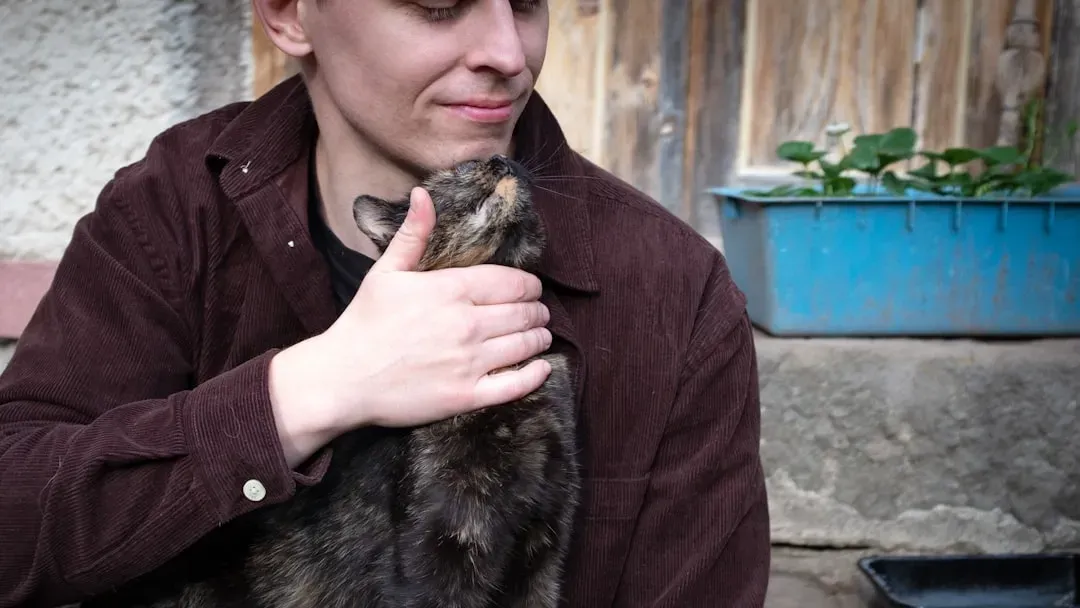
When your cat bumps their forehead against your cheek or leans into your chin, you’re receiving something very deliberate. Headbutting is typically a way for cats to mark you with pheromones and bond with you. However, sometimes headbutting can be a way for cats to seek attention. Either way, it’s a gesture worth pausing for.
Cats have glands on their cheeks, forehead, and chin that contain pheromones. A pheromone is a substance produced by animals as a type of scent communication. It’s similar to synthetic pheromones used in many cat calming products, like cat pheromone diffusers. When a cat headbutts you, they are rubbing pheromones on you. The pheromone deposited during headbutting comes from glands located just in front of a cat’s ears. Humans can’t detect these pheromones, but to a cat, you can consider yourself marked.
A cat headbutt is one of the clearest signs of feline affection. Your cat is saying, “I feel safe with you.” Since a headbutt requires lowering their head into a vulnerable position, the act signals deep trust. Your response doesn’t need to be dramatic. You do not need to headbutt your cat back. A gentle lean-in or soft forehead touch lets them know the feeling is mutual.
The act of bunting may provide emotional comfort to cats, especially in unfamiliar or stressful environments. By depositing their scent, they create a familiar, reassuring atmosphere. Staying still and accepting the gesture without flinching is all your cat is really asking for.
Talking Softly Throughout Your Day
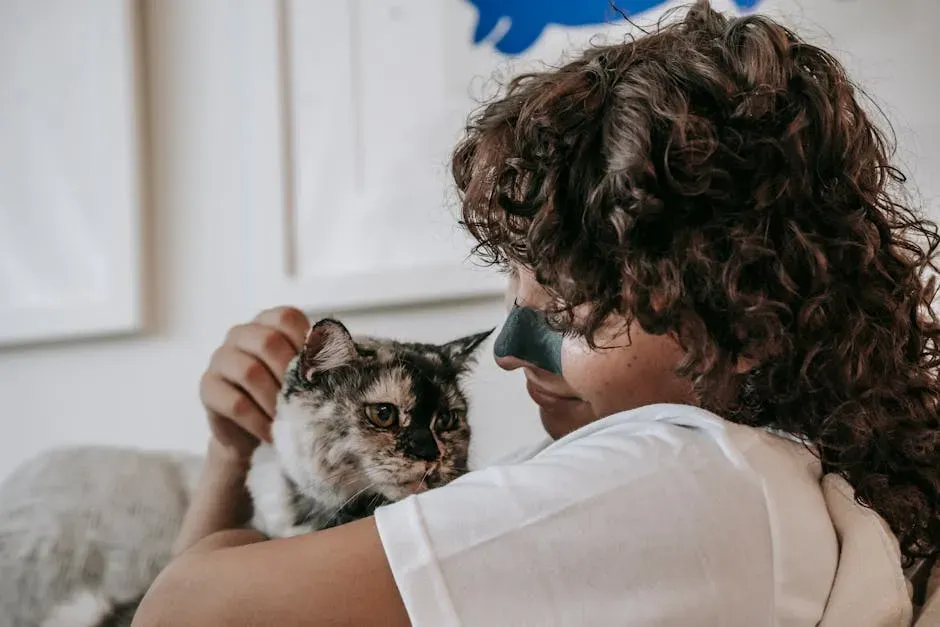
You don’t need to have anything interesting to say. What matters more is that you say it gently. When talking with your kitty, the tone of voice you use matters. Cats can be comforted by a calm, soft tone. They even like high-pitched or melodic tones, similar to how humans speak to infants. Your voice is something your cat recognizes long before they understand the words.
Soft, calm tones can strengthen your bond. This is because oxytocin, often referred to as the “love hormone,” is released from both you and your cat, creating a sense of trust and safety. That’s not a small thing. It means a quiet conversation over your coffee cup in the morning is doing real work for your relationship with your cat.
With just a few words and a comforting tone, you can help a fearful or stressed cat relax and feel a bit more secure. They can learn to associate your voice with safety, familiarity, love, and more. Over time, that association becomes a foundation of trust your cat can reliably lean on.
Cats tend to favor voices that are familiar, calm, and emotionally positive. Your tone helps shape how your cat experiences the world and how safe they feel within it. By paying attention to how you speak and pairing your voice with loving routines, you can deepen your bond and make everyday moments more meaningful for both you and your cat.
Letting Your Cat Choose When Contact Happens
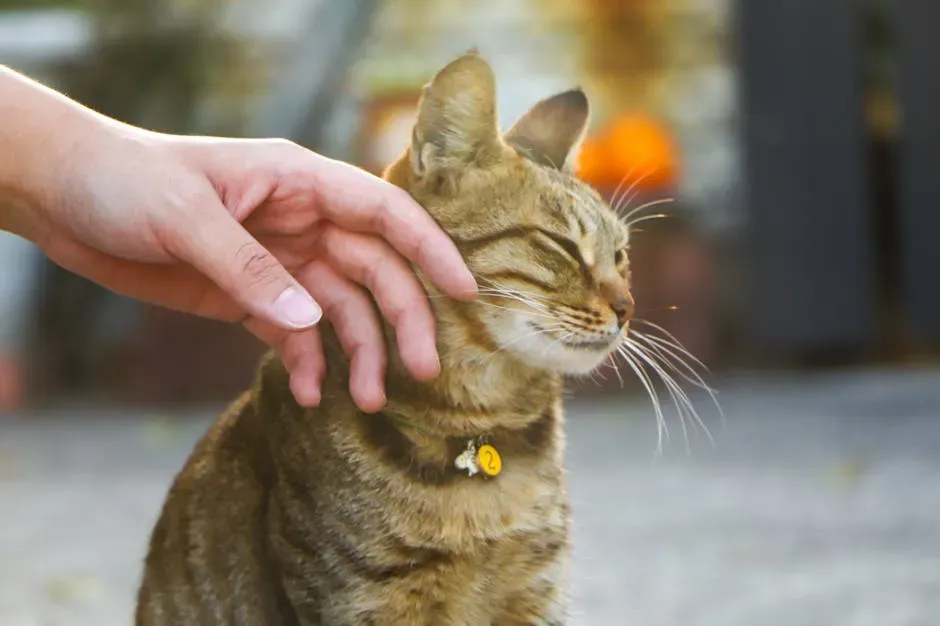
One of the most cherishing things you can do for a cat is simply wait. The rule of letting cats initiate contact is fundamental. Cats who approach you feel in control; cats who are approached feel cornered. The simple act of waiting for your cat to come to you builds more trust than months of chasing them for cuddles.
Cats are naturally mesopredators, meaning they can be predators or prey. As a result, they may feel overwhelmed or stressed by excessive attention from humans, whom they might perceive as a threat. Even your most affectionate cat has moments when proximity needs to be on their terms, not yours.
Even after your cat feels at home with you, it’s important to give them their independence. If your cat is giving you signals that they want you to back off, like tail thrashing, biting, or leaning away, don’t force the interaction. Respecting their space will strengthen their trust in you and protect your bond. Respecting a “no” is one of the most underrated acts of love in a cat relationship.
A thumping tail, flattened ears, dilated pupils, and backing away are clear “stop” signals. Respecting your cat’s boundaries builds trust and helps them feel safe at home. Reading those cues accurately and responding to them honestly is the kind of attentiveness cats reward with real loyalty.
Brushing and Gentle Grooming Sessions
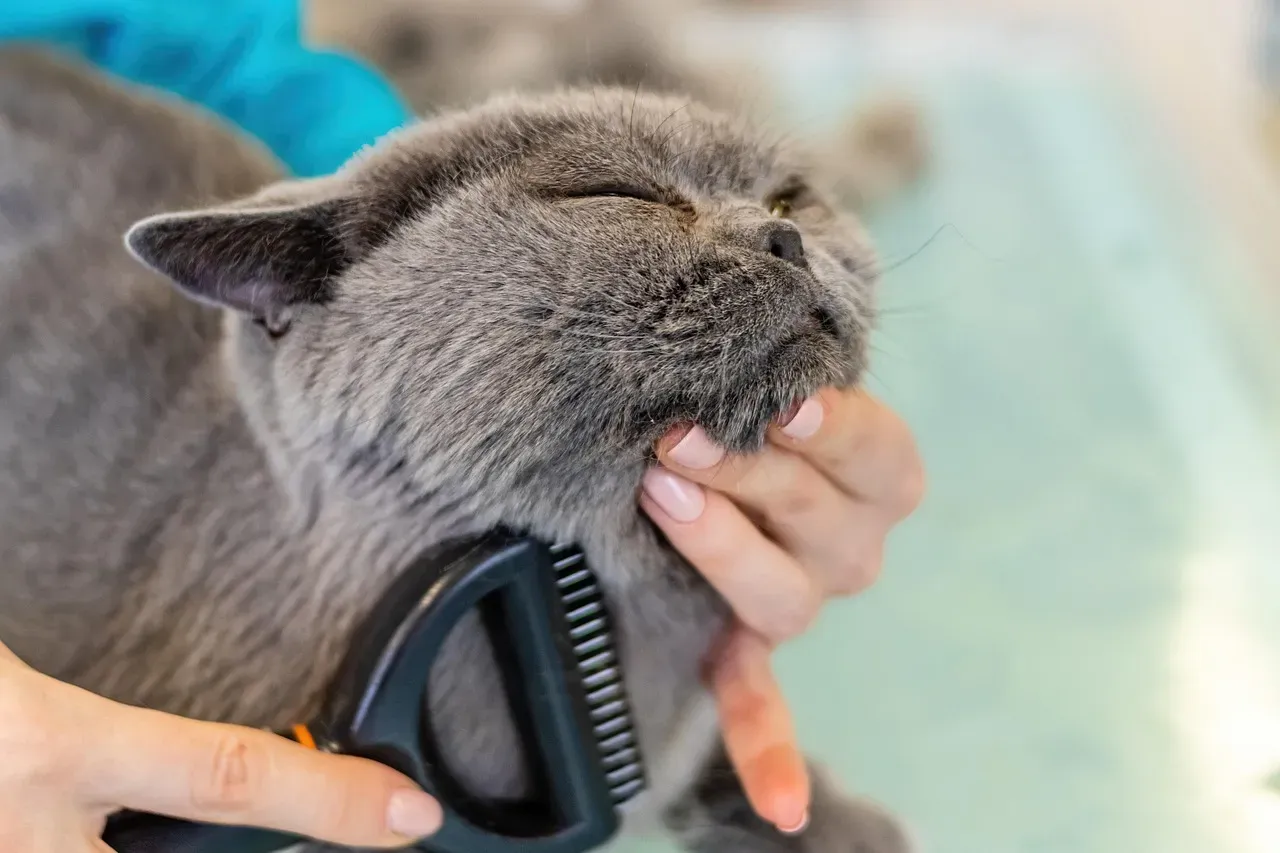
There’s a reason cats spend so much of their waking hours grooming. It isn’t just about cleanliness. For cats, grooming is social. Brushing is a great way to show care and attention, especially for long-haired cats. Many cats enjoy being brushed, as it mimics the grooming behaviors they would engage in with other cats. By brushing your cat gently, you’re not only helping to keep them clean but also creating a bonding experience that fosters a sense of relaxation and comfort. It’s a calm, soothing activity that signals to your cat that you care for their well-being.
Cats who are bonded often engage in allogrooming. This mutual grooming helps combine scents and creates a familiar identity. Scent plays a vital role in recognition and belonging, and in outdoor life, this is of the utmost importance. When your cat grooms you, it’s often a social behavior and an expression of a deep bond.
Regularly brushing your cat not only helps to remove loose fur and prevent mats, but it also strengthens your bond. Gentle petting and grooming sessions can be incredibly soothing for your cat, providing them with a sense of love and security. Keep sessions short. Follow the cat’s lead on when to stop.
While grooming is the love language of some cats, others aren’t as keen. Forcing it can create stress and negative associations. When that’s the case, focus on activities you know your cat enjoys and leave the brushing exclusively for routine wellness grooming. Not every cat is a brush enthusiast, and that’s perfectly fine.
Keeping a Predictable Routine
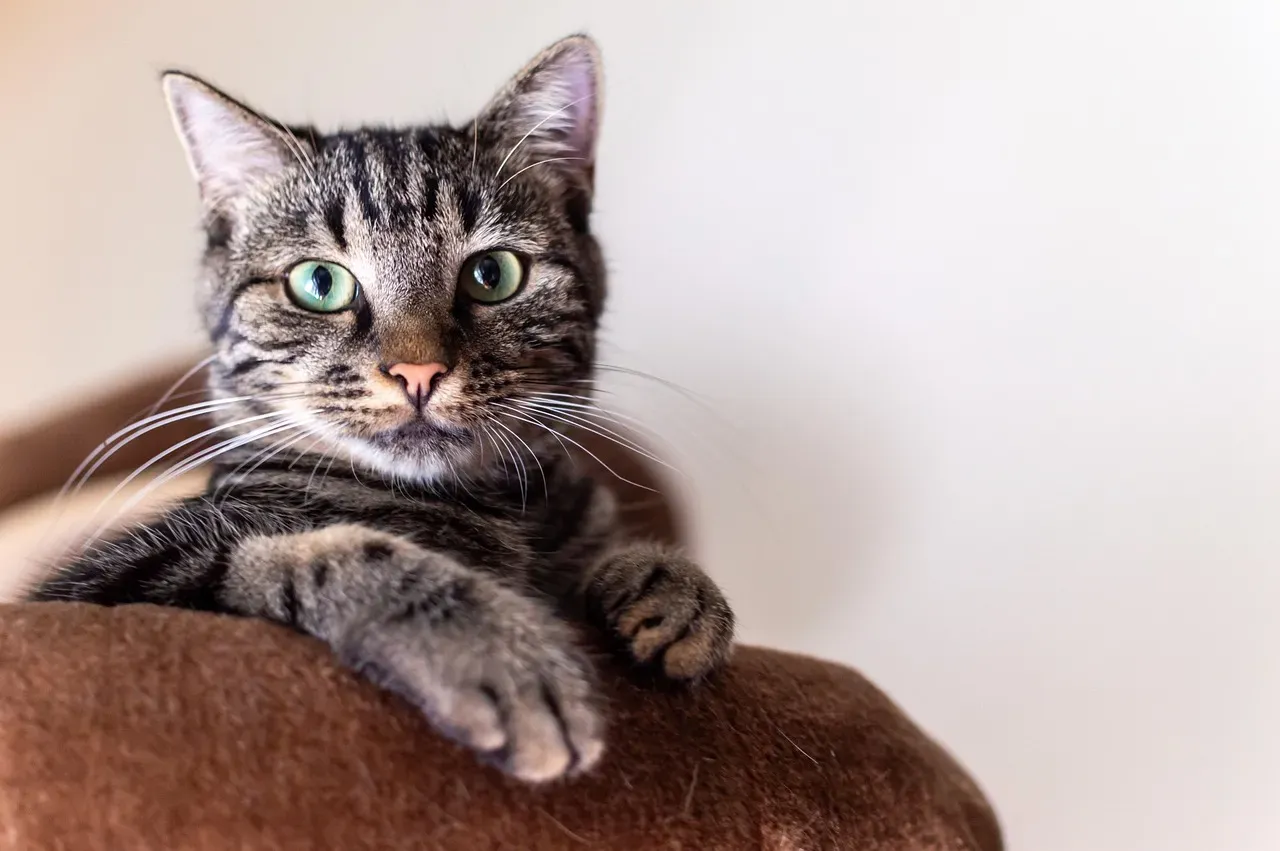
Cats aren’t particularly sentimental about surprises. A stable, predictable environment is one of the most concrete ways you can communicate safety and care to them. Cats are really schedule and routine oriented. You want to do the same things at the same time each day. Create a routine wherever possible for your cat’s daily schedule, whether with feed time, playtime, or time outside. The more they know when to expect what, the more confident and relaxed they’ll feel at home, which provides more incentive for them to seek closeness with their human family members.
Cats thrive on routine, and having a consistent feeding schedule is crucial for their well-being. When you feed your cat at the same times each day, it provides them with a sense of predictability and stability. This can greatly reduce their anxiety and help them feel more secure. Something as simple as a consistent mealtime can have a measurable effect on a cat’s sense of wellbeing.
Cats recognize affection through consistent behavior rather than words. They understand love through feeding routines, gentle touch, slow blinking, and respecting their space. Think of routine not as a rigid schedule but as a kind of promise you keep every day, one your cat quietly counts on.
Honoring the Moments When Your Cat Just Wants to Be Near You
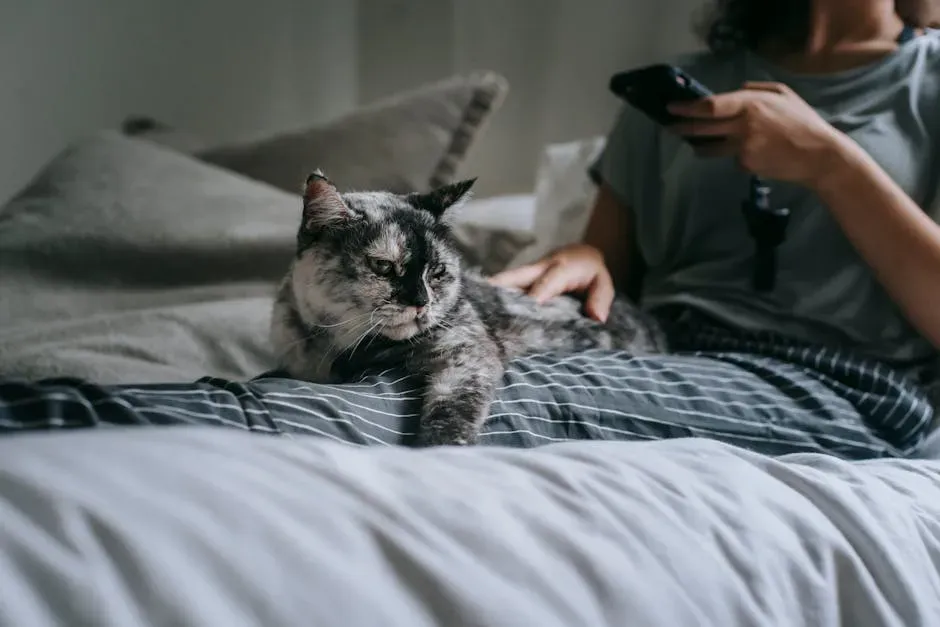
Your cat doesn’t always want to be touched. Sometimes they just want to be in the same room. That’s worth recognizing as affection, not indifference. A cat who wants to be nearby may follow you from room to room. Even if he doesn’t need to be in your lap or be touching you, the cat is displaying affection and attachment by choosing to share the space.
Some cats may love sitting beside you or resting in the same area without needing constant petting or touching. Others may enjoy playtime or sitting near you while you read or work. Meeting them exactly where they are, without pushing for more, is a kind of acceptance cats can feel.
A cat who chooses to sleep on or close to you is showing their love and trust in you. Even if they choose to lie just out of reach for petting, this means that they feel safe and trust that you will protect them, or that they will protect you if danger appears. Proximity, for a cat, is not nothing. It’s often quite a lot.
Spending quality time with your cat is essential for building trust and emotional security. Whether it’s lounging on the couch together or enjoying a quiet moment in the garden, these shared experiences can strengthen your bond. It’s about being present and engaged, showing your cat that they are an important part of your life. Even a few minutes of undivided attention each day can make a significant difference to your cat’s emotional well-being. This time together reassures your cat that they are loved and valued.
Conclusion
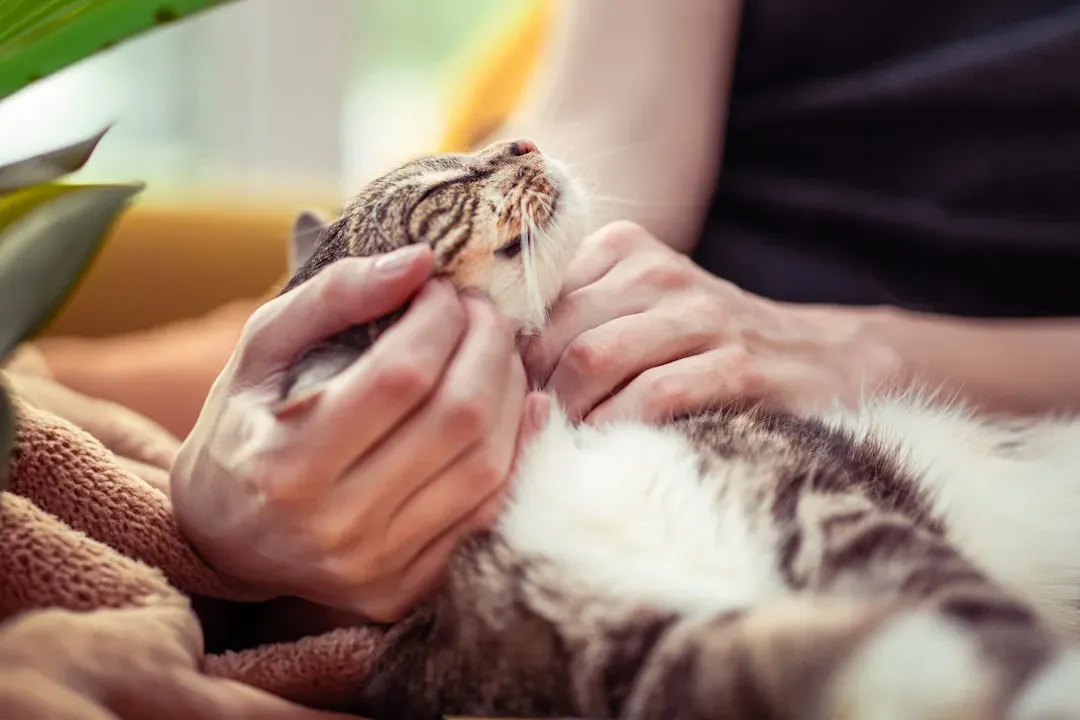
None of the gestures on this list are complicated. They don’t require expensive products or a perfectly engineered environment. What they do require is a willingness to pay attention: to notice when your cat blinks slowly at you, to wait instead of reach, to speak a little softer, to keep showing up at the same time every day.
Cats aren’t withholding love. They’re just measuring whether you can be trusted with it. Cats can form strong social bonds and are good at interpreting signs of affection from humans. The more consistently you offer these small gestures, the more your cat will recognize you as someone truly safe to love.
The relationship you build with a cat is quiet by nature. It rarely announces itself. It shows up instead in a slow blink from across the room, a warm weight settling beside your leg, a forehead pressed softly against yours. Those tiny moments are the whole thing.
Kristina is a young writer from India. An arts graduate and an avid content creator, Kristina is passionate about animals and wildlife. She enjoys exploring topics related to pet care, animal behavior, conservation, and nature, combining thorough research with engaging storytelling.